The longevity of a solids control system is rarely determined by the initial purchase price of the hardware; rather, it is forged in the daily discipline of the rig crew. As the primary separation stage, the shale shaker is subjected to continuous mechanical stress, abrasive solids, and chemically aggressive fluids. In the high-intensity drilling environments of 2026, where the rate of penetration (ROP) is faster than ever, even a minor lapse in shale shaker operation can lead to a cascade of mechanical failures and expensive fluid loss. To maximize the service life of this critical asset, operators must move beyond reactive repairs and embrace a holistic strategy that integrates a deep understanding of the equipment's mechanics with a rigorous, proactive maintenance culture.
Mastering the Dynamics of Shale Shaker Operation in High-Flow Environments
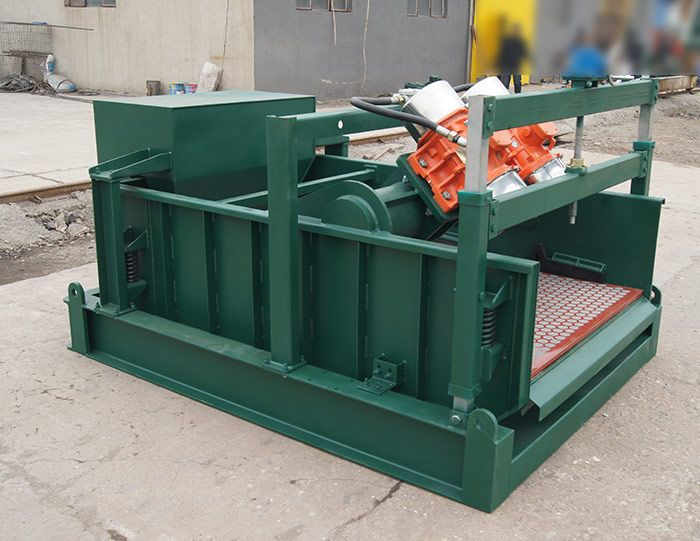
The foundation of equipment longevity begins with proper shale shaker operation, which is more of an art than a simple mechanical task. The primary objective is to maintain a consistent "pool" of drilling fluid on the screen surface. If the pool is too shallow, the fluid passes through the mesh too quickly, leading to "dry-shaking" which accelerates screen wear. If the pool is too deep, the shaker becomes overwhelmed, leading to fluid bypass and potential motor strain.
Effective shale shaker operation requires the derrickhand to constantly monitor the "discharge point" of the solids. In a perfectly tuned system, the cuttings should appear dry approximately three-quarters of the way down the screen deck. Achieving this balance involves real-time adjustments to the deck angle and the vibration intensity. By ensuring that the machine is not vibrating "empty" and that the mud is evenly distributed across the entire width of the basket, the operator minimizes localized stress on the frame and ensures that the energy is used for separation rather than destructive resonance. This unremitting pursuit of operational balance is the first and most effective defense against premature equipment fatigue.
The Vital Role of High-Quality Shale Shaker Parts in System Integrity
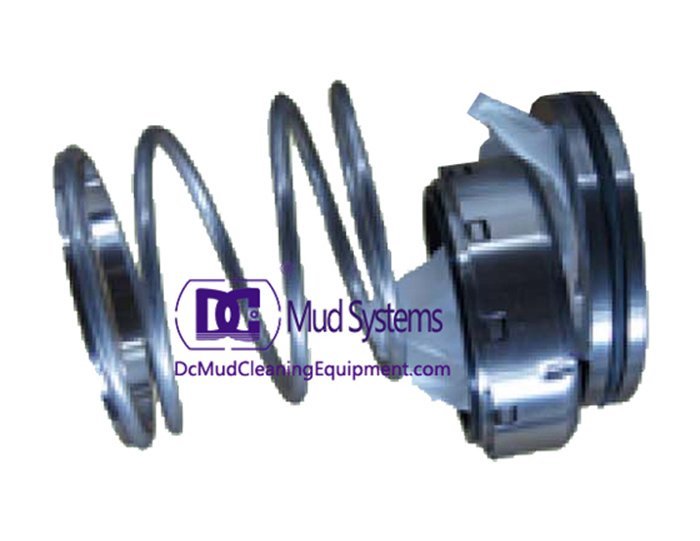
Every mechanical system is only as strong as its weakest link, and in a solids control circuit, the quality of shale shaker parts is paramount. Because shakers operate at accelerations exceeding 7.0G, every bolt, spring, and seal is subjected to immense cyclical loading. Utilizing sub-standard or non-OEM replacement parts is one of the most common causes of catastrophic frame failure.
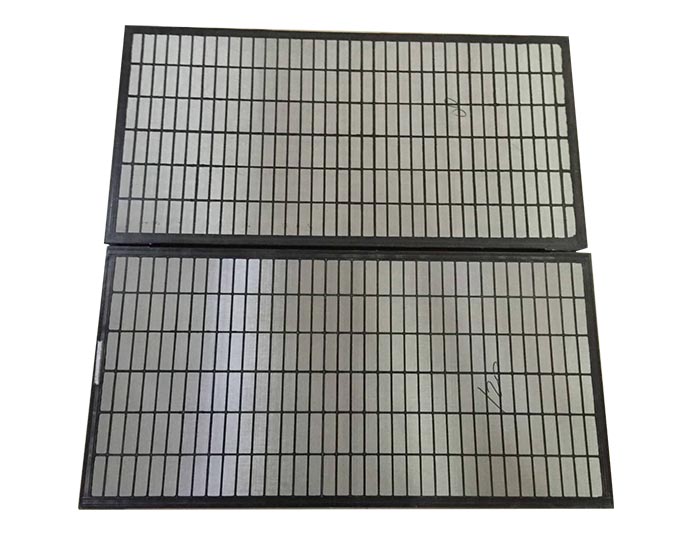
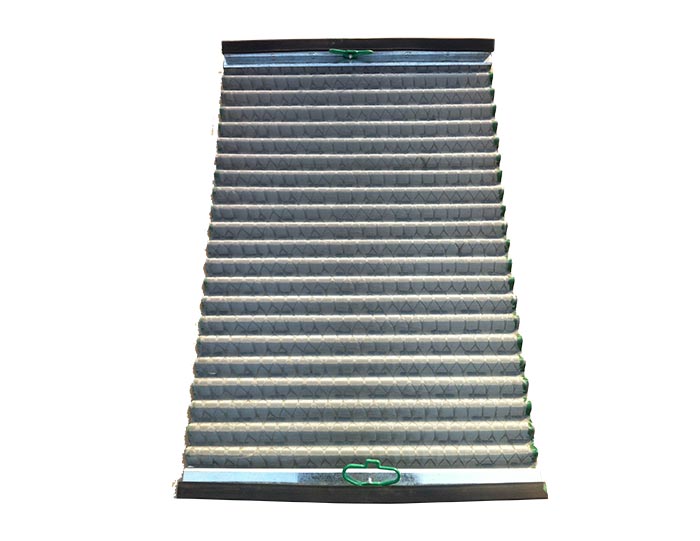
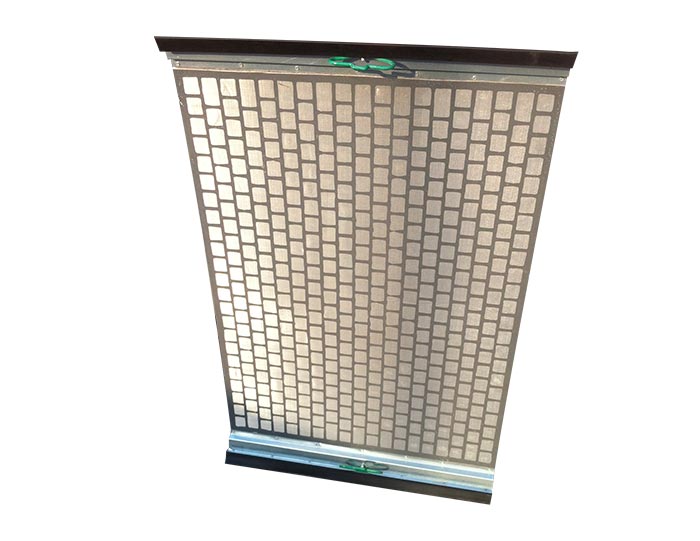
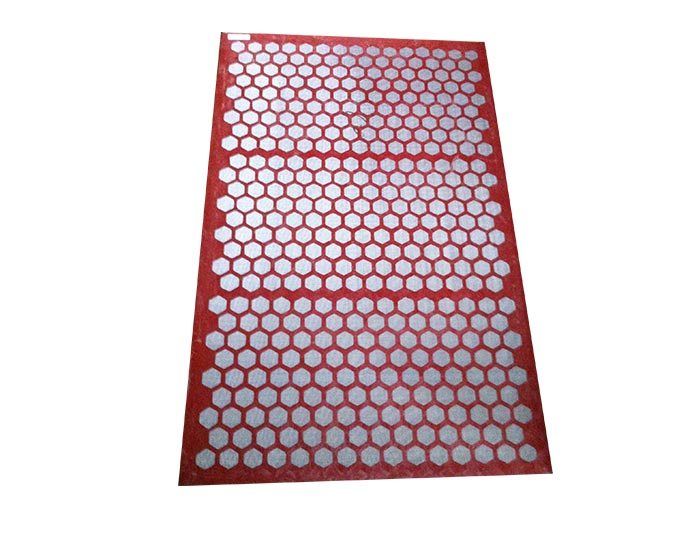
When evaluating shale shaker parts, special attention must be paid to the vibration-damping members, such as the rubber springs or composite isolators. These components are designed to absorb the energy that would otherwise be transmitted to the rig floor or the shaker’s own sub-base. Once these isolators begin to harden or crack due to chemical exposure, the vibration becomes erratic, leading to "cracked baskets" and motor bearing failure. Similarly, the integrity of the tensioning system—whether it be wedge blocks or hydraulic rams—is critical. If these shale shaker parts fail to hold the screen perfectly taut, the resulting "screen flutter" will destroy a thousand-dollar screen in a matter of minutes. Investing in premium, corrosion-resistant components is not an expense; it is a strategic insurance policy against the astronomical costs of rig downtime.
Leveraging the Shale Shaker Working Principle for Preventative Maintenance
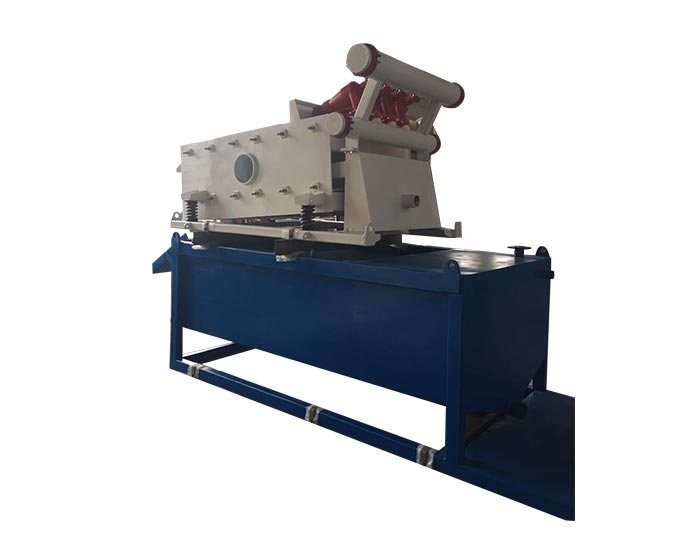
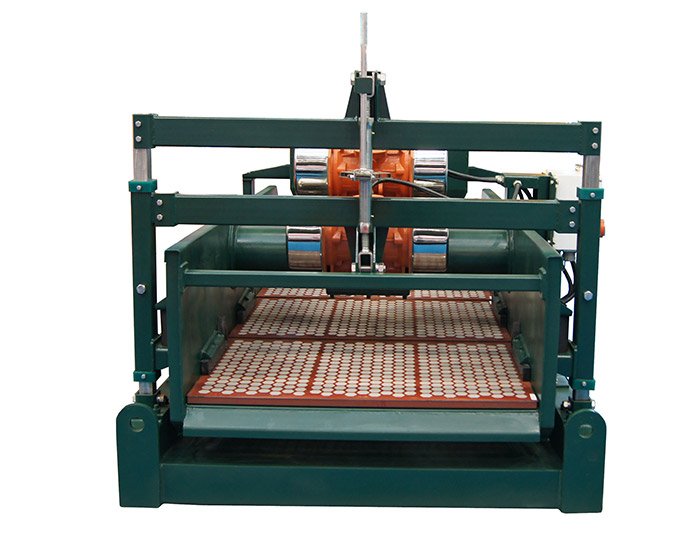
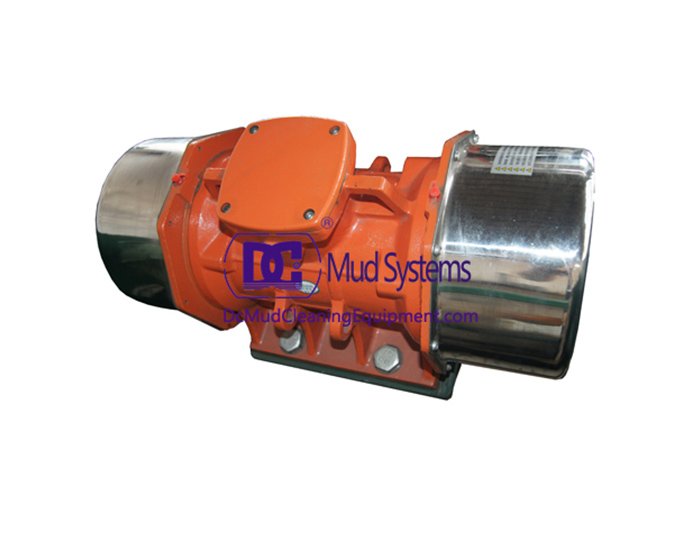
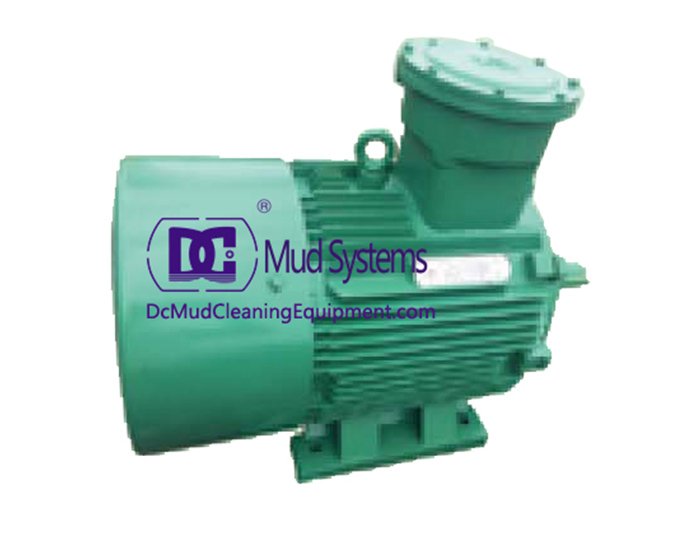
A sophisticated maintenance program is built on an intimate knowledge of the shale shaker working principle. Most modern shakers utilize the principle of linear motion, generated by two counter-rotating vibrator motors. These motors must remain perfectly synchronized to ensure that the resultant force is directed in a straight line, typically at a 45-degree angle to the deck.
When maintenance teams understand the shale shaker working principle, they can diagnose problems before they manifest as breakages. For example, if a shaker begins to "wander" or vibrate with a twisting motion, it indicates that the two motors are no longer synchronized or that one motor’s internal eccentric weights have shifted. By catching this imbalance early through vibration analysis or simple visual inspection, the crew can prevent the uneven torque from tearing the structural welds of the basket. Furthermore, understanding that the shaker relies on high G-force to break the fluid's surface tension allows the crew to appreciate why cleanliness is so vital. Dried mud on the vibrating frame adds "dead weight" that shifts the center of gravity, throwing the machine out of its engineered balance and shortening the life of the bearings.
Optimizing the Entire Drilling Fluid Shale Shaker System Circuit
The shaker does not exist in a vacuum; it is the heart of a comprehensive drilling fluid shale shaker system. Maximizing service life requires looking "upstream" and "downstream" of the shaker itself. For instance, the design of the "header box" or "possum belly" is crucial. If the mud enters the shaker with too much turbulence or at an uneven velocity, it creates "hot spots" on the screens, leading to uneven wear and localized mechanical stress.
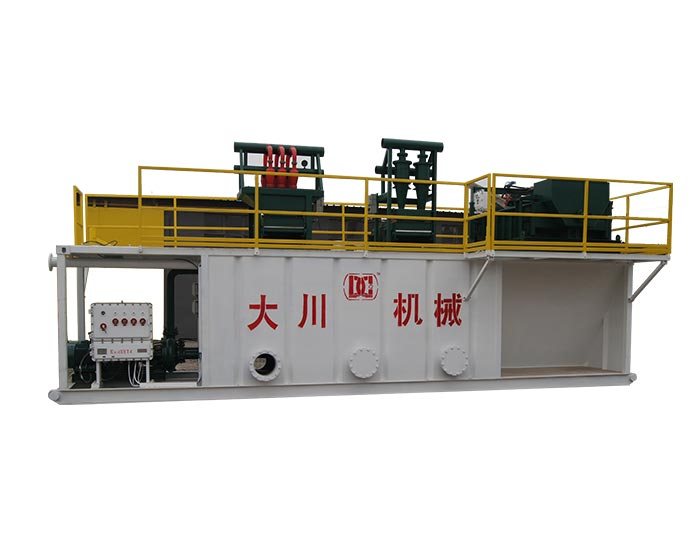
A well-optimized drilling fluid shale shaker system incorporates a bypass manifold and a distribution box that ensures the mud hits the screens as a gentle, laminar flow. Downstream, the cleanliness of the mud tanks is equally important. If the sand traps are not dumped regularly, solids can back up into the shaker's discharge area, creating "sanding-in" conditions that put immense strain on the vibration motors. By treating the shaker as one part of a larger, interconnected ecosystem, operators can ensure that the environmental conditions surrounding the machine are conducive to a long and productive service life. This holistic approach to the drilling fluid shale shaker system ensures that the hardware is never forced to work beyond its engineered limits.

 Linear Motion Shale Shaker In Drilling Rig
  Oilfield Mud Cleaner
 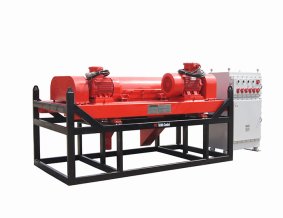 Drilling Fluid Decanter Centrifuge
 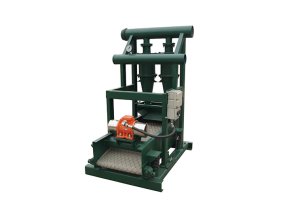 Drilling Mud Desander
 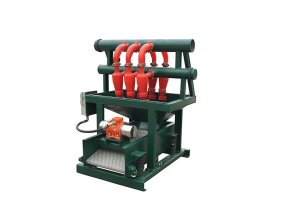 Hydrocyclone Desilter
 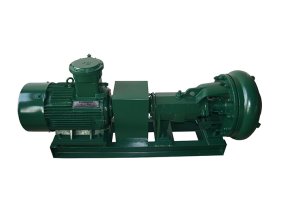 Centrifugal Pump/Centrifugal Mud Pump
 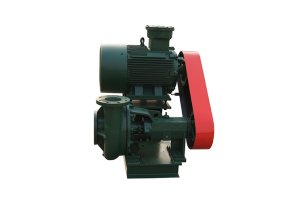 Shear Pump
 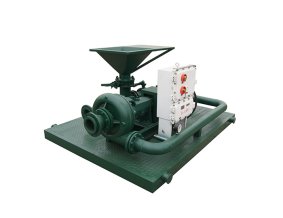 Jet Mud Mixer
 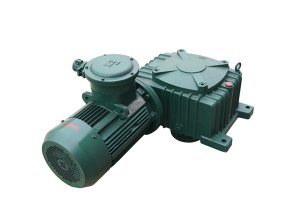 Horizontal Mud Agitator
 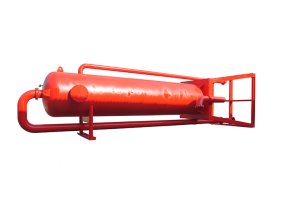 Constant Pressure Drilling Fluid Mud Gas Separator
 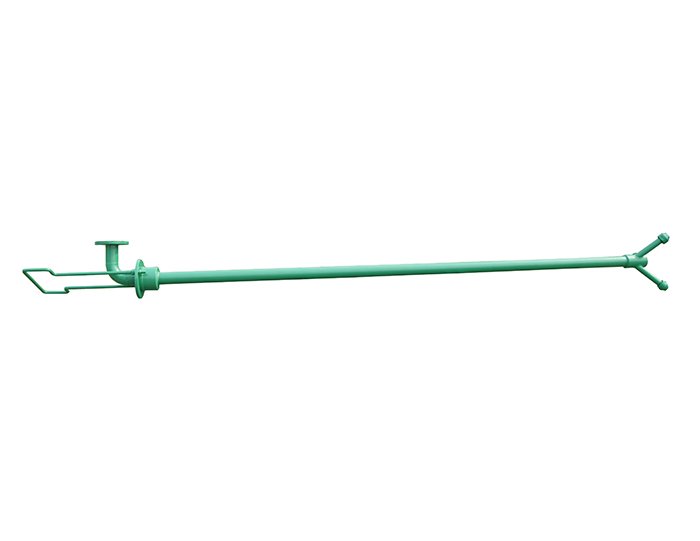 Mud Gun
  Mud Tank
 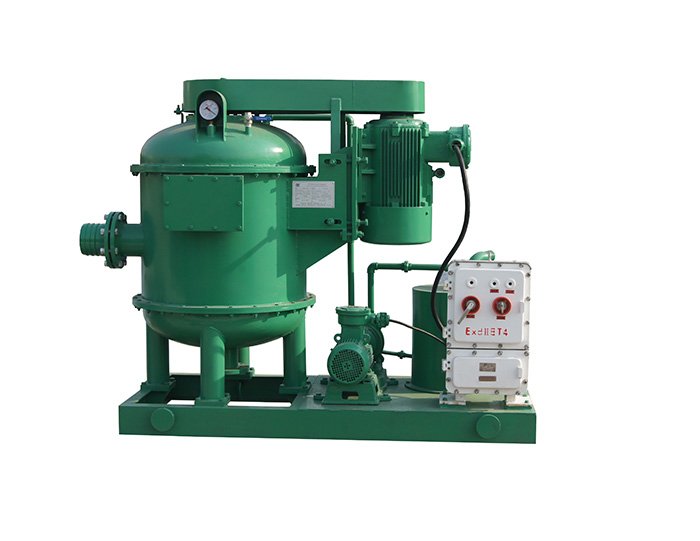 Solids Control System Vacuum Degasser
 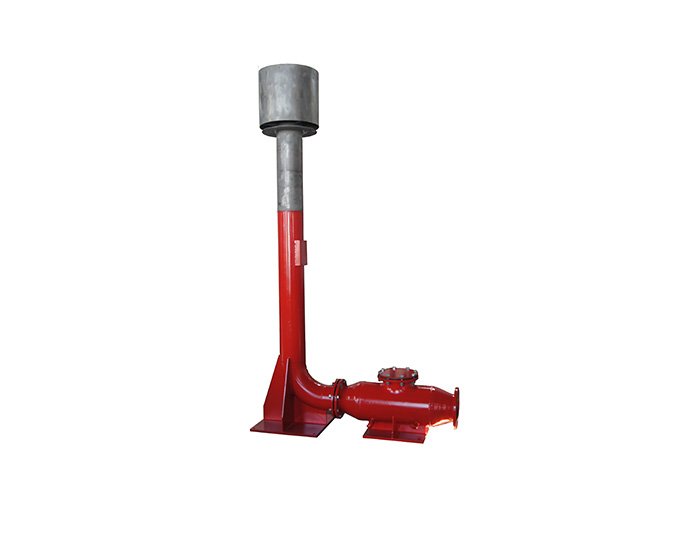 Flare Ignition Device
  Diesel Tank
  Submersible Slurry Pump