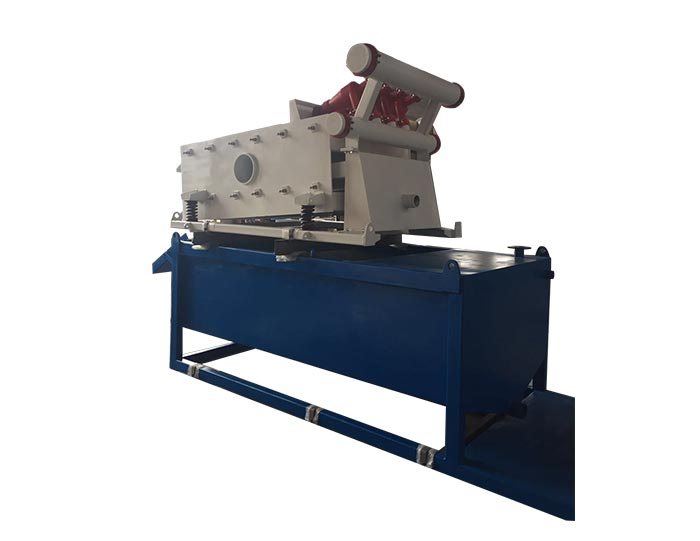
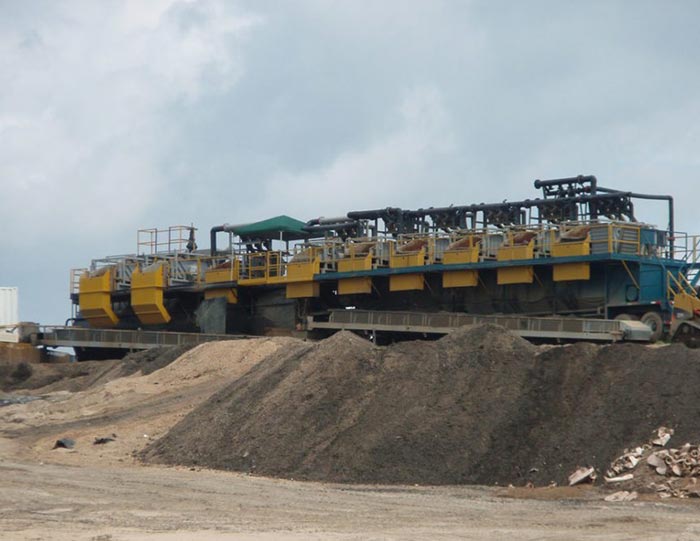
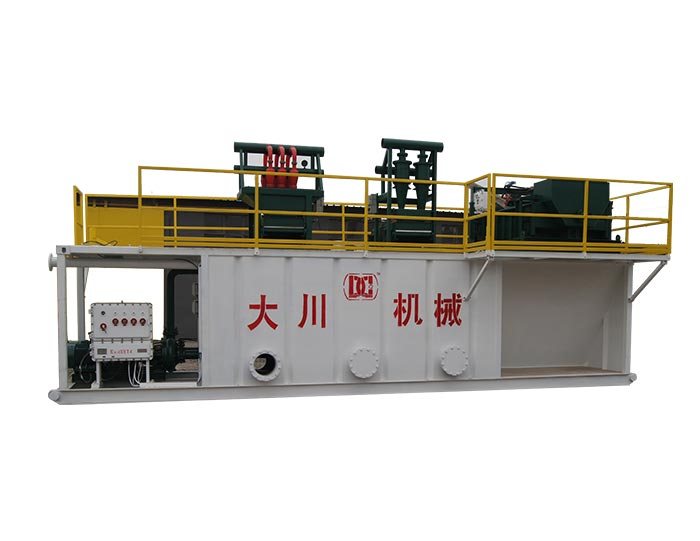
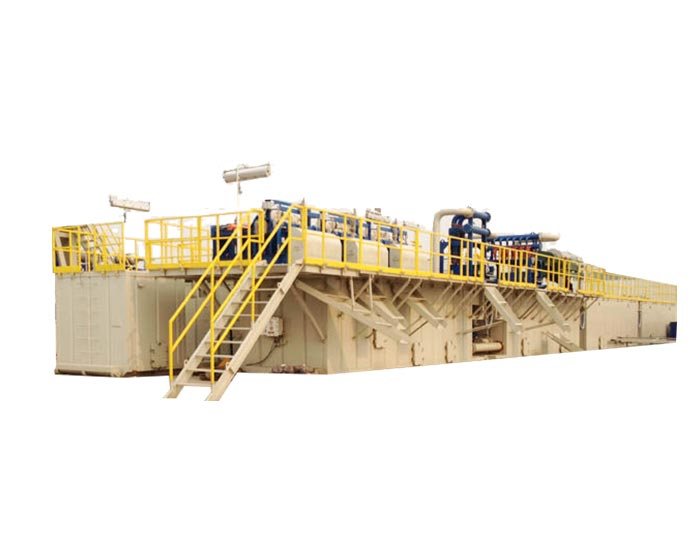
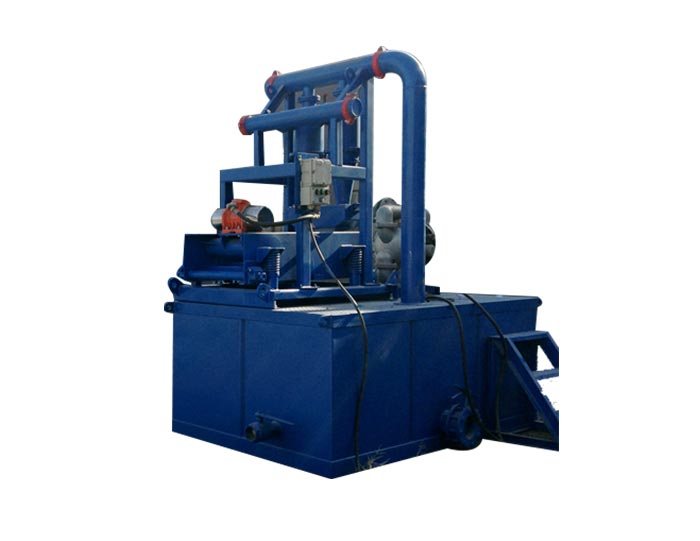
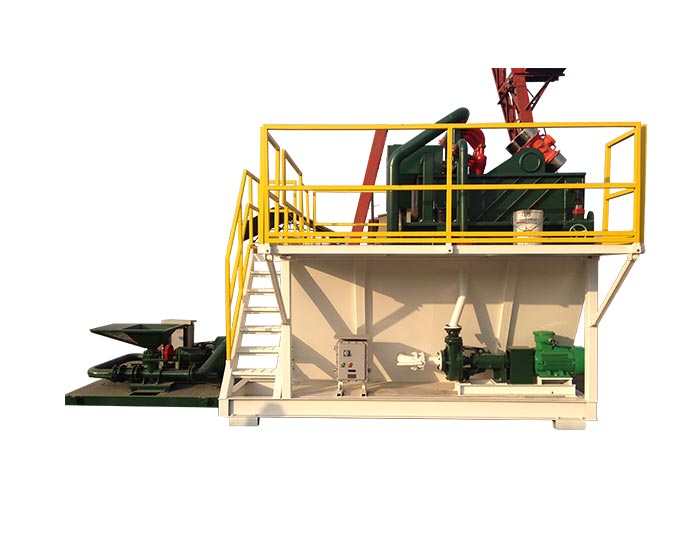
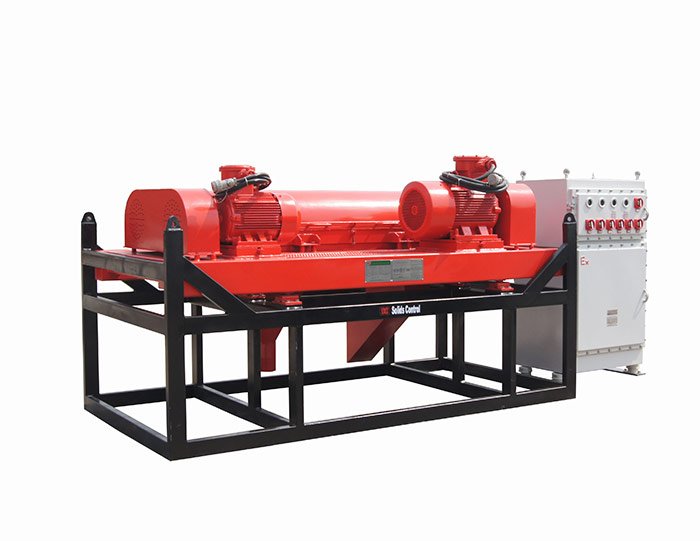
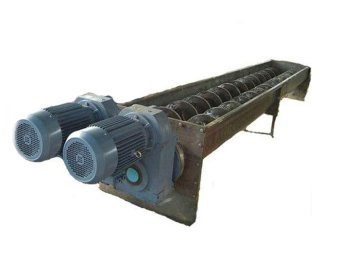
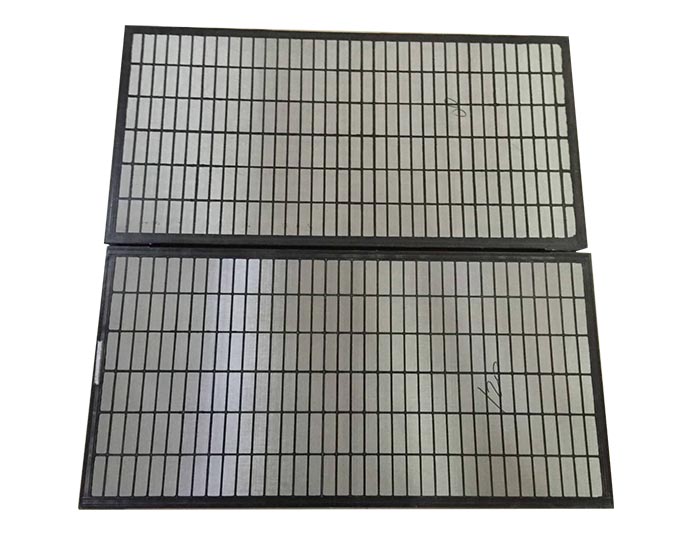
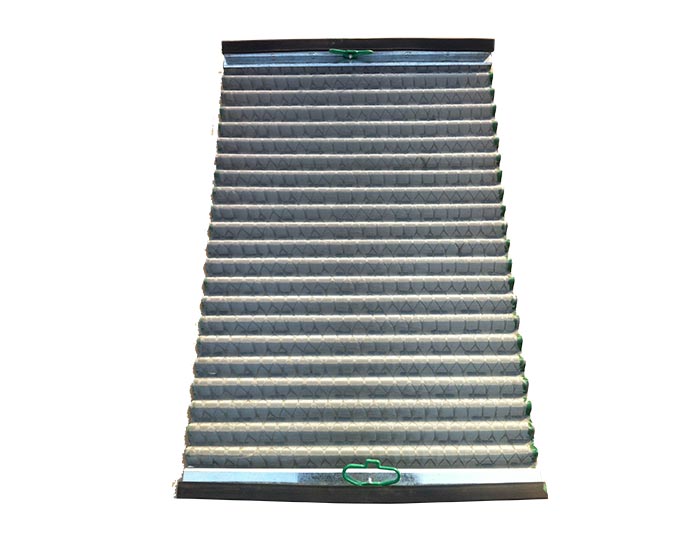
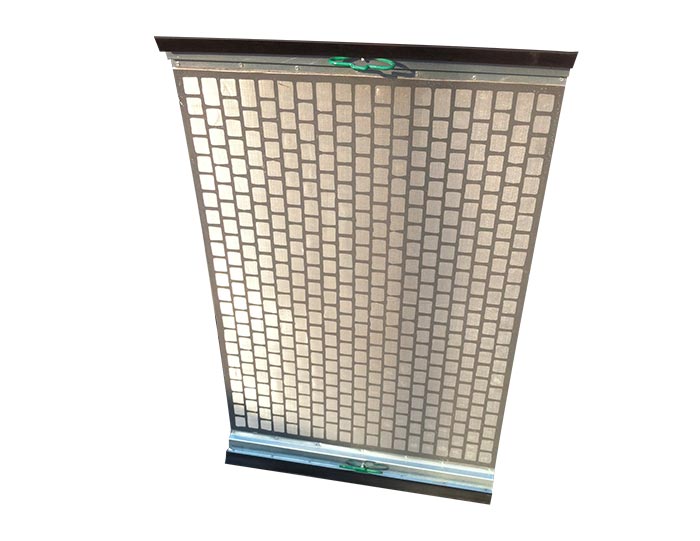
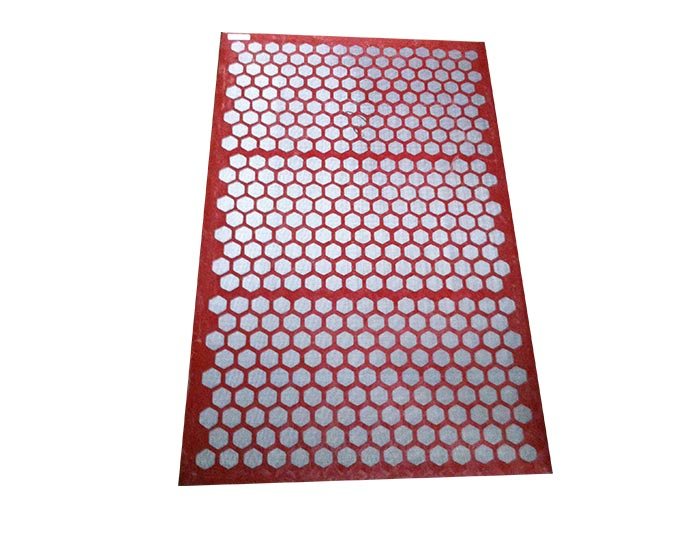
A mud cleaner is two machines bolted together, and it usually fails at the joint. The cones do the cutting and the shaker does the dewatering, and on paper the two are matched. In practice the deck becomes the limit as soon as the mesh goes finer or the mud gets heavier, so a unit sold as 900 L/min can spend the second half of a section limited by its 1.2 square metre deck. Almost every complaint about solids returning to the active system traces back to that mismatch. A properly balanced cleaner takes the cone overflow back to the tank, drops the underflow onto a fine screen, and sends the screen oversize to the waste pit, with each of those three streams sized to the same flow. Screen area is the figure to check first. A deck of 1.2 square metres at 200 mesh will handle the underflow of roughly twelve 4 inch cones in heavy mud, so a 16 cone unit on the same deck is already running uphill; the extra cones add nothing but wear and the deck floods as soon as the mud thickens. When someone asks why the cleaner stopped catching fines halfway through a section, that is usually the answer.
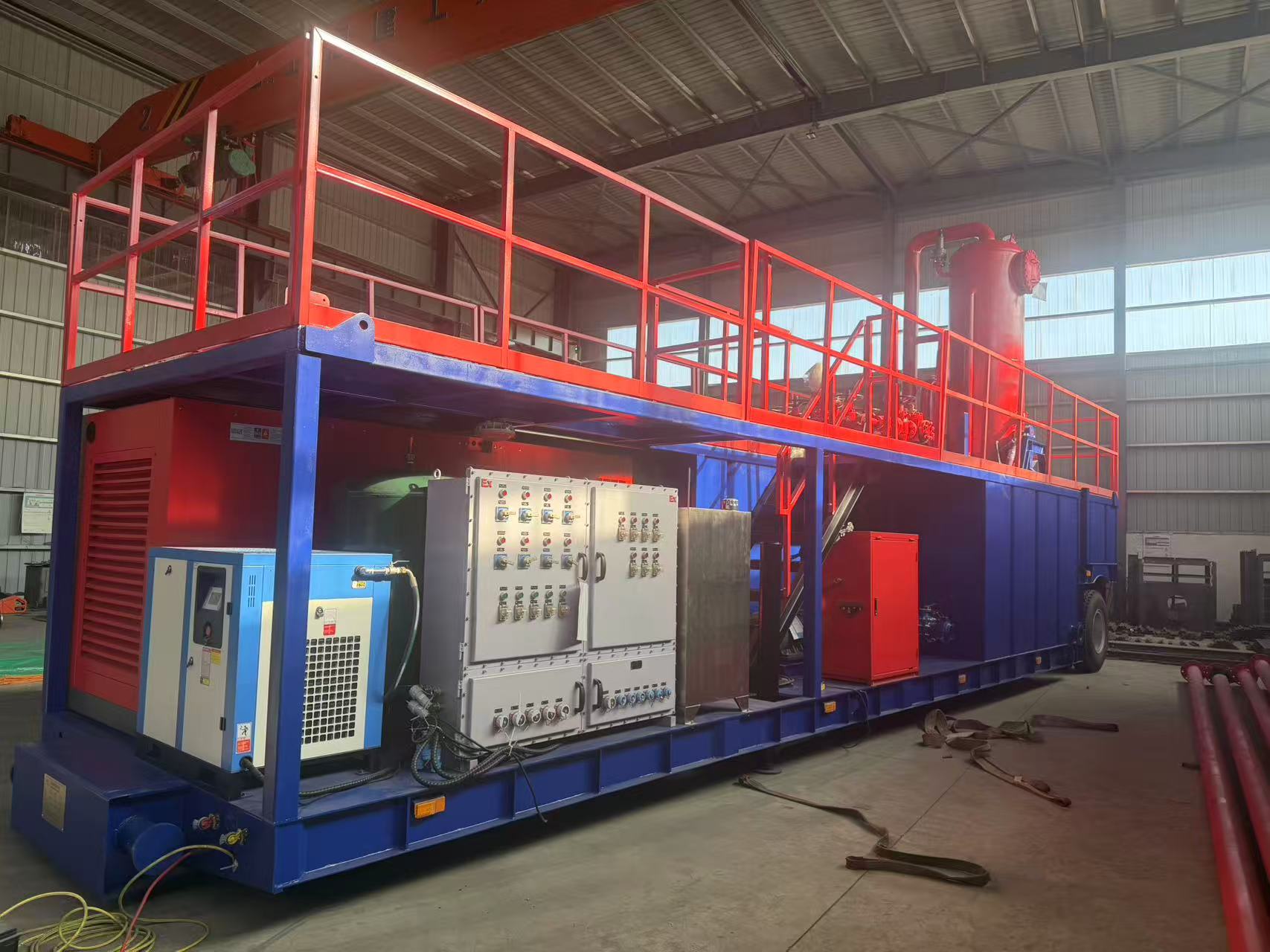
Mud Cleaner Cut Point Across Cone Sizes
Where the mud cleaner sits decides what it can achieve. On most rigs the cleaner replaces a separate desilter outright, with the same 4 inch cones doing the cutting and the deck doing the dewatering in one tank compartment. Running it downstream of an existing desilter to polish the overflow only pays off when that desilter is oversized for the flow, because two machines cutting at 20 microns in series give little that the first one did not already take out. The cone size sets the cut: 4 inch cones at 30 to 35 psi will hold a cut around 15 to 20 microns, while 5 inch cones are coarser but pass more volume each. A 12-cone 4 inch unit moves roughly 700 to 900 L/min at pressure, which is the number that must be matched to the pump feeding it and the screen below. If the cleaner is fed by a pump shared with the desander, the manifold pressure will drop whenever the desander is opened, and the cones will spray instead of rope. A dedicated centrifugal pump, sized for the cone count and run at a steady 35 psi, removes that variable at very little cost. Mud weight also shifts the cut in ways the datasheet does not show. At 1.0 g/cm3 a 4 inch cone may hold 15 microns; at 1.8 g/cm3 the same cone is closer to 25, because the higher viscosity slows the radial migration of particles inside the cone. That does not mean the cleaner is useless in heavy mud, only that it should not be judged against a light-mud specification when the section runs at 1.7 or 1.8.
Drilling Mud Cleaner Wear, Blinding and Overflow Routing
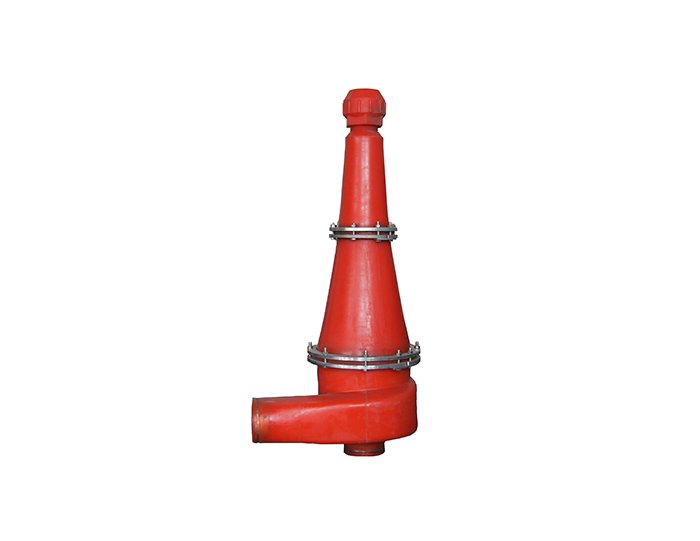
Two components decide how long a drilling mud cleaner keeps working, and neither is expensive. Polyurethane cones wear at the apex and in the feed chamber; a worn apex opens the underflow, the cone stops roping and starts spraying, and fine solids that should have gone to waste travel back to the tank instead. Checking the discharge pattern is a two-minute job that should be part of every shift: all cones should look the same; a cone spraying a wide fan while its neighbours rope is the one to open. The screen blinds for a different reason. Fine solids and lost circulation material plug the apertures, the deck floods, and mud runs off the end carrying the solids it was supposed to remove. Screen tension and correct mesh for the mud weight matter here; going one mesh coarser often restores capacity without giving up meaningful cut. Keep a spare screen and a set of apex inserts on the skid, and change the apex before the cone body is worn. Feed chamber erosion is the slower failure and the more expensive one, since the whole cone body has to come off; it shows as a loss of pressure and a widening spray on the cones nearest the manifold inlet, which take the most turbulence. Rotating the manifold inlet or fitting a diffuser inside the feed chamber spreads the load and adds years to a set of cones.
Drilling Mud Cleaner Sand Trap and Return Line Practice
The overflow line is where a good drilling mud cleaner installation is quietly ruined. Cone overflow is clean fluid, and it should return below the mud line of the receiving compartment with the pipe discharging downward, because a splash over the weir pulls air into the mud and the next pump in line cavitates. On a tandem tank, send that overflow to the compartment that feeds the next stage rather than into the suction of the cleaner, so the stream passes through once. Screen undersize should return by the shortest route that does not cut across a weir, since a long surface run foams the mud and adds air. Then there is the sand trap. The compartment under the deck collects what passes the screen, and on a deep well it can hold several hundred kilograms in a week. Dump it on a schedule rather than when someone remembers, because a full trap sends the solids straight back into circulation.
Mud Cleaner Machine Commissioning on a Tandem Tank
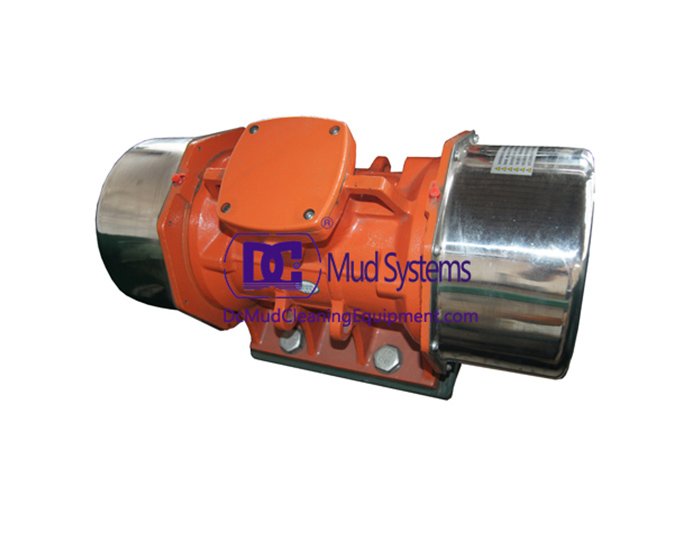
Commissioning a mud cleaner machine takes half a day and saves weeks. Start on water. Bring the manifold to 35 psi and confirm every cone discharges the same pattern; a cone that sprays while the rest rope is usually a plugged feed inlet or a missing apex. Watch where the underflow lands on the deck: it should fall in the first third of the screen, not at the edge where it bypasses half the screening area. Check the screen tension with the manufacturer gauge, then run the deck and confirm the vibration ellipse is steady and the G-force matches the nameplate. Only then bring mud through, and record the manifold pressure, the amp draw and the overflow rate at design flow. Those three numbers become the baseline for the next crew, and a drop in manifold pressure is the earliest sign of a worn pump or a blocked cone inlet. If the deck loads unevenly, the machine is not level or the distributor above the screen is misaligned; both are corrected with shims in an hour. Photograph the underflow pattern on the deck during commissioning; a printed record settles most later disputes about whether the unit ever worked.
Mud Cleaner Machine Support Before the Order
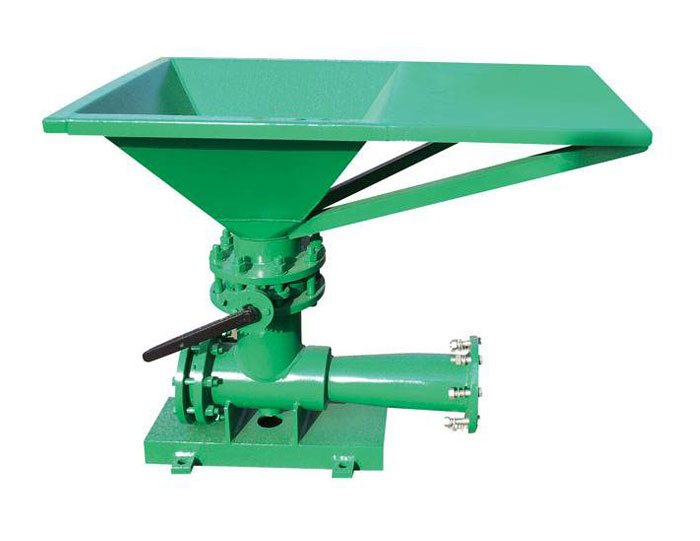
Tangshan Dachuan Machinery Co., Ltd. supplies mud cleaner units alongside shale shakers, vacuum degassers, desanders, desilters, mud gas separators, agitators, centrifugal and shear pumps, jet mud mixers, flare ignition devices, mud, water and diesel tanks, and vertical cutting dryers, as single machines or as a matched solids control package. Cone count, screen area and pump duty are fixed together on our side rather than left to the buyer to reconcile, and each cleaner ships with a commissioning sheet, a spare list, tank integration drawings and a list of piping changes. Send the circulation rate, the mud weight and the desilter model already on the rig, and our engineers will confirm the cone count and screen area that keep the three streams in balance.

 Linear Motion Shale Shaker In Drilling Rig
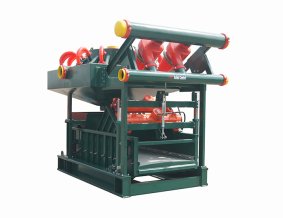 Oilfield Mud Cleaner
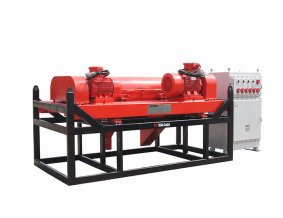 Drilling Fluid Decanter Centrifuge
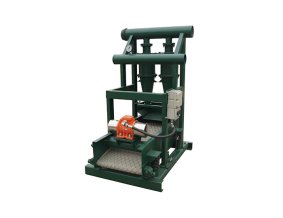 Drilling Mud Desander
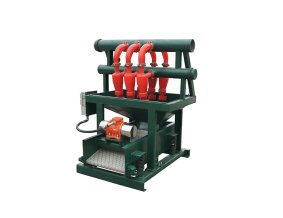 Hydrocyclone Desilter
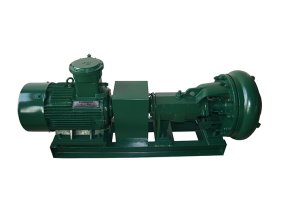 Centrifugal Pump/Centrifugal Mud Pump
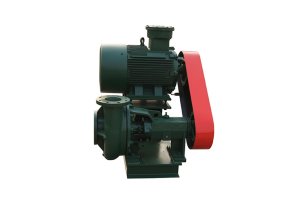 Shear Pump
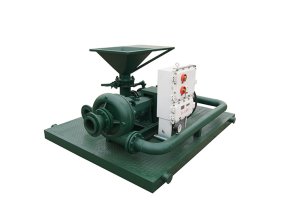 Jet Mud Mixer
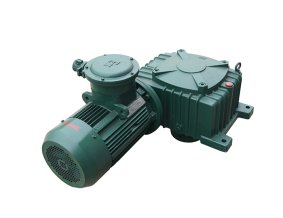 Horizontal Mud Agitator
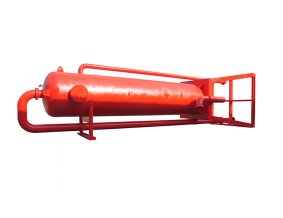 Constant Pressure Drilling Fluid Mud Gas Separator
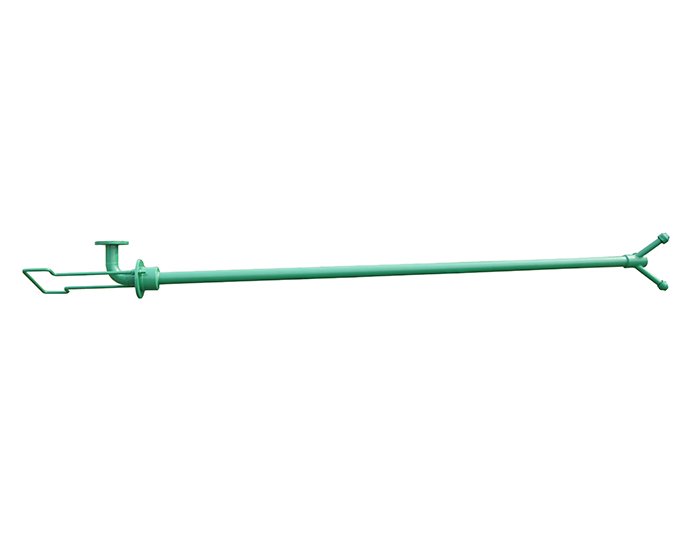 Mud Gun
 Mud Tank
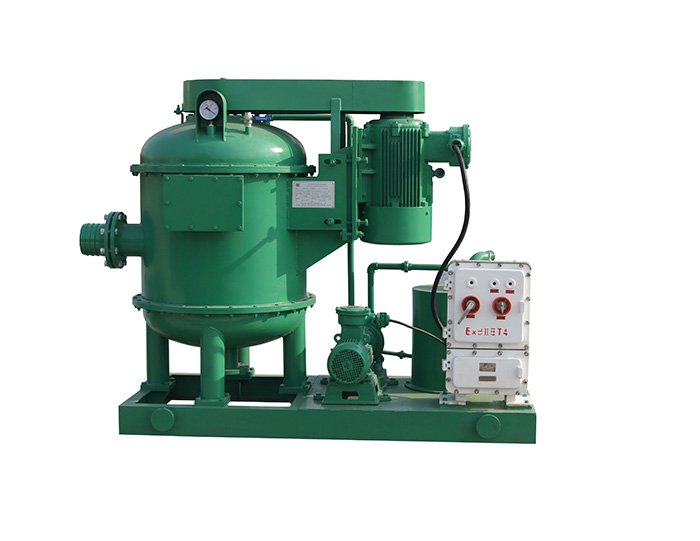 Solids Control System Vacuum Degasser
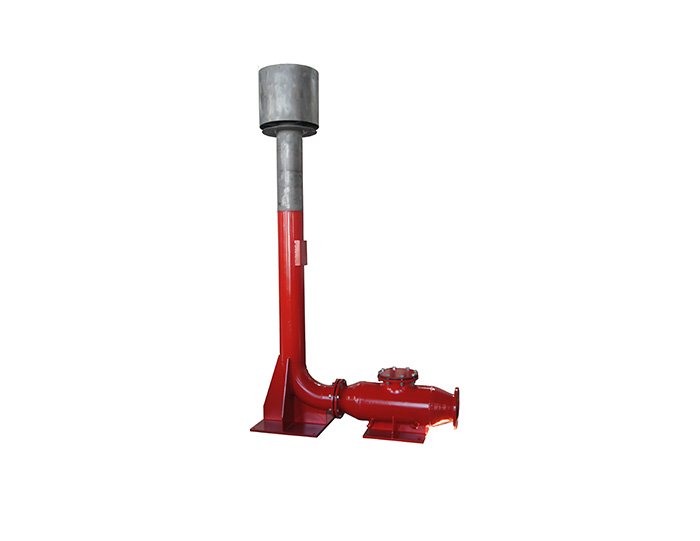 Flare Ignition Device
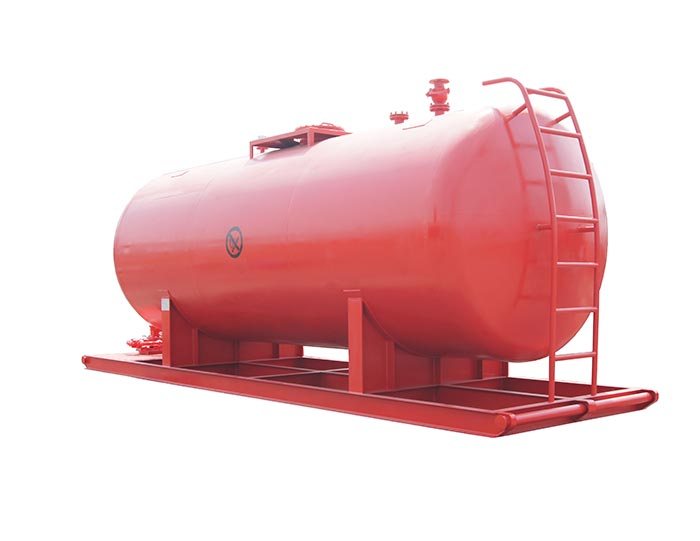 Diesel Tank
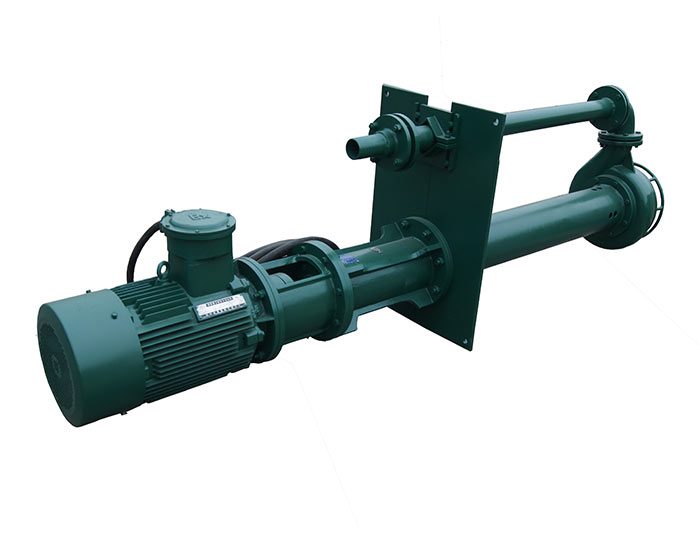 Submersible Slurry Pump