Hydrocyclone Wear Inspection for Reliable Mud Cleaner Operation
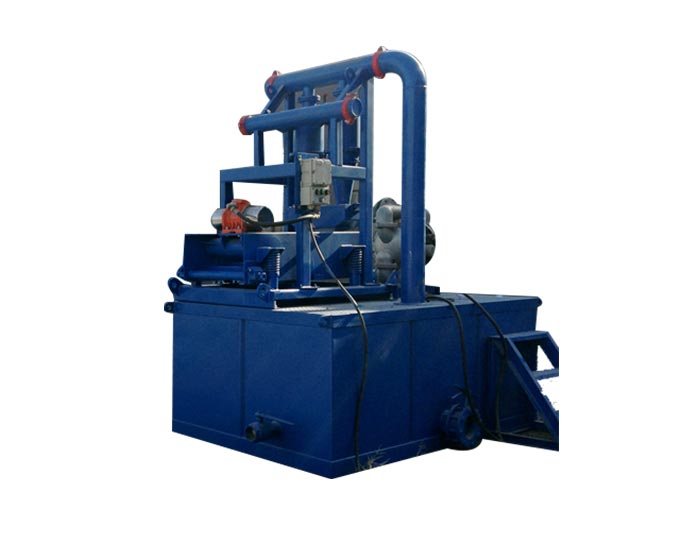
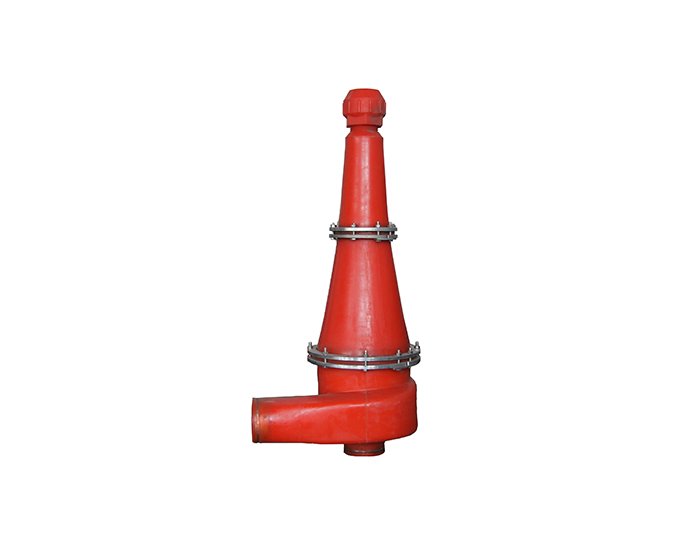
The hydrocyclone is one of the most important inspection points in a mud cleaner because drilling fluid continuously passes through its internal flow passages at high velocity. The hydrocyclone material is specified as wear-resistant polyurethane, which is suitable for handling abrasive drilling-fluid conditions.
During routine inspection, engineers should pay particular attention to the feed area, cone body, overflow section and underflow opening. These areas are directly involved in the movement and discharge of drilling fluid and separated solids. Wear should be assessed based on whether the internal geometry remains suitable for the intended separation process.
A visual inspection is useful because progressive erosion may develop before a major performance problem becomes obvious. For a mud cleaner machine, identifying this type of wear early is generally more practical than waiting until separation performance has noticeably deteriorated.
Checking Erosion, Cracks and Blockage in Drilling Mud Cleaner Cones
Before inspecting a drilling mud cleaner, the equipment should be isolated from the active circulation system and allowed to depressurize. Remaining drilling fluid should be removed from the relevant components so that the cone surfaces and discharge openings can be examined properly.
Erosion is one of the main concerns because drilling fluid may contain abrasive drilled solids. Particular attention should be given to areas where the fluid changes direction or where concentrated solids are discharged. Cracks, cuts, deformation and abnormal surface deterioration should also be recorded.
Blockage requires a different response. If solids accumulate around the underflow opening, the flow condition can change and the hydrocyclone may no longer operate as intended. Cleaning should be completed before the mud cleaner is returned to service, especially when the blockage is associated with unusually high solids loading.
A useful inspection record should note the condition of each cyclone rather than simply recording that the entire unit was “checked.” This makes it easier to identify whether wear is isolated to one cone or developing across the separation assembly.
When Hydrocyclone Replacement Becomes Necessary in a Mud Cleaner Machine
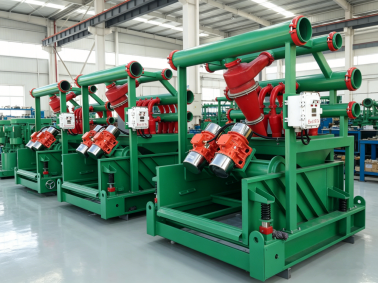
Hydrocyclone replacement should be considered when erosion, cracking or deformation has progressed to a point where the intended flow passage may be affected. Repeated blockage can also justify a closer inspection if cleaning does not resolve the problem.
For a mud cleaner machine, replacement components should match the original cyclone configuration. Desander and desilter cones are not interchangeable simply because their external connections appear similar. They perform different separation stages and are selected according to the required drilling-fluid treatment process.
Keeping suitable hydrocyclone spares available can also reduce maintenance delays. For drilling operations where the mud cleaner runs continuously, waiting for a replacement component after a failure can create a much greater operational problem than planned component replacement during scheduled maintenance.
Underflow Shaker Maintenance for Consistent Mud Cleaner Drilling
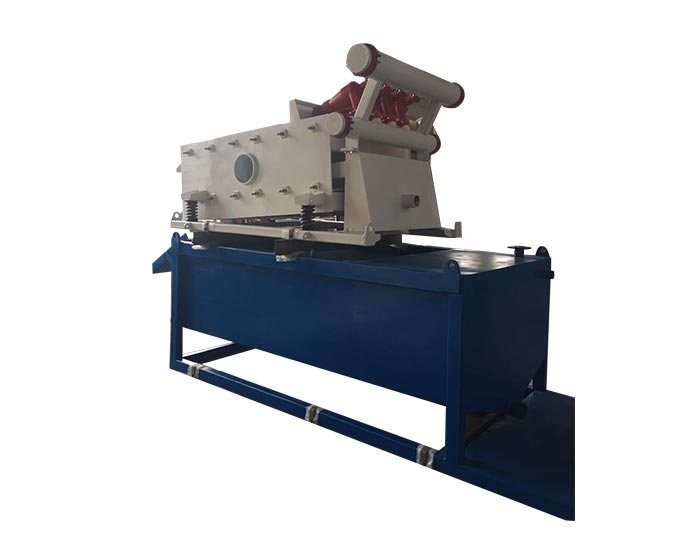
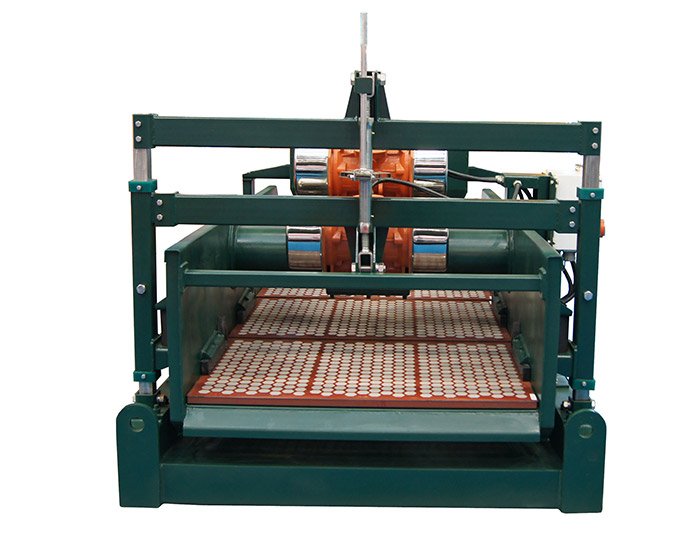
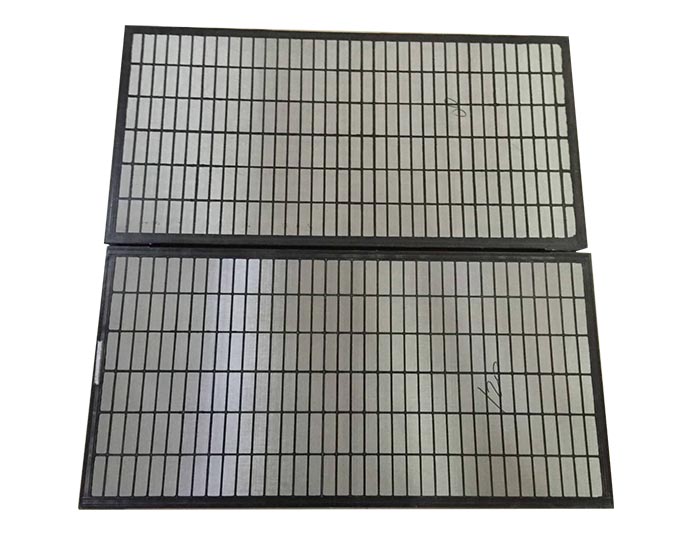
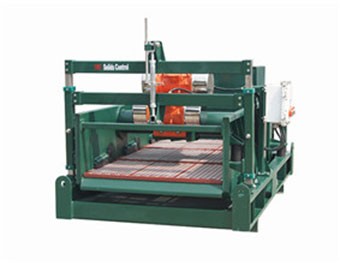
The underflow shaker is responsible for processing the concentrated solids discharged from the hydrocyclones. In mud cleaner drilling, this stage is important because the cyclone underflow can still contain useful liquid. The linear-motion shaker separates the solids from recoverable fluid before the discharged material leaves the treatment process.
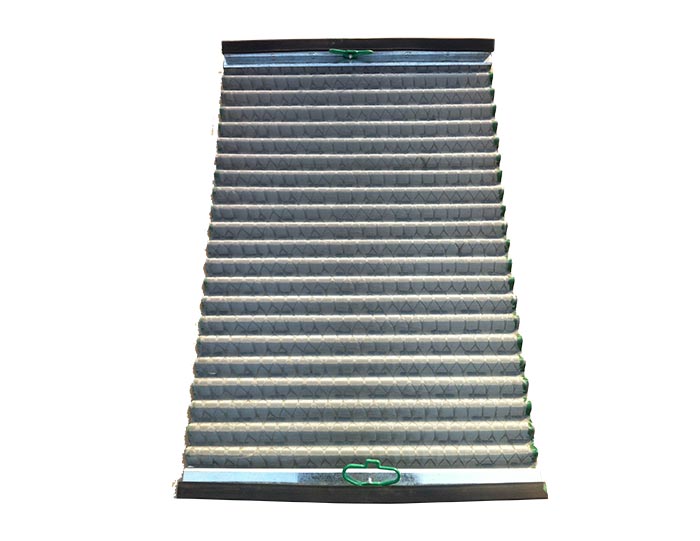
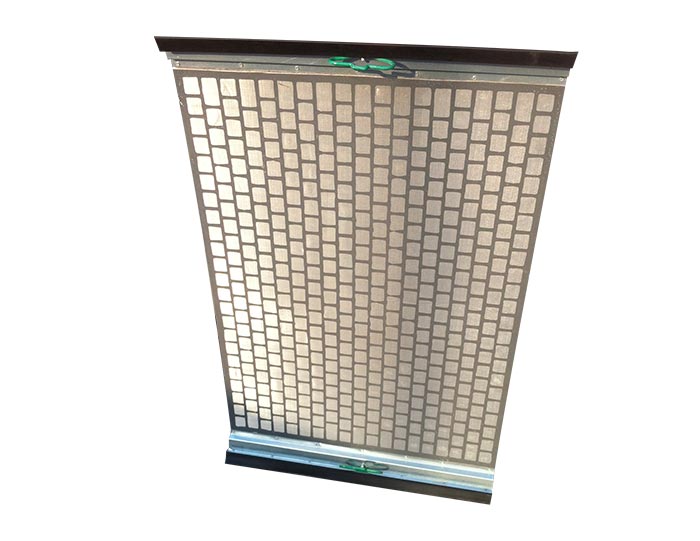
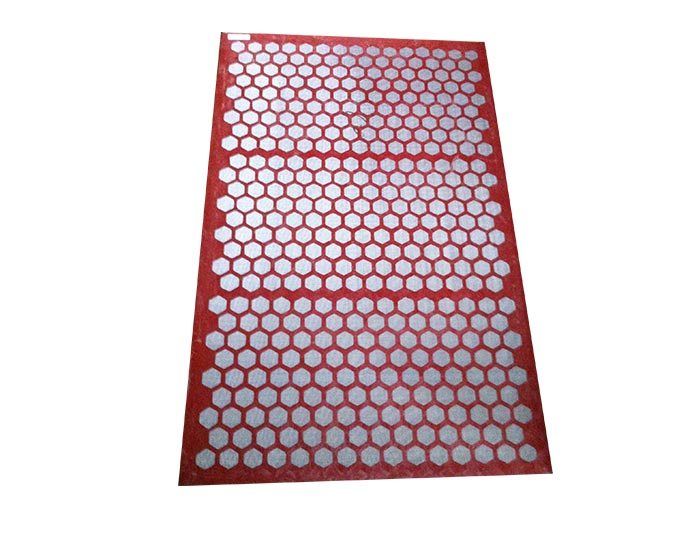
Maintenance should therefore focus on screen condition, screen installation, vibration behavior and the movement of solids across the deck. A damaged screen can allow solids to pass through the screening surface or alter the liquid-recovery balance.
The shaker screener should be inspected for tears, broken sections, loose fastening and excessive contamination. If the screening surface becomes heavily blocked, cleaning may restore normal operation; however, a physically damaged screen should be replaced rather than repeatedly cleaned and returned to service.
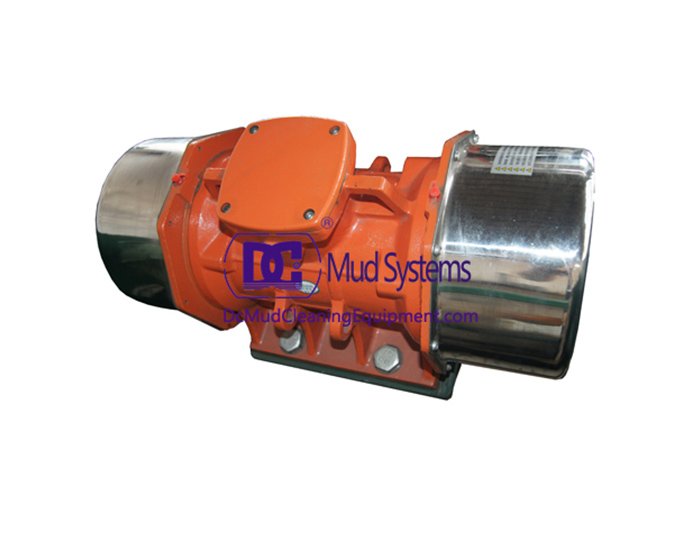
The vibration system also deserves attention. A change in normal vibration, unusual noise or abnormal movement can indicate a developing mechanical issue. Because the shaker operates directly after the hydrocyclones, a shaker problem can quickly become a limitation for the entire mud cleaner drilling process.
When selecting replacement screening components, the screen type and mounting arrangement should match the equipment configuration. A compatible shaker screener can help maintain the intended screening process without introducing unnecessary changes to the existing equipment arrangement.
Feed Pressure Inspection for Stable Drilling Mud Cleaner Performance
Hydrocyclone separation depends on suitable feed conditions, making pressure inspection an essential part of drilling mud cleaner maintenance. The referenced equipment specifies a working pressure range of 0.25–0.40 MPa, which provides an operating reference for checking whether the feed system is functioning normally.
Pressure should be observed under stable operating conditions rather than only during startup. A maintenance team can compare current readings with previous operating records to identify gradual changes. A pressure trend is often more useful than a single reading because it can show whether a problem is developing over time.
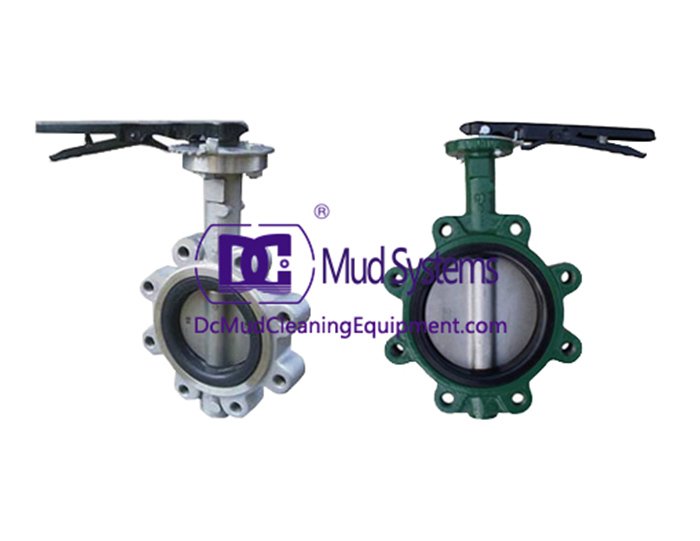
If pressure is lower than expected, possible causes may include insufficient pump delivery, pipeline leakage, excessive flow resistance or an abnormal valve position. If pressure rises unexpectedly, the team should investigate possible restrictions, blockage or changes in the circulation condition.
For a mud cleaner, pressure inspection should therefore be connected with the condition of the pump and pipeline rather than treating the pressure gauge as an isolated component.
Troubleshooting Unstable Pressure in a Mud Cleaner Machine
Unstable pressure can have several causes, so troubleshooting should proceed from the feed system toward the hydrocyclone assembly. Pump operation, valve position, pipeline connections and visible leakage should be checked before making unnecessary changes to the cyclone configuration.
Pipeline leakage is particularly important because drilling fluid escaping from a connection can reduce the pressure available to the hydrocyclones while also creating fluid-loss and site-maintenance concerns. Flanges, seals, valves and pipe joints should be checked for visible mud traces or other signs of leakage.
If pressure suddenly falls during otherwise stable operation, the pump and feed line should be checked first. A restriction or blockage can create the opposite condition, causing pressure to rise as the available flow path becomes more resistant.
For a mud cleaner machine, keeping a simple record of pressure readings, pump condition and observed drilling-fluid changes can make troubleshooting much faster. It gives maintenance personnel a reference for distinguishing a sudden equipment fault from a gradual process change.
Maintenance Planning for Continuous Mud Cleaner Drilling
A good maintenance strategy should connect daily inspection with scheduled service. Operators can monitor visible hydrocyclone wear, shaker condition, pressure readings and leakage during routine operation, while more detailed inspections can be carried out during planned maintenance windows.
This approach is particularly useful for mud cleaner drilling because the equipment is part of a wider drilling-fluid treatment process. If solids separation becomes unstable, the cause may involve the cyclone, shaker, pump or pipeline rather than one component alone.
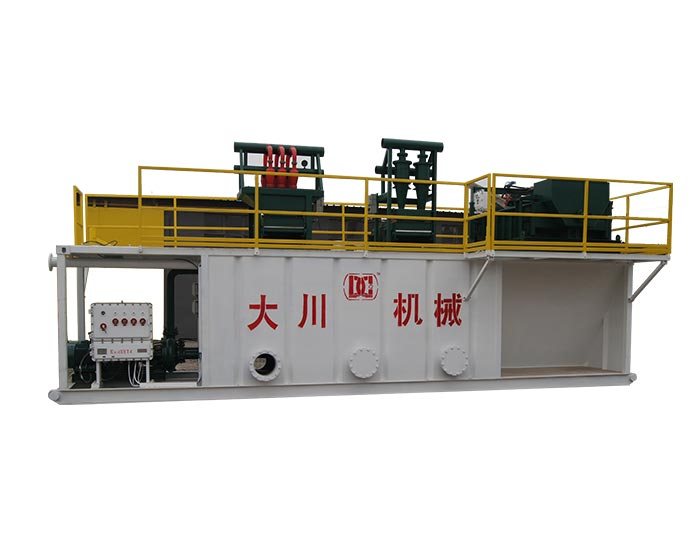
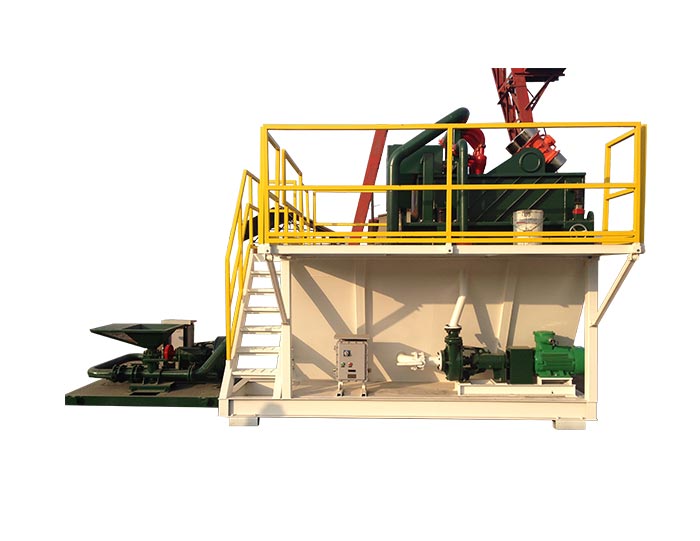
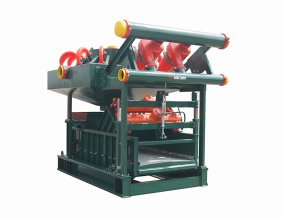
The position of the mud cleaner within the drilling-fluid system should also be considered. It is designed as a combination of desander, desilter hydrocyclones and an underflow shale shaker, allowing separated solids to undergo further screening while useful liquid can be retained within the mud system.
For operations involving drilling waste treatment, maintenance also has a process-management value. Stable separation can help prevent unnecessary fluid from leaving with concentrated solids, while consistent equipment operation makes downstream solids handling easier to manage.
The most effective maintenance approach for a mud cleaner machine is therefore preventive rather than reactive. Regular inspection of wear components, timely screen replacement, pressure monitoring and proper pump checks can reduce the likelihood that a small component problem develops into an extended shutdown.

 Linear Motion Shale Shaker In Drilling Rig
  Oilfield Mud Cleaner
 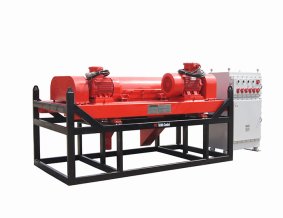 Drilling Fluid Decanter Centrifuge
 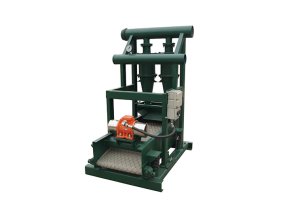 Drilling Mud Desander
 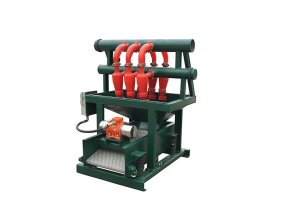 Hydrocyclone Desilter
 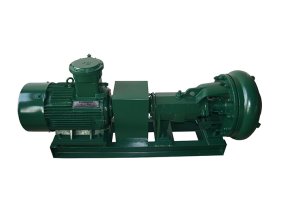 Centrifugal Pump/Centrifugal Mud Pump
 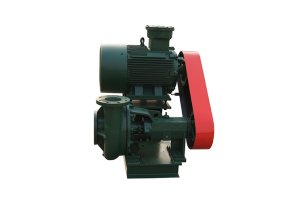 Shear Pump
 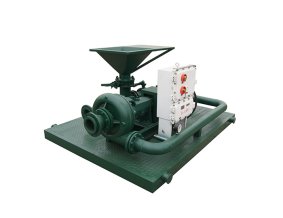 Jet Mud Mixer
 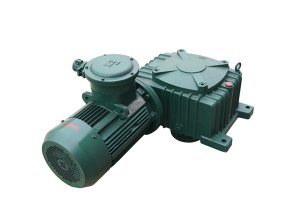 Horizontal Mud Agitator
 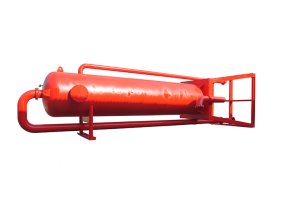 Constant Pressure Drilling Fluid Mud Gas Separator
  Mud Gun
  Mud Tank
  Solids Control System Vacuum Degasser
  Flare Ignition Device
  Diesel Tank
  Submersible Slurry Pump