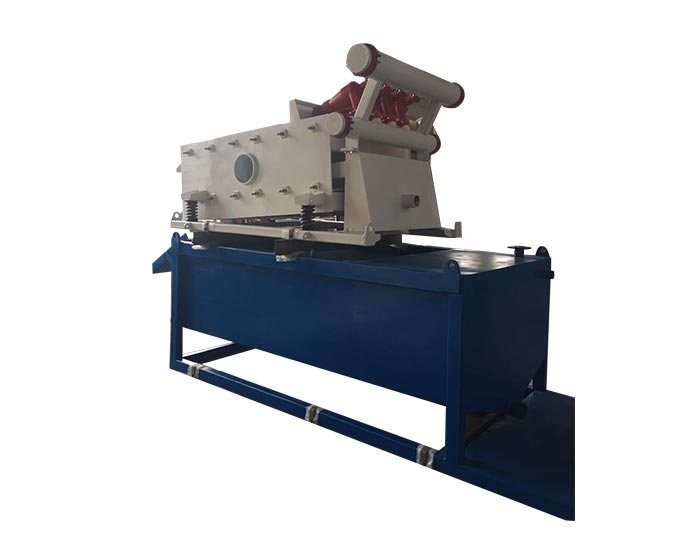
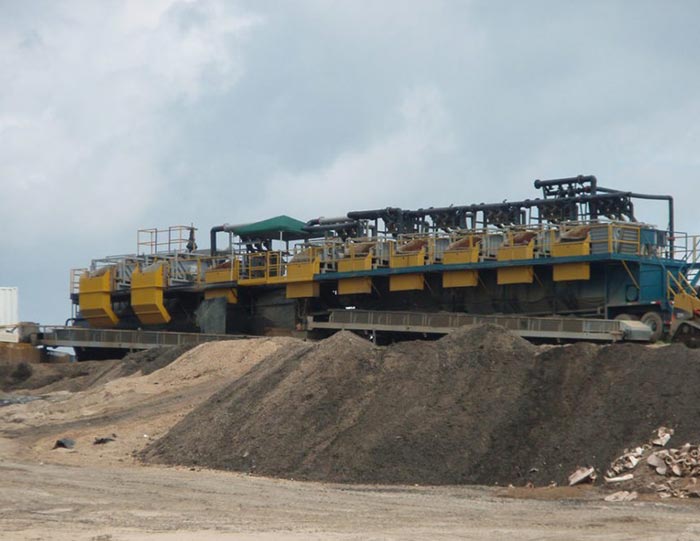
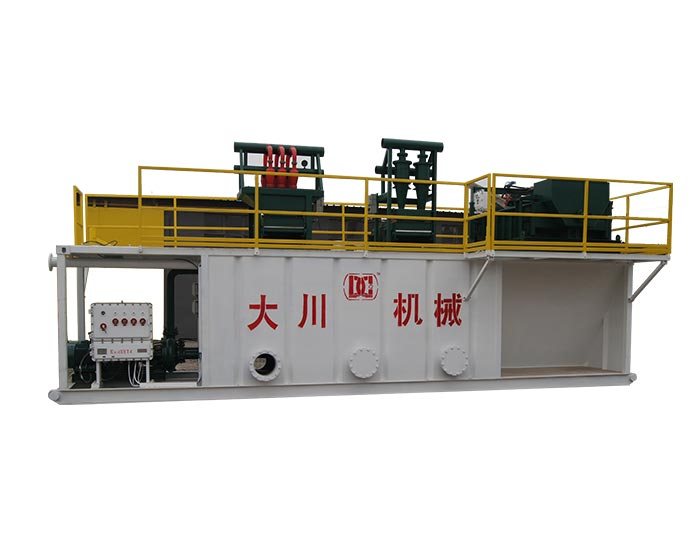
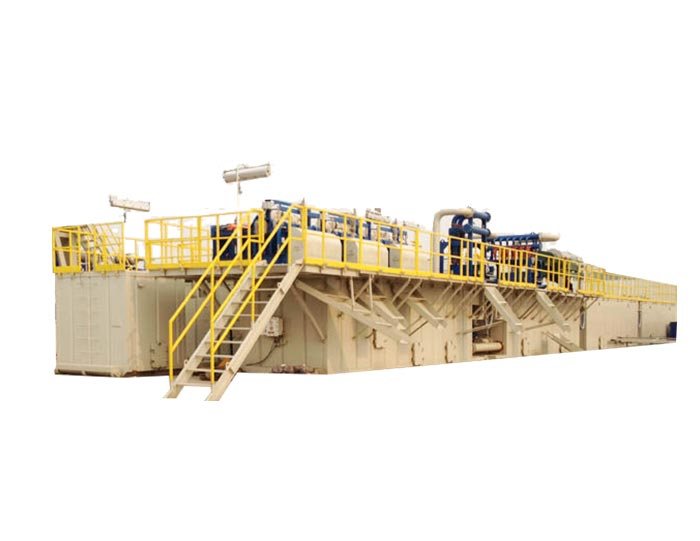
For drilling contractors selecting a solids-control screen, the choice between a Linear Motion Shale Shaker and an elliptical motion shale shaker should be based on drilling-fluid properties, solids loading, flow conditions, and the required separation performance rather than simply equipment size or purchase price. The vibration trajectory directly affects how drilled cuttings move across the screen deck, how quickly liquid passes through the screen, and how the machine responds to changing mud conditions.
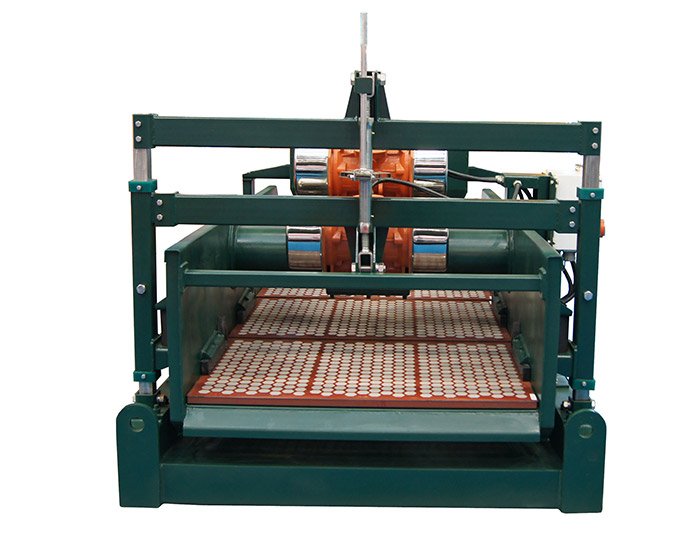
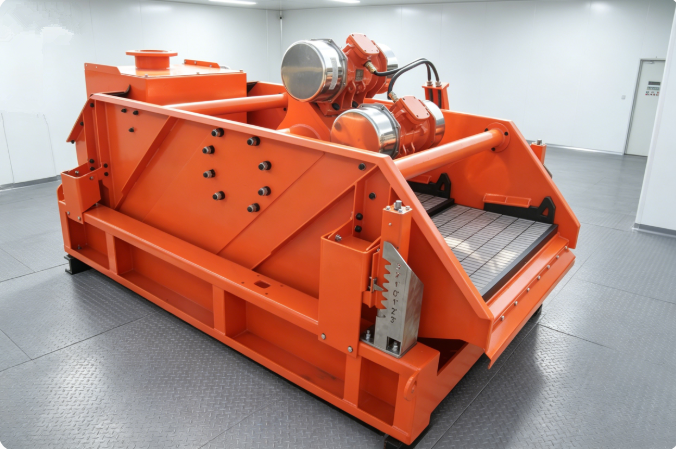
A shale shaker drilling system with linear motion typically uses two counter-rotating vibration motors to generate a controlled straight-line conveying force. This arrangement is widely associated with strong solids transport and high-G operation. A balanced elliptical design produces a different material-flow pattern, combining vertical and horizontal movement to influence residence time and cuttings conveyance. For operators working with high flow rates, demanding solids loading, or relatively viscous drilling fluids, understanding these differences makes equipment selection much more practical.
For procurement teams comparing equipment for an oilfield solids-control package, the important question is not simply which vibration mode is better. The more useful question is which motion matches the actual drilling conditions.
Shale Shaker Working Principle: Linear Motion vs Elliptical Motion
The shale shaker working principle determines how vibration energy is transferred to the screen deck and, ultimately, how drilling cuttings travel across the screening surface. In a linear-motion machine, two vibration motors rotate in opposite directions. Their centrifugal forces interact so that selected force components reinforce each other while unwanted components are balanced. The resulting motion gives the screen deck a predominantly linear trajectory.
This motion provides a clear conveying direction. Solids entering the deck are continuously moved toward the discharge end while drilling fluid and smaller particles pass through the screen openings. The actual separation result still depends on screen selection, feed conditions, fluid properties, vibration parameters, and operating practices, so vibration mode should be considered as one part of the overall system.
An elliptical machine uses a different vibration trajectory. Instead of producing a primarily straight-line movement, the deck follows an elliptical path. This changes the way cuttings are lifted, conveyed, and retained on the screening surface. In some drilling conditions, that additional vertical component can influence solids movement and screen loading.
For an oilfield shale shaker, these differences become especially relevant when the drilling program changes from one formation or mud system to another. The equipment needs to maintain predictable solids conveyance rather than simply generate high vibration intensity.
High G Shale Shaker Performance Depends on Vibration Force and Amplitude
A high g shale shaker is often selected when the drilling operation requires aggressive solids conveyance and effective screening under demanding conditions. However, G-force should not be evaluated independently. Amplitude, vibration frequency, screen characteristics, feed distribution, and drilling-fluid behavior all influence the final operating result.
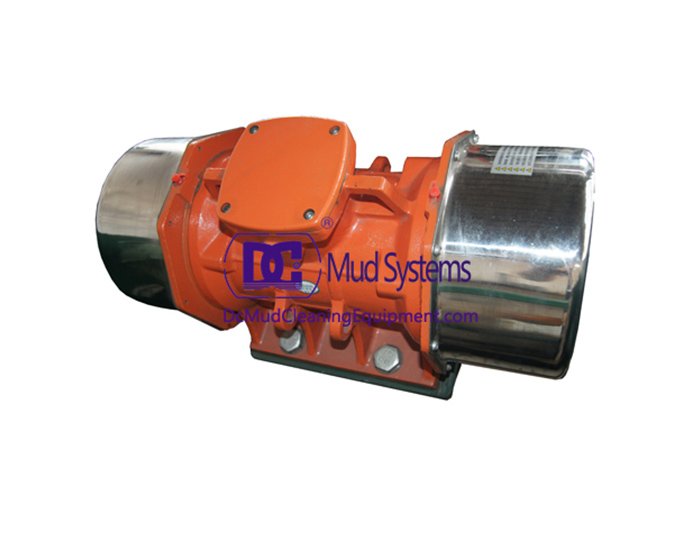
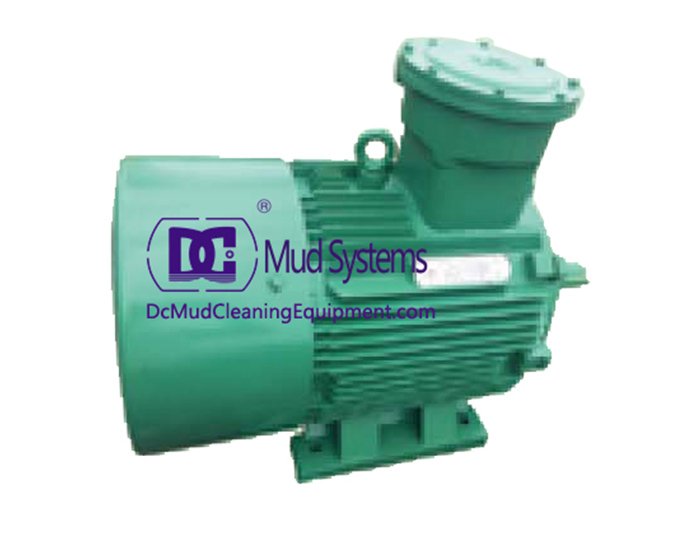
In a linear-motion configuration, the shale shaker motor arrangement is particularly important because the motors work together to create the desired directional vibration. Proper synchronization and mechanical condition allow the machine to maintain a consistent trajectory across the screen deck. If the vibration system is not correctly maintained, the actual motion can deviate from the intended operating condition.
Amplitude also affects how strongly solids are lifted from the screen surface. Excessive vibration is not automatically beneficial. The objective is to establish sufficient movement for solids transport while maintaining stable screening and avoiding unnecessary mechanical stress. For this reason, equipment selection should consider the complete operating window instead of using a single G-force figure as the only purchasing criterion.
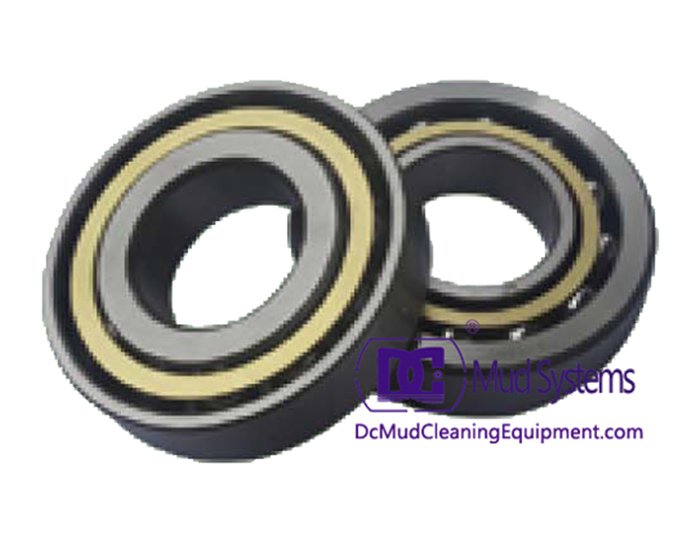
For drilling contractors evaluating shale shaker parts, the vibration motor system, screen assembly, tensioning components, bearings, and structural components should be considered together. A well-matched configuration makes it easier to maintain stable screening performance during continuous operation.
Why Linear Motion Shale Shaker Is Effective for High-Load Drilling Conditions
The main practical advantage of a Linear Motion Shale Shaker is its strong directional solids conveyance. Cuttings are transported along a relatively predictable path, which is useful when the shaker receives a substantial solids load and needs to move material efficiently toward the discharge end.
In high-flow drilling, the feed rate can place considerable demand on the screen surface. If solids accumulate too heavily, effective screening area can decrease and fluid may have less opportunity to pass through the openings. Linear vibration helps maintain movement across the deck, supporting continuous material transport instead of allowing cuttings to remain concentrated in one location.
This makes linear motion particularly relevant to demanding shale shaker drilling applications where operators need a combination of solids movement and screening capacity. The exact performance, however, remains dependent on screen mesh, fluid rheology, solids characteristics, and feed distribution. A shaker should therefore be evaluated as part of the complete solids-control arrangement.
The design is also practical when the drilling program requires equipment that can accommodate changing operating conditions. When drilling parameters change, operators can adjust operating settings within the equipment's intended range rather than relying solely on a fixed vibration pattern.
Linear Motion Shale Shaker in High-Flow and Heavy-Solids Applications
High-flow drilling conditions place greater emphasis on screen utilization and solids transport. A linear trajectory can help move cuttings efficiently across the deck, particularly when the incoming drilling fluid carries a significant concentration of drilled solids.
For this type of application, procurement decisions should focus on the relationship between screen area, vibration capability, feed distribution, and expected drilling-fluid throughput. Simply selecting a machine because it is marketed as a high g shale shaker does not guarantee the best result if the screen configuration and operating conditions are poorly matched.
Shale Shaker Drilling for Deep Wells and Viscous Mud
Deep-well operations can involve drilling fluids with changing rheology and increased solids-loading challenges. Higher-viscosity mud may influence how easily cuttings move across a screen. In such conditions, the conveying behavior of a Linear Motion Shale Shaker can become an important selection factor.
Operators should assess the expected mud properties and solids characteristics together with the shaker's available operating parameters. This provides a more realistic basis for comparing machines than relying on equipment specifications alone.
When an Elliptical Motion Shale Shaker May Be the Better Fit
An elliptical motion shale shaker produces a different material trajectory and therefore creates a different screening environment. The elliptical movement combines horizontal conveying with vertical movement, which can influence the residence time of solids on the screen surface and the way material is redistributed during operation.
This type of motion can be useful when the drilling-fluid and solids conditions favor a different balance between lifting and conveying. Rather than treating elliptical motion as a direct replacement for linear vibration, operators should evaluate how the trajectory corresponds with the formation being drilled, mud properties, solids loading, and desired screening behavior.
The comparison between linear and elliptical equipment is therefore not a simple matter of selecting the machine with the highest advertised vibration force. A shale shaker in drilling rig applications has to operate within the wider process, including upstream equipment, mud circulation, screen selection, and downstream solids handling.
For example, when a project places particular emphasis on material residence and the behavior of cuttings on the deck, elliptical motion may deserve consideration. When rapid directional conveyance is the priority, linear motion may be more appropriate. The final decision should come from operating requirements rather than from the vibration terminology alone.
Selecting Shale Shaker Parts and Motor Configuration for Field Conditions
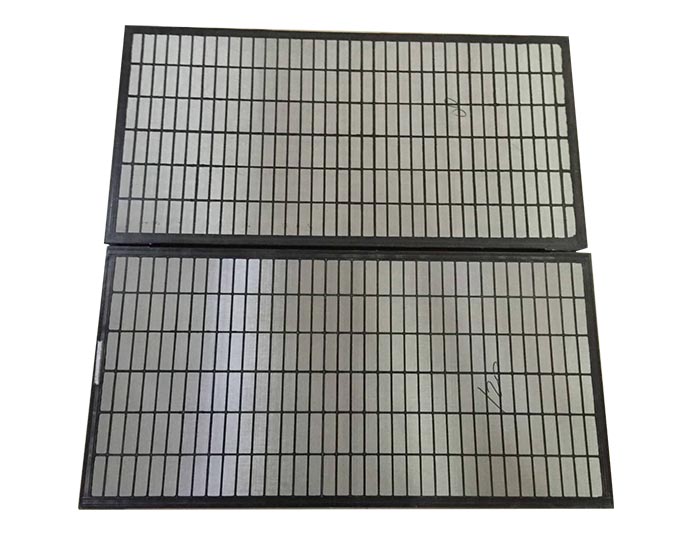
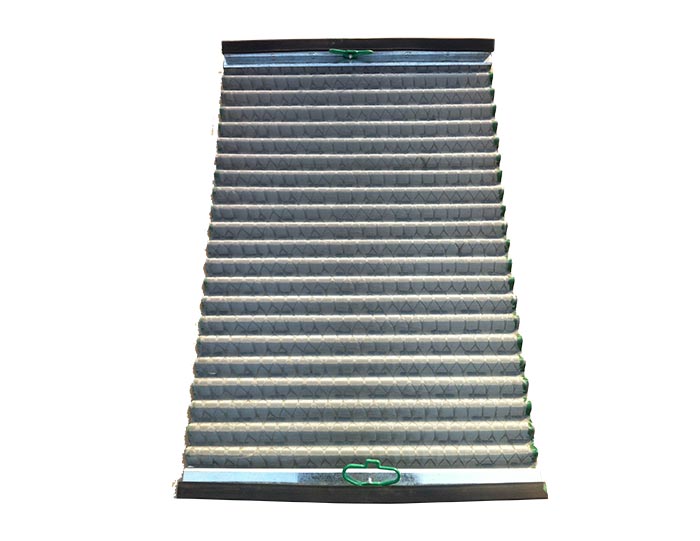
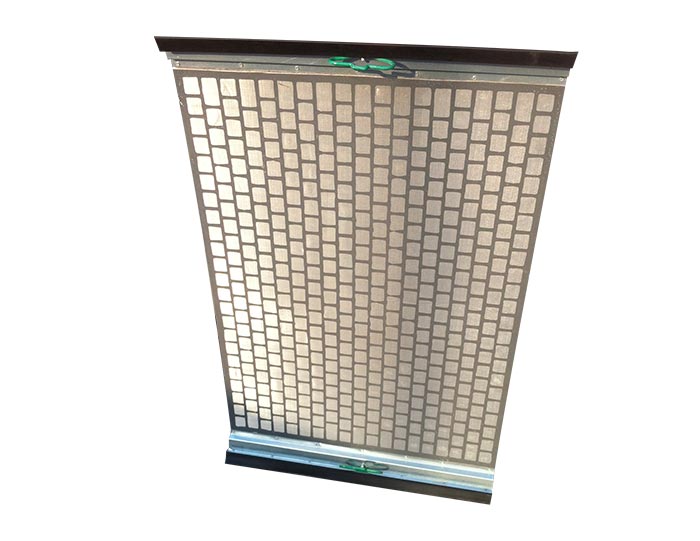
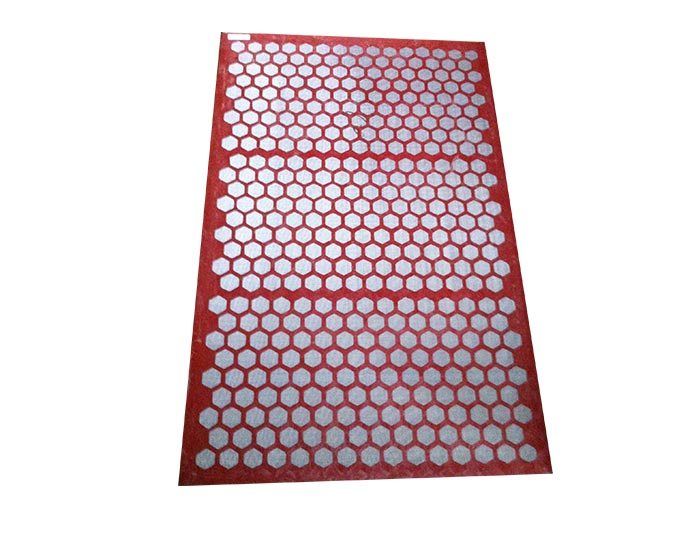
Once the vibration mode has been selected, the supporting equipment deserves the same attention. The shale shaker motor is central to vibration generation, but the motor is only one part of the mechanical system. Screen panels, deck structure, bearings, tensioning arrangements, and other shale shaker parts all contribute to stable operation.
Material compatibility is another practical consideration. Components exposed to drilling fluids and cuttings should be selected according to the expected working environment and maintenance requirements. Screen selection is particularly important because mesh size and screen construction directly affect the separation behavior.
For operators integrating the shaker into a larger mud system, upstream flow distribution and downstream solids handling should also be considered during equipment selection. A shaker cannot compensate indefinitely for unsuitable feed conditions, excessive solids loading, or an inappropriate screen configuration.
A practical comparison can therefore be summarized as follows:
Final Selection for Linear Motion Shale Shaker Manufacturers and Drilling Operators
For equipment buyers comparing linear motion shale shaker manufacturers, the most useful specification sheet is one that connects vibration parameters with actual drilling conditions. G-force, amplitude, motor configuration, screen arrangement, deck design, and expected flow conditions should be reviewed together.
A shale shaker is ultimately a separation machine, so the selection process should begin with the material that must be separated rather than with a preferred machine label. High-solids drilling, high-flow circulation, and demanding conveying requirements can favor linear motion, while particular mud and cuttings conditions may justify evaluating elliptical motion.
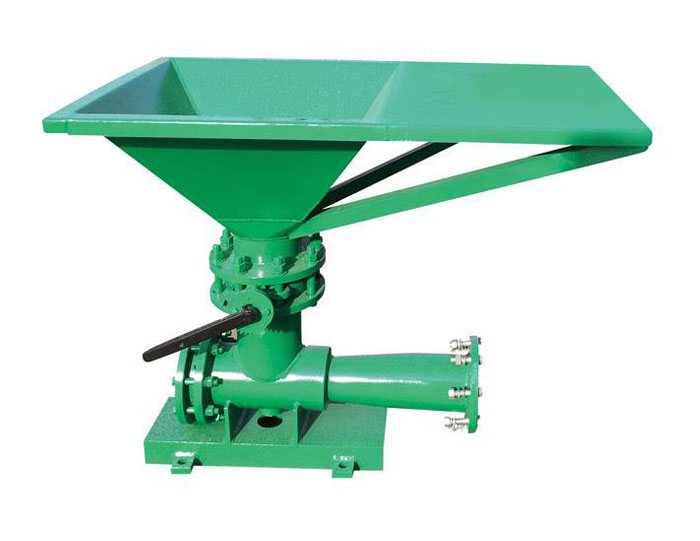
The same principle applies when integrating the shaker with related equipment. A jet mud mixer may support mud preparation upstream, while drilling waste management becomes relevant to the handling of separated solids downstream. These systems work together, but each should be selected according to its own process requirements.
For equipment applications, the practical objective is to match the vibration mode with the drilling environment and maintain consistent screening behavior throughout the operating cycle. That approach gives drilling operators a more reliable basis for choosing between linear and balanced elliptical motion without reducing the decision to price or a single performance number.

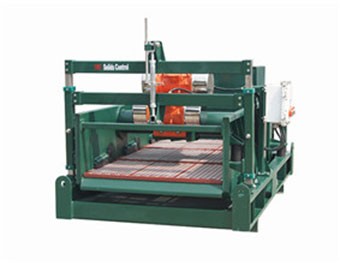 Linear Motion Shale Shaker In Drilling Rig
 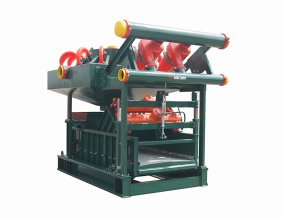 Oilfield Mud Cleaner
 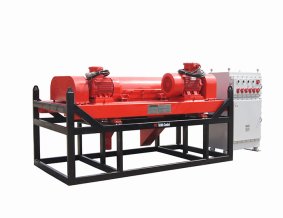 Drilling Fluid Decanter Centrifuge
 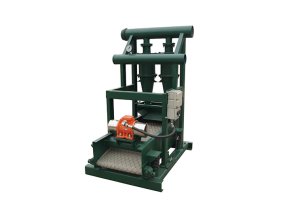 Drilling Mud Desander
 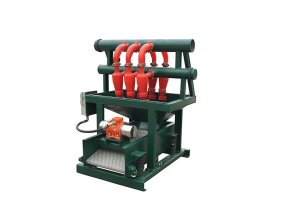 Hydrocyclone Desilter
 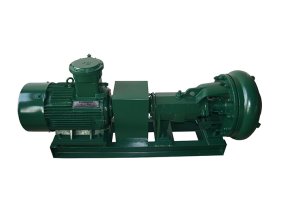 Centrifugal Pump/Centrifugal Mud Pump
 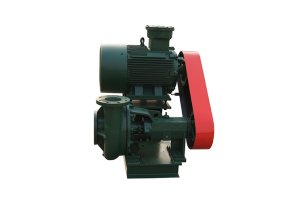 Shear Pump
 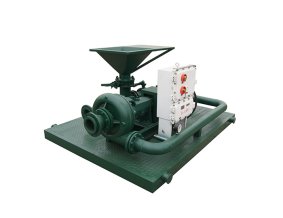 Jet Mud Mixer
 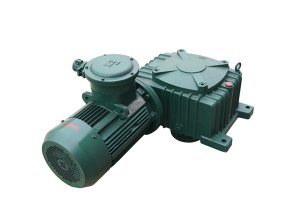 Horizontal Mud Agitator
 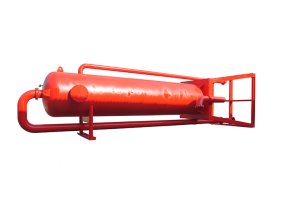 Constant Pressure Drilling Fluid Mud Gas Separator
 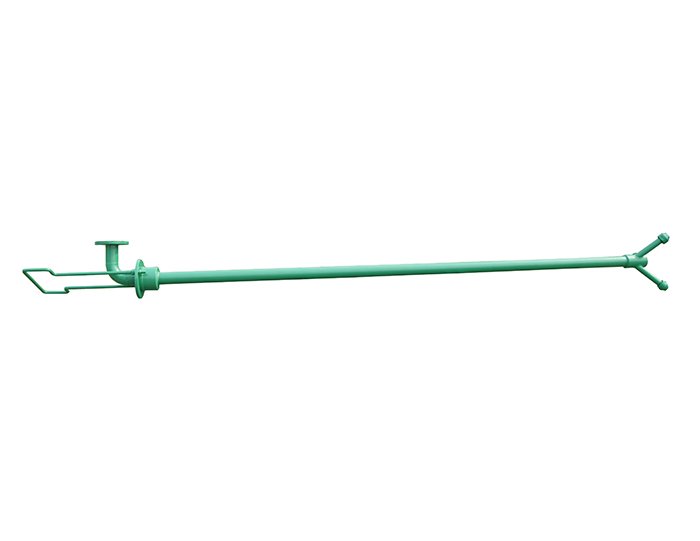 Mud Gun
  Mud Tank
 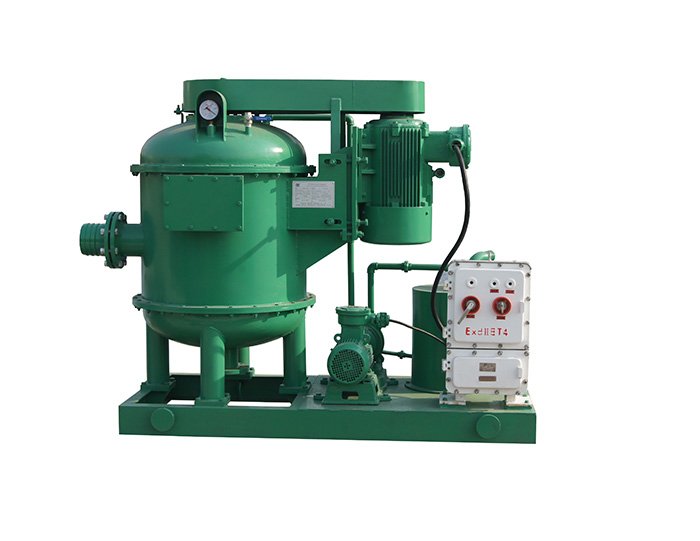 Solids Control System Vacuum Degasser
 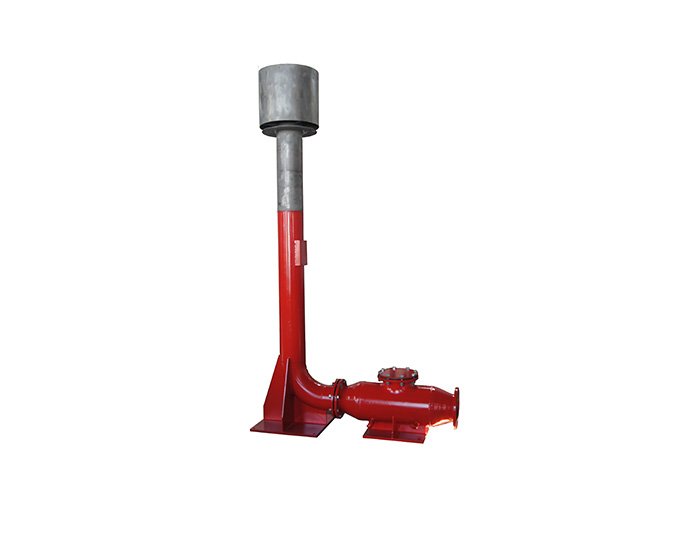 Flare Ignition Device
 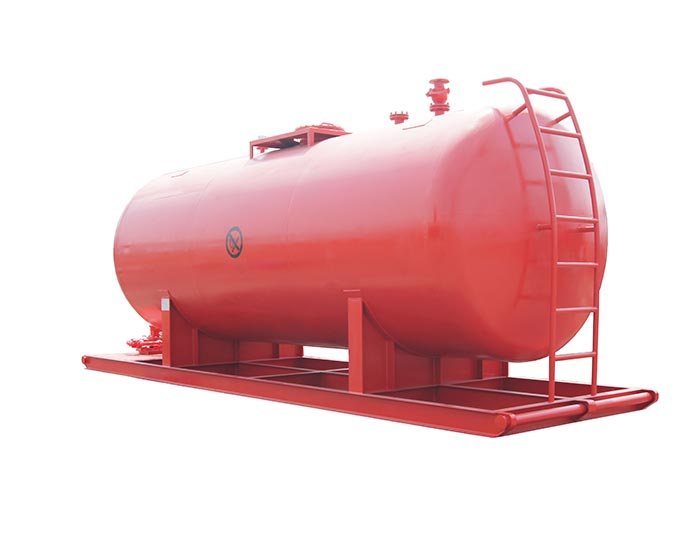 Diesel Tank
 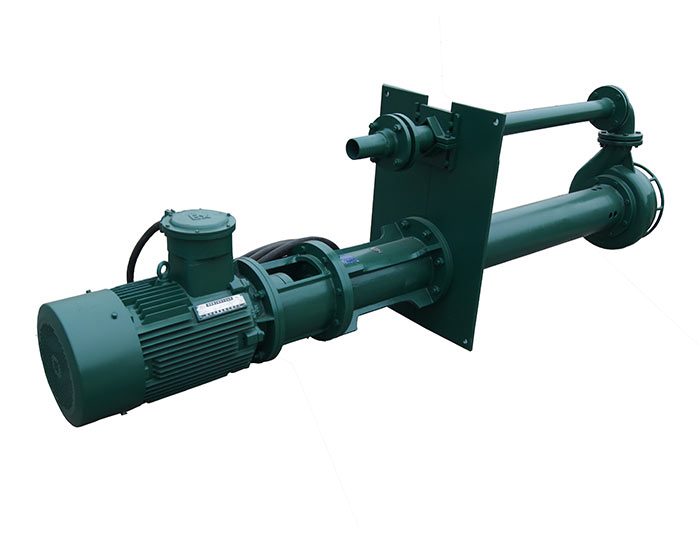 Submersible Slurry Pump