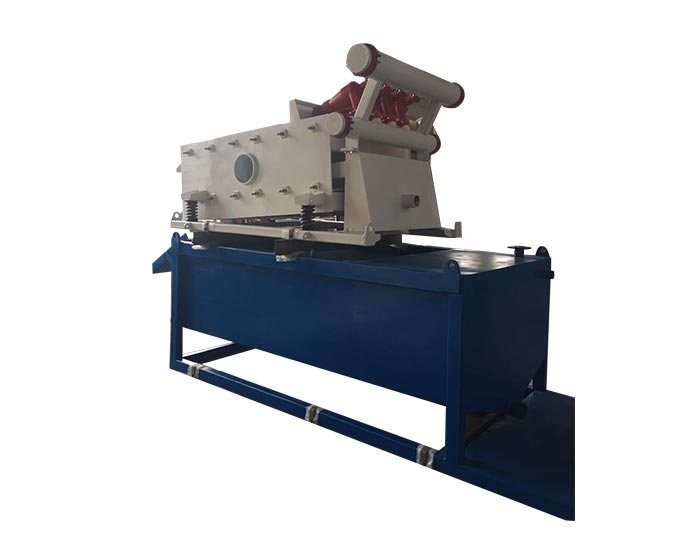
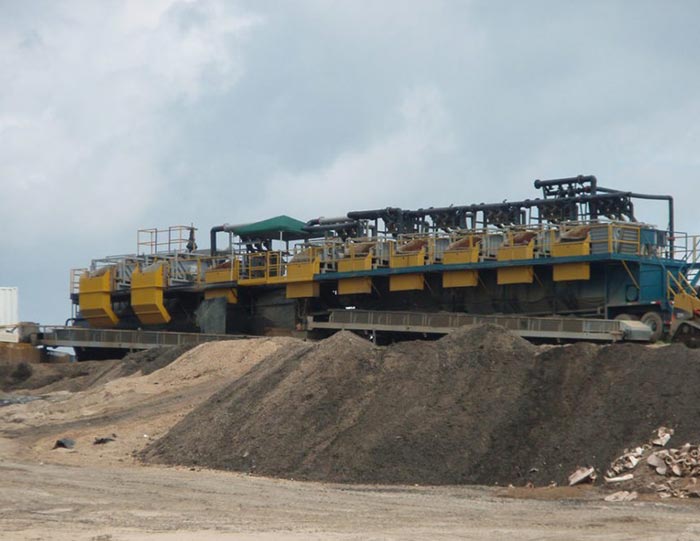
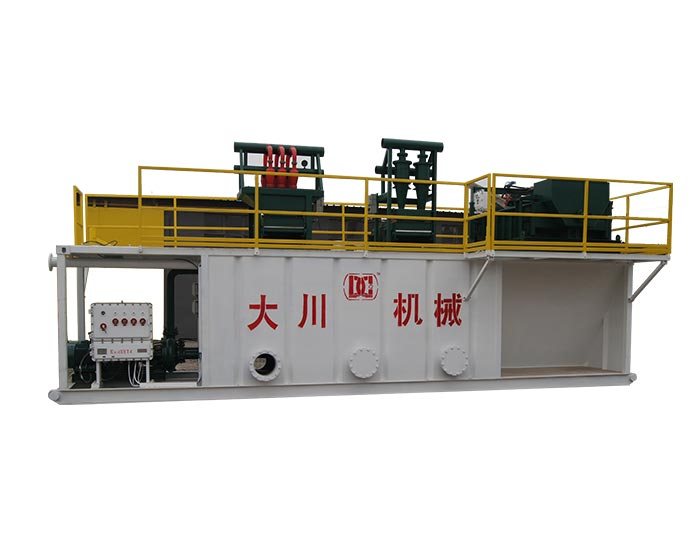
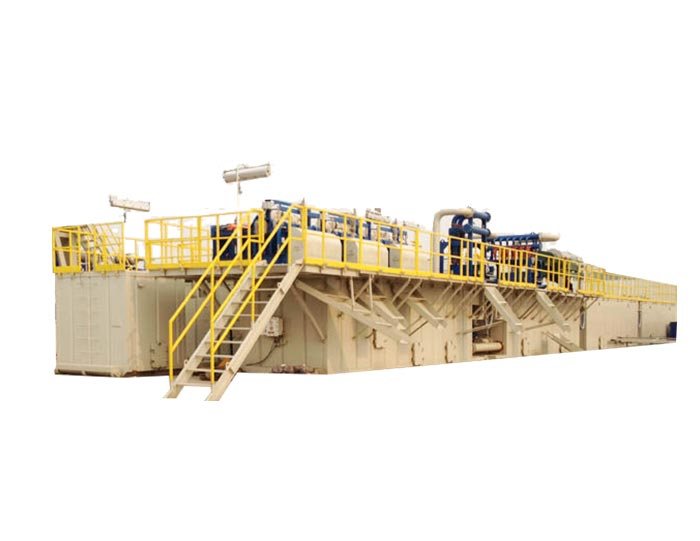
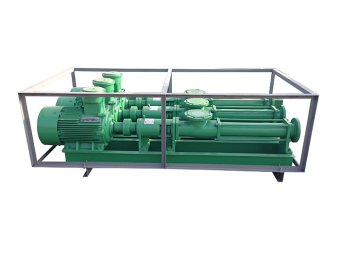
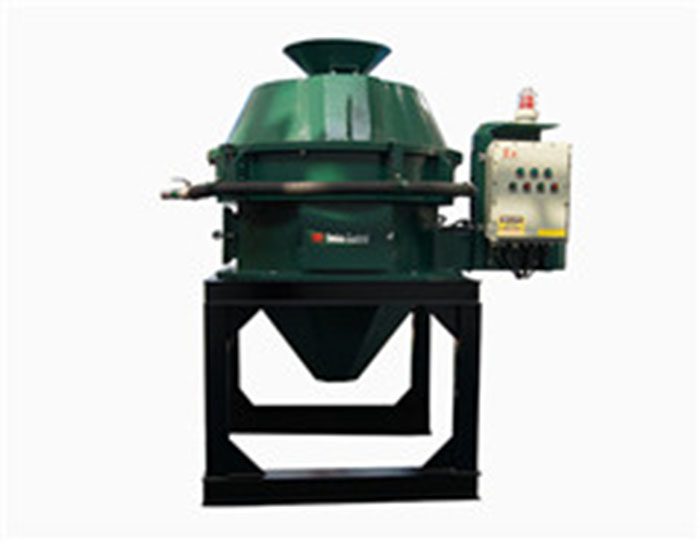
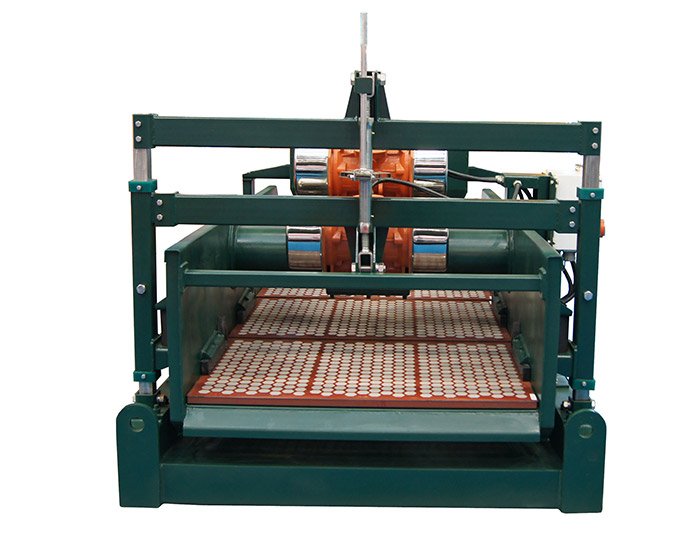
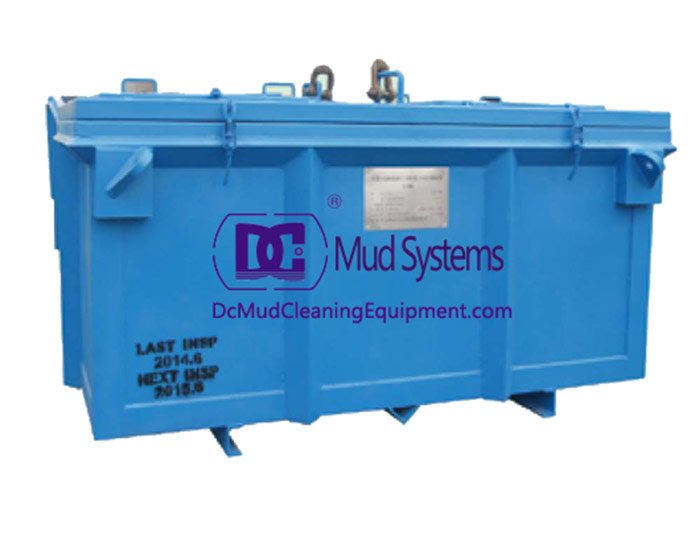
A water-ring vacuum pump is the core vacuum-generation component inside a drilling vacuum degasser unit. Its role is not simply to create negative pressure; it works together with the degassing chamber, rotor, gas-water separator, and discharge system to remove entrained and dissolved gas from drilling mud while maintaining continuous circulation.
For drilling-fluid equipment buyers, the key question is how the vacuum pump, separation chamber, and gas-water separator operate as one system. In the series, the vacuum degasser unit uses negative pressure to draw gas from drilling mud, while the high-speed rotor helps break bubbles thoroughly. The manufacturer states that the degassing efficiency can reach more than 95%.
The water-ring vacuum pump is particularly important because its working process remains under isothermal conditions. According to the manufacturer's technical description, this characteristic makes it suitable for suction of flammable and explosive gas and supports safe and reliable operation in drilling environments.
For equipment selection, therefore, the pump should not be evaluated independently. Its vacuum range, treatment capacity, gas-liquid separation arrangement, motor specification, and compatibility with the overall mud circulation system all influence the actual performance of a vacuum degasifier.
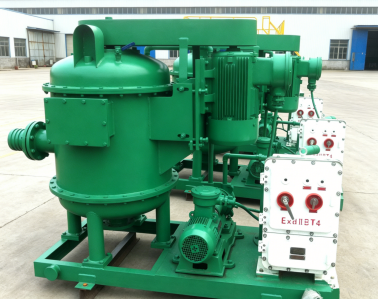
The Working Principle of a Vacuum Degasifier in Drilling Mud Treatment
A drilling vacuum degasser works by reducing the pressure around the drilling fluid so that entrained gas can be released more readily from the mud. The water-ring vacuum pump creates the negative-pressure environment required for this process.
Once gas-containing mud enters the degassing chamber, the rotor drives the fluid at high speed. According to the product description, drilling mud strikes the rotor wall through the rotor window at high speed, helping break the bubbles thoroughly before the released gas is extracted. The stated degassing efficiency is ≥95%.
This arrangement is different from simply pumping mud through a conventional vessel. The vacuum environment encourages gas separation, while the rotor increases the interaction between the drilling fluid and the low-pressure space. The result is a continuous process in which gas-cut mud is treated before returning to the circulation system.
The water-ring pump itself uses a rotating impeller and a sealing liquid to form the vacuum-producing working chamber. Because the compression process is closely associated with the liquid ring, the temperature behavior remains comparatively stable. That is particularly relevant when the extracted gas may contain combustible components.
Isothermal Operation of the Vacuum Degasser Drilling System
The isothermal characteristic of the water-ring vacuum pump is one of the important reasons it is used in vacuum degasser drilling equipment. The manufacturer's product description specifically identifies the pump's isothermal working condition as suitable for the suction of flammable and explosive gas.
For drilling applications, this means the vacuum-generation stage is designed around a liquid-sealed pumping principle rather than relying on a dry compression chamber. The operating condition should still be matched with the gas composition, site safety requirements, electrical specification, and applicable explosion-protection requirements.
Why the Mud Degasser Needs a Gas-Water Separation Stage
The mud degasser is not only a vacuum-producing machine. Once gas has been extracted from the drilling fluid, the gas and water vapor or liquid associated with the vacuum process must be handled correctly before exhaust.
This is where the gas-water separator becomes important. The manufacturer specifically states that the gas-water separator prevents water and gas from being discharged simultaneously and keeps the discharge pipe clear.
Without effective separation, liquid carryover can interfere with the exhaust route and create unstable operating conditions. A properly arranged separator allows the gas path and liquid path to function more predictably, supporting continuous vacuum generation.
Gas-Water Separation Inside a Degasser Tank
The degasser tank or degassing chamber provides the space where drilling mud is exposed to the negative-pressure environment. In the machine design, the mud enters the degassing area and interacts with the high-speed rotor before gas is extracted.
The gas-water separator then supports the downstream side of the process. Its purpose is not to replace the vacuum pump or the degassing chamber but to maintain proper separation after gas has been removed.
This system-level arrangement matters when equipment is integrated into a drilling-fluid circulation package. The vacuum pump, degasser chamber, separator, inlet line, outlet line, and exhaust route need to work together rather than being treated as isolated components.
Complete Gas-Liquid Separation Process in a Vacuum Degasser
The operating sequence of the vacuum degasser can be understood as a continuous gas-liquid separation cycle. Gas-containing drilling mud enters the machine, the vacuum system establishes negative pressure, and the rotor rapidly distributes the mud inside the degassing chamber. As the pressure condition changes, entrained gas can separate from the drilling fluid.
The released gas is then drawn toward the vacuum side, while the treated mud continues through the liquid circulation path. The gas-water separator prevents simultaneous discharge of gas and water and helps maintain a clear exhaust line.
This is particularly useful in drilling operations where mud density and viscosity need to remain more consistent. The manufacturer's stated purpose of the equipment is to remove invaded gas, restore drilling-mud proportion, maintain viscosity performance, and improve drilling-mud quality.
For procurement teams, this sequence also explains why the specification of the vacuum pump cannot be considered separately from the treating capacity of the machine.
DCZCQ Model | Treating Capacity | Vacuum Range | Motor Power | Stated Efficiency |
DCZCQ240 | ≤240 m³/h | -0.02 to -0.04 MPa | 15 kW | ≥95% |
DCZCQ270 | ≤270 m³/h | -0.02 to -0.04 MPa | 22 kW | ≥95% |
DCZCQ300 | ≤300 m³/h | -0.030 to -0.055 MPa | 30 kW | ≥95% |
DCZCQ360 | ≤360 m³/h | -0.040 to -0.065 MPa | 37 kW | ≥95% |
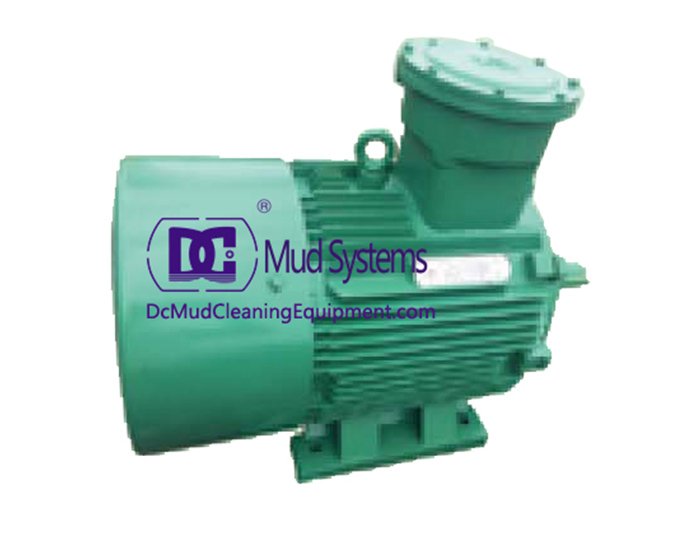
The published specifications also list vacuum-pump power from 2.2 kW to 7.5 kW across these models.
Why a Water-Ring Pump Fits the Vacuum Degasser Drilling Process
The selection of a water-ring vacuum pump is closely related to the operating requirements of a vacuum degasser drilling system. The pump needs to establish sufficient negative pressure while operating continuously in an environment where the extracted gas may be associated with drilling hazards.
Its liquid-ring operating principle provides a practical combination of vacuum generation, stable thermal behavior, and gas-handling capability. This is consistent with the manufacturer's stated reason for using the water-ring pump: its isothermal working condition is suitable for flammable and explosive gas suction.
For a drilling contractor or equipment integrator, this approach is more useful than selecting a pump based only on its nominal vacuum rating. The pump must provide the required vacuum under the actual operating conditions of the degasser while the separator and mud-flow path remain stable.
Integrating the Vacuum Degasser Unit Into a Mud System
A vacuum degasser unit normally works as one component within a larger drilling-fluid treatment system. Its position and connection arrangement should be considered alongside equipment such as mud tanks, pumps, shale shakers, desanders, desilters, centrifuges, and other solids-control equipment.
The manufacturer's product range includes mud tanks, mud systems, shale shakers, hydrocyclones, centrifugal pumps, mud cleaners, and other solid-control equipment, allowing the degasser to be considered within a broader drilling-fluid treatment configuration.
For example, a procurement team evaluating a mud tank for sale should also consider how the tank outlet, transfer pump, degasser inlet, treated-mud return line, and available installation space interact. Similarly, when reviewing a complete mud system, the degasser's treating capacity should correspond with the actual circulation requirements rather than being selected only from the nominal drilling-rig size.
In practical terms, the water-ring vacuum pump is the component that establishes the negative-pressure environment, but effective drilling-mud degassing depends on the entire gas-liquid separation chain. The pump, rotor, degasser tank, gas-water separator, exhaust route, and mud circulation path must be matched as one operating system. For projects requiring a dedicated vacuum degasifier, reviewing these parameters together provides a more reliable basis for equipment selection than evaluating the vacuum pump alone.

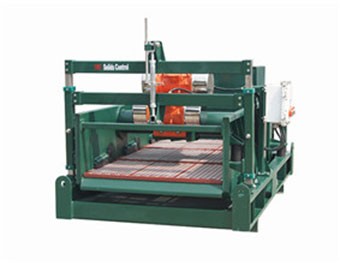 Linear Motion Shale Shaker In Drilling Rig
 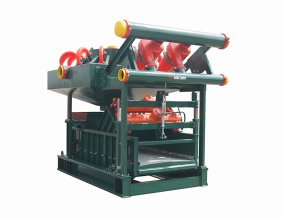 Oilfield Mud Cleaner
 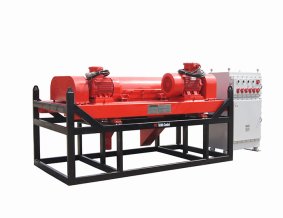 Drilling Fluid Decanter Centrifuge
 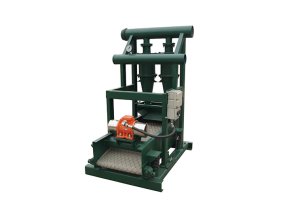 Drilling Mud Desander
 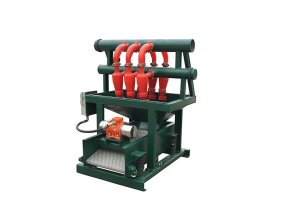 Hydrocyclone Desilter
 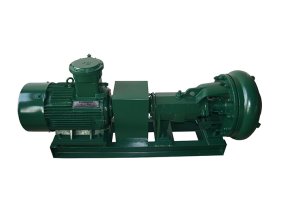 Centrifugal Pump/Centrifugal Mud Pump
 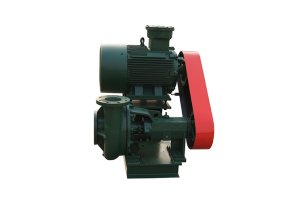 Shear Pump
 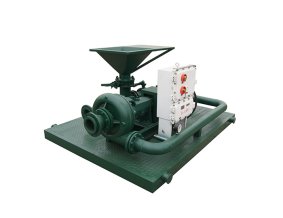 Jet Mud Mixer
 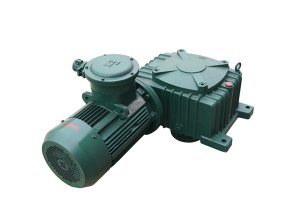 Horizontal Mud Agitator
 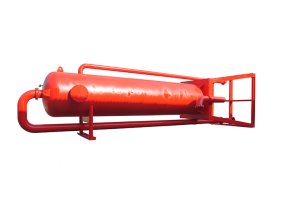 Constant Pressure Drilling Fluid Mud Gas Separator
 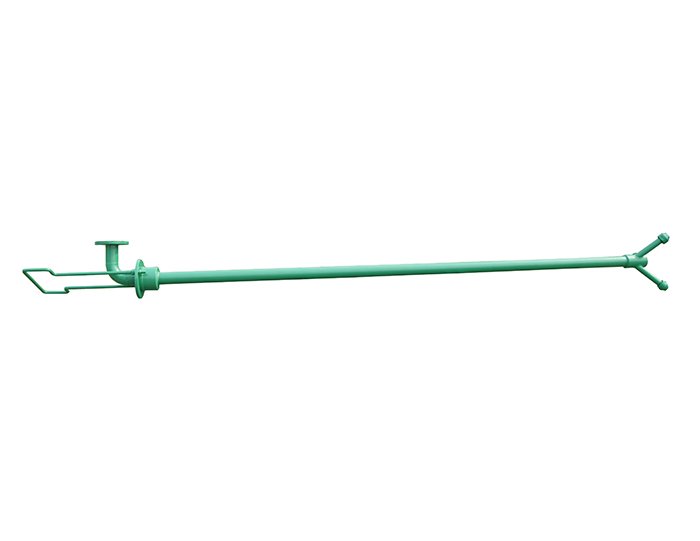 Mud Gun
  Mud Tank
 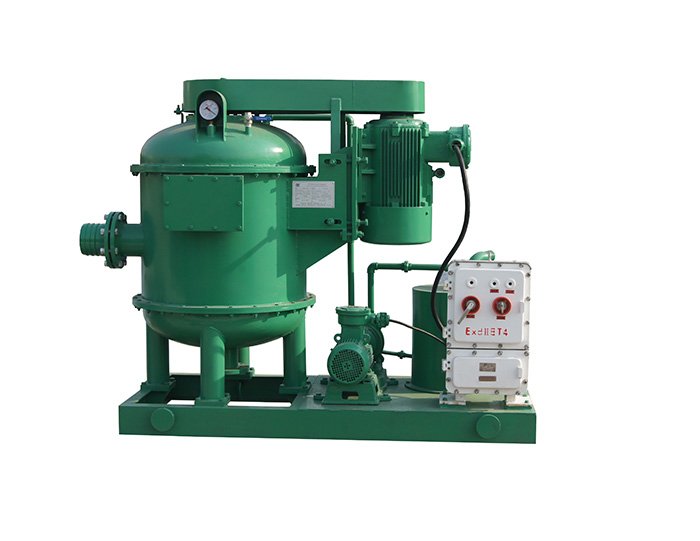 Solids Control System Vacuum Degasser
 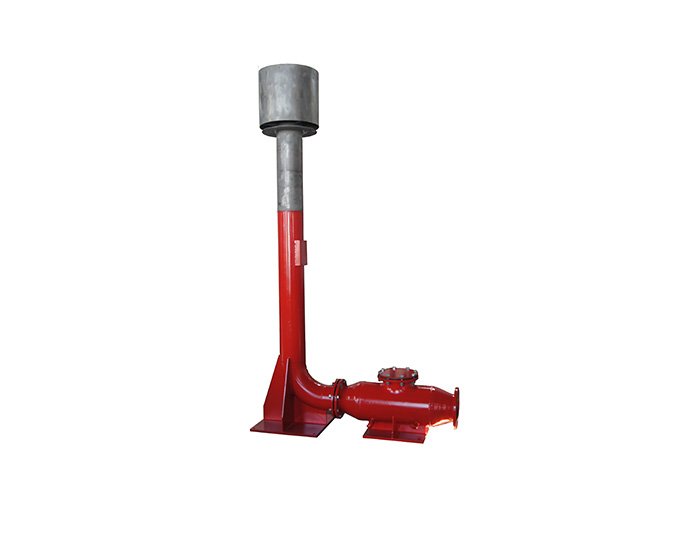 Flare Ignition Device
 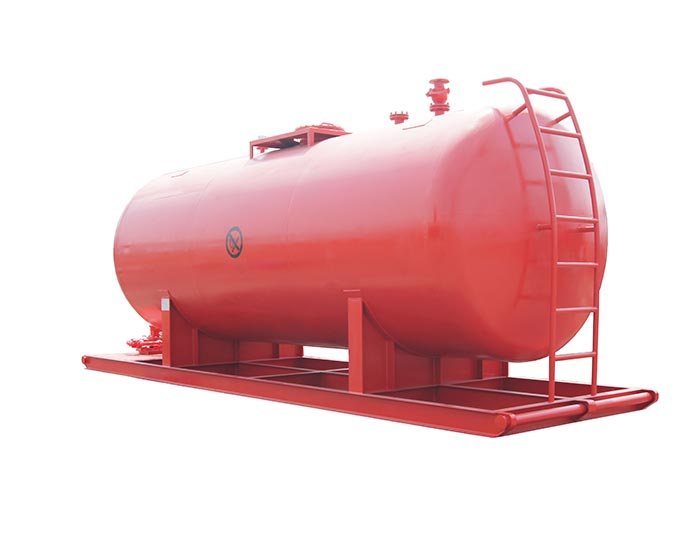 Diesel Tank
 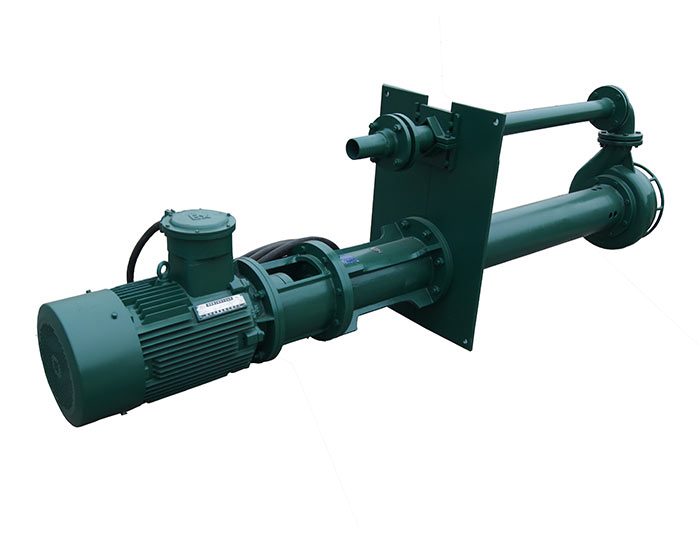 Submersible Slurry Pump