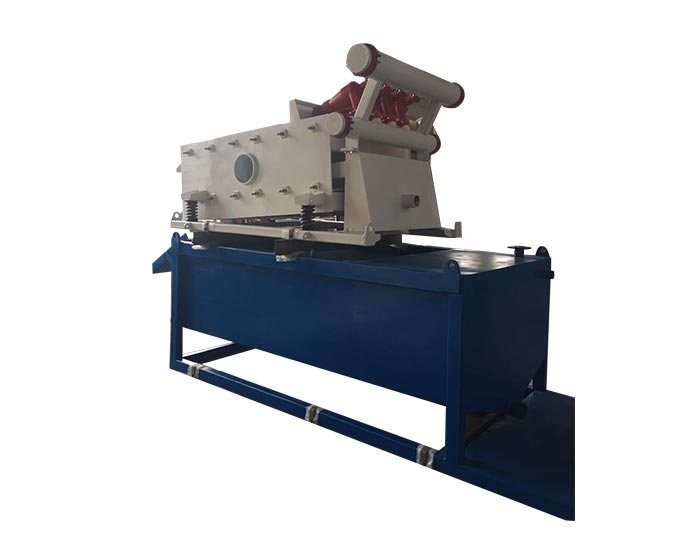
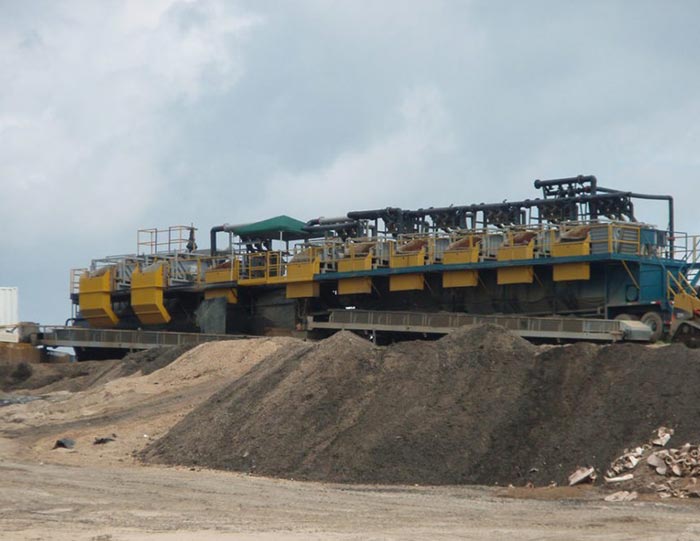
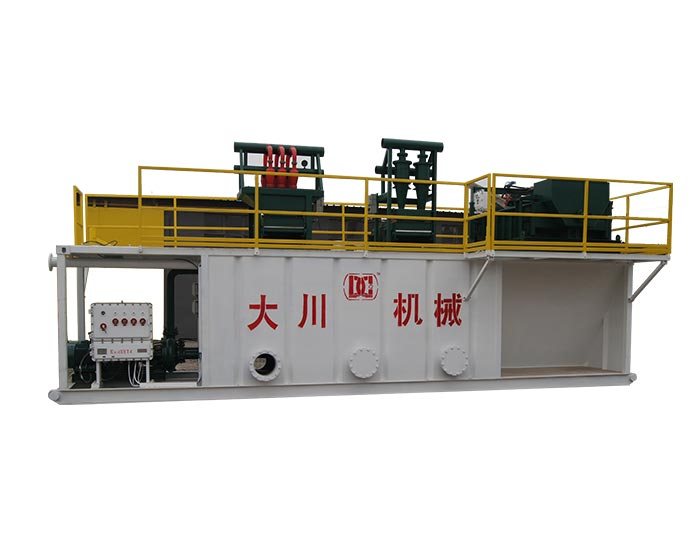
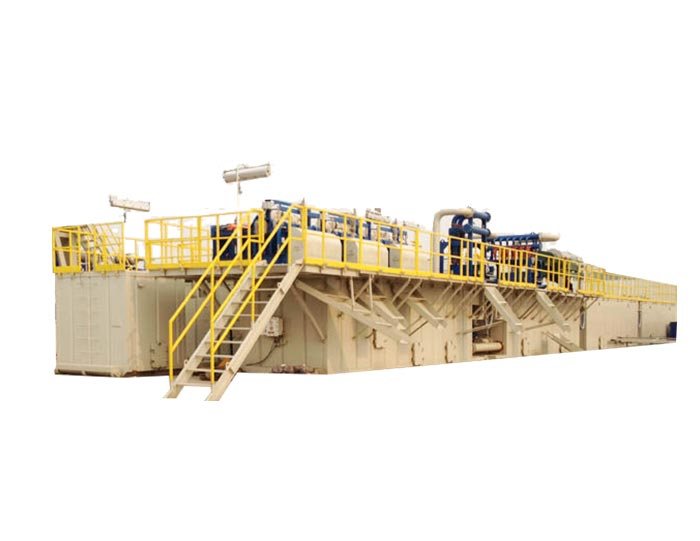
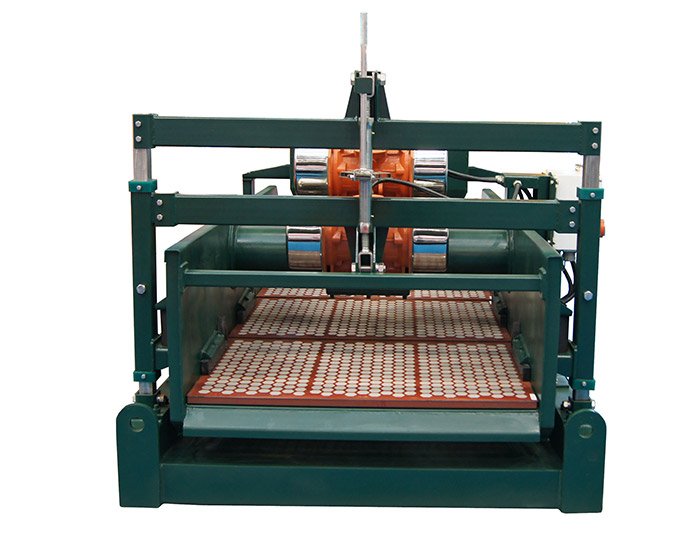
For a Linear Motion Shale Shaker, the vibration trajectory is determined by how the excitation forces are generated and combined. In a typical twin-motor configuration, two vibration motors are mounted in parallel and rotate in opposite directions. When their centrifugal forces are properly synchronized, the lateral force components offset each other while the forces along the desired screening direction reinforce one another. The result is a controlled linear trajectory that moves drilling cuttings across the screen deck while allowing drilling fluid to pass through the screen openings.
This principle is particularly important in shale shaker drilling, where the equipment must continuously separate drilled solids from circulating drilling fluid. The objective is not simply to make the screen vibrate harder. Motor synchronization, excitation force, amplitude, screen angle, deck structure, and screen selection must work together.
How a Shale Shaker Motor Creates Linear Screening Motion
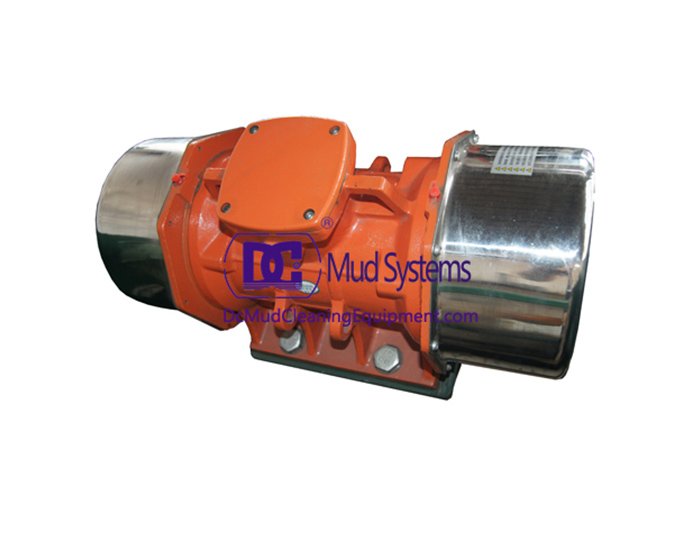
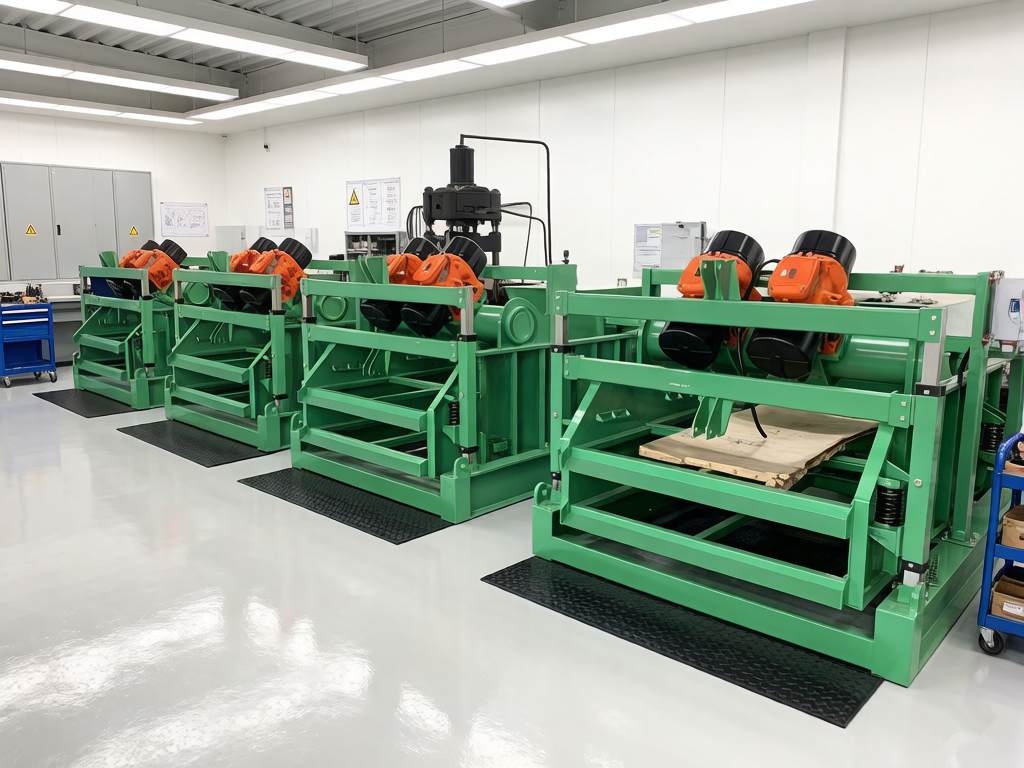
The central mechanism behind a shale shaker motor arrangement is the controlled combination of two rotating centrifugal forces. Each motor generates a periodic excitation force as its eccentric masses rotate. When two motors are installed with parallel shafts and operated in synchronized counter-rotation, the resulting force vector produces the linear movement required by the screen box.
This is fundamentally different from simply placing a single vibration motor on a machine and allowing it to generate an uncontrolled orbital movement. The motor arrangement is engineered around the desired trajectory, which is why motor orientation, rotational direction, operating speed, and excitation-force adjustment are important during equipment selection and commissioning.
Synchronous Counter-Rotation in a Linear Motion Shale Shaker
In a Linear Motion Shale Shaker, the two motors rotate in opposite directions while remaining synchronized. The horizontal force components that drive the screen box in the intended direction reinforce each other, while the components acting in the opposing direction cancel to a large extent.
OLI's technical documentation for its SV screen vibrators states that two parallel SV motors are required to generate linear motion, while one motor can provide circular motion. The same documentation identifies wet and dry solids separation and oil-and-gas drilling-fluid recovery systems among the intended applications.
This explains why the twin-motor arrangement is more than a simple duplication of motors. The two units function as a coordinated excitation system. If synchronization or installation geometry is incorrect, the resulting trajectory may deviate from the intended linear motion, potentially affecting screening performance and mechanical loading.
Vector Force Superposition in Shale Shaker Drilling
During shale shaker drilling, the centrifugal force generated by each motor can be considered as a rotating vector. With the two motors counter-rotating at the same operating condition, the vectors combine so that the useful component is maintained in the screening direction.
The practical result is a repeatable throwing and conveying action across the screen deck. This motion helps move drilled cuttings toward the discharge end while the liquid phase passes through the screening surface. The exact trajectory still depends on the complete machine design, including motor force, operating speed, deck angle, screen characteristics, and material loading.
G-Force and Amplitude Selection for High G Shale Shaker Performance
For a high g shale shaker, G-force and amplitude are two parameters that should be evaluated together rather than treated as interchangeable indicators of performance. G-force describes the acceleration level generated by the vibrating system, while amplitude represents the displacement of the vibrating motion.
Increasing excitation force can improve the machine's ability to move and separate solids, but more vibration is not automatically better. Excessive excitation can increase structural loading and wear if the machine, screen, and operating conditions are not designed for it. Conversely, insufficient excitation may reduce conveying capability when the incoming solids load is high.
The specifications provide a useful example of how these parameters are presented for an actual drilling shale shaker: the listed models use linear motion, report amplitude of 5–6 mm, and specify vibration strength of up to 7.0G.
For equipment selection, engineers should therefore compare the required treatment capacity and drilling-fluid characteristics with the machine's available excitation force and amplitude rather than selecting a motor solely by nominal power.
Why Linear Motion Shale Shaker Design Supports Cuttings Conveying
The main operational value of a Linear Motion Shale Shaker is the controlled movement of drilling cuttings across the screening surface. The vibration needs to provide enough acceleration to separate solids from liquid while also maintaining consistent conveying toward the discharge end.
Stable Cuttings Conveying for Oilfield Shale Shaker Applications
An oilfield shale shaker must deal with continuously changing solids loading rather than a fixed laboratory feed. The linear trajectory gives the cuttings a predictable direction of movement, helping the machine maintain separation while preventing excessive accumulation on one section of the deck.
The screening process also contributes to drilling-fluid recovery. We describes its linear-motion shaker as primary solids-control equipment for separating large drilling cuttings from drilling fluid and lists treatment capacities of up to 130 m³/h for some of the models shown on its product page.
Actual throughput depends on operating conditions, drilling-fluid properties, screen selection, solids loading, and equipment configuration, so published capacity should be treated as a reference rather than a universal field result.
Screen Deck Loading and Shale Shaker Parts Service Life
A well-controlled vibration trajectory also matters to the mechanical components of a shale shaker. If force distribution across the deck is poorly controlled, certain areas may experience unnecessary loading or uneven material accumulation.
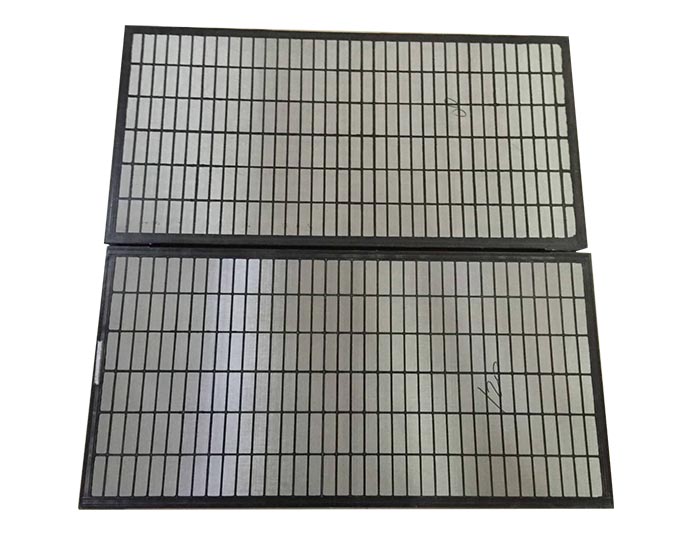
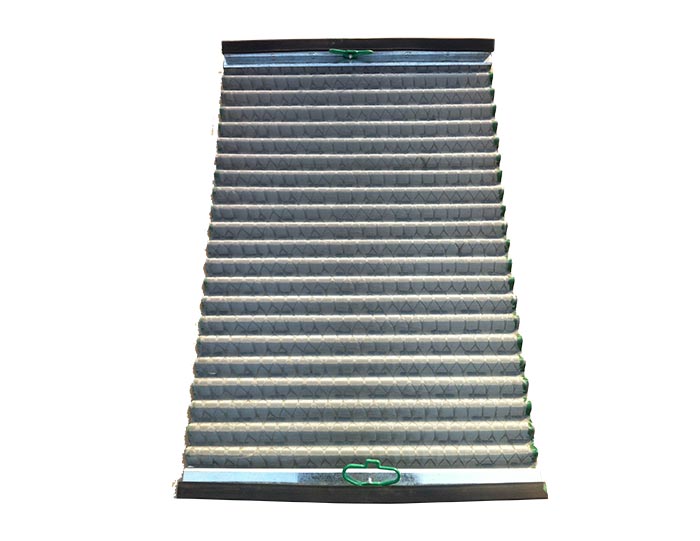
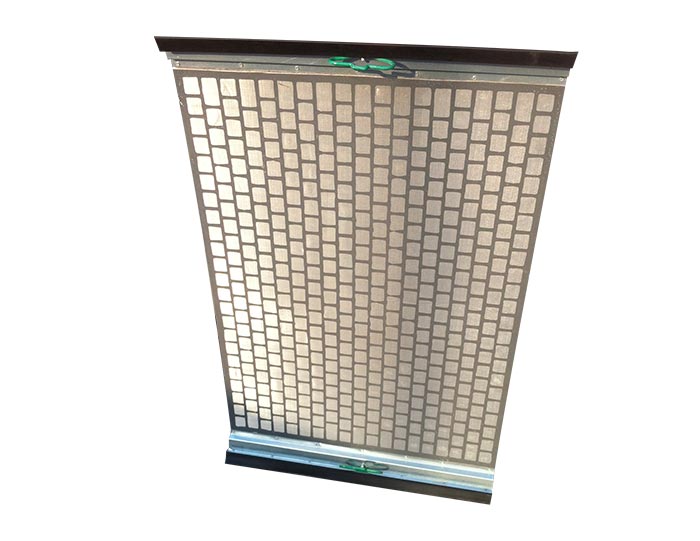
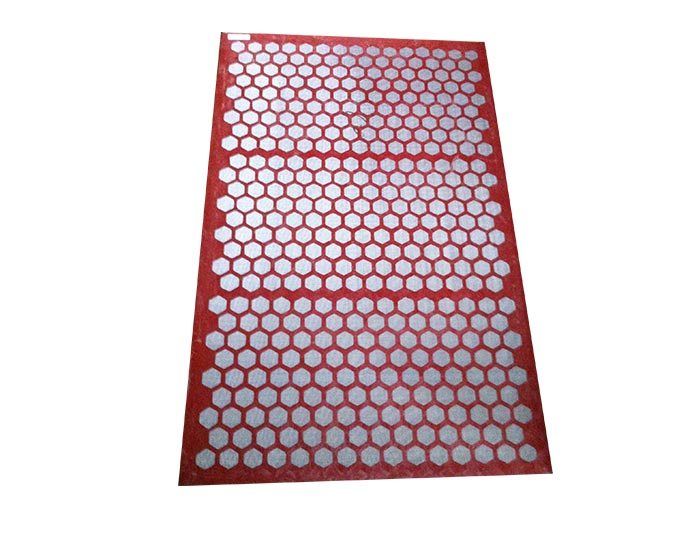
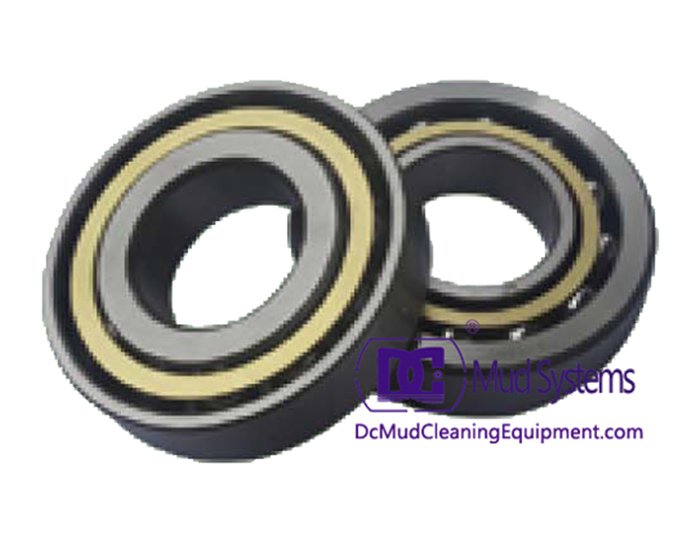
The screen itself is particularly important. Shale shaker parts such as screen panels, tensioning components, bearings, and vibration motors operate within the same dynamic system. This is why screen selection should not be separated from motor selection. A suitable vibration system must work with the mechanical structure and screening surface as a complete assembly.
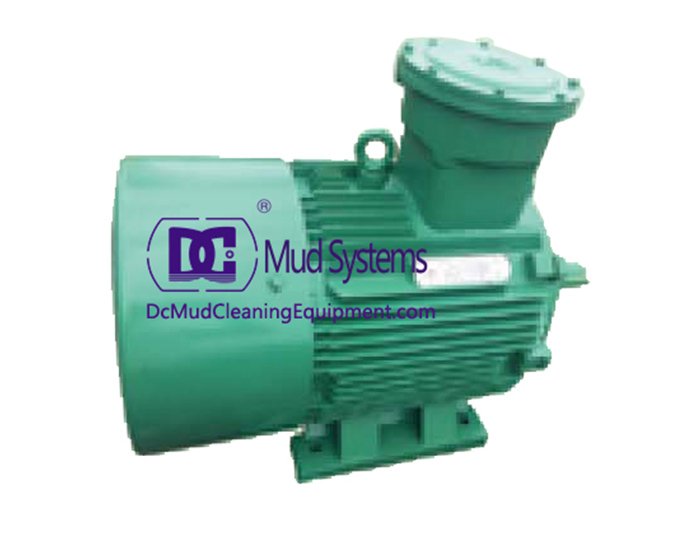
Explosion-Proof Vibration Motors for Shale Shaker in Drilling
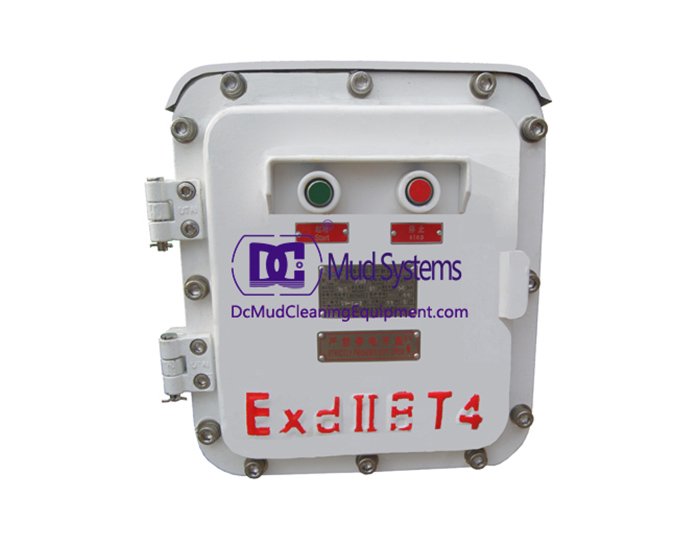
Safety becomes a major selection factor when a shale shaker in drilling rig operates in an oilfield environment where flammable gases may be present. In such applications, the vibration motor needs to be appropriate for the required hazardous-area classification and electrical protection requirements.
OLI offers vibration-motor ranges specifically intended for applications requiring increased safety and explosion protection, including products designed for oil and gas applications. Its published information identifies explosion-proof motor solutions for environments where specific anti-explosion certification is required.
Actual certification requirements should always be checked against the regulations, hazardous-area classification, voltage, frequency, and project specifications applicable to the installation site.
For procurement teams, this means motor selection should include electrical protection and certification requirements from the beginning rather than treating them as an accessory specification after the mechanical design has been finalized.
Matching Shale Shaker Working Principle With Harsh Drilling Conditions
Understanding the shale shaker working principle is useful when comparing equipment for demanding drilling applications. The vibration motor is only one part of the system. The motor's excitation force must match the screen box, deck structure, screen configuration, feed characteristics, and required processing capacity.
A drilling fluid shale shaker product may be exposed to abrasive solids, corrosive drilling-fluid components, continuous vibration, and outdoor operating conditions. Consequently, structural protection and material selection are just as important as motor output.The same principle applies when selecting drilling fluid shale shaker material. A suitable structure must withstand repeated dynamic loading without allowing vibration to become an uncontrolled source of fatigue or premature wear.
For operators building a complete mud system, the shaker should also be evaluated according to how it interacts with upstream feeding and downstream solids-control equipment. The goal is a stable separation process rather than simply maximizing motor force.
Practical Motor and Screen Matching for Drilling Fluid Shale Shaker Products
For drilling fluid shale shaker products, motor selection should begin with the required trajectory and treatment conditions. A linear-motion design requires coordinated twin motors, while the excitation force must correspond to the machine's structural capacity and screening duty.
Selection Factor | Engineering Consideration | Effect on Screening |
Motor arrangement | Twin parallel counter-rotating motors | Establishes linear trajectory |
Excitation force | Matched to machine structure and feed condition | Influences solids movement and separation |
Amplitude | Coordinated with operating speed and G-force | Affects conveying behavior |
Screen type | Selected according to solids and fluid characteristics | Determines separation performance |
Deck angle | Adjustable according to operating conditions | Influences conveying speed |
Motor protection | Matched to hazardous-area requirements | Supports safe oilfield operation |
A useful procurement comparison should therefore look beyond the motor's rated kW. Two machines with similar motor power can behave differently if their excitation systems, deck geometry, screen area, or operating parameters differ.
Why Counter-Rotating Motors Matter in Modern Shale Shaker Drilling
The counter-rotating twin-motor arrangement provides a controlled method for generating linear vibration. By combining centrifugal force vectors in a synchronized manner, the system converts motor rotation into a directional screening movement that is suitable for continuous solids separation.
For a shale shaker drilling application, this controlled trajectory supports the basic job of moving drilled cuttings across the screen while allowing recoverable drilling fluid to pass through. The final performance still depends on the complete machine configuration, but the vibration system establishes the mechanical foundation for the screening process.
For project selection, engineers should evaluate the vibration mode, G-force, amplitude, motor arrangement, screen area, deck structure, screen type, electrical protection, and expected drilling-fluid conditions as one system. That approach is more reliable than judging a shale shaker only by motor power or headline capacity.
When the vibration system and screening structure are correctly matched, the linear-motion principle becomes a practical tool for maintaining stable solids separation in demanding drilling environments. Product configuration reflects this system-level approach, combining linear motion, twin vibration motors, adjustable deck geometry, replaceable screen configurations, and explosion-protection specifications within its shale shaker range.

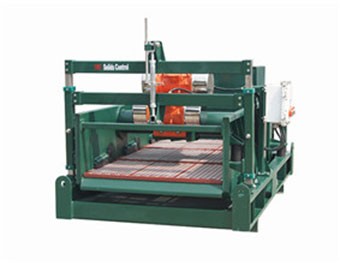 Linear Motion Shale Shaker In Drilling Rig
 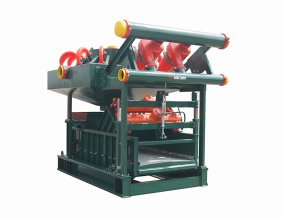 Oilfield Mud Cleaner
 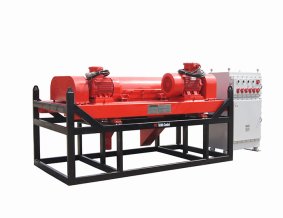 Drilling Fluid Decanter Centrifuge
 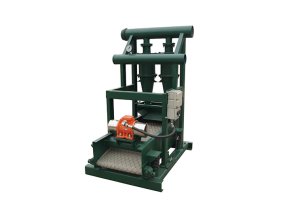 Drilling Mud Desander
 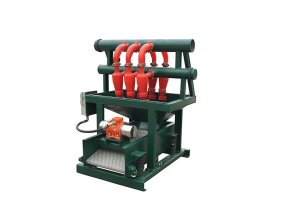 Hydrocyclone Desilter
 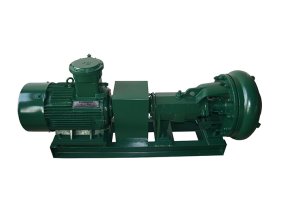 Centrifugal Pump/Centrifugal Mud Pump
 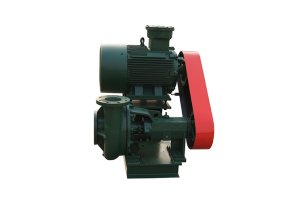 Shear Pump
 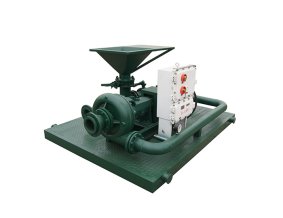 Jet Mud Mixer
 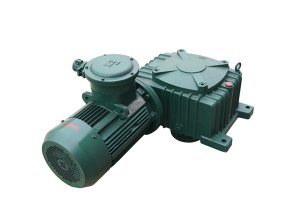 Horizontal Mud Agitator
 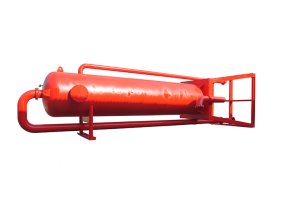 Constant Pressure Drilling Fluid Mud Gas Separator
 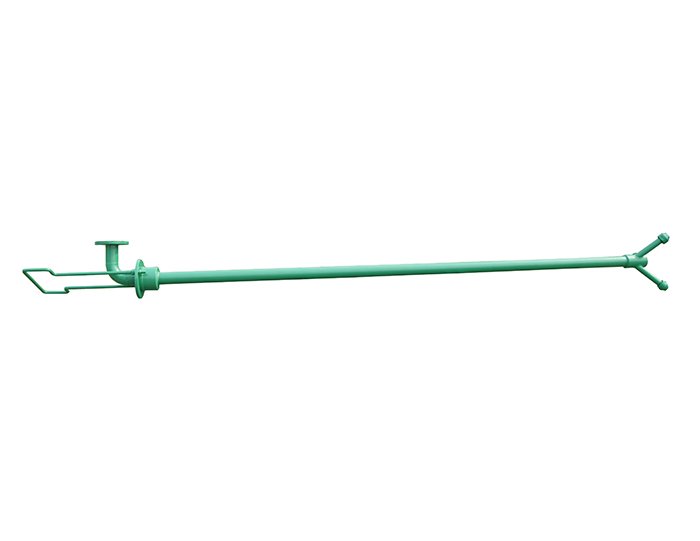 Mud Gun
  Mud Tank
 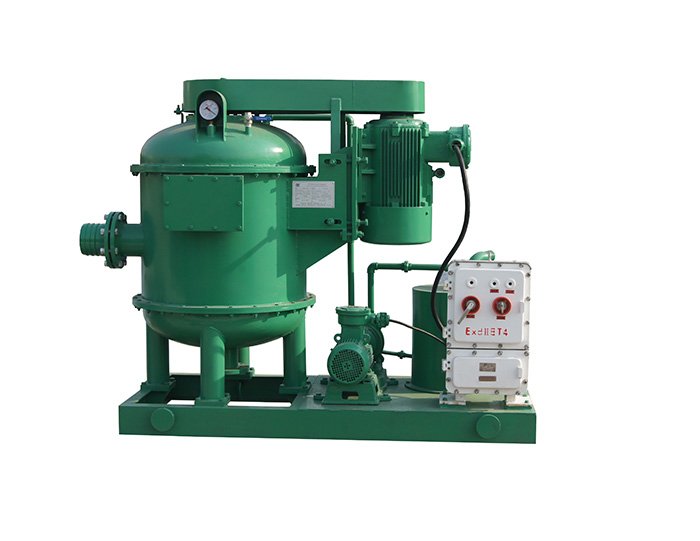 Solids Control System Vacuum Degasser
 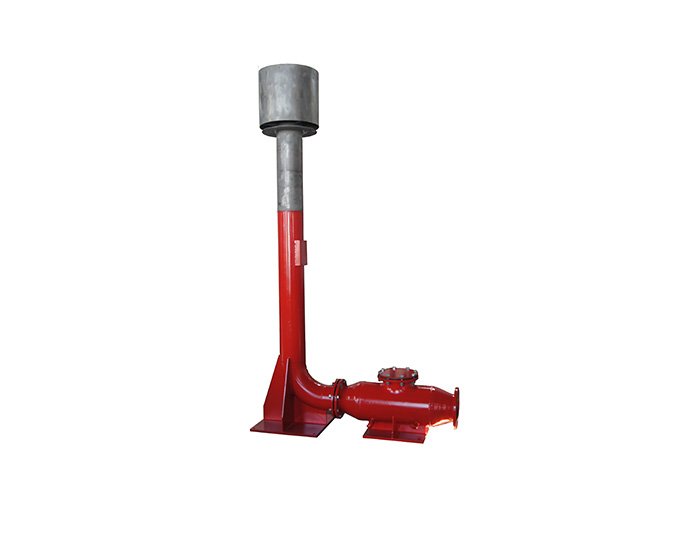 Flare Ignition Device
 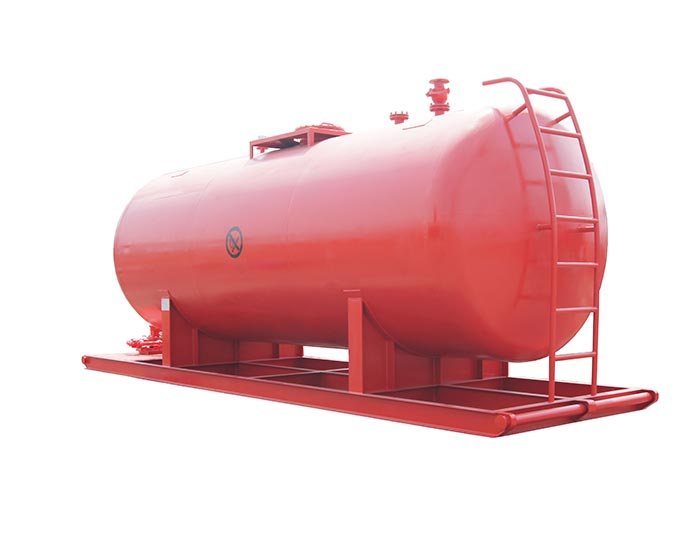 Diesel Tank
 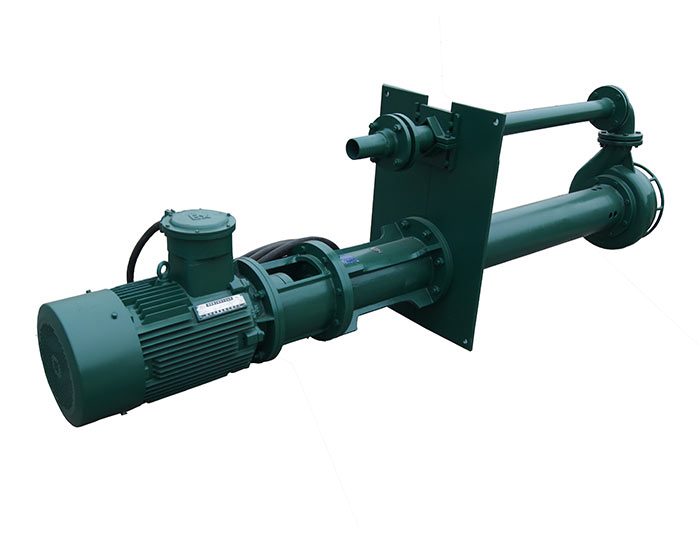 Submersible Slurry Pump