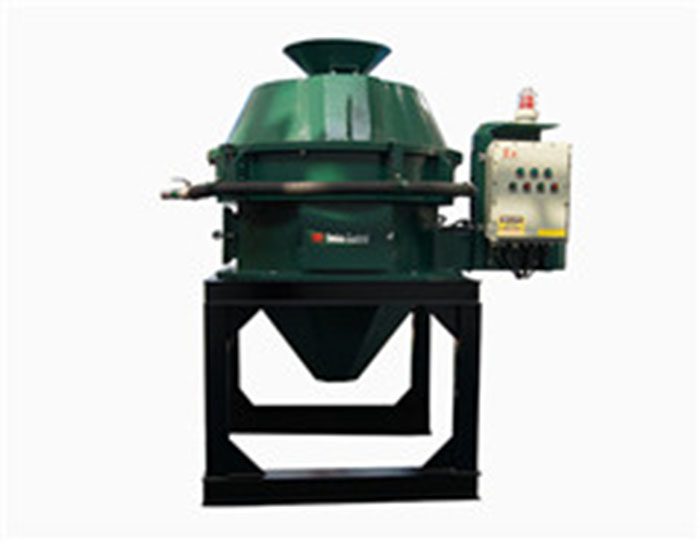
A Vacuum Degasser operating in an oilfield drilling-fluid system is exposed to continuous mud circulation, vibration, dust, moisture, and changing operating conditions. For this reason, daily maintenance should focus on the components that directly influence vacuum generation, gas-liquid separation, mechanical stability, and safe operation. A mud degasser that is checked regularly is easier to keep in stable working condition than equipment that is only inspected after a noticeable performance problem occurs.
For operators using a vacuum degasser unit, the most practical daily checks involve the water-ring vacuum pump, operating fluid, seals, rotor, tank interior, and explosion-proof motor. These checks do not require dismantling the complete machine every day. Instead, they provide an early opportunity to identify leakage, abnormal vibration, contamination, excessive deposits, or other conditions that may affect continuous drilling operations.
The maintenance routine below is intended for the same general equipment category as the vacuum degassing systems used in drilling-fluid treatment. Actual inspection intervals, replacement requirements, and safety procedures should follow the equipment manufacturer's instructions and the conditions of the drilling site.
Water-Ring Pump Maintenance for Reliable Vacuum Degasser Operation
The water-ring vacuum pump is central to the operation of a vacuum degasifier, because the pump creates the negative-pressure environment required for gas removal from drilling fluid. Daily inspection should therefore begin with the pump and its operating condition. Before starting the equipment, operators can check the visible pump body, connections, operating-fluid condition, and surrounding area for leakage or abnormal contamination.
During operation, attention should be given to changes in sound, vibration, temperature, and vacuum behavior. A change does not automatically indicate a specific component failure, but it is a useful signal that the pump should be investigated. For a solid control equipment system working continuously, identifying these changes at an early stage can help maintenance personnel avoid unnecessary interruption to the drilling-fluid treatment process.
Water Replenishment and Fluid Inspection for a Vacuum Degasifier
A water-ring pump requires an appropriate operating liquid to maintain its working principle. The operator should therefore verify the fluid level and visible condition according to the equipment manufacturer's operating requirements. If the fluid becomes excessively contaminated with mud, solids, or other material, it should be handled according to the applicable maintenance procedure rather than allowing contamination to continue accumulating.
Connections around the pump should also be checked for visible leakage. In a vacuum degasseer, stable vacuum generation depends not only on the pump itself but also on the integrity of the associated system. Regular observation of the operating fluid and connections provides a simple way to identify developing problems before they become more difficult to diagnose.
Abrasion and Continuous-Operation Checks for a Mud Degasser
A mud degasser may work for extended periods while treating drilling fluid, so operators should pay attention to abnormal vibration, unusual mechanical noise, or changes in pump behavior. Drilling fluid can contain solid particles, and the surrounding oilfield environment can expose equipment to dust and contamination.
Routine inspection should not be confused with unnecessary component replacement. The purpose is to establish a condition record and identify changes from normal operation. If vibration or noise gradually increases, maintenance personnel can investigate the pump and related components before the condition develops into a larger mechanical problem.
Sealing Inspection to Protect Vacuum Degasser Drilling Performance
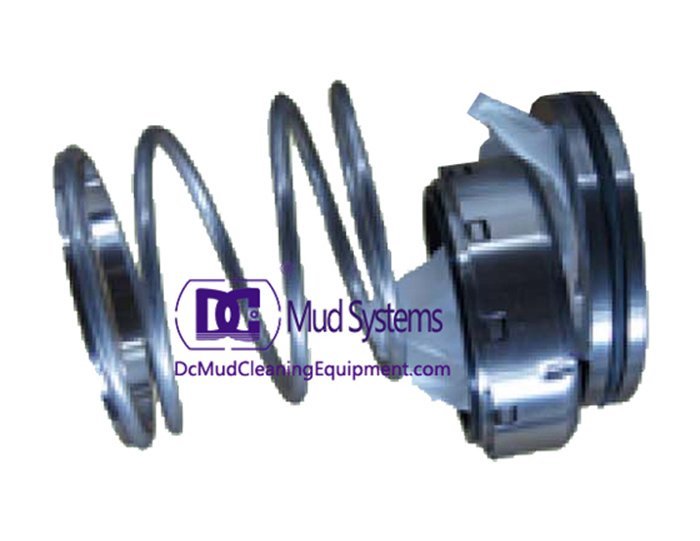
Maintaining an effective sealed system is essential for a vacuum degasser drilling application. If sealing performance deteriorates, the system may have difficulty maintaining the required negative-pressure environment. Daily inspection should therefore include accessible gaskets, seals, pipe connections, covers, and other visible interfaces associated with the degassing system.
The inspection does not need to involve disassembling every connection. Instead, operators should look for visible mud leakage, unusual gas leakage indications, loose connections, damaged sealing surfaces, or other changes around the equipment. A condition that appears minor during one shift may become more significant during continuous operation.
Degasser Tank Sealing Checks Under Harsh Oilfield Conditions
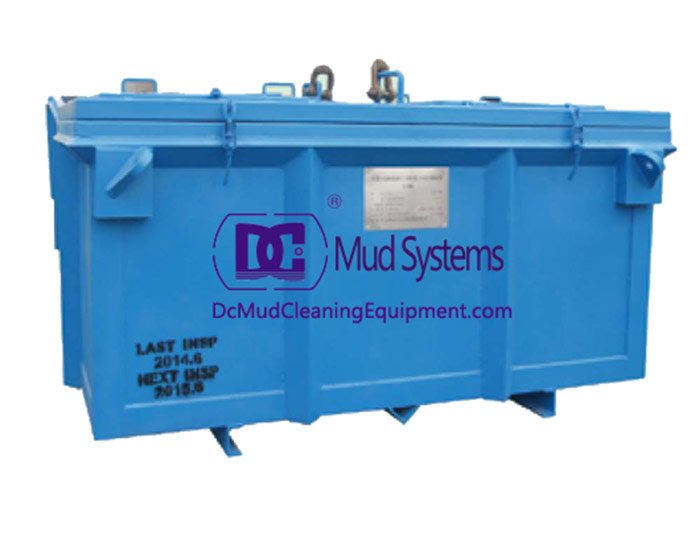
The degasser tank is an important part of the gas-liquid separation section, so visible sealing areas around the tank should be included in the daily inspection. Operators should pay particular attention to areas showing persistent leakage, damaged gaskets, loose fasteners, or deformation.
Harsh oilfield conditions can expose equipment to vibration, mud contamination, temperature changes, and frequent operation. These factors make condition-based inspection especially useful. If a sealing component is visibly damaged or no longer maintains proper sealing performance, the appropriate maintenance action should be taken according to the manufacturer's recommendations.
Aging Seal Replacement for a Vacuum Degasser Unit
For a vacuum degasser unit, seals should not necessarily be replaced according to one universal calendar interval. Their service condition depends on the equipment design, operating environment, material compatibility, temperature, vibration, and actual usage.
Cracking, hardening, deformation, repeated leakage, or visible surface deterioration are practical warning signs. Maintenance personnel should record these observations so that replacement can be planned instead of waiting for a serious vacuum problem to interrupt operation.
Rotor and Degasser Tank Cleaning for Stable Mud Degasser Performance
A mud degasser handles drilling fluid continuously, which means solids and mud residue can accumulate in areas exposed to the fluid. If deposits are allowed to build up, they may influence fluid movement or create additional mechanical concerns. For this reason, inspection and cleaning of the rotor area and degasser tank should form part of the maintenance routine.
Once the equipment has been made safe, maintenance personnel can inspect accessible internal surfaces for accumulated mud, solids, or foreign material. The rotor should be checked for deposits or other visible abnormalities. Cleaning methods should be compatible with the equipment and should not unnecessarily damage sealing surfaces or mechanical components.
The appropriate cleaning frequency depends on drilling-fluid characteristics and operating conditions. A system processing fluid with higher solids loading may require closer observation than one operating under less demanding conditions.
Explosion-Proof Motor Inspection for a Vacuum Degasser Unit
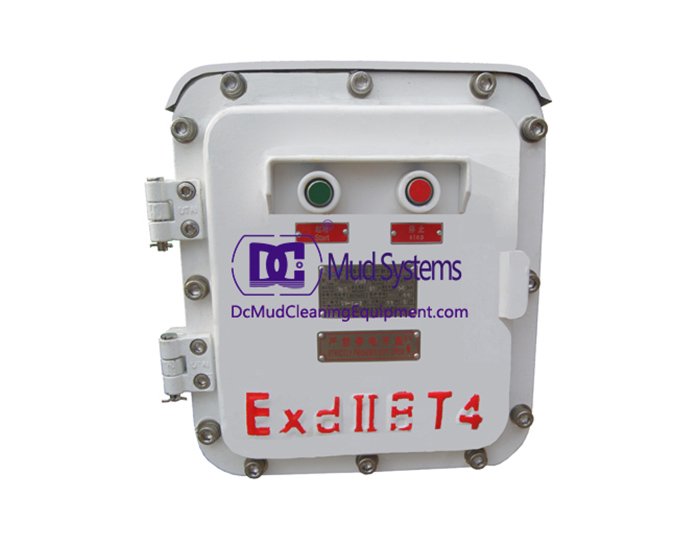
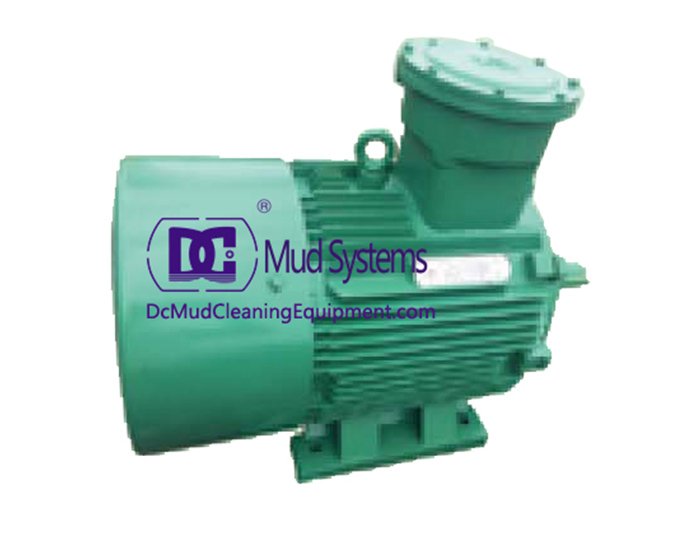
The explosion-proof motor is another important inspection area for a vacuum degasser unit used in oilfield environments. Daily checks should focus on externally observable conditions such as abnormal noise, vibration, overheating indications, damaged cables, loose connections, contamination, and the visible condition of the motor housing.
Electrical enclosure opening, electrical testing, or repair should only be performed by qualified personnel following the applicable site procedures and equipment requirements. Operators performing routine rounds should not attempt unauthorized electrical repairs.
For a vacuum degasifier, motor condition is closely related to pump operation. If the motor develops an abnormal operating condition, pump performance may also be affected. Recording unusual motor behavior together with vacuum and pump observations can give maintenance personnel a more complete picture when troubleshooting.
Daily Inspection Record for Vacuum Degasser Drilling Equipment
A useful maintenance checklist should record actual observations rather than simply marking every item as “OK.” For vacuum degasser drilling equipment, operators can record pump-fluid condition, visible leakage, seal condition, vibration, noise, tank deposits, rotor condition, and motor observations.
Inspection Area | Daily Observation | Possible Maintenance Focus |
Water-ring vacuum pump | Fluid condition, leakage, vibration and noise | Pump operating stability |
Degasser tank | Leakage and visible mud deposits | Sealing and cleaning condition |
Seals and gaskets | Cracking, hardening or deformation | Preventive replacement |
Rotor area | Deposits or abnormal condition | Cleaning and mechanical inspection |
Explosion-proof motor | Noise, vibration and external condition | Electrical and drive-system inspection |
Connections | Loose fittings or visible leakage | Vacuum and fluid-system integrity |
Maintaining this record is particularly useful when a Vacuum Degasser operates across multiple shifts. A gradual change in vibration, leakage, or operating behavior is much easier to recognize when previous observations are available.
Coordinating Vacuum Degasser Maintenance With the Mud System
A mud degasser should be considered as one part of the complete drilling-fluid treatment system rather than an isolated machine. Its operating environment can be influenced by upstream and downstream equipment, including mud tanks, pumps, solids-control equipment, and fluid-transfer lines.
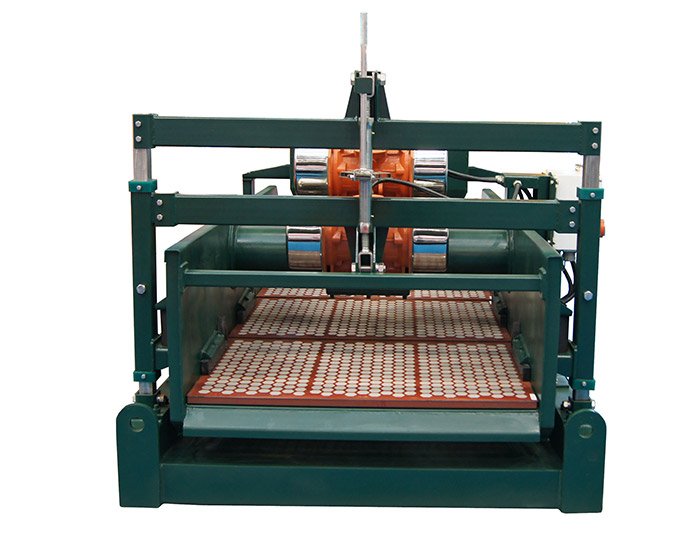
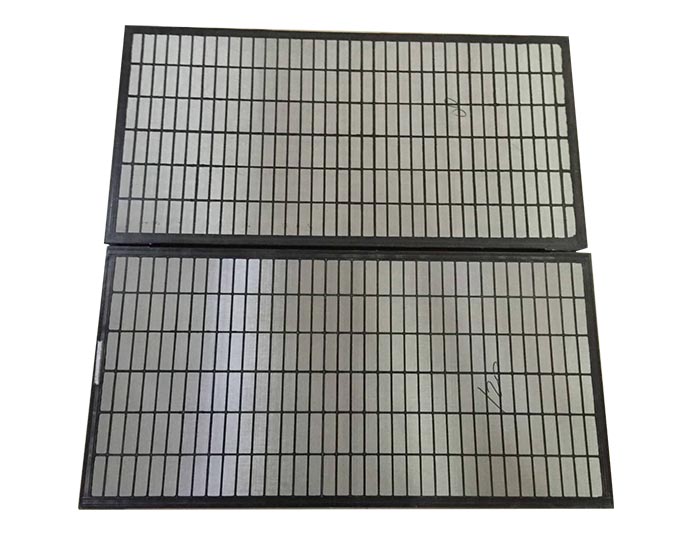
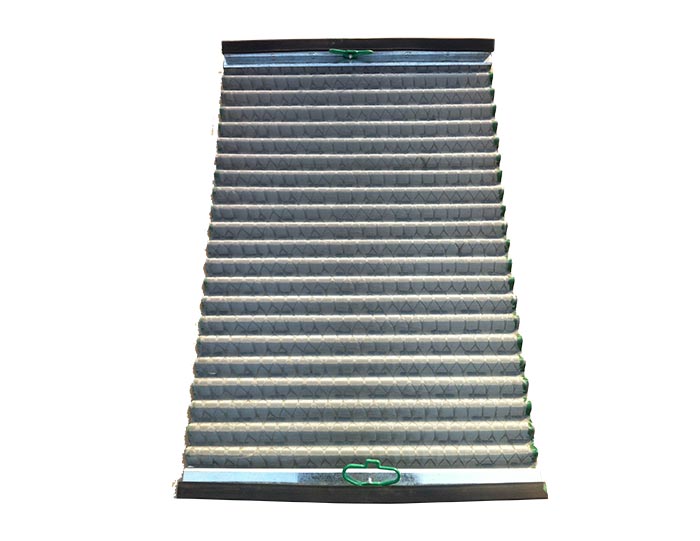
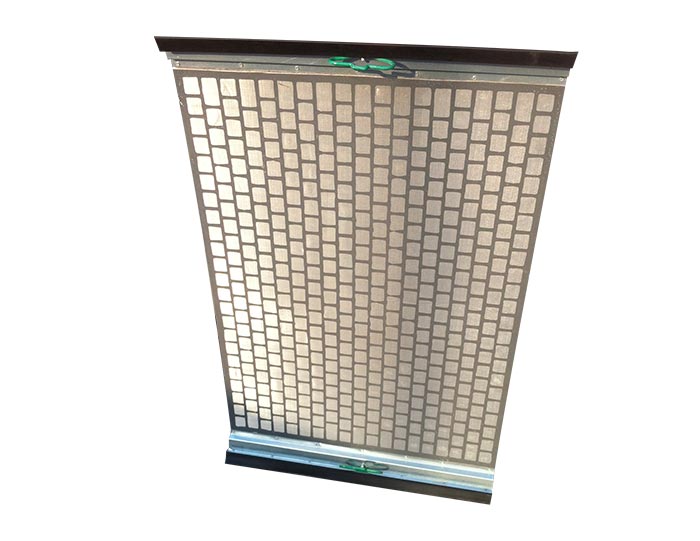
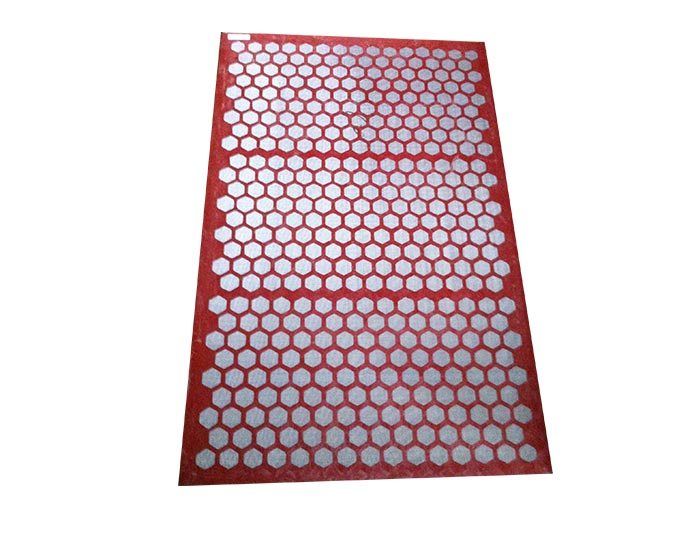
For example, a shaker screen is involved in upstream solids-control treatment, while other pumping equipment can influence drilling-fluid circulation. Maintenance teams should therefore consider the condition of connected equipment when investigating an unusual change in degasser performance.
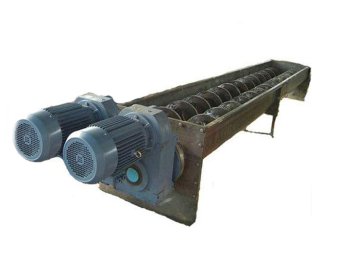
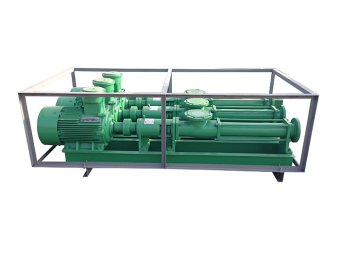
Similarly, if the site uses a screw pump, its maintenance should remain within its own equipment maintenance procedure rather than being treated as part of the internal maintenance of the vacuum degasser. Keeping these maintenance scopes clear makes troubleshooting more systematic.
For equipment in the same category, routine attention to the vacuum pump, gas-liquid separation section, tank, rotor, sealing components, and explosion-proof motor provides a practical foundation for maintaining stable field operation.
Practical Maintenance Priorities for a Vacuum Degasifier
For a vacuum degasifier working under harsh oilfield conditions, effective maintenance is mainly about consistency. The water-ring pump should be checked before operation, operating fluid should remain in the appropriate condition, seals should be monitored for deterioration, and the degasser tank and rotor area should be inspected for accumulated drilling-fluid residue.
The explosion-proof motor also requires regular observation, while abnormal vibration, noise, leakage, or operating changes should be investigated rather than ignored. These measures do not replace scheduled servicing or professional inspection, but they help operators identify developing conditions earlier.
A vacuum degasser unit is most reliable when its mechanical, vacuum, sealing, and electrical systems are maintained together. For drilling contractors operating continuously in demanding environments, a simple daily inspection routine can provide useful information for preventive maintenance and reduce the chance that an unnoticed minor issue develops into unexpected equipment downtime.

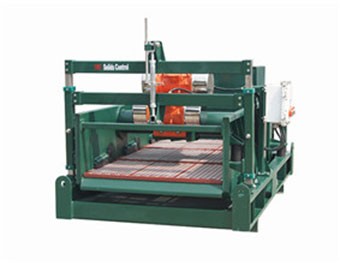 Linear Motion Shale Shaker In Drilling Rig
 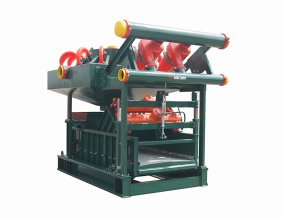 Oilfield Mud Cleaner
 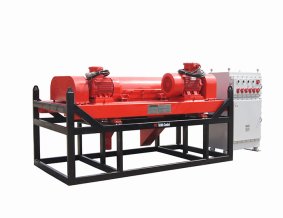 Drilling Fluid Decanter Centrifuge
 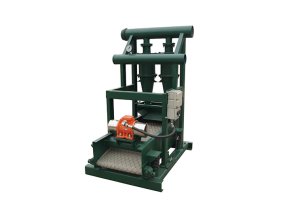 Drilling Mud Desander
 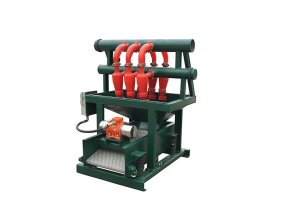 Hydrocyclone Desilter
 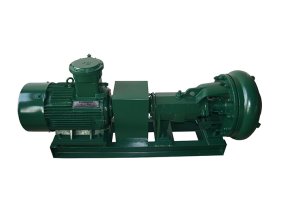 Centrifugal Pump/Centrifugal Mud Pump
 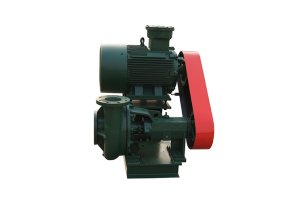 Shear Pump
 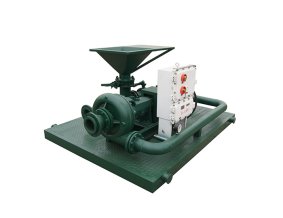 Jet Mud Mixer
 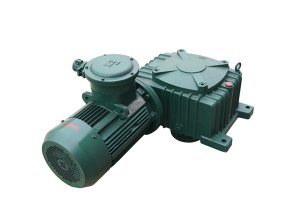 Horizontal Mud Agitator
 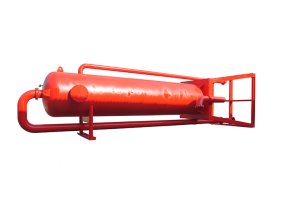 Constant Pressure Drilling Fluid Mud Gas Separator
 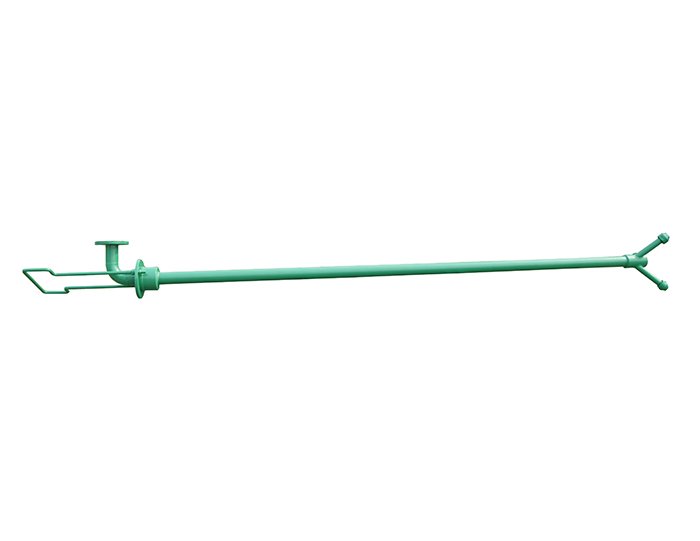 Mud Gun
  Mud Tank
 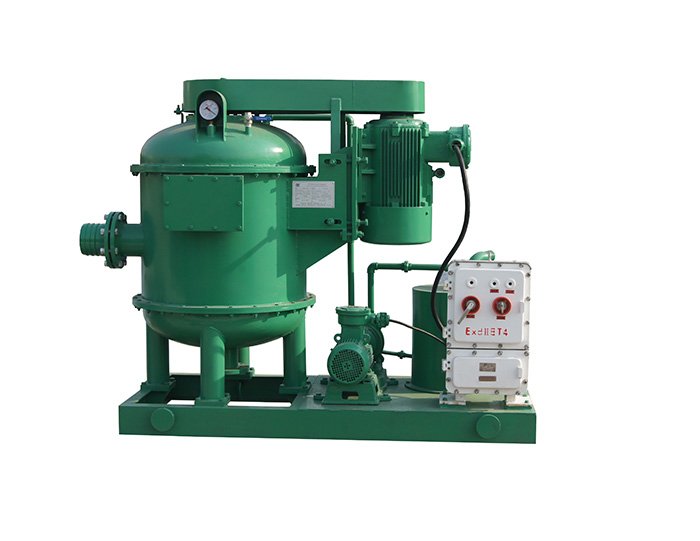 Solids Control System Vacuum Degasser
 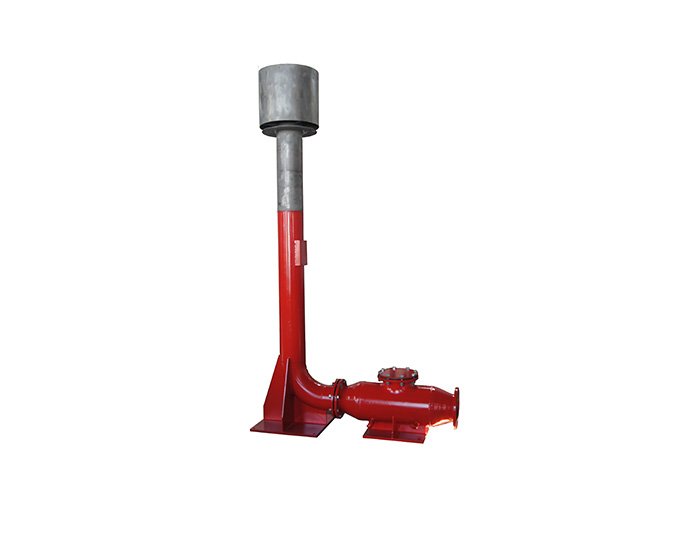 Flare Ignition Device
  Diesel Tank
  Submersible Slurry Pump