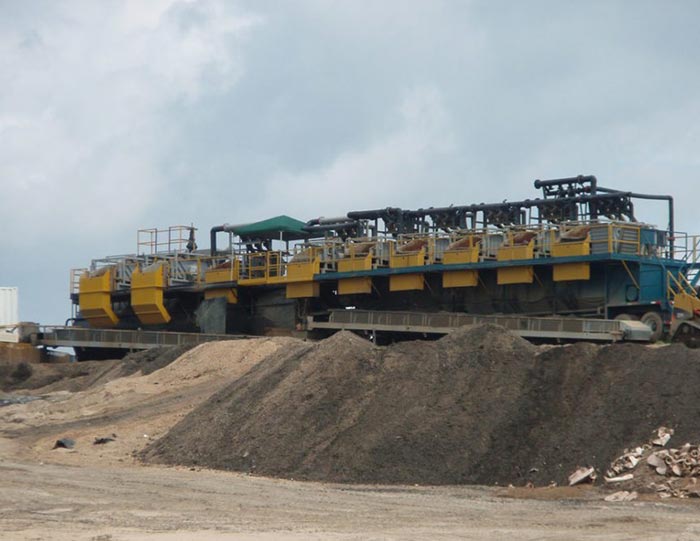
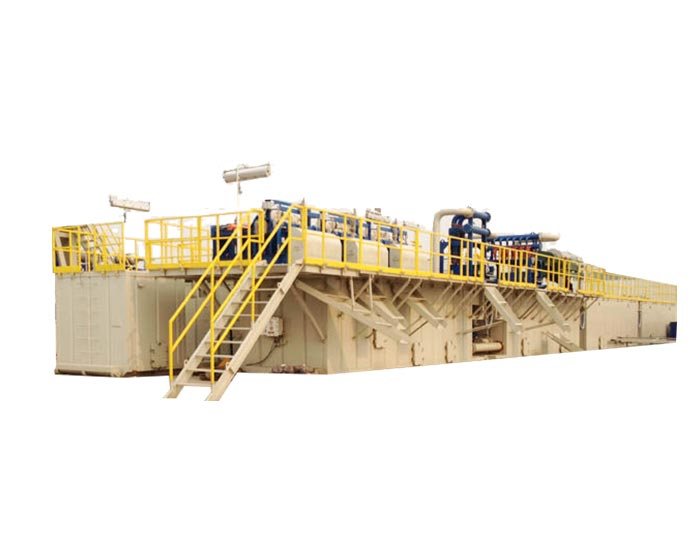
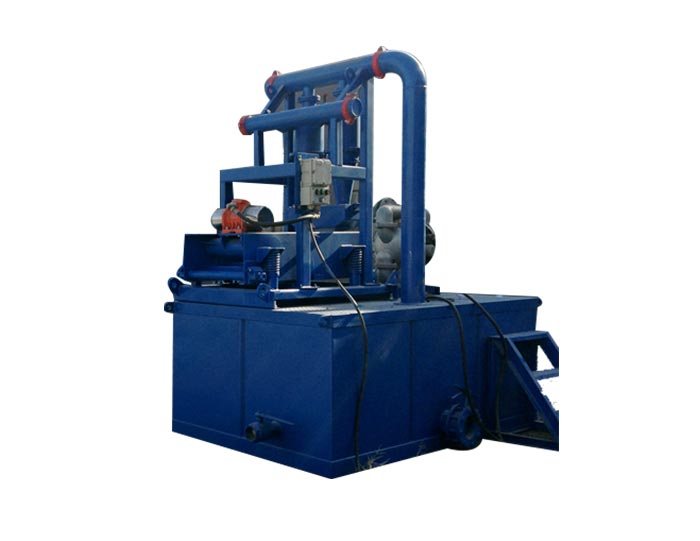
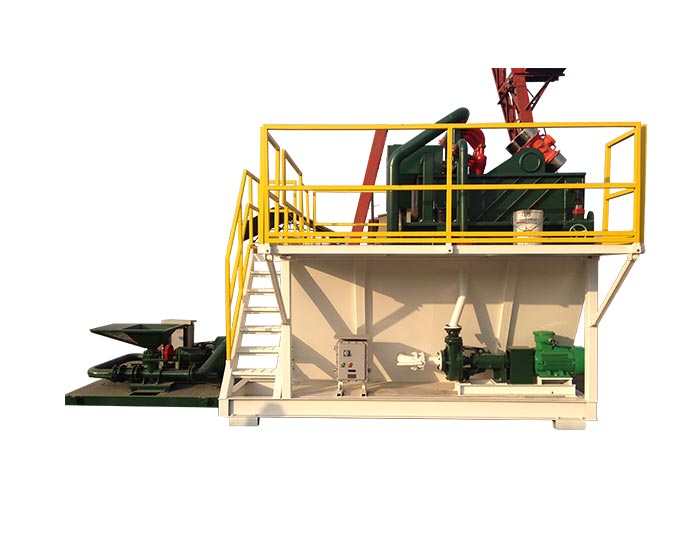
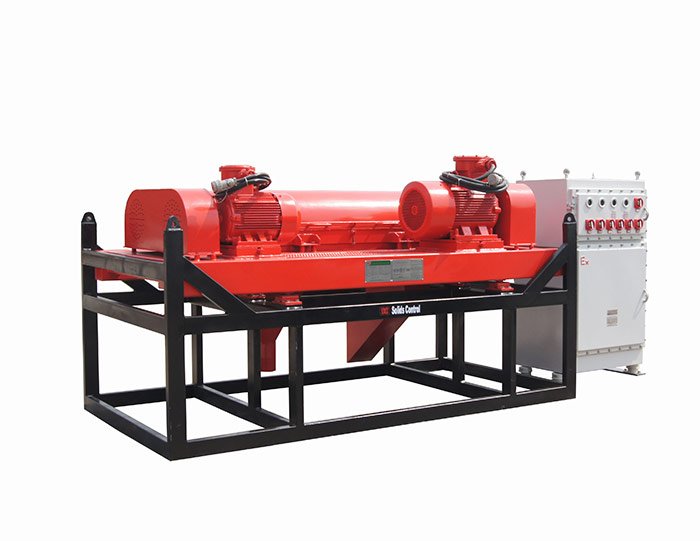
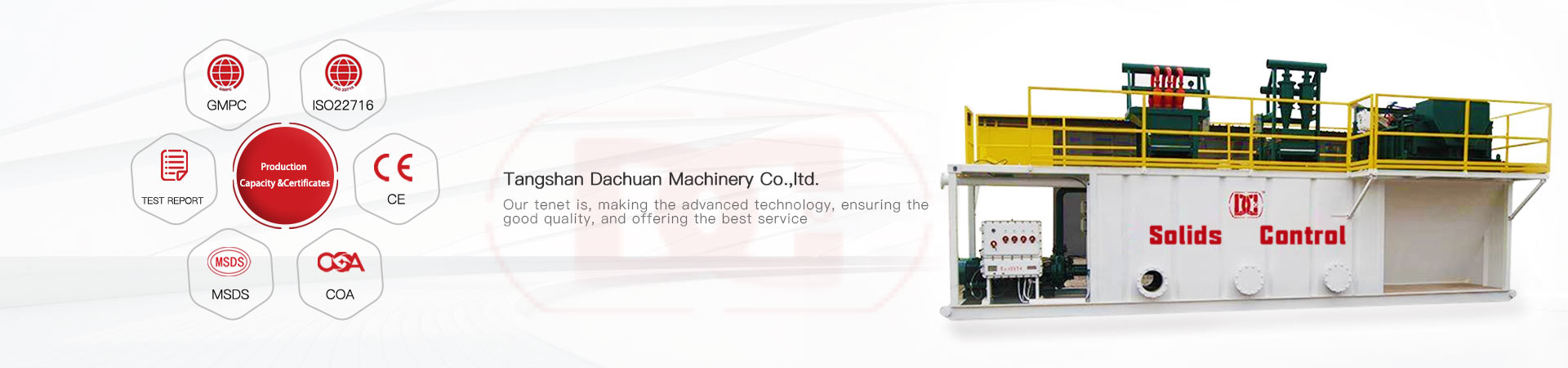
In modern oil and gas drilling projects, a reliable mud tank system is one of the most important investments for maintaining drilling fluid performance and supporting efficient solids control operations. As the foundation of a drilling fluid circulation system, the mud tank in drilling rig applications serves not only as a storage container but also as the operating platform for various types of solid control equipment. Whether used in onshore oil drilling, offshore exploration, geothermal projects, or trenchless construction, selecting the right mud tank can significantly influence operational efficiency, maintenance costs, and drilling performance.
Many buyers focus primarily on mud tank price when comparing suppliers. However, understanding the design, structure, material selection, capacity requirements, and compatibility with solids control equipment is equally important. A properly designed mud tank system delivers long-term value by improving fluid management, enhancing equipment performance, and reducing operating expenses throughout the drilling process.
Why a Mud Tank System Is Essential in Drilling Operations?
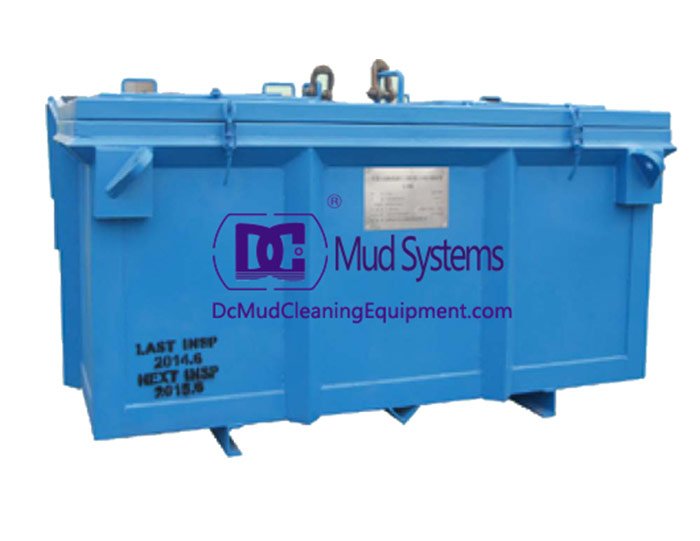
A mud tank system functions as the central platform for drilling fluid storage, circulation, mixing, and treatment. During drilling, fluid continuously travels down the drill string and returns to the surface carrying drilled cuttings and formation debris. The mud tank receives this returning fluid and provides the necessary space for solids separation, chemical treatment, and fluid conditioning.
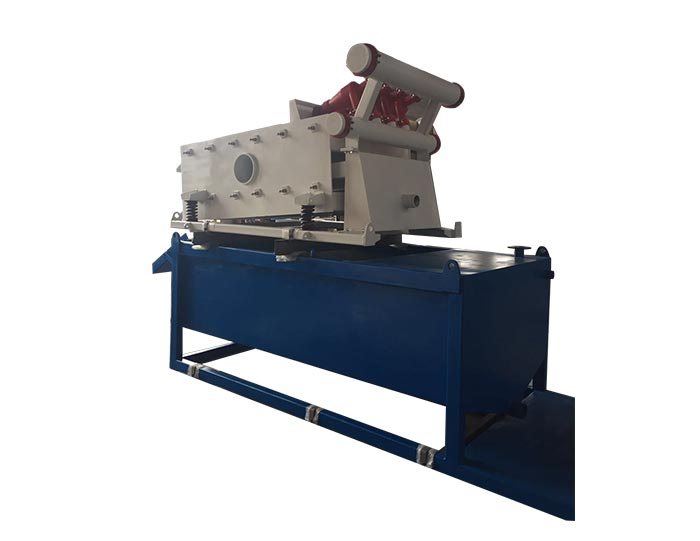
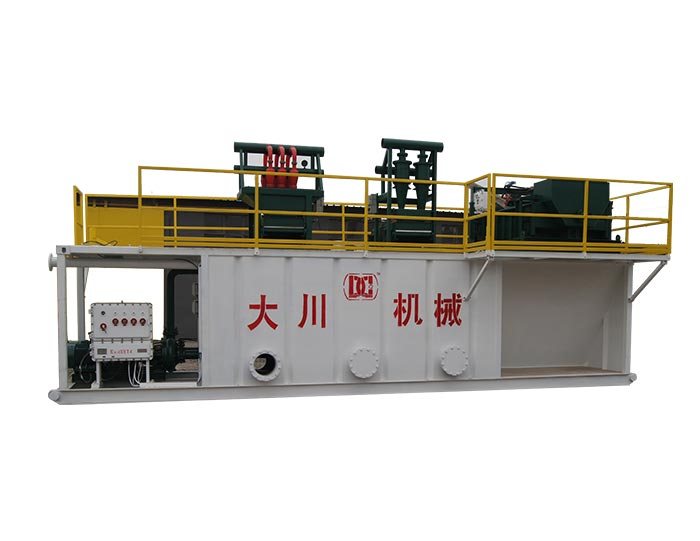
In a complete solids control system, the mud tank supports equipment such as shale shakers, vacuum degassers, desanders, desilters, centrifuges, mud agitators, and transfer pumps. Without an appropriately designed tank structure, the efficiency of the entire fluid treatment process can be compromised.
The importance of the mud tank extends beyond simple storage. It acts as the carrier of drilling fluid, provides compartmentalized treatment zones, supports fluid circulation, and helps maintain stable drilling conditions throughout the project lifecycle.
Understanding Different Types of Mud Tank in Drilling Rig Applications
Not all mud tanks are designed for the same purpose. Different drilling projects often require specialized tank configurations depending on operational requirements.
Circulating tanks are among the most common types of mud tank in drilling rig systems. These tanks store active drilling fluid and support continuous circulation throughout the drilling process. They typically house primary solids control equipment such as shale shakers and desanders.
Chemical tanks are designed for mixing and adding treatment chemicals into drilling fluid. These tanks often incorporate shear pumps and mixing devices to ensure uniform distribution of additives.
Reserve tanks provide backup storage capacity for drilling fluid and help operators maintain adequate fluid inventory during demanding operations.
Weighted mud tanks are used when higher-density drilling fluids are required to control formation pressure. These tanks are designed to accommodate additional mixing equipment and fluid treatment processes.
Selecting the correct tank configuration depends on drilling objectives, fluid volume requirements, and overall solids control system design.
Key Factors That Influence Mud Tank Price
When evaluating mud tank price, buyers should understand that cost varies significantly based on design specifications, manufacturing quality, and system complexity.
Tank capacity is one of the most important pricing factors. Larger tanks require more steel, additional structural reinforcement, and increased fabrication labor. As drilling depth and fluid volume requirements increase, larger capacity tanks become necessary.
Material selection also affects pricing. Most drilling mud tanks are fabricated using steel plates and square steel tubing. Higher-grade steel materials provide improved durability and corrosion resistance but may increase manufacturing costs.
The number of compartments inside the tank influences both functionality and price. Multi-compartment tanks allow better fluid treatment and separation processes but require more complex fabrication.
Additional accessories such as walkways, handrails, ladders, lighting systems, agitator mounts, pump manifolds, and instrumentation can further impact overall project cost.
Buyers should evaluate these features carefully rather than focusing solely on the initial purchase price.
How Mud Tank Design Affects Operational Performance?
The design of a mud tank system directly affects fluid treatment efficiency and drilling productivity.
Well-designed compartment arrangements promote proper fluid flow between treatment stages. This allows solids control equipment to operate more effectively by ensuring adequate fluid retention time and improved solids separation.
Tank bottom configurations also influence performance. Flat-bottom tanks are commonly used for general applications, while cone-bottom designs facilitate easier solids removal and cleaning.
Structural strength is another critical consideration. Mud tanks must support not only drilling fluid weight but also the loads generated by mounted solid control equipment. Reinforced structural designs help ensure long-term reliability under demanding operating conditions.
Properly designed access points, maintenance platforms, and safety features improve operational convenience while reducing maintenance downtime.
A tank system that balances structural integrity, fluid flow efficiency, and operational accessibility often delivers the best long-term value.
The Relationship Between Mud Tank and Solid Control Equipment
A mud tank serves as more than a storage vessel; it functions as the operational platform for the entire solids control process.
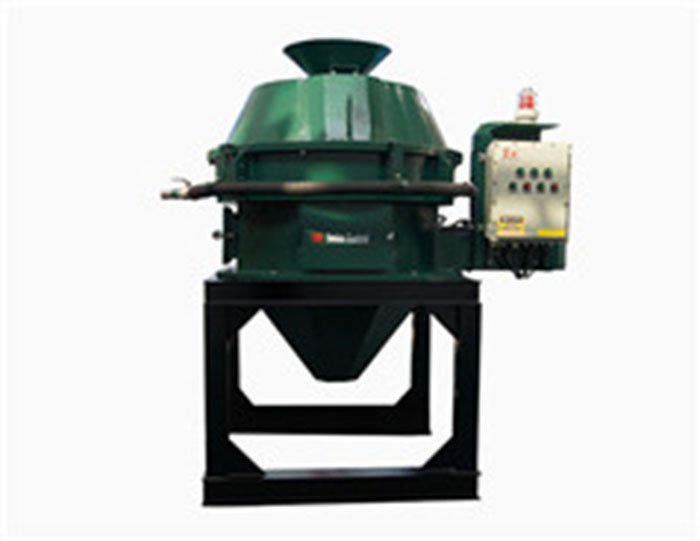
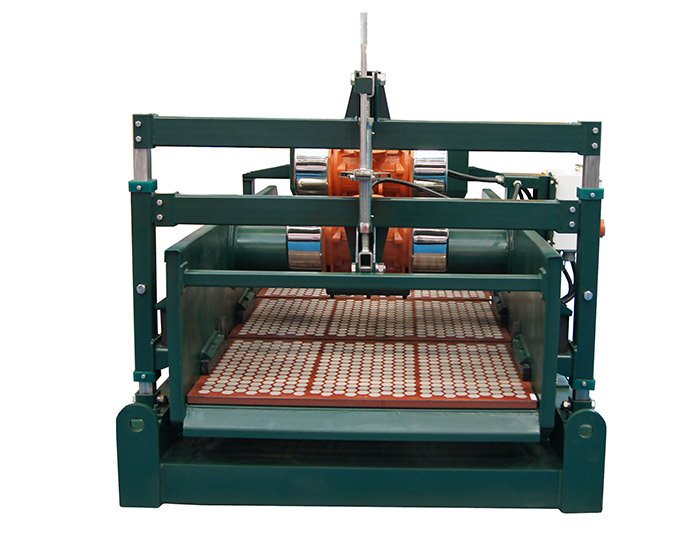
The first compartment typically supports shale shakers that remove large drill cuttings from returning drilling fluid. After primary screening, fluid flows through additional compartments where vacuum degassers, desanders, desilters, and centrifuges further reduce solids content.
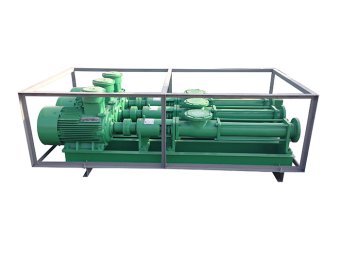
Mud agitators installed within the tank prevent sedimentation and maintain consistent fluid properties throughout the system. Transfer pumps move fluid between compartments and treatment stages as needed.
Because each piece of solid control equipment depends on proper tank integration, compatibility between the tank design and equipment layout is essential. Poor equipment placement can restrict fluid flow, reduce treatment efficiency, and increase maintenance requirements.
For this reason, many drilling contractors prefer purchasing integrated mud tank systems designed specifically to accommodate complete solids control configurations.
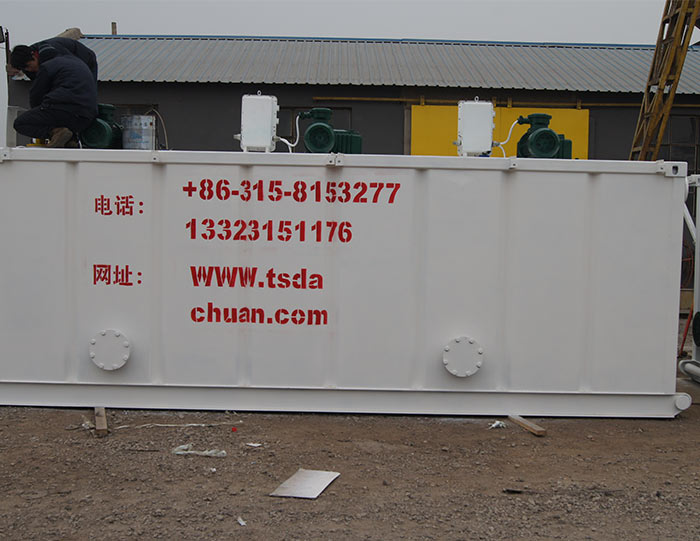
How to Select the Right Mud Tank System for Your Project?
Choosing the correct mud tank system begins with understanding project-specific requirements.
Drilling depth is one of the primary factors influencing tank selection. Deeper wells generally require larger fluid volumes and more extensive treatment capacity. Operators should estimate total fluid requirements before determining tank capacity.
Environmental conditions should also be considered. Projects located in coastal regions, deserts, or extreme climates may require specialized coatings and corrosion-resistant materials to ensure long-term durability.
Transportation and installation requirements are equally important. Modular tank designs often simplify transportation and field assembly, reducing project logistics costs.
Maintenance accessibility should not be overlooked. Tanks designed with convenient access points, removable panels, and well-positioned equipment mounts can significantly reduce service time and improve operational efficiency.
Evaluating these factors collectively helps ensure the selected mud tank system aligns with both operational objectives and budget requirements.
Tangshan Dachuan Machinery Co., Ltd. specializes in the production, sales, maintenance, and technical support of drilling fluid treatment systems and trenchless mud recovery equipment. The company provides a complete range of solid control equipment, including shale shakers, vacuum degassers, desanders, desilters, mud cleaners, centrifugal pumps, mud agitators, flare ignition devices, and high-quality mud tanks.
With a professional team of engineers, development personnel, and experienced manufacturing specialists, Dachuan has established strong capabilities in designing and producing customized mud tank systems for various drilling applications. The company focuses on delivering advanced technology, dependable quality, and responsive service to customers worldwide.
Dachuan's mud tank products are manufactured using durable steel structures, optimized compartment layouts, and reliable equipment integration designs. Whether customers require tanks for oil and gas drilling, geothermal projects, HDD operations, or waste management systems, the company can provide tailored solutions that support efficient fluid handling and solids control performance.
For drilling contractors seeking dependable equipment and long-term value, Dachuan offers professional engineering support, comprehensive after-sales service, and customized manufacturing capabilities. If you are evaluating mud tank price and looking for a reliable mud tank in drilling rig solution, contact Tangshan Dachuan Machinery today to discuss your project requirements and receive a customized quotation designed to maximize drilling efficiency and operational performance.

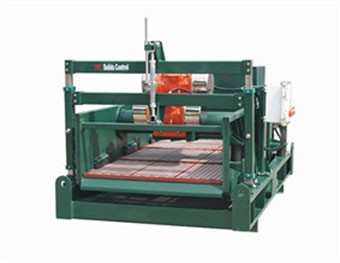 Linear Motion Shale Shaker In Drilling Rig
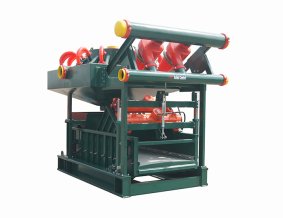 Oilfield Mud Cleaner
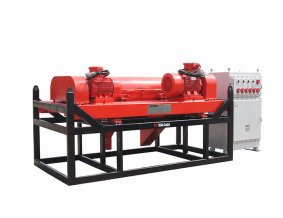 Drilling Fluid Decanter Centrifuge
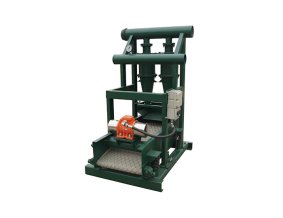 Drilling Mud Desander
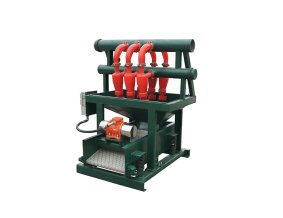 Hydrocyclone Desilter
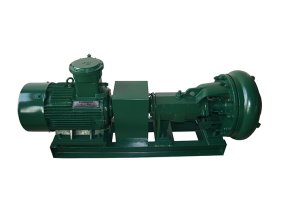 Centrifugal Pump/Centrifugal Mud Pump
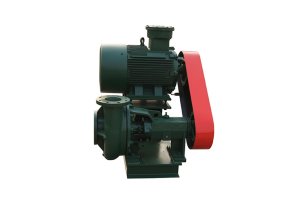 Shear Pump
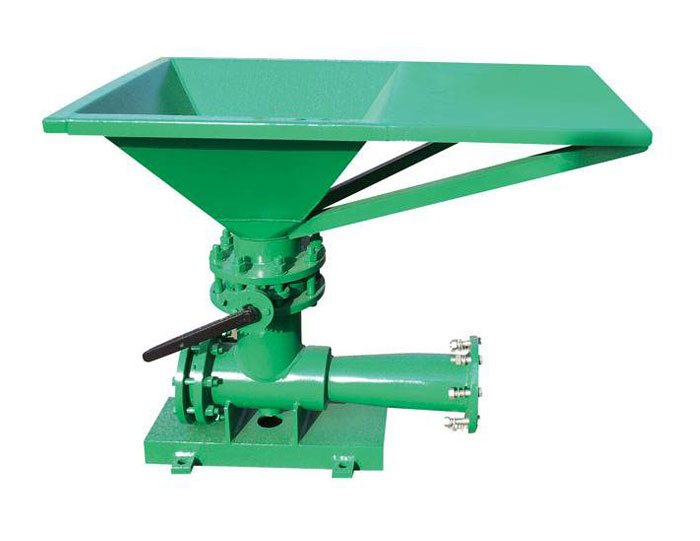
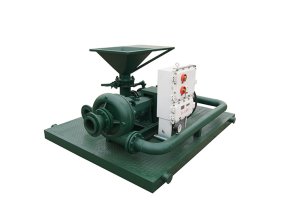 Jet Mud Mixer
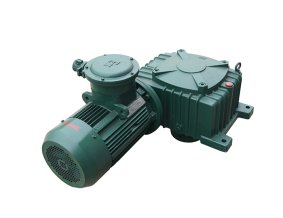 Horizontal Mud Agitator
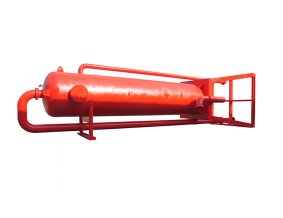 Constant Pressure Drilling Fluid Mud Gas Separator
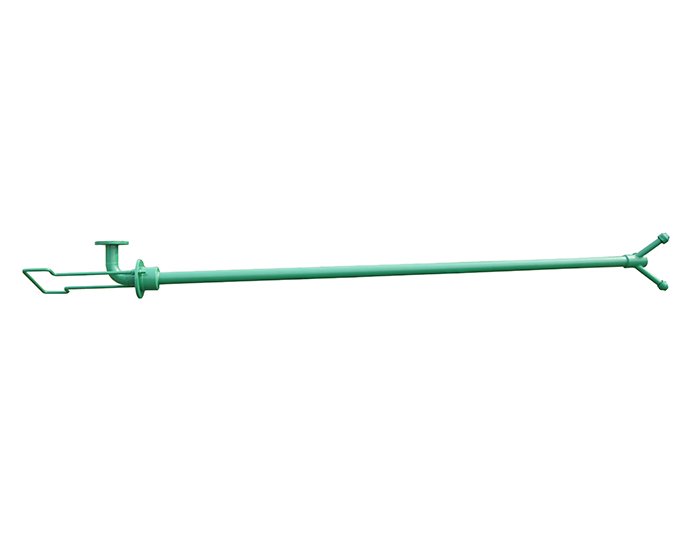 Mud Gun
 Mud Tank
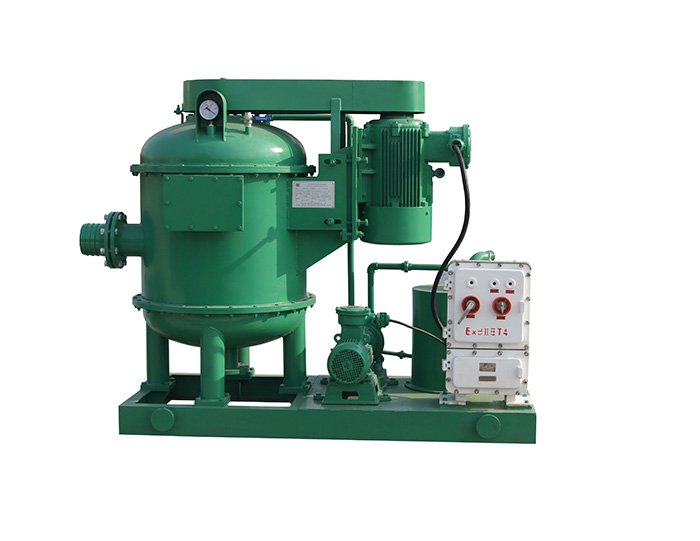 Solids Control System Vacuum Degasser
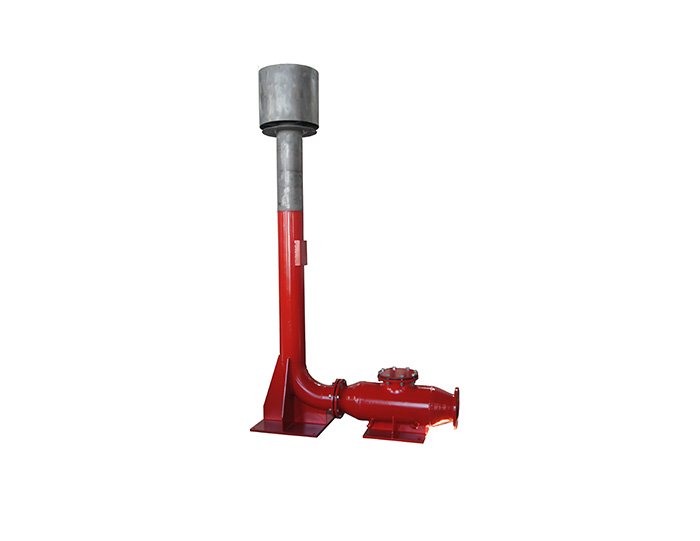 Flare Ignition Device
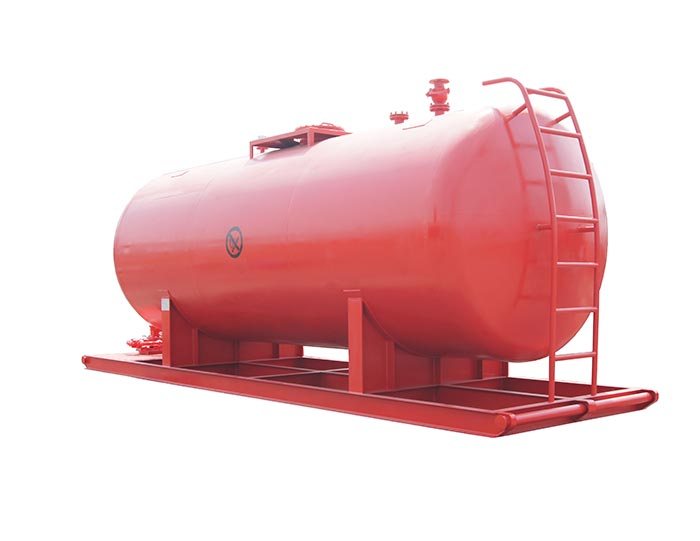 Diesel Tank
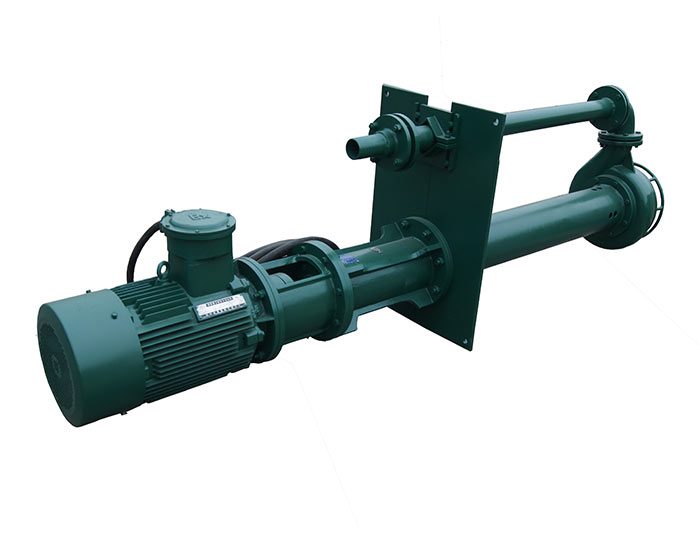 Submersible Slurry Pump