In today's oil and gas drilling industry, efficient drilling fluid management is critical for maintaining wellbore stability, improving drilling performance, and controlling operational costs. At the center of every solids control system is the mud tank, a vital piece of equipment that stores, circulates, conditions, and manages drilling fluids throughout the drilling process. Whether operators are searching for a mud tank for sale, evaluating a complete mud tank system, or comparing different mud tanks material options, understanding the role of mud tanks can help improve project efficiency and equipment reliability. As drilling projects become deeper and more complex, modern mud tanks have evolved from simple storage containers into integrated fluid management platforms that support the entire drilling operation.
Mud Tank Systems Form the Foundation of Drilling Fluid Circulation
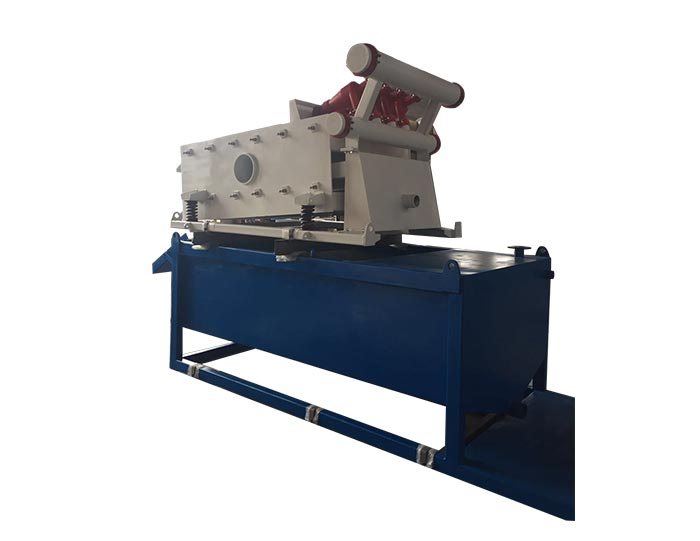
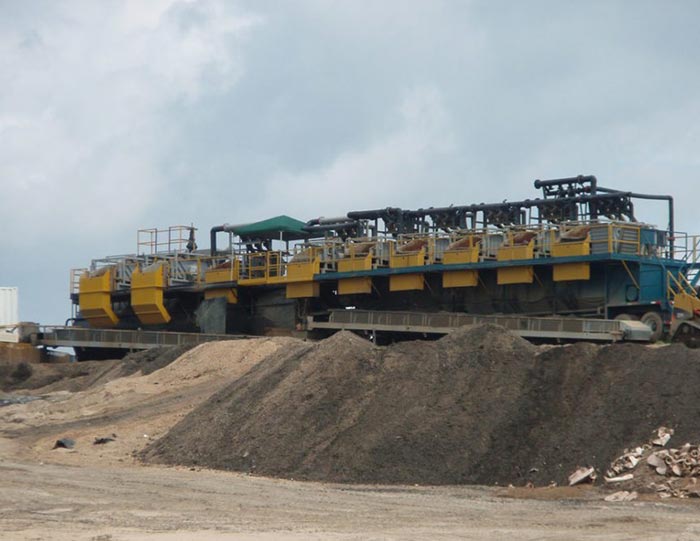
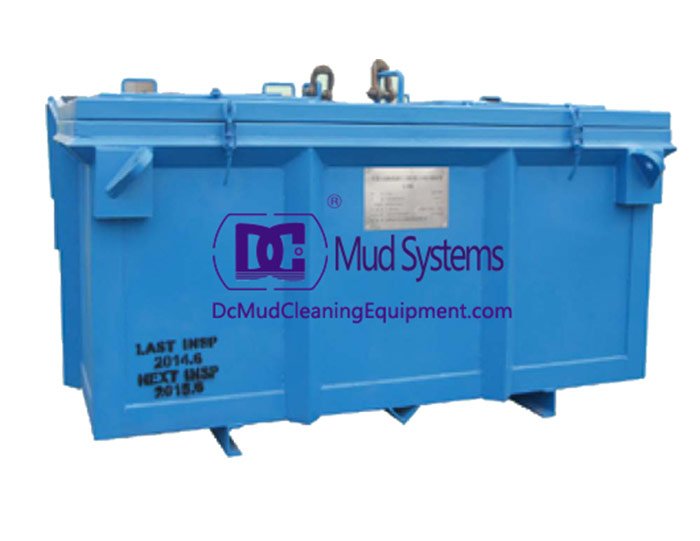
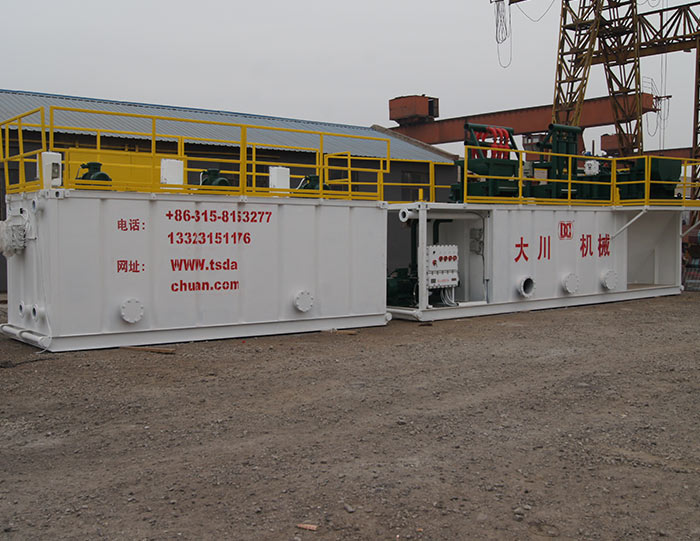
A mud tank serves as the primary storage and processing unit for drilling fluids used in oilfield and trenchless drilling projects. Located within the solids control system, the tank acts as both a reservoir and a working platform for multiple fluid treatment processes.
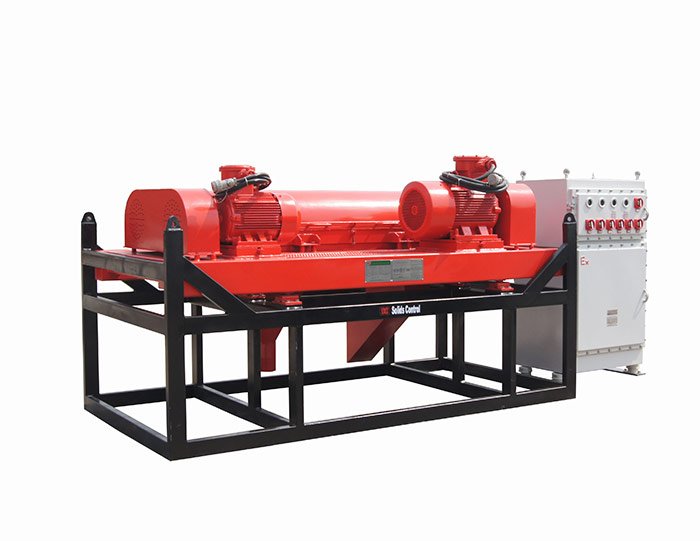
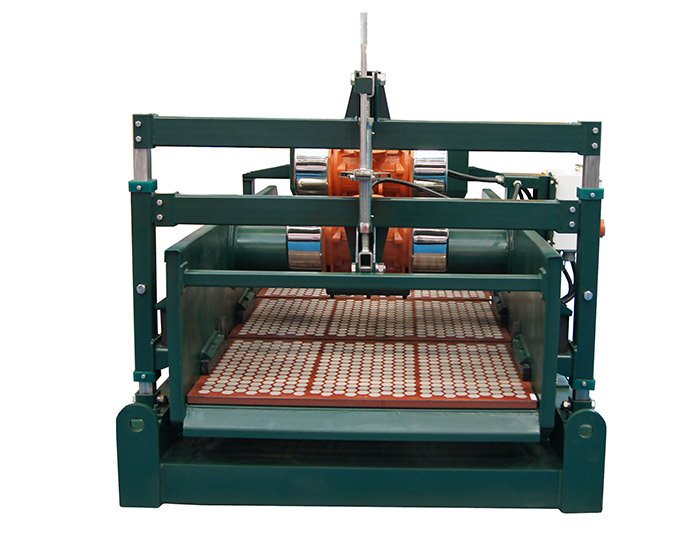
When drilling fluid returns from the wellbore, it first passes through solids control equipment such as shale shakers, desanders, desilters, and centrifuges. These devices remove unwanted solids before the fluid is transferred back into the mud tank for recirculation. Without an efficient mud tank system, drilling fluid cannot be effectively stored, cleaned, or conditioned for continuous reuse.
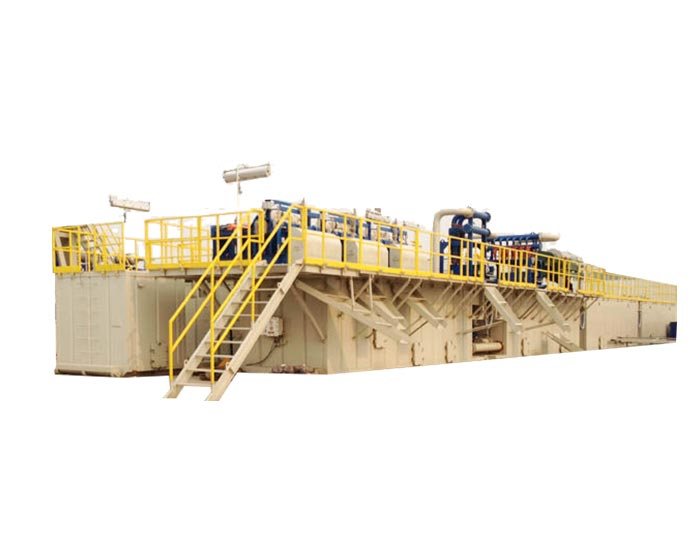
Modern drilling operations often require several interconnected tanks, each performing a specific function. Circulating tanks maintain active drilling fluid, chemical tanks support additive mixing, aggravating tanks prepare weighted mud, and reserve tanks provide backup storage capacity. Together, these tanks create a complete fluid management solution capable of supporting demanding drilling conditions.
The effectiveness of the entire drilling operation often depends on how efficiently these tanks interact with solids control equipment and fluid transfer systems.
Choosing the Right Mud Tanks Material Improves Durability and Service Life
One of the most important considerations when selecting a mud tank for sale is the construction material. The quality of mud tanks material directly affects structural strength, corrosion resistance, transportation convenience, and long-term maintenance costs.
Most industrial mud tanks are fabricated from welded steel plates reinforced with square steel tubing. High-strength carbon steel remains the most widely used material because it offers excellent load-bearing capacity and durability under harsh operating conditions. For projects involving corrosive drilling fluids or extreme environments, specialized coatings and surface treatments can further enhance tank longevity.
The structural design also plays a significant role. Depending on application requirements, tank bottoms may be flat, sloped, or cone-shaped to facilitate fluid movement and solids removal. Reinforced compartments help improve operational flexibility while reducing the risk of fluid contamination between sections.
As drilling contractors seek longer equipment life cycles and reduced maintenance expenses, selecting premium mud tanks material has become a key factor in achieving reliable field performance.
How a Mud Tank in Drilling Rig Supports Operational Efficiency?
Every mud tank in drilling rig operations performs multiple tasks beyond simple fluid storage. The tank serves as the central hub connecting drilling fluid circulation, solids separation, pressure control, and mud conditioning processes.
Drilling fluid stored inside the tank helps cool and lubricate the drill bit, transport cuttings to the surface, stabilize the wellbore, and balance formation pressure. During drilling, pumps continuously transfer fluid from the tank through the drill string and back to the surface, creating a closed-loop circulation system.
Because drilling fluid properties constantly change during operation, the mud tank also provides a location where additives can be mixed and fluid density adjusted. This conditioning process helps maintain proper rheological characteristics and ensures optimal drilling performance.
In large drilling projects, multiple mud tanks work together to create dedicated treatment stages. This arrangement improves fluid quality, increases solids removal efficiency, and reduces equipment wear. As a result, the entire drilling system operates more smoothly while minimizing downtime.
Why Integrated Mud Tank Systems Are Becoming Industry Standard?
The growing complexity of drilling operations has increased demand for integrated mud tank system solutions. Rather than purchasing standalone tanks, many contractors now prefer complete modular systems designed to work seamlessly with solids control equipment.
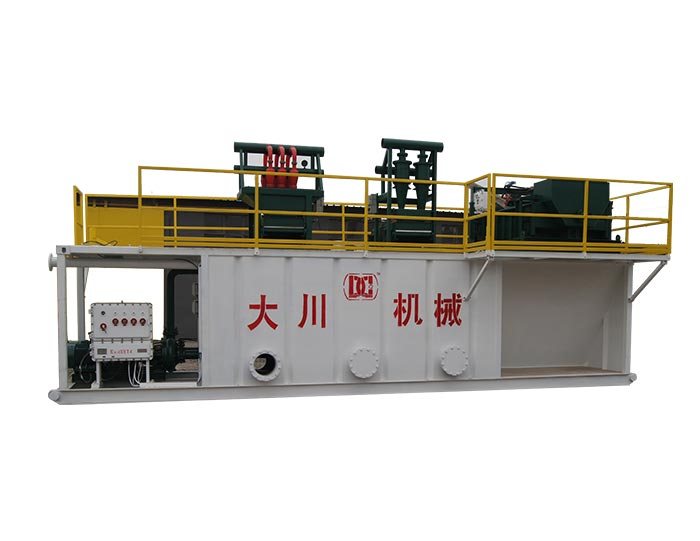
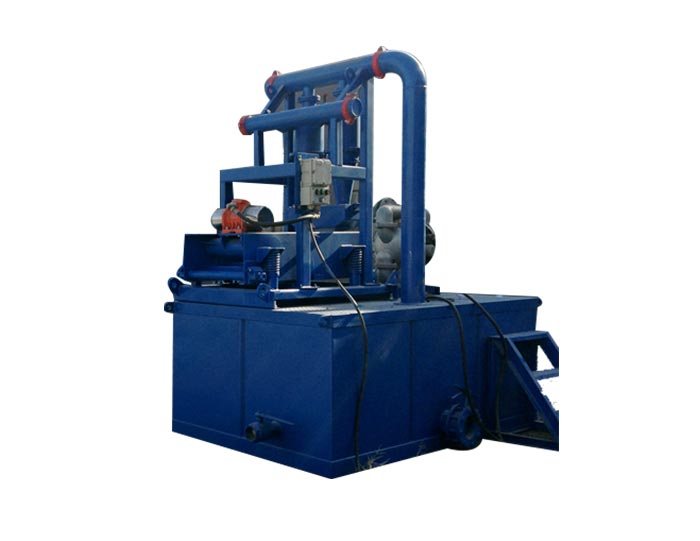
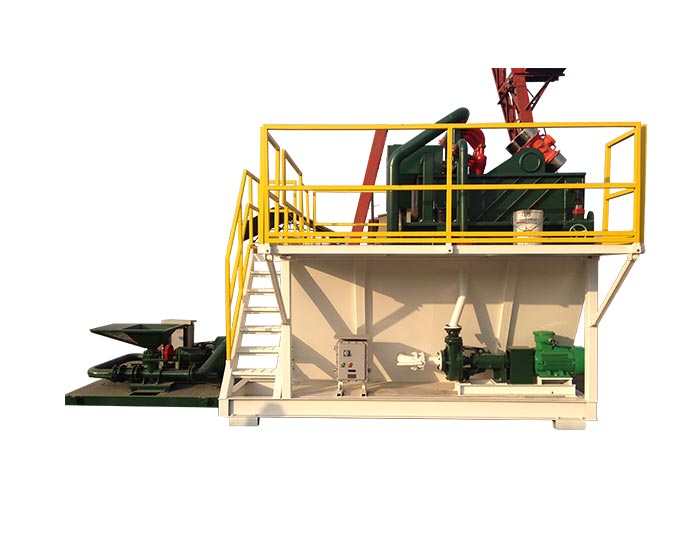
Integrated systems improve fluid flow management and simplify installation. Equipment such as shale shakers, vacuum degassers, desanders, desilters, mud cleaners, and centrifuges can be mounted directly on the tank structure, reducing site footprint and improving operational efficiency.
A properly engineered mud tank system also provides greater flexibility for future expansion. Additional tanks or treatment equipment can be added as project requirements evolve. This modular approach is particularly valuable in large-scale oilfield developments and trenchless construction projects where drilling conditions may change over time.
Furthermore, integrated systems improve maintenance accessibility and safety by incorporating walkways, handrails, lighting systems, and control platforms directly into the tank design.
Factors to Consider When Looking for a Mud Tank for Sale
When evaluating a mud tank for sale, buyers should look beyond storage capacity alone. The ideal solution should match the specific drilling environment, fluid volume requirements, and solids control configuration.
Tank capacity must align with expected drilling depth and circulation requirements. Structural strength should support both fluid loads and mounted processing equipment. Internal compartment design should facilitate efficient fluid treatment and minimize contamination between stages.
Compatibility with solids control equipment is equally important. A well-designed mud tank system should allow easy integration with shale shakers, centrifuges, pumps, agitators, and mixing equipment.
Transportation and assembly requirements should also be considered, especially for remote drilling locations. Modular designs often reduce transportation costs while simplifying field installation.
By evaluating these factors carefully, drilling contractors can select equipment that delivers long-term operational value while supporting efficient fluid management.
Advanced Mud Tank Solutions Support Sustainable Drilling Practices
As environmental regulations become stricter, modern mud tanks are increasingly designed to support sustainable drilling operations. Efficient solids control reduces drilling waste generation while improving fluid recycling rates.
Advanced tank designs improve fluid recovery, minimize losses, and reduce the consumption of new drilling additives. Integrated waste management systems can further reduce environmental impact by facilitating the treatment and disposal of drilling cuttings.
For contractors seeking to improve operational efficiency while meeting environmental standards, investing in a modern mud tank system has become an important strategic decision.
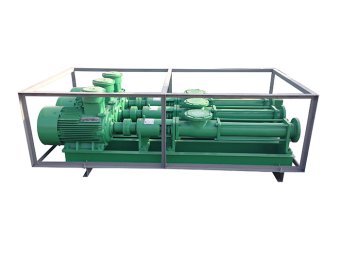
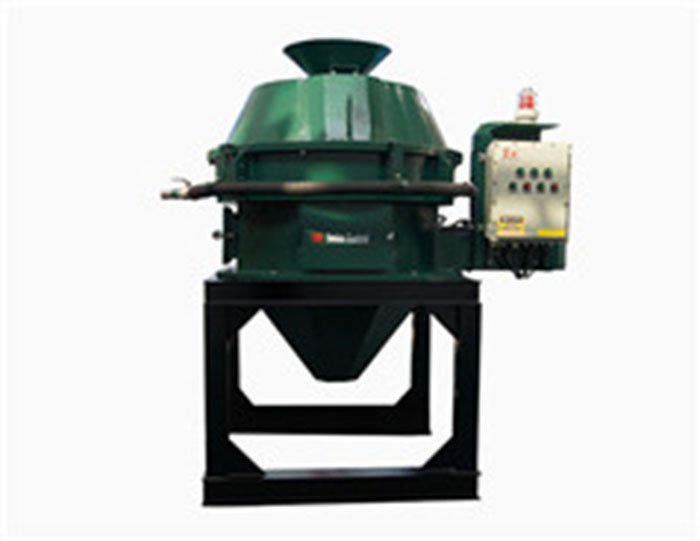
For companies seeking a dependable mud tank for sale, Tangshan Dachuan Machinery Co., Ltd. offers comprehensive solutions backed by years of experience in petroleum drilling fluid processing and trenchless mud recovery systems. The company specializes in the production, sales, maintenance, and after-sales support of drilling fluid equipment, including shale shakers, desanders, desilters, mud cleaners, centrifugal pumps, mud agitators, vertical cutting dryers, and complete mud tank system packages.
With a professional team of 85 employees, including senior engineers, development specialists, and experienced technicians, Dachuan Machinery has the capability to independently design and manufacture high-quality drilling equipment. Guided by the principles of advanced technology, reliable quality, and customer-focused service, the company provides customized mud tank solutions built with durable mud tanks material and engineered to meet demanding drilling conditions worldwide.
Whether you need a single mud tank in drilling rig applications or a complete solids control system, Dachuan Machinery is ready to help you improve drilling efficiency and reduce operating costs. Contact the team today to discuss your project requirements and request a customized quotation.
FAQs About Mud Tank Systems
What is a mud tank used for in drilling operations?
A mud tank stores, circulates, mixes, and conditions drilling fluid while supporting solids control equipment throughout the drilling process.
What materials are commonly used for mud tanks?
Most mud tanks are manufactured from welded carbon steel plates and square steel tubing, often with protective coatings for enhanced corrosion resistance.
How many tanks are included in a typical mud tank system?
The number varies depending on drilling depth and project requirements. Common configurations include circulating tanks, chemical tanks, reserve tanks, and weighting tanks.
Why is a mud tank important in a drilling rig?
A mud tank in drilling rig operations supports fluid circulation, pressure control, cuttings transport, cooling, lubrication, and drilling fluid treatment.
How do I choose the right mud tank for sale?
Consider tank capacity, construction quality, material selection, compartment design, equipment compatibility, transportation requirements, and after-sales service support.

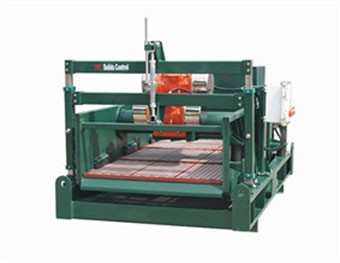 Linear Motion Shale Shaker In Drilling Rig
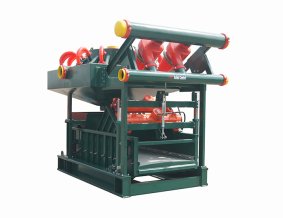 Oilfield Mud Cleaner
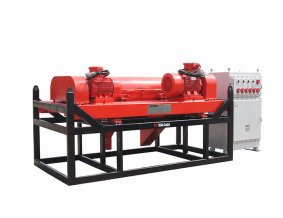 Drilling Fluid Decanter Centrifuge
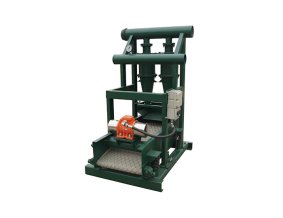 Drilling Mud Desander
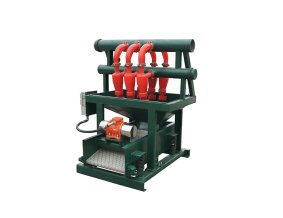 Hydrocyclone Desilter
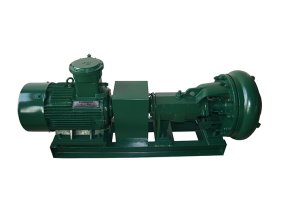 Centrifugal Pump/Centrifugal Mud Pump
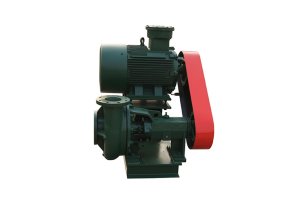 Shear Pump
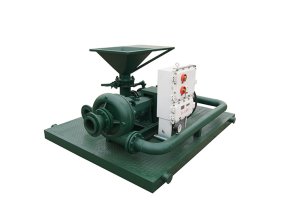 Jet Mud Mixer
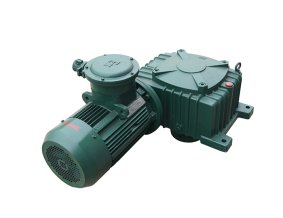 Horizontal Mud Agitator
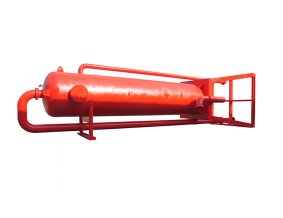 Constant Pressure Drilling Fluid Mud Gas Separator
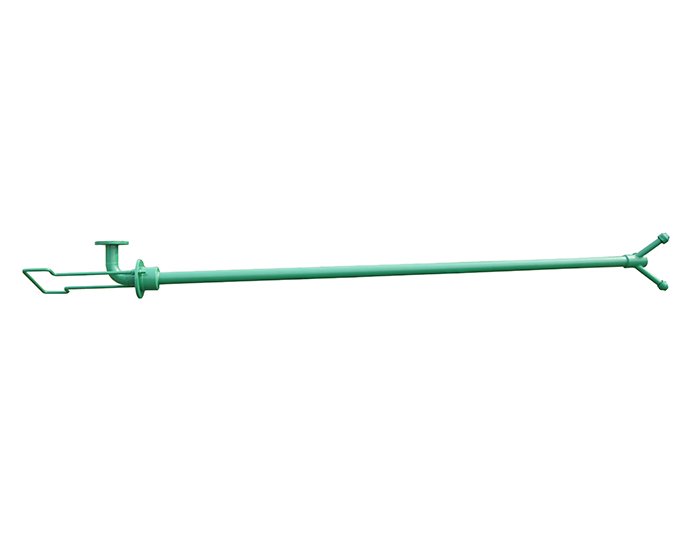 Mud Gun
 Mud Tank
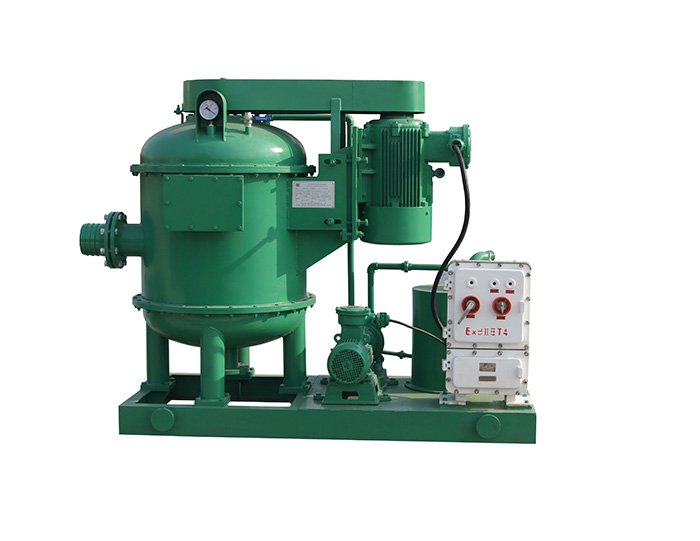 Solids Control System Vacuum Degasser
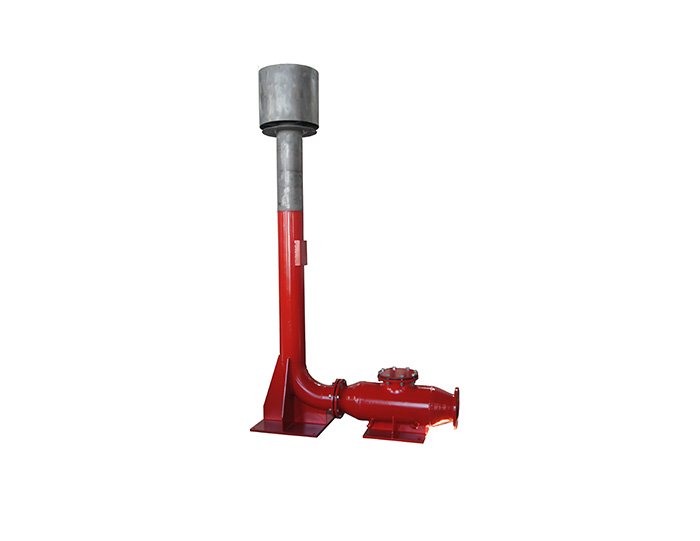 Flare Ignition Device
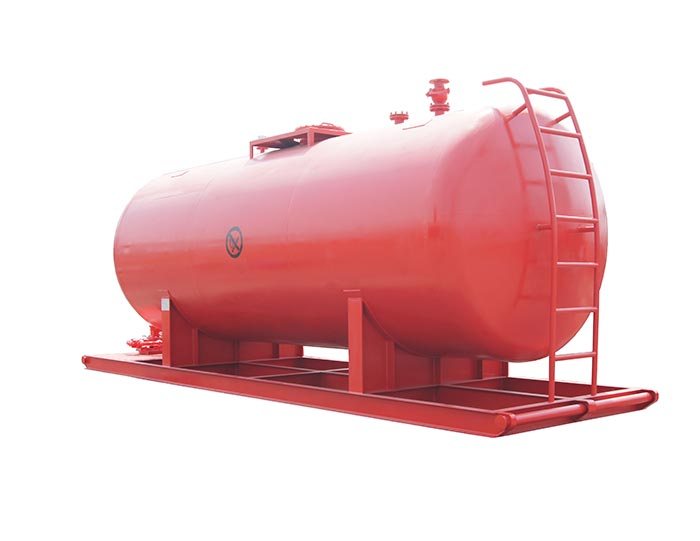 Diesel Tank
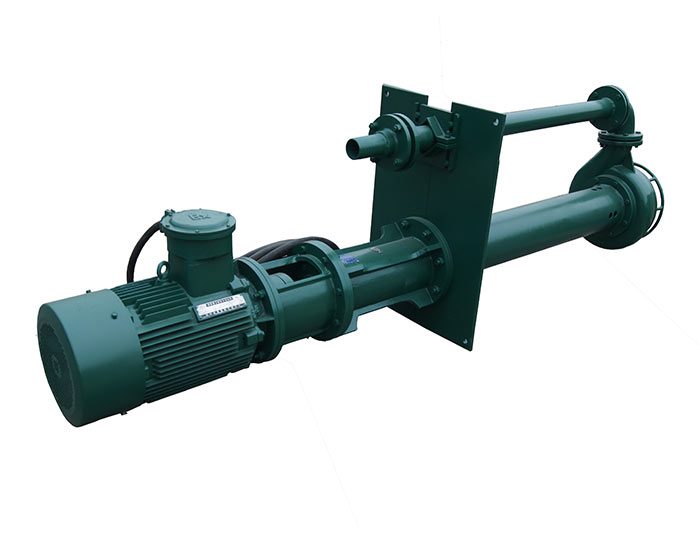 Submersible Slurry Pump