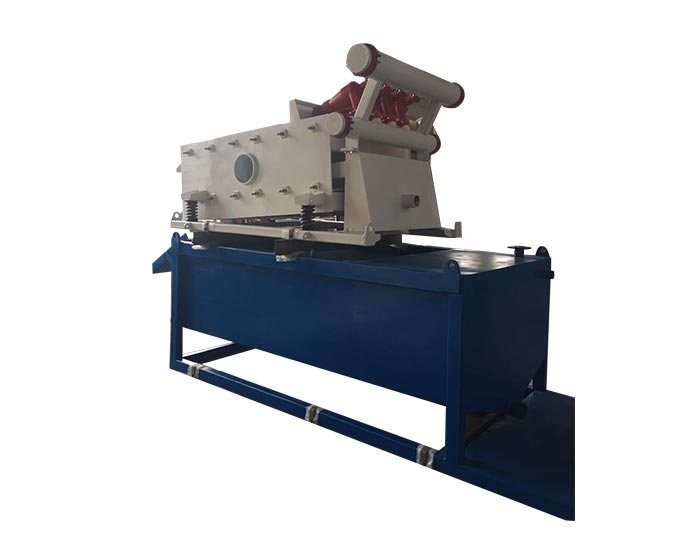
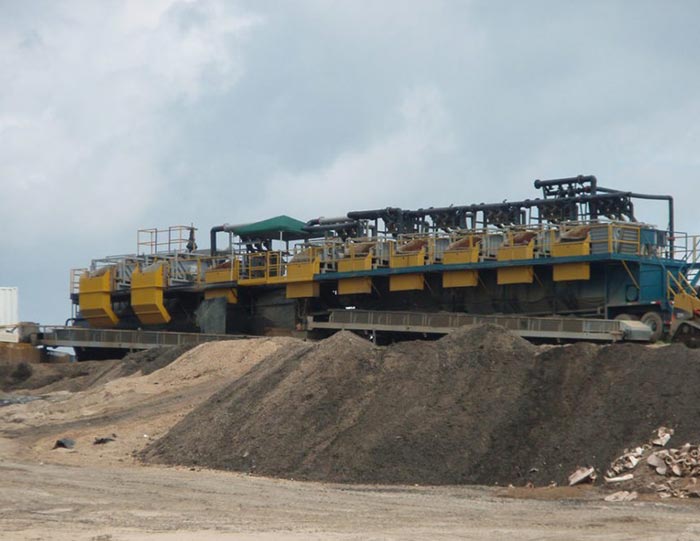
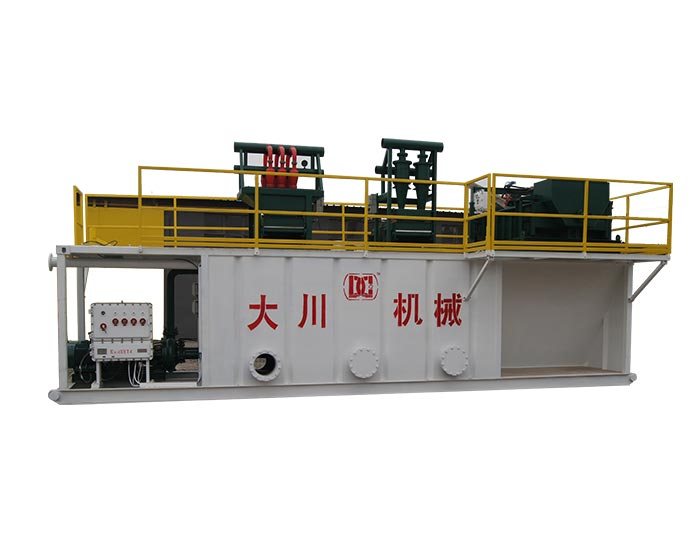
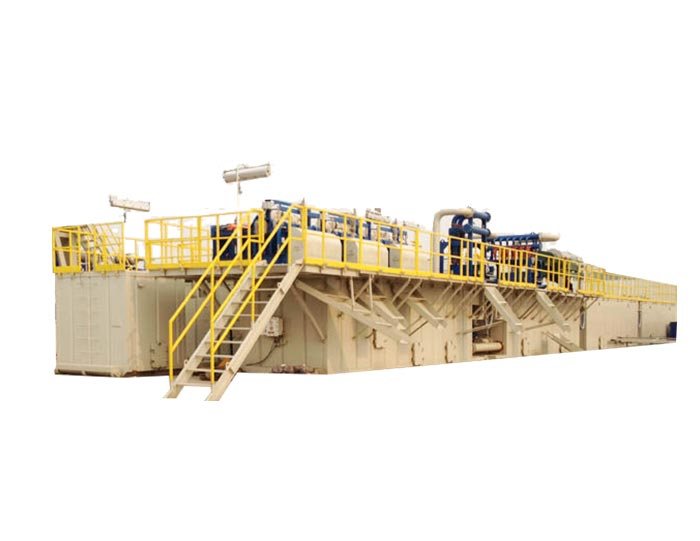
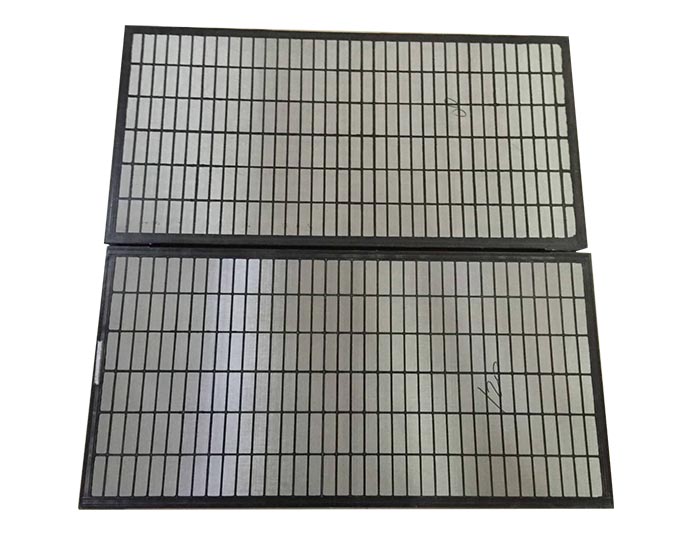
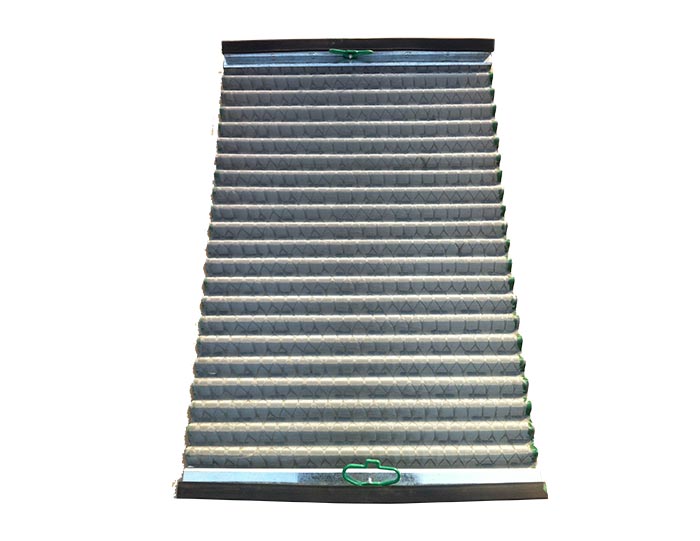
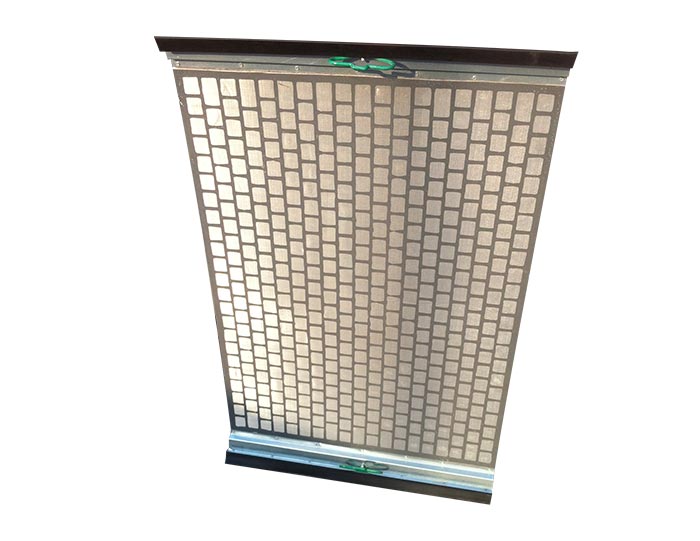
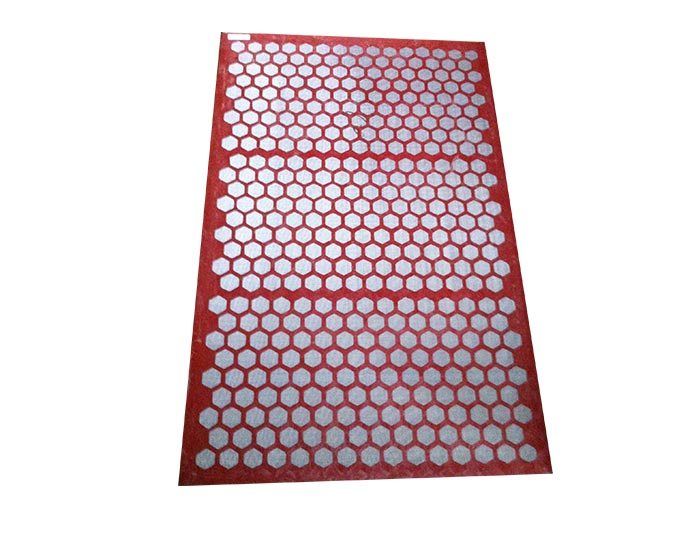
In petroleum drilling and trenchless construction, shale shaker serves as the first line of defense in mud cleaning systems—separating drilling cuttings from mud to maintain fluid quality, protect downstream equipment (e.g., pumps, desanders), and ensure efficient shale shaker drilling operations. Poorly optimized shale shaker systems lead to reduced mud recovery, increased wear on components, and costly downtime—making performance tuning a critical priority for drilling contractors. Tangshan Dachuan Machinery Co.,ltd., a leading provider of petroleum drilling mud cleaning equipment (with shale shaker as a core product), combines engineering expertise and on-site experience to help wholesalers deliver optimized solutions to their clients. For wholesalers serving drilling firms, oilfield operators, and trenchless construction companies, partnering with Tangshan Dachuan means accessing not just high-quality shale shaker and shale shaker parts, but also guidance to maximize equipment efficiency—backed by the company’s end-to-end service (production, sales, after-sales, maintenance).
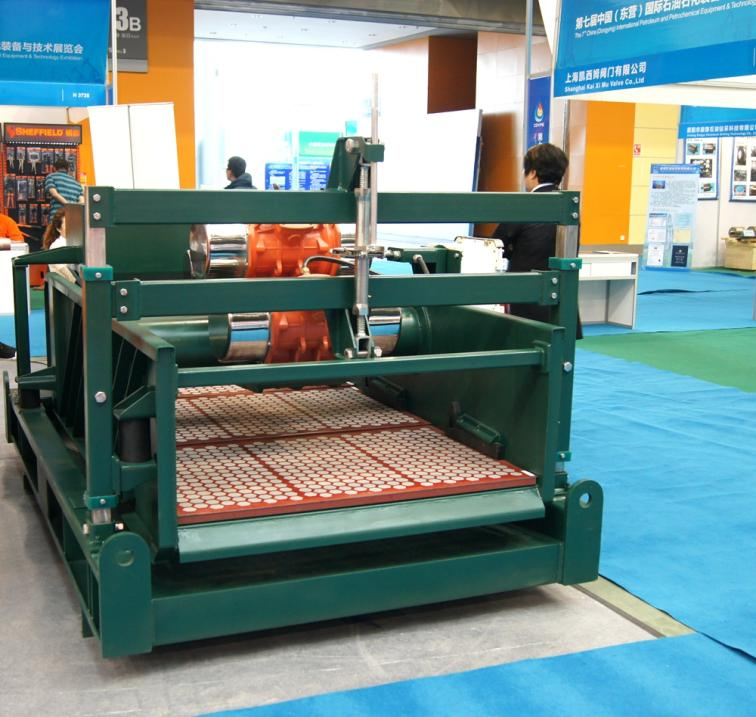
Tuning Vibration Parameters for Shale Shaker Drilling
• Matching Frequency & Amplitude to Mud Properties: Shale shaker drilling operations handle varying mud viscosities and cutting sizes—e.g., thick, high-viscosity mud requires higher amplitude to shake off stuck cuttings, while thin mud needs lower amplitude to avoid splashing and mud loss. Tangshan Dachuan’s shale shaker systems feature adjustable vibration frequency (1,200–2,800 RPM) and amplitude (2–8 mm), letting operators fine-tune based on real-time conditions. For example, when drilling through dense shale (large, heavy cuttings), increasing amplitude to 6–8 mm ensures cuttings move quickly off the screen, preventing clogging. Conversely, for light, fine cuttings (e.g., sandstone), a lower amplitude (2–4 mm) and higher frequency (2,400–2,800 RPM) improves separation without wasting mud. A wholesaler supplying onshore drilling clients reported that optimizing these parameters with Tangshan Dachuan’s shale shaker reduced mud loss by 35%, cutting their clients’ fluid replacement costs significantly. Wholesalers should highlight this parameter tuning as a “foundational step,” as it directly impacts every aspect of shale shaker performance.
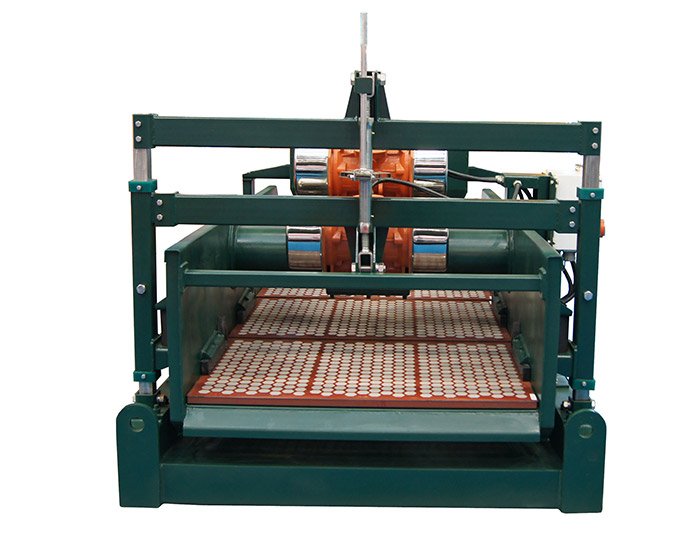
• Maintaining Proper Screen Angle: The incline angle of the shale shaker screen dictates the speed at which cuttings travel off the surface—too steep, and mud splashes off with cuttings; too flat, and cuttings pile up, causing clogging. Tangshan Dachuan’s shale shaker designs include easy-to-adjust angle controls (typically 0–15°), with recommended settings tailored to shale shaker drilling scenarios: 5–8° for high-viscosity mud (slower travel to improve separation) and 10–12° for low-viscosity mud (faster travel to prevent buildup). The company also provides angle measurement tools as part of shale shaker parts kits, ensuring operators can set and verify angles accurately. A wholesaler serving offshore drilling clients noted that proper angle adjustment reduced screen clogging by 50%, extending screen life and minimizing downtime. Wholesalers can frame this as a “quick-win optimization,” as it requires minimal effort but delivers immediate efficiency gains.
Selecting & Maintaining Shale Shaker Parts
Shale Shaker Part | Key Role in Performance | Optimization Tips | Tangshan Dachuan Part Advantage |
Screen Mesh | Separates cuttings from mud; defines separation efficiency | Choose mesh size based on cutting size (e.g., 100–150 mesh for fine cuttings); replace at 20% wear | High-wear polyurethane mesh (50% longer life than steel mesh) |
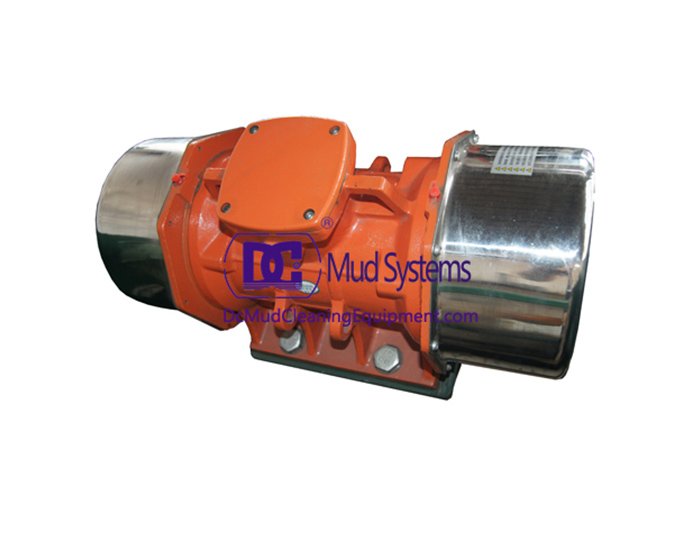
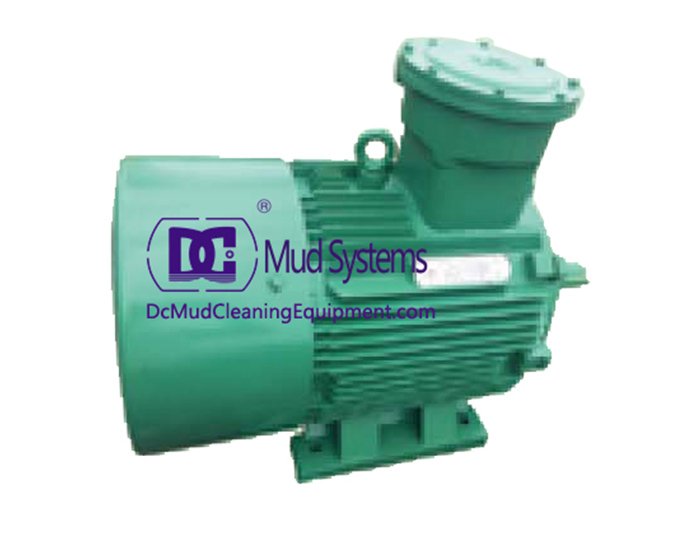
Vibration Motor | Powers screen movement; drives separation | Keep motors lubricated; monitor temperature (avoid overheating > 80°C) | Sealed, dust-proof motors (suitable for harsh drilling environments) |
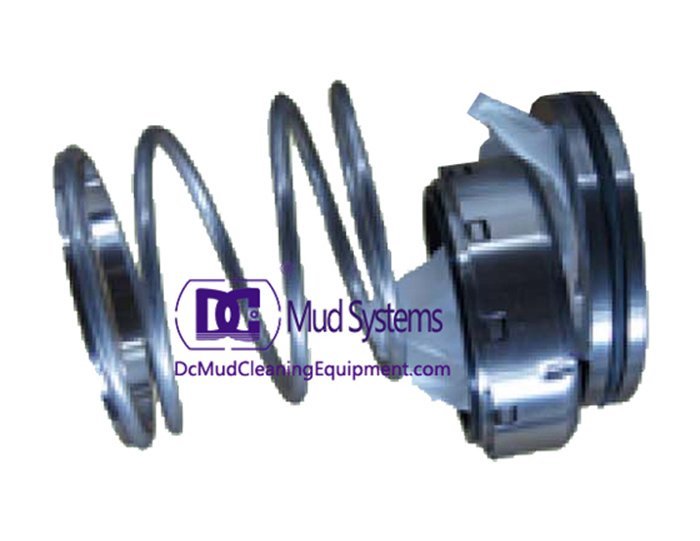
Gaskets & Seals | Prevents mud leakage; maintains system pressure | Inspect for cracks monthly; replace with heat-resistant variants | Oil-resistant rubber gaskets (no hardening in drilling mud) |
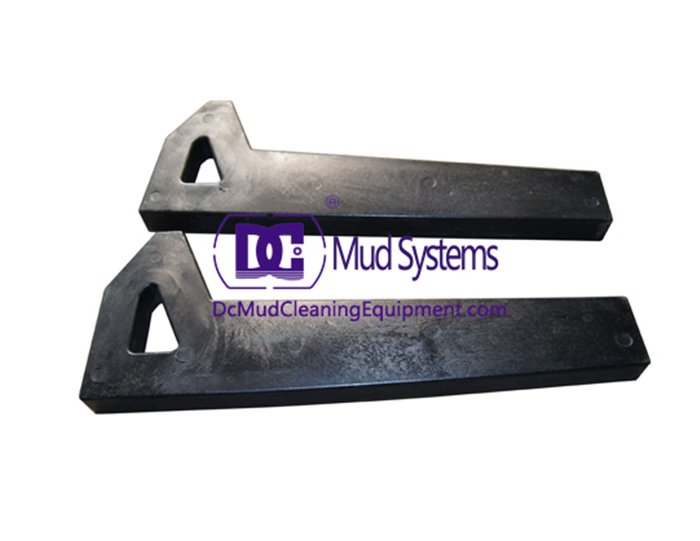
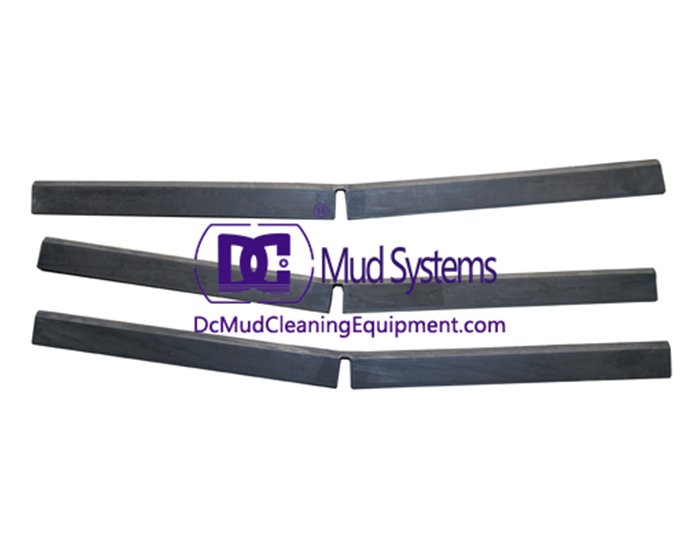
Deck Support Bars | Stabilizes screen; ensures uniform vibration | Check for bending or corrosion; tighten bolts quarterly | Reinforced steel bars (resist warping under heavy loads) |
Ensuring Proper Screen Installation & Replacement
• Achieving Uniform Screen Tension: Loose or unevenly tensioned screens cause “hot spots” (areas with no vibration), leading to uneven separation and premature wear. Tangshan Dachuan’s shale shaker systems use a quick-tensioning mechanism—operators can secure screens evenly using a torque wrench (recommended 30–40 N·m) to ensure consistent tension across the entire deck. The company also provides alignment guides as part of shale shaker parts packages, helping operators avoid misalignment (which causes screen tearing and mud leakage). For example, a wholesaler supplying trenchless construction clients found that proper tensioning extended screen life by 40%, reducing the frequency of replacements. Wholesalers should emphasize this step, as poor screen tension is one of the most common (and easily fixable) causes of shale shaker underperformance.
• Choosing the Right Screen Material: Shale shaker screens are available in steel, polyurethane, and nylon—each suited to different shale shaker drilling conditions. Steel mesh works for abrasive cuttings (e.g., granite) but wears quickly in high-mud-volume operations. Polyurethane mesh (Tangshan Dachuan’s specialty) offers superior wear resistance for heavy-duty use (e.g., oil-based mud drilling) and resists clogging with sticky shale. Nylon mesh is ideal for fine cuttings (e.g., clay) and low-abrasion applications, as it’s lightweight and flexible. Wholesalers can guide clients to select screens based on drilling location and material—for example, recommending polyurethane mesh for offshore shale shaker drilling (where saltwater accelerates corrosion) and steel mesh for onshore sandstone drilling. This customization ensures the shale shaker operates at peak efficiency for its specific use case.
Shale Shaker FAQS
How Often Should Shale Shaker Parts Like Screens Be Replaced?
Screen replacement frequency depends on shale shaker drilling conditions—under typical onshore drilling (medium-abrasion cuttings, water-based mud), Tangshan Dachuan’s polyurethane screens last 2–4 weeks. For harsh conditions (offshore drilling, oil-based mud, abrasive granite cuttings), replacement every 1–2 weeks is recommended. Even if screens aren’t visibly worn, replacing them quarterly prevents unexpected failures—worn mesh (even at 20% wear) reduces separation efficiency, leading to mud loss. Tangshan Dachuan’s shale shaker parts kits include screen replacement tools and guidelines to make the process quick (under 30 minutes per screen). A wholesaler supplying offshore clients reported that sticking to this replacement schedule eliminated 90% of screen-related downtime. Wholesalers should share this timeline, helping clients plan inventory and avoid last-minute shortages.
Can Shale Shaker Performance Be Optimized for Oil-Based vs. Water-Based Mud?
Yes—shale shaker optimization differs for oil-based (OBM) and water-based (WBM) mud. For OBM (thicker, more viscous, prone to sticking), Tangshan Dachuan recommends: 1) Higher amplitude (6–8 mm) to shake off sticky cuttings; 2) Polyurethane screens (resist oil degradation, unlike nylon); 3) Slightly steeper screen angle (10–12°) to speed up cutting removal. For WBM (thinner, less viscous, prone to splashing): 1) Lower amplitude (2–4 mm) and higher frequency (2,400–2,800 RPM) to improve separation without splashing; 2) Steel or nylon screens (cost-effective for low-abrasion WBM); 3) Shallower angle (5–8°) to maximize mud retention. A wholesaler supplying mixed drilling clients noted that these adjustments improved OBM mud recovery by 40% and reduced WBM splashing by 70%. Wholesalers should highlight this mud-specific tuning, as it helps clients adapt to different drilling projects.
What Causes Shale Shaker Screen Clogging, and How to Fix It?
Common causes of clogging include: 1) Incorrect vibration settings (too low amplitude for sticky cuttings); 2) Wrong screen mesh size (too fine for large cuttings); 3) Wet, sticky cuttings (e.g., clay, shale in high-humidity environments). Tangshan Dachuan’s solutions include: 1) Increasing amplitude to 6–8 mm and frequency to 2,000–2,400 RPM to dislodge stuck cuttings; 2) Upgrading to a coarser mesh (e.g., 80 mesh instead of 120 mesh) for large cuttings; 3) Adding a spray bar (available as shale shaker parts) to gently rinse screens with water (for WBM) or diesel (for OBM) to break up clogs. A wholesaler supplying onshore clients in clay-rich regions reported that these fixes reduced clogging by 80%, keeping shale shaker drilling operations running smoothly. Wholesalers should educate clients on these troubleshooting steps, minimizing downtime from common issues.
How Does Shale Shaker Performance Impact Downstream Drilling Equipment?
Poor shale shaker performance allows fine cuttings to enter downstream equipment (e.g., desanders, centrifugal pumps), causing accelerated wear—for example, unfiltered cuttings in mud can scratch pump impellers, reducing pump lifespan by 50%. Additionally, dirty mud with high solids content requires more frequent cleaning of desilters and degassers, increasing maintenance costs. Optimized shale shaker systems (via proper tuning and shale shaker parts maintenance) remove 90%+ of cuttings upfront, protecting downstream equipment and reducing overall operational costs. A wholesaler supplying large oilfield clients noted that optimized shale shaker use cut their clients’ pump replacement costs by 35% annually. Wholesalers should emphasize this “protective role,” positioning shale shaker optimization as an investment in the entire drilling system.
Can Tangshan Dachuan Customize Shale Shaker for Unique Shale Shaker Drilling Needs?
Absolutely—Tangshan Dachuan offers custom shale shaker designs to match unique shale shaker drilling scenarios, such as: 1) Compact, skid-mounted units for offshore rigs with limited space; 2) High-capacity systems (up to 300 GPM mud flow) for large-scale onshore drilling; 3) Corrosion-resistant models for saltwater environments (using stainless steel shale shaker parts). The company also customizes vibration parameters and screen options—for example, building a shale shaker with extra-high amplitude (8–10 mm) for drilling through ultra-dense shale formations. A wholesaler supplying specialty trenchless clients reported that a custom shale shaker from Tangshan Dachuan improved their clients’ ability to drill through hard rock, reducing project timelines by 25%. Wholesalers should highlight this customization capability, helping clients address niche or challenging drilling conditions.



 Linear Motion Shale Shaker In Drilling Rig
 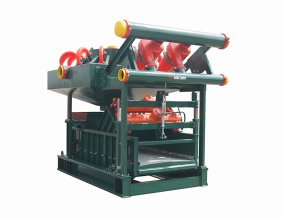 Oilfield Mud Cleaner
 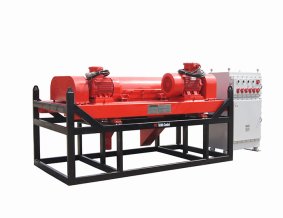 Drilling Fluid Decanter Centrifuge
 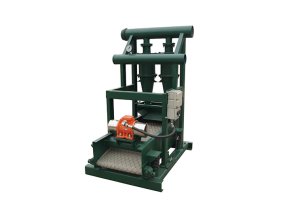 Drilling Mud Desander
 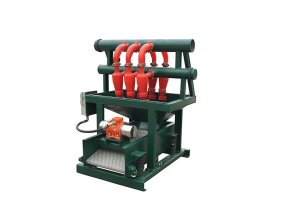 Hydrocyclone Desilter
 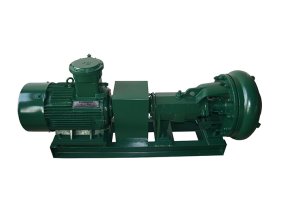 Centrifugal Pump/Centrifugal Mud Pump
 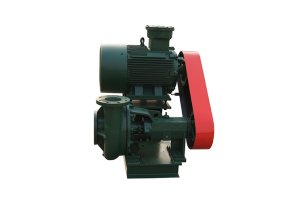 Shear Pump
 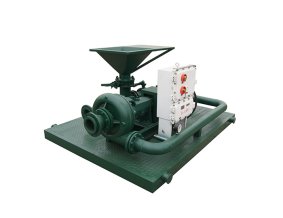 Jet Mud Mixer
 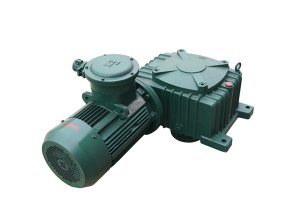 Horizontal Mud Agitator
 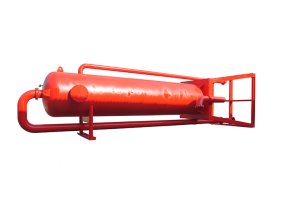 Constant Pressure Drilling Fluid Mud Gas Separator
 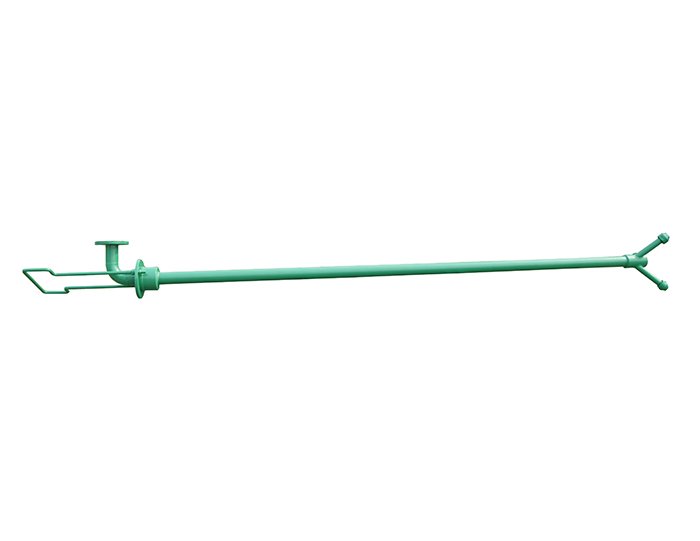 Mud Gun
 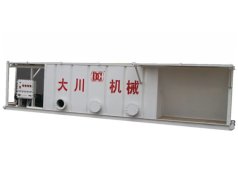 Mud Tank
 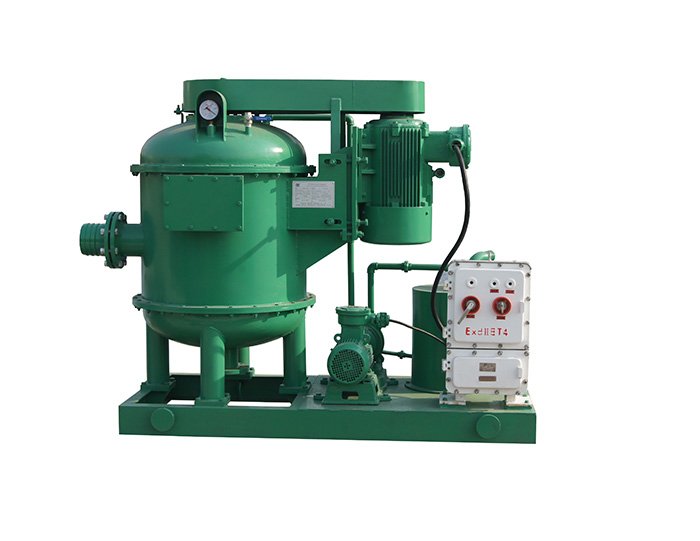 Solids Control System Vacuum Degasser
 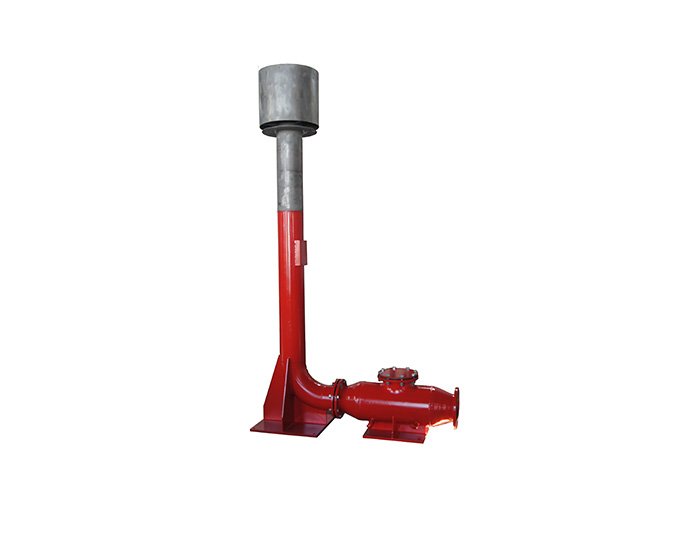 Flare Ignition Device
 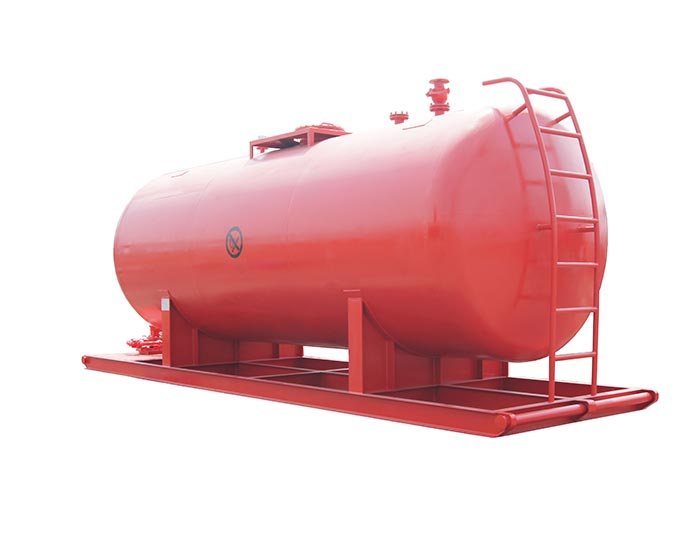 Diesel Tank
 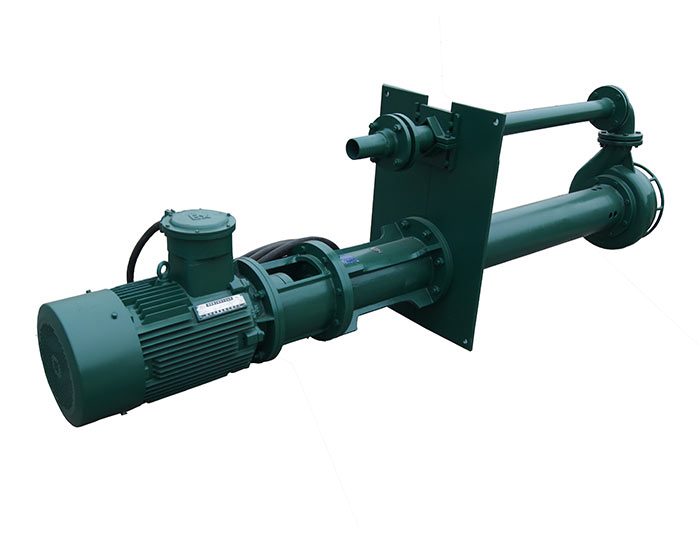 Submersible Slurry Pump