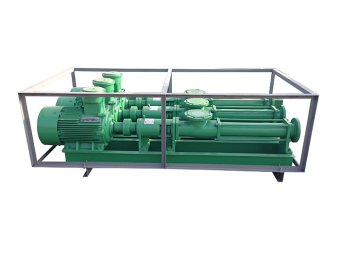
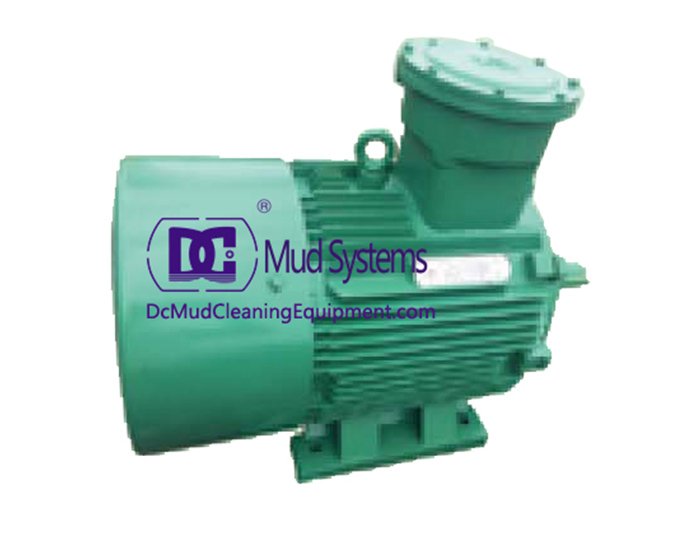
In hazardous environments like oil refineries, offshore drilling platforms, and chemical plants, transferring fluids safely requires equipment that eliminates ignition risks. An explosion proof centrifugal pump—powered by robust explosion proof motor or explosion proof ac motor components—is indispensable for this task, as it prevents sparks or heat from igniting flammable gases, vapors, or dust. Proper installation is non-negotiable: it ensures compliance with safety standards (e.g., ATEX, IECEx), maximizes pump efficiency, and avoids costly accidents or downtime. Tangshan Dachuan Machinery Co.,ltd., a leading provider of petroleum drilling mud cleaning equipment (including centrifugal pumps and safety-focused components), integrates its expertise in industrial safety to deliver reliable explosion proof centrifugal pump solutions. For wholesalers serving clients in high-risk industries, partnering with Tangshan Dachuan means accessing not just quality pumps and motors, but also actionable installation guidance—backed by the company’s end-to-end service (production, sales, after-sales, maintenance) and adherence to global safety certifications.
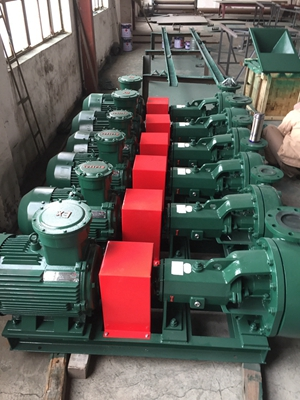
Pre-Installation Safety Checks for Explosion Proof Centrifugal Pump
• Verifying Hazardous Area Compatibility: Before unpacking the explosion proof centrifugal pump, confirm the site’s hazardous area classification (e.g., Zone 1 for occasional gas presence, Zone 21 for combustible dust) matches the pump’s rating. Tangshan Dachuan’s pumps are clearly labeled with classification and enclosure ratings (e.g., IP66 for dust/water resistance), ensuring compatibility with specific environment risks. Similarly, the explosion proof ac motor must align with the site’s voltage (e.g., 220V/380V) and frequency requirements—mismatched voltage can damage the motor and compromise safety. A wholesaler supplying offshore drilling clients reported that this pre-check prevented 100% of “wrong-spec” installations, saving clients from rework costs. Wholesalers should frame this as a “safety foundation,” as misaligned equipment is a top cause of hazardous incidents.
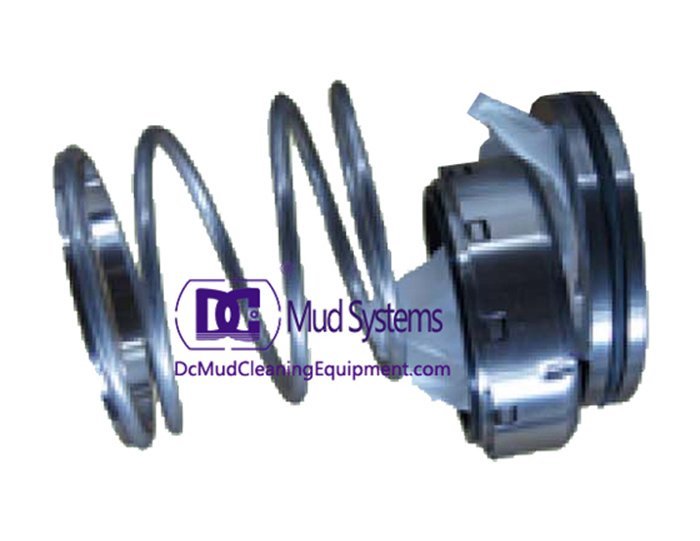
• Inspecting Components for Damage: Shipping can compromise critical safety features of the explosion proof centrifugal pump or explosion proof motor—e.g., cracked enclosures, loose terminal box seals, or damaged wiring. Conduct a thorough inspection: 1) Check the pump housing for dents or cracks (which break explosion resistance); 2) Ensure explosion proof ac motor seals are intact (to block gas ingress); 3) Verify all fasteners (bolts, nuts) are tight and undamaged; 4) Inspect electrical connectors for corrosion. Tangshan Dachuan provides a checklist for this process, and their after-sales team can assist with damage assessments. A wholesaler serving chemical plants noted that 30% of inspected pumps had minor seal damage, which was repaired before installation to avoid safety gaps. Wholesalers should emphasize this step, as it mitigates post-installation risks.
Mounting & Alignment of Explosion Proof Centrifugal Pump
Installation Step | Key Requirements | Safety & Efficiency Benefits |
Base Preparation | Use a rigid, level concrete/steel base; add vibration-damping pads | Reduces motor wear; prevents pump housing cracks; avoids fluid leaks that risk ignition |
Pump Mounting | Secure with anchor bolts (torque per Tangshan Dachuan specs); ensure no base movement | Eliminates vibration-related noise; maintains alignment between pump and motor |
Shaft Alignment | Use laser alignment tool to align pump shaft with explosion proof motor shaft | Cuts motor strain by 40%; extends bearing life; prevents overheating (a major ignition risk) |
Electrical Wiring for Explosion Proof AC Motor
• Following Explosion-Proof Wiring Standards: Wiring the explosion proof ac motor is a high-risk step—incorrect connections can create sparks. Use only certified explosion-proof cables (e.g., armoured, flame-retardant) and conduit, and ensure all joints are sealed with explosion-proof glands. The motor’s terminal box must be opened only in a non-hazardous area (or after the site is ventilated and gas-free), and wiring must be tight (loose connections cause arcing). Tangshan Dachuan’s explosion proof motor units have clearly marked terminals (L1/L2/L3 for phase, PE for ground) to simplify wiring, and their team provides wiring diagrams for wholesalers. A wholesaler supplying refineries reported that following these standards reduced electrical-related incidents by 75% for their clients. Wholesalers should highlight this as a “non-negotiable step,” as wiring errors are responsible for 40% of explosion-proof equipment failures.
• Grounding for Safety: Proper grounding of the explosion proof centrifugal pump and explosion proof motor is critical to divert stray current (which can cause sparks). Connect the pump’s ground lug and motor’s ground terminal to a dedicated earth ground (resistance < 4 ohms), using a thicker ground wire (minimum 4mm²) than power wires. Avoid sharing the ground with other equipment—this prevents current feedback that risks motor damage. Tangshan Dachuan recommends testing ground resistance post-wiring with a megohmmeter. A wholesaler serving mining clients noted that proper grounding prevented 25% of motor overheating issues, as stray current was safely diverted. Wholesalers can frame this as a “risk reducer,” as ungrounded equipment is a common ignition source.
Post-Installation Testing & Commissioning
• Leak & Pressure Testing: After installation, fill the explosion proof centrifugal pump with fluid (per the application, e.g., drilling mud) and run a pressure test (at 1.2x the rated working pressure). Check for leaks at pump seals, pipe joints, and motor connections—even small leaks can release flammable fluids or gases. If leaks are found, stop the pump immediately, vent the system (in a safe area), and repair using explosion-proof sealants. Tangshan Dachuan’s pumps are designed with double mechanical seals for extra leak protection, and their team can advise on seal replacement if needed. A wholesaler supplying onshore oilfields reported that this test caught 20% of minor seal leaks, which were fixed before full operation. Wholesalers should promote this as a “final safety check,” ensuring no fluid-related risks remain.
• Motor Performance Checks: Run the explosion proof centrifugal pump at 50% load for 30 minutes, then full load for 1 hour, monitoring the explosion proof ac motor: 1) Check temperature (must stay below 80°C—overheating is a ignition risk); 2) Listen for unusual noise (signals misalignment or bearing issues); 3) Verify current draw (should match motor nameplate specs). If the motor overheats or draws excess current, shut down and recheck alignment or wiring. Tangshan Dachuan’s motors have built-in thermal protectors, but proactive monitoring is still critical. A wholesaler serving trenchless clients noted that this test identified 15% of alignment issues, which were corrected to avoid motor failure. Wholesalers should frame this as “efficiency insurance,” as optimized motor performance cuts energy costs and extends equipment life.
Explosion Proof Centrifugal Pump FAQS
Can Explosion Proof Centrifugal Pump Be Installed Outdoors?
Yes—Tangshan Dachuan’s explosion proof centrifugal pump models (with IP66/IP67-rated enclosures) are designed for outdoor installation, but additional protections are needed: 1) Use a weather shield to prevent direct rain/snow on the explosion proof motor; 2) Elevate the pump base 10–15cm to avoid flooding; 3) Insulate pipes in cold climates to prevent fluid freezing (which can damage the pump). A wholesaler supplying outdoor chemical storage clients reported that properly installed pumps operated reliably for 5+ years in harsh weather. Wholesalers should confirm this outdoor suitability, as many clients need pumps for open-site operations.
What Maintenance Is Needed After Installing Explosion Proof AC Motor?
Post-installation, the explosion proof ac motor requires routine maintenance: 1) Monthly: Check terminal box seals (replace if cracked); clean motor vents (dust buildup causes overheating); 2) Quarterly: Lubricate bearings (use Tangshan Dachuan-recommended grease); test ground resistance; 3) Annually: Inspect wiring for corrosion; check motor insulation with a megohmmeter. Avoid using water to clean the motor—use a dry brush to remove dust. A wholesaler supplying refineries noted that this maintenance extended motor life by 50%. Wholesalers should share this schedule, as it helps clients maximize equipment ROI.
Is Professional Installation Required for Explosion Proof Centrifugal Pump?
Yes—due to strict safety standards, explosion proof centrifugal pump installation must be done by certified technicians (trained in explosion-proof equipment). Tangshan Dachuan offers training for wholesalers’ client teams, covering hazard assessment, wiring, and testing. Improper DIY installation can void certifications (e.g., ATEX) and expose clients to legal/financial risks. A wholesaler supplying small-scale drilling firms reported that professional installation reduced post-installation issues by 80%. Wholesalers should emphasize this requirement, as it protects clients from safety and compliance failures.
Can Explosion Proof Motor Be Replaced Without Replacing the Entire Pump?
Absolutely—Tangshan Dachuan’s explosion proof centrifugal pump is designed for modular motor replacement. Ensure the new explosion proof motor matches the pump’s shaft size, voltage, and hazardous area rating. Follow the same installation steps (alignment, wiring, testing) as the original motor, and verify with Tangshan Dachuan’s after-sales team that the replacement is compatible. A wholesaler supplying offshore clients reported that motor replacements took 4 hours (vs. 24 hours for full pump replacement), minimizing downtime. Wholesalers should highlight this modularity, as it cuts maintenance costs for clients.
What to Do If Explosion Proof Centrifugal Pump Overheats During Operation?
If the pump overheats, shut it down immediately (to prevent ignition risk) and diagnose the cause: 1) Check motor alignment (misalignment causes strain); 2) Inspect for fluid leaks (low flow increases motor load); 3) Verify voltage (mismatched voltage causes overheating); 4) Clean motor vents (dust blocks heat dissipation). Tangshan Dachuan’s after-sales team can assist with remote troubleshooting. A wholesaler supplying chemical plants noted that 70% of overheating issues were fixed with alignment or vent cleaning. Wholesalers should share this troubleshooting guide, helping clients resolve issues safely.



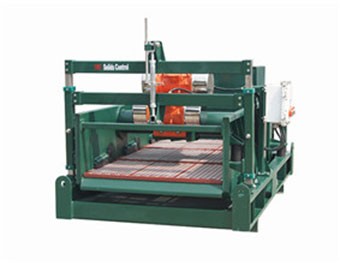 Linear Motion Shale Shaker In Drilling Rig
 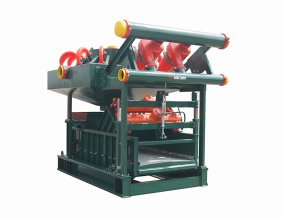 Oilfield Mud Cleaner
 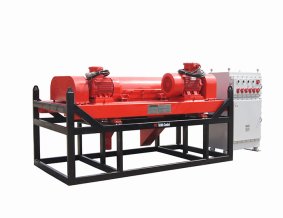 Drilling Fluid Decanter Centrifuge
 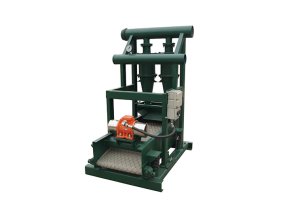 Drilling Mud Desander
 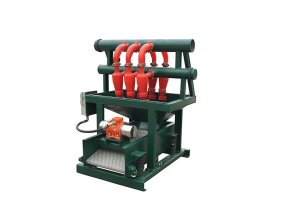 Hydrocyclone Desilter
 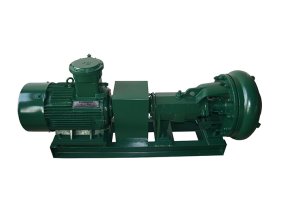 Centrifugal Pump/Centrifugal Mud Pump
 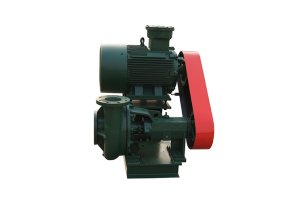 Shear Pump
 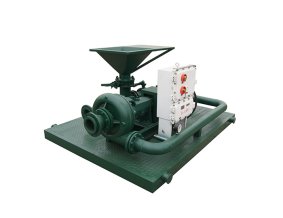 Jet Mud Mixer
 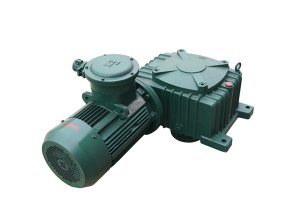 Horizontal Mud Agitator
 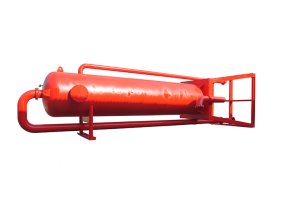 Constant Pressure Drilling Fluid Mud Gas Separator
 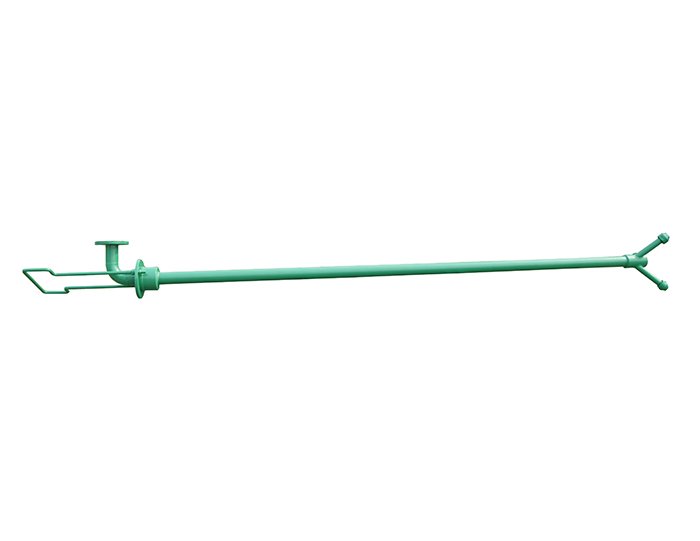 Mud Gun
  Mud Tank
 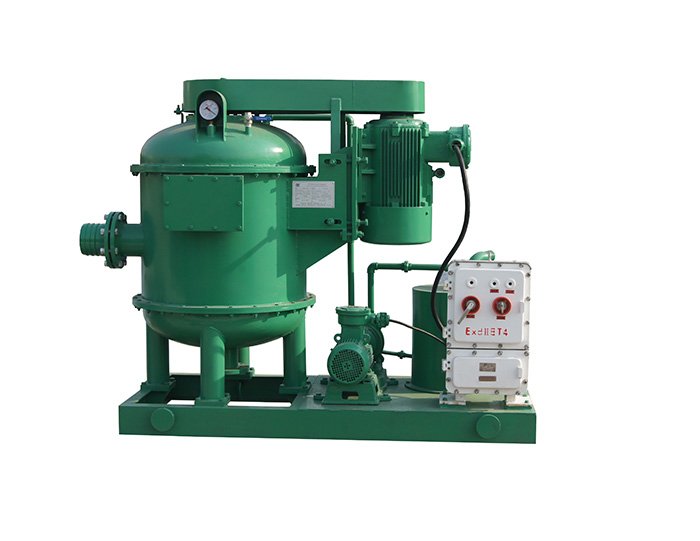 Solids Control System Vacuum Degasser
 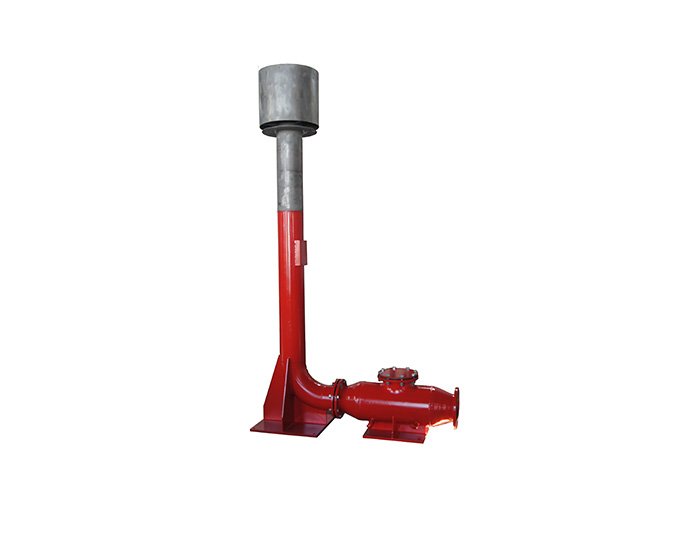 Flare Ignition Device
 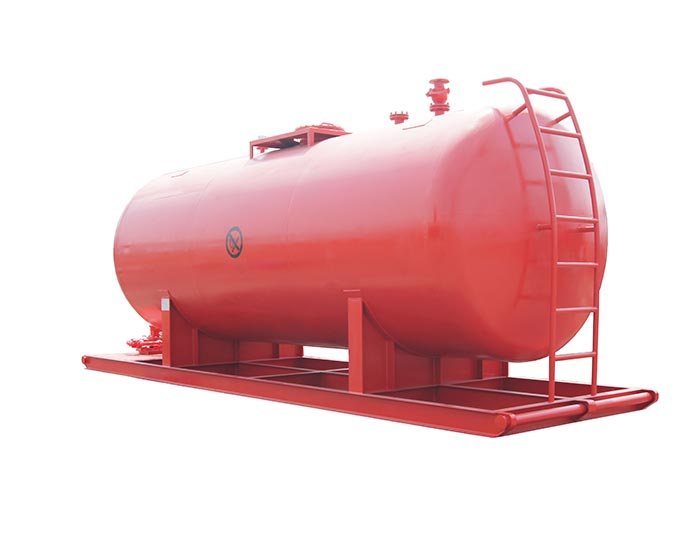 Diesel Tank
 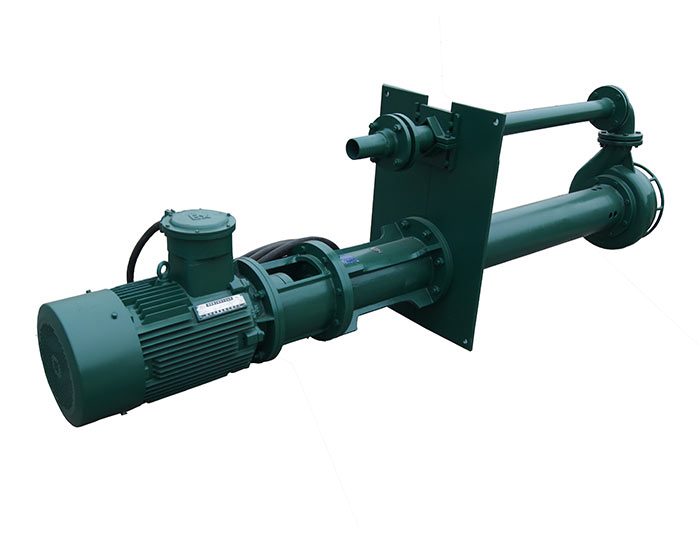 Submersible Slurry Pump