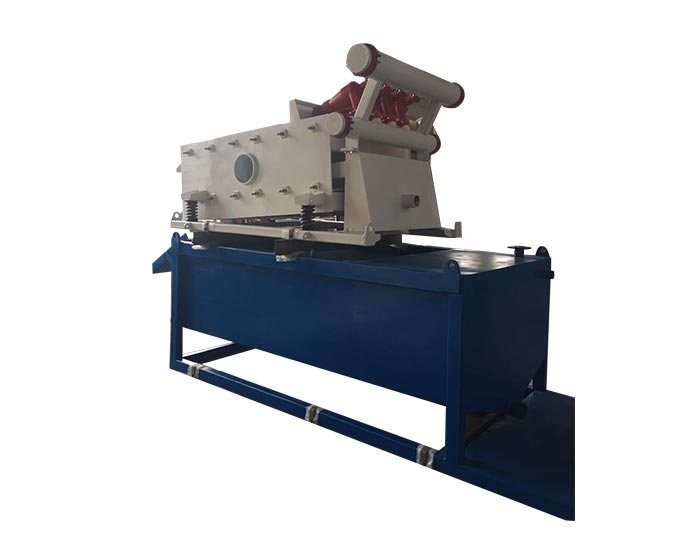
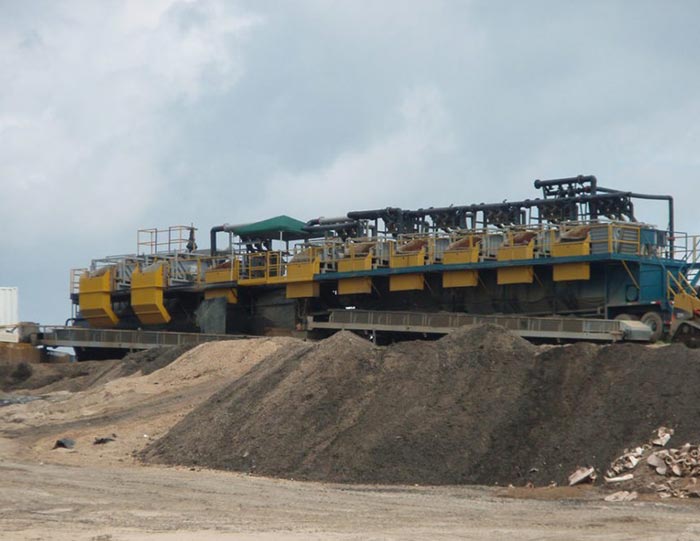
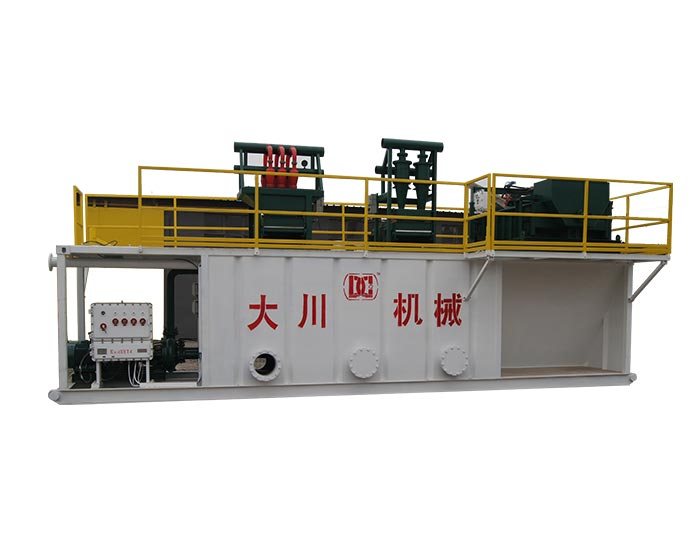
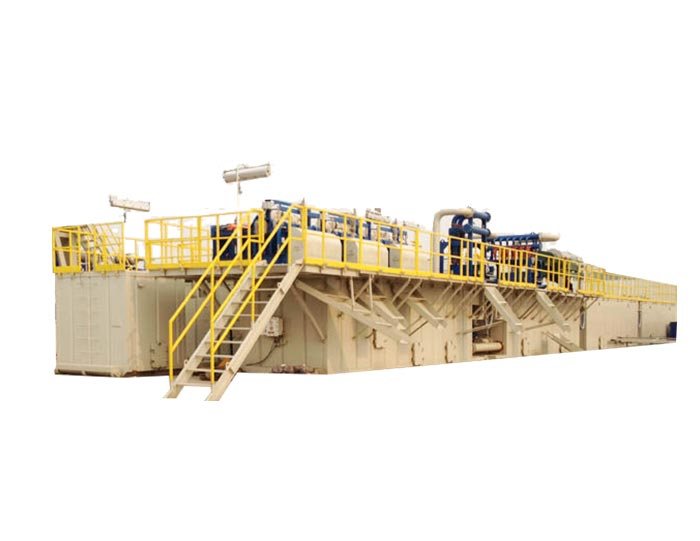
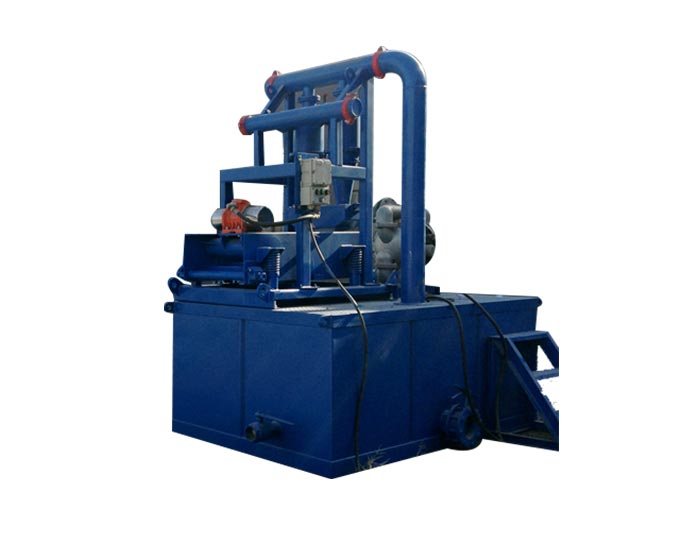
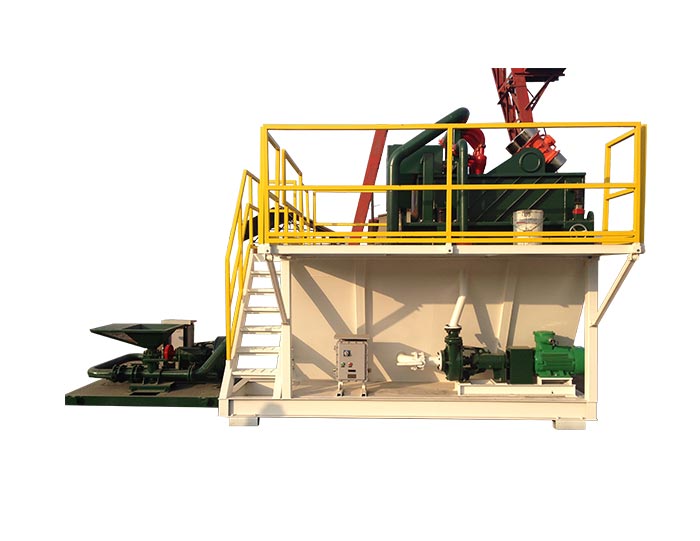
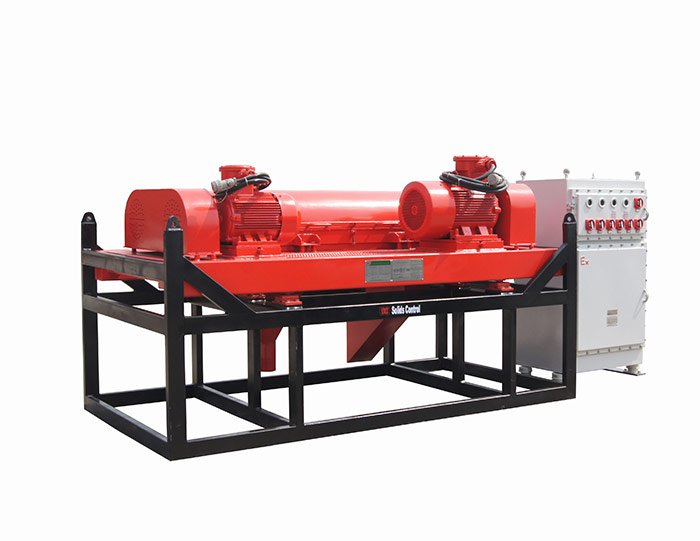
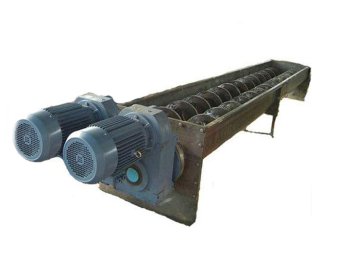
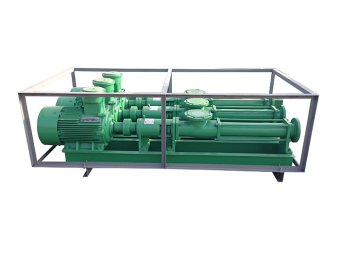
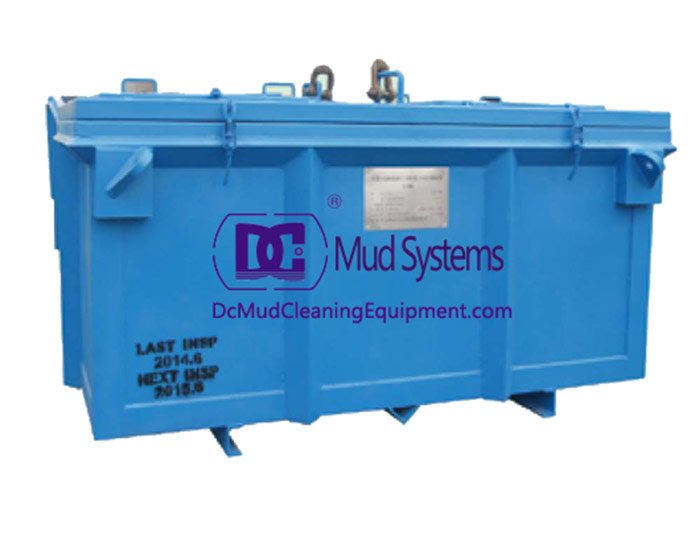
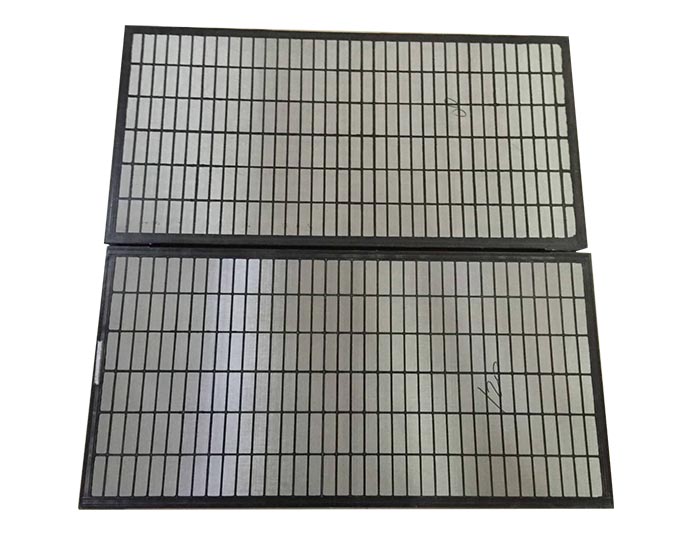
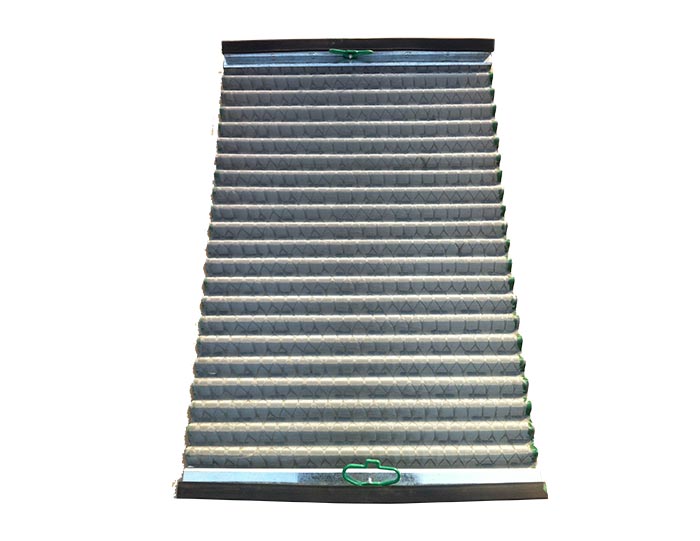
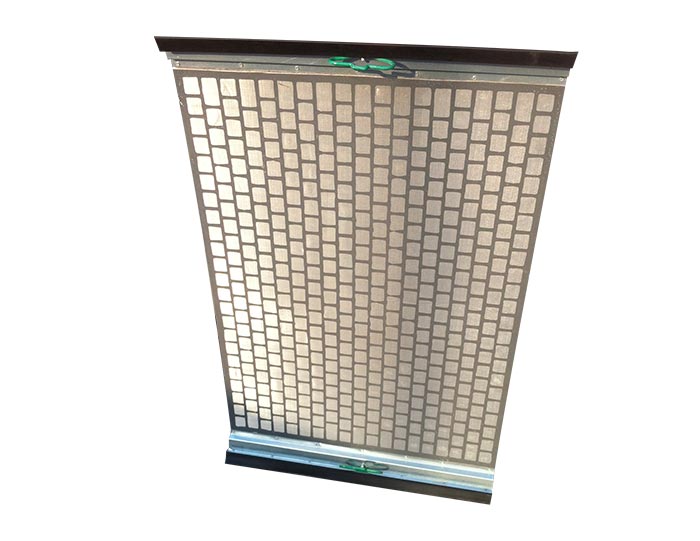
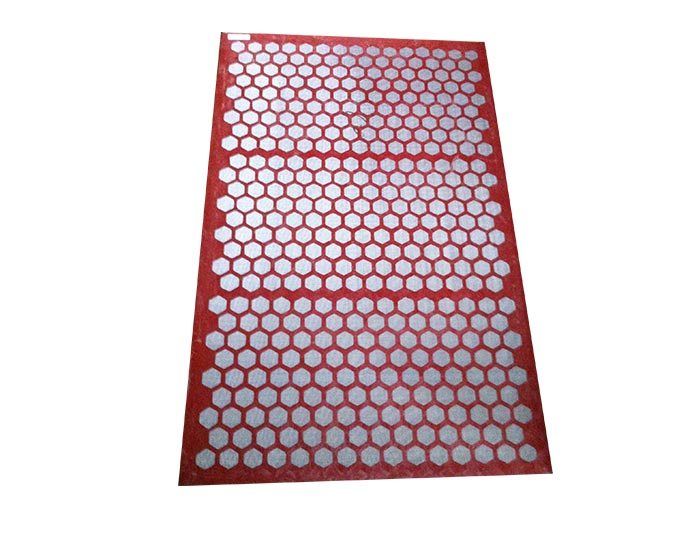
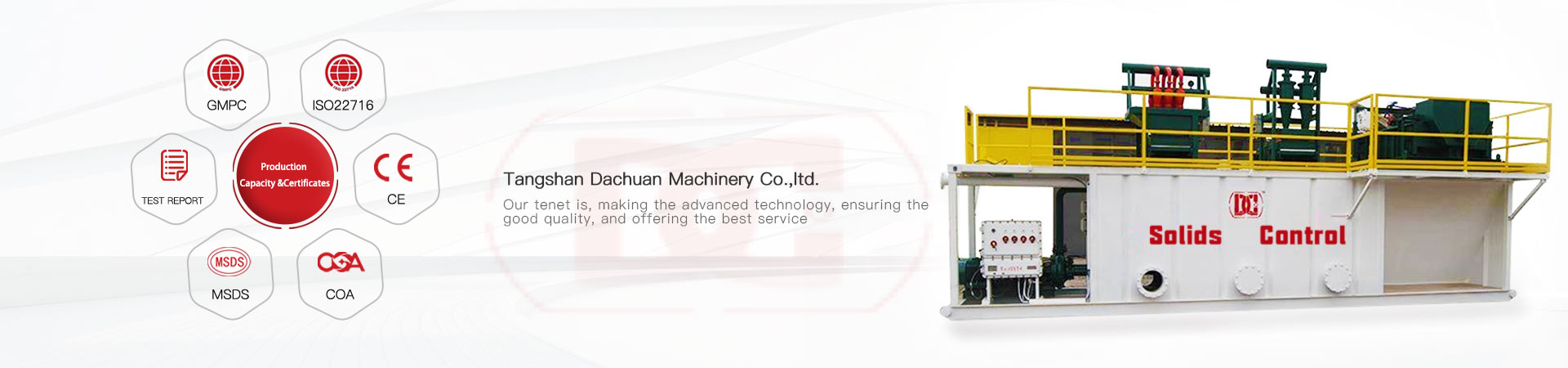
In the petroleum and trenchless construction industries, traditional drilling operations often generate massive amounts of waste drilling mud—posing significant environmental risks, from soil and water contamination to resource depletion. A drilling mud recycling system—paired with efficient drilling mud system and mud circulation system solutions—has emerged as a sustainable game-changer, drastically reducing waste, lowering chemical pollution, and conserving natural resources. Tangshan Dachuan Machinery Co.,ltd., a leading provider of petroleum drilling mud cleaning equipment and trenchless mud recovery systems, excels in crafting high-performance drilling mud recycling system options, including core components like shale shakers, desanders, and vertical cutting dryers. For wholesalers serving drilling contractors, oilfield operators, and trenchless construction firms, partnering with Tangshan Dachuan means accessing scalable, eco-friendly drilling mud system and mud circulation system solutions—backed by the company’s end-to-end service (production, sales, after-sales, maintenance) and expertise in minimizing environmental impact.
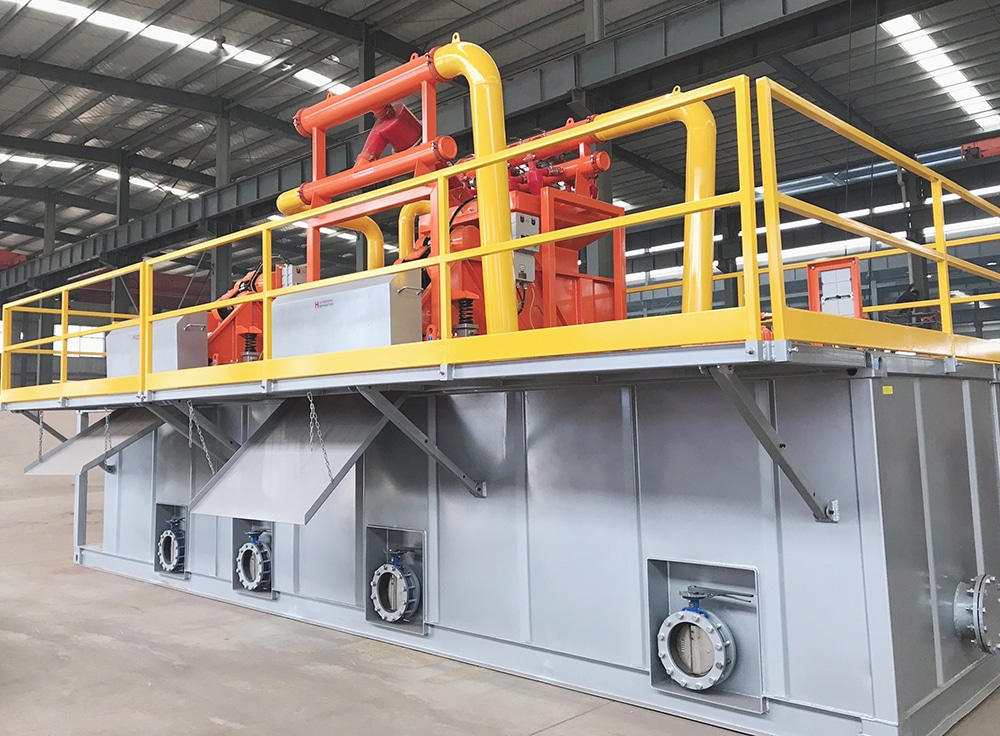
How Drilling Mud Recycling System Reduces Waste Disposal
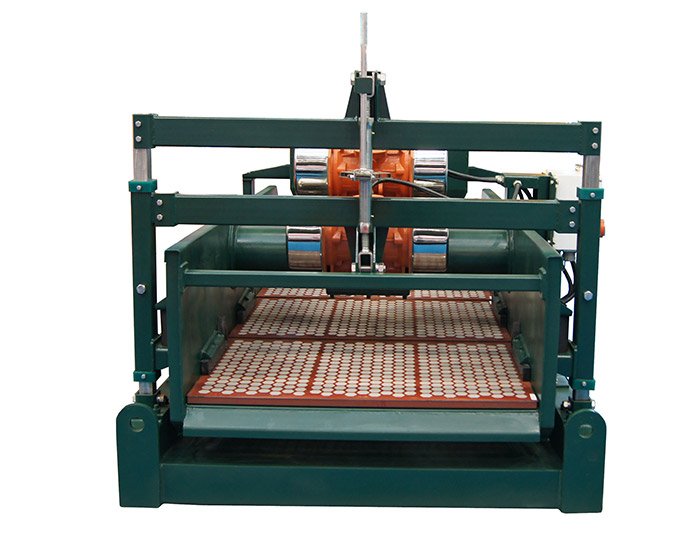
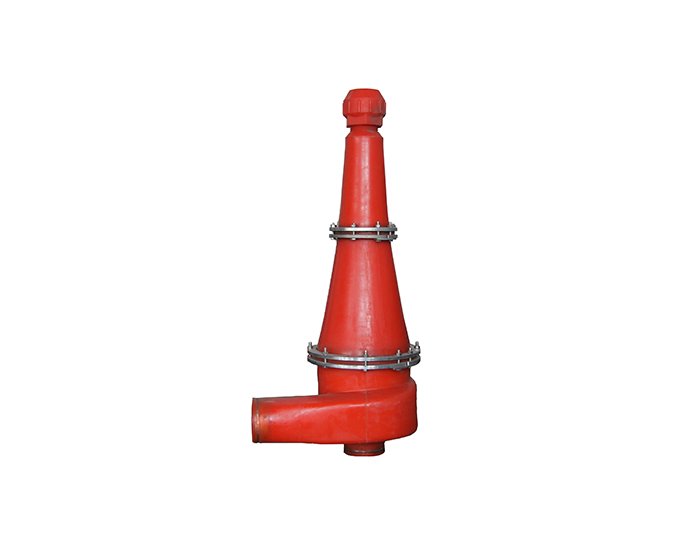
• Reclaiming Usable Mud for Reuse: Traditional drilling mud system practices discard 30–50% of drilling mud after use, as it becomes contaminated with cuttings, solids, or diluted chemicals. A drilling mud recycling system from Tangshan Dachuan uses multi-stage purification (shale shakers for large cuttings, desanders/desilters for fine particles, and centrifuges for colloidal solids) to separate waste from usable mud—recovering up to 90% of the original mud for reintroduction into the mud circulation system. This eliminates the need to haul and dispose of massive volumes of waste mud in landfills, where it can leach chemicals into soil and groundwater. A wholesaler supplying oilfield contractors reported that Tangshan Dachuan’s drilling mud recycling system reduced their clients’ waste disposal costs by 60% and cut landfill waste by 85%, aligning with local environmental regulations. Wholesalers should highlight this waste reduction as a “dual-win” benefit: lower operational costs and reduced ecological harm.
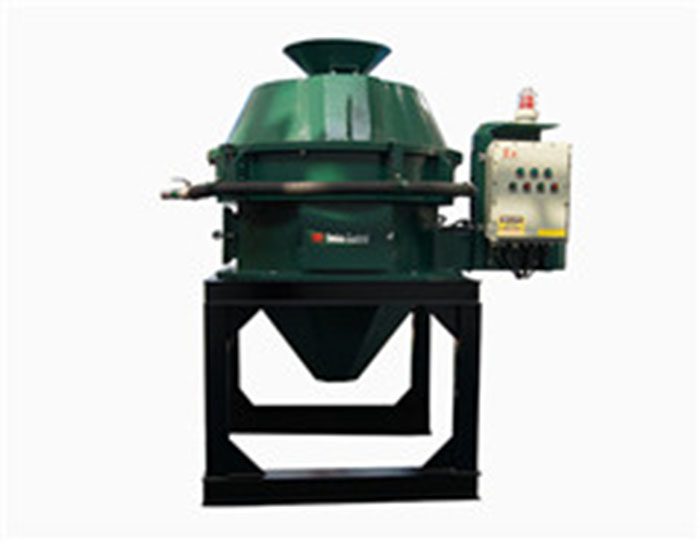
• Capturing Solids for Safe Handling: Beyond mud recovery, drilling mud recycling system separates drilling cuttings (the main solid waste) and dries them using vertical cutting dryers—critical for preventing loose solids from washing into waterways or blowing into surrounding ecosystems. Tangshan Dachuan’s system reduces cutting moisture content to under 15%, making the solids non-hazardous and suitable for repurposing (e.g., as construction fill) or safe landfill disposal. Unlike wet cuttings, which are prone to chemical leaching, dried cuttings pose minimal environmental risk. A wholesaler serving trenchless construction clients noted that this solid capture feature helped their clients avoid fines for water contamination, as the mud circulation system kept cuttings contained. Wholesalers can frame this as a “compliance driver,” helping clients meet strict environmental standards for waste management.
Types of Drilling Mud System for Environmental Sustainability
System Type | Best For | Key Environmental Advantages | Tangshan Dachuan Product Example |
Mobile Drilling Mud Recycling System | On-site drilling (e.g., oil wells) | Compact design; reduces transport emissions; on-demand mud purification | Mobile Mud Recycling Unit (with shale shaker) |
Trenchless Mud Circulation System | Horizontal directional drilling (HDD) | Closed-loop circulation; no mud spillage; cuts groundwater contamination | Trenchless Mud Recovery System |
Industrial Drilling Mud System | Large-scale oilfields | Multi-stage purification; high mud recovery rate (90%+); solids drying | Integrated Mud Cleaning & Recycling Line |
Mud Circulation System: Closed-Loop Design for Pollution Prevention
• Eliminating Open-Pit Mud Storage: Traditional mud circulation system setups use open pits to store drilling mud, which are vulnerable to rainwater runoff (carrying chemicals into soil/water) and evaporation (releasing volatile organic compounds, VOCs, into the air). Tangshan Dachuan’s closed-loop mud circulation system uses sealed tanks and pipelines to contain mud throughout the drilling and recycling process—no open exposure to the environment. This design prevents 100% of mud spillage and reduces VOC emissions by 70% compared to open systems. A wholesaler supplying offshore drilling clients reported that this closed-loop design was critical for meeting maritime environmental regulations, as it eliminated the risk of oil-based mud leaking into oceans. Wholesalers should emphasize this “zero-spill” benefit, as it addresses one of the most significant environmental risks of drilling operations.
• Reducing Chemical Usage via Circulation: A closed-loop mud circulation system (paired with drilling mud recycling system) also cuts the need for fresh chemicals—recycled mud retains most of its original chemical additives (e.g., viscosifiers, fluid loss reducers), so only small amounts of supplements are needed to maintain performance. Traditional open systems require frequent chemical replenishment, as additives are lost to spillage, evaporation, or waste disposal. Tangshan Dachuan’s system monitors mud chemistry in real time, automatically adjusting chemical doses to minimize usage. A wholesaler serving onshore oilfields noted that clients using this integrated system reduced chemical purchases by 45%, lowering both costs and the environmental footprint of chemical production and transport. Wholesalers can market this as a “resource saver,” appealing to clients aiming to reduce their supply chain’s ecological impact.
Drilling Mud Recycling System: Conserving Water & Natural Resources
• Water Conservation in Aqueous Mud Systems: Water-based drilling mud (the most common type) uses large volumes of freshwater—traditional systems waste up to 10,000 liters of water per day on small drilling sites. Tangshan Dachuan’s drilling mud recycling system recovers 90% of the water in mud, reusing it in subsequent drilling cycles. This reduces freshwater intake by 80% for clients, critical in arid regions where water scarcity is a concern. For example, a small oil well using the system might cut daily water use from 5,000 liters to 1,000 liters, preserving local water resources. A wholesaler supplying clients in dry regions reported that this water conservation feature made Tangshan Dachuan’s drilling mud system a top choice, as it aligned with community water conservation goals. Wholesalers should highlight this water-saving benefit, especially for clients operating in environmentally sensitive or resource-scarce areas.
• Reducing Reliance on Fresh Mud Ingredients: Drilling mud requires raw materials like bentonite (a clay used for viscosity) and barite (for density control)—extracting these materials contributes to soil erosion and habitat destruction. By recycling mud, drilling mud recycling system cuts the need for fresh bentonite and barite by 75%, reducing demand for mining operations. Tangshan Dachuan’s system also purifies and reuses these minerals from recycled mud, ensuring consistent performance without fresh extraction. A wholesaler supplying eco-conscious drilling firms noted that this ingredient reuse helped their clients reduce their “mining footprint,” a key metric for sustainable operations. Wholesalers can frame this as a “circular economy” benefit, positioning the system as a tool for long-term environmental stewardship.
Drilling Mud Recycling System FAQS
Can Drilling Mud Recycling System Handle Oil-Based Mud (OBM)?
Yes—Tangshan Dachuan’s drilling mud recycling system is designed to process both water-based and oil-based mud (OBM), with specialized components like oil-water separators and heat exchangers to purify OBM. The system recovers up to 85% of OBM for reuse, reducing the environmental risk of OBM disposal (which is more hazardous than water-based mud). A wholesaler supplying offshore oil clients reported that this OBM compatibility was critical, as offshore operations often rely on OBM for high-pressure drilling—and the system helped them avoid costly OBM waste management. Wholesalers should confirm this versatility, as it expands the system’s appeal to clients using different mud types.
Is Mud Circulation System Difficult to Integrate with Existing Drilling Rigs?
No—Tangshan Dachuan’s mud circulation system is modular, meaning it can be retrofitted to most existing drilling rigs without major modifications. The company’s technical team provides on-site integration support, helping wholesalers’ clients connect the system to their rig’s existing pipelines and control panels. Setup typically takes 1–3 days for mobile systems and 1–2 weeks for large-scale industrial systems—far faster than building a new closed-loop system from scratch. A wholesaler supplying small drilling contractors noted that this easy integration reduced adoption barriers, as clients didn’t need to replace their entire rig to upgrade to a sustainable system. Wholesalers should highlight this retrofitting capability, as it makes the system accessible to clients with existing equipment.
What’s the Environmental ROI of Drilling Mud Recycling System?
The environmental ROI (return on investment) is significant: most clients see a reduction in waste disposal costs within 6–12 months, and the system cuts a drilling operation’s carbon footprint by 30–40% (via reduced transport of fresh mud/waste and lower chemical production). Tangshan Dachuan’s drilling mud recycling system also helps clients qualify for environmental incentives (e.g., tax breaks for sustainable operations) in many regions. A wholesaler supplying large oilfields reported that their clients calculated an environmental ROI of 2–3 years, with long-term savings from resource conservation. Wholesalers should share these ROI examples, as they help clients justify the upfront investment in sustainable equipment.
Does Drilling Mud System Require Frequent Maintenance to Maintain Environmental Performance?
Tangshan Dachuan’s drilling mud system is designed for low maintenance, with self-cleaning components (e.g., automated shale shaker screens) and remote monitoring that alerts users to potential issues (e.g., clogged filters) before they impact performance. The company also offers annual maintenance contracts, ensuring the system retains its environmental benefits (e.g., 90% mud recovery rate) over time. A wholesaler supplying remote drilling sites noted that this low maintenance was critical, as on-site repair resources are limited—and the system maintained its waste reduction capabilities with minimal upkeep. Wholesalers should emphasize this reliability, as it ensures consistent environmental performance for clients.
Can Small-Scale Drilling Operations Benefit from Drilling Mud Recycling System?
Yes—Tangshan Dachuan offers compact, mobile drilling mud recycling system models specifically for small-scale operations (e.g., water well drilling, small oil wells). These systems are affordable, easy to transport, and still deliver 80–85% mud recovery, making them ideal for small contractors looking to reduce their environmental impact. A wholesaler supplying rural drilling clients reported that these small-scale systems were a top seller, as they let small businesses compete with larger firms in meeting environmental standards. Wholesalers should highlight these scaled-down models, as they expand the system’s reach to smaller clients.



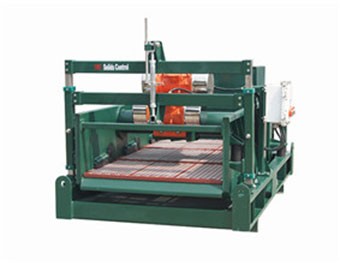 Linear Motion Shale Shaker In Drilling Rig
 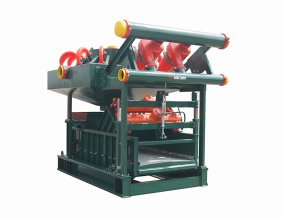 Oilfield Mud Cleaner
 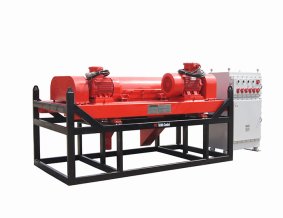 Drilling Fluid Decanter Centrifuge
 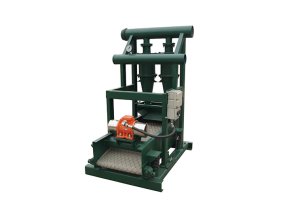 Drilling Mud Desander
 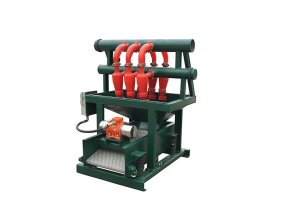 Hydrocyclone Desilter
 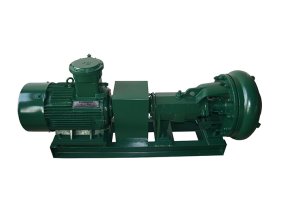 Centrifugal Pump/Centrifugal Mud Pump
 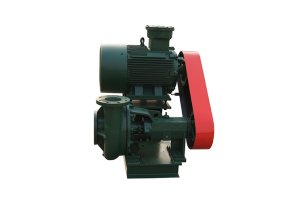 Shear Pump
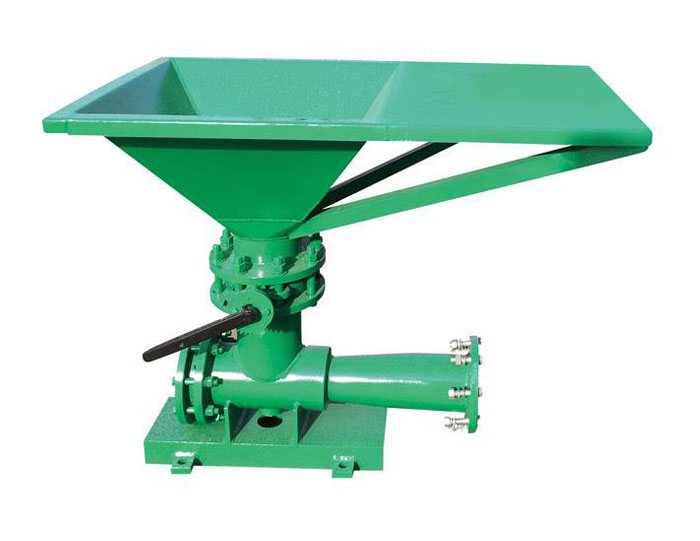
 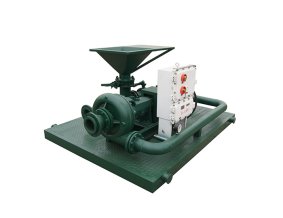 Jet Mud Mixer
 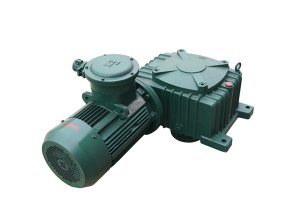 Horizontal Mud Agitator
 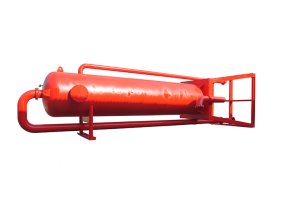 Constant Pressure Drilling Fluid Mud Gas Separator
 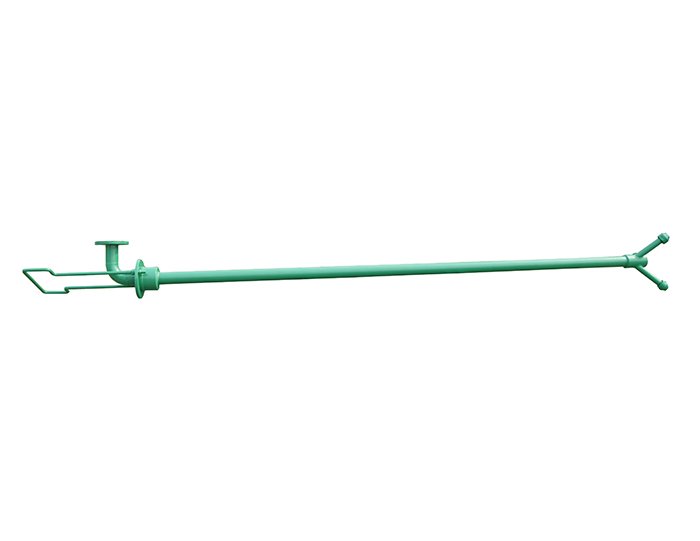 Mud Gun
  Mud Tank
 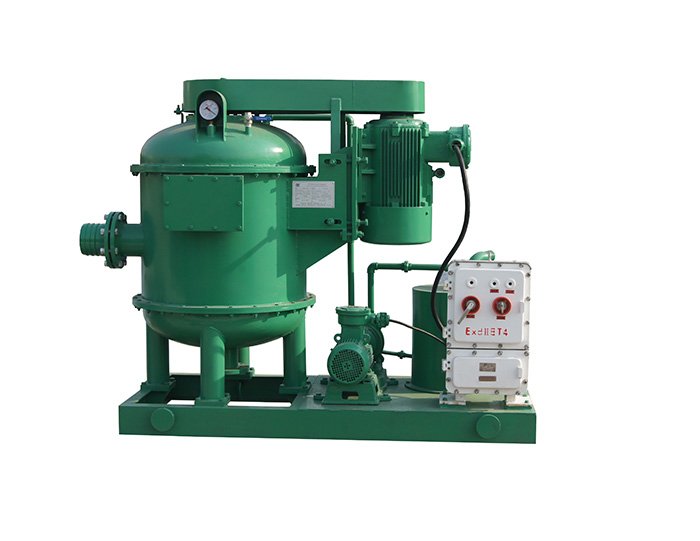 Solids Control System Vacuum Degasser
 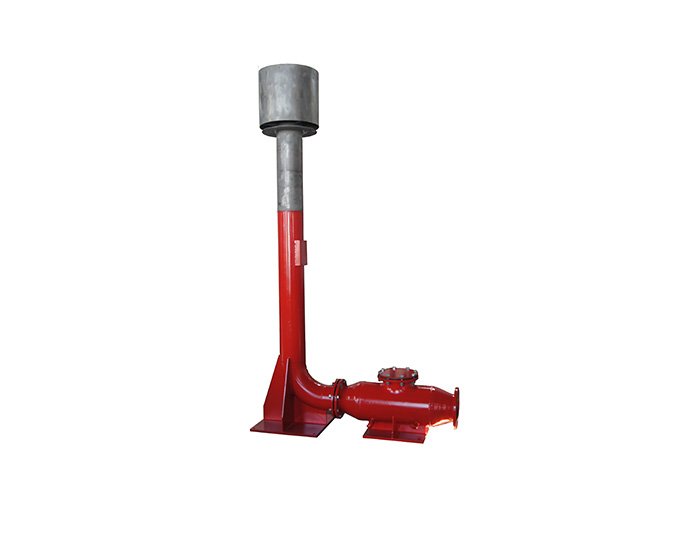 Flare Ignition Device
 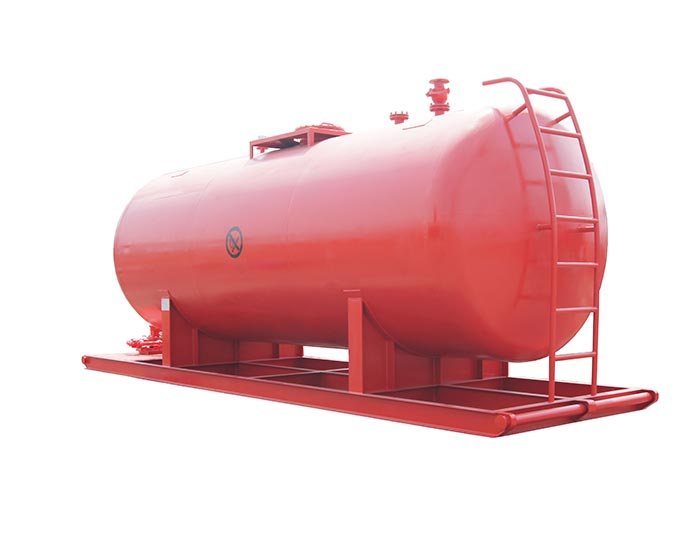 Diesel Tank
 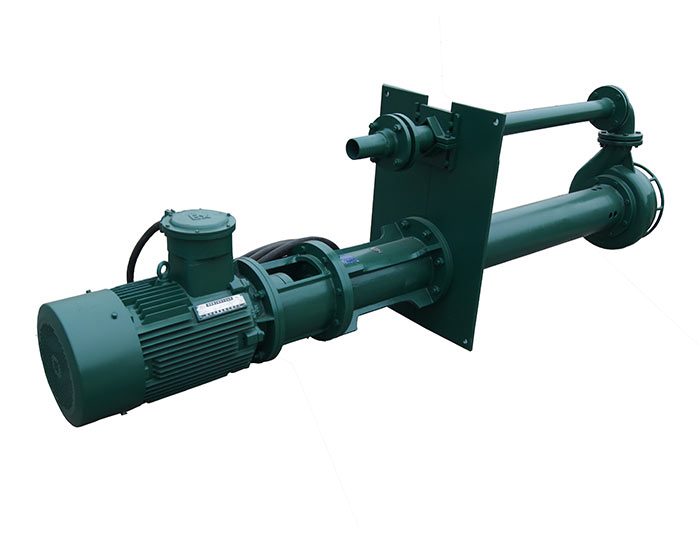 Submersible Slurry Pump