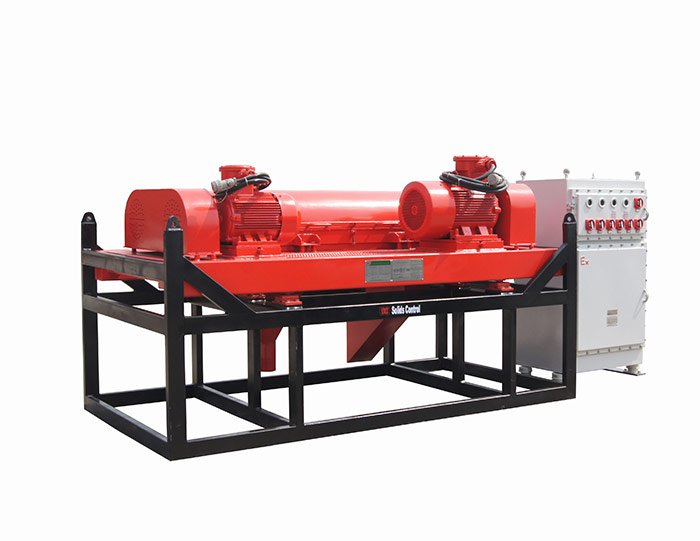
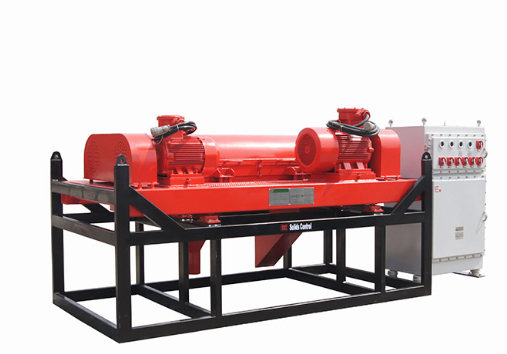
The decanter centrifuge is a cornerstone of solid-liquid separation in petroleum drilling and trenchless construction, relying on centrifugal force to efficiently separate solids from drilling mud or slurry. Understanding the operation principle of decanter centrifuge, along with the role of key components like decanter motor and decanter horizontal design, is crucial for optimizing separation efficiency and ensuring operational stability. Tangshan Dachuan Machinery Co.,ltd., a professional enterprise focusing on the production, sales, after-sales, and maintenance of petroleum drilling mud cleaning equipment, manufactures high-performance decanter centrifuge products—complementing its comprehensive lineup of drilling equipment including shale shakers, vacuum degassers, and mud cleaners. With rigorous engineering and quality control, the company’s decanter horizontal models and matched decanter motor systems deliver reliable separation performance, tailored to the demanding needs of oil and gas drilling operations. This article delves into the core operation principles, key components, and practical applications of decanter centrifuges.
Core Operation Principles of Decanter Centrifuge
• Centrifugal Force Generation: The fundamental principle of decanter centrifuge operation is the generation of centrifugal force via high-speed rotation. Driven by a high-power decanter motor, the centrifuge’s rotating drum spins at speeds ranging from 2,000 to 6,000 RPM, creating a centrifugal force hundreds or thousands of times greater than gravity. This force pushes denser solid particles in the slurry toward the drum wall, while lighter liquid (drilling mud) remains closer to the center, laying the foundation for separation.
• Solid-Liquid Stratification: As the decanter horizontal drum rotates, the centrifugal force causes solid particles to settle on the inner wall of the drum, forming a solid cake layer. Simultaneously, the liquid phase (supernatant) forms a concentric layer inside the solid cake. The difference in density between solids and liquids determines the stratification speed—higher density differences result in faster and more thorough separation, a key factor optimized in Tangshan Dachuan’s decanter centrifuge designs.
• Continuous Conveying of Solids: A helical screw conveyor inside the decanter centrifuge rotates at a slightly different speed than the drum (controlled by the decanter motor and a differential mechanism). This speed difference drives the solid cake along the drum length toward the conical discharge end, where solids are expelled. The decanter horizontal design ensures smooth, continuous conveying of solids, avoiding accumulation and maintaining consistent separation efficiency.
• Liquid Discharge Mechanism: The liquid phase, after separating from solids, flows toward the cylindrical end of the decanter horizontal drum. Here, adjustable weir plates control the liquid level inside the drum—regulating the residence time of the slurry and ensuring sufficient separation. The clarified liquid is then discharged through the weir plates into a collection chamber, completing the solid-liquid separation cycle.
Key Components of Decanter Centrifuge and Their Operational Roles
Component | Operational Role in Decanter Centrifuge | Design Features of Decanter Horizontal Models | Performance Requirements for Decanter Motor | Tangshan Dachuan Machinery Optimization |
Rotating Drum | Generates centrifugal force, provides separation space for solid-liquid stratification | Horizontal layout for stable operation; cylindrical-conical structure to facilitate solid conveying | High torque output to drive drum rotation; stable speed control for consistent centrifugal force | High-strength stainless steel construction for corrosion resistance; precision machining for balanced rotation |
Helical Screw Conveyor | Conveys settled solids to discharge end; speed difference with drum determines conveying efficiency | Optimized helix angle for efficient solid pushing; wear-resistant liner to extend service life | Differential speed control with the drum; adjustable speed ratio to adapt to different slurry properties | Hardened steel helix blades; modular design for easy maintenance and replacement |
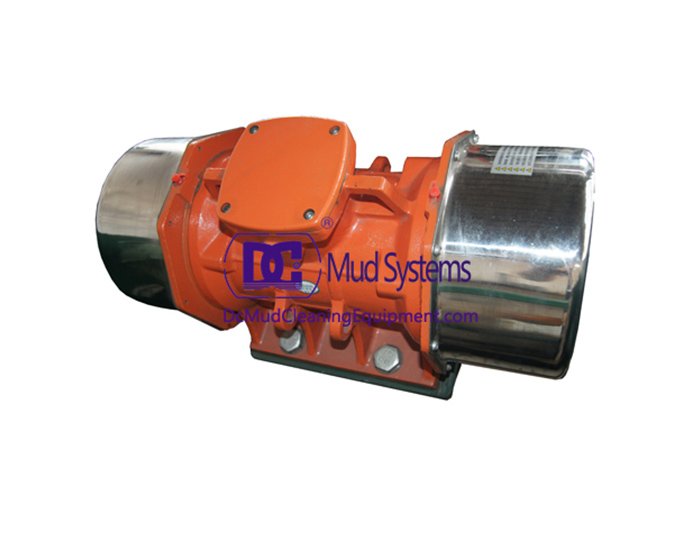
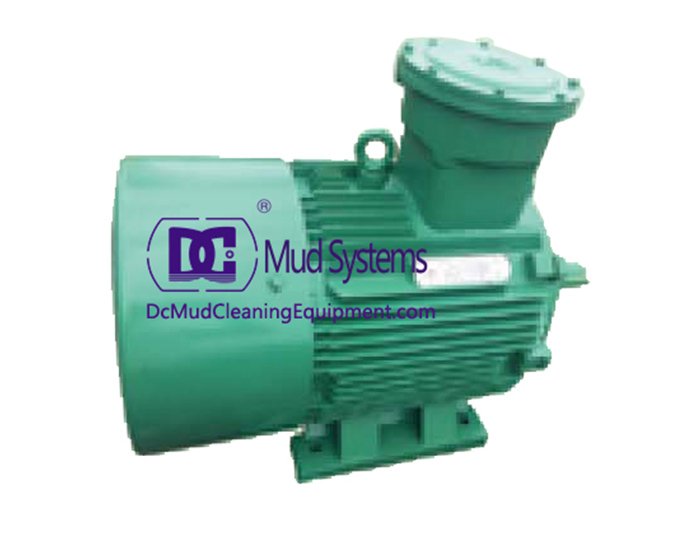
Decanter Motor | Provides power for drum and screw rotation; core driver of centrifugal force generation | Motor mounted horizontally for compact layout; integrated with differential mechanism for speed coordination | High power density, energy efficiency; resistance to high temperature and vibration in drilling environments | Customized high-torque motor; equipped with overload protection and speed monitoring systems |
Weir Plate Assembly | Controls liquid level in drum; adjusts residence time of slurry to optimize separation effect | Multiple weir plate options for different liquid level requirements; easy on-site adjustment | No direct power requirement, but its adjustment affects motor load indirectly | Precision-cast weir plates; sealed design to prevent liquid leakage |
Feeding Pipe | Transports slurry into the rotating drum; ensures uniform distribution of slurry | Tangential feeding design to match drum rotation direction; avoids disturbing solid-liquid stratification | Stable feeding pressure reduces motor load fluctuations | Anti-clogging feeding channel; corrosion-resistant material compatible with drilling mud |
Factors Affecting Operation Efficiency of Decanter Centrifuge
• Rotational Speed (Decanter Motor Performance): The rotational speed of the decanter centrifuge (determined by the decanter motor) directly affects centrifugal force. Higher speeds generate stronger centrifugal force, improving separation of fine solids. However, excessive speed increases energy consumption and equipment wear. Tangshan Dachuan’s decanter horizontal models feature variable-speed decanter motor systems, allowing operators to adjust speed based on slurry properties (solid content, particle size).
• Speed Difference Between Drum and Screw: The speed difference between the rotating drum and the screw conveyor controls the solid conveying rate. A larger speed difference increases conveying efficiency but may reduce separation quality (insufficient residence time). A smaller speed difference improves separation but may cause solid accumulation. Tangshan Dachuan’s decanter centrifuges are equipped with adjustable differential mechanisms to balance efficiency and separation quality.
• Slurry Feeding Rate: The feeding rate must match the separation capacity of the decanter centrifuge. Excessive feeding leads to incomplete separation (solids remaining in liquid), while insufficient feeding reduces operational efficiency. The decanter horizontal design’s large drum volume allows for stable feeding rates, and Tangshan Dachuan’s systems include feeding control valves to regulate flow.
• Slurry Properties (Density, Viscosity): Slurry density and viscosity affect solid settlement speed. High-viscosity slurry requires higher centrifugal force (faster decanter motor speed) to overcome resistance. Tangshan Dachuan’s technical team provides customized decanter centrifuge configurations based on clients’ specific slurry properties, ensuring optimal separation efficiency.
Operational Procedures for Decanter Horizontal Centrifuge
• Pre-Operation Inspection: Before starting the decanter centrifuge, inspect the decanter motor (power supply, wiring, lubrication), rotating components (drum, screw conveyor), and seals for damage or leakage. Check the decanter horizontal alignment to ensure stable operation. Tangshan Dachuan provides detailed pre-operation checklists as part of its after-sales service.
• Start-Up Sequence: First, start the decanter motor and allow the drum to reach the preset speed (monitored via speed sensors). Then, open the feeding valve gradually to introduce slurry into the centrifuge. Avoid sudden feeding to prevent motor overload and disturbance of centrifugal separation.
• Operational Monitoring: During operation, monitor key parameters: decanter motor load and temperature, separation effect (clarity of discharged liquid, solid dryness), and equipment vibration. Adjust feeding rate or motor speed as needed. Tangshan Dachuan’s advanced models include real-time monitoring systems that alert operators to abnormal conditions.
• Shut-Down Procedure: Stop feeding first, then continue running the decanter centrifuge for 5-10 minutes to discharge remaining solids. Reduce the decanter motor speed gradually and shut down the motor. After shutdown, clean the drum and screw conveyor to prevent solid buildup and corrosion.
Decanter Centrifuge FAQs
What Is the Role of Decanter Motor in Decanter Centrifuge Operation
The decanter motor is the core power source for decanter centrifuge operation. It drives the rotation of the drum (generating centrifugal force for solid-liquid separation) and the helical screw conveyor (conveying settled solids). The motor’s speed and torque directly determine centrifugal force intensity and solid conveying efficiency. High-performance decanter motor systems (like those used in Tangshan Dachuan’s products) ensure stable speed control, overload protection, and adaptability to harsh drilling environments, guaranteeing consistent separation performance.
Why Is Decanter Horizontal Design Widely Used in Petroleum Drilling
The decanter horizontal design is widely used in petroleum drilling due to three key advantages: 1) Stable operation: Horizontal layout reduces vibration, suitable for long-term continuous operation in drilling sites. 2) Large separation capacity: Horizontal drum has a larger volume, accommodating high slurry feeding rates. 3) Easy integration: Horizontal design allows seamless integration with other drilling mud cleaning equipment (shale shakers, mud cleaners) in Tangshan Dachuan’s product lineup, forming a complete separation system. Additionally, the horizontal structure simplifies maintenance and solid/liquid discharge.
How to Adjust Decanter Centrifuge Operation for Different Slurry Properties
To adapt to different slurry properties, adjust key parameters of the decanter centrifuge: 1) For high-viscosity slurry: Increase decanter motor speed to enhance centrifugal force, and reduce feeding rate to extend residence time. 2) For high-solid-content slurry: Increase the speed difference between drum and screw to improve solid conveying efficiency. 3) For fine-particle slurry: Reduce feeding rate and increase motor speed to ensure complete separation. Tangshan Dachuan’s variable-speed decanter horizontal models facilitate easy parameter adjustment to match diverse slurry conditions.
What Are the Common Operational Faults of Decanter Centrifuge and How to Troubleshoot
Common operational faults of decanter centrifuge include: 1) Decanter motor overload: Caused by excessive feeding or solid accumulation; troubleshoot by reducing feeding rate and cleaning the drum. 2) Poor separation effect: Due to insufficient motor speed or improper weir plate adjustment; increase speed or adjust weir plate height. 3) Equipment vibration: Resulting from unbalanced rotating components or misalignment; inspect and balance the drum, check decanter horizontal alignment. Tangshan Dachuan provides after-sales maintenance guidance to resolve these faults efficiently.
How Does Decanter Centrifuge Cooperate with Other Drilling Mud Cleaning Equipment
The decanter centrifuge works in tandem with other drilling mud cleaning equipment (shale shakers, desanders, desilters) in a multi-stage separation system. First, shale shakers remove large solids (>74μm) from slurry. Then, desanders/desilters remove medium-sized solids (20-74μm). Finally, the decanter centrifuge (often decanter horizontal models) removes fine solids (<20μm) using high centrifugal force. This multi-stage process ensures drilling mud meets reuse standards. Tangshan Dachuan’s integrated mud cleaning systems are designed to optimize the coordination between decanter centrifuge and other equipment, maximizing overall separation efficiency.



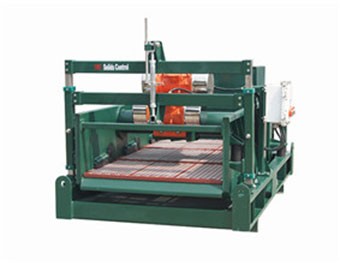 Linear Motion Shale Shaker In Drilling Rig
 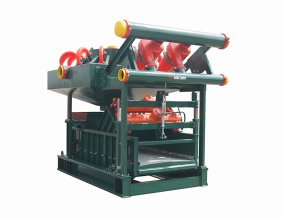 Oilfield Mud Cleaner
 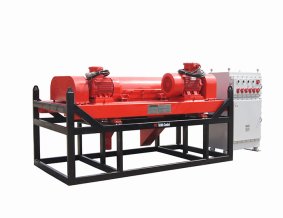 Drilling Fluid Decanter Centrifuge
 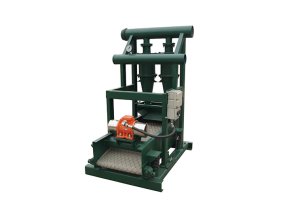 Drilling Mud Desander
 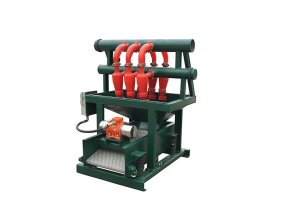 Hydrocyclone Desilter
 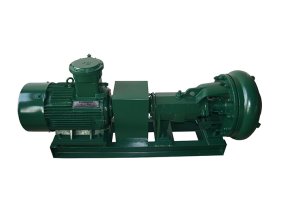 Centrifugal Pump/Centrifugal Mud Pump
 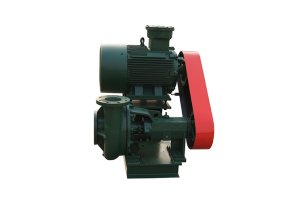 Shear Pump
 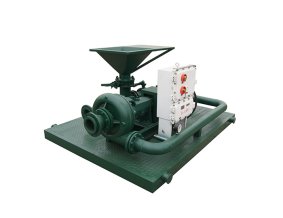 Jet Mud Mixer
 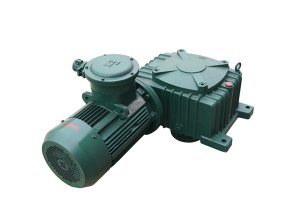 Horizontal Mud Agitator
 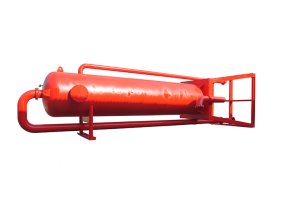 Constant Pressure Drilling Fluid Mud Gas Separator
 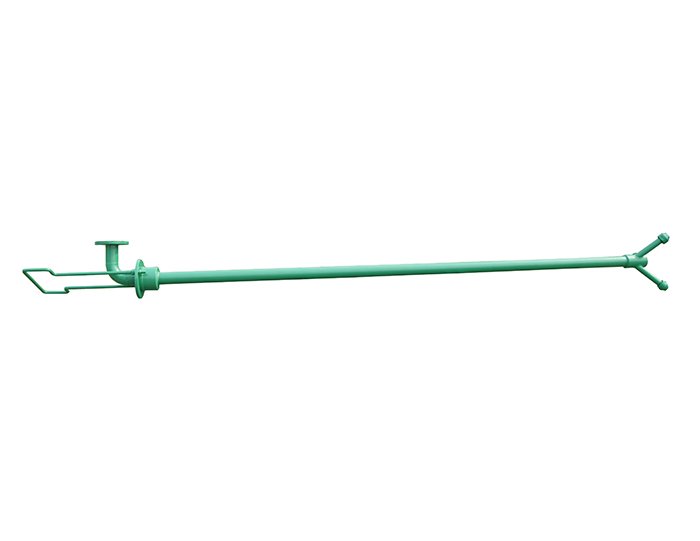 Mud Gun
  Mud Tank
 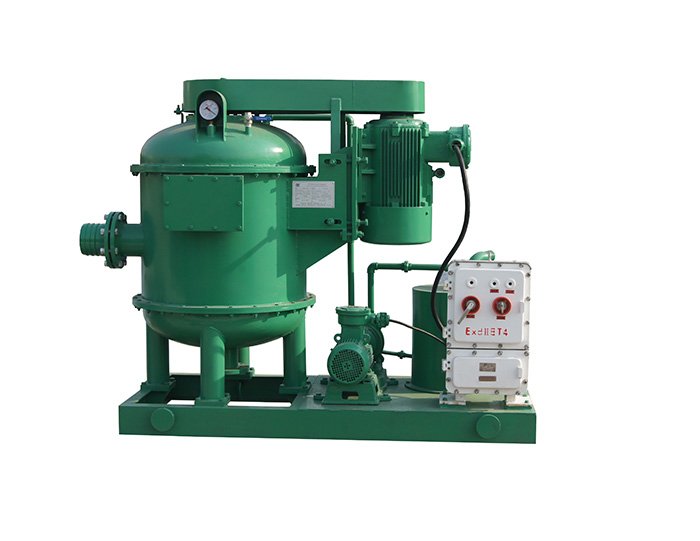 Solids Control System Vacuum Degasser
 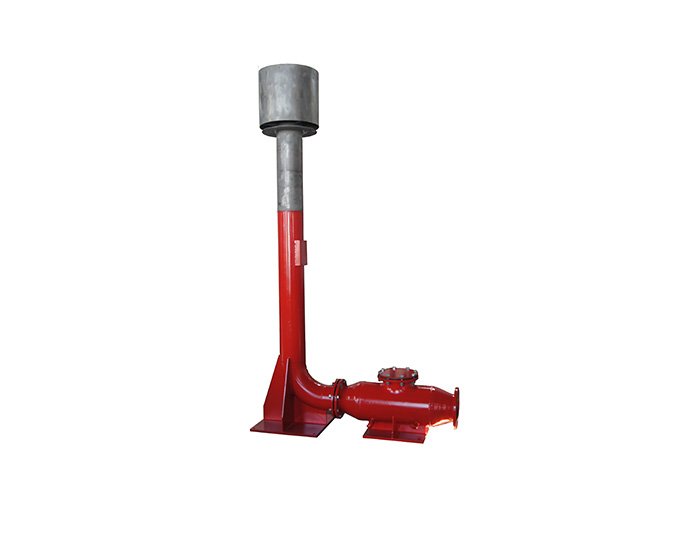 Flare Ignition Device
 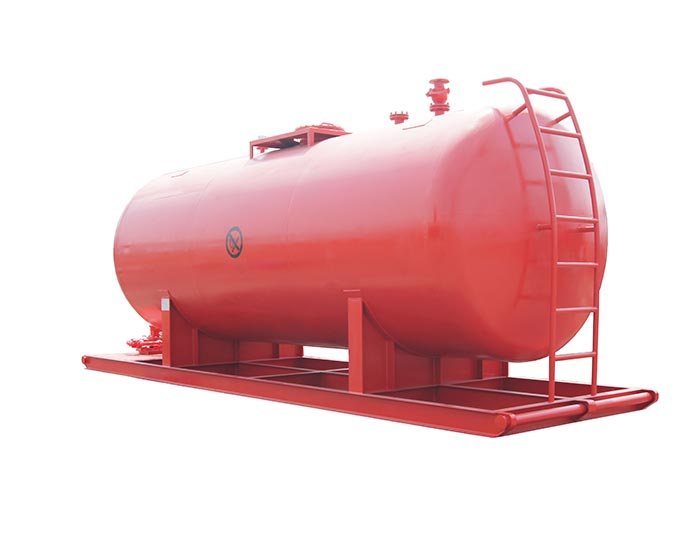 Diesel Tank
 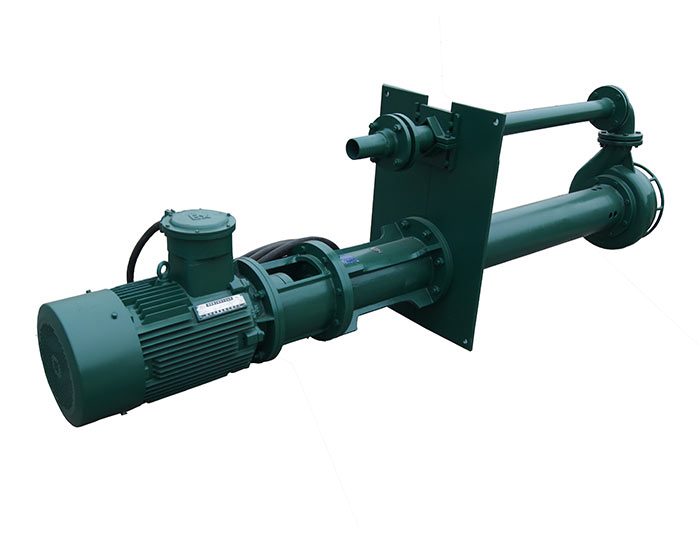 Submersible Slurry Pump