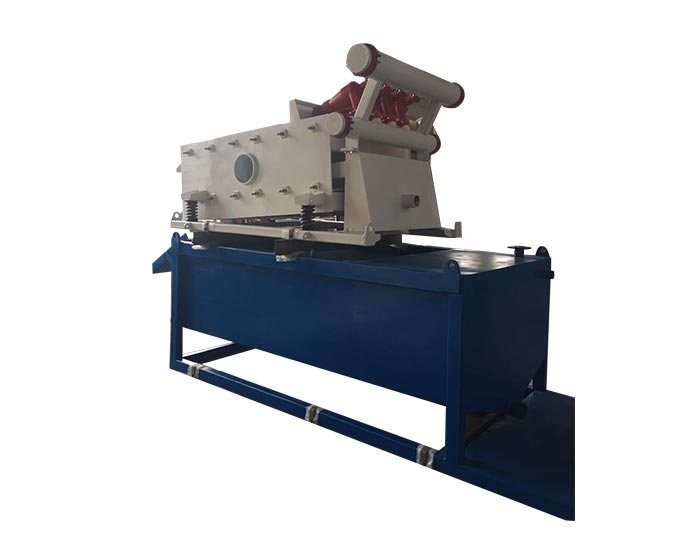
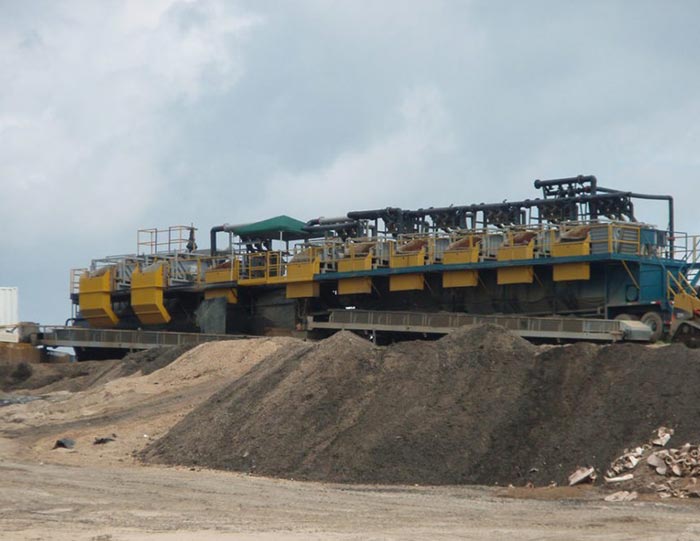
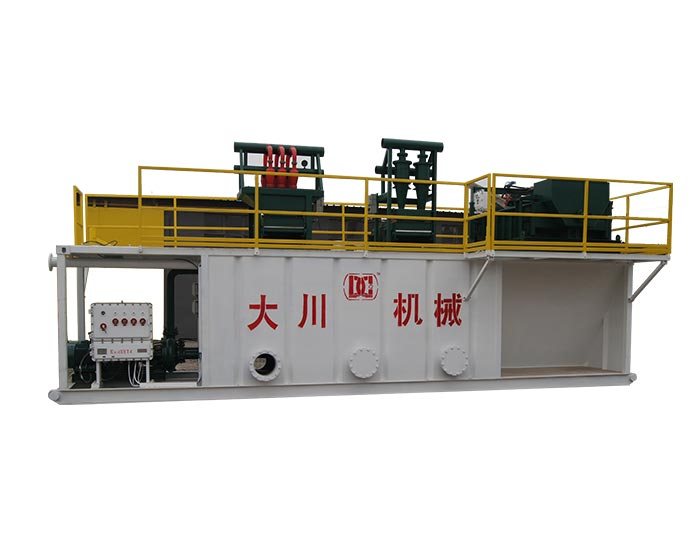
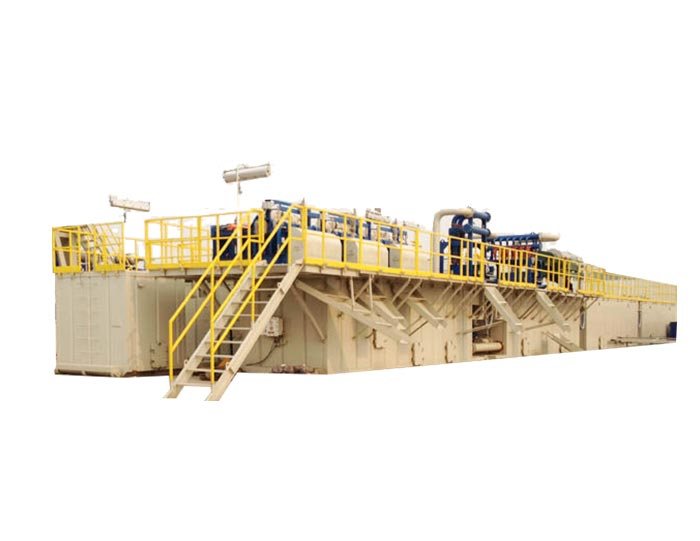
Well control safety is the lifeline of petroleum drilling operations, and mud degasser plays a pivotal role in mitigating gas-related hazards by removing dissolved and free gases from drilling mud. As core components of drilling mud cleaning systems, vacuum degasser and vacuum degasifier effectively prevent gas accumulation in the wellbore, avoiding catastrophic events such as blowouts. Tangshan Dachuan Machinery Co.,ltd., a professional enterprise focusing on the production, sales, after-sales, and maintenance of petroleum drilling mud cleaning equipment, manufactures high-performance mud degasser products—including vacuum degasser and vacuum degasifier—complementing its comprehensive lineup of drilling equipment like shale shakers, mud cleaners, and mud gas separators. With rigorous quality control and advanced engineering, the company’s degassing solutions deliver reliable gas removal performance, safeguarding well control safety in complex drilling environments. This article explores the critical role of mud degassers in well control, their operational principles, and key considerations for optimal performance.
Core Role of Mud Degasser in Well Control Safety
• Gas Removal to Prevent Wellbore Overpressure: The primary role of mud degasser in well control safety is to remove free and dissolved gases (such as methane, hydrogen sulfide, and carbon dioxide) from drilling mud. Gas influx into the wellbore increases mud viscosity and reduces its density, weakening the hydrostatic pressure that controls formation fluids. vacuum degasser and vacuum degasifier efficiently extract these gases, maintaining mud density and hydrostatic pressure balance to prevent wellbore overpressure and potential blowouts.
• Mitigation of Toxic and Flammable Gas Hazards: Many gases encountered in drilling (e.g., hydrogen sulfide) are toxic, while others (e.g., methane) are highly flammable. mud degasser ensures these hazardous gases are separated from drilling mud before being safely discharged or treated (e.g., via flare ignition devices). Tangshan Dachuan’s vacuum degasifier features sealed gas collection systems, minimizing the risk of gas leakage and protecting workers’ health and on-site safety.
• Maintenance of Mud Performance Stability: Gas contamination degrades drilling mud’s lubrication, suspension, and cooling properties, affecting drilling efficiency and equipment lifespan.vacuum degasser removes gas bubbles that disrupt mud homogeneity, ensuring the mud maintains its designed performance. This stability is crucial for consistent drilling operations and reduces the likelihood of equipment malfunctions that could compromise well control safety.
• Early Warning of Gas Influx: mud degasser operation data (such as gas removal volume and pressure changes) can serve as an early warning indicator of abnormal gas influx from formations. Sudden increases in gas output from the vacuum degasifier alert drilling teams to potential well control risks, enabling timely adjustments to drilling parameters or implementation of well control measures. Tangshan Dachuan’s degassers are equipped with real-time monitoring systems to facilitate this early warning function.
Operational Principles of Vacuum Degasser and Vacuum Degasifier
Degasser Type | Operational Principle | Key Components | Gas Removal Efficiency | Tangshan Dachuan Machinery Optimization |
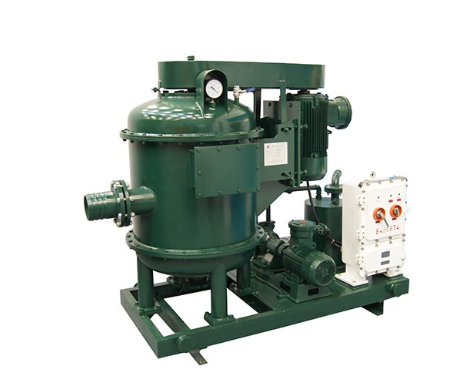
Vacuum Degasser | Creates a vacuum environment to reduce the partial pressure of gases in drilling mud, causing dissolved gases to escape as bubbles. The rotating impeller disperses mud into thin films, increasing the gas-liquid contact area for efficient separation. Separated gases are extracted by a vacuum pump and discharged to a safe treatment system. | Vacuum chamber, rotating impeller, vacuum pump, gas discharge pipe, mud inlet/outlet | High (removes 95%+ of free gases and 80%+ of dissolved gases) | Optimized impeller design for better mud dispersion; high-seal vacuum chamber to maintain vacuum stability; corrosion-resistant materials for harsh mud environments |
Vacuum Degasifier | Operates on the same vacuum-based principle as vacuum degasser but with enhanced gas-liquid separation mechanisms (e.g., multi-stage dispersion plates). It processes larger mud flow rates and is more effective at removing fine gas bubbles and low-concentration dissolved gases. | Multi-stage dispersion chamber, vacuum pump, gas-liquid separator, pressure control valve | Excellent (removes 98%+ of free gases and 85%+ of dissolved gases) | Multi-stage dispersion structure for improved gas extraction; intelligent pressure control system; integrated with mud agitators for uniform mud feeding |
Combined Mud Degasser System | Integrates vacuum degasser and vacuum degasifier with other mud cleaning equipment (e.g., shale shakers, desanders) to form a multi-stage gas removal system. First, large gas bubbles are removed by primary degassers, then fine bubbles by secondary vacuum degasifiers. | Vacuum degasser, vacuum degasifier, mud transfer pump, control panel | Superior (removes 99%+ of all gases in drilling mud) | Modular design for easy integration; centralized control system for coordinated operation; compatible with all Tangshan Dachuan mud cleaning equipment |
Factors Affecting Mud Degasser Performance in Well Control
• Vacuum Degree Control: The vacuum degree of vacuum degasser and vacuum degasifier directly affects gas removal efficiency. Too low a vacuum degree fails to fully extract dissolved gases, while excessive vacuum may cause mud boiling, affecting mud properties. Tangshan Dachuan’s mud degasser products feature adjustable vacuum control systems, allowing operators to optimize the vacuum degree based on mud gas content and well conditions.
• Mud Flow Rate Matching: The mud flow rate through the mud degasser must match its designed processing capacity. Excessive flow rates reduce gas-liquid contact time, leading to incomplete gas removal. Insufficient flow rates waste energy and reduce operational efficiency. Tangshan Dachuan’s degassers are available in multiple models with varying flow capacities, ensuring optimal matching with different drilling rig configurations.
• Mud Temperature and Viscosity: Higher mud temperatures increase gas solubility, making gas removal more challenging. High-viscosity mud hinders gas bubble movement and separation. For such conditions, vacuum degasifier with enhanced dispersion mechanisms is preferred. Tangshan Dachuan’s technical team provides customized degassing solutions for high-temperature, high-viscosity mud environments common in deep-well drilling.
• Equipment Maintenance Status: Regular maintenance of mud degasser components (e.g., vacuum pumps, seals, impellers) is critical for consistent performance. Worn seals reduce vacuum stability, while clogged impellers disrupt mud dispersion. Tangshan Dachuan offers comprehensive after-sales maintenance services for its vacuum degasser and vacuum degasifier products, including component replacement and performance calibration.
Operational Guidelines for Mud Degasser in Well Control Scenarios
• Pre-Operation Inspection: Before drilling starts, inspect the mud degasser (including vacuum degasser components, vacuum pump, gas discharge system, and seals) for damage or leakage. Verify that the control system and monitoring instruments are functioning properly. Tangshan Dachuan provides detailed pre-operation checklists to ensure all components meet operational requirements.
• Real-Time Monitoring During Drilling: Continuously monitor mud degasser performance parameters (gas removal volume, vacuum degree, mud flow rate) and wellbore conditions. In case of abnormal gas influx (indicated by sudden increases in gas output), increase the degasser’s operating intensity and alert the well control team immediately. Tangshan Dachuan’s degassers are equipped with real-time data transmission functions for centralized monitoring.
• Coordinate with Other Well Control Equipment: mud degasser should operate in coordination with other well control equipment (e.g., mud gas separator, flare ignition device). After gas removal, the separated gas is transported to the flare ignition device for safe combustion. Tangshan Dachuan’s integrated mud cleaning and well control systems are designed to ensure seamless coordination between these components.
• Emergency Response Procedures: In the event of a well control emergency (e.g., severe gas influx), maximize the vacuum degasifier’s gas removal capacity to reduce mud gas content. If the degasser malfunctions, switch to the backup unit immediately to maintain continuous gas removal. Tangshan Dachuan provides emergency maintenance support to minimize downtime during critical well control scenarios.
Mud Degasser FAQs
What Is the Difference Between Vacuum Degasser and Vacuum Degasifier
While both vacuum degasser and vacuum degasifier operate based on vacuum principles to remove gases from drilling mud, the key difference lies in performance and application scenarios. vacuum degasser is suitable for removing most free gases and moderate amounts of dissolved gases, ideal for general drilling conditions. vacuum degasifier features enhanced dispersion mechanisms (e.g., multi-stage plates) for higher gas removal efficiency, especially for fine gas bubbles and low-concentration dissolved gases, making it suitable for deep wells or high-gas-content drilling environments. Tangshan Dachuan offers both models to meet diverse operational needs.
Why Is Mud Degasser Essential for Well Control Safety
mud degasser is essential for well control safety because it prevents gas accumulation in the wellbore. Gas influx from formations reduces mud density and hydrostatic pressure, which can lead to wellbore overpressure and blowouts. By removing free and dissolved gases, mud degasser maintains mud density and hydrostatic pressure balance. Additionally, it mitigates hazards from toxic/flammable gases and ensures mud performance stability, which is critical for consistent drilling operations and equipment reliability—all key to safeguarding well control safety.
How to Optimize Vacuum Degasser Performance for High-Gas-Content Mud
To optimize vacuum degasser performance for high-gas-content mud: 1) Adjust the vacuum degree to the upper limit of the design range to enhance gas extraction. 2) Reduce the mud flow rate to extend gas-liquid contact time. 3) Ensure the impeller and dispersion components are clean and intact for effective mud dispersion. 4) Use a combined system with vacuum degasifier for multi-stage gas removal. Tangshan Dachuan’s technical team can also customize the degasser’s internal structure to improve performance in high-gas-content scenarios.
What Maintenance Measures Are Required for Mud Degasser to Ensure Well Control Reliability
Key maintenance measures for mud degasser include: 1) Regularly inspect and replace worn seals and gaskets to maintain vacuum stability. 2) Clean the impeller, dispersion plates, and gas discharge pipes to prevent clogging. 3) Calibrate vacuum pumps and monitoring instruments to ensure accurate performance data. 4) Conduct regular performance tests to verify gas removal efficiency. Tangshan Dachuan provides scheduled maintenance services and spare parts supply to ensure vacuum degasser and vacuum degasifier remain reliable for well control.
How Does Mud Degasser Cooperate with Other Drilling Mud Cleaning Equipment
mud degasser works in tandem with other drilling mud cleaning equipment in a comprehensive system: First, shale shakers remove large solid particles from mud. Then, desanders and desilters remove medium and fine solids. Next, vacuum degasser or vacuum degasifier removes gases from the cleaned mud. Finally, the treated mud (with stable density and no gas contamination) is recirculated into the wellbore. This integrated process ensures mud performance and well control safety. Tangshan Dachuan’s modular mud cleaning systems are designed to optimize the coordination between mud degasser and other equipment.



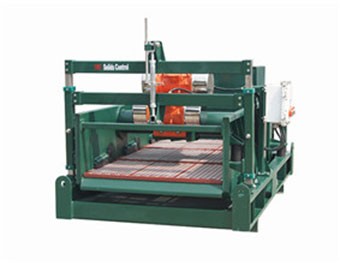 Linear Motion Shale Shaker In Drilling Rig
 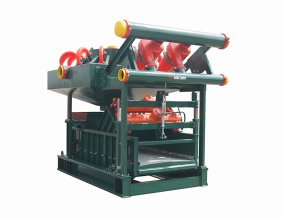 Oilfield Mud Cleaner
 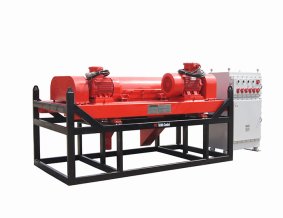 Drilling Fluid Decanter Centrifuge
 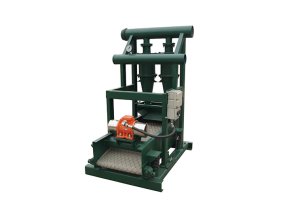 Drilling Mud Desander
 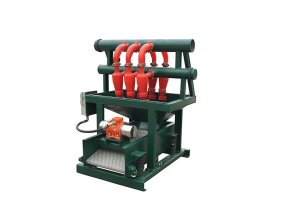 Hydrocyclone Desilter
 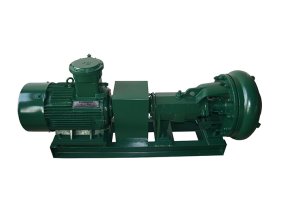 Centrifugal Pump/Centrifugal Mud Pump
 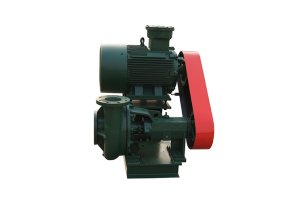 Shear Pump
 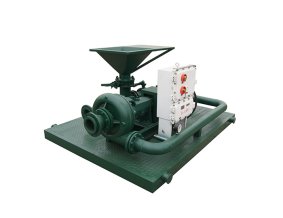 Jet Mud Mixer
 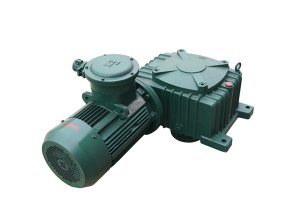 Horizontal Mud Agitator
 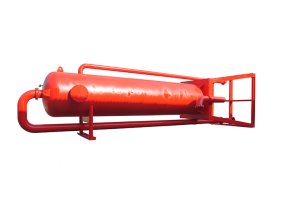 Constant Pressure Drilling Fluid Mud Gas Separator
 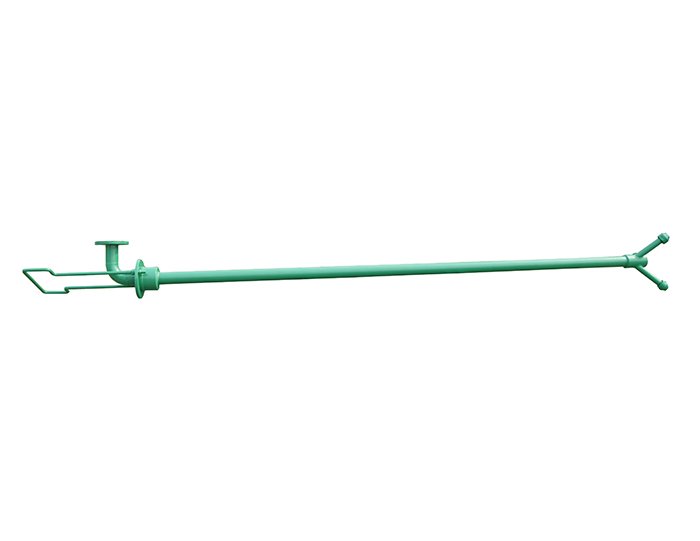 Mud Gun
  Mud Tank
 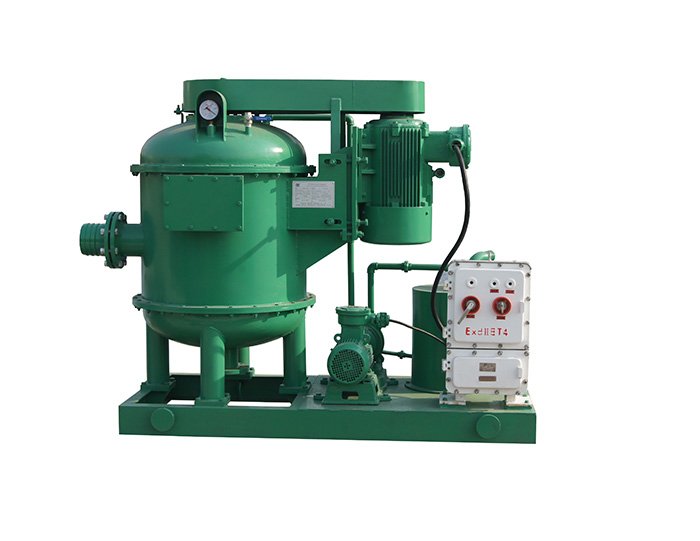 Solids Control System Vacuum Degasser
 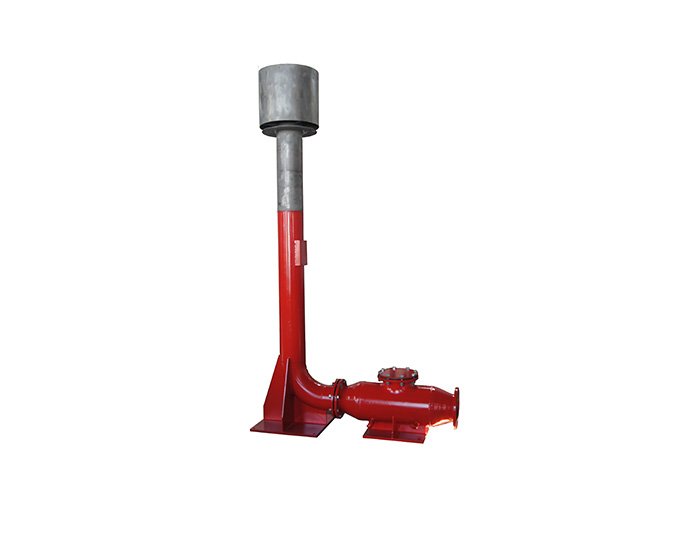 Flare Ignition Device
 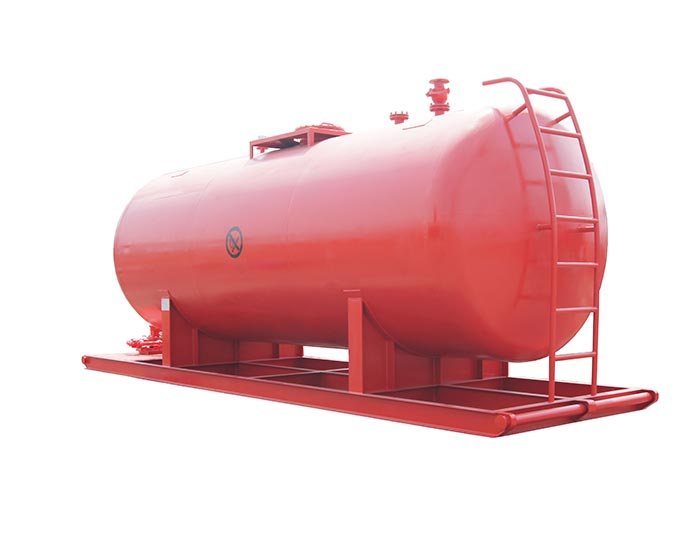 Diesel Tank
 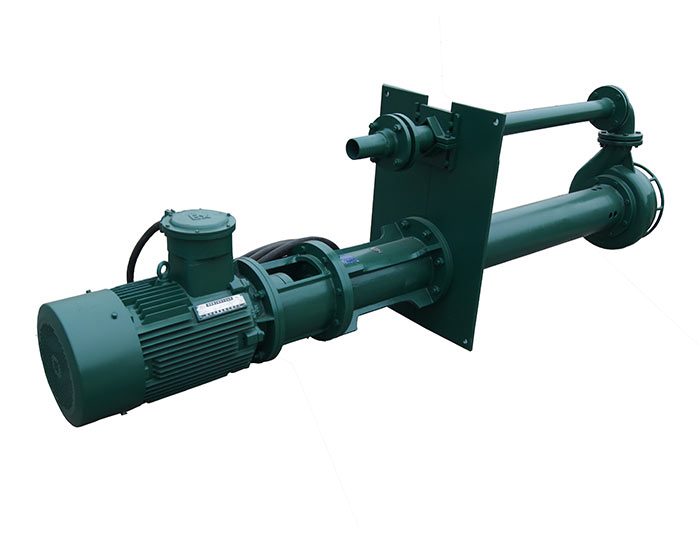 Submersible Slurry Pump