In the high-stakes environment of deep-borehole exploration, the efficiency of a drilling operation is often dictated by the purity of the circulating fluid. The oilfield mud cleaner stands as a sophisticated sentinel in this process, representing the second and third stages of solids control integrated into a single, compact unit. For a specialized manufacturer like Tangshan Dachuan Machinery Co., Ltd., the development of these systems is a response to the industry's need for a machine that can handle high flow rates while removing microscopic particles that would otherwise compromise the integrity of the wellbore.
The integration of a drilling mud cleaner into the circulation system allows operators to maintain a "closed-loop" environment, significantly reducing the consumption of expensive chemical additives and base fluids. By combining the centrifugal separation power of hydrocyclones with the fine-mesh filtration of a high-frequency shale shaker, the mud cleaner achieves a level of precision that individual components cannot reach alone. This synergy is essential for modern drilling, where the cost of fluid loss and the risk of equipment wear are at an all-time high.
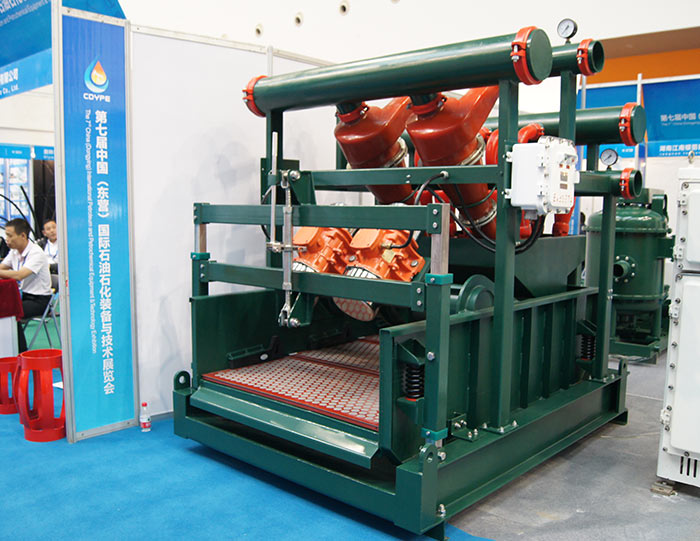
Engineering Synergy within the Oilfield Mud Cleaner
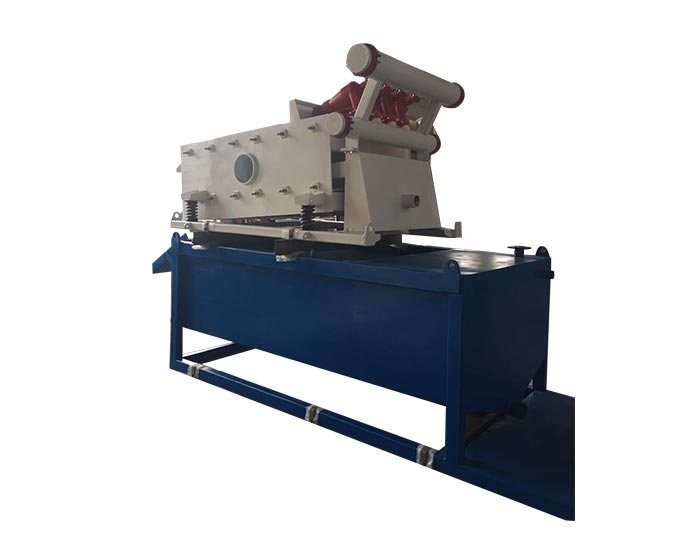
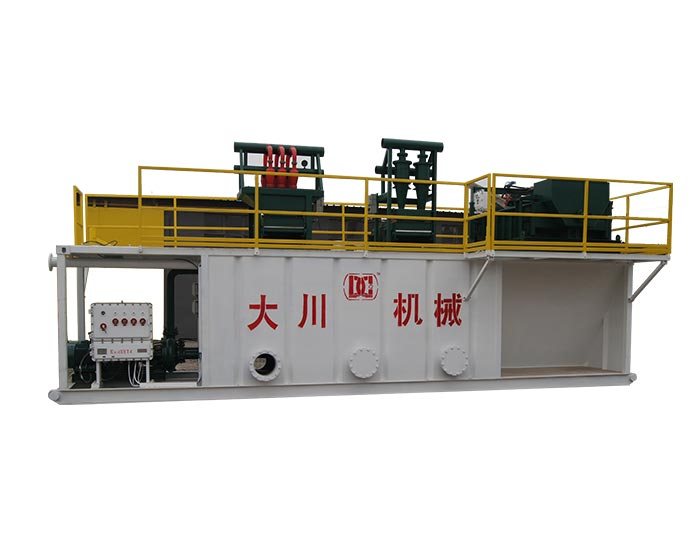
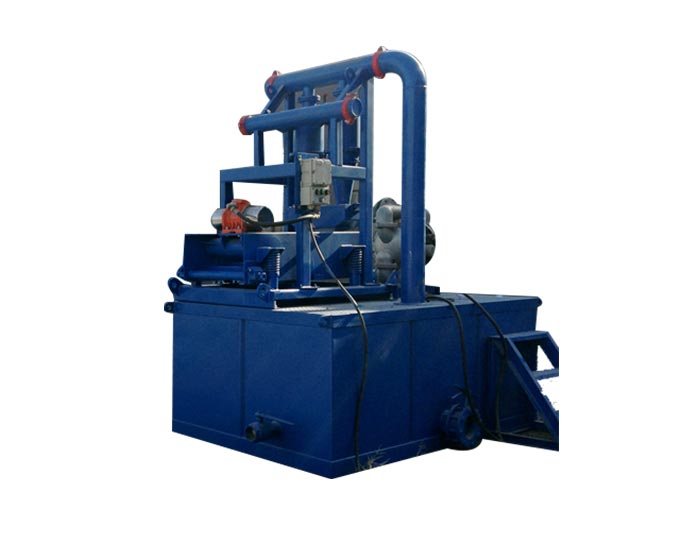
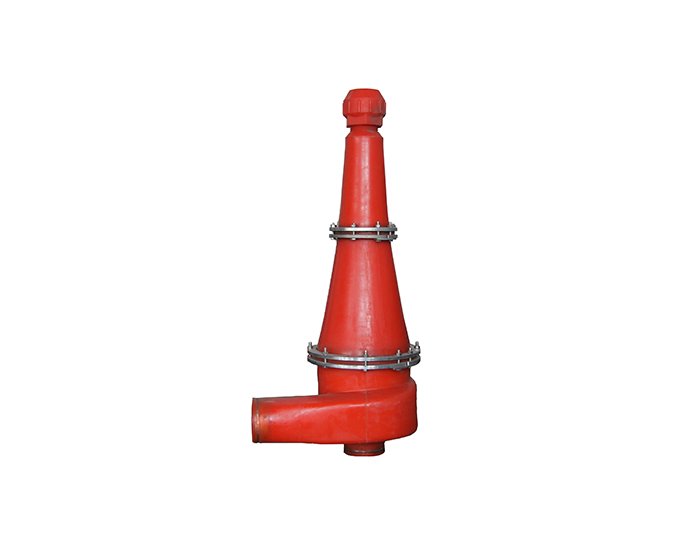
The anatomical design of an oilfield mud cleaner is a masterclass in space-saving engineering. It consists of a cluster of desander cones (typically 10 to 12 inches) and desilter cones (4 inches) mounted directly above a high-G force linear motion shaker. This configuration allows the drilling fluid to undergo two distinct phases of mechanical separation simultaneously. As the mud is pumped into the hydrocyclone headers, the centrifugal force flings the heavier solids to the outer walls of the cone, discharging them as a concentrated slurry onto the shaker screen below.
What makes the mud cleaner drilling process unique is the "underflow" treatment. In a standard setup without a mud cleaner, the liquid discharged from the bottom of the hydrocyclones is often discarded along with the solids. However, the mud cleaner’s integrated shaker allows for the recovery of the liquid phase, returning expensive weighted fluids like barite back into the active system while only discarding the dry, solid waste. This capability is vital for maintaining the specific gravity of the mud without constantly adding new materials, directly impacting the economic viability of the project.
Operational Dynamics of a Mud Cleaner in Drilling Rig Environments
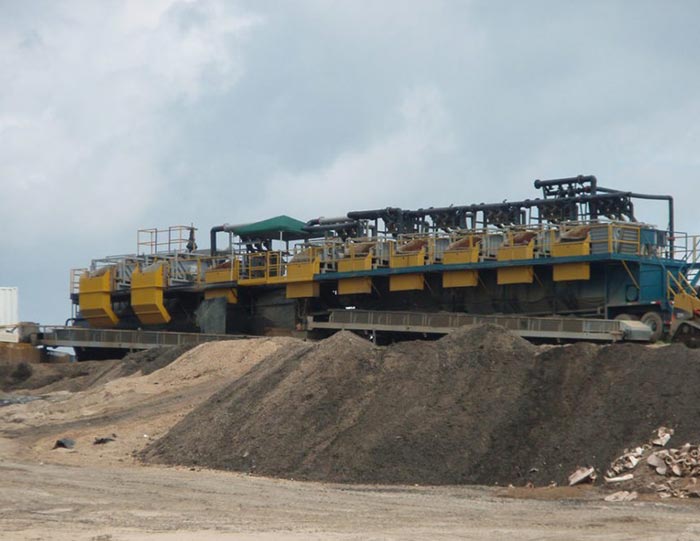
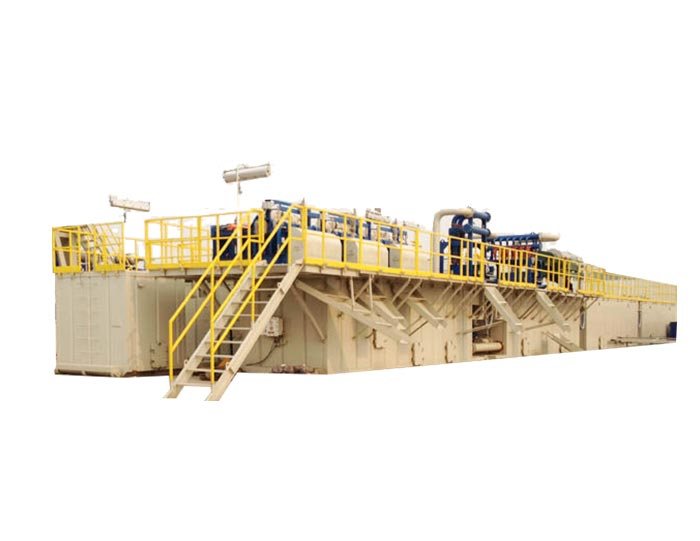
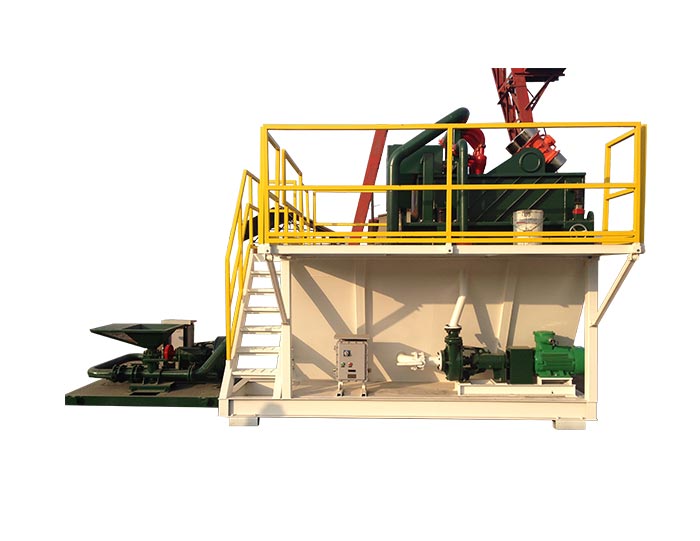
The placement and operation of a mud cleaner in drilling rig setups are strategically planned to maximize fluid recovery. Usually positioned after the primary shale shakers and vacuum degasser, the mud cleaner acts as the final "polishing" stage before the fluid reaches the suction tanks. In high-density mud systems, the mud cleaner is particularly valuable because it allows for the removal of fine "drilled solids" (which cause wear and increase viscosity) while retaining "added solids" (like barite) that are essential for wellbore pressure control.
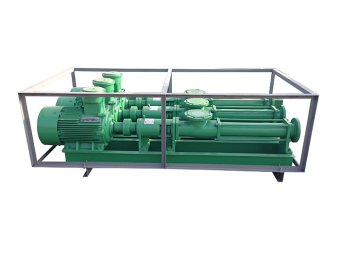
The performance of a drilling mud cleaner is highly dependent on the pressure supplied by the centrifugal pumps. If the pressure is too low, the centrifugal force within the cones will be insufficient to separate the silts; if it is too high, it can lead to excessive wear on the polyurethane cone linings. The senior engineers at Tangshan Dachuan Machinery focus on the hydraulic balance of the manifold to ensure that each cone receives a uniform flow, maximizing the separation efficiency across the entire unit. This mechanical precision ensures that the mud remains within the "wellbore window," providing the necessary hydrostatic pressure to prevent blowouts while ensuring the bit remains cool and lubricated.
The Evolution of the Mud Cleaner System for High-Precision Drilling
As drilling operations move toward horizontal and extended-reach wells, the demands on the mud cleaner system have become increasingly complex. These wells generate a higher volume of fine "flour" cuttings that can quickly degrade mud properties if not removed. Modern systems now utilize advanced polyurethane materials for the cones, which offer superior abrasion resistance and a longer lifespan compared to traditional cast-iron versions.
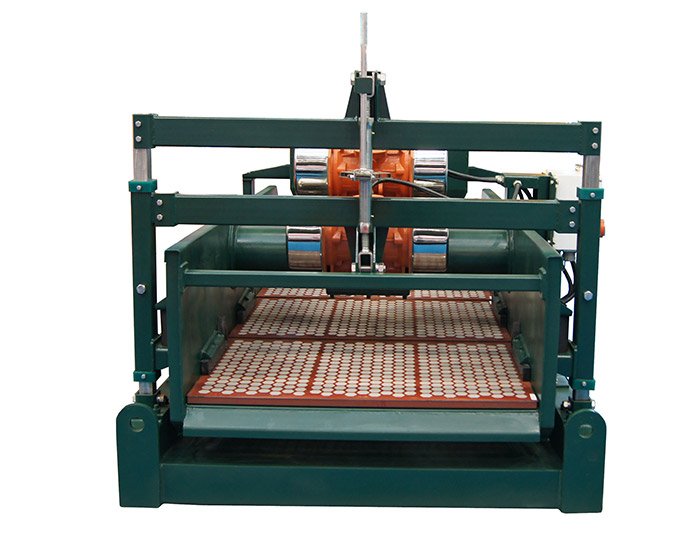
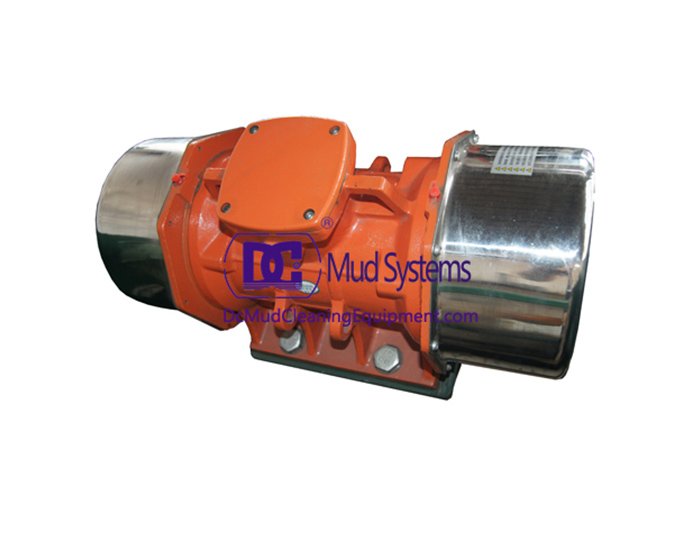
Furthermore, the "shaker" portion of the mud cleaner drilling unit has seen significant innovation. Manufacturers are now utilizing variable frequency drives (VFDs) to adjust the vibration intensity based on the mud's viscosity and the volume of solids being processed. This allows the operator to fine-tune the "dryness" of the discarded cuttings, ensuring that the environmental impact is minimized and that every drop of reusable fluid is recovered. This level of technical sophistication is supported by collaborations with professional institutes to ensure that the equipment can handle the high-precision requirements of the global export market.
Maintenance and Material Integrity in Harsh Oilfield Conditions
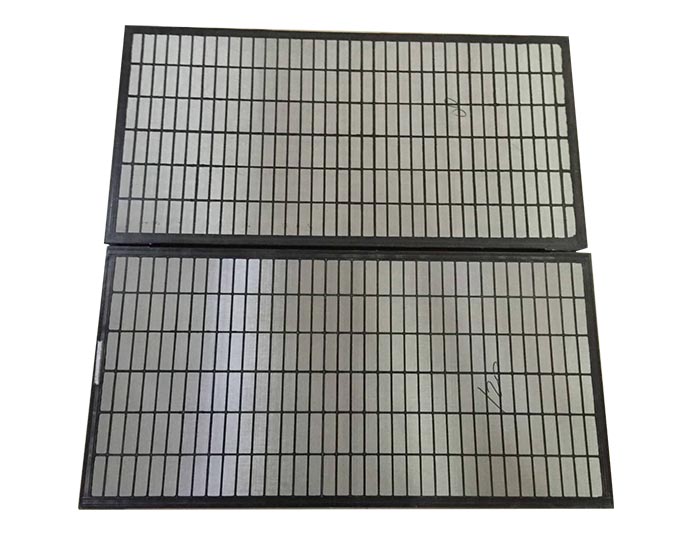
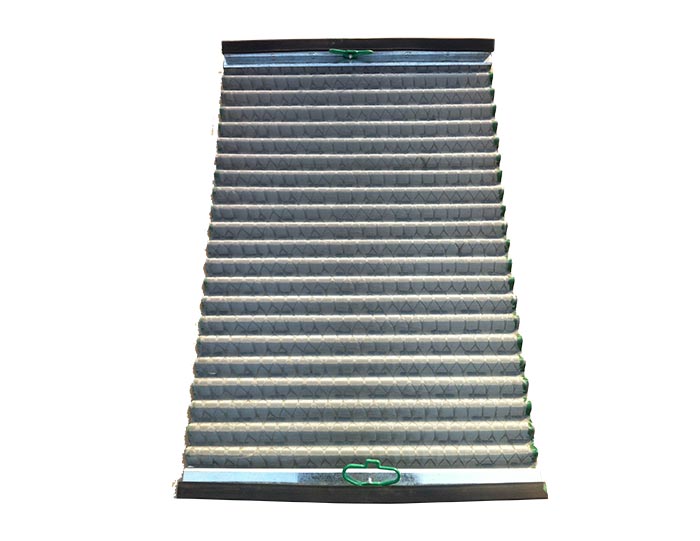
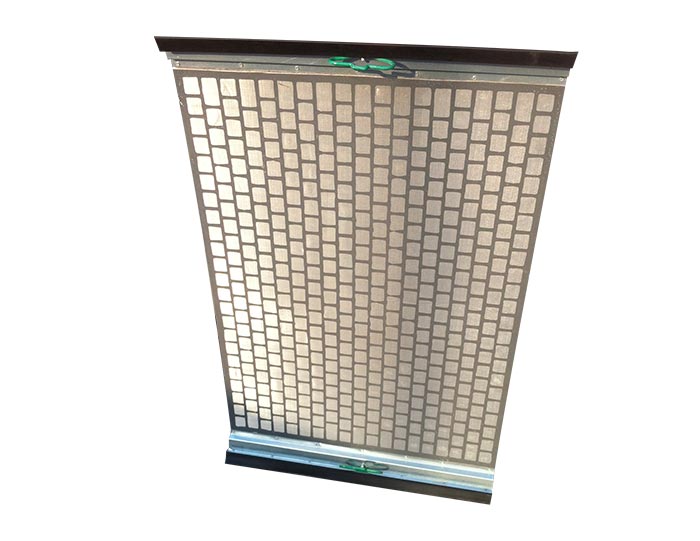
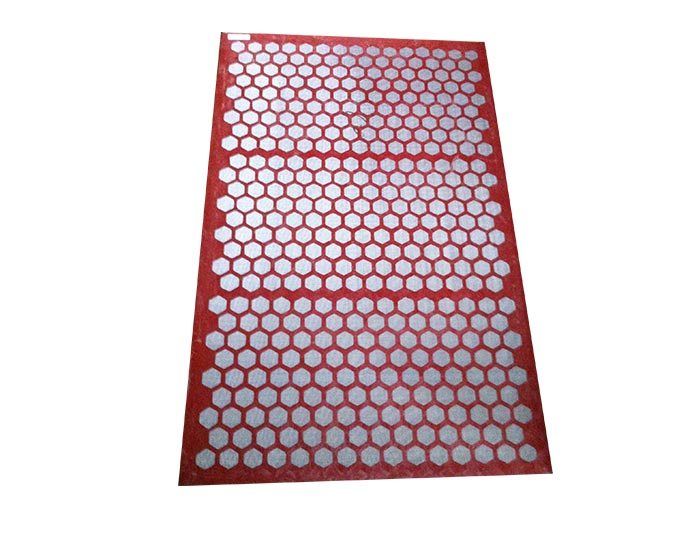
The longevity of an oilfield mud cleaner is a testament to the materials used in its construction. Because the unit is subjected to constant vibration and the abrasive flow of sand-laden mud, the frame must be built from high-strength structural steel and treated with heavy-duty anti-corrosion coatings. The screens used in the lower shaker are often made of multiple layers of stainless steel wire cloth, designed to resist blinding and provide a high percentage of open area for fluid throughput.
At Tangshan Dachuan Machinery, the management principle of "good quality and best service" is embodied in the after-sales support provided for these units. With 15 senior artisans and 15 senior engineers on staff, the company ensures that every mud cleaner system is accompanied by the technical consulting necessary for field maintenance. Regular inspection of the cone nozzles for "roping" (a sign of overloading) and the monitoring of shaker motor temperatures are essential tasks that prevent unscheduled downtime. This commitment to "considerate service" ensures that the equipment remains a reliable asset on the rig floor for the duration of its operational life.

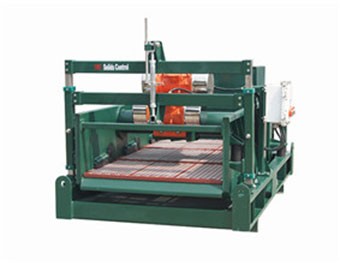 Linear Motion Shale Shaker In Drilling Rig
 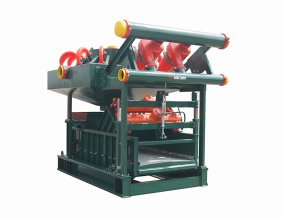 Oilfield Mud Cleaner
 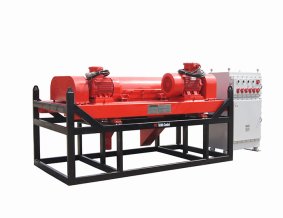 Drilling Fluid Decanter Centrifuge
 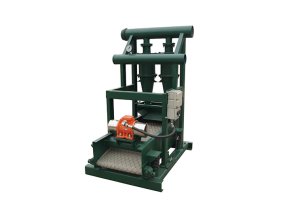 Drilling Mud Desander
 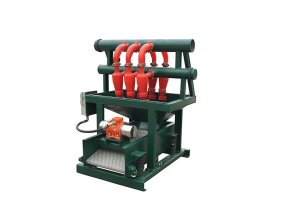 Hydrocyclone Desilter
 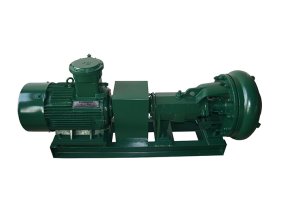 Centrifugal Pump/Centrifugal Mud Pump
 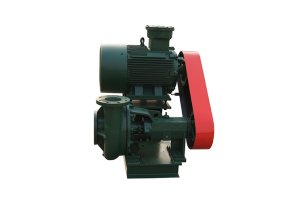 Shear Pump
 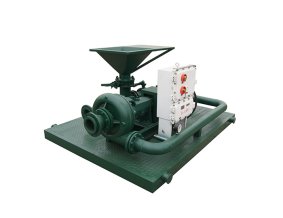 Jet Mud Mixer
 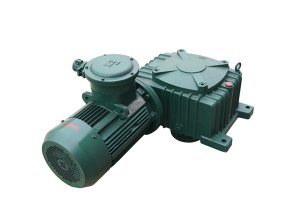 Horizontal Mud Agitator
 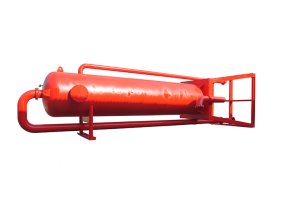 Constant Pressure Drilling Fluid Mud Gas Separator
  Mud Gun
  Mud Tank
  Solids Control System Vacuum Degasser
  Flare Ignition Device
 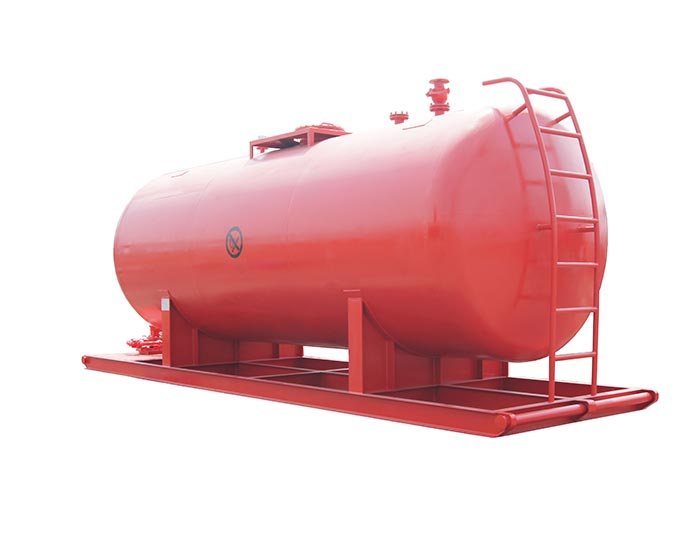 Diesel Tank
 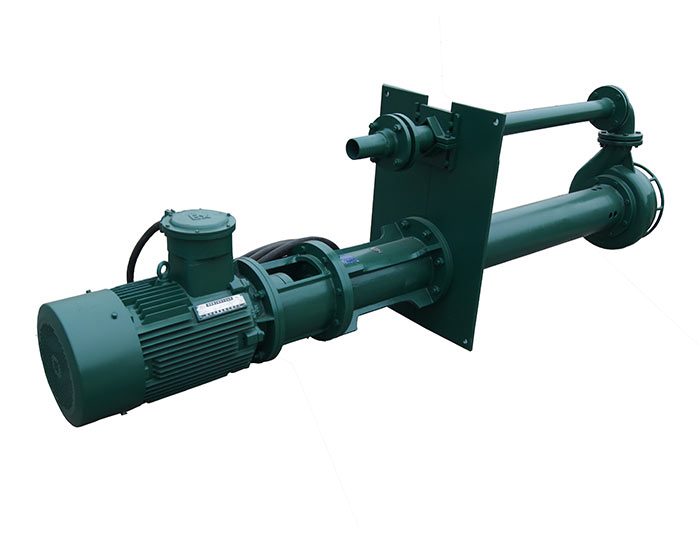 Submersible Slurry Pump