In the high-pressure world of petroleum drilling and trenchless mud recovery, the quality of the circulating fluid is the primary factor determining the success of the operation. As drilling fluid descends into the borehole, it performs the critical tasks of cooling the bit, lubricating the drill string, and carrying rock cuttings to the surface. However, once those cuttings arrive at the rig, they must be meticulously removed to prevent the mud from becoming an abrasive slurry. While primary shale shakers handle large debris, the removal of microscopic silts—particles that can wreak havoc on mud pumps and downhole motors—relies entirely on the efficiency of desilter cones.
For specialized manufacturers like Tangshan Dachuan Machinery Co., Ltd., the development of high-performance solids control equipment is a pursuit of precision. By optimizing the geometry and material composition of these units, engineers can ensure that the "lifeblood" of the rig remains chemically stable and physically non-destructive. Understanding the relationship between cone design and separation performance is essential for any operator aiming to maximize their rate of penetration while minimizing non-productive time.
The Physics of Centrifugal Classification in Desilter Cones
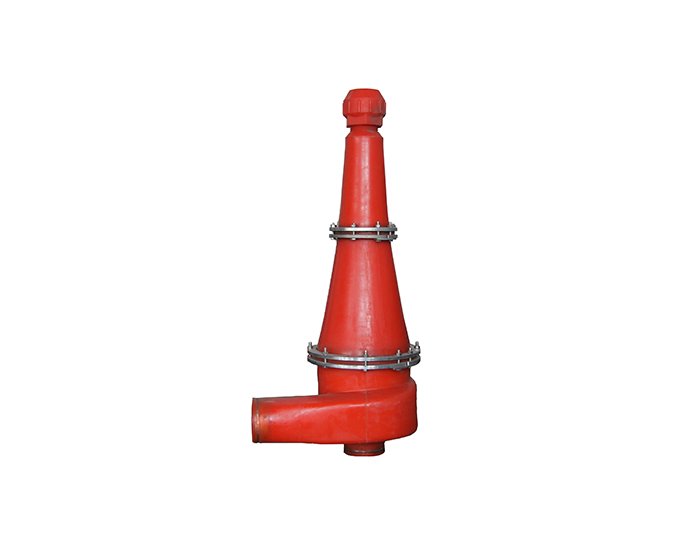
The operational core of a hydrocyclone desilter is the conversion of fluid pressure into high-velocity centrifugal energy. Unlike mechanical filters that use a physical mesh to block particles, these cones utilize the principle of accelerated sedimentation. When drilling mud is injected tangentially into the cylindrical top of the cone, it creates a powerful internal vortex. As the fluid spirals downward into the narrowing conical section, the velocity increases, generating G-forces that can be hundreds of times stronger than gravity.
The primary function of the desilter cones is to classify solids by mass. The heavier silt particles are flung toward the outer walls of the polyurethane cone and descend toward the bottom opening, known as the apex. Meanwhile, a secondary, upward-moving vortex forms in the center of the cone, carrying the cleaned, lighter liquid through the top overflow. The efficiency of this separation is determined by the "cut point," which is the specific particle size that the cone can effectively remove. For most desiltering operations, this targets the 15-to-44-micron range—particles that are far too small for shale shakers to catch but large enough to cause significant erosion if left in the system.
Optimizing Separation with Integrated Desander Desilter Cones
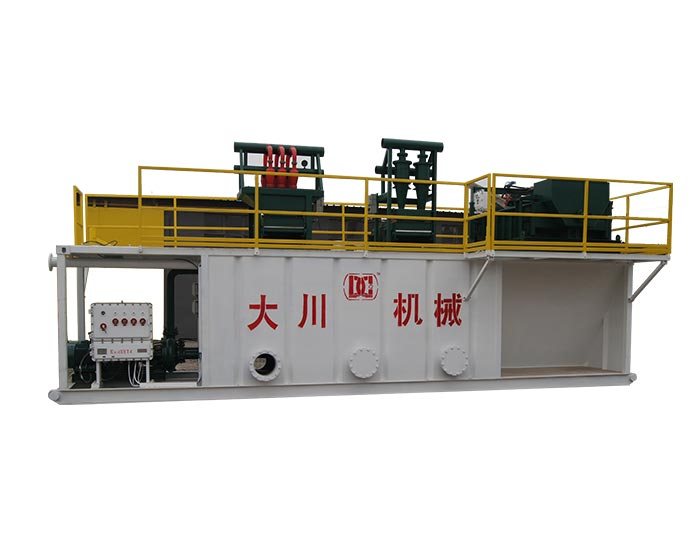
In many modern mud systems, the separation process is a multi-staged effort that utilizes both desander desilter cones in a coordinated manifold. The desander, typically utilizing 10-inch or 12-inch cones, removes larger sands (47 to 74 microns) before the fluid reaches the desilter bank. The 4-inch desilter cones then perform the final "polishing." Integrating these two stages prevents the smaller desilter cones from becoming overwhelmed or plugged by larger particles, ensuring a smoother flow and more consistent separation performance.
The synergy between these components is a hallmark of the technology service provided by Tangshan Dachuan Machinery. By matching the requirements of the customer’s specific geological formation, engineers can configure the number and size of the cones to handle the expected flow rates and solids loading. A well-balanced manifold ensures that the pressure remains equal across all desander desilter cones, preventing a situation where some cones are "roping"—discharging too much liquid—while others are underperforming. This level of mechanical precision is what ensures the efficiency in the production of the customers, even when drilling through high-viscosity or high-density mud programs.
Selecting Superior Desilters Material for Harsh Environments
The internal environment of a hydrocyclone is incredibly hostile. High-velocity mud laden with abrasive sand and silt acts like a sandblaster against the inner walls of the cone. Consequently, the choice of desilters material is the most critical factor in determining the equipment's lifespan and performance stability. Historically, cones were made of cast iron or rubber-lined steel, but these were prone to rapid erosion and internal scaling, which disrupted the vortex and ruined the separation cut point.
Modern, high-performance desilters products have moved exclusively toward high-grade polyurethane. This material offers a unique combination of structural rigidity and elastic resilience. Polyurethane is naturally resistant to the abrasive force of the silt and can withstand the chemical additives often found in oil-based or polymer muds. Furthermore, the smooth, non-porous surface of polyurethane ensures that the fluid moves with minimal friction, maintaining the integrity of the internal vortex. Tangshan Dachuan Machinery’s commitment to "ensuring the good quality" means utilizing premium materials that can survive the 24/7 rigors of the oilfield, providing a longer service life and reducing the frequency of parts replacement.
Strategic Impact of High-Precision Desilters Products
When a rig utilizes advanced desilters products, the benefits ripple through the entire operation. By maintaining a low "sand content" and "silt content," the operator protects the expensive liners and valves of the high-pressure mud pumps. Cleaner mud also results in a thinner, tougher filter cake on the wellbore wall, which significantly reduces the risk of differential sticking—a common and costly problem in horizontal or deviated wells.
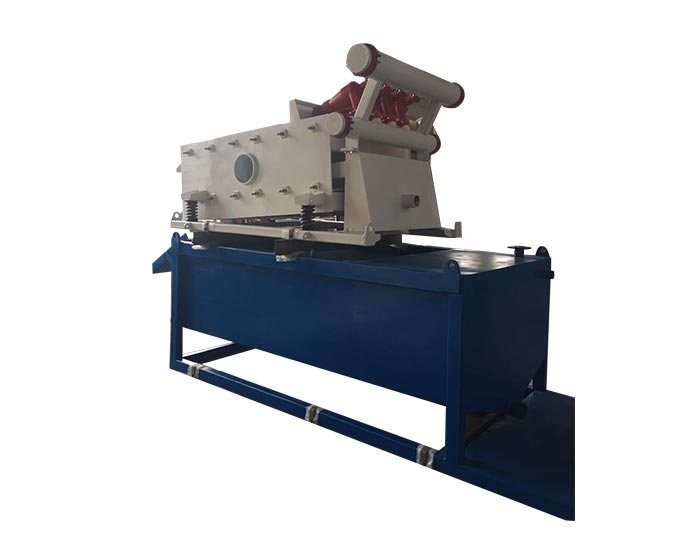
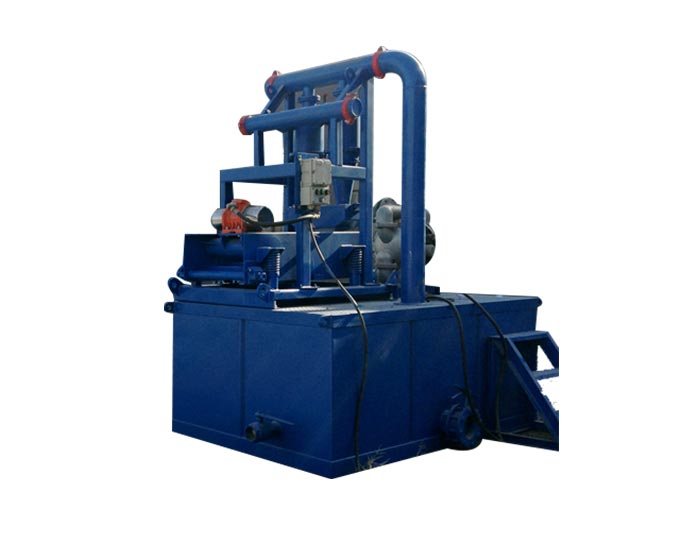
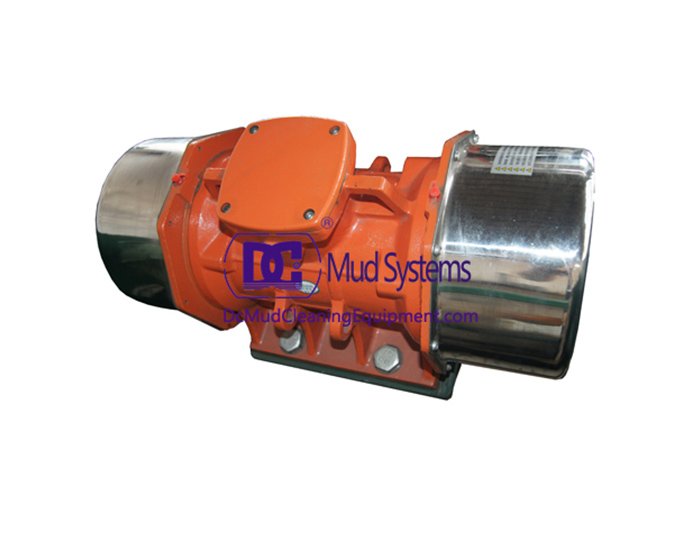
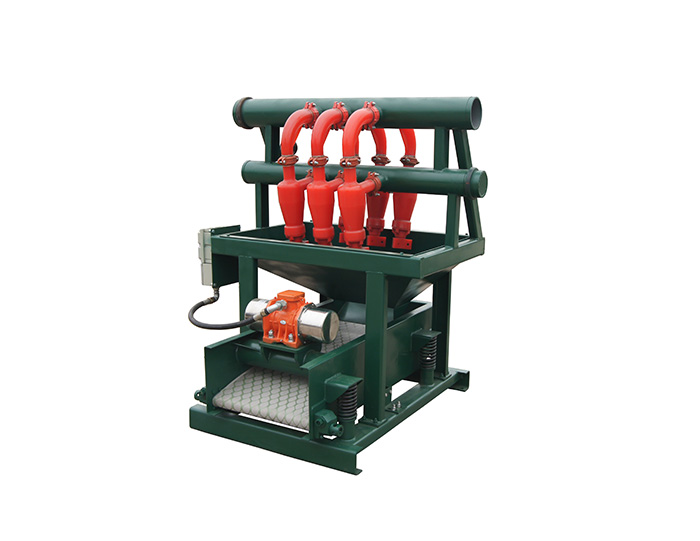
Furthermore, the design of the hydrocyclone desilter system often involves mounting the cones over a high-frequency vibrating shaker. This "mud cleaner" configuration allows for the recovery of expensive liquid phases and weighting agents like barite, while discharging only the dry solid waste. This is a vital component of the "aim to supply the most advanced equipment" that Tangshan Dachuan Machinery pursues. By reducing the volume of waste and maximizing the reuse of drilling fluids, the desilter becomes not just a piece of separation equipment, but a critical tool for environmental stewardship and cost control.

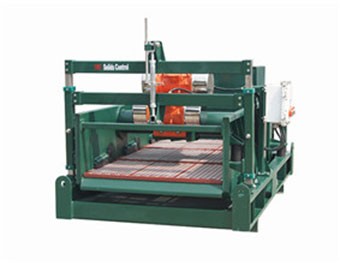 Linear Motion Shale Shaker In Drilling Rig
 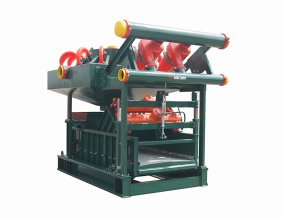 Oilfield Mud Cleaner
 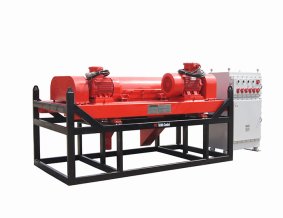 Drilling Fluid Decanter Centrifuge
 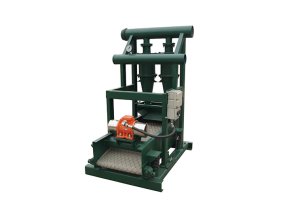 Drilling Mud Desander
 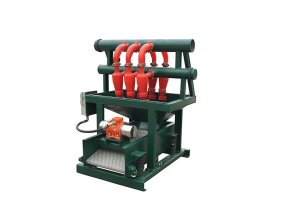 Hydrocyclone Desilter
 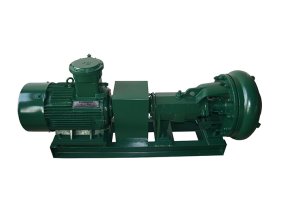 Centrifugal Pump/Centrifugal Mud Pump
 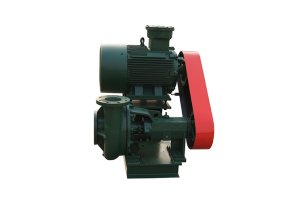 Shear Pump
 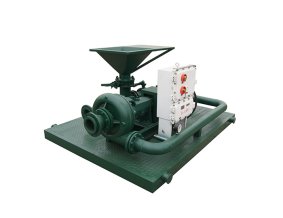 Jet Mud Mixer
 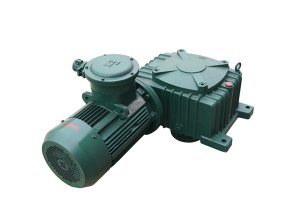 Horizontal Mud Agitator
 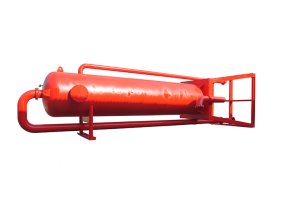 Constant Pressure Drilling Fluid Mud Gas Separator
 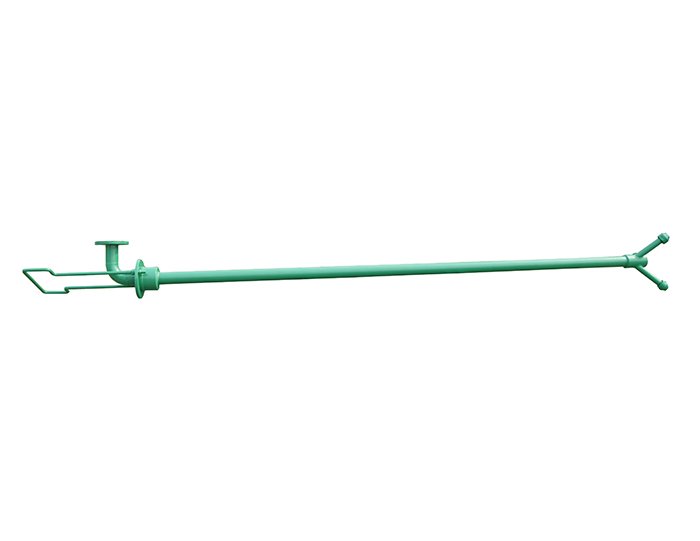 Mud Gun
  Mud Tank
 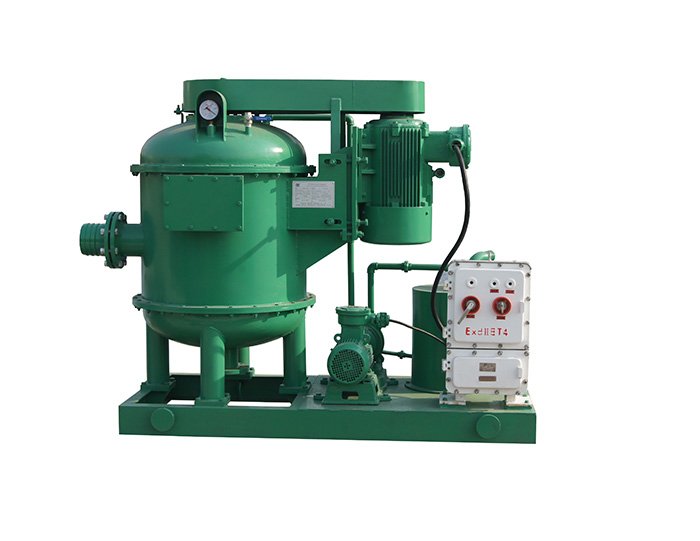 Solids Control System Vacuum Degasser
 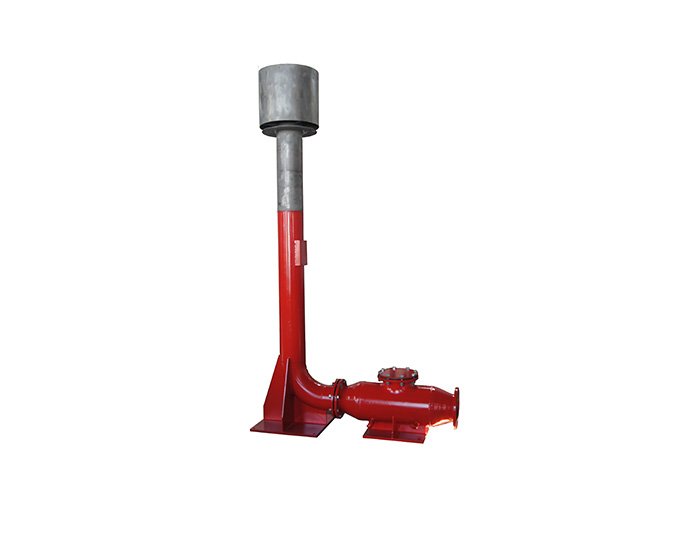 Flare Ignition Device
 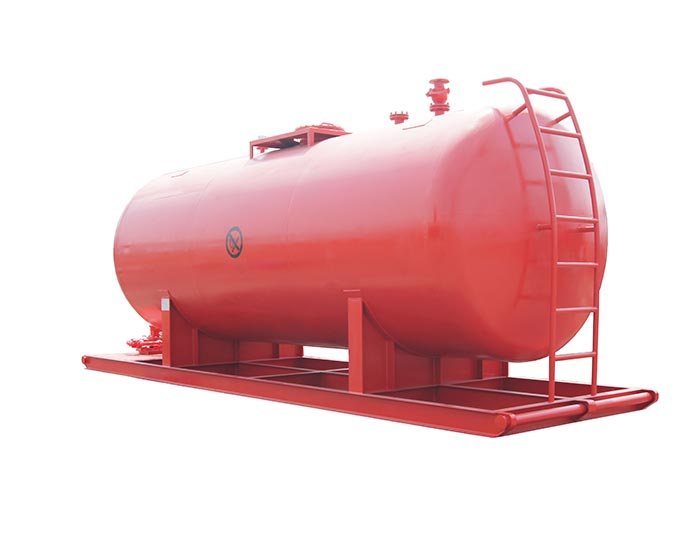 Diesel Tank
 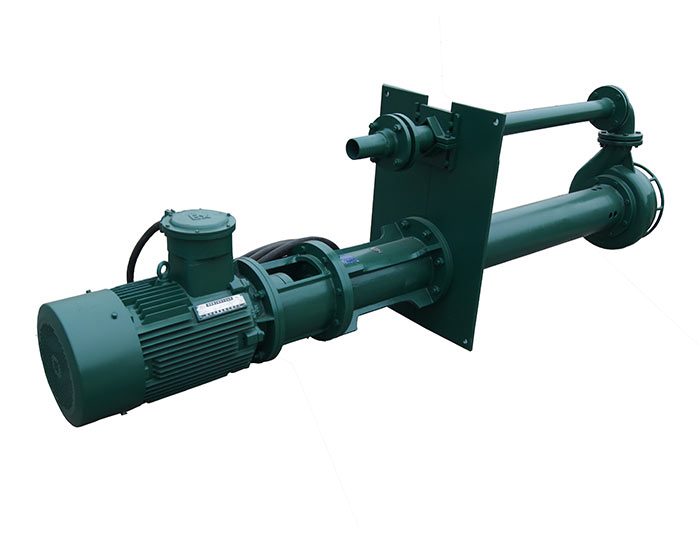 Submersible Slurry Pump