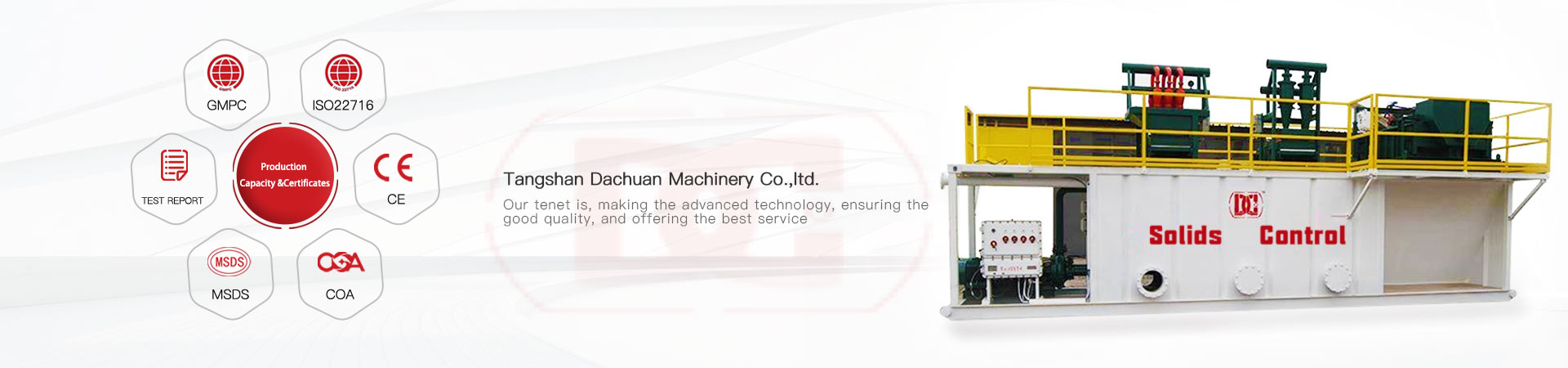
In the high-stakes world of energy exploration, the success of a project often hinges on the invisible efficiency of the surface circulation loop. While the derrick and the drill bit often capture the spotlight, the drilling mud tank serves as the critical nervous system of the entire operation. This infrastructure is responsible for housing, treating, and conditioning the drilling fluid that stabilizes the borehole, cools the bit, and carries geological data to the surface. For a specialized manufacturer like Tangshan Dachuan Machinery Co., Ltd., the development of these systems represents a fusion of heavy-duty fabrication and sophisticated fluid engineering.
The complexity of a modern mud tank system reflects the evolution of the oil and gas industry itself. No longer simple "buckets" for storage, these units are now integrated laboratories where the chemical and physical properties of mud are meticulously managed. As drilling targets become deeper and more geologically challenging, the demand for high-precision equipment has led to a new generation of tanks that prioritize environmental containment, mechanical reliability, and rapid processing speeds.
The Structural Integrity of the Drilling Mud Tank
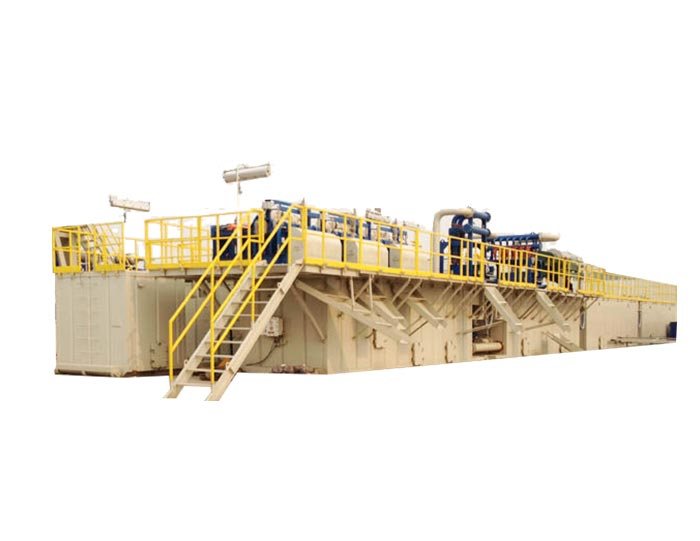
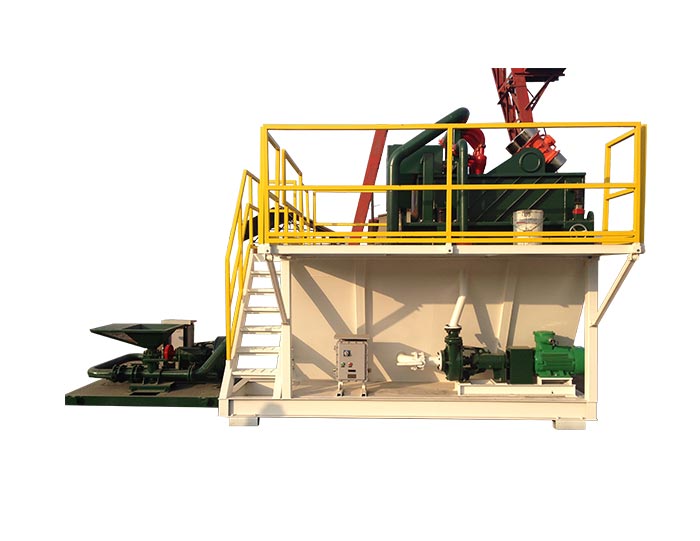
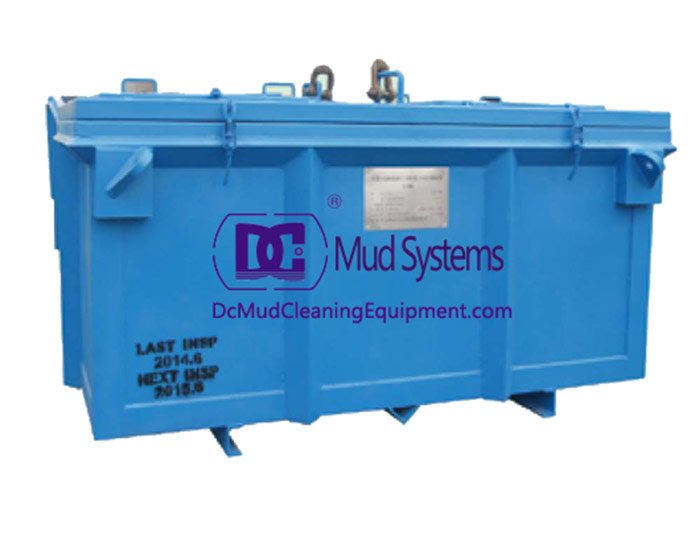
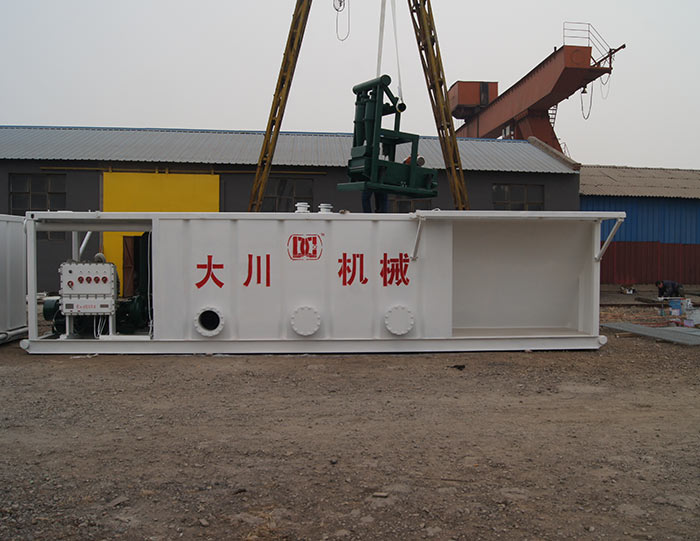
The physical construction of a drilling mud tank must withstand extreme conditions, from the freezing tundras to the scorching heat of desert oilfields. Engineers utilize high-grade carbon steel plates, often reinforced with corrugated walls, to ensure that the structure can handle the massive hydrostatic pressure of weighted fluids. The design philosophy behind these tanks focuses on durability and ease of transport. Given the mobile nature of drilling rigs, these tanks are often skid-mounted or designed with oilfield-three-runner bases to allow for quick loading and unloading via winch trucks.
Internal coating is another area where technical expertise is paramount. The interior of a mud tank drilling unit is subjected to abrasive rock cuttings and corrosive chemical additives. To prevent premature failure, manufacturers apply specialized glass-flake epoxy or polyurethane coatings that provide a barrier against oxidation and chemical erosion. This attention to detail ensures that the tank remains a clean environment, preventing rust or scale from contaminating the drilling fluid and potentially damaging the high-pressure mud pumps.
Optimizing Fluid Velocity and Settling in Drilling Mud Tank Systems
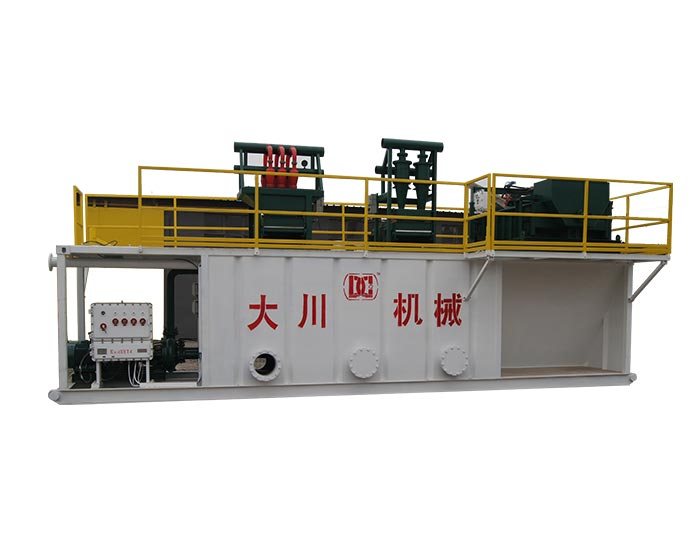
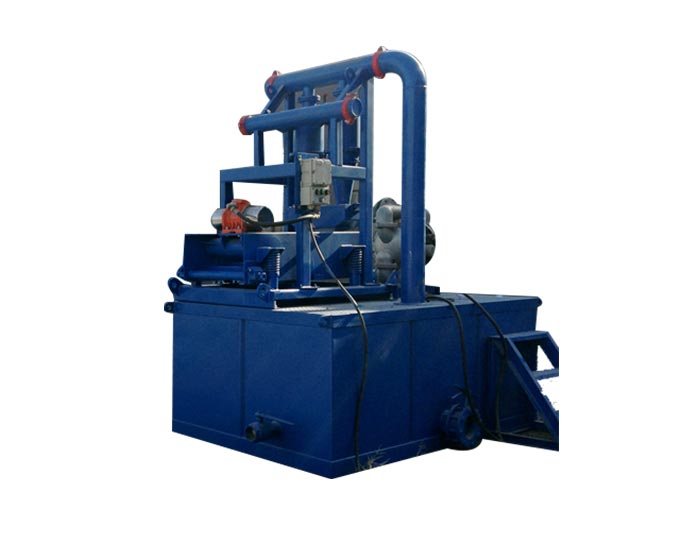
One of the primary functions of drilling mud tank systems is to facilitate the separation of drilled solids from the liquid phase. This is achieved through a combination of mechanical intervention and natural sedimentation. The tank is strategically divided into compartments, such as the settling tank, the suction tank, and the mixing tank. As the mud enters the settling compartment, its velocity is reduced, allowing gravity to pull larger particles to the bottom.
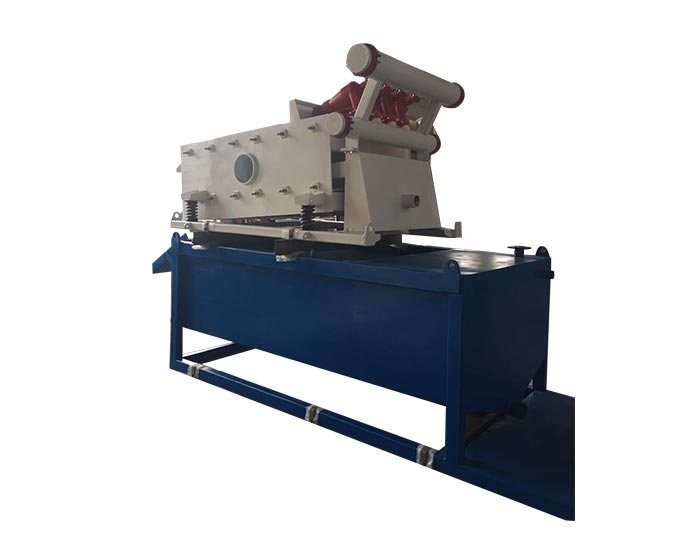
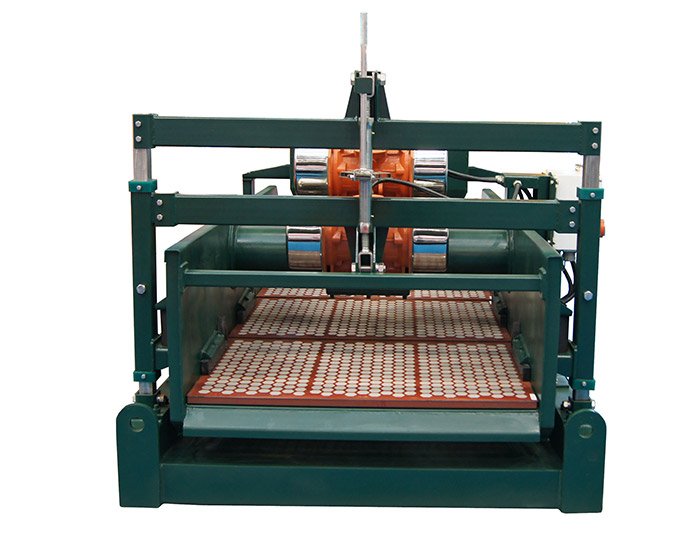
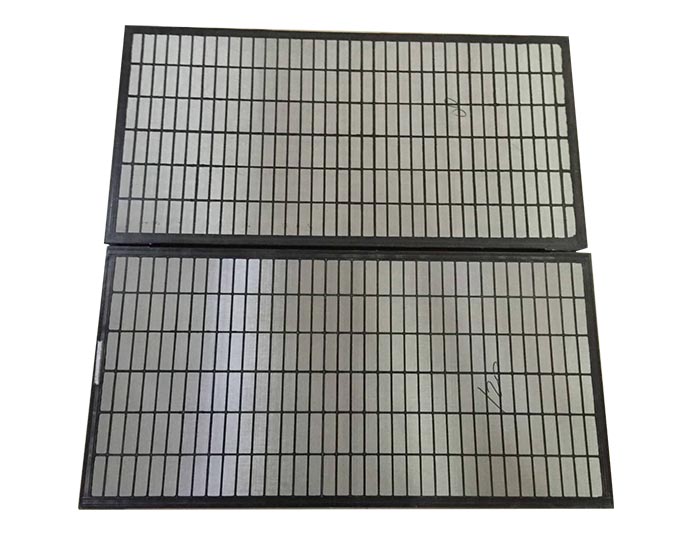
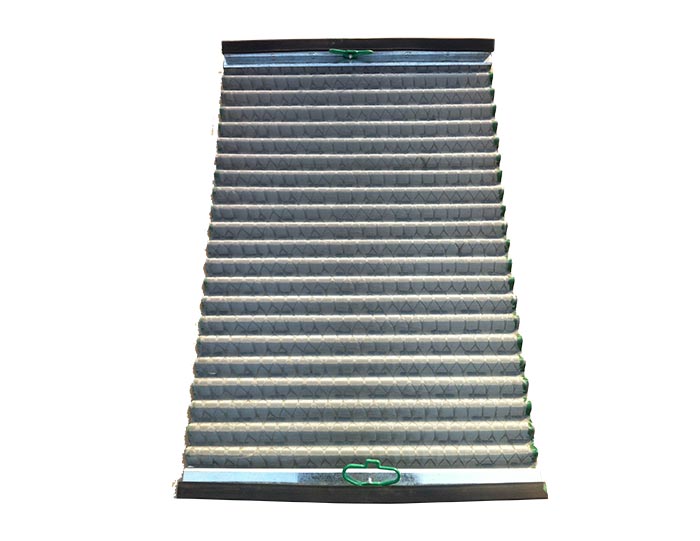
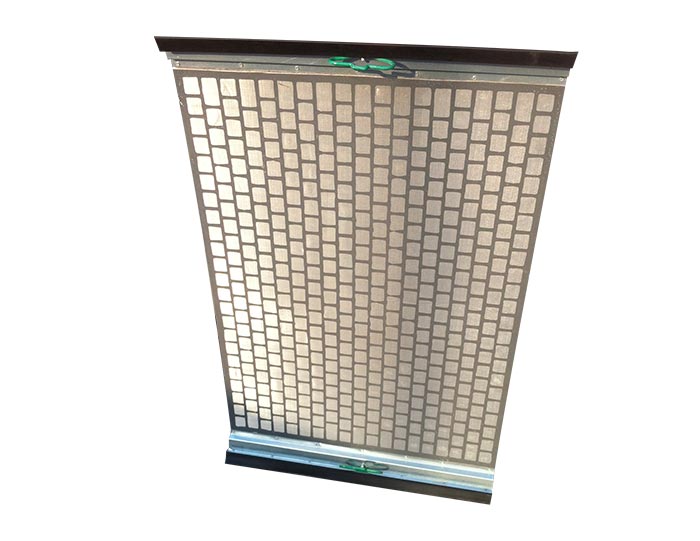
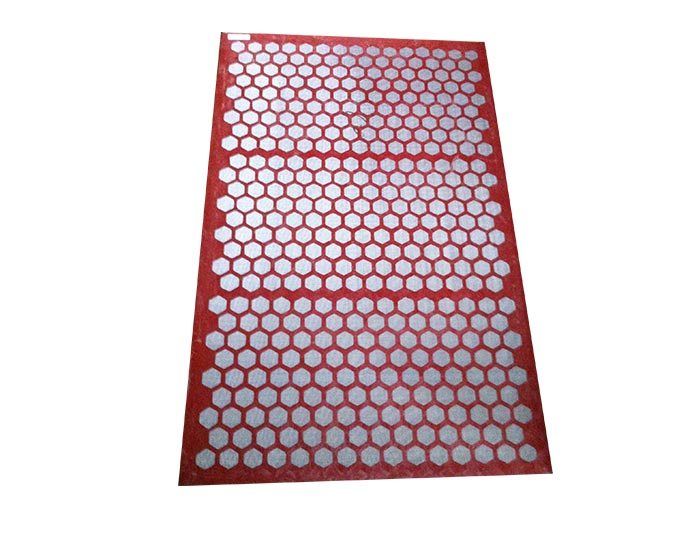
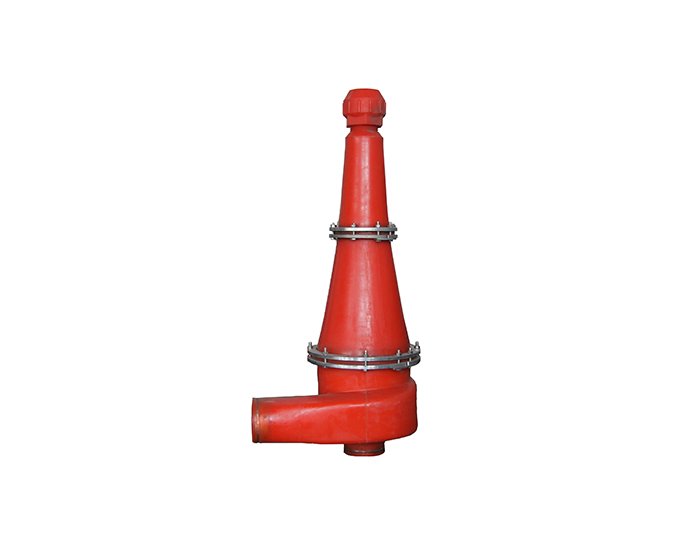
However, relying on gravity alone is insufficient for modern high-speed drilling. This is why the integration of solids control equipment onto the tank roof is vital. The shale shaker acts as the first line of defense, followed by desanders and desilters. A well-designed mud tank system ensures that the flow path between these components is optimized to prevent turbulence. By maintaining a laminar flow where possible, the system maximizes the efficiency of each piece of equipment, ensuring that only the cleanest fluid reaches the suction compartment for reinjection into the well.
Agitation and Homogenization Within Tanks in Mud Management
Consistency is the hallmark of a successful drilling operation. If the drilling fluid is allowed to stagnate, the heavy weighting agents—primarily barite—will settle, creating a dangerous imbalance in mud density. To prevent this, tanks in mud circulation loops are equipped with powerful mud agitators. These mechanical mixers are positioned to ensure there are no "dead corners" within the tank. The engineering team at Tangshan Dachuan Machinery focuses on the precise pitch of the agitator blades and the torque of the gearboxes to ensure that even the heaviest "kill muds" remain perfectly suspended.
In addition to agitation, the role of mud guns cannot be overlooked. These high-pressure nozzles are used to stir the corners of the tanks and to transfer mud between compartments. This mechanical synergy ensures that the fluid remains homogeneous, which is essential for maintaining the correct hydrostatic pressure in the wellbore. Without this constant motion, the risk of a "stuck pipe" or a well control incident increases significantly, making the agitation system a critical safety feature of the drilling mud tank.
Advanced Processing and the Mud Tank Drilling Lifecycle
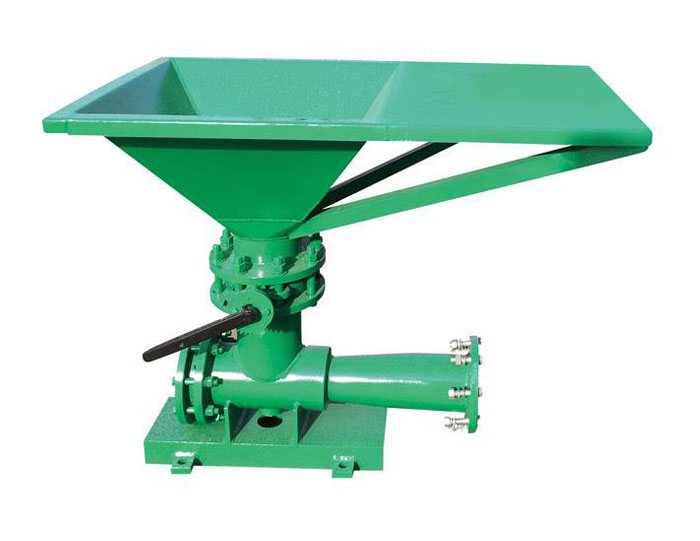
The lifecycle of the mud within the tank is a continuous process of rejuvenation. In the mixing section of the drilling mud tank, new chemicals and materials are introduced via jet mud mixers. This allows the mud engineer to adjust the viscosity, yield point, and fluid loss properties of the mud in real-time based on the geological formations being encountered. The ability to rapidly change mud properties is a key advantage of a high-tech mud tank system, allowing operators to react to unexpected pressure zones or loss-circulation zones instantly.
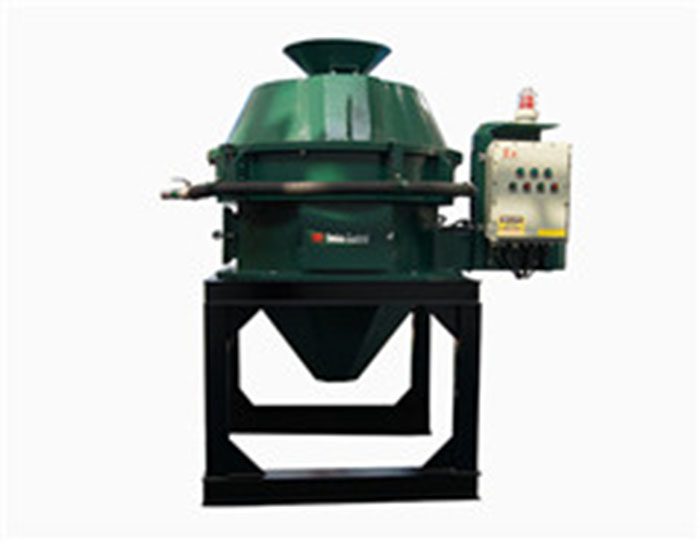
Furthermore, the integration of specialized equipment like vacuum degassers and mud gas separators (liquid-gas separators) into the tank architecture is essential for handling "gassy" mud. When the drill bit encounters a gas pocket, the returning fluid becomes aerated, which can cause pump cavitation and reduce the density of the mud column. The drilling mud tank systems provide the platform for these degassers to remove entrained gases, ensuring that the fluid returned to the well is stable and predictable.

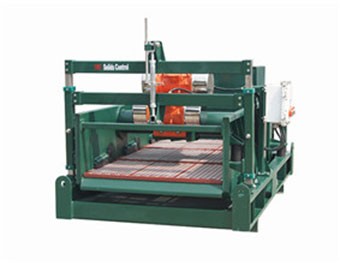 Linear Motion Shale Shaker In Drilling Rig
 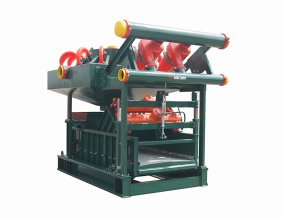 Oilfield Mud Cleaner
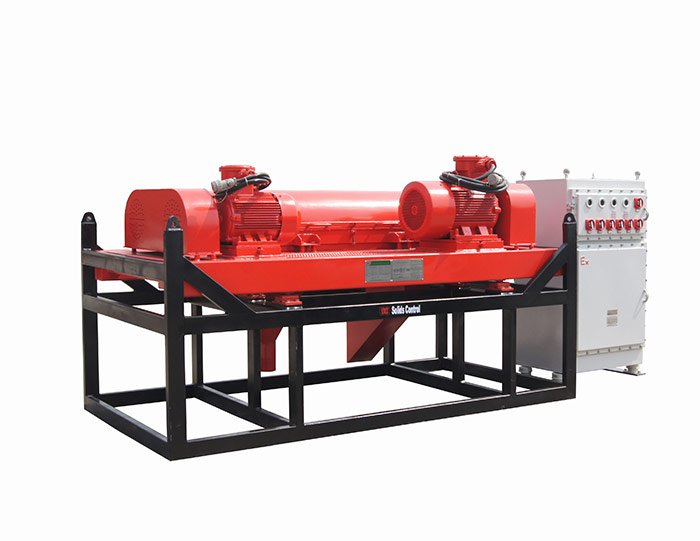
 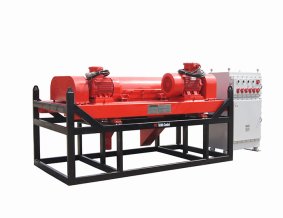 Drilling Fluid Decanter Centrifuge
 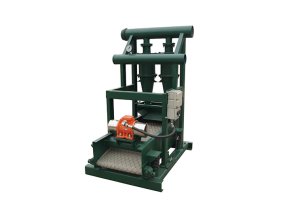 Drilling Mud Desander
 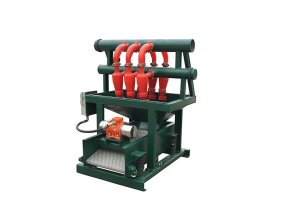 Hydrocyclone Desilter
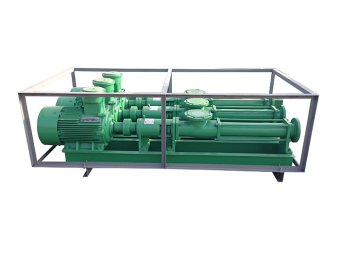
 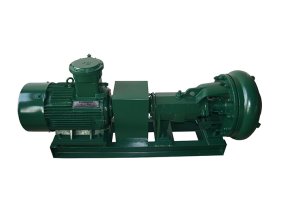 Centrifugal Pump/Centrifugal Mud Pump
 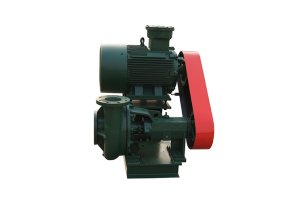 Shear Pump
 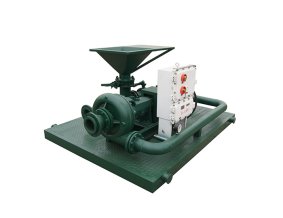 Jet Mud Mixer
 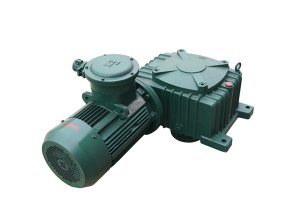 Horizontal Mud Agitator
 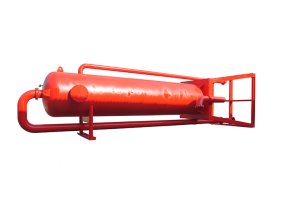 Constant Pressure Drilling Fluid Mud Gas Separator
 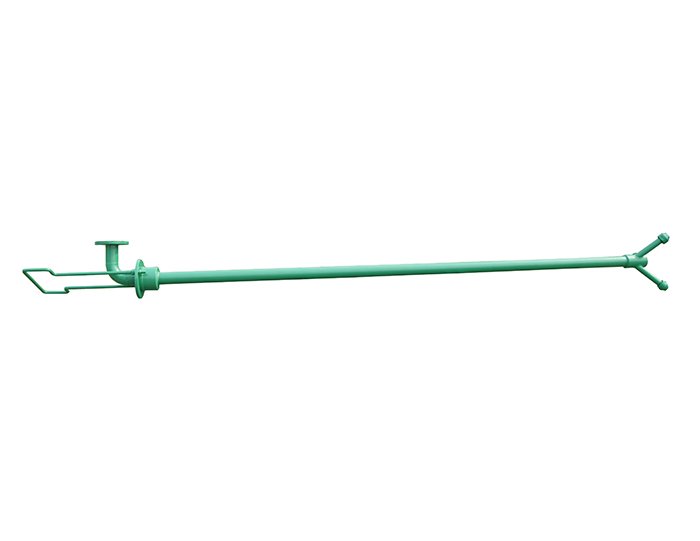 Mud Gun
  Mud Tank
 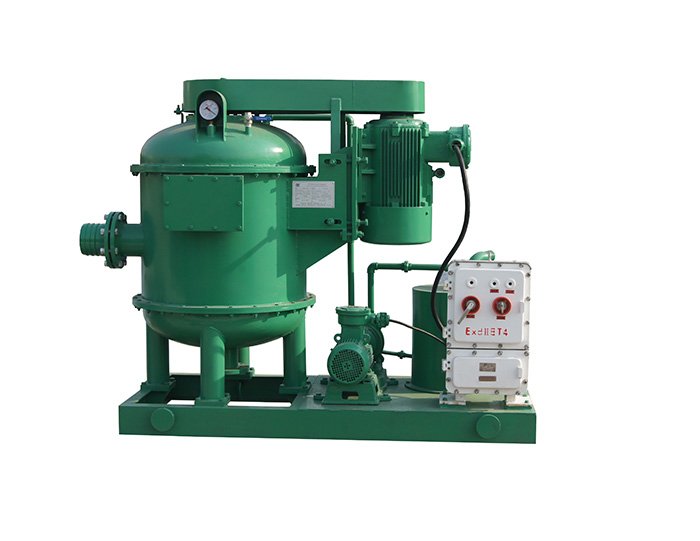 Solids Control System Vacuum Degasser
 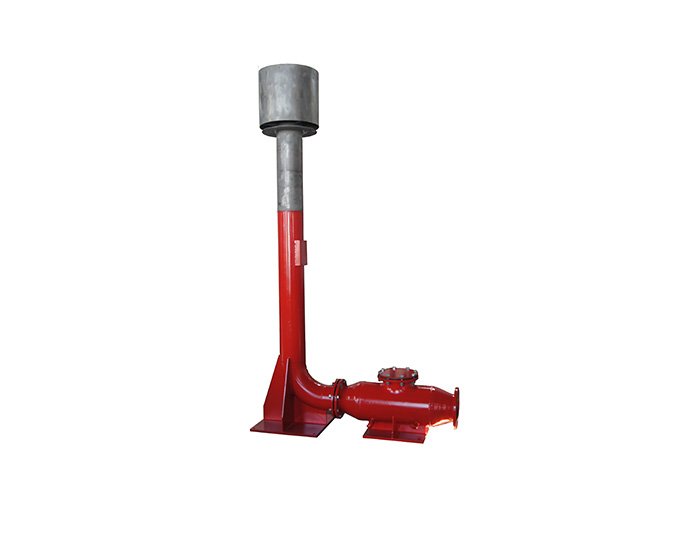 Flare Ignition Device
 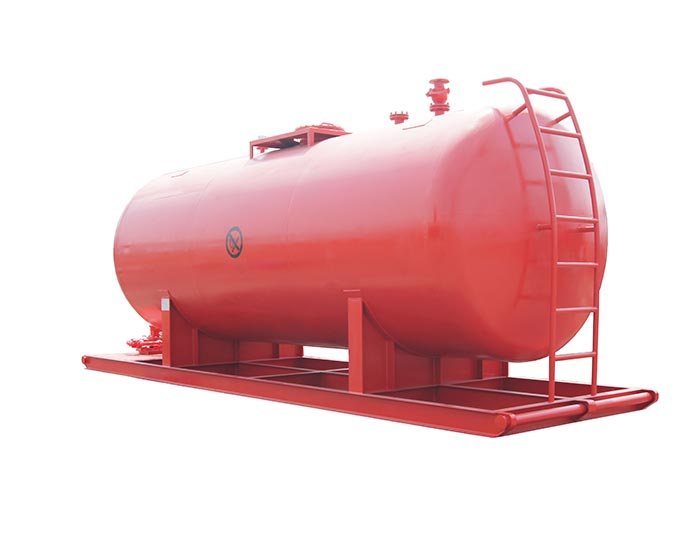 Diesel Tank
 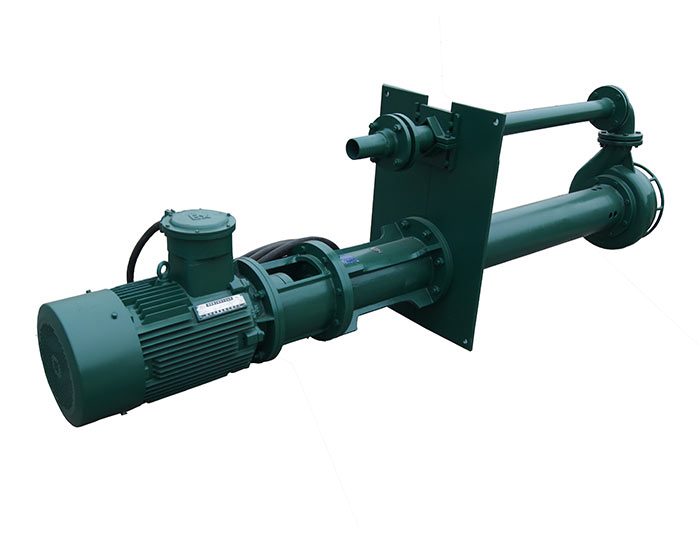 Submersible Slurry Pump