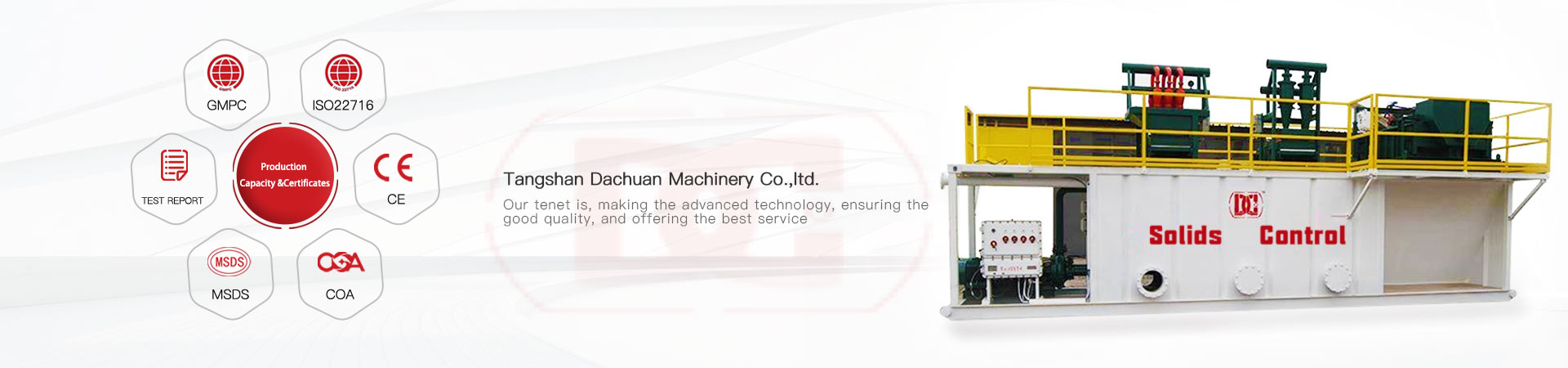
In the complex ecosystem of an oil and gas rig, the surface fluid circulation system acts as the primary defense against wellbore instability and equipment wear. The efficiency of this system is fundamentally determined by the mud tank layout, which dictates how drilling fluid moves through various stages of purification and conditioning. A well-designed sequence of tanks ensures that the "lifeblood" of the drilling operation is stripped of abrasive solids and entrained gases before being reinjected into the high-pressure environment of the borehole. For industry leaders like Tangshan Dachuan Machinery Co., Ltd., the engineering of these systems is a balance of mechanical precision, fluid dynamics, and spatial optimization.
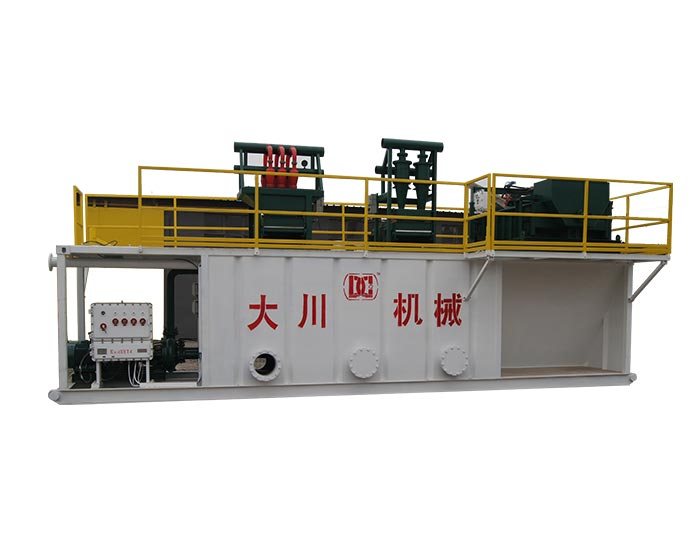
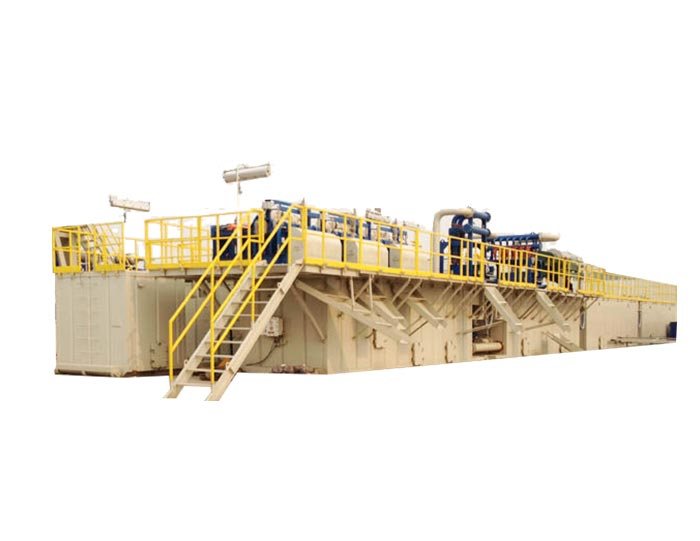
A modern configuration of drilling mud tank systems is far more than a series of interconnected boxes. It is a highly synchronized processing plant where gravity, centrifugal force, and chemical reactions work in tandem. By strategically placing specific equipment—from shale shakers to vacuum degassers—along the tank line, operators can maintain the precise rheological properties required for the specific geological formations being penetrated.
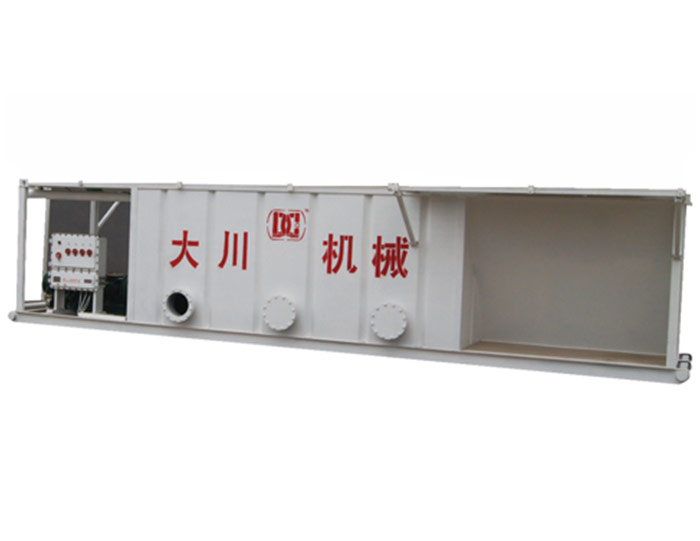
Optimizing the Primary Separation at the Mud Shaker Tank
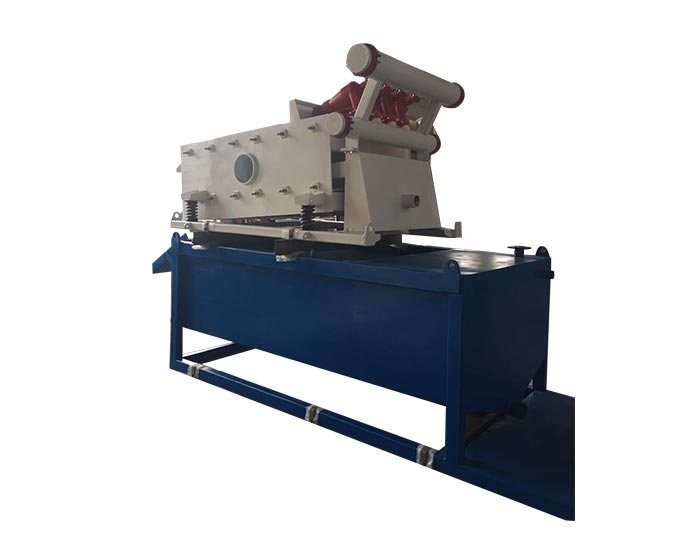
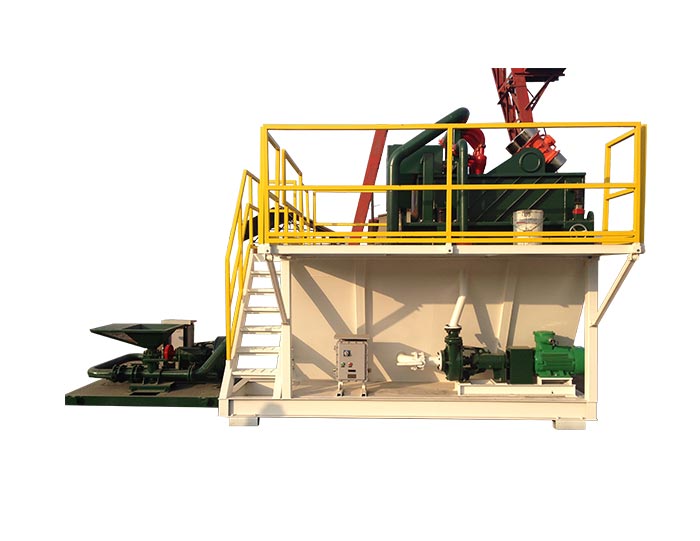
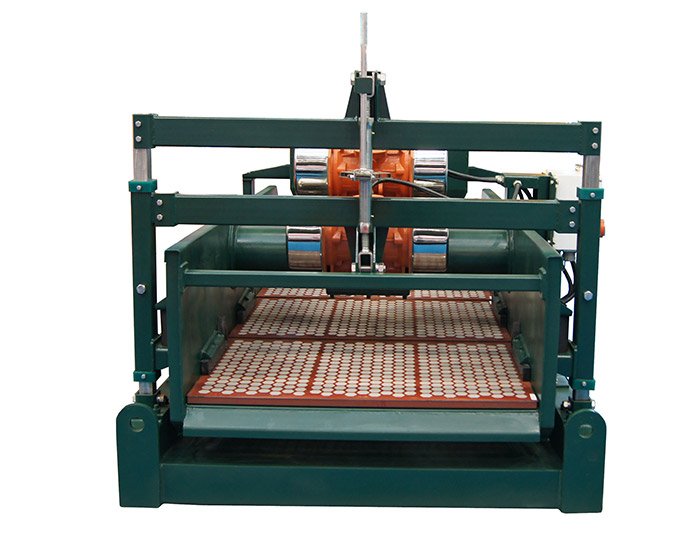
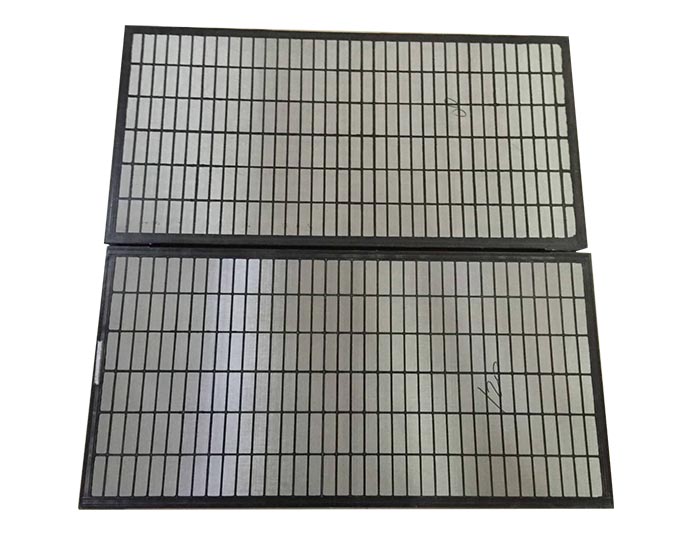
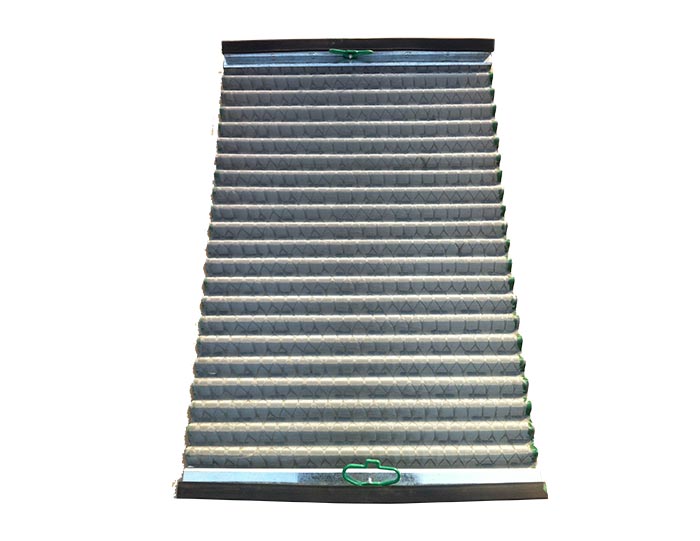
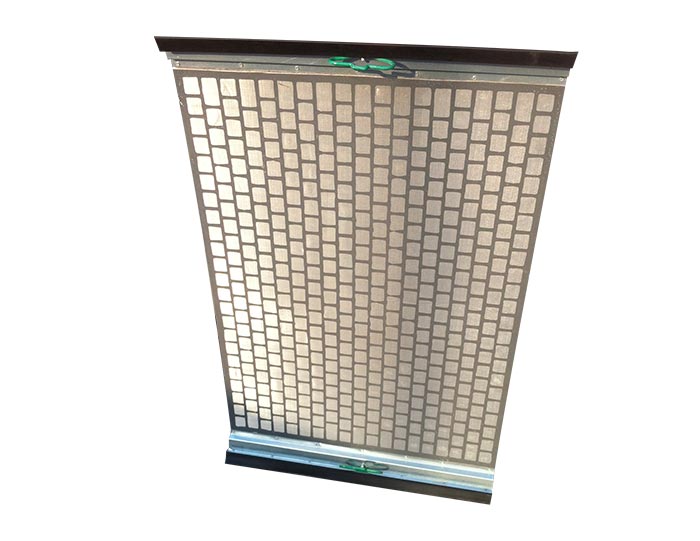
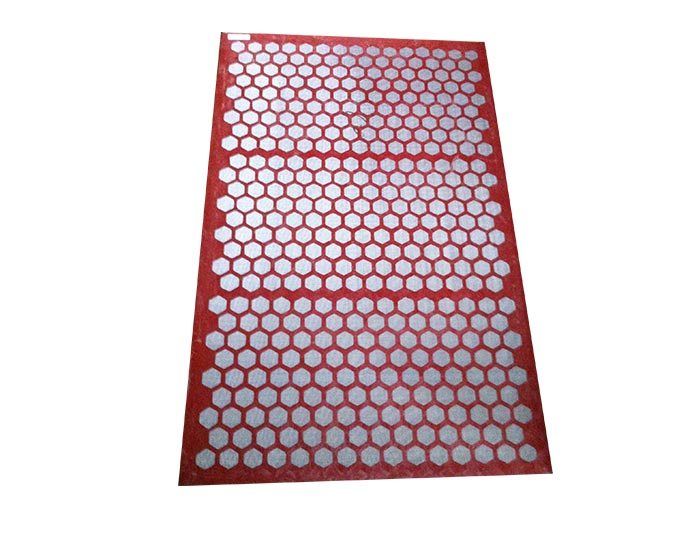
The journey of the drilling fluid begins at the mud shaker tank, which serves as the entry point for the "dirty" mud returning from the well. This tank is the most physically demanding part of the layout, as it must support the weight and high-frequency vibrations of multiple shale shakers. The structural design of the shaker tank deck is critical; it must be reinforced with heavy-duty beams to prevent fatigue cracking while allowing for the rapid drainage of filtered mud into the compartments below.
In a sophisticated mud tank layout, the shaker tank is designed with a "sand trap" or a specialized bypass system. This allows the mud engineer to divert flow during maintenance without shutting down the entire rig. The integration of high-performance shakers on this first tank ensures that the bulk of the rock cuttings are removed immediately, preventing the downstream compartments from becoming overloaded. Tangshan Dachuan Machinery emphasizes the use of high-precision welding and senior artisan craftsmanship in these areas, ensuring that the heavy vibration of the shakers does not compromise the leak-proof integrity of the tank walls over years of service.
The Role of the Mud Settling Tank in Fine Particle Management
Once the primary solids are removed, the fluid moves into the mud settling tank. This section of the system relies on the principle of reduced velocity to allow finer particles that bypassed the shaker screens to drop out of suspension. The internal architecture of the settling tank is often defined by a series of baffles and weirs. These submerged walls force the mud to follow a serpentine path, extending the "residence time" of the fluid and maximizing the opportunity for gravity to take effect.
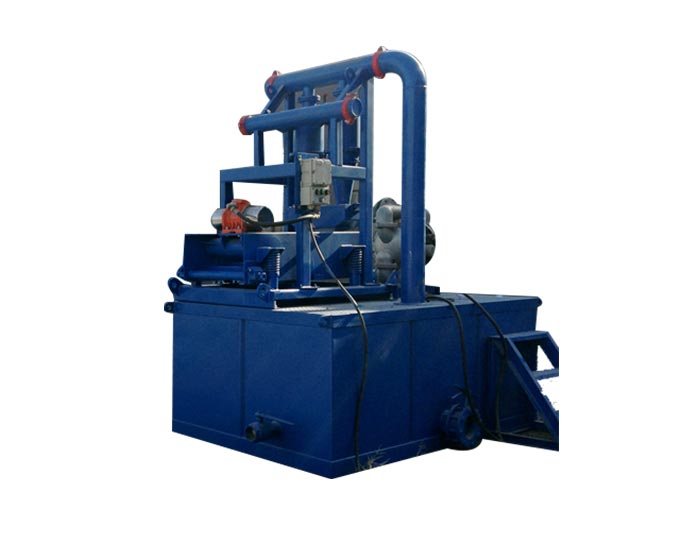
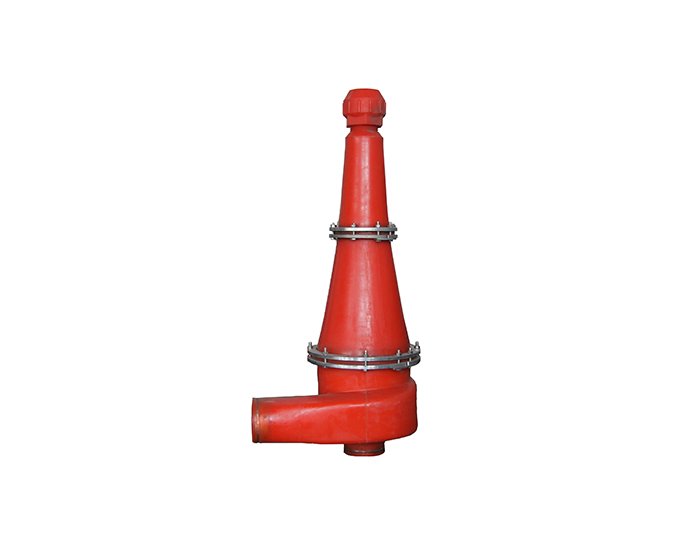
The integration of desanders and desilters—often referred to as hydrocyclones—typically occurs at this stage. These units are mounted above the mud settling tank to process the fluid and discharge the concentrated solids into a waste pit, while the "clean" overflow returns to the tank. A critical aspect of the mud tank layout here is ensuring that the suction points for the centrifugal pumps feeding these hydrocyclones are positioned at the correct depth to avoid pulling in the very solids that the tank is trying to settle. This level of detail in the design phase is what separates a standard fluid system from a high-efficiency recovery plant.
Precision Engineering of the Drilling Mud Suction Tank
The final and most sensitive stage in the circulation loop is the drilling mud suction tank. This is the reservoir from which the high-pressure triplex pumps draw the conditioned mud to send it back downhole. The purity of the mud in this tank is paramount; even a small amount of fine abrasive sand or entrained air can lead to catastrophic wear on the pump liners, valves, and the drill bit itself.
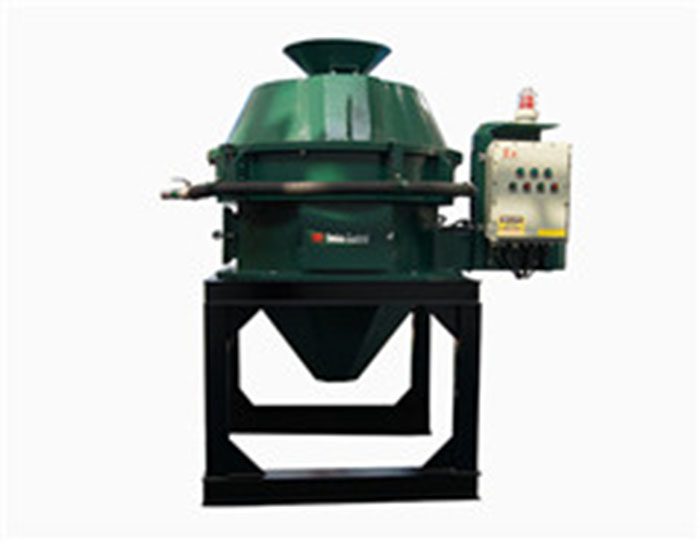
In modern drilling mud tank systems, the suction tank is equipped with specialized vortex breakers at the pump intake points. These mechanical features prevent the formation of whirlpools that could suck air into the pumps, a phenomenon known as cavitation. Furthermore, the suction tank is the primary location for the final addition of chemical treatments and weighting agents. Mud agitators and mud guns must be perfectly synchronized within this compartment to ensure a perfectly homogeneous mixture. Tangshan Dachuan Machinery’s senior engineers focus on the "dead-zone-free" design of these suction compartments, ensuring that the mud weight remains consistent from the surface of the tank to the very bottom of the suction pipe.
Seamless Equipment Integration within Drilling Mud Tank Systems
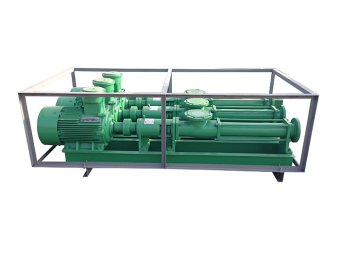
The true value of a manufacturer like Tangshan Dachuan Machinery lies in their ability to integrate disparate mechanical components into a singular, cohesive mud tank layout. This integration involves a complex network of piping, valves, and manifolds that allow for "total system flexibility." An operator must be able to move mud from the mud settling tank to a reserve tank, or from the mixing tank to the drilling mud suction tank, with the simple turn of a valve.
This mechanical synergy extends to the electrical and control systems as well. Modern tanks are increasingly fitted with ultrasonic level sensors and automated valves that can be monitored from the rig’s doghouse. When the level in the mud shaker tank rises unexpectedly, indicating a potential "kick" or increase in well pressure, the integrated system can provide immediate alerts. This level of technical sophistication requires a collaborative effort between development persons and professional institutes to ensure that the exported equipment is not only robust but also digitally compatible with the latest rig control software.
Maintaining Performance through Design and After-Sales Support
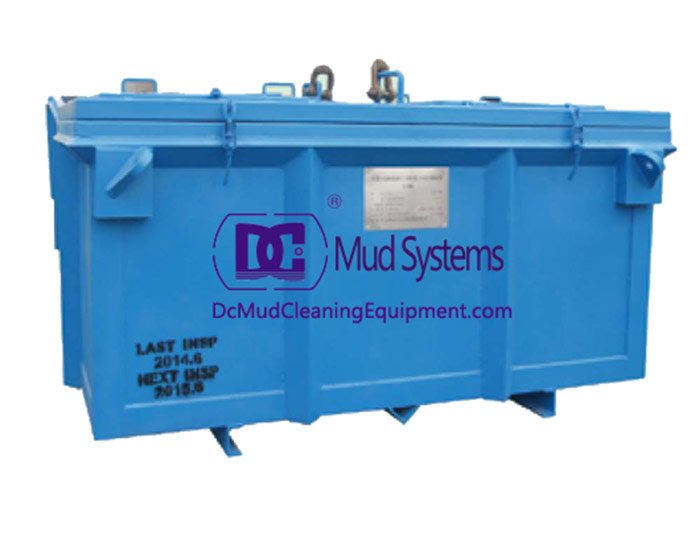
The longevity of drilling mud tank systems is constantly challenged by the corrosive nature of the fluids they carry and the abrasive force of the solids they remove. To combat this, the interior of every mud settling tank and suction tank is treated with high-performance epoxy linings that are resistant to oil-based muds and harsh chemical additives. These coatings are not merely for protection; they create a smooth surface that prevents "mud cake" buildup, making the cleaning process during a "mud swap" significantly faster.
Furthermore, the management principle of supplying "rapid, honest, and considerate service" is vital when dealing with such integrated equipment. Because a failure in a single centrifugal pump or mud agitator can halt the entire drilling process, having enough after-sales personnel to supply technology consulting is a necessity. Whether it is optimizing the shear pump for a new polymer mud or troubleshooting a flare ignition device, the relationship between the manufacturer and the rig operator is an ongoing partnership. This dedication to service ensures that the mud tank layout remains as efficient on day 1,000 as it was on day one.

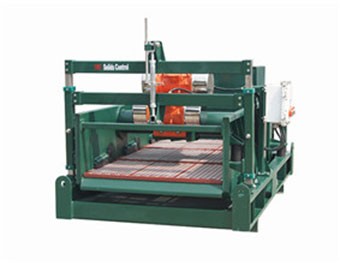 Linear Motion Shale Shaker In Drilling Rig
 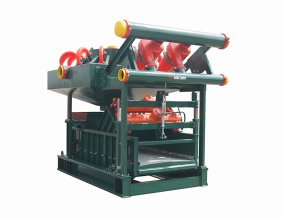 Oilfield Mud Cleaner
 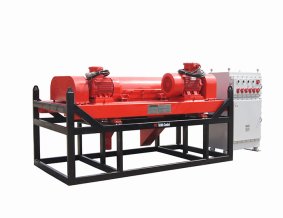 Drilling Fluid Decanter Centrifuge
 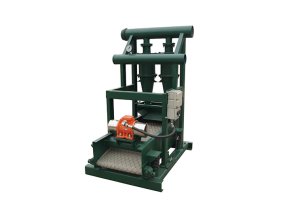 Drilling Mud Desander
 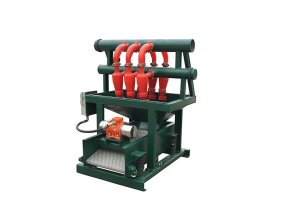 Hydrocyclone Desilter
 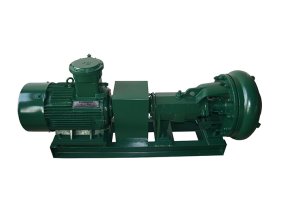 Centrifugal Pump/Centrifugal Mud Pump
 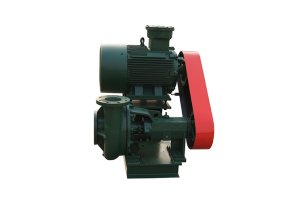 Shear Pump
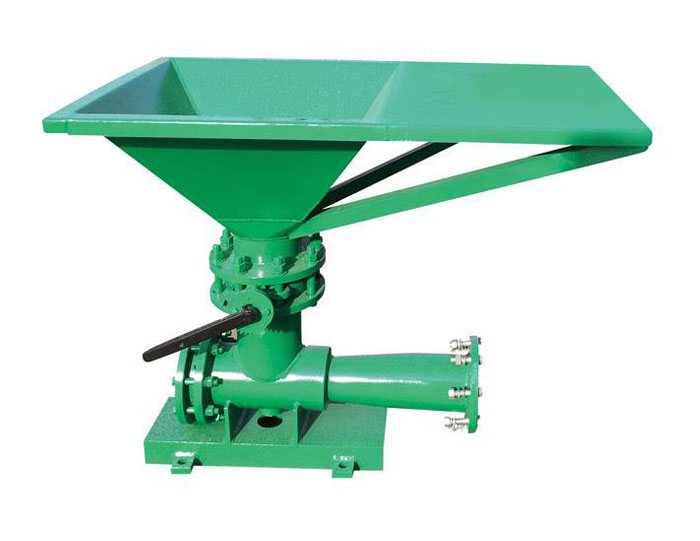
 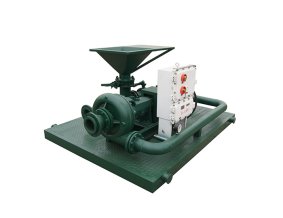 Jet Mud Mixer
 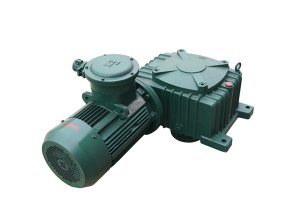 Horizontal Mud Agitator
 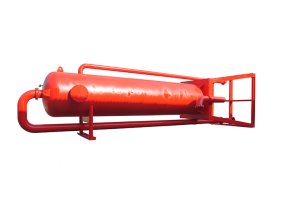 Constant Pressure Drilling Fluid Mud Gas Separator
 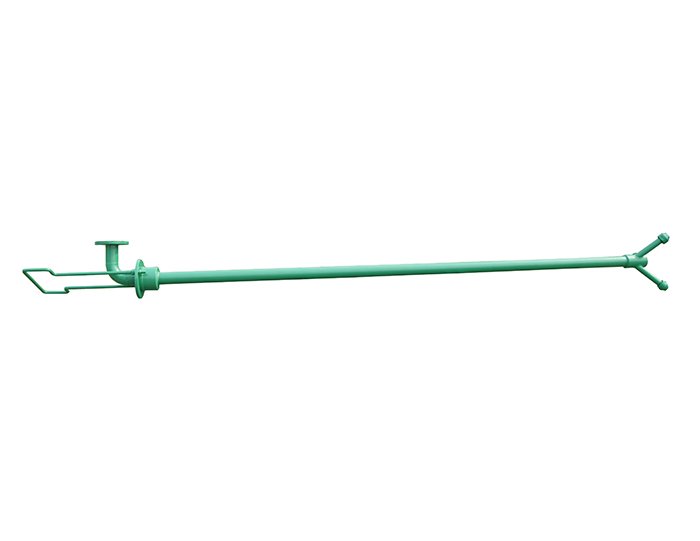 Mud Gun
  Mud Tank
 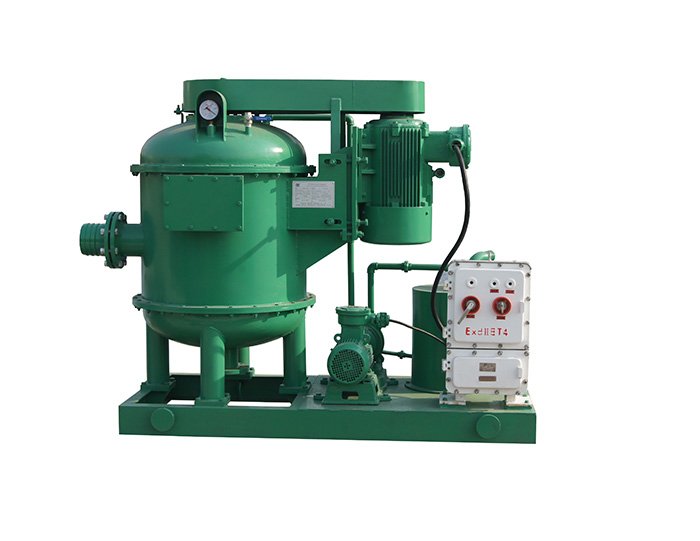 Solids Control System Vacuum Degasser
 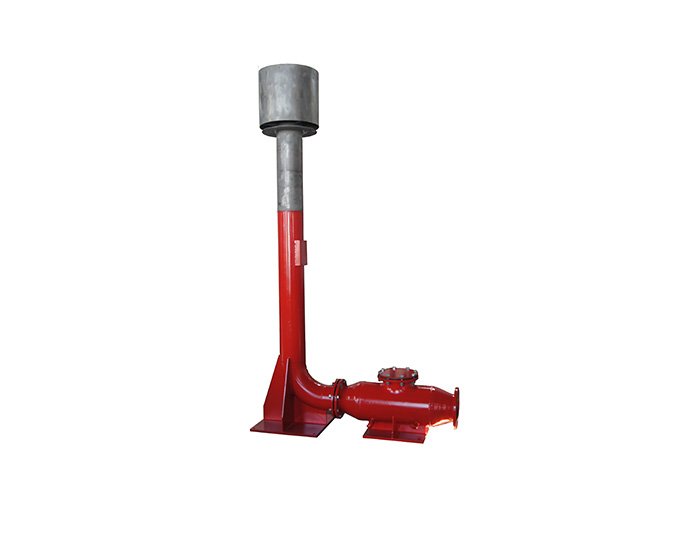 Flare Ignition Device
 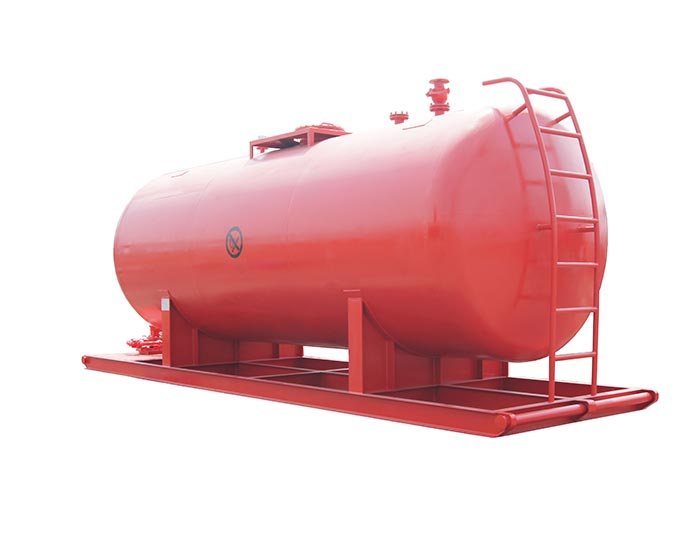 Diesel Tank
 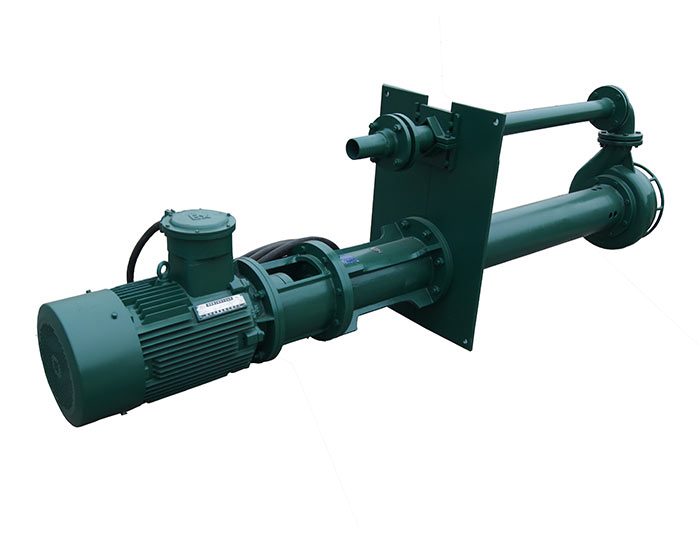 Submersible Slurry Pump