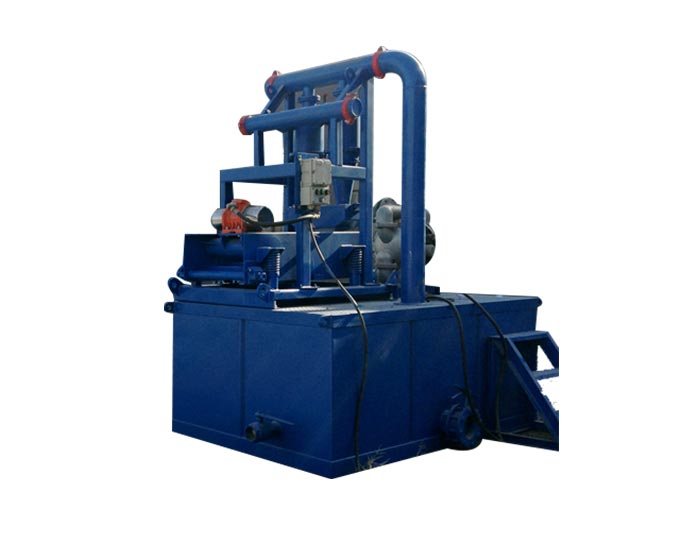
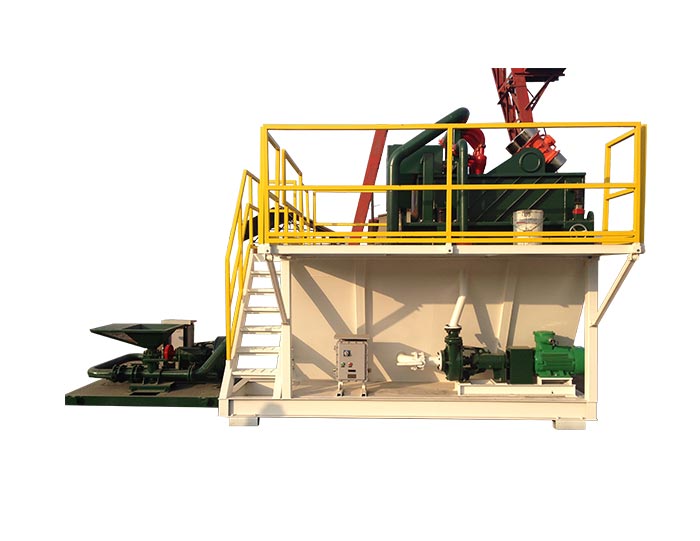
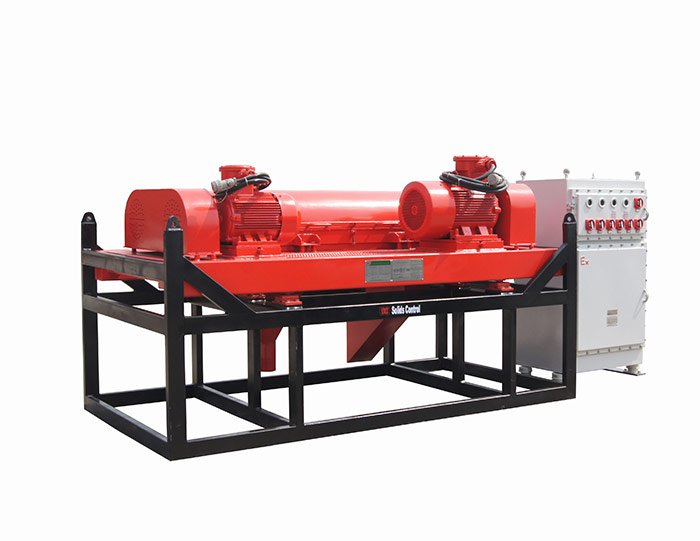
The efficiency of a modern oil and gas operation is largely dictated by the quality of the circulating medium. In the complex hierarchy of mechanical separation, the mud cleaner system serves as the ultimate multi-tasking guardian of fluid integrity. Positioned as the secondary and tertiary stages of a rig's solids control layout, it bridges the gap between the coarse filtration of shale shakers and the fine-tuned separation required to protect sensitive downhole equipment. For an industry leader like Tangshan Dachuan Machinery Co., Ltd., the engineering of these units is a response to the increasing demand for high-performance, cost-effective, and environmentally compliant drilling solutions.
As drilling projects push into deeper, high-pressure formations, the role of a mud cleaner drilling rig setup becomes indispensable. This specialized equipment is not merely an optional add-on; it is a critical investment that directly influences the rate of penetration (ROP), the longevity of mud pumps, and the overall stability of the wellbore. By combining centrifugal separation and mechanical filtration into a single footprint, the mud cleaner optimizes the entire fluid lifecycle.
The Mechanics of Fluid Purification: Understanding Mud Cleaner Cones
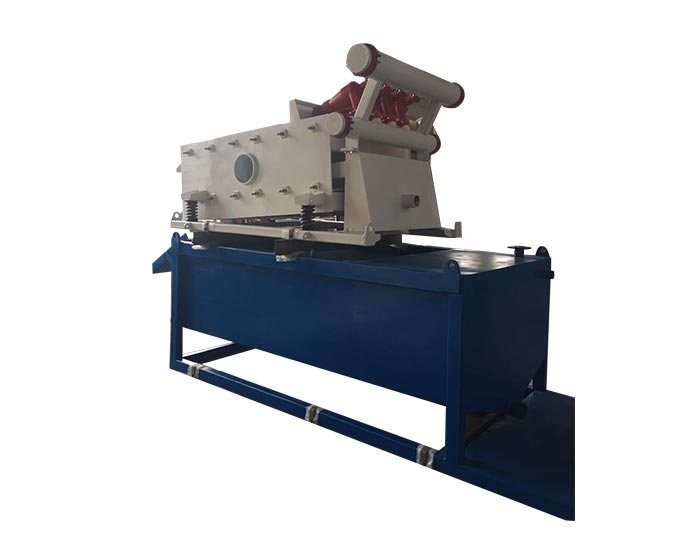
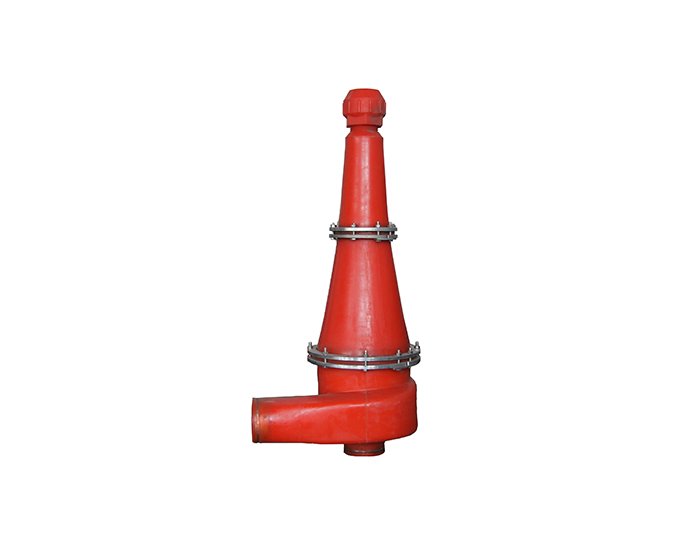
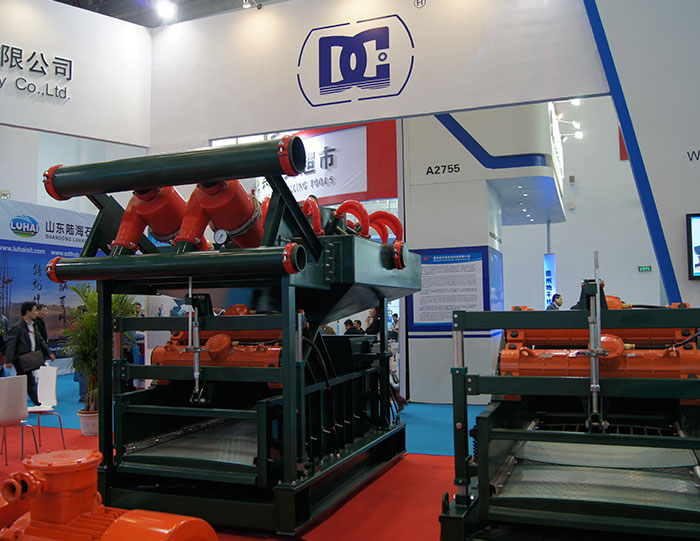
At the heart of every high-efficiency system lies the intricate physics of the mud cleaner cones. These hydrocyclones utilize the principle of centrifugal separation to classify solids based on their mass and size. When drilling fluid is pumped at high pressure into the manifold, it enters the cones tangentially, creating a powerful vortex. This spinning motion generates a high G-force that flings heavier particles—such as sand and silt—toward the outer walls of the cone, where they are discharged through the bottom apex.
The design of these mud cleaner cones has evolved significantly. Modern units, such as those produced by Tangshan Dachuan Machinery, utilize high-grade polyurethane materials that offer exceptional abrasion resistance compared to traditional cast iron. This material choice is vital because the internal surfaces are subjected to constant bombardment by abrasive cuttings at high velocities. The precision of the cone’s interior geometry ensures a clean separation, allowing the valuable liquid phase and fine weighting agents like barite to be recovered while the harmful silts are discarded. This balance is what allows a rig to maintain a "weighted" mud system without the massive financial loss of discarding expensive additives.
Synergistic Separation: The Mud Cleaner Desilter Integration
One of the most effective configurations found in a mud cleaner in drilling rig operations is the integration of desander and desilter manifolds over a high-frequency vibrating screen. Specifically, the mud cleaner desilter component focuses on the removal of microscopic solids that are too fine for the primary shale shakers to catch. While a desander typically targets particles larger than 47 microns, the desilter cones (usually 4 inches in diameter) are designed to strip out particles down to the 15-to-20-micron range.
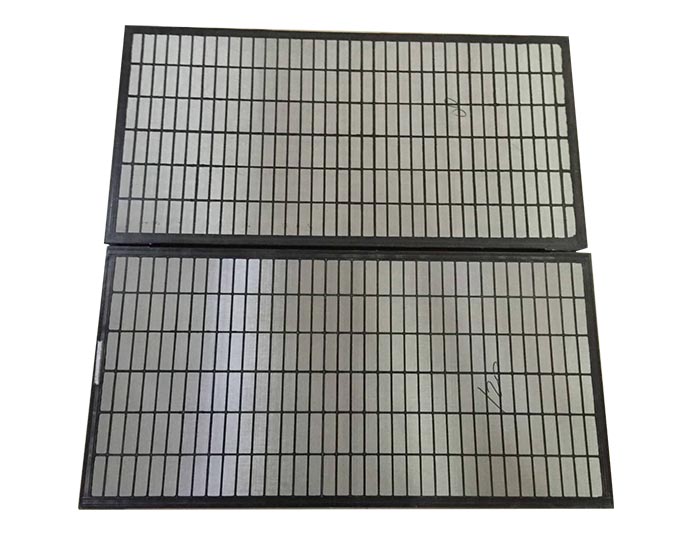
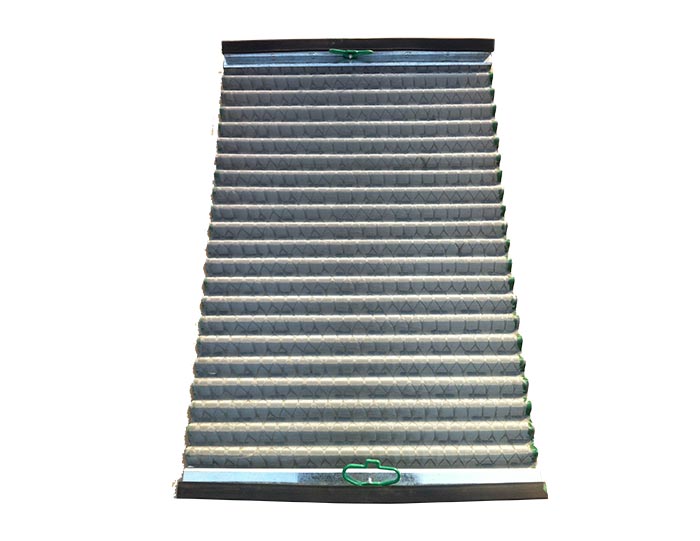
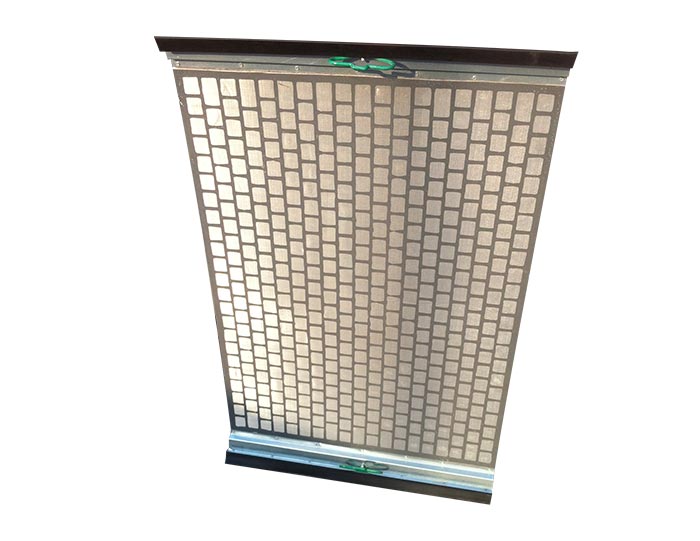
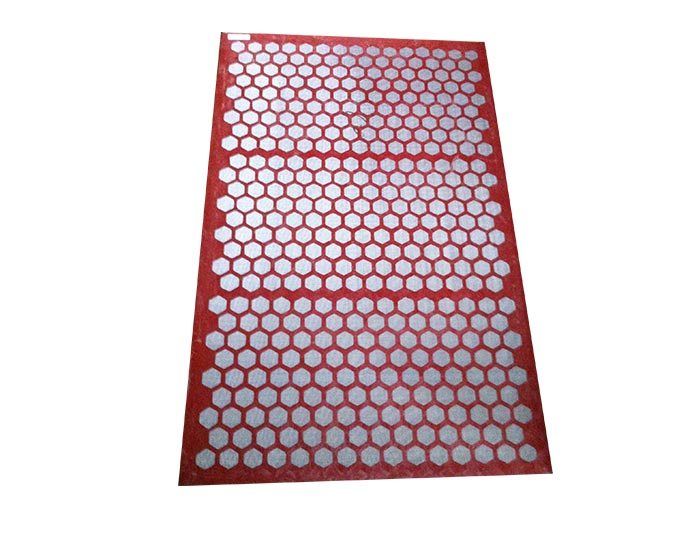
The true innovation of the mud cleaner system is that instead of discharging the underflow of these cones directly to a waste pit, it drops the slurry onto a fine-mesh shaker screen. This "polishing" step recovers any liquid mud that was trapped with the solids, returning it to the active system. This is particularly crucial in offshore or environmentally sensitive areas where the cost of disposing of liquid waste is astronomical. By using a mud cleaner, operators can achieve a drier waste product, significantly reducing the total volume of material that must be transported off-site, thereby lowering the environmental footprint of the drilling project.
Operational Excellence of a Mud Cleaner Drilling Rig Configuration
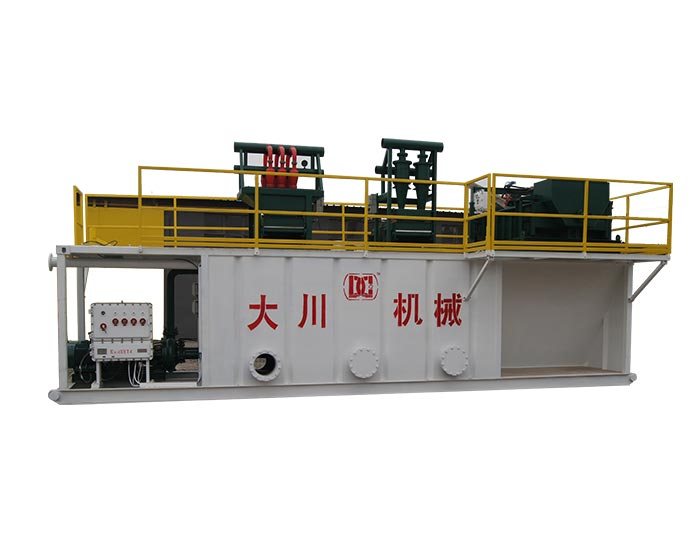
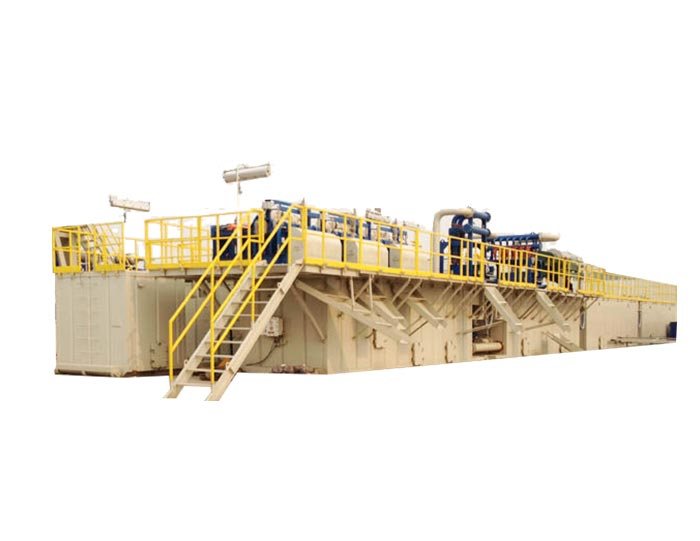
The placement of a mud cleaner drilling rig setup is a matter of strategic engineering. Typically, it is positioned after the primary shale shakers and the vacuum degasser but before the centrifuge. This ensures that the mud cleaner is not overwhelmed by large rock cuttings, allowing it to focus its energy on the fine silts that cause the most wear on high-pressure pump liners and valves.
In a well-managed mud cleaner system, the operator can monitor the "dryness" of the discharge on the shaker screen to gauge the efficiency of the cones. If the discharge appears too wet, it may indicate a "roping" condition in the mud cleaner desilter cones, suggesting that the pressure or the nozzle size needs adjustment. Tangshan Dachuan Machinery’s management principle of providing "considerate service" and technology consulting is vital here, as their senior engineers can help rig crews calibrate the equipment to match the specific mud weight and viscosity of the project, ensuring that the machine operates at peak efficiency 24/7.
Economic and Environmental Impact of High-Precision Mud Cleaning
Beyond the mechanical benefits, the economic impact of a robust mud cleaner system is staggering. By maintaining a lower solids content, the drilling fluid remains thinner and more lubricating. This reduces the friction between the drill string and the wellbore wall, allowing for faster ROP and reducing the risk of differential sticking—a common cause of catastrophic "stuck pipe" incidents.
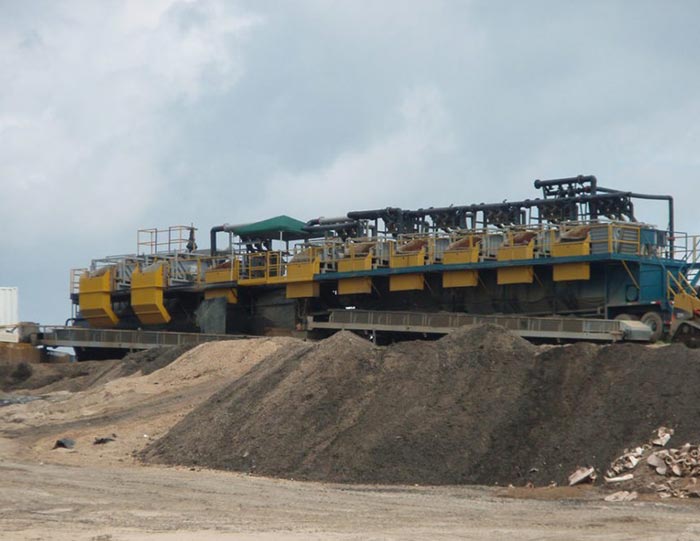
Furthermore, a high-quality mud cleaner desilter allows for the massive recycling of drilling fluids. Since mud can represent up to 10% or 15% of the total cost of a well, the ability to reuse it across multiple sections or even multiple wells provides a significant competitive advantage. For companies focused on matching the requirements of their customers, providing equipment that saves money while protecting the environment is the ultimate goal. The "zero-discharge" philosophy favored in modern civil engineering and trenchless mud recovery also relies heavily on this technology, proving its versatility across both the oilfield and municipal infrastructure sectors.

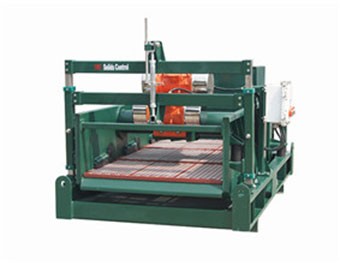 Linear Motion Shale Shaker In Drilling Rig
 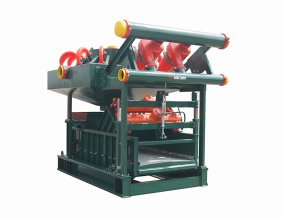 Oilfield Mud Cleaner
 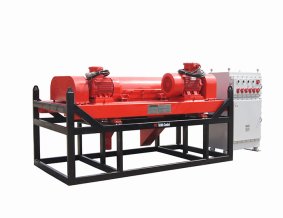 Drilling Fluid Decanter Centrifuge
 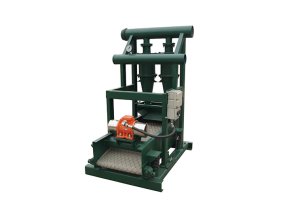 Drilling Mud Desander
 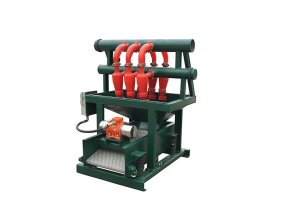 Hydrocyclone Desilter
 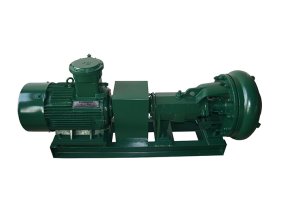 Centrifugal Pump/Centrifugal Mud Pump
 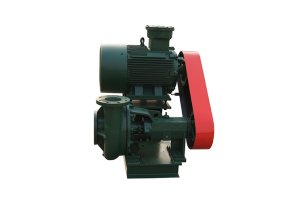 Shear Pump
 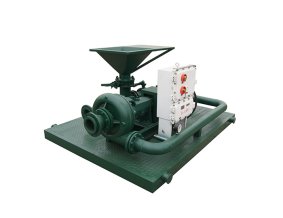 Jet Mud Mixer
 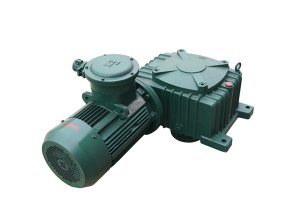 Horizontal Mud Agitator
 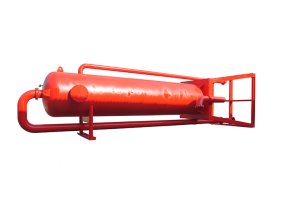 Constant Pressure Drilling Fluid Mud Gas Separator
 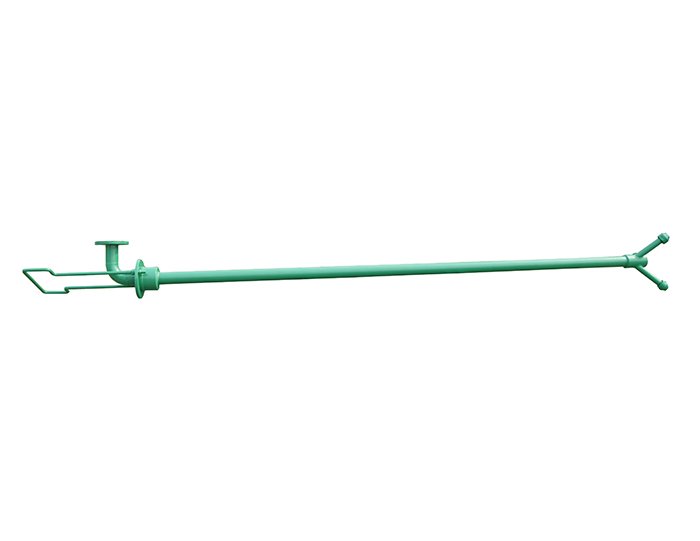 Mud Gun
  Mud Tank
 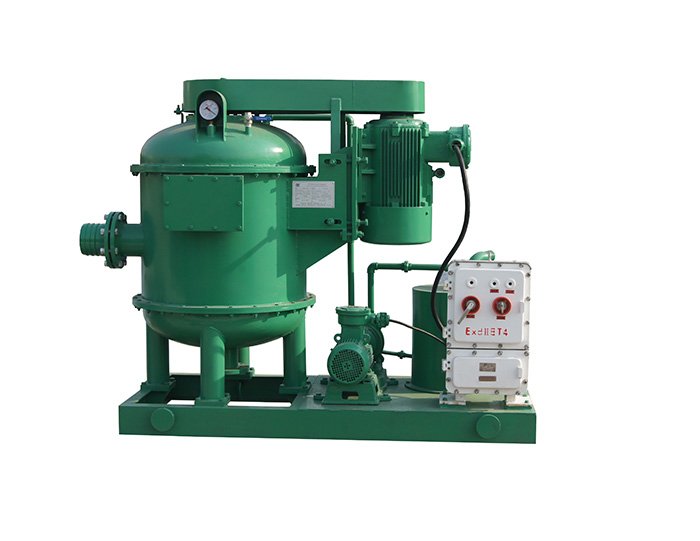 Solids Control System Vacuum Degasser
 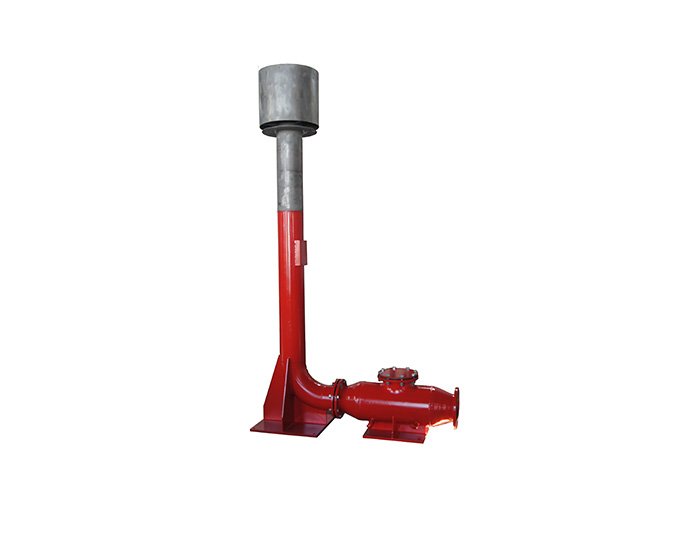 Flare Ignition Device
 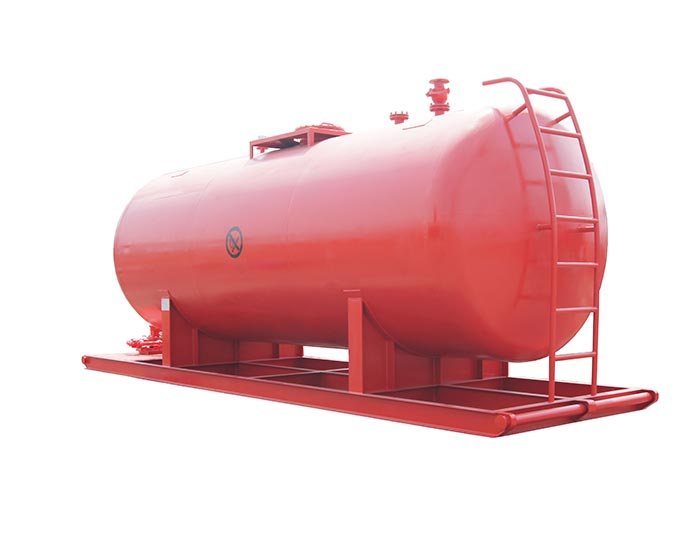 Diesel Tank
 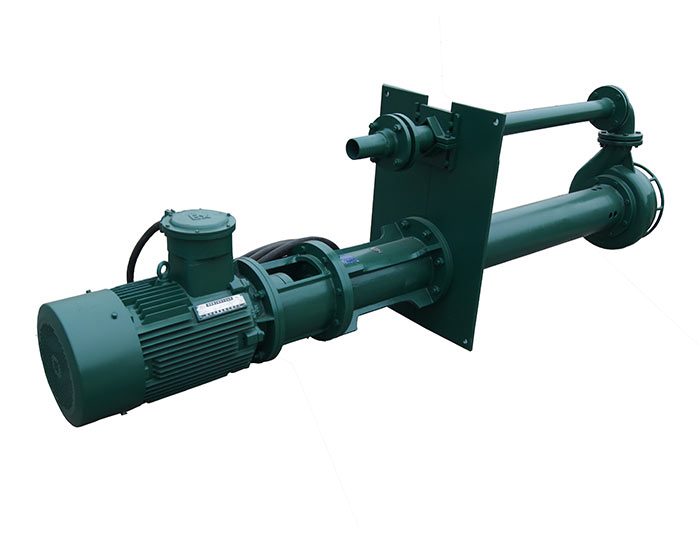 Submersible Slurry Pump