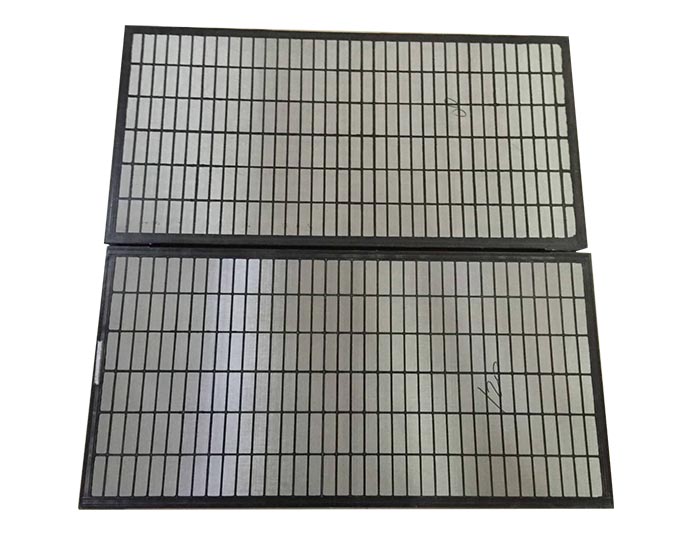
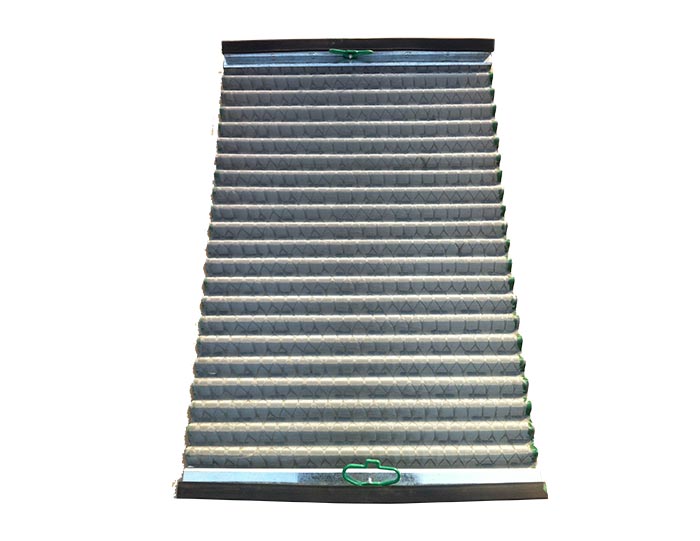
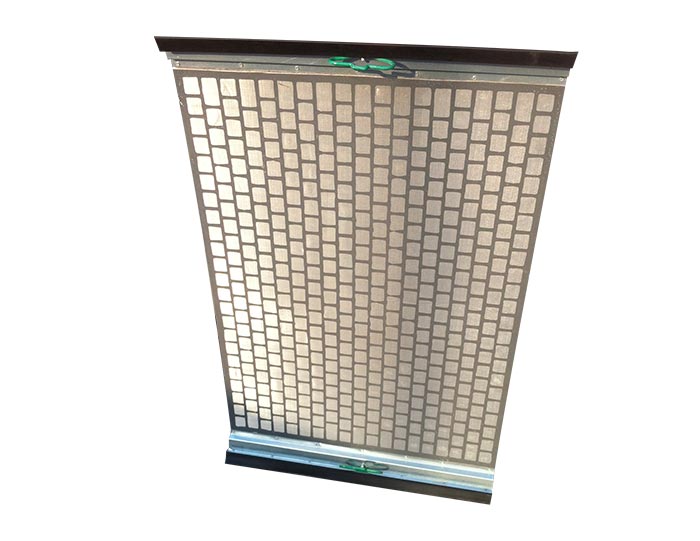
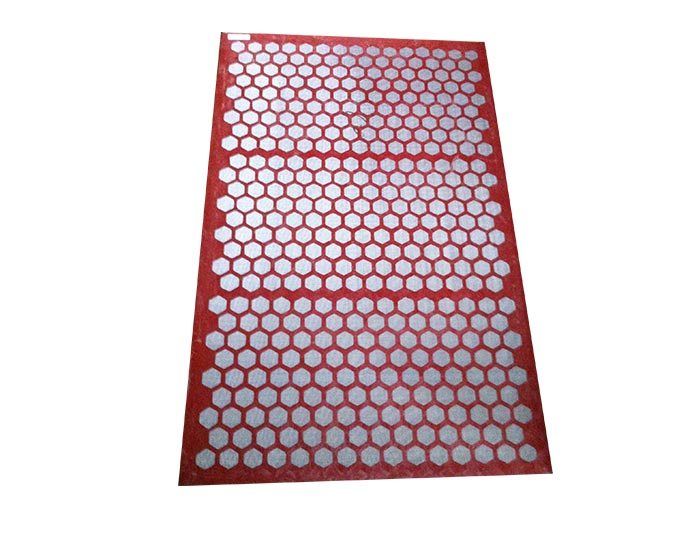
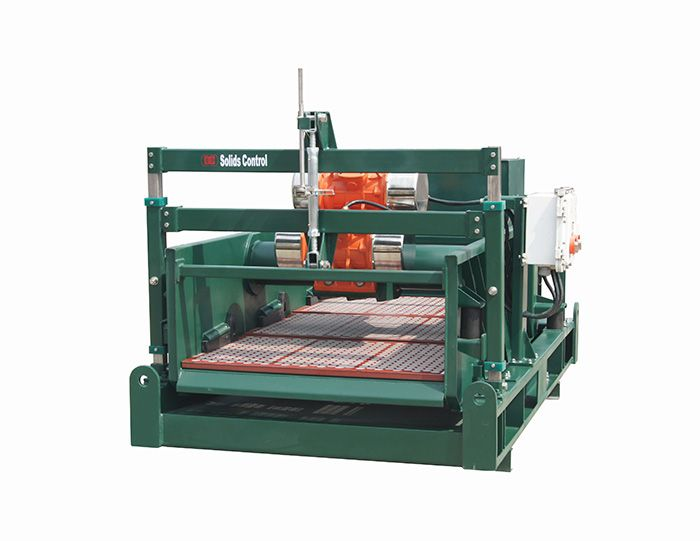
In the complex ecosystem of oilfield drilling, the solids control system serves as the primary defense against equipment wear and fluid degradation. At the heart of this system is the shale shaker, a machine designed to separate drill cuttings from the precious drilling mud. While much attention is paid to the motors and the vibration G-force, seasoned engineers know that the efficiency of the entire process often hinges on a relatively small, sacrificial component: the wedge block of shale shaker. This component is the unsung hero of screen tensioning, ensuring that the separation media remains taut, durable, and effective under the most punishing industrial conditions. Understanding the mechanical importance of the wedge block is essential for any successful shale shaker maintenance program.
How the Wedge Block of Shale Shaker Secures the System
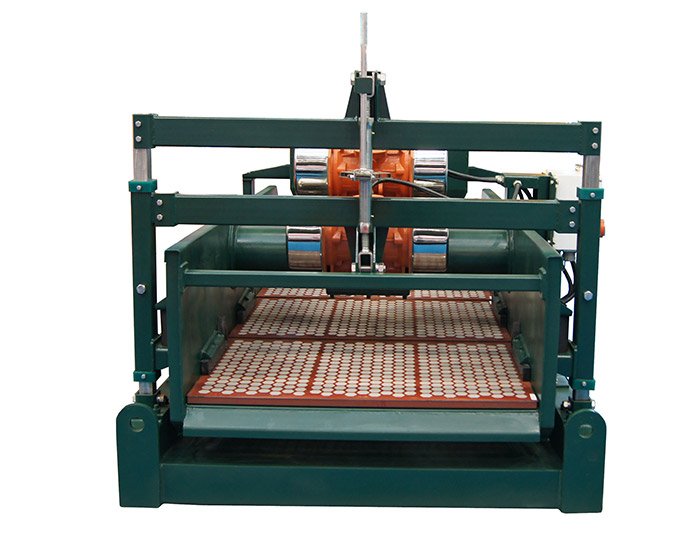
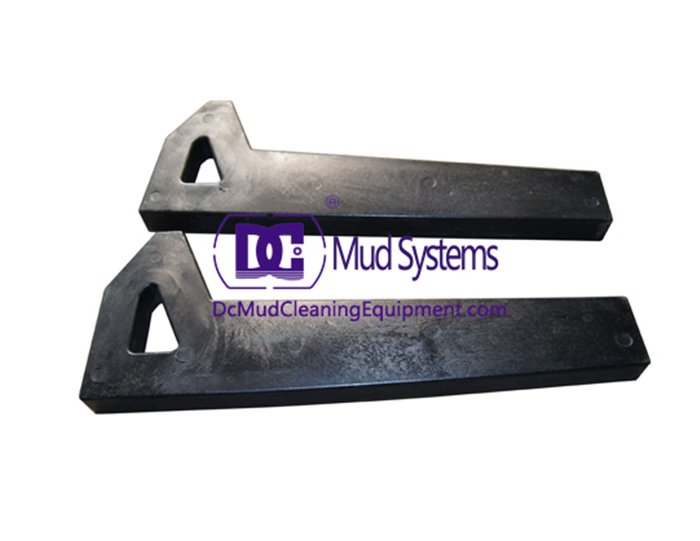
The wedge block of shale shaker is a precision-engineered fastening tool designed to convert lateral force into downward, compressive pressure. In most modern linear motion shakers, the screen is held in place by a tensioning rail or a specialized frame. The wedge block is driven into a dedicated slot, creating a high-friction lock that pins the screen firmly against the shaker bed. This "wedge action" is a masterclass in simple yet effective mechanical engineering. By using a tapered profile, the block allows the operator to apply significant clamping force with a simple hammer strike, ensuring that the screen cannot migrate during high-intensity vibration cycles.
Without a properly functioning wedge block of shale shaker, the screen becomes prone to "flutter." Flutter is a phenomenon where the screen cloth moves independently of the shaker basket. This secondary vibration is catastrophic for solids control. It leads to metal fatigue in the screen mesh and prevents the solids from being "conveyed" off the end of the shaker. The wedge block ensures that the screen and the basket vibrate as a single, unified body, which is the fundamental requirement for efficient separation.
Essential Shale Shaker Parts and the Synergy of Tensioning
To appreciate the wedge block, one must look at the wider array of shale shaker parts that work in tandem to maintain fluid integrity. A shale shaker is a high-vibration environment, often reaching forces exceeding 7G. In this environment, every part must be perfectly aligned. The tensioning rails, the rubber channels (strips), and the screen frames all rely on the wedge block to create the initial tension.
The relationship between these shale shaker parts is synergistic. For instance, the rubber channel strips provide the cushioning that prevents the screen from rubbing directly against the steel basket. However, these strips only work if the wedge block provides enough downward force to compress them slightly. If the wedge blocks are worn or improperly sized, the entire tensioning assembly fails. This leads to a domino effect where the screen cloth tears prematurely, the rubber strips are shredded, and the drilling mud is bypassed by large cuttings, which can eventually damage downstream equipment like desanders and mud pumps.
The Structural Impact of Shale Shaker Components on Screen Longevity
Every one of the shale shaker components must be treated as part of a high-precision machine. The basket, the vibrating motors, and the wedge-lock system are designed to work at specific frequencies. When a screen is not properly tensioned by its wedge blocks, it experiences "flexing." This flexing causes the fine wires of the screen mesh to rub against each other at thousands of cycles per minute.
From a materials science perspective, the wedge block of shale shaker acts as the final locking mechanism that prevents this microscopic abrasion. By ensuring that the screen is pulled tight across the deck, the wedge blocks eliminate the "slack" that causes mesh failure. This is particularly important when using fine-mesh screens (e.g., API 200 or higher), where even a few millimeters of movement can lead to a "blinded" screen or a complete blowout of the mesh. High-quality shale shaker components are therefore an investment in the longevity of the separation media, which is often the most expensive recurring cost in solids control operations.
Best Practices for Shale Shaker Maintenance and Wedge Integrity
A rigorous shale shaker maintenance schedule must prioritize the inspection of the wedge blocks and their corresponding slots. Because wedge blocks are often made of durable polymers or composite materials, they are designed to be the "sacrificial" part of the system. It is much cheaper to replace a worn wedge block than to replace a damaged shaker basket or an expensive set of screens.
During routine shale shaker maintenance, operators should check for several key indicators of wear. First, look for "mushrooming" on the head of the wedge block, which occurs from repeated hammering. Second, inspect the taper of the block for thinning or warping. If the wedge block can be pushed into the slot by hand without resistance, it is no longer providing sufficient tension. Furthermore, the slots on the shaker basket themselves should be cleaned of dried mud and debris. Accumulated solids in the wedge slot can prevent the block from seating correctly, leading to uneven tension across the screen surface and premature failure of the shale shaker parts.
Shale Shaker: Choosing the Right Wedge Block for Harsh Environments
The environment within a shale shaker is not just physically demanding; it is chemically aggressive. Drilling muds can contain salts, oils, and various chemicals that can degrade standard plastics. Therefore, the wedge block of shale shaker is typically manufactured from high-density polyethylene (HDPE) or specialized polyurethane. These materials are chosen for their high impact resistance and their ability to withstand the corrosive nature of the mud.
Selecting the right material for these shale shaker components is vital. A block that is too hard may crack under the vibration, while a block that is too soft will "flow" or deform over time, losing its tensioning grip. Most modern manufacturers have moved toward composite wedges that offer a balance of rigidity and energy absorption. This ensures that the wedge provides a "live" grip—one that can absorb the micro-vibrations of the shaker without backing out of the slot. This focus on material integrity is a hallmark of professional-grade solids control equipment.

 Linear Motion Shale Shaker In Drilling Rig
  Oilfield Mud Cleaner
 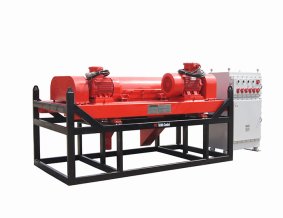 Drilling Fluid Decanter Centrifuge
 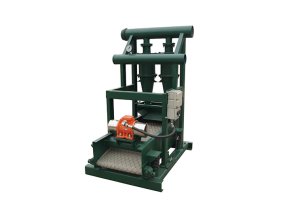 Drilling Mud Desander
 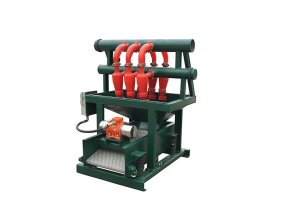 Hydrocyclone Desilter
 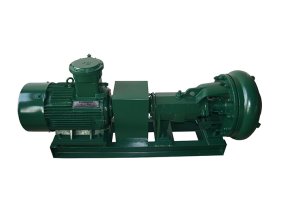 Centrifugal Pump/Centrifugal Mud Pump
 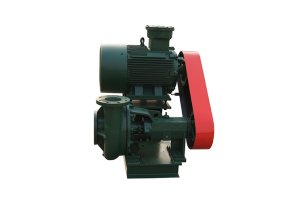 Shear Pump
 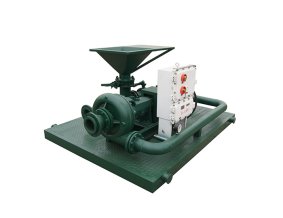 Jet Mud Mixer
 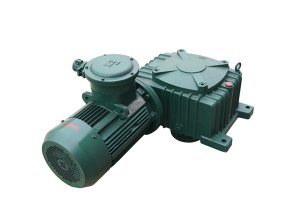 Horizontal Mud Agitator
 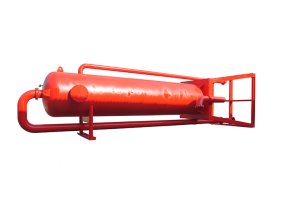 Constant Pressure Drilling Fluid Mud Gas Separator
 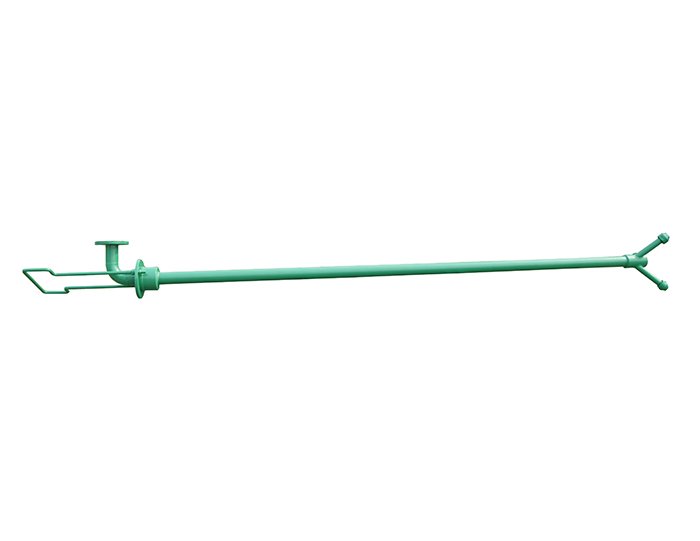 Mud Gun
  Mud Tank
 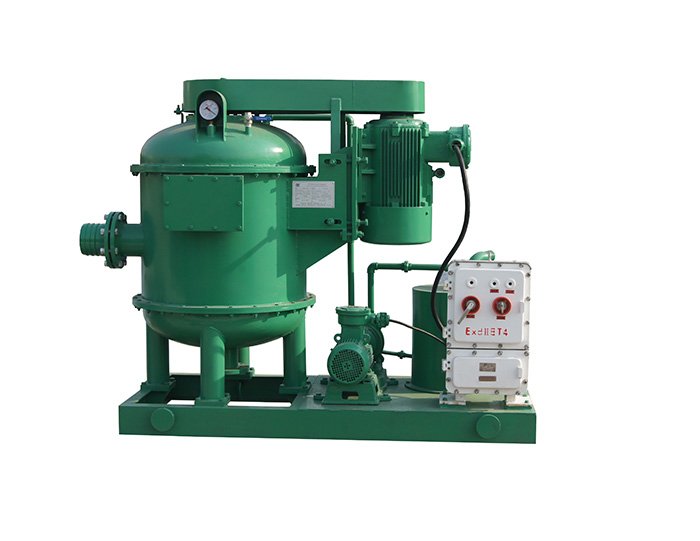 Solids Control System Vacuum Degasser
 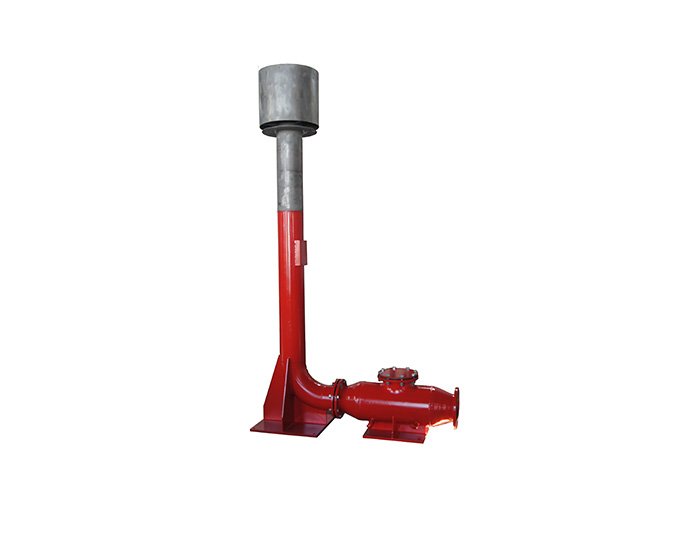 Flare Ignition Device
 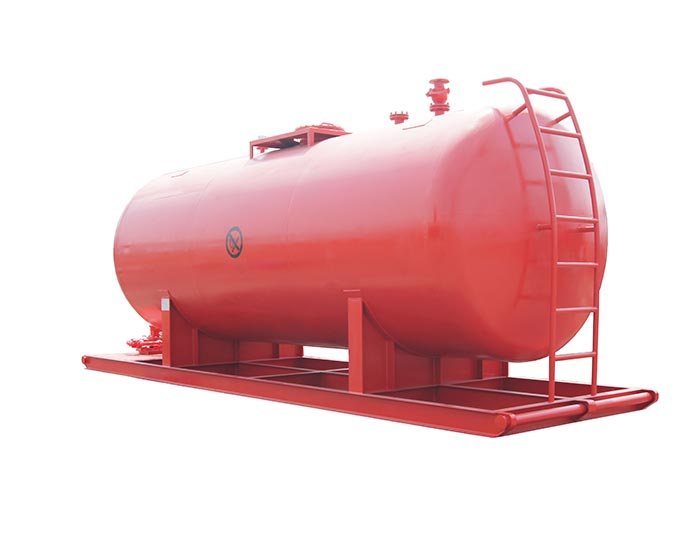 Diesel Tank
 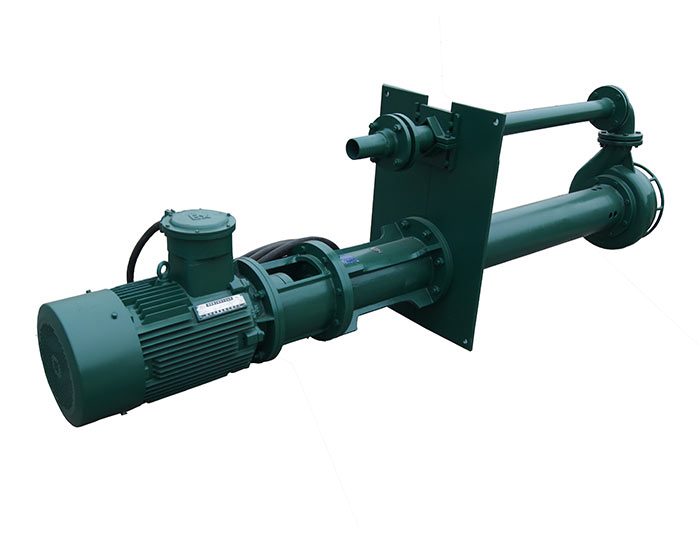 Submersible Slurry Pump