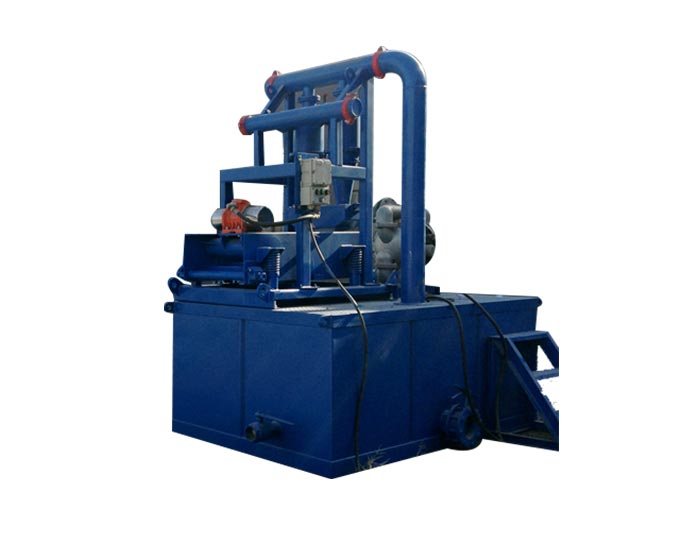
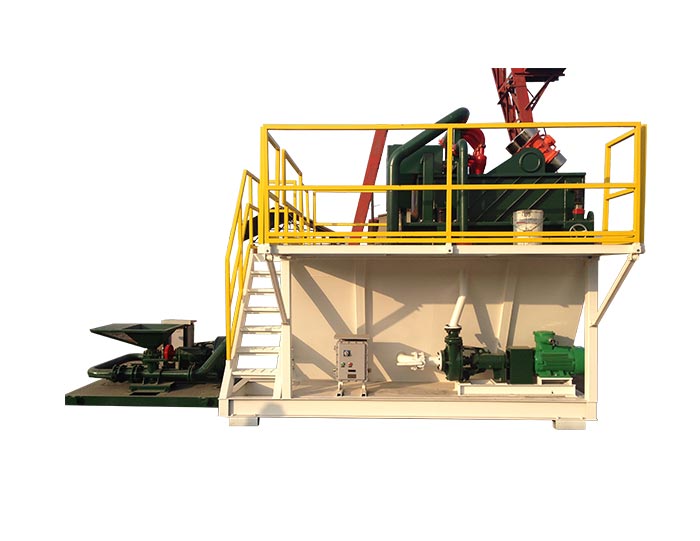
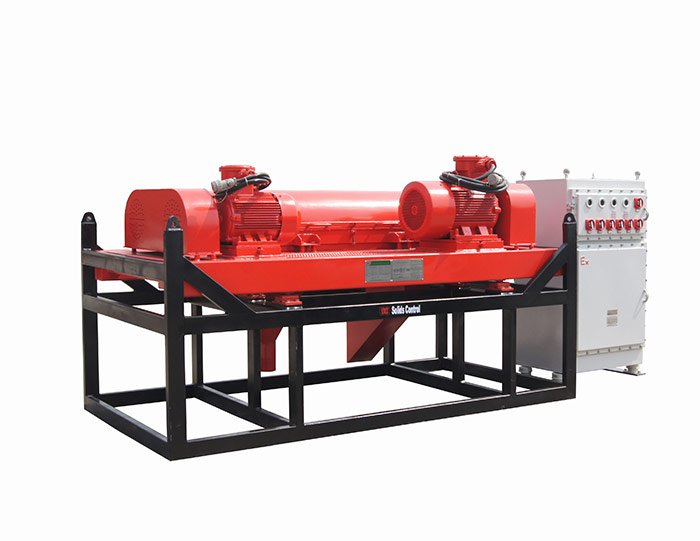
In the high-pressure environment of a modern oil and gas exploration site, the mechanical integrity of the drilling process is maintained by a complex circulatory system. At the center of this system sits a machine that serves as both a filter and a guardian: the shale shaker in drilling rig operations. While early drilling history relied on simple settling pits or circular motion vibrators, the industry has undergone a radical transformation with the advent of linear vibration technology. Today, the linear motion shale shaker in drilling rig configurations has become the indispensable standard, providing the necessary G-force and conveyance speed to handle the intense flow rates of 2026’s deepest and most challenging wells.
The Mechanical Advantage of the Linear Motion Shale Shaker in Drilling Rig Systems
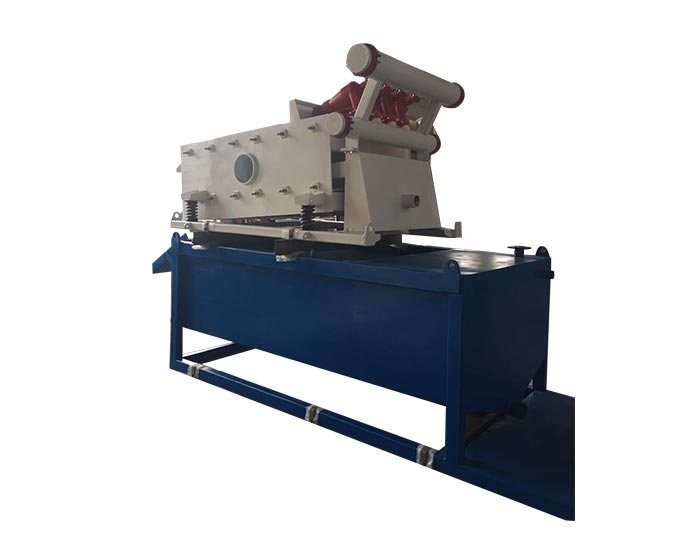
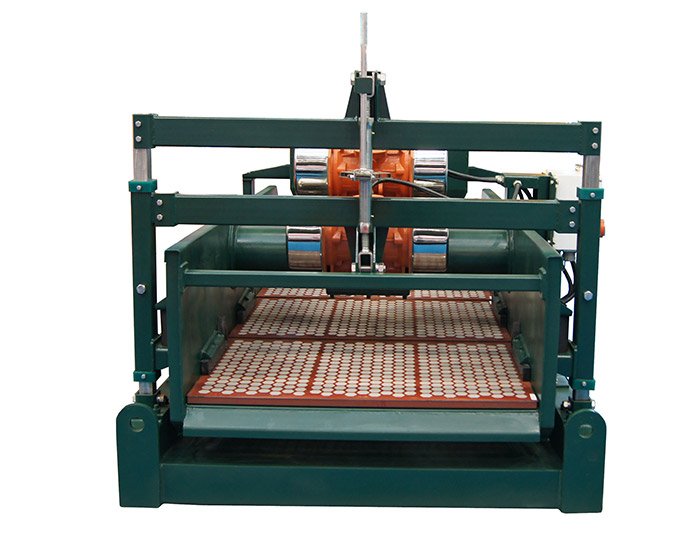
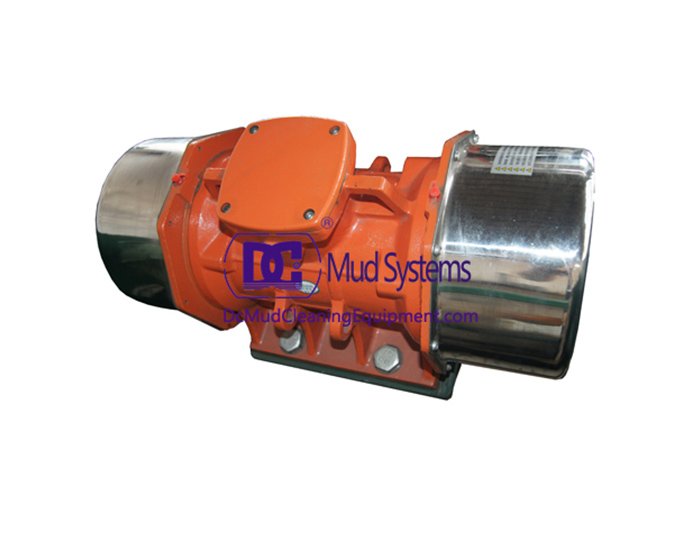
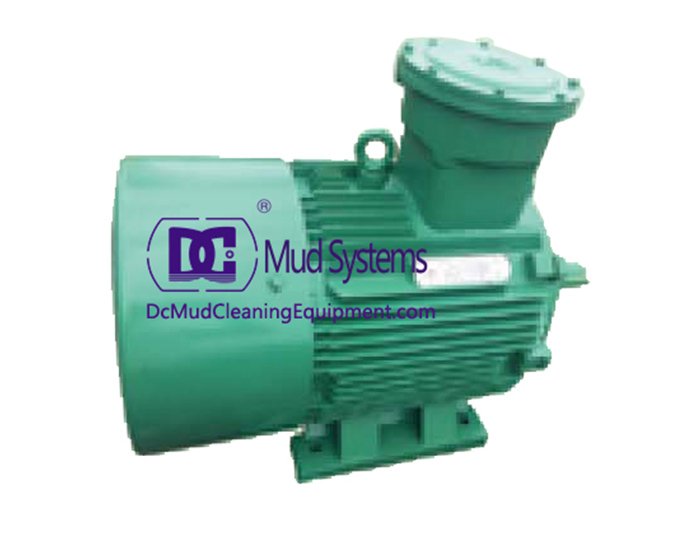
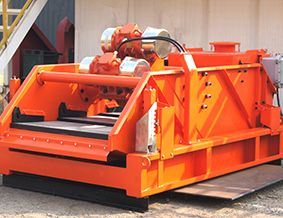
The transition from traditional motion to the linear motion shale shaker in drilling rig setups represents one of the most significant leaps in solids control engineering. Unlike circular or elliptical motion, where the vibration follows a curved path, linear motion is achieved by two counter-rotating vibrating motors. These motors are synchronized to cancel out horizontal forces while doubling the vertical force along a straight line, typically angled at 45 to 50 degrees to the screen deck.
This precise mechanical action is what allows the linear shale shaker to excel in high-capacity fluid handling. The linear path creates a "push-and-lift" effect that conveys heavy, wet solids uphill against a climbing deck. By forcing the solids to move in a straight line toward the discharge end, the machine prevents the "tumbling" effect seen in older models, which often led to cuttings being broken down into smaller, harder-to-remove particles. This focused energy ensures that even the most viscous oil-based muds are processed quickly, maintaining the continuous flow required for high-speed drilling.
Optimizing Fluid Recovery with the High-G Linear Shale Shaker
One of the most critical metrics for any drilling operation is the recovery of the liquid phase. Drilling fluids are expensive, and every gallon lost to the waste pit represents a direct hit to the project’s bottom line. The linear shale shaker is specifically designed to maximize this recovery through the application of high G-force, often reaching levels between 7.0G and 8.0G.
This intense vibration effectively breaks the surface tension between the rock cuttings and the drilling fluid. As the drilling mud shale shaker vibrates, the liquid is "shaken" off the solid surfaces and forced through the fine mesh of the screens. The linear movement then ensures that the "dried" cuttings are moved out of the way immediately, preventing them from re-absorbing the fluid or blinding the screen surface. In modern 2026 drilling programs, where environmental regulations regarding "cuttings dryness" are increasingly strict, the ability of the linear motion system to produce a clean, dry discharge is not just an economic benefit—it is a regulatory necessity.
Managing Complex Formations with the Drilling Mud Shale Shaker
As drilling rigs move into more unconventional formations, such as reactive shales or heavy clays, the demands on the drilling mud shale shaker intensify. Reactive shales tend to swell and become "sticky" when they come into contact with water-based muds. If the shaker does not have the power to convey these sticky masses quickly, the screens will become "coated," leading to a complete bypass of the mud system.
The linear motion shale shaker in drilling rig operations solves this by providing a consistent, high-intensity vibration that prevents clay balls from adhering to the mesh. Because the linear path is so efficient at conveyance, operators can use much finer screens than were previously possible. By utilizing API 200 or 325 mesh screens, the linear shale shaker can remove much smaller particles before they have a chance to degrade into "ultrafines." These ultra-fine solids are the primary cause of increased plastic viscosity and wear on the drill string, and their early removal is the key to maintaining the rheological health of the entire mud system.
Integration of the Linear Shale Shaker into the Modern Solids Control Circuit
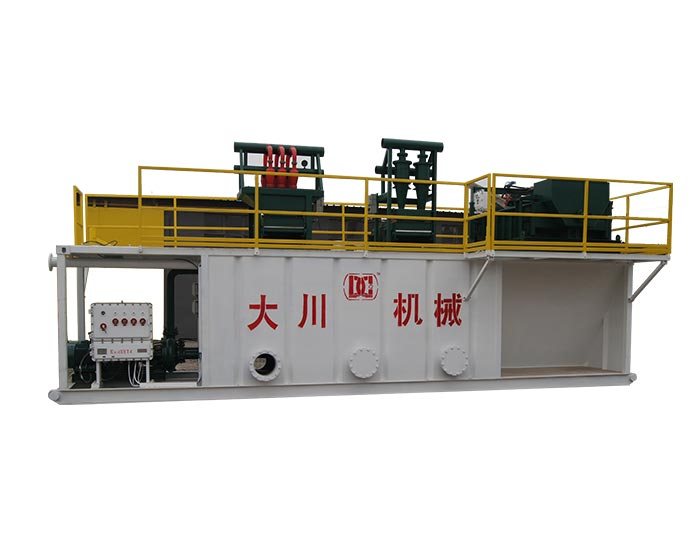
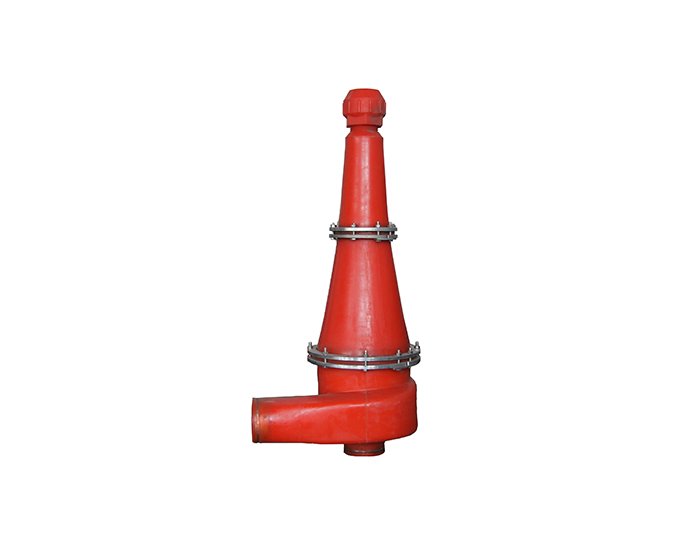
The role of the shale shaker in drilling rig operations is not performed in isolation. It is the first step in a multi-stage separation process that includes desanders, desilters, and centrifuges. However, the efficiency of every subsequent piece of equipment depends entirely on the performance of the primary shaker. If the linear motion shale shaker in drilling rig fails to do its job, the downstream hydrocyclones will be overwhelmed by large solids, leading to frequent clogs and accelerated wear on the centrifugal pumps.
Furthermore, the design of the modern drilling mud shale shaker allows for rapid adjustments to the deck angle—often while the machine is running. This flexibility allows the derrickhand to respond to changes in the "cuttings load" in real-time. For instance, when the rate of penetration (ROP) increases and more rock is being excavated, the deck can be tilted upward to increase the "pool" depth and give the fluid more time to pass through the screens. This synergy between mechanical power and operator control is what makes the linear motion system the heart of the modern rig.
Durability and Maintenance of the Linear Shale Shaker in 2026
The environment on a drilling rig is notoriously hostile. Equipment is subjected to 24-hour operation, corrosive chemicals, and extreme weather conditions. To meet these challenges, the linear shale shaker has evolved into a rugged, low-maintenance machine. In 2026, leading manufacturers utilize high-tensile, heat-treated steel for the shaker basket and specialized vibration-damping mounts that isolate the vibration from the rest of the rig structure.
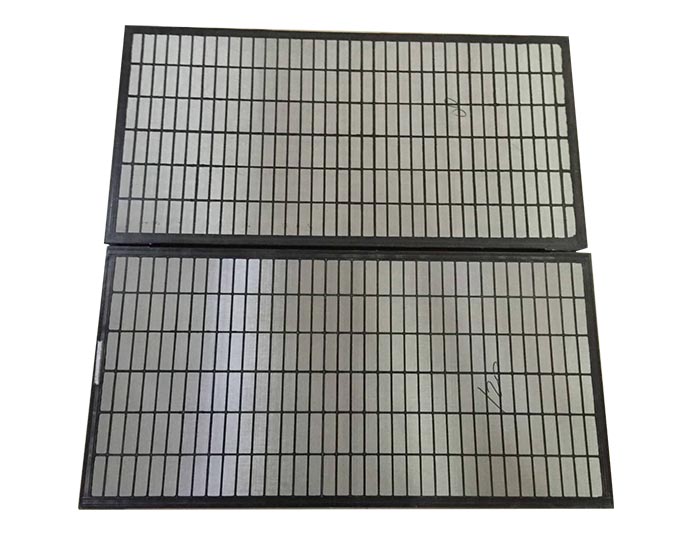
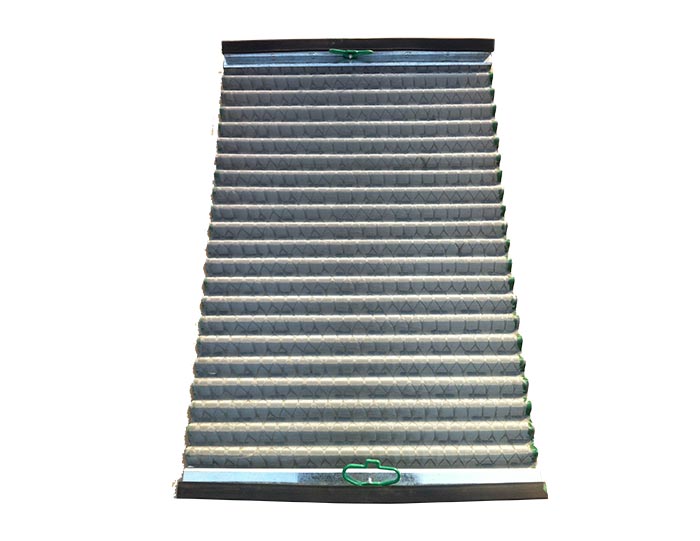
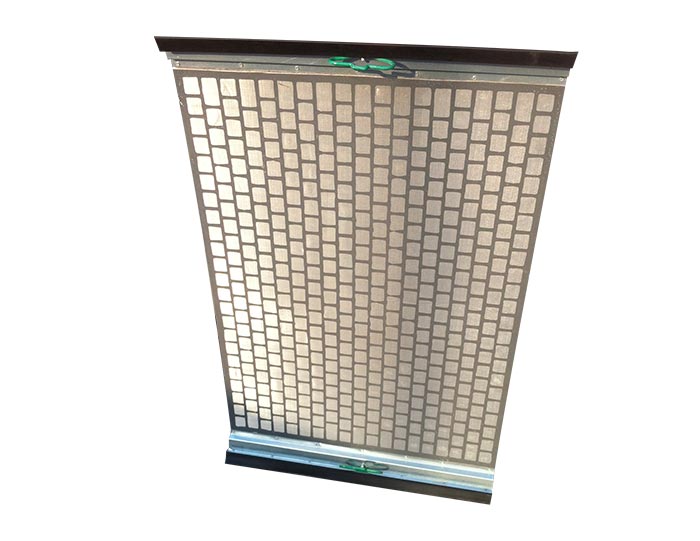
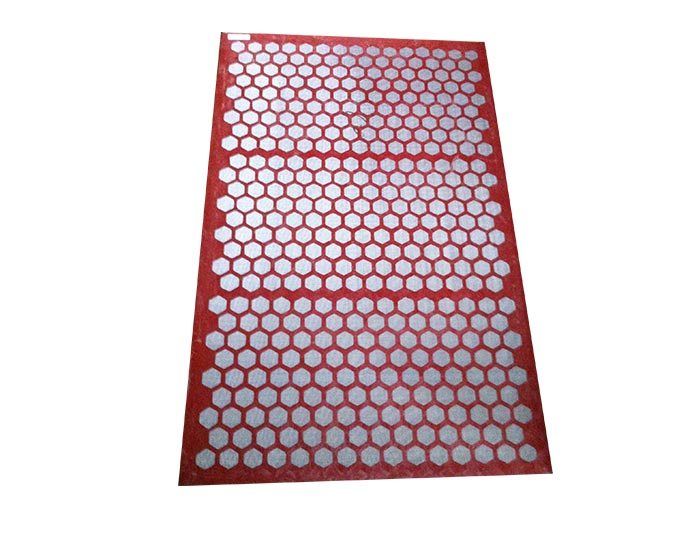
Effective shale shaker in drilling rig maintenance is now focused on the longevity of the vibrator motors and the integrity of the screen tensioning system. Most modern linear shale shaker units utilize wedge-lock or quick-release tensioning, which allows for screen changes in under a minute. This minimizes downtime and ensures that the rig can continue to circulate mud even when switching to different formations. By maintaining a solid and stable maintenance schedule, operators can ensure that their primary separation system remains a reliable asset for the duration of the well program.

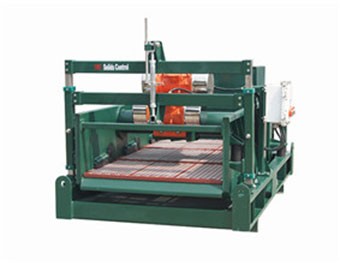 Linear Motion Shale Shaker In Drilling Rig
 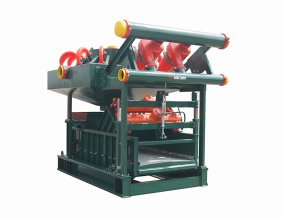 Oilfield Mud Cleaner
 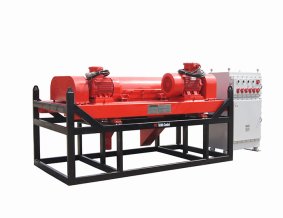 Drilling Fluid Decanter Centrifuge
 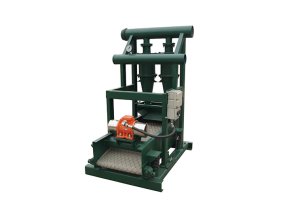 Drilling Mud Desander
 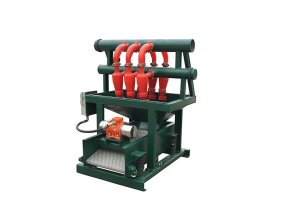 Hydrocyclone Desilter
 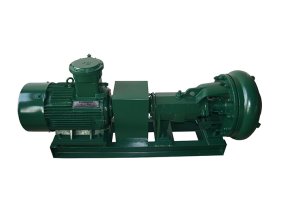 Centrifugal Pump/Centrifugal Mud Pump
 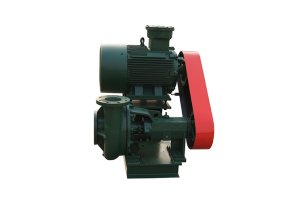 Shear Pump
 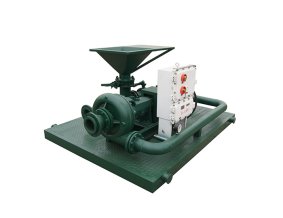 Jet Mud Mixer
 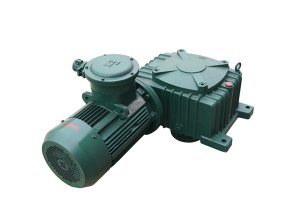 Horizontal Mud Agitator
 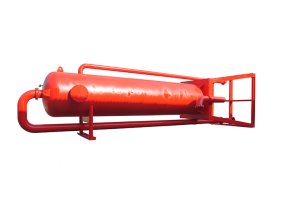 Constant Pressure Drilling Fluid Mud Gas Separator
 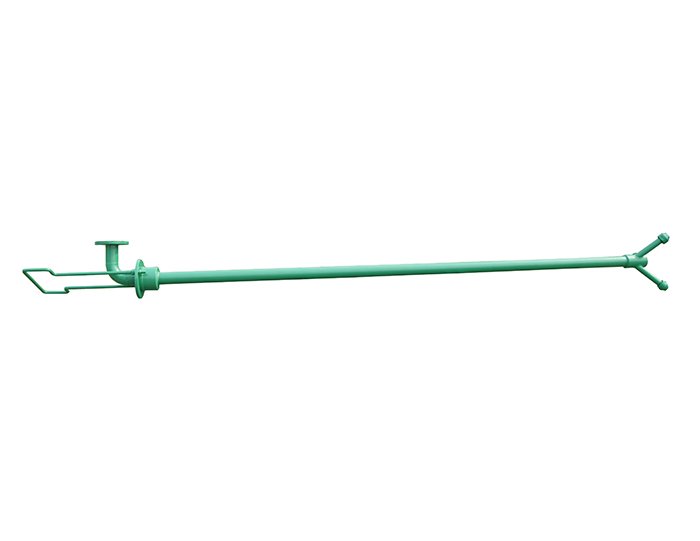 Mud Gun
  Mud Tank
 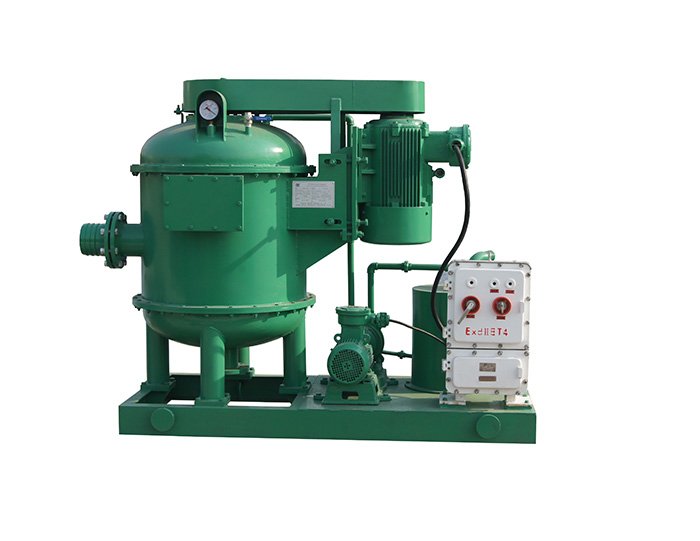 Solids Control System Vacuum Degasser
 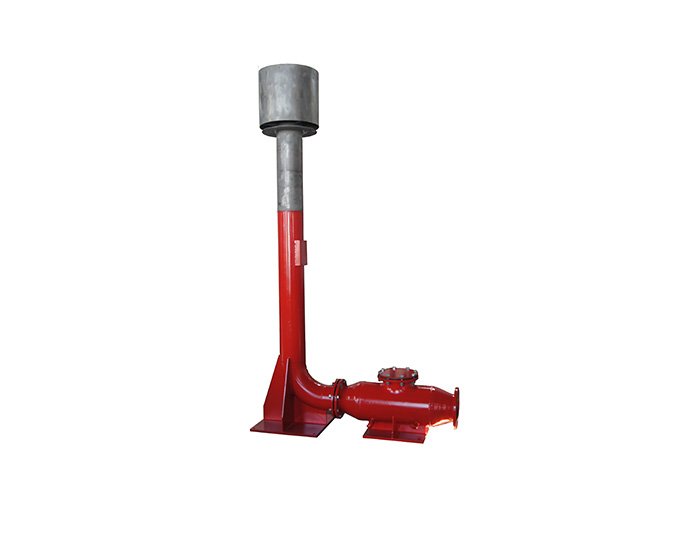 Flare Ignition Device
 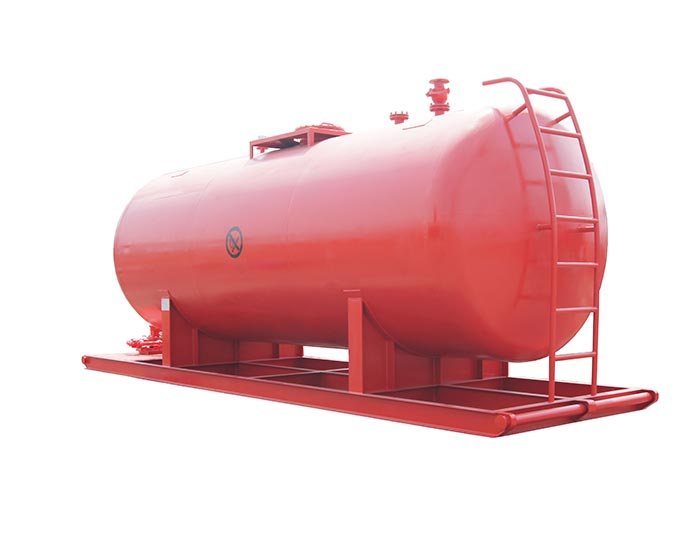 Diesel Tank
 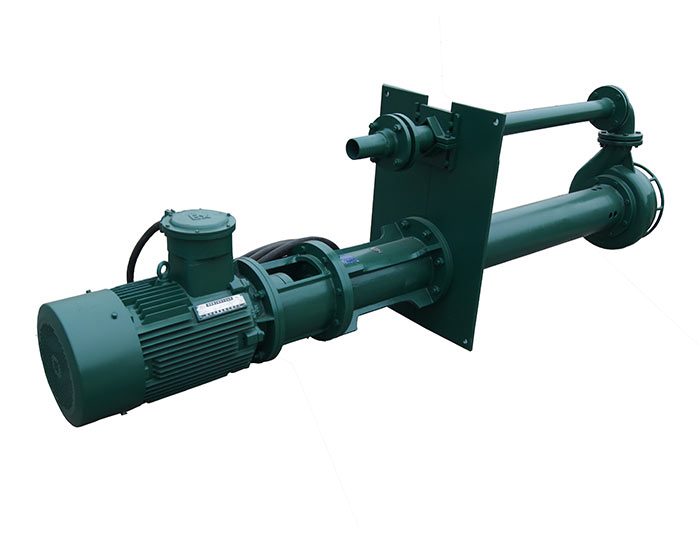 Submersible Slurry Pump