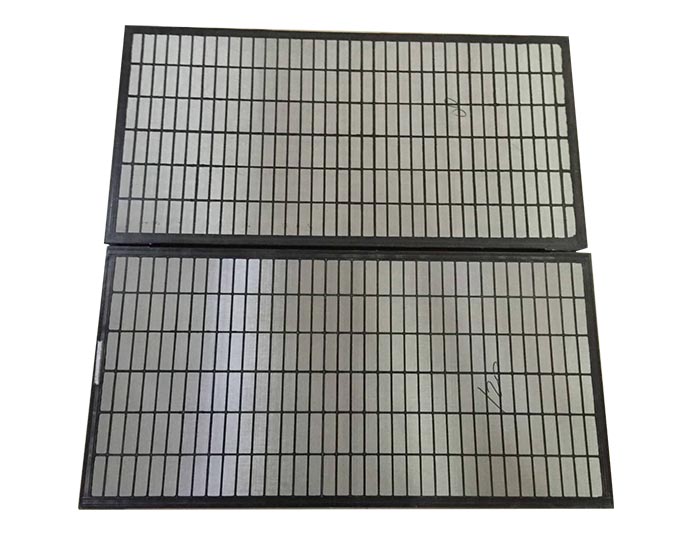
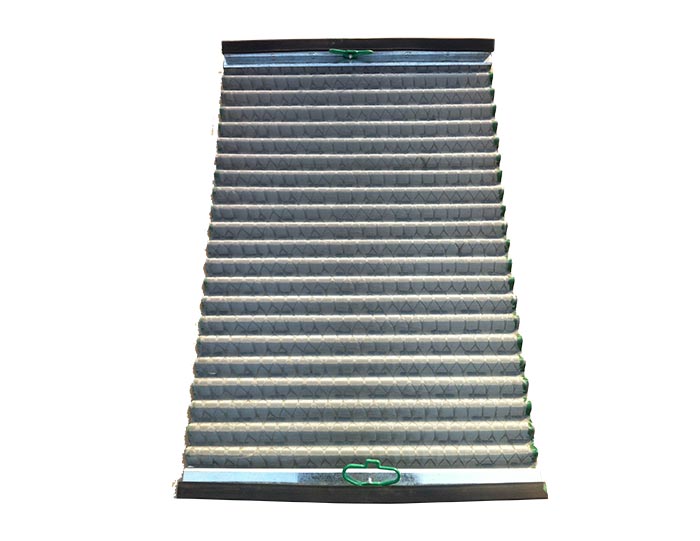
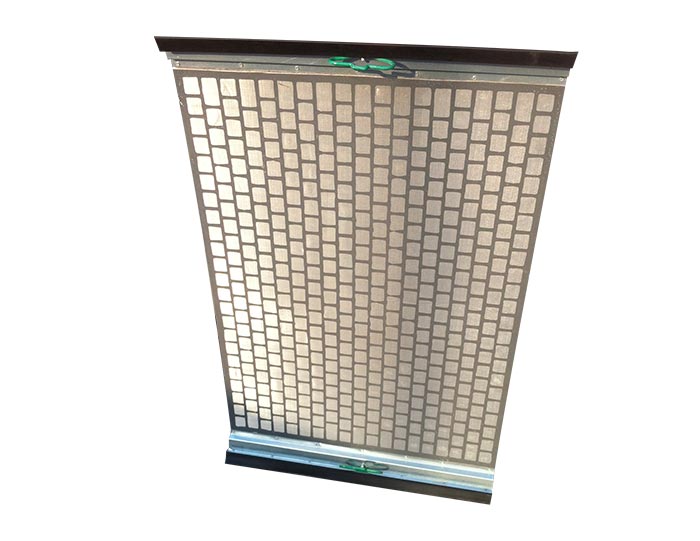
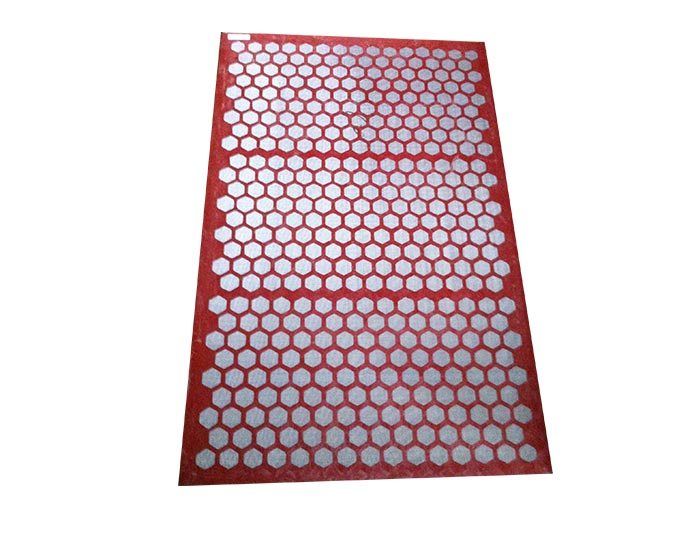
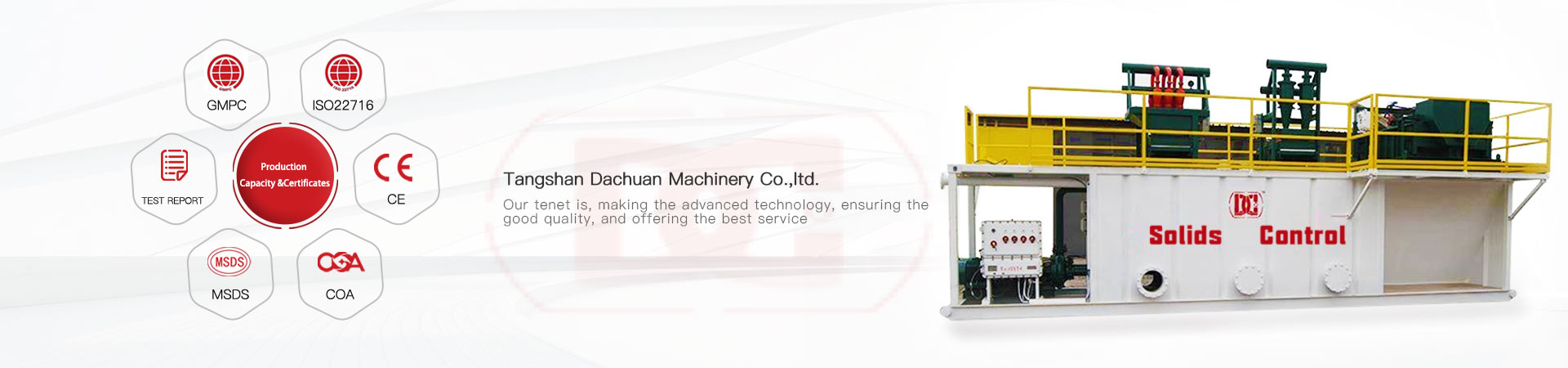
In the high-stakes world of modern oil and gas exploration, the efficiency of a drilling operation is often measured by the clarity of its fluids. As drill bits penetrate deeper into complex geological formations, the volume of ultra-fine solids—particles often too small to be captured by primary shale shakers—increases exponentially. To combat this, the industry has turned toward the technical prowess of the mud cleaner desilter unit. This integrated piece of equipment represents the pinnacle of secondary and tertiary solids control, combining high-velocity centrifugal separation with precision high-frequency vibration. By consolidating these functions into a single, high-performance mud cleaner machine, operators can maintain the structural integrity of the wellbore while drastically reducing the total cost of ownership for their fluid systems.
The Mechanical Synergy of the Mud Cleaner Desilter Architecture
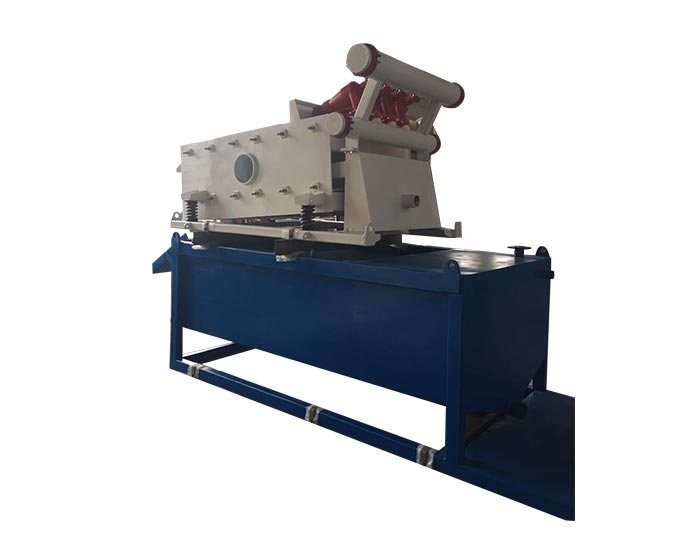
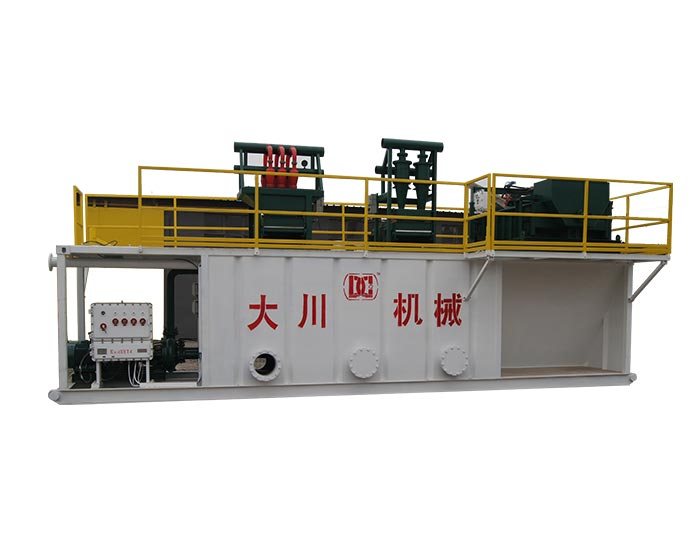
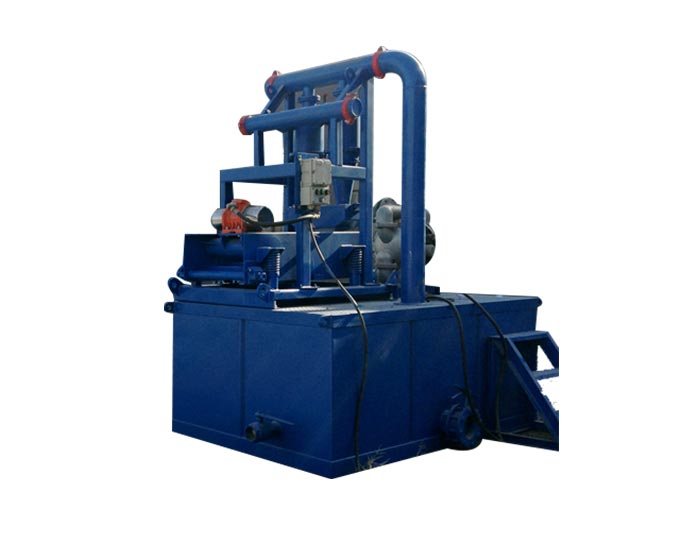
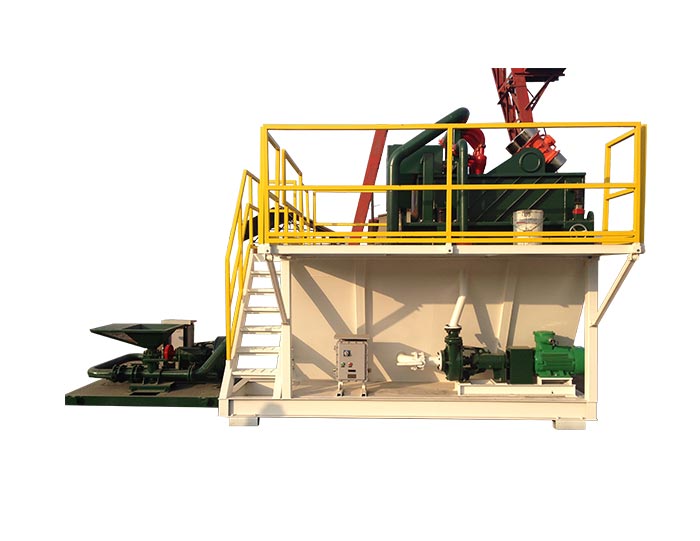
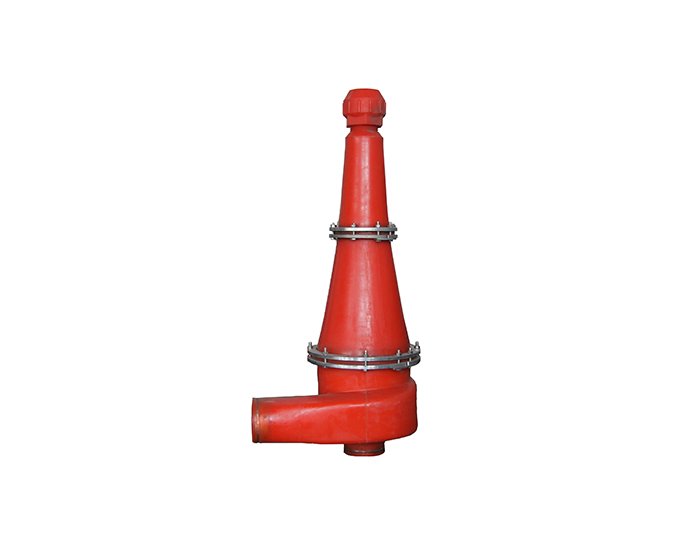
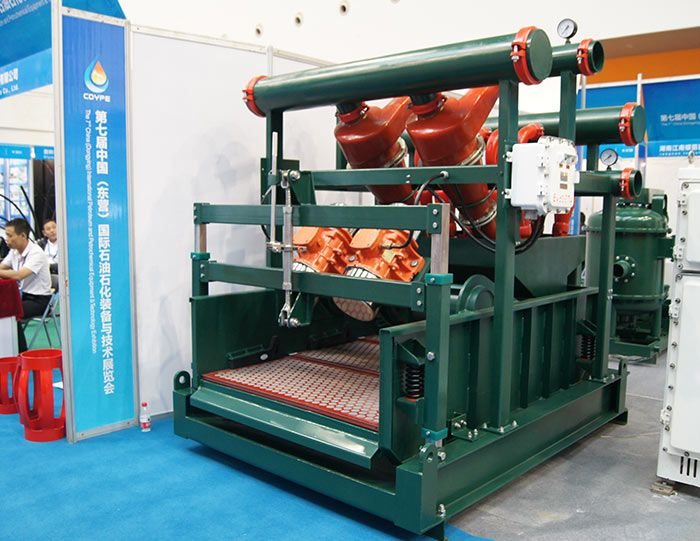
The primary technical advantage of an integrated mud cleaner desilter lies in its ability to process massive volumes of slurry through a compact and highly efficient footprint. Unlike standalone desilter banks that simply discharge waste into a pit, the integrated mud cleaner captures the underflow from the hydrocyclones and subjects it to further mechanical filtration. This process is driven by the mud cleaner cones, which are typically constructed from high-grade polyurethane to resist the abrasive forces of sand and silt. Inside these cones, the fluid is forced into a high-speed vortex; centrifugal force drives the heavier, smaller solids toward the apex of the cone, while the cleaned fluid is siphoned off through the vortex finder at the top.
What sets the drilling mud cleaner apart is the precision with which the "mud cleaner cones" operate. In a desilter configuration, these cones are usually smaller in diameter (typically 4 inches) compared to desander cones. The smaller diameter allows for higher centrifugal forces, which are necessary to strip out particles in the 15 to 44-micron range. By mounting these cones directly over a high-G force vibrating screen, the mud cleaner system ensures that any valuable base fluid—whether water-based or synthetic oil-based—is recovered from the sludge and returned to the active system. This synergy prevents the "liquid loss" that plagues older, non-integrated separation methods.
Optimizing Fluid Rheology with the High-G Mud Cleaner Machine
Maintaining the rheological properties of drilling fluid is perhaps the most difficult task for a fluids engineer. When fine solids are allowed to accumulate, the plastic viscosity and yield point of the mud begin to rise uncontrollably. A high-performance mud cleaner machine acts as the primary defense against this "solids build-up." By continuously stripping out micro-solids, the mud cleaner desilter keeps the mud "thin" enough to be pumped at high flow rates without exceeding the equivalent circulating density (ECD) of the formation.
The technical superiority of the mud cleaner system is especially evident when drilling through reactive clay formations. Clays tend to disperse into the mud, creating a colloidal suspension that is nearly impossible to remove with standard shakers. However, the intense centrifugal energy within the mud cleaner cones forces even these buoyant particles toward the underflow. Once they hit the fine-mesh screen of the mud cleaner machine, they are "de-watered" and discharged as a semi-dry cake. This mechanical de-watering is far more cost-effective than chemical flocculation or simple dilution, which requires the constant addition of expensive new base fluids and chemicals.
Enhancing Drilling Rig Longevity through the Mud Cleaner System
The impact of a drilling mud cleaner extends far beyond the mud tanks; it is a critical factor in the mechanical health of the entire drilling rig. High-pressure mud pumps are the heart of the operation, and their internal components—liners, pistons, and valves—are extremely sensitive to abrasive wear. If the mud cleaner desilter fails to remove fine silt and sand, these micro-abrasives act like liquid sandpaper, scouring the internal surfaces of the pump and the drill string.
By implementing a robust mud cleaner system, a rig operator can significantly extend the Mean Time Between Failures (MTBF) for downhole motors and Measurement While Drilling (MWD) tools. These expensive electronic and mechanical components are often the first to fail when "dirty" mud is circulated. The micro-fine filtration provided by the mud cleaner machine ensures that the nozzles in the drill bit remain clear and that the internal turbines of MWD tools are not eroded by high-velocity solids. In essence, the mud cleaner desilter serves as a high-tech insurance policy for the rig’s most valuable mechanical assets.
The Economic Impact of Mud Cleaner Cones in Weighted Mud Systems
In high-pressure wells, "weighted" muds containing barite are used to balance formation pressure. One of the greatest technical challenges in solids control is removing "drilled solids" while retaining the expensive barite. This is where the calibration of mud cleaner cones becomes vital. Because barite is much denser than typical drilled rock, a well-tuned mud cleaner desilter can be adjusted to allow the fine barite particles to stay in the overflow (liquid) while the larger, less dense rock fragments are sent to the underflow and discarded by the screen.
The ability of the drilling mud cleaner to perform this "selective separation" is a game-changer for deepwater and high-pressure, high-temperature (HPHT) projects. The cost of barite can run into the hundreds of thousands of dollars over the course of a single well. A mud cleaner system that maximizes barite recovery while maintaining a low solids content directly improves the bottom line. It reduces the "dilution rate"—the amount of new mud that must be built to keep the solids at a manageable level—thereby lowering both chemical costs and waste disposal volumes.
Environmental Stewardship and the Mud Cleaner Machine
In 2026, environmental regulations regarding the disposal of drilling waste have become stricter than ever. The mud cleaner machine plays a pivotal role in the industry's move toward "Zero Discharge" operations. By producing drier cuttings and cleaner effluent, the mud cleaner desilter reduces the total volume of waste that must be hauled away to treatment facilities.
The integration of the mud cleaner system also allows for the effective use of "closed-loop" fluid systems. In water-scarce regions or environmentally sensitive offshore areas, the ability to recycle nearly 100% of the base fluid is a major competitive advantage. The mud cleaner machine provides the final mechanical polishing step required before the fluid can be considered truly "reclaimed." By reducing the carbon footprint associated with fluid transport and waste management, the drilling mud cleaner helps oil and gas companies meet their ESG (Environmental, Social, and Governance) targets while maintaining peak operational performance.
The Indispensable Role of the Mud Cleaner Desilter
The technical advantages of the mud cleaner desilter are multifaceted, ranging from the physics of the mud cleaner cones to the mechanical reliability of the mud cleaner machine. It is the bridge between basic screening and advanced centrifugation, providing a level of fluid clarity that is essential for modern, high-speed drilling. By investing in a high-quality mud cleaner system, operators are not just buying a piece of equipment; they are securing the stability of their wellbore, the longevity of their pumps, and the purity of their drilling environment.
As drilling technology continues to evolve toward more automated and "smarter" rigs, the drilling mud cleaner will remain a cornerstone of the process. Its ability to mechanically adapt to changing geological conditions and its role in preserving the economic value of drilling fluids make it an indispensable asset. In the quest for drilling excellence, the mud cleaner desilter is the ultimate guardian of fluid integrity.

 Linear Motion Shale Shaker In Drilling Rig
  Oilfield Mud Cleaner
 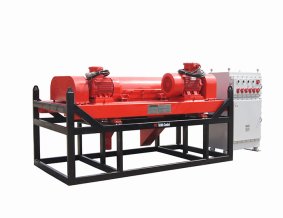 Drilling Fluid Decanter Centrifuge
 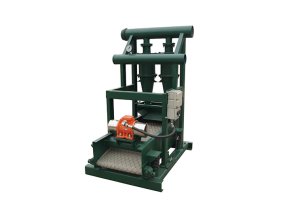 Drilling Mud Desander
 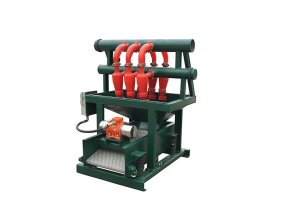 Hydrocyclone Desilter
 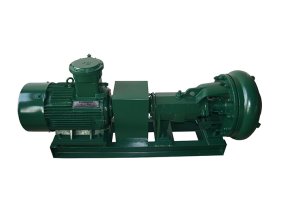 Centrifugal Pump/Centrifugal Mud Pump
 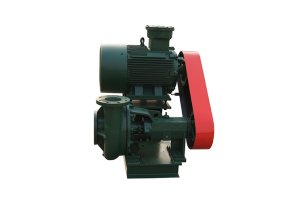 Shear Pump
 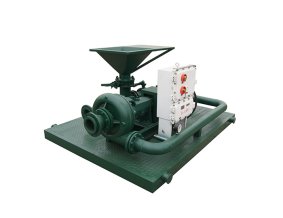 Jet Mud Mixer
 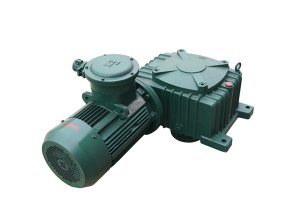 Horizontal Mud Agitator
 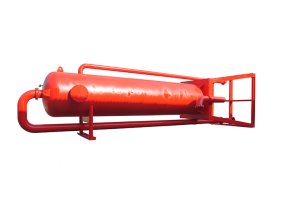 Constant Pressure Drilling Fluid Mud Gas Separator
 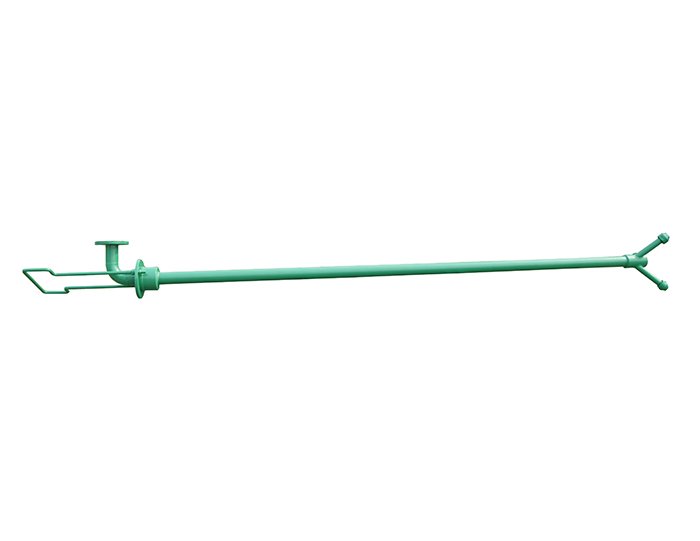 Mud Gun
  Mud Tank
 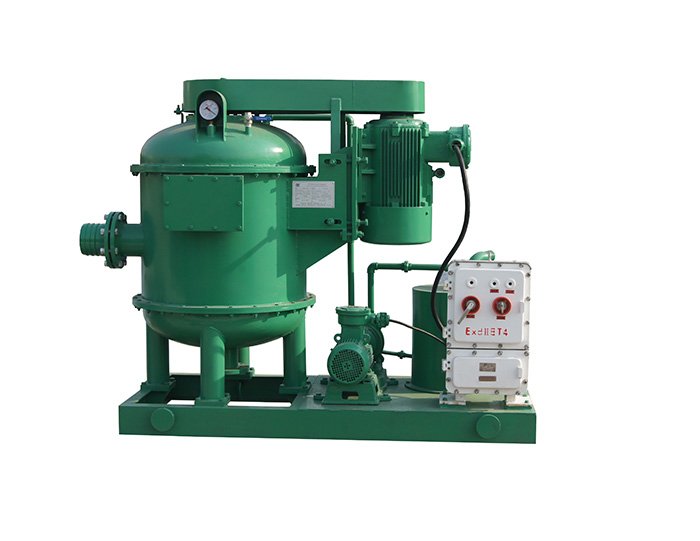 Solids Control System Vacuum Degasser
 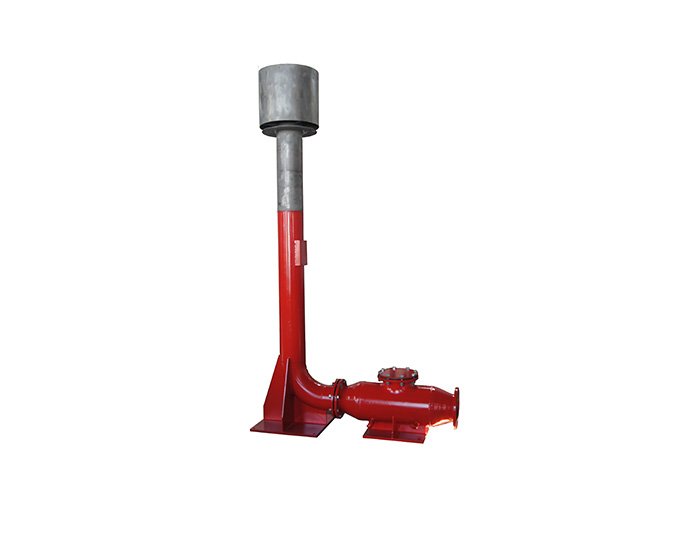 Flare Ignition Device
 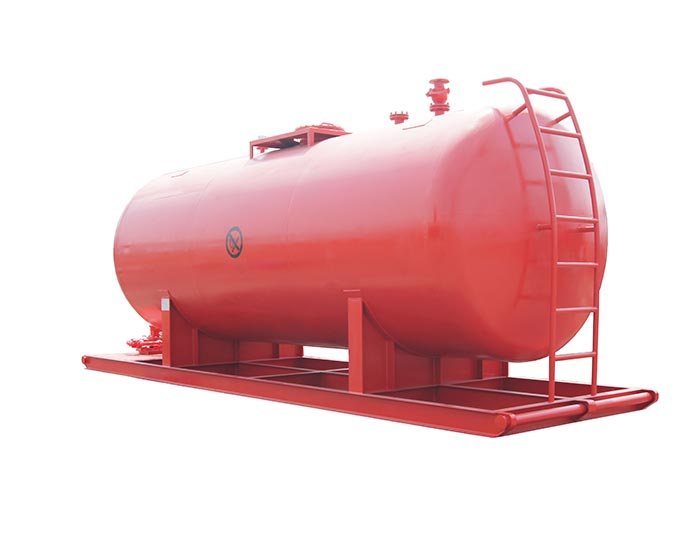 Diesel Tank
 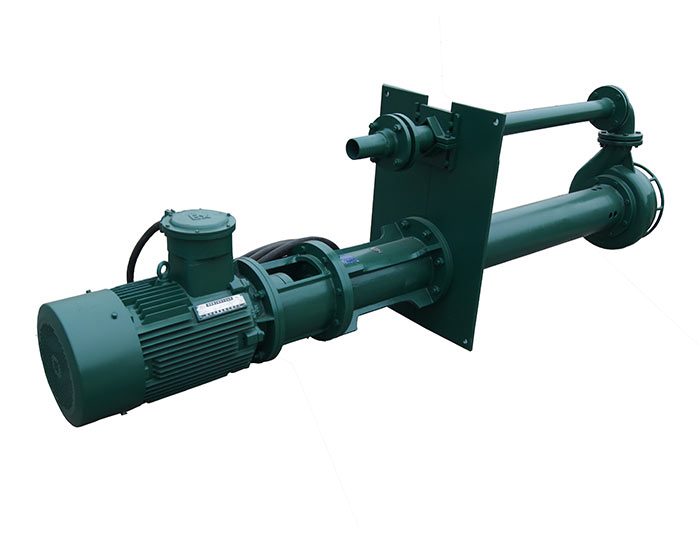 Submersible Slurry Pump