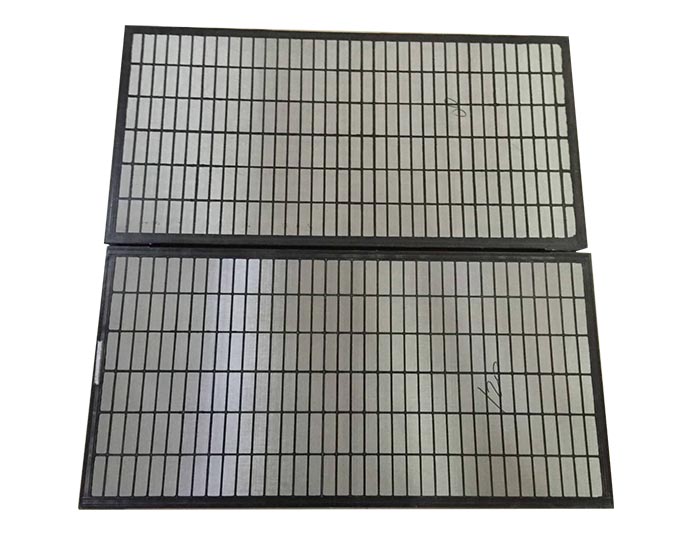
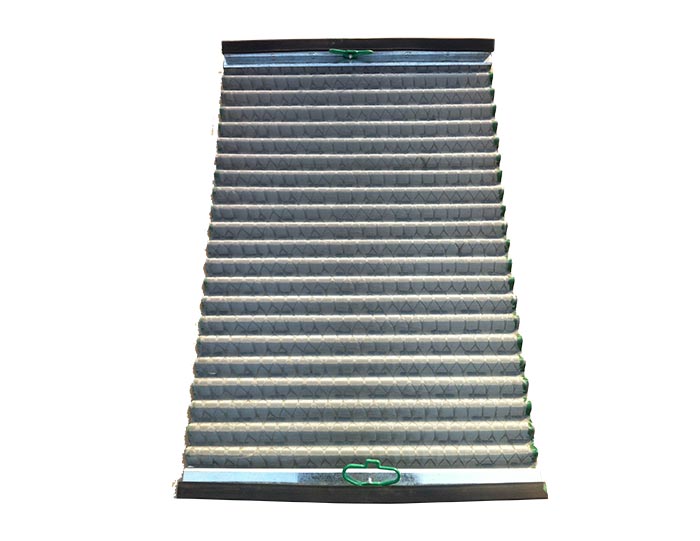
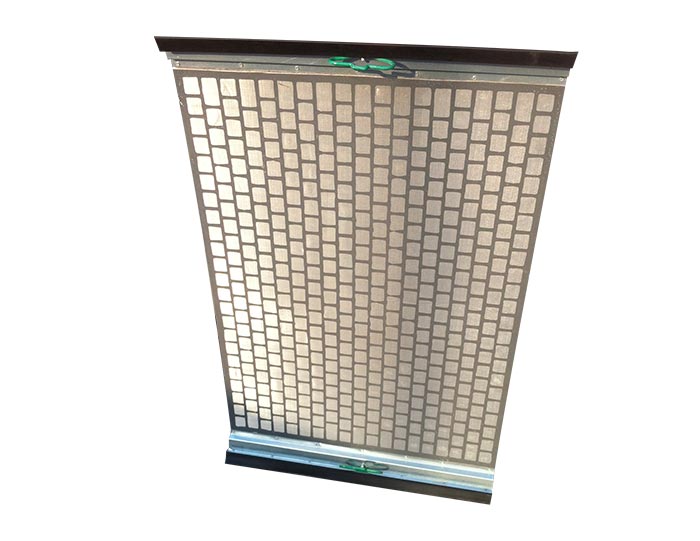
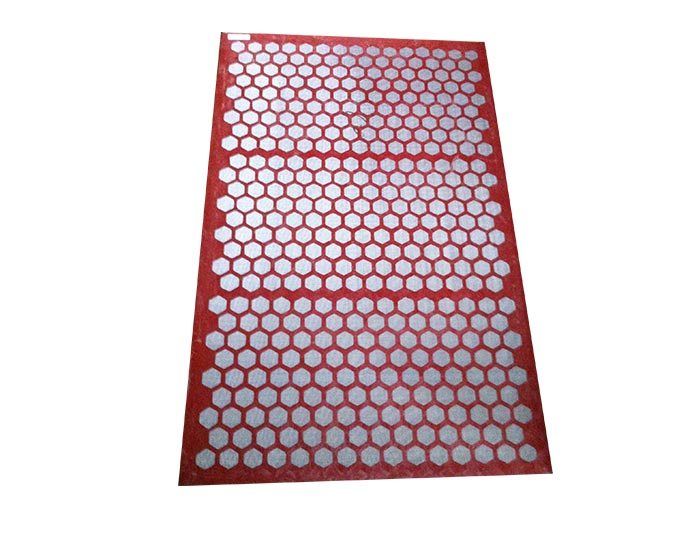
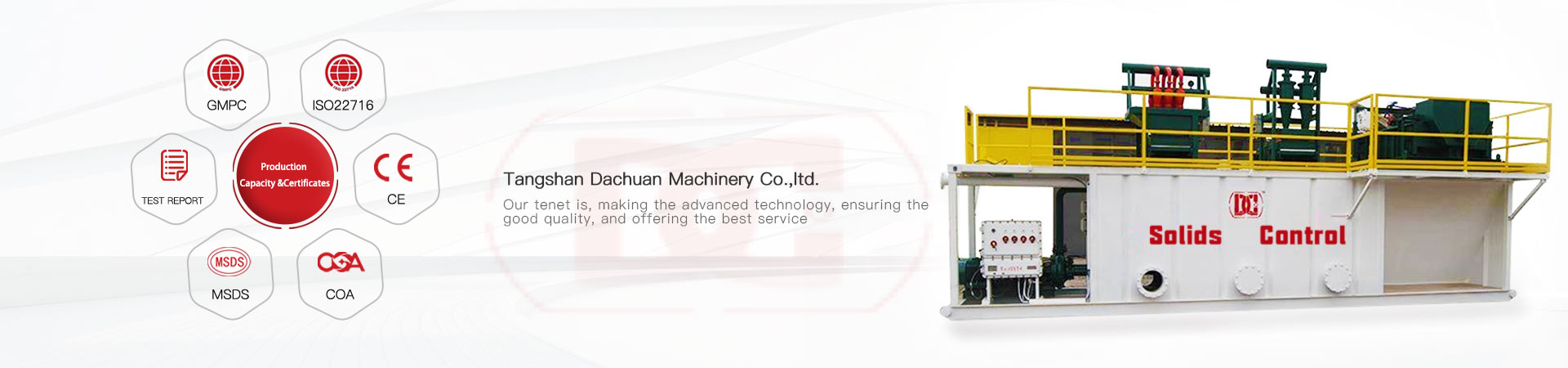
In the high-pressure environment of energy exploration, the success of a wellbore depends heavily on the "blood" of the operation: the drilling fluid. As this fluid circulates thousands of feet below the earth's surface, it picks up rock fragments, sand, and silt that threaten the mechanical integrity of the entire project. Managing these contaminants is the primary goal of solids control, and at the heart of this process lies a multifaceted piece of equipment. Understanding the role of a mud cleaner in drilling rig operations is essential for any operator looking to balance high rates of penetration with cost-effective fluid management. This machine is not merely an accessory; it is a sophisticated hybrid that ensures the expensive chemicals and base fluids used in drilling are recycled to their maximum potential.
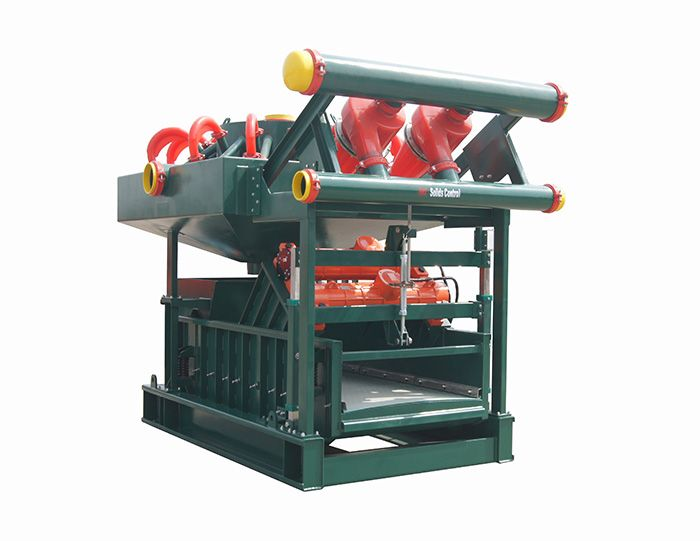
The Mechanical Hybridization of the Mud Cleaner Drilling Rig Unit
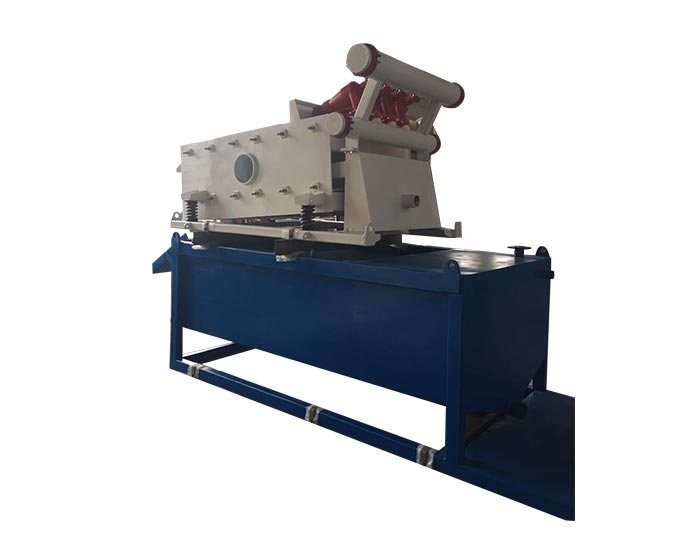
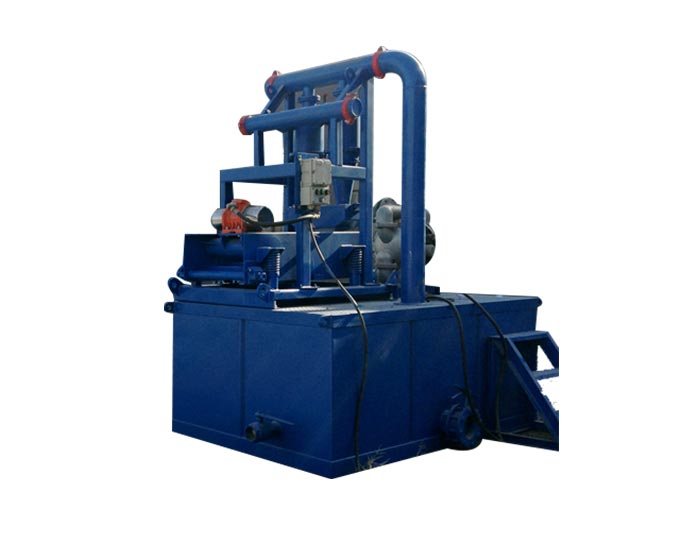
The fundamental design of a mud cleaner drilling rig setup is a testament to engineering efficiency. It is a "two-in-one" solution that combines the centrifugal separation power of hydrocyclones with the mechanical filtration of a high-frequency vibrating screen. In the standard sequence of solids control, the fluid first passes through shale shakers to remove large cuttings. However, smaller particles—often referred to as "sand" and "silt"—remain suspended in the mud. The mud cleaner machine is specifically designed to target these finer solids that the primary shakers miss but that are too large for a centrifuge to handle efficiently without excessive chemical aid.
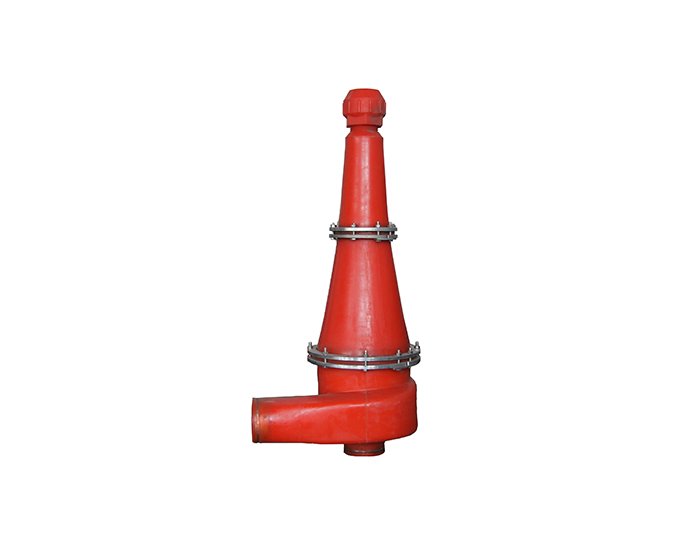
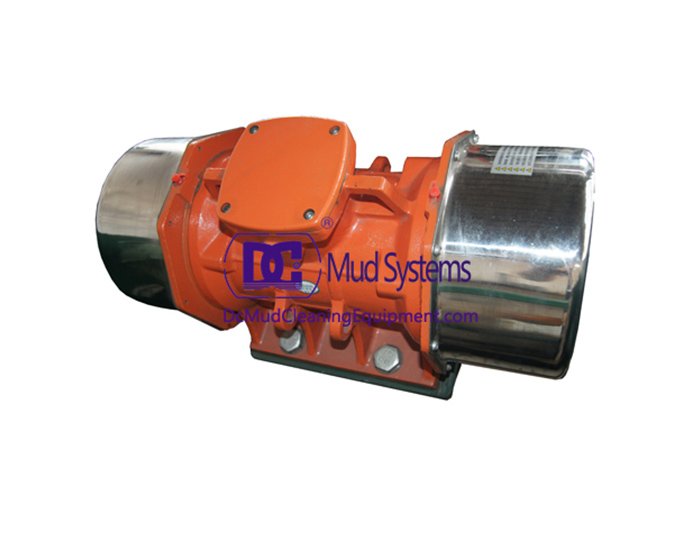
Inside the mud cleaner system, the mud is pumped into a bank of desander and desilter cones. These polyurethane cones use centrifugal force to spin the mud at high velocities. The heavier solids are slung toward the outer walls and exit through the bottom apex, while the cleaned liquid moves upward through the vortex finder. The brilliance of the mud cleaner in drilling rig operations is that the concentrated solids exiting the bottom are not immediately discarded. Instead, they fall onto a fine-mesh screen that vibrates at high G-forces. This secondary screening recovers the liquid phase that is still clinging to the solids, returning it to the active mud tanks and discharging only the "dry" waste.
Enhancing Fluid Rheology with the Mud Cleaner Machine
Maintaining the chemical and physical properties of the mud is perhaps the most difficult task for a derrickman. If fine solids are allowed to build up, the mud becomes thick and abrasive, a condition known as "high solids content." A high-performance mud cleaner machine serves as the primary defense against this degradation. By continuously stripping out particles in the 15 to 74-micron range, the equipment ensures that the plastic viscosity and yield point of the fluid remain within the desired technical specifications.
When the mud cleaner system is functioning at peak efficiency, it prevents the formation of "colloidal solids"—ultra-fine particles that can chemically bond with the mud and are nearly impossible to remove mechanically. For an oilfield mud cleaner, the goal is to keep the mud "lean." Clean mud travels more easily through the drill string, requires less pump pressure to circulate, and provides better cooling for the drill bit. By investing in a high-quality mud cleaner machine, operators can avoid the "dilute and displace" method, which involves throwing away contaminated mud and building new batches—a process that is both environmentally taxing and financially ruinous.
The Strategic Placement of the Mud Cleaner System in Solids Control
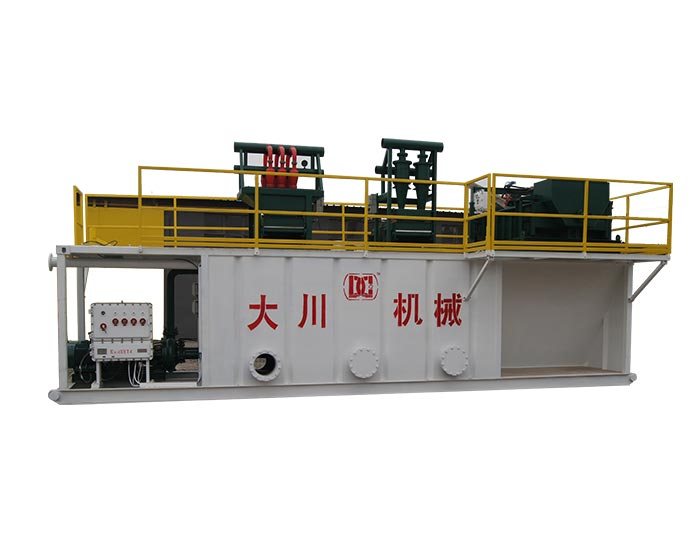
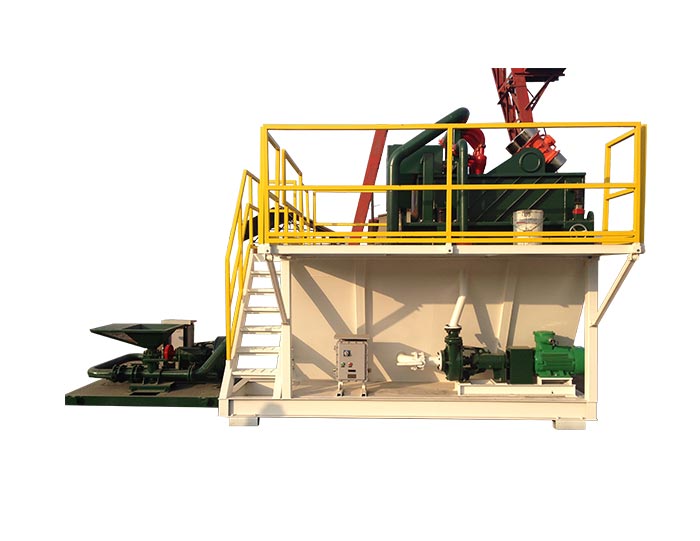
The layout of a modern mud cleaner drilling rig is strategically designed to follow a logical path of particle size reduction. The mud cleaner system is typically positioned as the second or third stage of the process, located after the shale shakers but before the vacuum degasser or the decanting centrifuge. This placement is critical because it protects the more delicate downstream equipment from being overwhelmed by a high volume of solids.
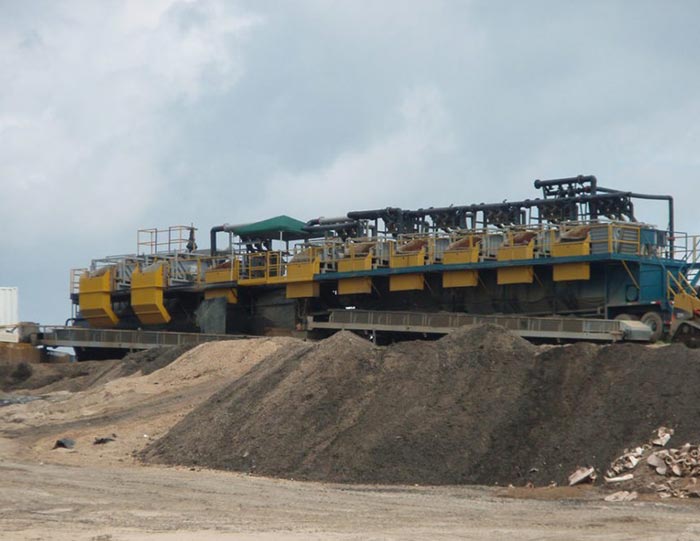
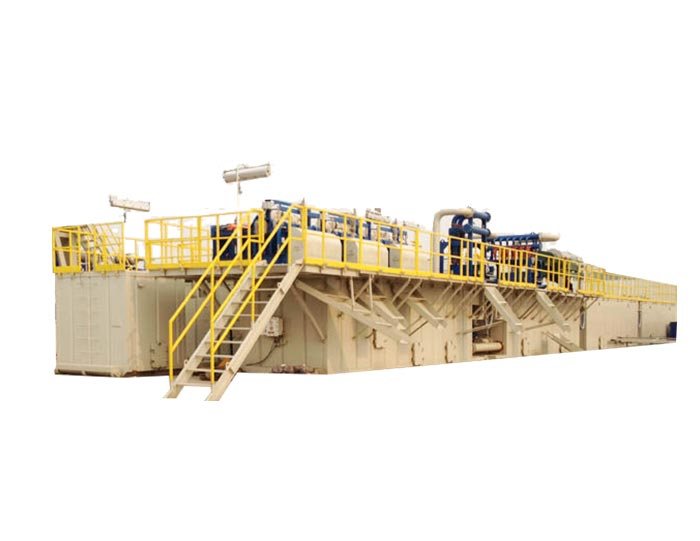
The integration of the mud cleaner in drilling rig tanks allows for a closed-loop system where fluid loss is minimized. Modern systems often feature a modular design, allowing the desander and desilter banks to be operated independently or in tandem, depending on the geological formation being drilled. If the rig encounters a sandy formation, the desander cones are engaged; if the formation turns to fine silt or clay, the desilter cones take over. This flexibility makes the mud cleaner system an adaptable tool that can respond to real-time changes in the wellbore's lithology.
Economic Advantages of the Oilfield Mud Cleaner
In the competitive landscape of the energy sector, every dollar saved on "consumables" is a dollar added to the project's bottom line. The oilfield mud cleaner is a primary driver of cost reduction. Drilling fluids, especially those formulated with synthetic oils or complex polymers, can cost hundreds of dollars per barrel. Losing this fluid to the waste pit is a significant waste of capital. By using a mud cleaner in drilling rig applications, the volume of fluid recovered from the hydrocyclone underflow can represent a substantial percentage of the total mud volume over the course of a single well.
Furthermore, the oilfield mud cleaner protects the most expensive components of the drilling rig. Mud pumps, which operate at pressures exceeding 5,000 PSI, are highly susceptible to erosion from sand and silt. If the mud cleaner machine is not maintained or is bypassed, these abrasive particles will scour the liners, pistons, and valves of the pumps, leading to frequent and costly "trips" to repair equipment. Similarly, downhole tools, such as MWD (Measurement While Drilling) and LWD (Logging While Drilling) sensors, rely on clean fluid to transmit data back to the surface. An oilfield mud cleaner ensures these high-tech tools remain functional, preventing non-productive time (NPT) and keeping the project on schedule.
Environmental Stewardship and the Future of the Mud Cleaner Machine
As the industry moves toward more sustainable practices, the mud cleaner machine has taken on a new role in environmental governance. Stricter regulations regarding the disposal of drill cuttings mean that operators can no longer simply dump wet waste. The mud cleaner system produces a drier waste product that is easier to handle, transport, and treat. By reducing the overall volume of waste generated, the mud cleaner in drilling rig operations significantly lowers the carbon footprint associated with trucking and disposal services.
Looking forward, the evolution of the mud cleaner drilling rig technology is moving toward automation. Sensors can now monitor the "dryness" of the discharge and the pressure within the hydrocyclone manifolds in real-time. This allows the mud cleaner machine to adjust its vibration frequency or feed pressure automatically, optimizing separation without constant human intervention. As deepwater and ultra-deepwater drilling become more common, the reliability and intelligence of the oilfield mud cleaner will remain the cornerstone of a safe and efficient drilling operation.
The Indispensable Value of the Mud Cleaner System
The mud cleaner in drilling rig operations is the silent guardian of the wellbore. It manages the delicate balance between physics and mechanical filtration, ensuring that the drilling fluid remains a productive asset rather than a contaminated liability. Through the clever use of a mud cleaner machine, operators can protect their equipment, save on chemical costs, and meet increasingly stringent environmental standards.
In the end, the success of a mud cleaner drilling rig setup is defined by its ability to perform under pressure. Whether it is a remote land rig or a massive offshore platform, the mud cleaner system provides the clarity needed to see a project through to completion. It is the ultimate tool for any professional who understands that in the world of drilling, cleanliness isn't just a virtue—it is a requirement for survival.

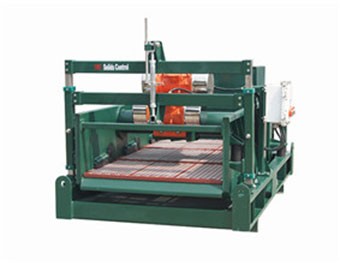 Linear Motion Shale Shaker In Drilling Rig
  Oilfield Mud Cleaner
 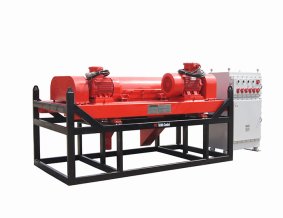 Drilling Fluid Decanter Centrifuge
 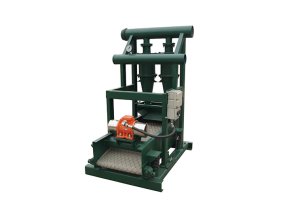 Drilling Mud Desander
 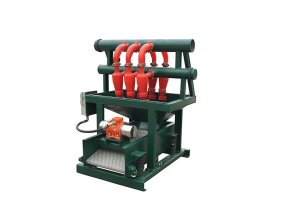 Hydrocyclone Desilter
 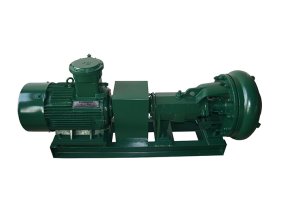 Centrifugal Pump/Centrifugal Mud Pump
 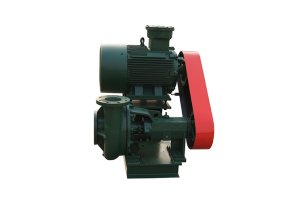 Shear Pump
 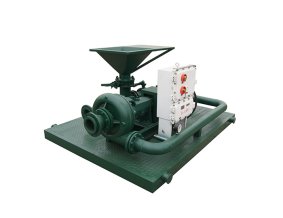 Jet Mud Mixer
 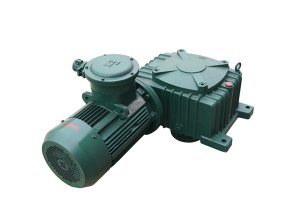 Horizontal Mud Agitator
 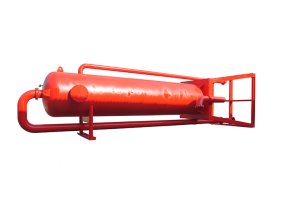 Constant Pressure Drilling Fluid Mud Gas Separator
 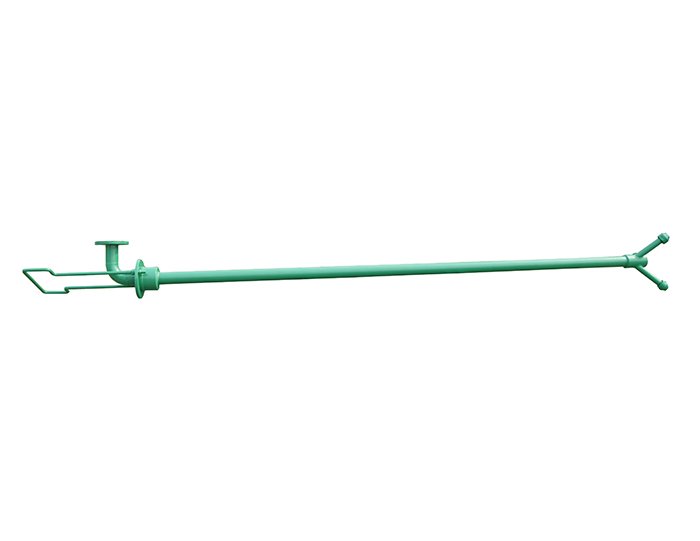 Mud Gun
  Mud Tank
 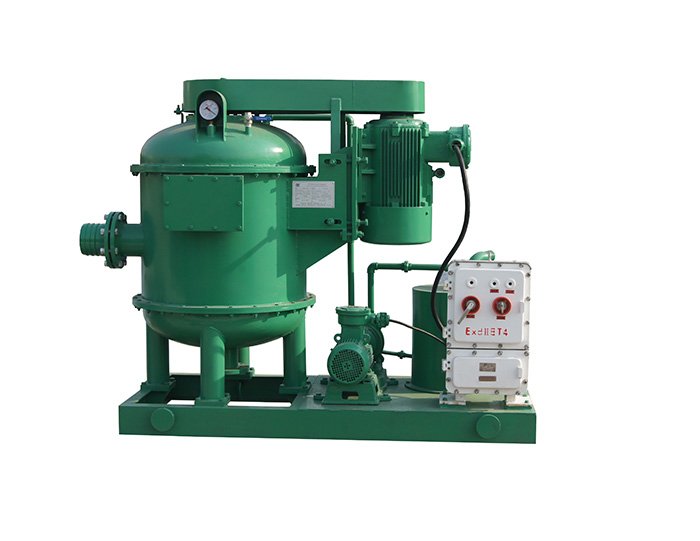 Solids Control System Vacuum Degasser
 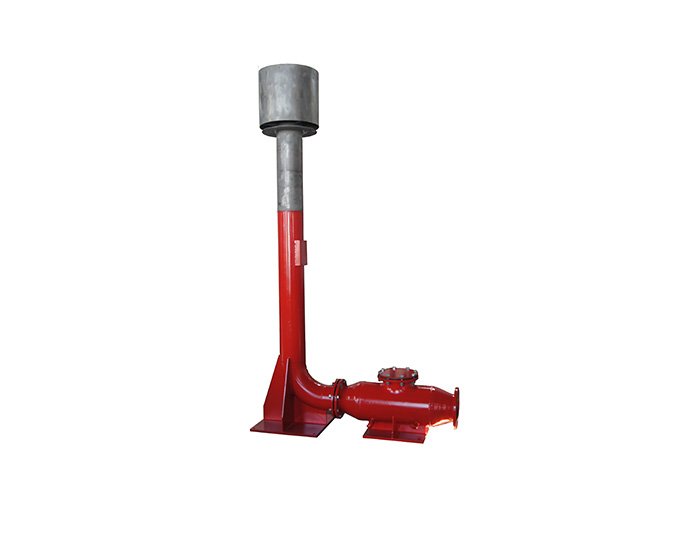 Flare Ignition Device
 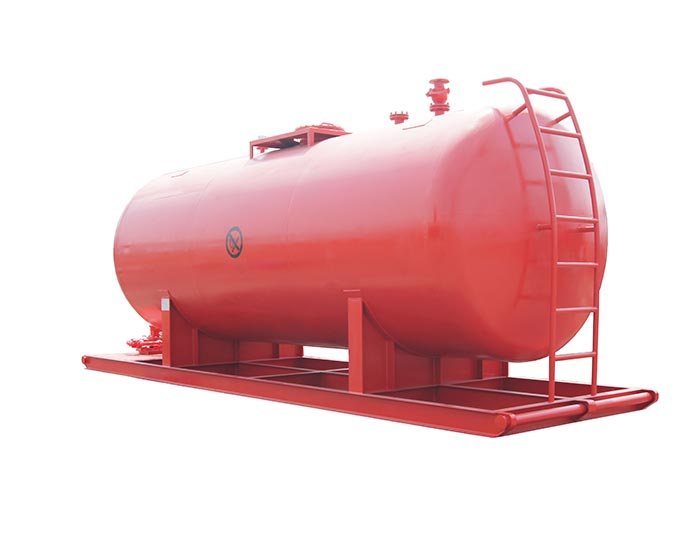 Diesel Tank
 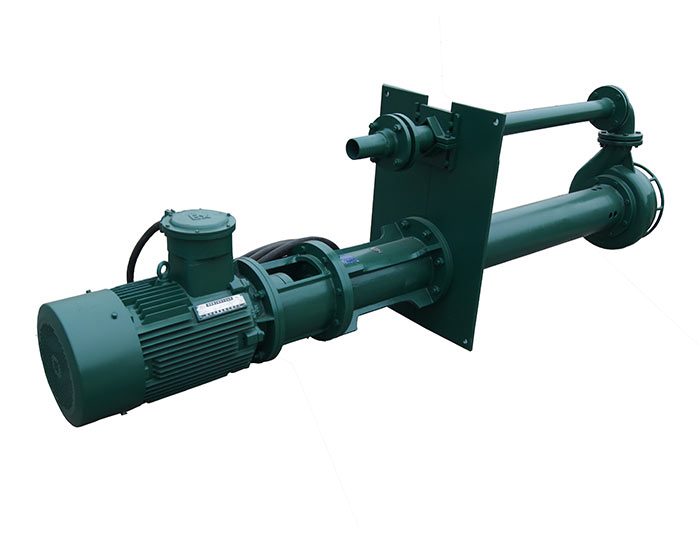 Submersible Slurry Pump