In the high-stakes environment of modern oil and gas exploration, the efficiency of a solids control system is often the thin line between a profitable operation and a costly mechanical failure. Among the various components that safeguard the drilling process, the degasser holds a position of critical importance. Its primary role—to remove entrained gases like methane, carbon dioxide, and hydrogen sulfide from drilling fluid—is essential for maintaining mud weight and ensuring the safety of the entire crew. However, as rigs move into more diverse terrains, from tight offshore platforms to sprawling desert pads, the debate between utilizing a vertical vacuum degasser or a horizontal model has become a central focus for drilling engineers.
Choosing the right equipment is not merely a matter of brand preference; it is a strategic decision dictated by space, maintenance capacity, and the specific rheological challenges of the well. While both designs aim to achieve the same result—gas-free mud—the mechanical path they take to get there differs significantly. Understanding these nuances is vital for anyone looking to optimize a mud vacuum system for long-term reliability and peak performance.
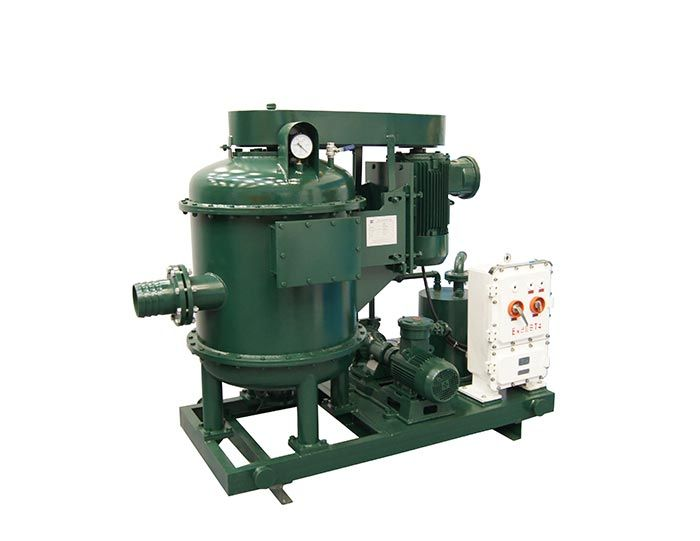
The Strategic Footprint Of The Vertical Vacuum Degasser In Modern Drilling
For many operators, the primary constraint on a rig site is physical space. This is particularly true in offshore environments or mountainous land rigs where every square foot of the mud tank area is premium real estate. The vertical vacuum degasser was engineered specifically to address this spatial challenge. By utilizing a tall, slender vacuum tank degasser geometry, this design minimizes the horizontal footprint while maximizing internal surface area through a series of stacked internal plates.
The beauty of the vertical configuration lies in its utilization of gravity and centrifugal force in a compact vertical column. As the mud enters the vacuum degasser drilling unit, it is distributed over internal baffles that thin the fluid, allowing gas bubbles to break the surface tension more easily under vacuum pressure. Because the unit stands upright, it can often be tucked into corners of the solids control area that would be inaccessible to a horizontal counterpart. This "skyward" approach to engineering allows for a more streamlined flow in the mud vacuum system, reducing the complexity of the piping required to move fluid from the shaker tank back into the active system.
Maximizing Throughput With The Vacuum Tank Degasser Configuration
While vertical units win on space, the horizontal degasser has long been the workhorse of high-volume drilling operations. The horizontal vacuum tank degasser typically offers a larger liquid surface area relative to the volume of mud being processed. In scenarios where the drilling rate is high and the mud is heavily gas-cut, the horizontal design provides an expansive "pool" that allows for a longer residence time. This is a critical factor when dealing with high-viscosity fluids that naturally resist the release of entrained gas.
In a comprehensive solids control system, the horizontal degasser is often favored for its ease of access. Because the tank sits at a lower profile, the internal components—such as the spray nozzles or the internal baffling—are generally easier to inspect and clean. For crews operating in remote locations where downtime must be kept to an absolute minimum, the straightforward mechanical nature of the horizontal mud vacuum system offers a level of "maintenance friendliness" that is hard to ignore. However, this comes at the cost of a much larger footprint, which may necessitate larger mud tanks or additional structural support.
Engineering Efficiency: Vacuum Degasser Drilling Under High Pressure
The core technology of any vacuum degasser drilling operation is the ability to create a significant pressure differential. Both vertical and horizontal units rely on a vacuum pump to lower the internal pressure of the tank below atmospheric levels. This reduction in pressure causes gas bubbles to expand and burst, effectively "boiling" the gas out of the mud without heating the fluid. However, the way the vertical vacuum degasser handles the discharge of this gas is often seen as superior for safety-critical applications.
Vertical units are frequently designed with an integrated vent system that moves gas away from the rig floor more efficiently. Because the gas naturally rises through the vertical column, the separation process is assisted by buoyancy. In contrast, horizontal systems must rely more heavily on the vacuum pump to pull gas across the length of the tank. For rigs targeting high-pressure zones where gas kicks are a frequent threat, the reliability of the mud vacuum system to rapidly and safely vent separated gases is a non-negotiable requirement for the safety of the drilling operation.
Integration Within The Solids Control System Hierarchy
A degasser does not operate in a vacuum—pun intended—it is a cog in the larger solids control system. The placement of the degasser, whether it be a vertical vacuum degasser or a horizontal one, usually follows the shale shakers and precedes the desanders or desilters. The reason for this hierarchy is simple: gas-cut mud is less dense and can cause centrifugal pumps to cavitate, which drastically reduces the efficiency of downstream hydrocyclones.
When integrating a vacuum tank degasser, engineers must consider the "suction" and "discharge" dynamics. Many modern vertical units are self-priming or utilize the vacuum itself to pull mud into the chamber, eliminating the need for an additional centrifugal feed pump. This reduction in peripheral equipment not only saves energy but also reduces the number of wear parts in the mud vacuum system. On the other hand, horizontal units often require a dedicated pump to ensure a consistent flow rate, which can be an advantage when the drilling fluid has highly variable properties that require a constant, forced feed to ensure total degassing.

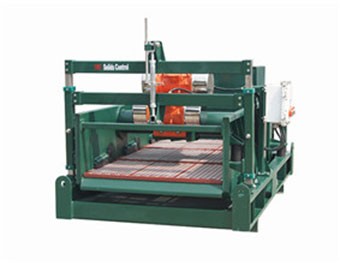 Linear Motion Shale Shaker In Drilling Rig
 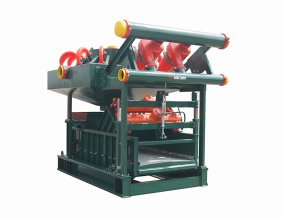 Oilfield Mud Cleaner
 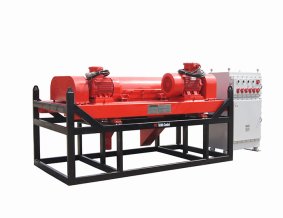 Drilling Fluid Decanter Centrifuge
 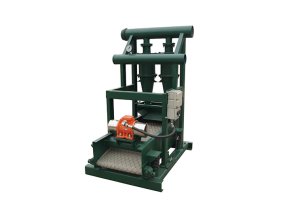 Drilling Mud Desander
 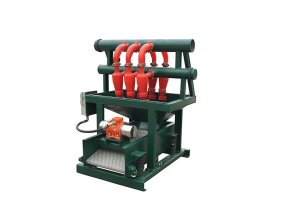 Hydrocyclone Desilter
 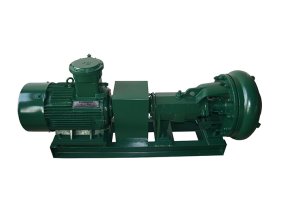 Centrifugal Pump/Centrifugal Mud Pump
 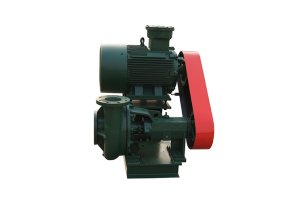 Shear Pump
 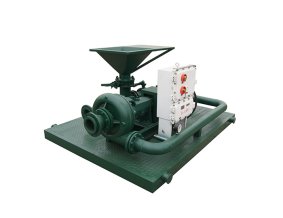 Jet Mud Mixer
 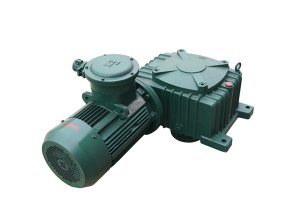 Horizontal Mud Agitator
 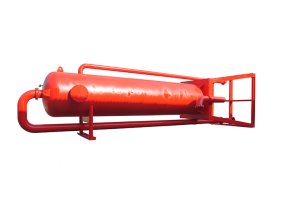 Constant Pressure Drilling Fluid Mud Gas Separator
 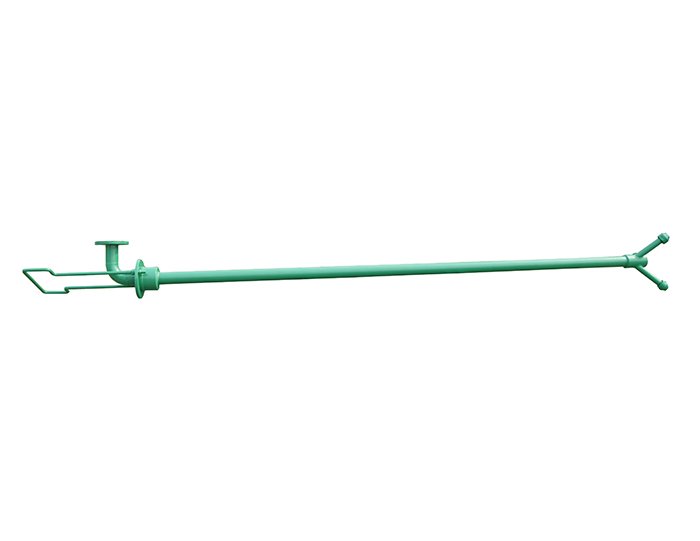 Mud Gun
  Mud Tank
 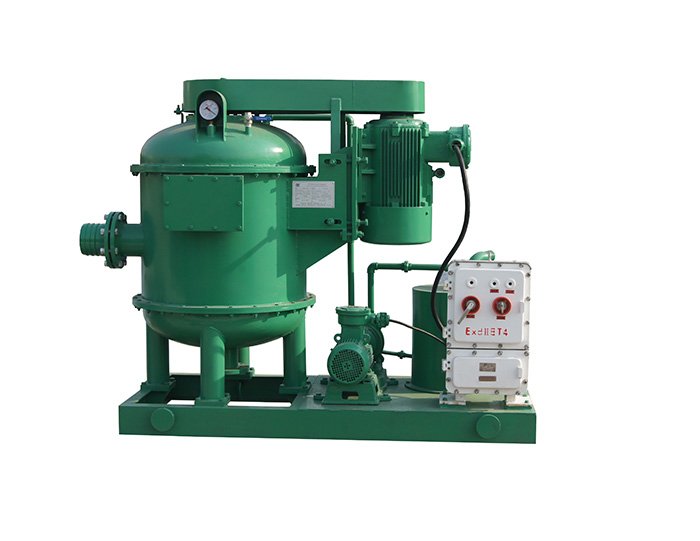 Solids Control System Vacuum Degasser
 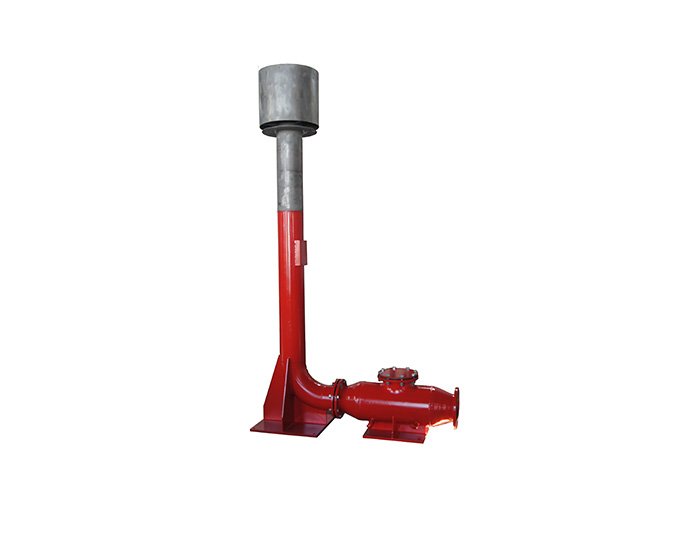 Flare Ignition Device
 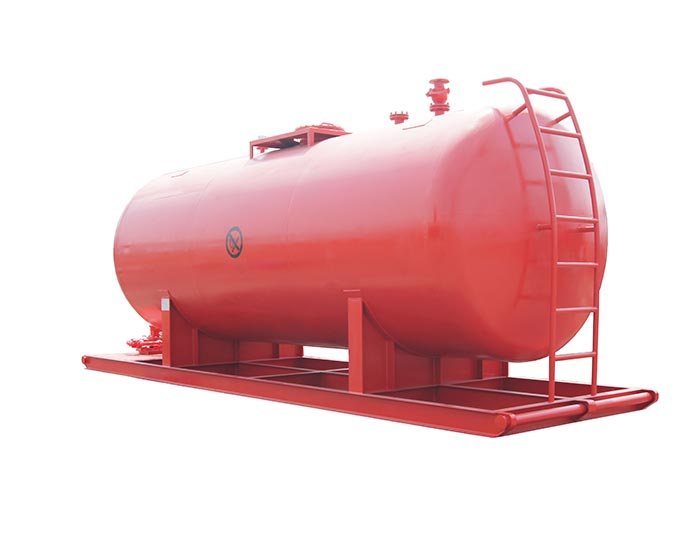 Diesel Tank
 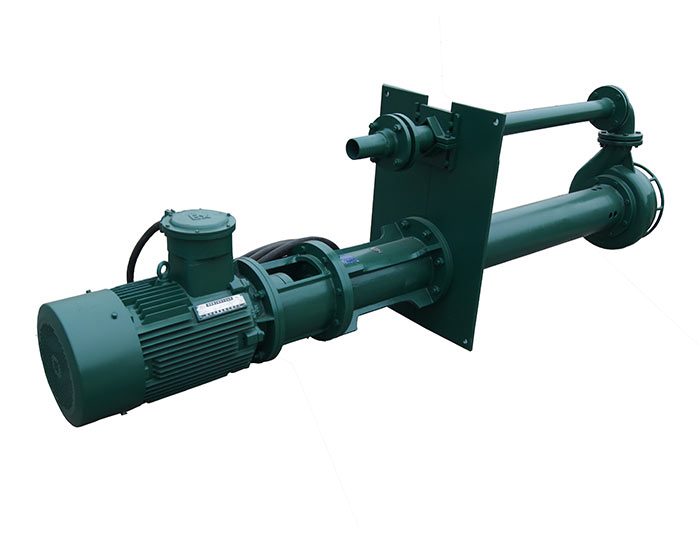 Submersible Slurry Pump