The pursuit of hydrocarbons in ultra-deep reservoirs has pushed modern drilling technology to its absolute mechanical limits. As drill strings descend past the five-mile mark, they encounter geological pressures and temperatures that demand a complete reimagining of surface fluid management. In this high-stakes environsment, the vacuum tank degasser has evolved from a simple auxiliary component into a sophisticated piece of precision engineering. The primary challenge of deep well drilling is the management of "gas-cut" mud—drilling fluid that has been infiltrated by high-pressure gas pockets. If this gas is not removed with surgical precision, the resulting drop in mud density can lead to catastrophic well-control events. Recent innovations in the design of these systems have focused on enhancing throughput, improving separation physics, and integrating smart automation to meet the demands of the 2026 energy landscape.
Historically, degassing was a passive process, but the ultra-deep wells of today require an active, aggressive approach. A modern vacuum degasser unit must be capable of processing high-viscosity, weighted muds that are designed to hold back immense formation pressures. These fluids are often so thick that gas bubbles become physically trapped within the mud's molecular structure. Innovative designs have moved away from traditional horizontal tanks toward more dynamic, vertical, and hybrid geometries that utilize a combination of vacuum pressure, centrifugal force, and thin-film aeration to liberate entrained gases more effectively than ever before.
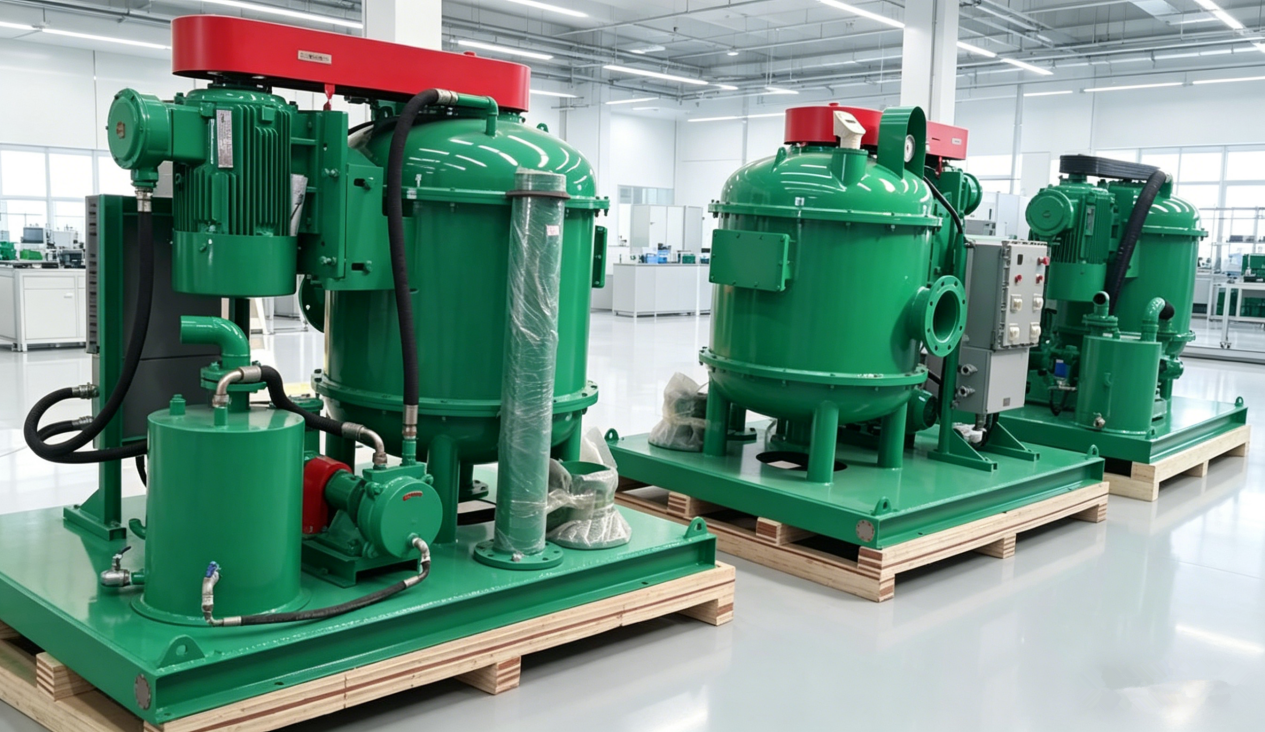
Enhanced Fluid Dynamics in Modern Vacuum Tank Degasser Engineering
The core innovation in contemporary vacuum tank degasser design lies in how the drilling fluid is manipulated once it enters the low-pressure chamber. Older models relied on a simple splash plate, which often resulted in "channeling," where much of the mud passed through the unit without being fully degassed. To solve this, engineers have introduced tiered, corrugated internal structures. As the mud is drawn into the vacuum environment, it is forced to cascade over a series of precisely angled baffles. This creates a high-surface-area "thin film" that significantly reduces the distance a gas bubble must travel to reach the surface and burst.
Furthermore, some of the leading vacuum degasser manufacturers have begun incorporating internal rotors or vortex-inducing nozzles. These components add a mechanical shear force to the mud as it enters the tank. In deep well applications where mud is heavily weighted with barite or hematite, this shear force is essential for breaking the gel strength of the fluid. By lowering the effective viscosity at the moment of entry, the vacuum tank degasser allows gas bubbles to expand and escape much faster. This "mechanical assist" ensures that even the most stubborn micro-bubbles are removed, returning a "solid" liquid to the active mud system and maintaining the precise hydrostatic head required for deep-hole stability.
Strategic Material Selections by Leading Vacuum Degasser Manufacturers
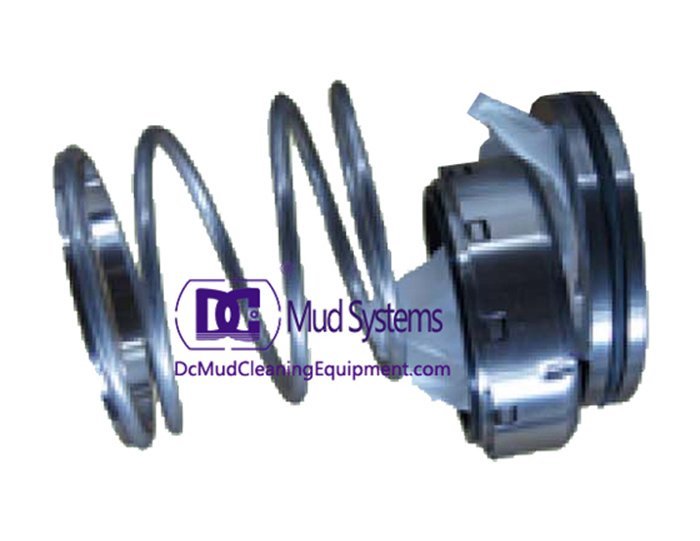
Innovation also extends to the sealing mechanisms of the vacuum degassing systems. Traditional rubber seals often fail when exposed to the high-temperature fluids common in deep drilling. Modern units now feature Viton or PTFE-based sealing systems that maintain vacuum integrity even under extreme thermal stress. By prioritizing material resilience, manufacturers ensure that the degasser remains a reliable safety barrier rather than a point of mechanical failure. This shift in material science allows rigs to operate continuously in harsh environments without the frequent downtime associated with seal replacement or vessel corrosion audits.
The Integration of Smart Automation in Vacuum Degassing Systems
Perhaps the most significant leap forward in recent years is the transition from manual to automated vacuum degassing systems. In the past, the vacuum level was set by a human operator based on visual cues. Today, the most advanced vacuum degasser unit configurations are equipped with an array of sensors that monitor mud density, gas-cut percentages, and internal tank levels in real-time. These sensors feed data into a centralized control algorithm that automatically adjusts the vacuum pump intensity and the mud flow rate to optimize separation efficiency.
This level of automation is particularly critical during "bottoms-up" cycles in deep wells, where gas levels can spike rapidly. An automated vacuum tank degasser can sense the change in fluid density and ramp up its vacuum capacity before the operator even realizes there is a gas influx. This proactive response minimizes the risk of pump cavitation and ensures that the mud returning to the wellbore is always at the correct weight. Furthermore, digital twins and remote monitoring allow vacuum degasser manufacturers to provide technical support from halfway across the world, analyzing performance data to suggest maintenance before a component fails.
Modular and Compact Designs for Offshore Vacuum Degasser Unit Deployment
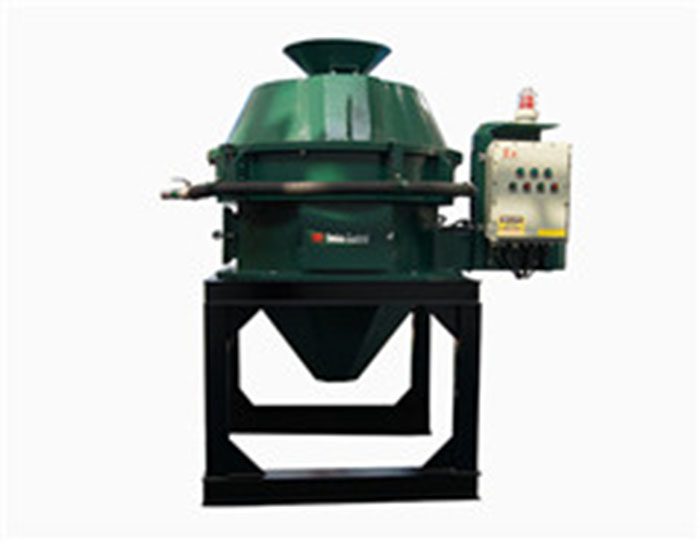
Space is a premium commodity on offshore drillships and jack-up rigs tasked with deep-sea exploration. As a result, there has been a significant push toward modular and vertical vacuum degasser unit designs. A vertical degasser provides the same, if not better, separation area as a horizontal unit but occupies a fraction of the deck space. These compact units are often designed as "plug-and-play" modules that can be easily integrated into the existing solids control system.
The modularity of modern vacuum degassing systems also simplifies the logistics of international shipping and on-site assembly. Manufacturers now design units with recessed piping and integrated lift points, ensuring that the equipment can be moved and installed with minimal risk of damage. For deep well projects that require high-volume processing, multiple modular units can be linked in parallel, providing a scalable solution that can grow with the needs of the well. This flexibility is a hallmark of the 2026 design philosophy, where adaptability is just as important as raw mechanical power.
Future Horizons: The Role of Degassing in Sustainable Deep Well Exploration
As the energy industry moves toward a more sustainable future, the efficiency of the vacuum tank degasser plays a vital role in reducing the environmental impact of drilling. By maximizing the recovery of expensive synthetic muds and ensuring that separated gases are handled safely, these systems minimize waste and atmospheric emissions. Innovations in "zero-leak" vacuum pumps and more efficient motors have reduced the energy consumption of the vacuum degasser unit, making the entire mud treatment process more eco-friendly.
Ultimately, the innovations in vacuum degassing systems are a testament to the industry's ability to solve complex problems through engineering excellence. As deep well drilling continues to push into the unknown, the reliability, efficiency, and intelligence of these systems will remain a cornerstone of global energy production. By focusing on enhanced fluid dynamics, material science, and automation, vacuum degasser manufacturers are ensuring that the drillers of tomorrow have the tools they need to unlock the world's most challenging reservoirs safely and sustainably.

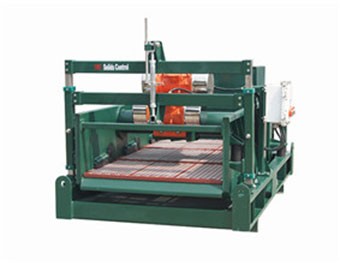 Linear Motion Shale Shaker In Drilling Rig
 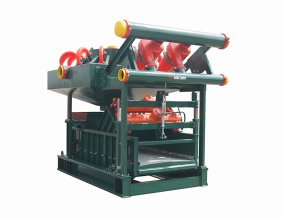 Oilfield Mud Cleaner
 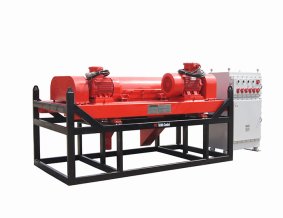 Drilling Fluid Decanter Centrifuge
 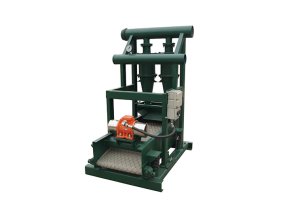 Drilling Mud Desander
 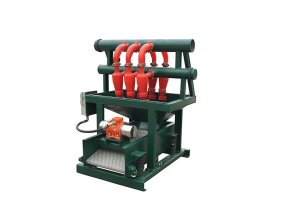 Hydrocyclone Desilter
 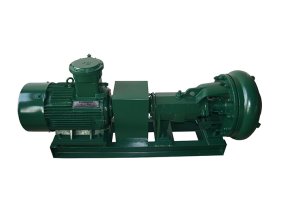 Centrifugal Pump/Centrifugal Mud Pump
 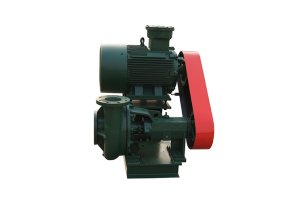 Shear Pump
 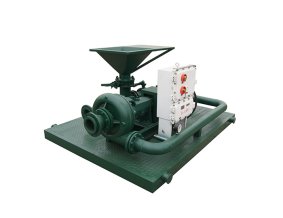 Jet Mud Mixer
 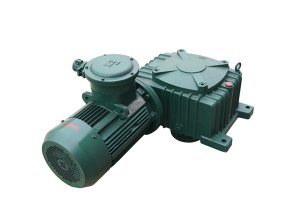 Horizontal Mud Agitator
 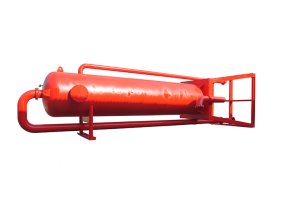 Constant Pressure Drilling Fluid Mud Gas Separator
 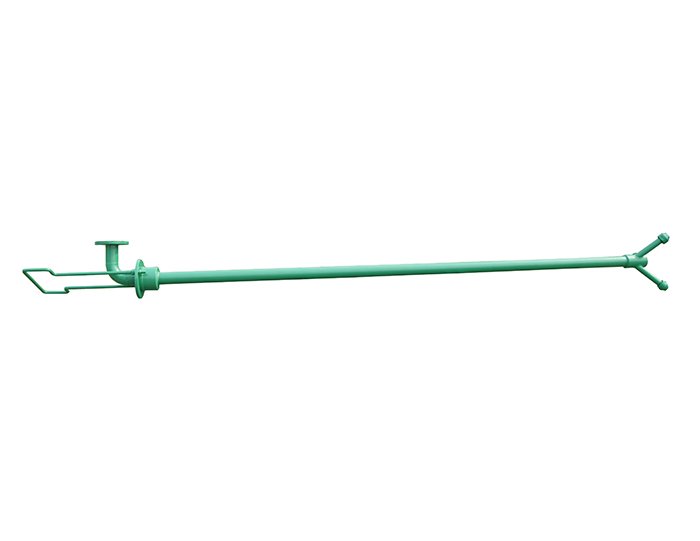 Mud Gun
  Mud Tank
 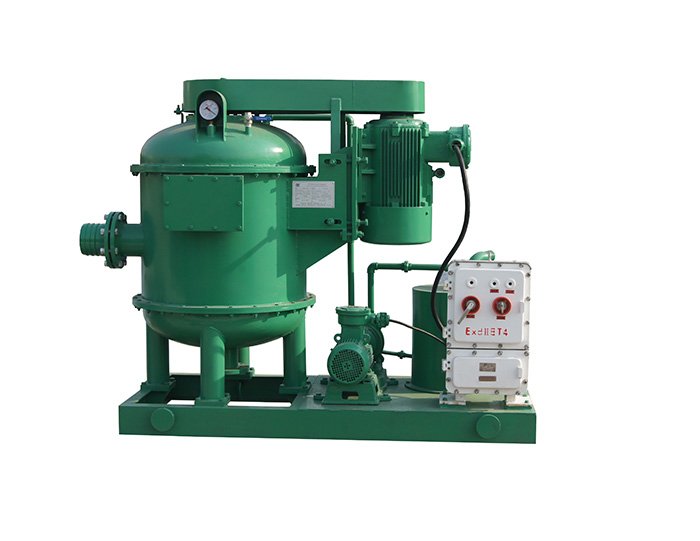 Solids Control System Vacuum Degasser
 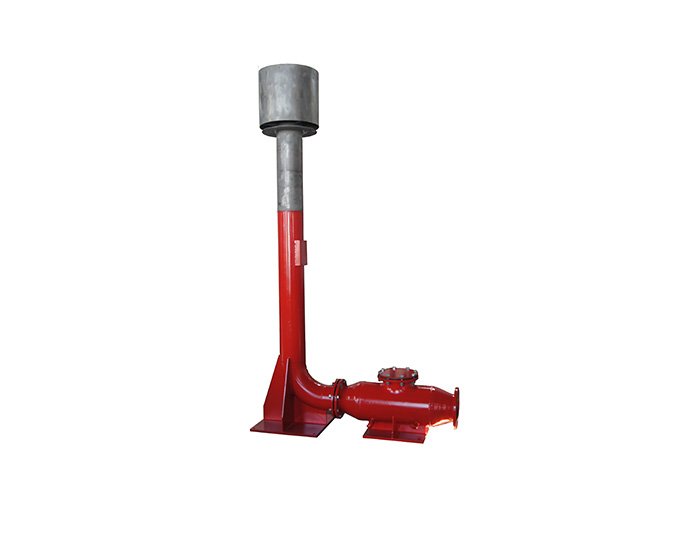 Flare Ignition Device
 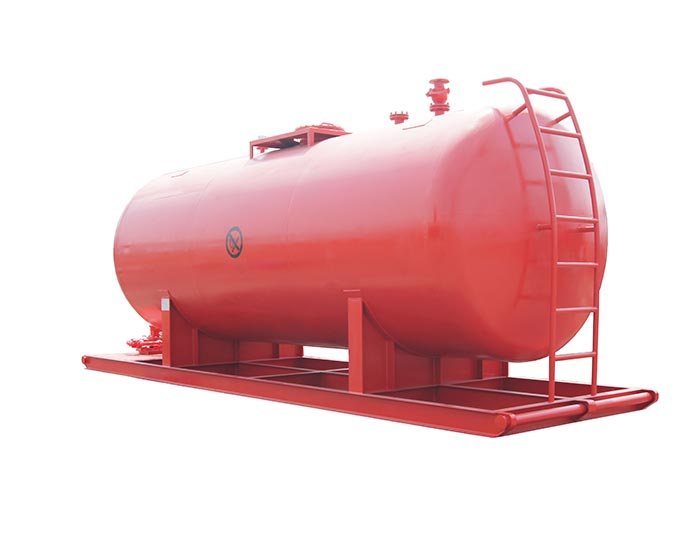 Diesel Tank
 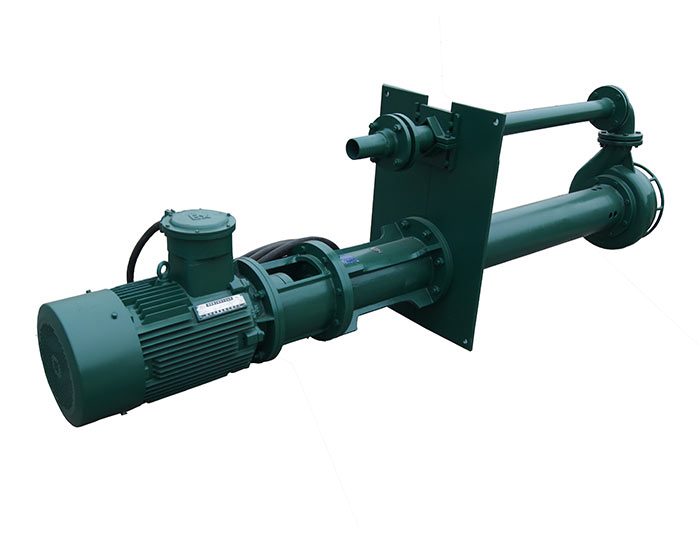 Submersible Slurry Pump