In the high-stakes world of oil and gas drilling, the longevity of equipment and the efficiency of the rate of penetration (ROP) depend heavily on the quality of the drilling fluid, commonly referred to as "mud." This fluid serves multiple critical roles, including cooling the drill bit, lubricating the drill string, and carrying crushed rock cuttings from the bottom of the hole to the surface. However, once that mud reaches the surface, it is contaminated with debris that can destroy downstream pumps and degrade the chemical properties of the fluid. This is where the mud shale shaker enters the cycle. As the primary stage of the solids control system, the shaker is the gatekeeper of fluid integrity, performing the heavy lifting required to keep the drilling operation running smoothly.
It vibrates at precise frequencies to separate cuttings from the drilling fluid, ensuring only clean, reusable mud returns to the system. Its efficiency directly impacts mud rheology, rate of penetration, and overall wellbore stability. By removing oversized particles early, it prevents downstream equipment clogging and extends the service life of hydrocyclones and centrifuges. Modern shale shakers incorporate variable-speed drives and multi-deck configurations to adapt to changing formation conditions and fluid types—making them indispensable for high-performance drilling operations.
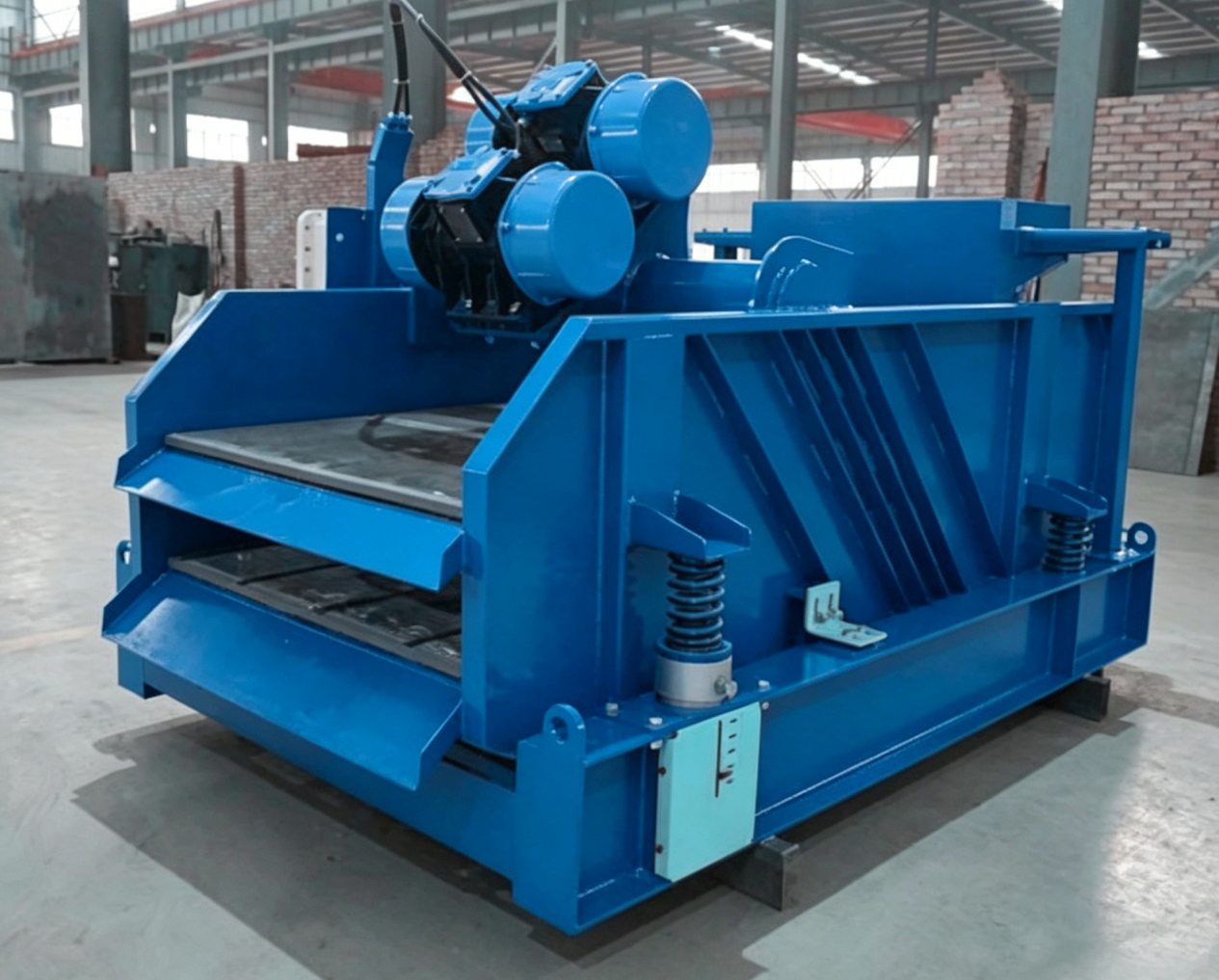
The Mechanical Foundation and Primary Purpose of a Shale Shaker
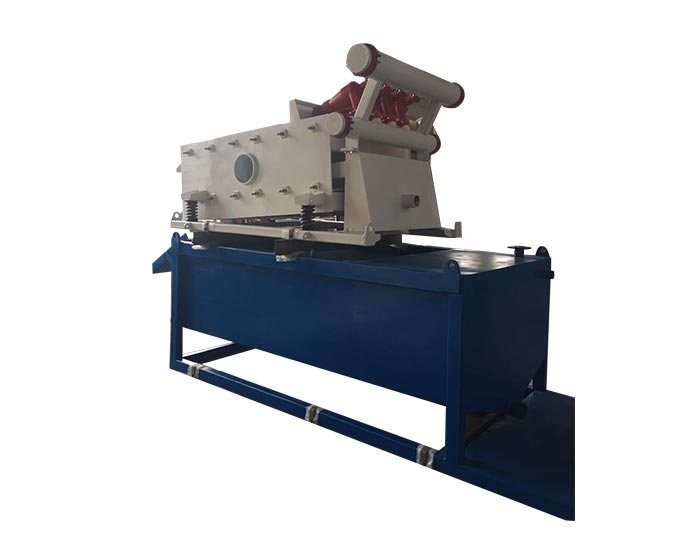
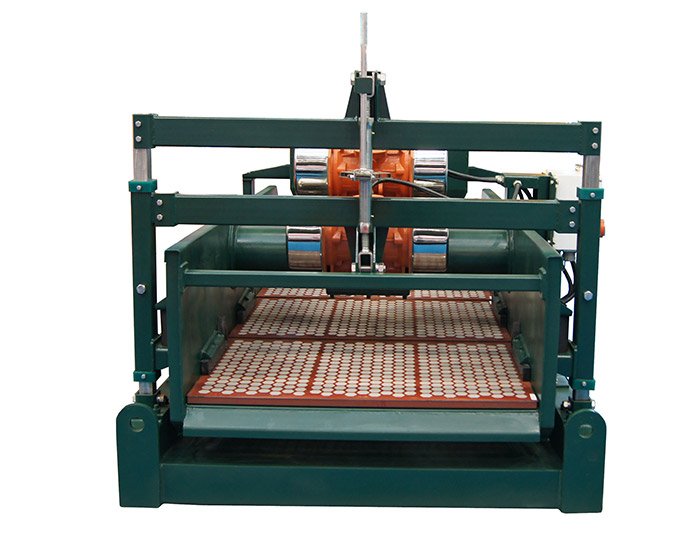
To grasp the complexity of the process, one must first understand the fundamental purpose of a shale shaker. At its core, the shaker is a high-frequency vibrating sieve designed to perform a coarse separation of solids from liquids. As the "first line of defense," it is positioned at the very beginning of the surface mud processing trail. The returned mud, thick with rock fragments and sand, flows onto the vibrating screens of the shaker.
The purpose of a shale shaker is not merely to remove debris, but to do so while recovering as much expensive drilling fluid as possible. Modern drilling muds are sophisticated chemical cocktails containing barite, polymers, and various additives that can cost hundreds of dollars per barrel. By utilizing a combination of G-force and mesh-size selection, the shaker allows the liquid phase and ultra-fine particles to pass through into the mud tanks while conveying the larger, damaging "cuttings" off the edge of the machine for disposal. This initial separation is vital because it significantly reduces the workload on secondary equipment like hydrocyclones, centrifuges, and degassers.
The Integration of the Mud Shale Shaker in the Mud Circulation System
The mud circulation system is a closed-loop process that acts as the lifeblood of the drilling rig. The journey begins at the mud pumps, where fluid is forced down the drill pipe, out through the bit nozzles, and back up the annulus of the well. When the fluid exits the "bell nipple" at the surface, it is directed toward the "possum belly" or the header box of the mud shale shaker.
The shaker’s role within the mud circulation system is a delicate balance of flow rates and vibration. If the shaker fails to handle the volume of fluid returning from the well—a situation known as "mud over"—the entire circulation process must be slowed or halted, leading to massive operational costs. Therefore, the shaker is engineered to handle massive throughput while maintaining precise separation. The fluid that passes through the shaker screens is then stored in the active mud pits, ready to be processed by finer solids control equipment or recirculated back down the well. Without this constant filtration, the mud would quickly become "weighted" with solids, leading to increased hydrostatic pressure, potential formation damage, and the risk of stuck pipe incidents.
Analyzing the Critical Shale Shaker Functions in Solids Control
The efficiency of a solids control system is measured by its "cut point"—the specific size of particles the system can effectively remove. The shale shaker functions are centered around achieving the most efficient cut point possible at the earliest stage. This is achieved through three primary mechanical functions: conveyance, fluid handling, and drying.
Conveyance is the ability of the shaker to move separated solids along the screen surface toward the discharge end. This is dictated by the vibration pattern, which can be circular, elliptical, or linear. Linear motion is currently the industry standard because it provides higher G-forces, allowing for faster conveyance and the ability to use finer screens. Fluid handling, another of the core shale shaker functions, refers to the capacity of the machine to process high volumes of mud without flooding. Finally, the drying function ensures that the cuttings being discharged carry away a minimum amount of liquid. If the cuttings are "wet," it indicates a loss of expensive base fluid and increases the volume of waste that must be managed and transported, impacting both the budget and the environmental footprint of the site.
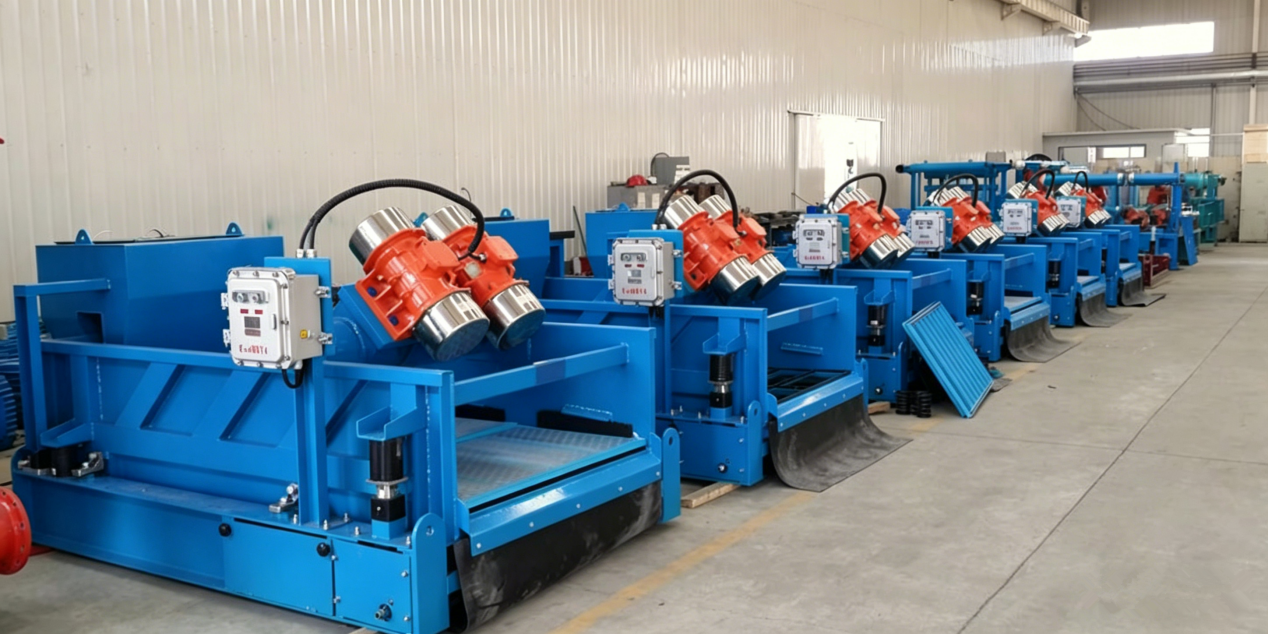
Maintaining Fluid Rheology Through Effective Mud Shale Shaker Operation
Beyond physical separation, the mud shale shaker plays a silent but critical role in maintaining the rheological properties of the drilling fluid. Rheology—the study of the flow of matter—is what allows mud to suspend cuttings when the pumps are turned off and to flow easily when the pumps are active. When solids are allowed to remain in the fluid, they break down into "ultrafines" due to the mechanical action of the drill string and pumps.
These ultrafines are the "enemy" of mud chemistry. They increase the viscosity and the plastic viscosity of the fluid, making it harder to pump and increasing the risk of surge and swab pressures. By performing its shale shaker functions correctly, the shaker removes these larger solids before they have the chance to degrade into smaller, harder-to-remove particles. This proactive removal preserves the effectiveness of the chemical additives in the mud, ensuring that the fluid's density and pH remain within the required specifications for the specific geological formations being drilled.
The Strategic Importance of Screen Selection in Purpose of a Shale Shaker
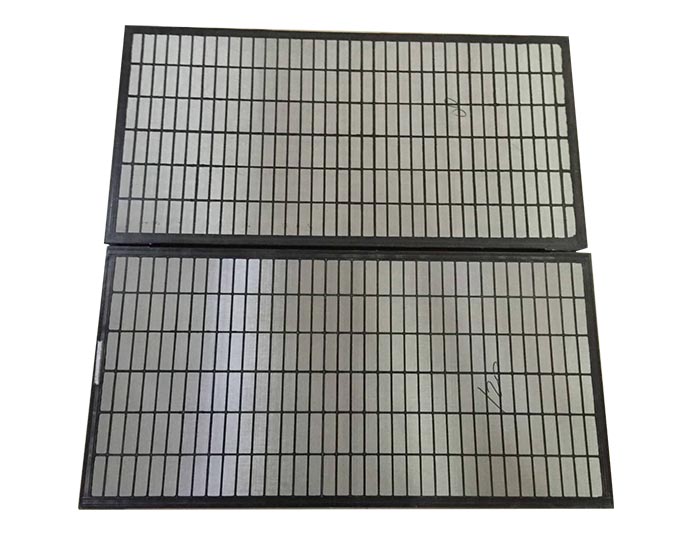
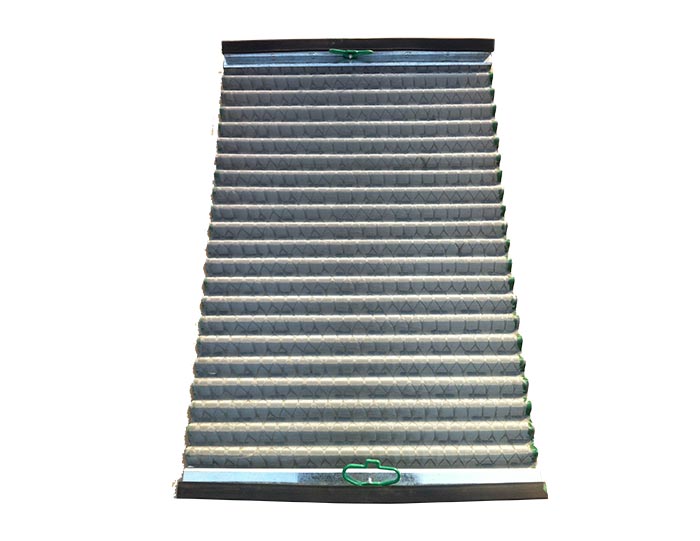
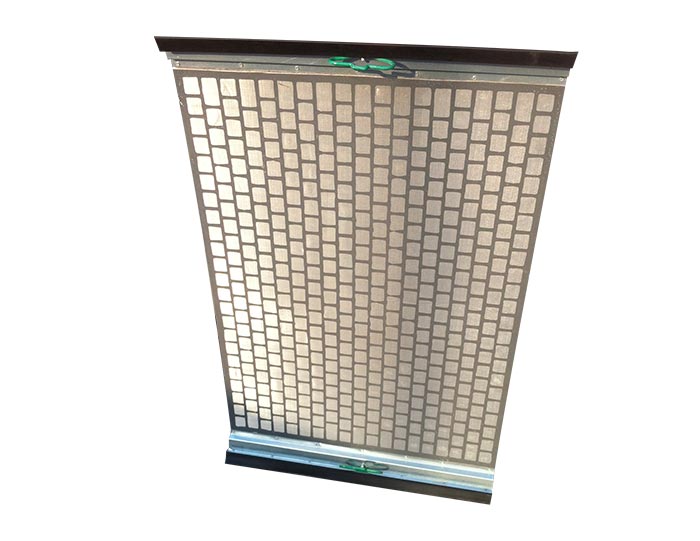
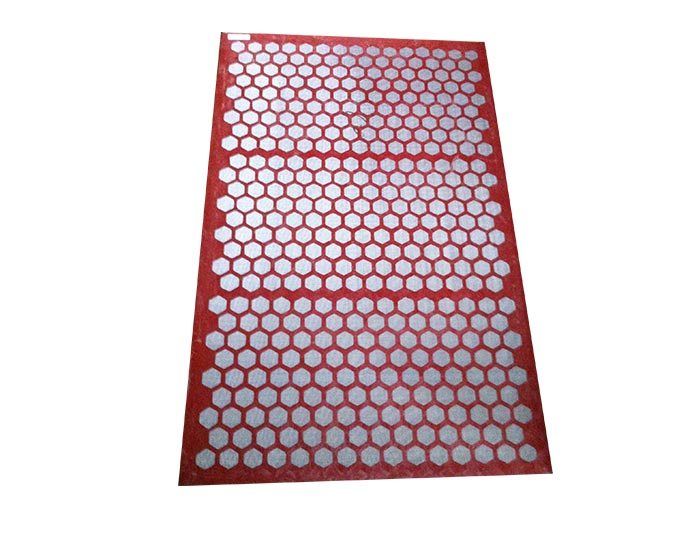
The efficacy of the mud shale shaker is ultimately limited by the screens installed on its basket. Screen selection is a strategic decision that bridges the gap between mechanical power and chemical precision. Modern screens are made of multiple layers of stainless steel wire cloth, often bonded to a composite or metal frame. The mesh size determines the API number, which tells the operator exactly what size of solid will be removed.
Choosing the right screen is central to the purpose of a shale shaker. If a screen is too coarse, too many solids will pass through, overloading the desanders and desilters. If the screen is too fine, the mud will not be able to pass through quickly enough, causing the fluid to run off the end of the shaker and into the waste pit. This balance requires constant monitoring by the derrickhand or mud engineer, who must adjust the shaker's tilt (deck angle) and screen mesh based on the current drilling conditions and the type of rock being excavated.

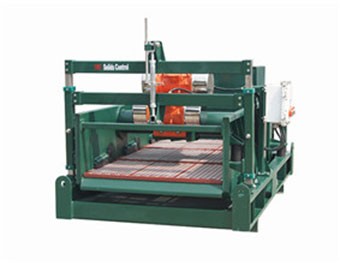 Linear Motion Shale Shaker In Drilling Rig
 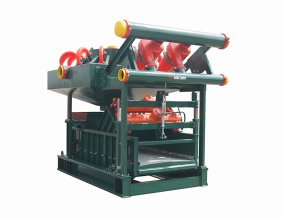 Oilfield Mud Cleaner
 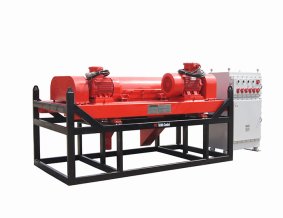 Drilling Fluid Decanter Centrifuge
 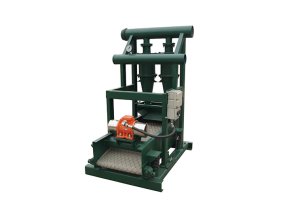 Drilling Mud Desander
 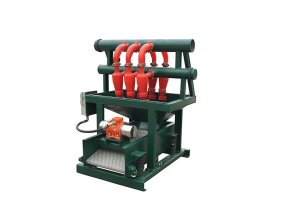 Hydrocyclone Desilter
 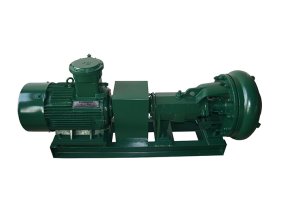 Centrifugal Pump/Centrifugal Mud Pump
 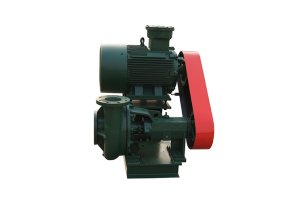 Shear Pump
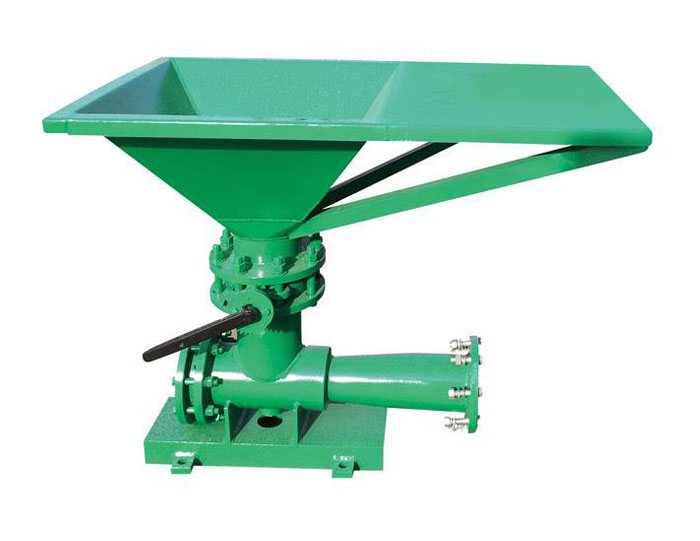
 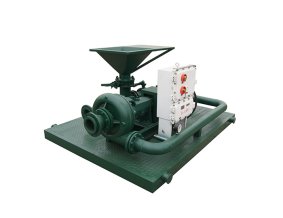 Jet Mud Mixer
 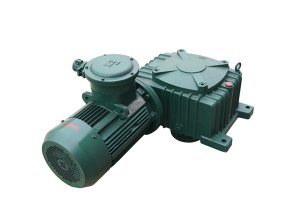 Horizontal Mud Agitator
 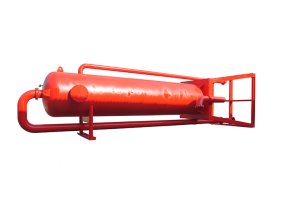 Constant Pressure Drilling Fluid Mud Gas Separator
 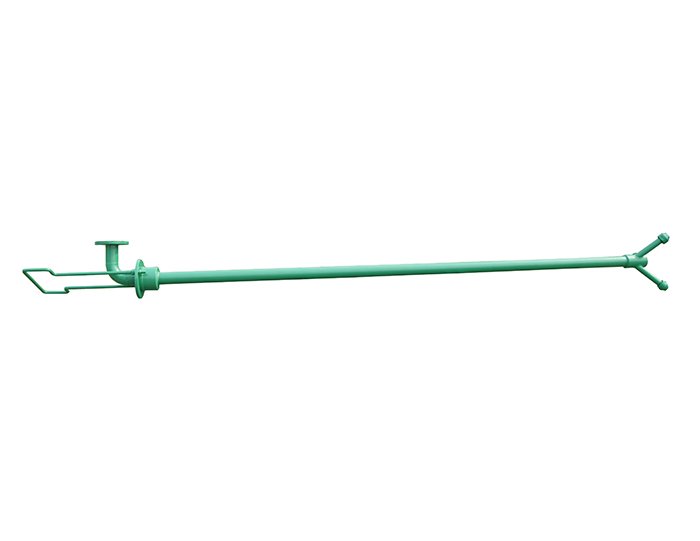 Mud Gun
  Mud Tank
 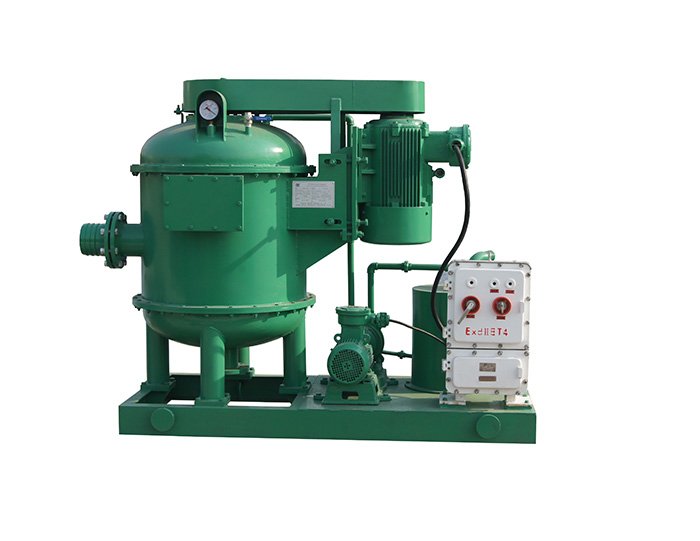 Solids Control System Vacuum Degasser
 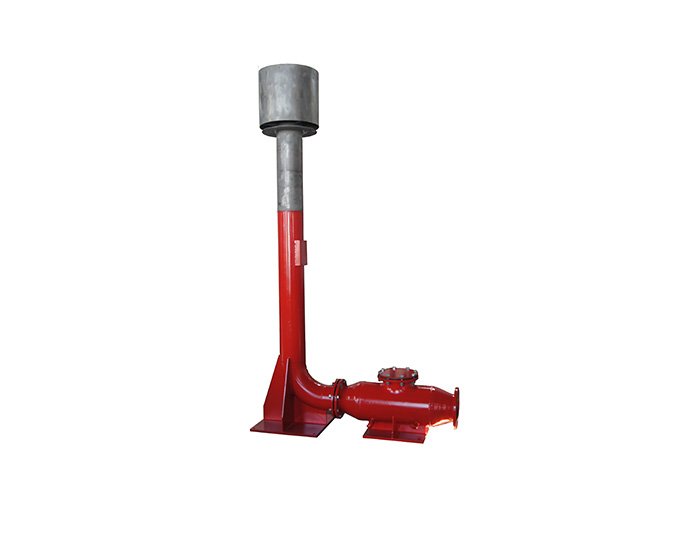 Flare Ignition Device
 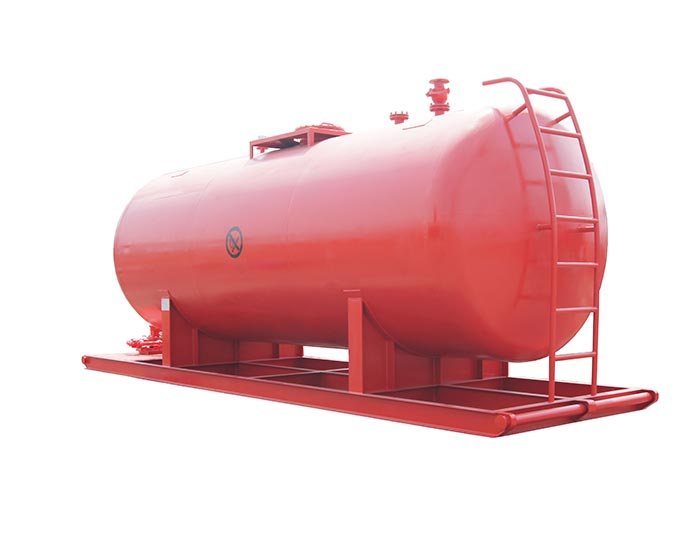 Diesel Tank
 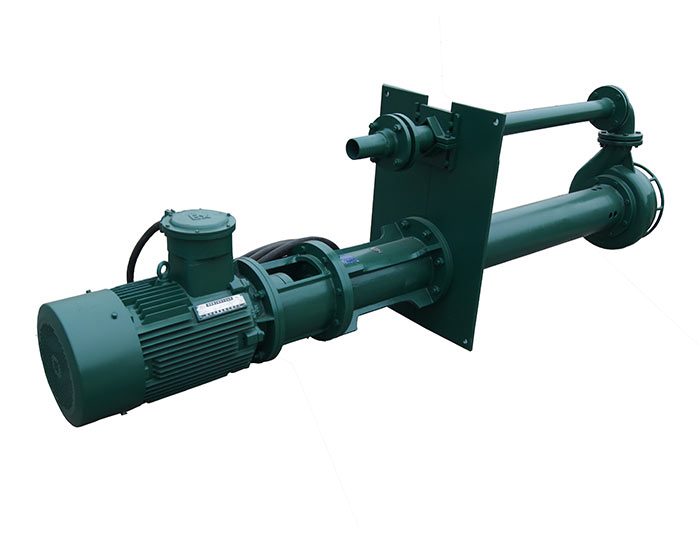 Submersible Slurry Pump