The global drilling industry relies heavily on the efficiency of fluid management to ensure the safety, speed, and cost-effectiveness of a wellbore project. Central to this process is the mechanical separation of debris from the drilling fluid, a discipline known as solids control. Among the various pieces of equipment found on a modern site, the drilling mud cleaner stands out as a critical secondary and tertiary separation unit. It serves as a multifunctional guardian, bridging the gap between the primary removal of large rock cuttings and the final polishing of the fluid by high-speed centrifuges. By understanding the mechanical intricacies and the strategic value of this machine, operators can significantly enhance the lifespan of their drilling equipment and the stability of the well itself.
The Architectural Design of a High-Performance Mud Cleaner System
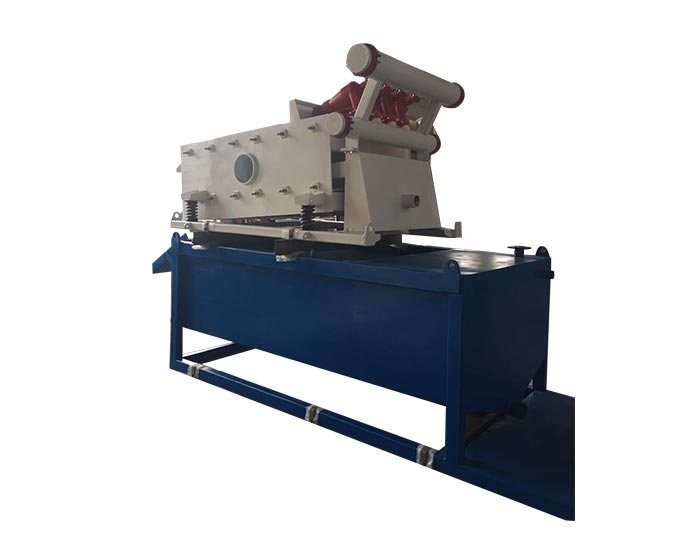
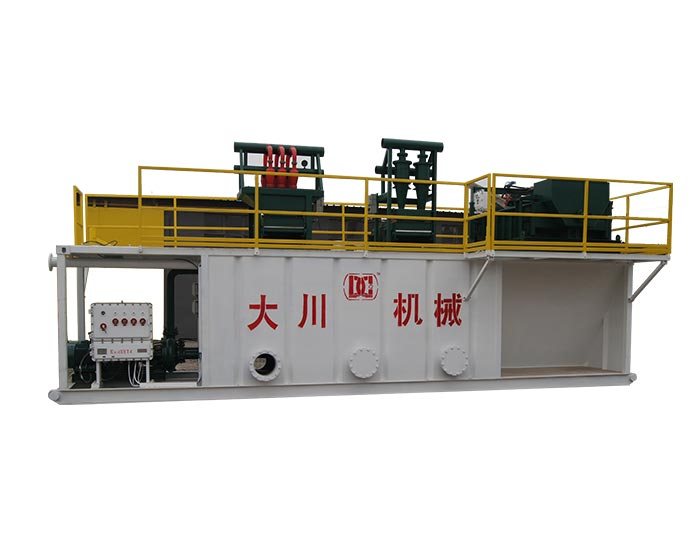
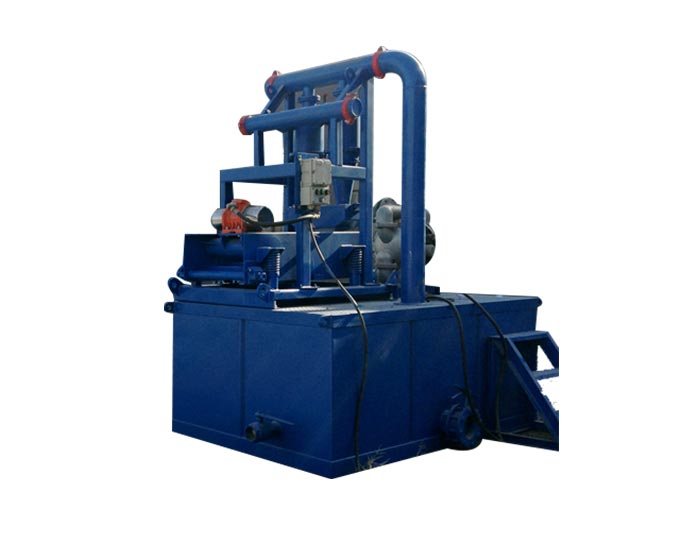
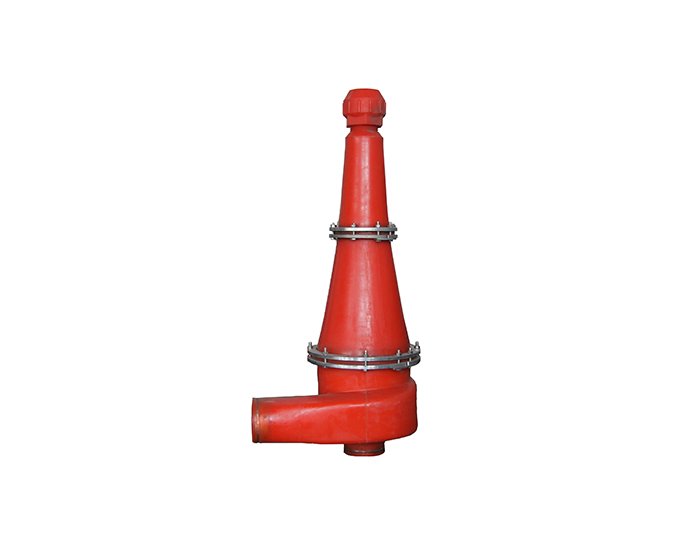
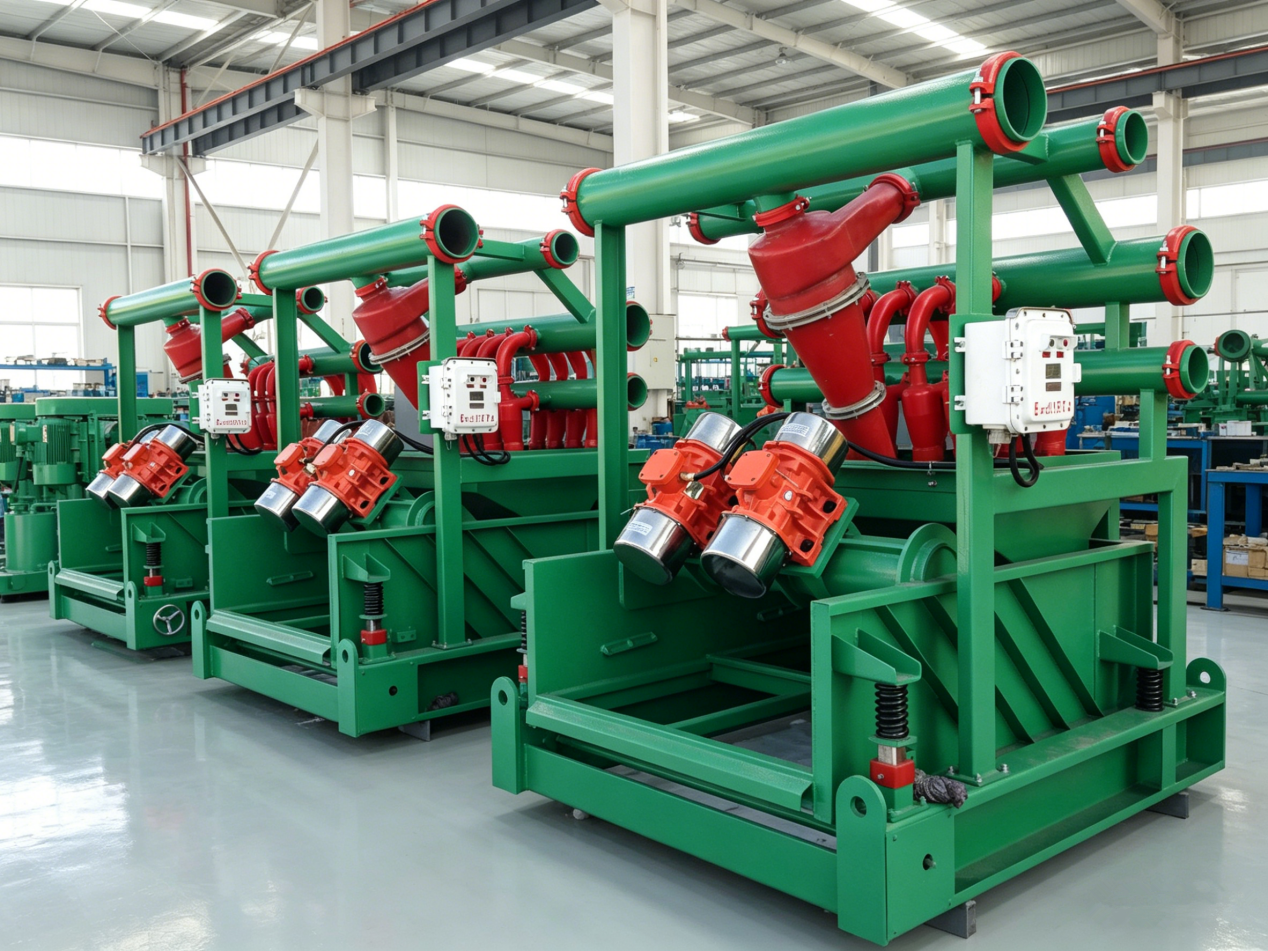
A comprehensive mud cleaner system is not a singular tool but rather a sophisticated integration of two distinct separation technologies: hydrocyclones and a fine-mesh vibrating screen. In the hierarchy of a drilling rig’s mud pits, the mud cleaner is typically positioned downstream from the shale shakers. While a shale shaker uses coarse vibration to remove the largest boulders and pebbles, it often lets smaller sand and silt particles pass through. The mud cleaner machine addresses this by employing a bank of desanders and desilters mounted directly above a high-G force vibrating shaker.
The process begins as the mud is pumped into the hydrocyclone headers. Centrifugal force within these cones forces the heavier solids toward the walls and downward through the apex, while the cleaned liquid remains in the center and exits through the overflow. What makes the drilling mud cleaner unique is that the underflow—the concentrated sludge containing the separated solids—is dropped onto a very fine-mesh screen. This allows the system to recover expensive base fluids, such as oil or synthetic brines, that would otherwise be discarded with the waste. This dual action ensures that the "mud cleaner system" provides a compact footprint while delivering high-efficiency throughput.
The Strategic Importance of the Oilfield Mud Cleaner in Fluid Economics
In modern exploration, the cost of drilling fluids represents a massive portion of the total project budget. An oilfield mud cleaner is essentially an economic tool designed to protect this investment. When drilling through complex formations, the fluid (or "mud") becomes contaminated with fine abrasive particles. If these particles are not removed, they increase the density and viscosity of the mud, leading to higher pump pressures and a greater risk of "stuck pipe" incidents.
By utilizing a high-quality drilling mud cleaner, operators can maintain the specific gravity of the mud within a narrow window of tolerance. This is particularly vital in "weighted mud" systems where barite is added to control formation pressure. A well-tuned mud cleaner machine is capable of removing drilled solids that are slightly larger than barite particles while allowing the valuable weighting agents to remain in the system. This selective separation provided by the "oilfield mud cleaner" reduces the need for constant chemical additions and dilution, which translates directly into thousands of dollars in daily savings for the operator.
Operational Dynamics of a Mud Cleaner Machine in the Field
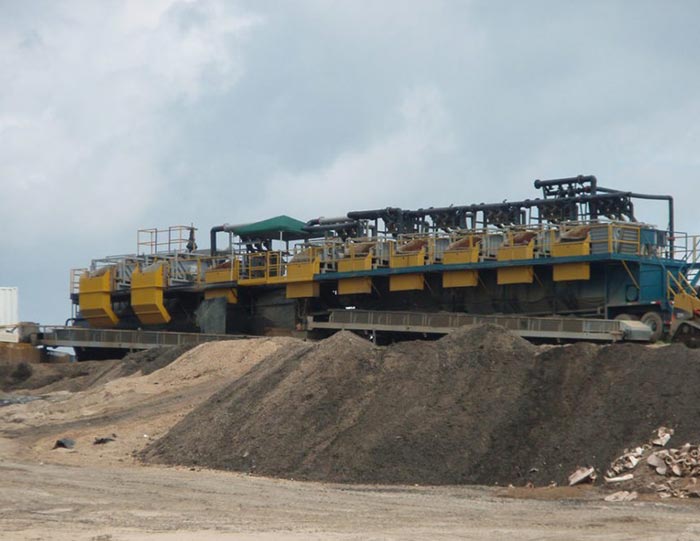
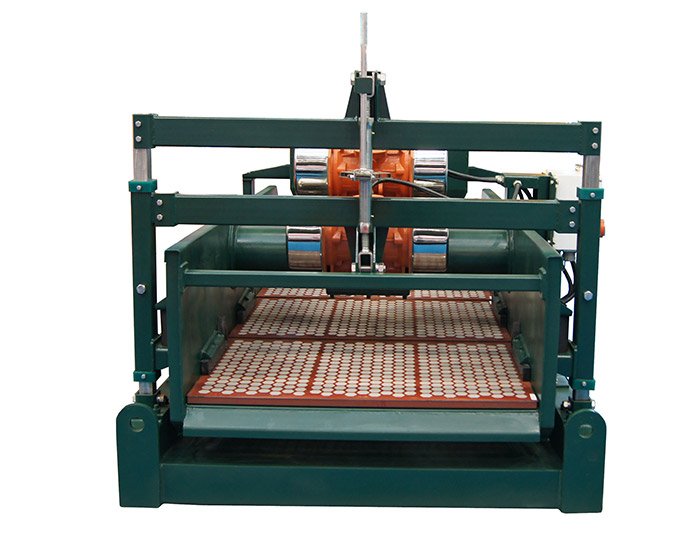
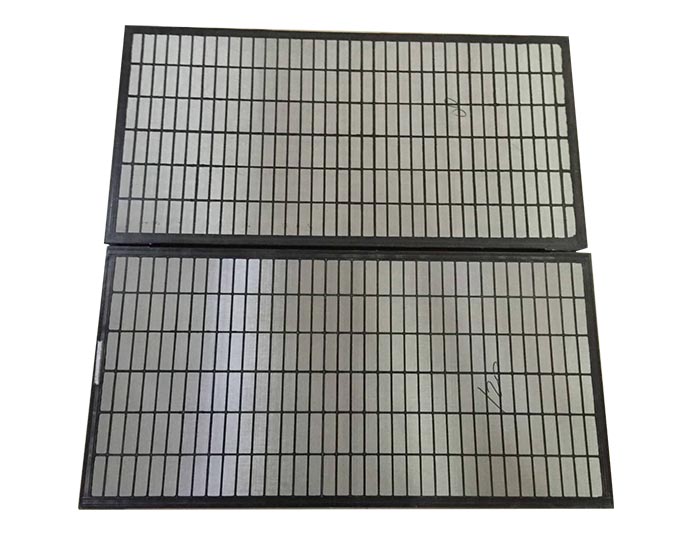
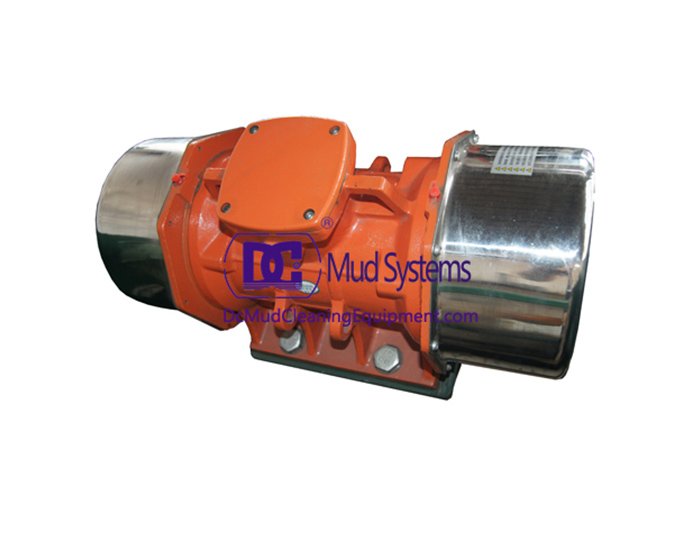
The mechanical reliability of a mud cleaner machine is tested daily in some of the world’s most grueling environments. Whether in the frozen tundras of the north or the humid offshore platforms of the Gulf, the equipment must handle high flow rates of abrasive slurry. The vibrating deck of the machine is usually powered by dual motion motors that create a linear or elliptical path. This motion moves the discarded solids toward the discharge end of the screen, while the recovered fluid drains into the collection tank below.
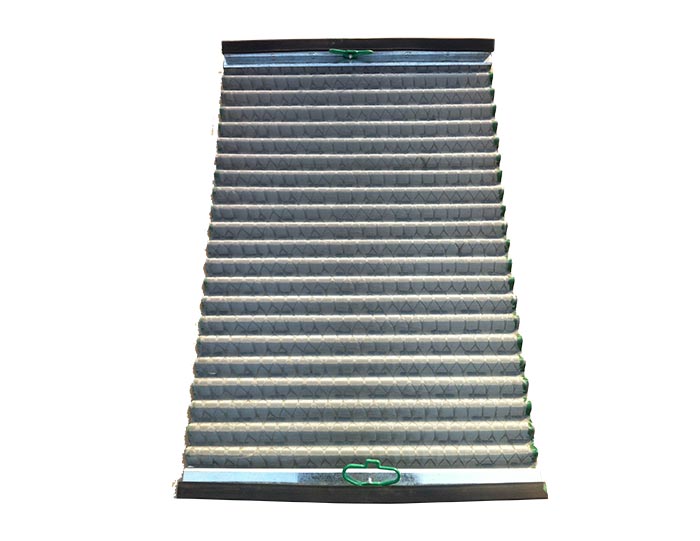
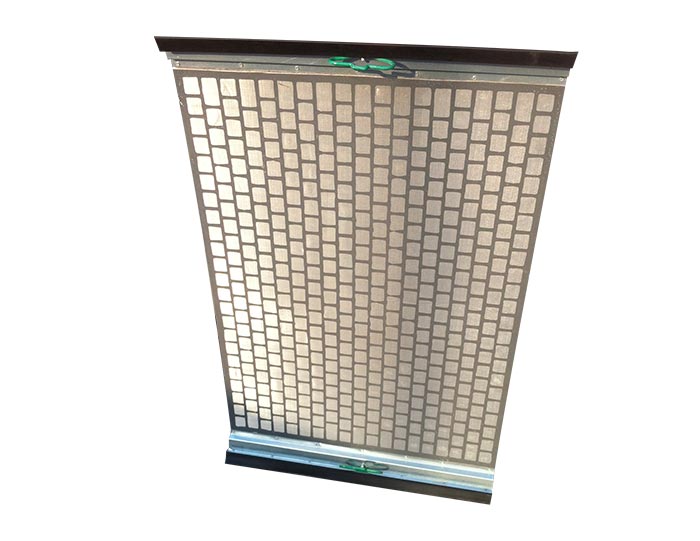
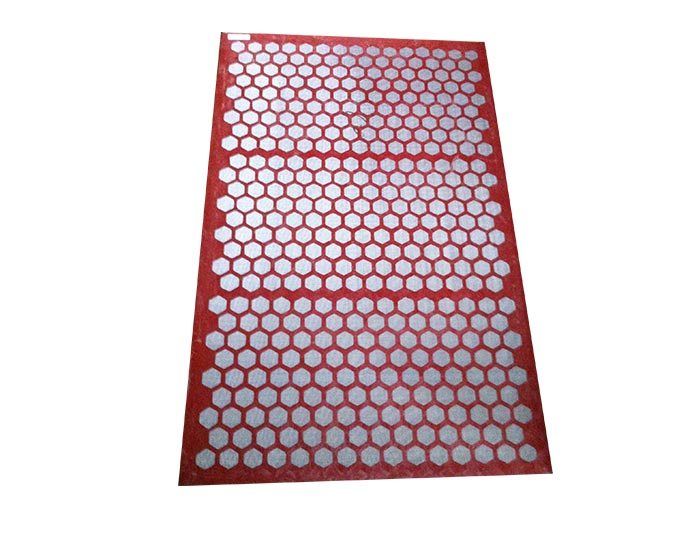
Maintenance of the mud cleaner machine is a critical factor in its role within the solids control cycle. Operators must regularly inspect the polyurethane linings of the hydrocyclone cones for wear, as any change in the interior geometry of the cone will degrade the separation efficiency. Furthermore, the selection of the shaker screens beneath the cones must be perfectly matched to the particle size distribution of the formation being drilled. When the "mud cleaner machine" is calibrated correctly, the discharge from the screens should look relatively dry, indicating that the maximum amount of expensive liquid has been recovered and returned to the active mud system.
Integration of the Mud Cleaner in Drilling Rig Workflows
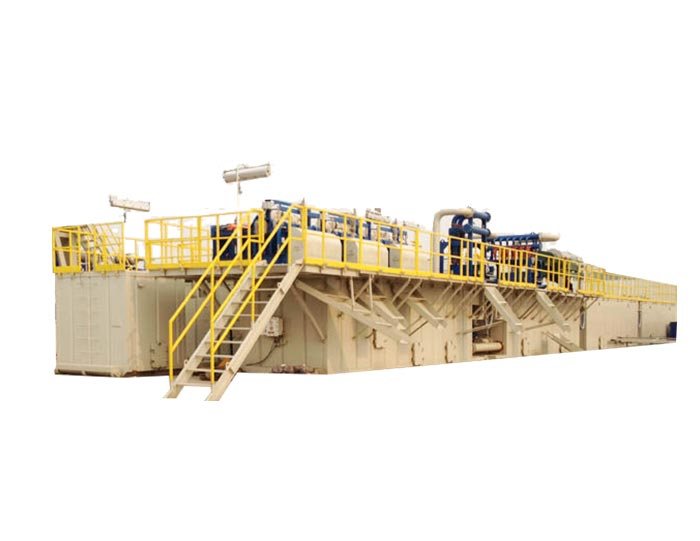
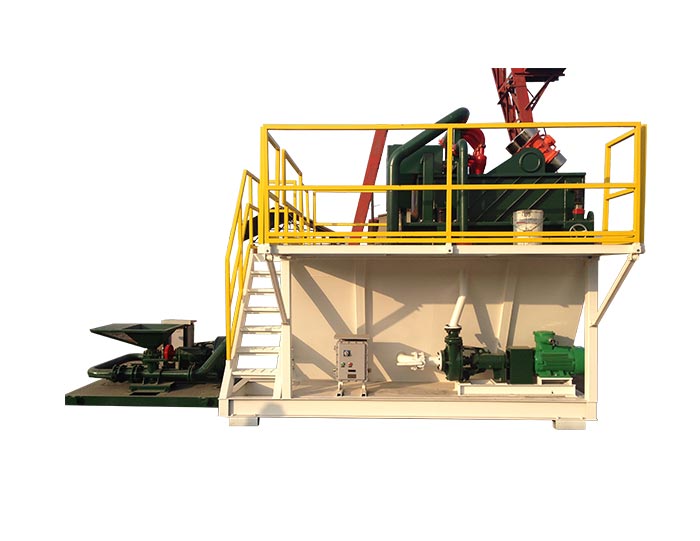
The physical placement and integration of a mud cleaner in drilling rig layouts are carefully planned to optimize gravity flow and pump efficiency. Usually located on top of the mud tank, the unit receives fluid that has already passed through the shale shakers but still contains sand-sized particles (typically between 20 and 74 microns). The mud cleaner in drilling rig configurations acts as a safeguard for the downstream equipment, specifically the mud pumps and the drill bit nozzles.
When the mud cleaner in drilling rig operations is bypassed or fails, the abrasive nature of the silt and sand quickly begins to erode the internal valves of the high-pressure pumps. Furthermore, fine solids can build up a "filter cake" on the walls of the wellbore, which can lead to differential sticking—a nightmare scenario for any driller. Therefore, the drilling mud cleaner is not just an optional accessory but a fundamental part of the rig’s mechanical health. By ensuring the "mud cleaner in drilling rig" setup is functioning at peak capacity, the crew can push the limits of drilling speed (Rate of Penetration) without fear of equipment failure or formation damage.
The Future of Separation Technology and Mud Cleaner Machine Evolution
As drilling reaches deeper and more challenging reservoirs, the requirements for the mud cleaner machine continue to evolve. Modern designs are focusing on "smart" automation, where sensors monitor the pressure at the cyclone manifolds and the moisture content of the discharge. These advanced systems can automatically adjust the vibration frequency of the shaker or the feed pressure to compensate for changing drilling conditions in real-time.
The demand for a specialized oilfield mud cleaner is also growing in the environmental sector. With stricter regulations regarding the disposal of drill cuttings, the ability of a drilling mud cleaner to produce drier waste and cleaner effluent is a major environmental advantage. Reducing the volume of waste generated at the rig site minimizes the carbon footprint associated with trucking waste to disposal facilities. The "mud cleaner system" is thus evolving from a purely mechanical separation tool into a key component of the industry's environmental and social governance strategies.
Why the Drilling Mud Cleaner is Indispensable
The drilling mud cleaner represents the perfect marriage of centrifugal physics and mechanical filtration. Its role in solids control is multifaceted: it protects expensive mechanical components, recovers high-value drilling fluids, maintains the chemical stability of the wellbore, and reduces the environmental impact of the drilling process. For any project aiming for high performance and low operational costs, the implementation of a robust mud cleaner system is non-negotiable.
From the primary separation deck to the precision cones of the desilters, every element of the mud cleaner machine is designed with a singular purpose—to keep the drilling fluid as clean as possible. In an era where drilling efficiency is the difference between a profitable well and a financial loss, the oilfield mud cleaner remains one of the most valuable assets on the rig floor. As technology advances, the "mud cleaner in drilling rig" operations will only become more integrated and intelligent, further solidifying its role as the heart of modern solids control.

 Linear Motion Shale Shaker In Drilling Rig
 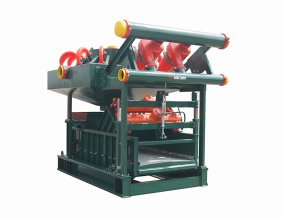 Oilfield Mud Cleaner
 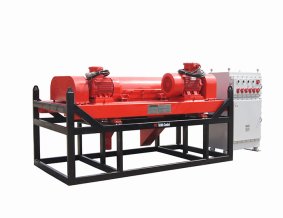 Drilling Fluid Decanter Centrifuge
 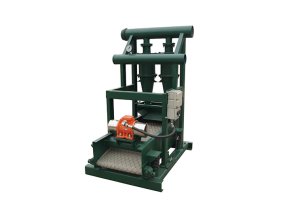 Drilling Mud Desander
 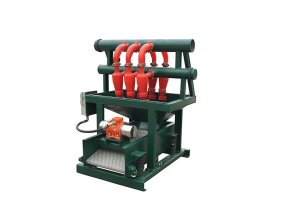 Hydrocyclone Desilter
 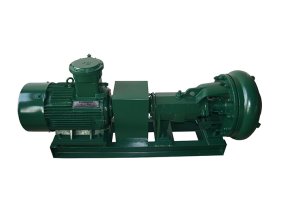 Centrifugal Pump/Centrifugal Mud Pump
 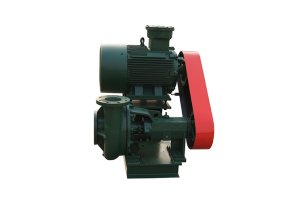 Shear Pump
 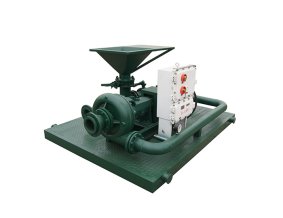 Jet Mud Mixer
 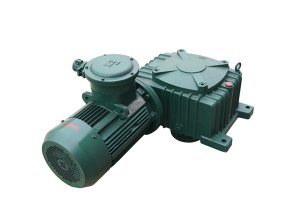 Horizontal Mud Agitator
 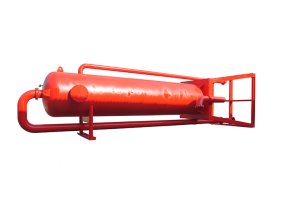 Constant Pressure Drilling Fluid Mud Gas Separator
 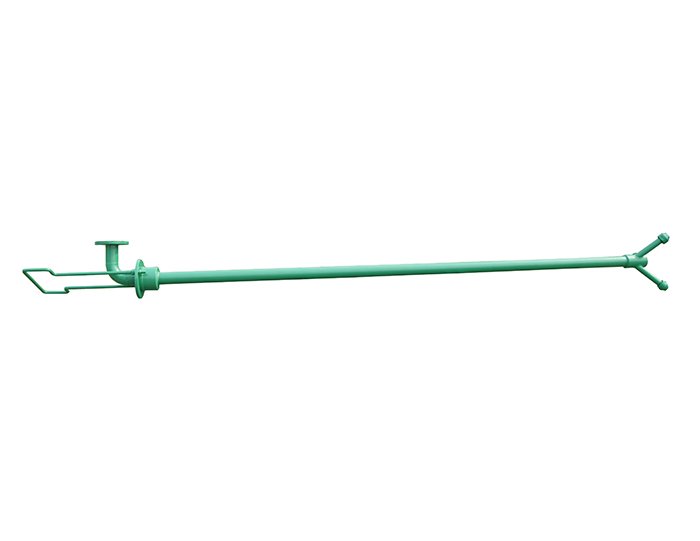 Mud Gun
  Mud Tank
 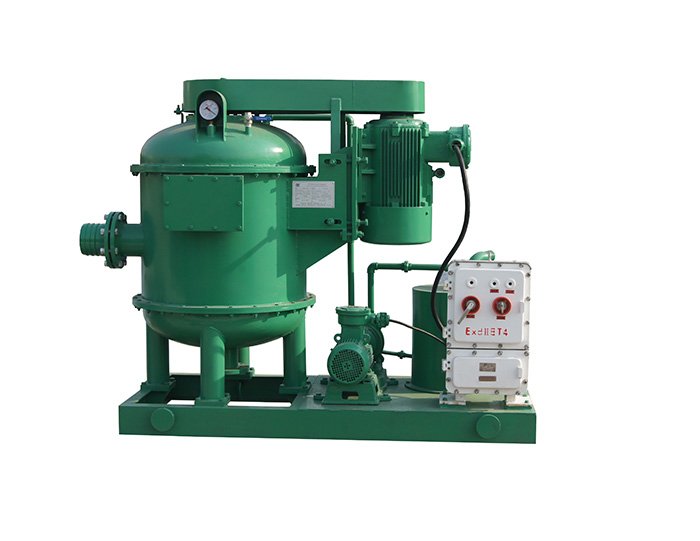 Solids Control System Vacuum Degasser
 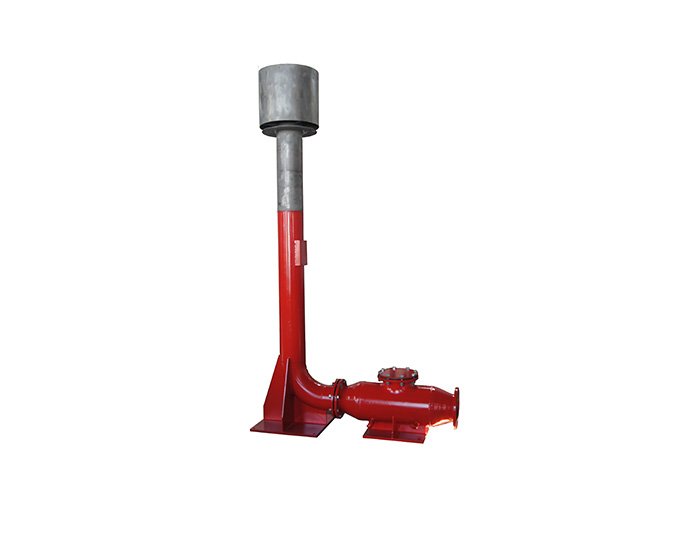 Flare Ignition Device
 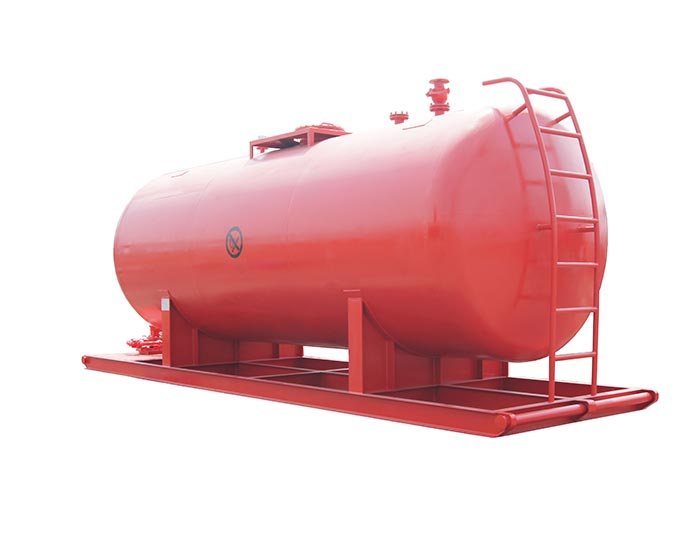 Diesel Tank
 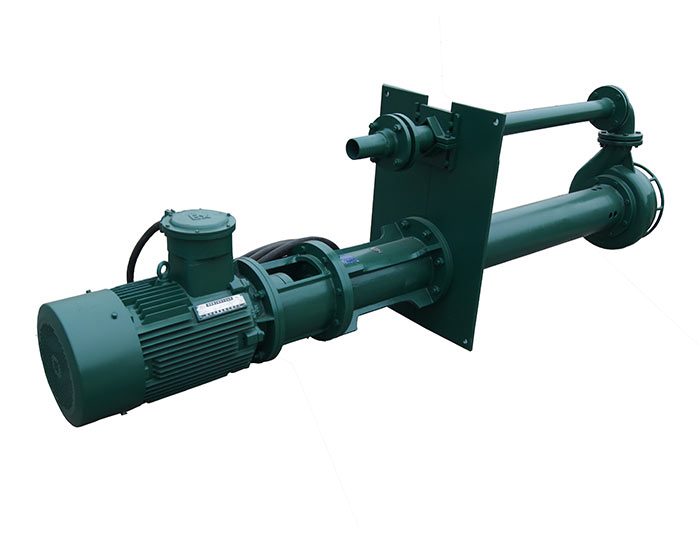 Submersible Slurry Pump