In the high-stakes environment of deep-well exploration, the efficiency of drilling operations depends heavily on the physical and chemical properties of the circulating fluid. As the "lifeblood" of the rig, drilling mud carries out several critical functions, from cooling the bit to transporting cuttings. However, as the drill bit penetrates gas-bearing formations, various gases—including methane, carbon dioxide, and hydrogen sulfide—become entrained within the fluid. This is where the fundamental question arises for many new engineers: what is vacuum degassing and why is it non-negotiable for modern safety protocols? At its core, vacuum degassing is the mechanical process of removing these trapped gas bubbles to restore the mud's density and rheological stability, preventing hazardous conditions such as "gas-cut" mud that could lead to a blowout.
The primary challenge with entrained gas is that it is highly compressible. When gas-cut mud reaches the surface, the reduction in hydrostatic pressure causes the bubbles to expand rapidly. If left untreated, this expansion significantly lowers the effective mud weight, which can compromise the hydrostatic head required to keep formation pressures in check. To solve this, the industry utilizes a specialized vacuum degasser unit to forcefully extract these gases. Unlike atmospheric degassers that rely on simple agitation, the vacuum-assisted approach utilizes a pressure differential to expand and burst bubbles that would otherwise remain suspended in the viscous fluid.
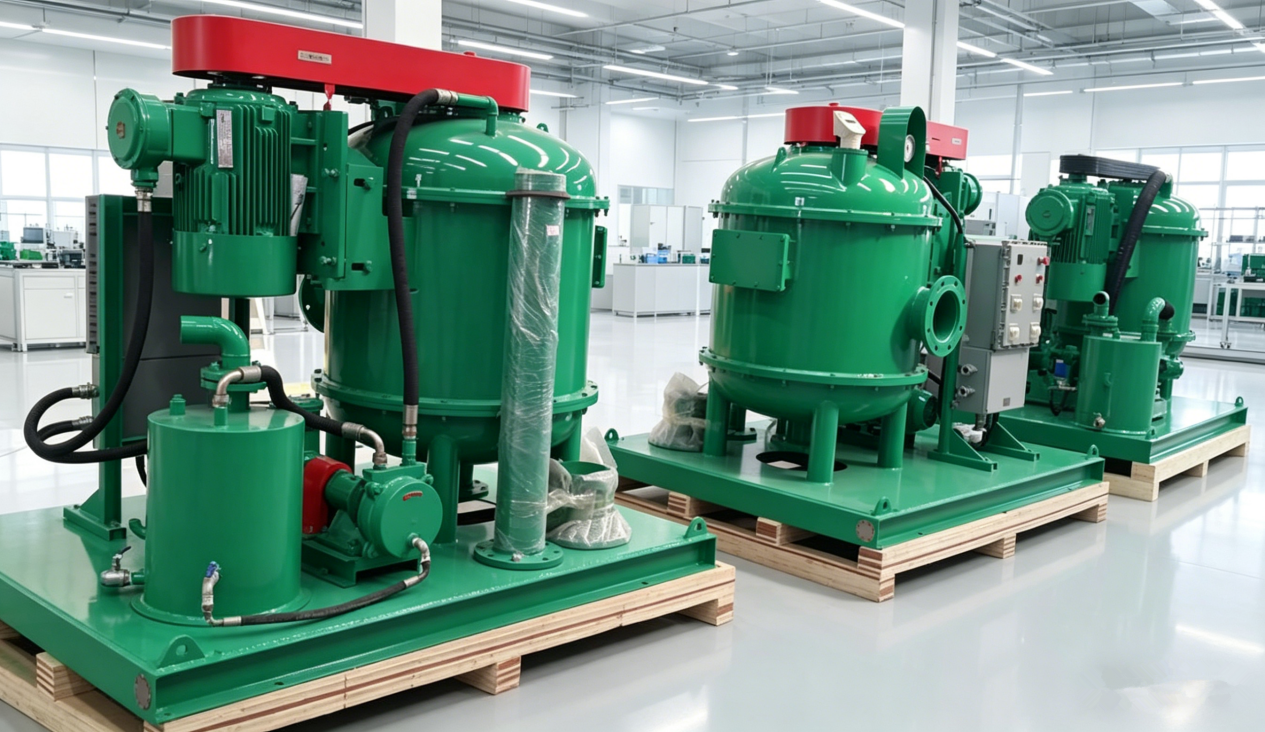
The Physics of Bubble Expansion: What is Vacuum Degassing?
To truly grasp the mechanics of this process, one must understand the relationship between pressure and gas solubility. The process of what is vacuum degassing relies on the principle that lowering the ambient pressure above a liquid surface reduces the solubility of the gases contained within that liquid. In the context of a drilling rig, the mud is pulled into a vessel where a vacuum pump has created a low-pressure environment. As the mud enters this chamber, the sudden drop in pressure causes the microscopic gas bubbles to grow in volume according to Boyle's Law.
Once these bubbles reach a critical size, they overcome the surface tension and viscosity of the drilling mud. To facilitate this, the vacuum degasifier is designed with internal geometry that spreads the mud into thin films. By increasing the surface area of the fluid while simultaneously lowering the pressure, the system ensures that even the most stubborn, entrained gases are liberated. This is particularly vital when dealing with high-viscosity "weighted" muds, where gas bubbles are physically trapped by the density of the additives. Without the vacuum assist, these gases would recirculate back down the wellbore, creating a cumulative effect that could eventually lead to a loss of well control.
Engineering the Flow: The Role of the Mud Vacuum Unit
In the hierarchy of a solids control system, the mud vacuum unit is strategically placed after the shale shakers but before the desanders or desilters. This placement is crucial because gas-cut mud interferes with the centrifugal force required for hydrocyclones to function correctly. A standard vacuum degasifier operates by using the vacuum itself to pull the mud from the shaker tank into the degasifier vessel. This eliminates the need for an external centrifugal feed pump, which reduces the overall mechanical complexity and energy consumption of the mud system.
Inside the vessel, the mud is usually distributed over a series of internal plates or a corrugated "umbrella" structure. As the mud cascades down these surfaces, it undergoes a process of thin-film aeration. The vacuum pump continuously removes the liberated gases from the top of the vessel, venting them safely away from the rig floor, often to a flare line or a remote vent stack. Meanwhile, the degassed mud accumulates at the bottom of the vacuum degasser unit and is discharged back into the active mud system. This continuous loop ensures that the mud density remains constant, allowing the driller to maintain precise control over the bottom-hole pressure.
The Mechanical Advantage of the Degasser Vacuum System
The heart of any modern degassing operation is the degasser vacuum pump. Most contemporary units utilize a liquid ring vacuum pump, which is prized for its durability and its ability to handle small amounts of fluid or debris without failing. The vacuum created by this pump serves a dual purpose: it provides the suction to feed the unit and the low-pressure environment required for gas separation. This dual-functionality makes the mud vacuum unit one of the most efficient components on the rig, as it performs its task with minimal moving parts compared to other solids control equipment.
Furthermore, the degasser vacuum level is adjustable. This allows the mud engineer to calibrate the system based on the current mud weight and the severity of the gas-cut. For example, if the rig is drilling through a particularly "gassy" zone, the vacuum can be increased to ensure total extraction. The internal baffles within the vacuum degasifier are also designed to be self-cleaning to some extent, as the constant flow of mud prevents the buildup of solids. However, the reliability of the system depends heavily on the integrity of the seals and the maintenance of the liquid ring pump, which requires a constant supply of cooling water to maintain its seal and prevent overheating.
Operational Safety and the Vacuum Degasser Unit
Beyond the technical benefits of mud weight maintenance, the vacuum degasser unit is a critical safety barrier. One of the most dangerous scenarios on a drilling rig is the presence of Hydrogen Sulfide (H2S), a toxic and corrosive gas. A properly functioning vacuum degasifier is the first line of defense in stripping H2S from the mud before it can reach the open pits where workers are present. Because the degasser is a closed system, it allows the captured gases to be piped directly to a gas buster or a flare, significantly reducing the risk of atmospheric contamination on the rig floor.
Moreover, the restoration of mud properties by the mud vacuum unit protects downstream equipment. Gas bubbles in the mud can cause cavitation in high-pressure mud pumps, leading to rapid erosion of liners and pistons. By ensuring the mud is "solid" and gas-free, the degasser vacuum system extends the life of the entire circulating system. As drilling projects in 2026 continue to target deeper and more complex reservoirs, the sophistication of these units continues to grow, incorporating automated sensors that can detect gas levels and adjust vacuum intensity in real-time.
Ultimately, understanding what is vacuum degassing involves recognizing it as a holistic solution to a multi-faceted problem. It is a process that balances physics, mechanical engineering, and safety protocols to ensure that the drilling process remains predictable. Whether it is protecting the environment from toxic gas leaks or ensuring the mechanical longevity of the rig's pumps, the vacuum degasser unit remains an indispensable part of modern petroleum engineering, proving that even in an industry dominated by massive machinery, the most vital work often happens inside a quiet, low-pressure vessel.

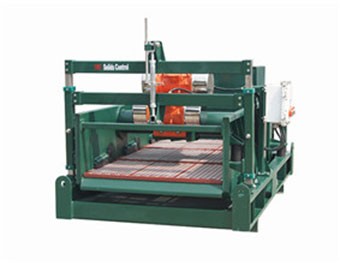 Linear Motion Shale Shaker In Drilling Rig
 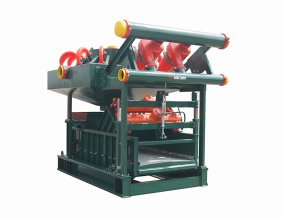 Oilfield Mud Cleaner
 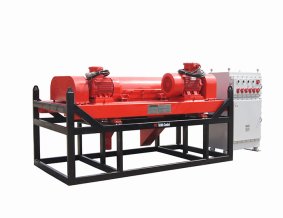 Drilling Fluid Decanter Centrifuge
 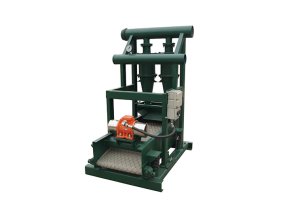 Drilling Mud Desander
 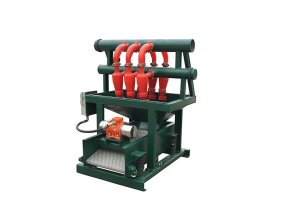 Hydrocyclone Desilter
 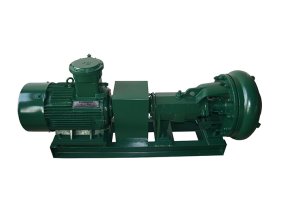 Centrifugal Pump/Centrifugal Mud Pump
 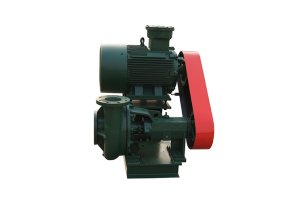 Shear Pump
 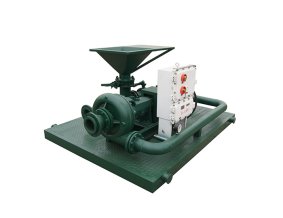 Jet Mud Mixer
 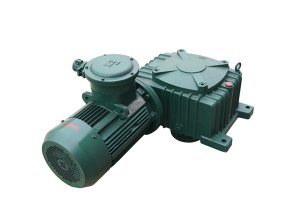 Horizontal Mud Agitator
 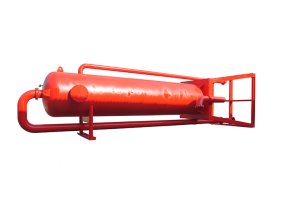 Constant Pressure Drilling Fluid Mud Gas Separator
 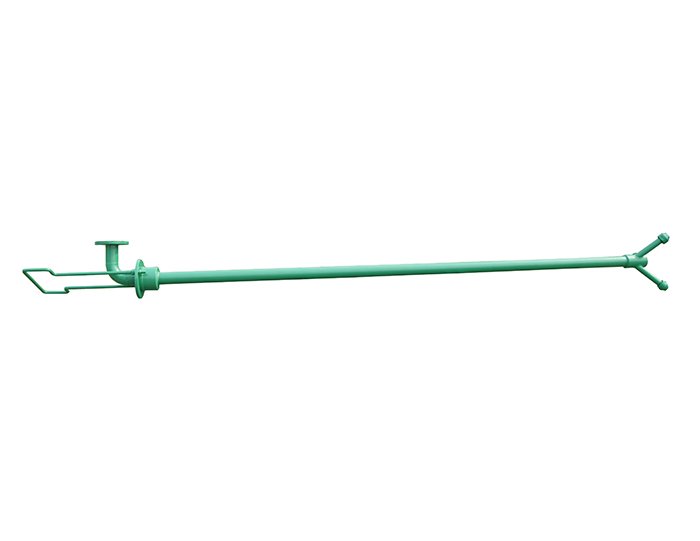 Mud Gun
  Mud Tank
 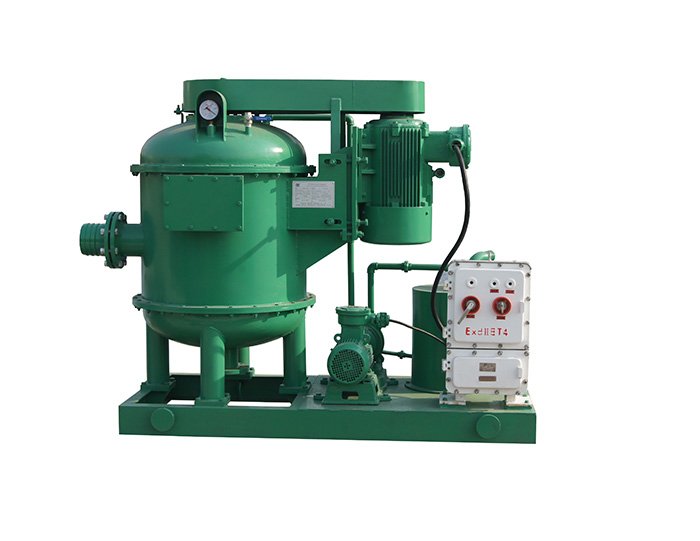 Solids Control System Vacuum Degasser
 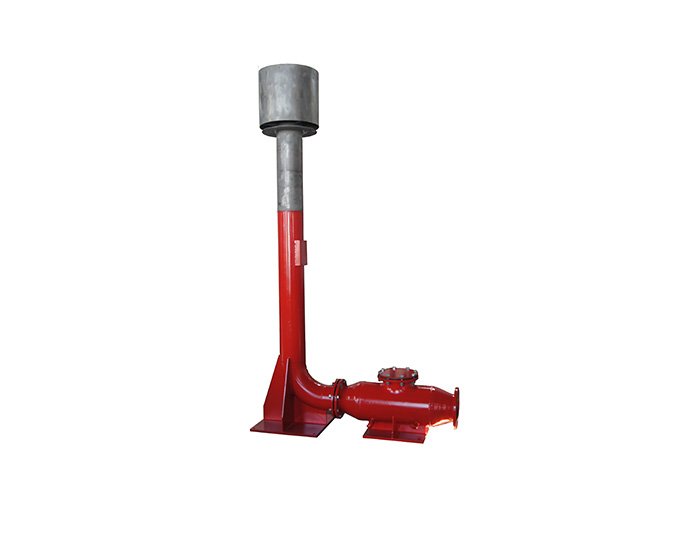 Flare Ignition Device
 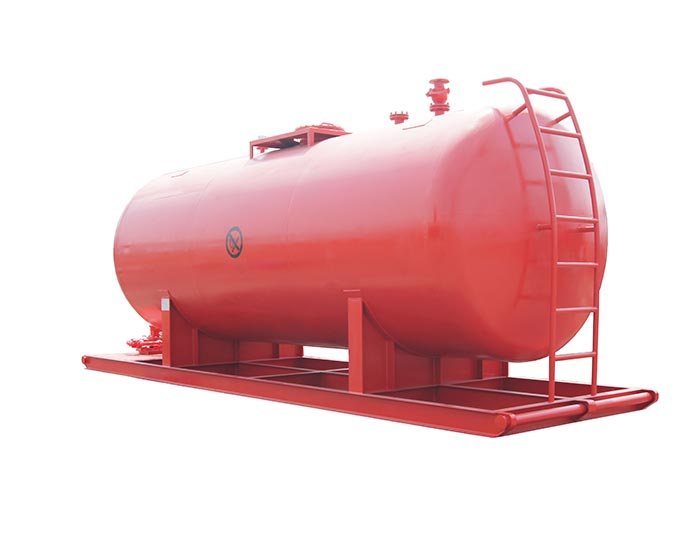 Diesel Tank
 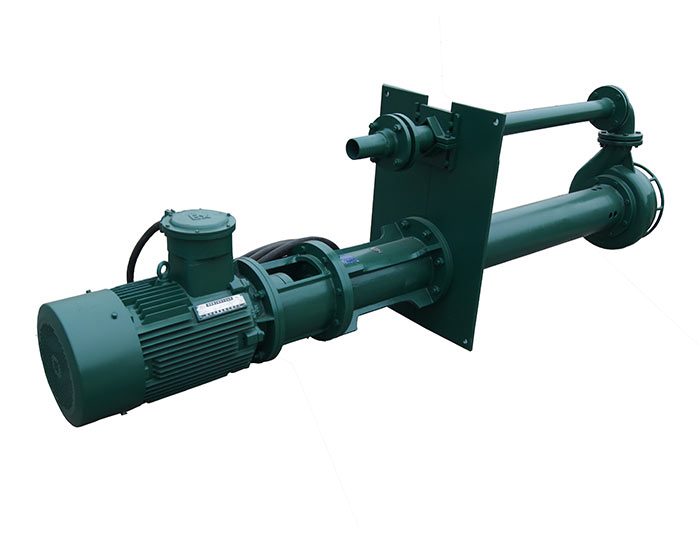 Submersible Slurry Pump