In the high-stakes world of international oil and gas exploration, the efficiency of a drilling rig is often measured by its ability to manage the "closed-loop" mud system. As drilling depths reach new extremes in 2026, the demand for cleaner, drier, and more chemically stable drilling fluid has never been higher. To meet these challenges, the engineering focus of the world's premier drilling fluid shale shaker manufacturers has converged on a single, decisive physical variable: G-force. Often referred to as the acceleration of gravity, the G-force generated by a shaker is the primary engine of solids separation. Understanding why this metric has become the North Star of shale shaker design is essential for any operator looking to optimize their rate of penetration (ROP) and minimize environmental waste.
The Mechanical Mandate: Understanding the G Force Shale Shaker Metric
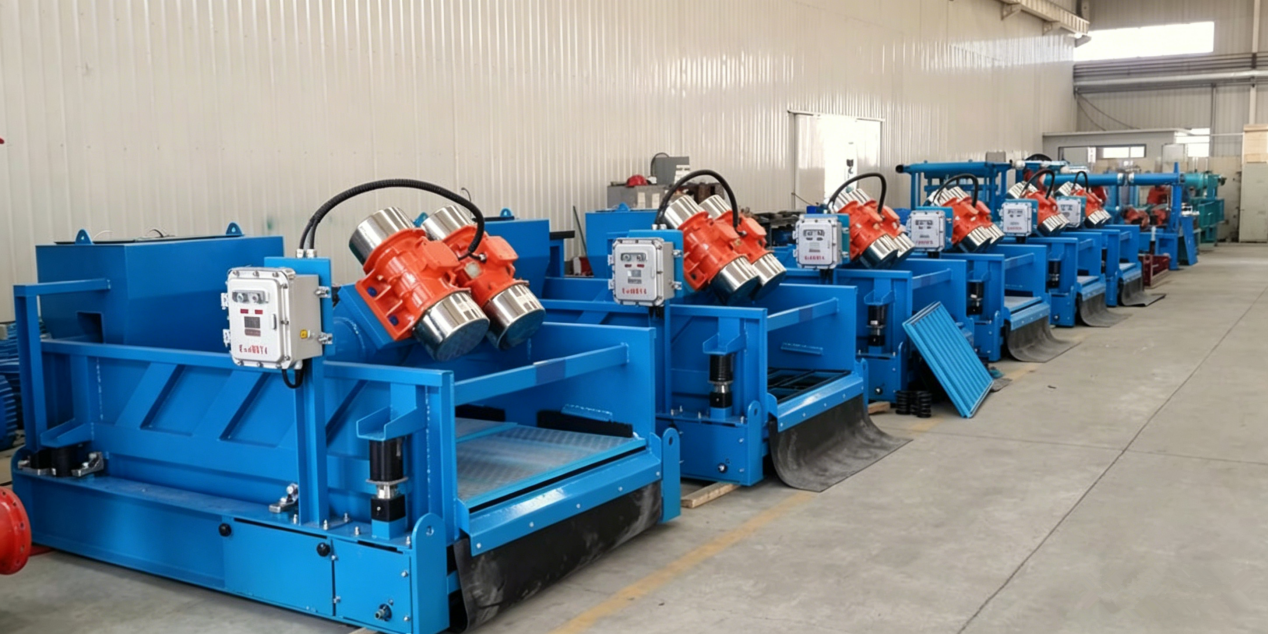
At its most fundamental level, a shale shaker is a machine that uses vibration to overcome the surface tension and viscosity of drilling mud. The g force shale shaker rating represents the intensity of this vibration, calculated as a multiple of the Earth's gravitational pull. When a manufacturer specifies a shaker as "8.0G," they are stating that the machine's basket can accelerate the mud and cuttings at eight times the force of gravity.
For leading drilling fluid shale shaker manufacturers, increasing G-force is not merely an exercise in power; it is a mechanical mandate to improve fluid recovery. As the mud flows onto the vibrating screens, the G-force acts as a "centrifugal" separator in a linear plane. It forces the liquid phase to detach from the solid cuttings, allowing the mud to pass through the fine mesh while the "shaken" solids are conveyed forward. Without sufficient G-force, the mud would simply "blind" the screen, creating a waterproof layer of solids that leads to expensive fluid running off the end of the shaker. By mastering the physics of vibration, manufacturers ensure that the shaker performs its most basic task with unrelenting efficiency.
The High G Shale Shaker: Engineering for Heavy and Viscous Muds
The push toward the high g shale shaker has been driven by the increasing use of high-density, oil-based, and synthetic drilling fluids. These "heavy" muds are designed to stabilize complex wellbores, but their high viscosity makes them notoriously difficult to screen. A standard vibration simply cannot break the powerful molecular bonds between a thick oil-based mud and a fine rock cutting.
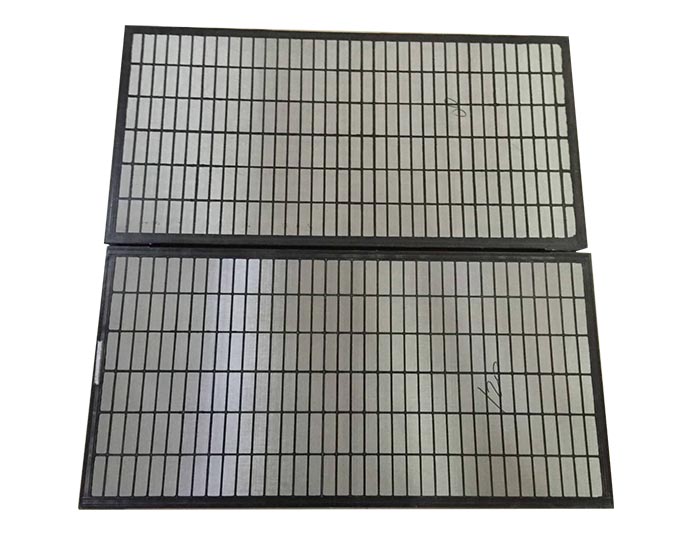
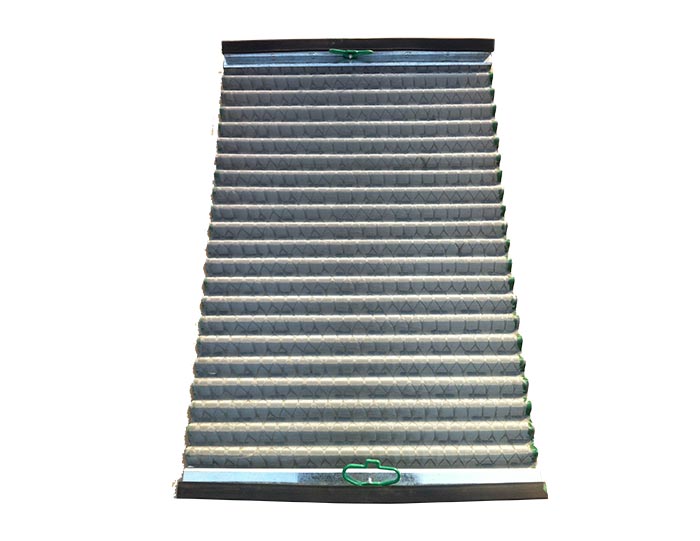
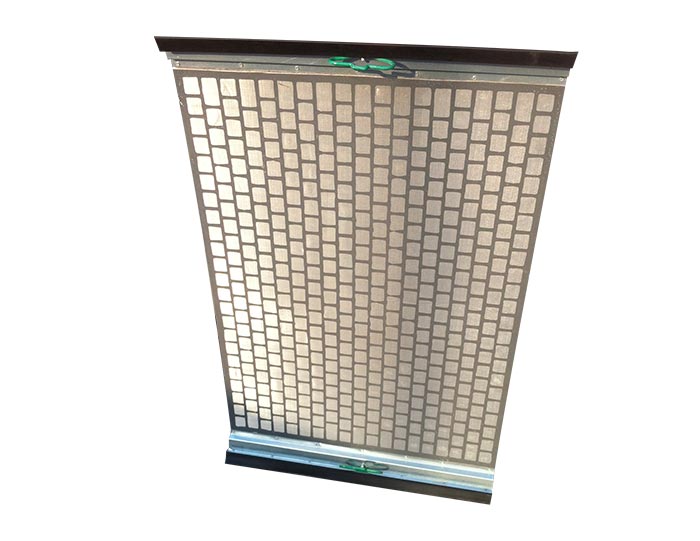
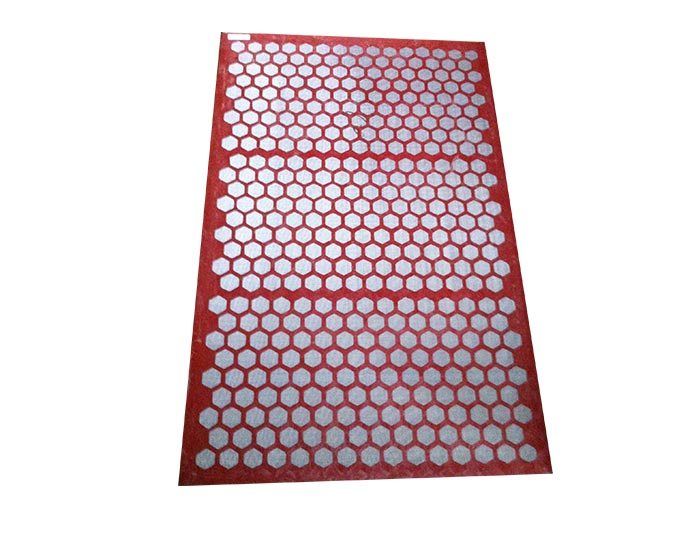
This is where the engineering expertise of drilling fluid shale shaker manufacturers becomes visible. A high g shale shaker, typically operating between 7.5G and 8.5G, provides the raw energy needed to "shear" the fluid away from the solids. This high-intensity vibration effectively thins the fluid at the point of contact with the screen, a phenomenon known as shear-thinning. By achieving higher G-levels, these machines allow operators to use much finer screens—often API 200 or higher—without the risk of flooding. This results in a much "cleaner" mud return, which protects downstream equipment like centrifugal pumps and mud motors from abrasive wear, directly extending the life of the entire drilling assembly.
Innovations in Shale Shaker Design: Balancing Power and Durability
While high acceleration is desirable, it presents a significant challenge to shale shaker design: the more G-force a machine generates, the more stress it places on its own structural components. In the past, increasing the vibration intensity often led to "cracked baskets" and frequent motor failures. Today, leading manufacturers have solved this through the use of high-tensile, heat-treated alloys and sophisticated finite element analysis (FEA).
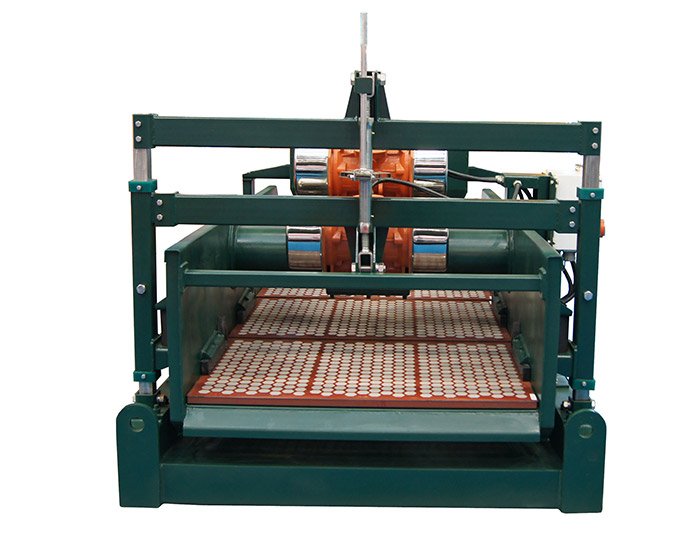
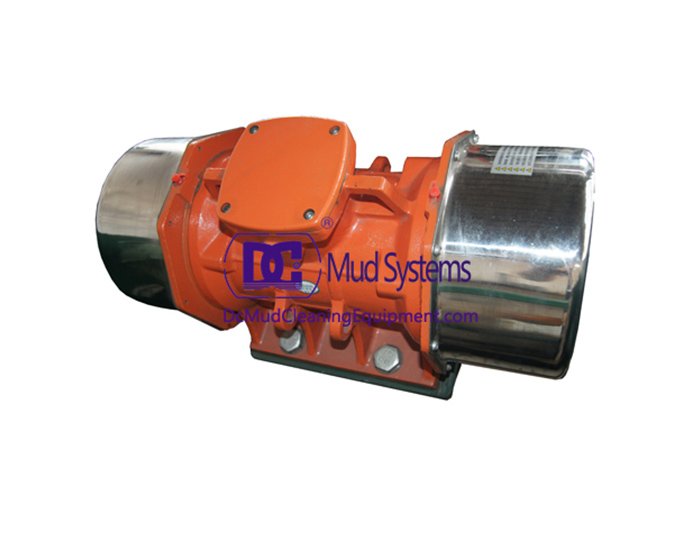
Modern shale shaker design focuses on creating a "rigidized" basket that can transmit vibration uniformly across the entire screen surface without creating localized stress points. To achieve a stable high g shale shaker performance, engineers utilize synchronized, counter-rotating vibrator motors that cancel out lateral forces, focusing all the energy into a pure linear motion. This precision ensures that the G-force is "productive" rather than "destructive." Furthermore, the integration of specialized vibration-damping mounts prevents the high-frequency energy from being transmitted to the rig floor, protecting the structural integrity of the entire solids control module while maintaining a quiet, safe working environment for the crew.
The Economic Impact of G-Force on Fluid Recovery and Waste Management
The strategic focus on G-force by drilling fluid shale shaker manufacturers is ultimately rooted in the economics of the modern oilfield. Drilling fluid is often the second-largest recurring expense on a rig, and waste disposal costs are rising globally due to stricter environmental mandates. A g force shale shaker that can produce "drier" cuttings directly translates to a more profitable operation.
When a high g shale shaker effectively slings the fluid off the cuttings, the volume of waste that must be hauled away and treated is significantly reduced. In offshore operations, where space is at a premium and waste must be shipped to shore, the ROI on a high-spec shaker can be realized in a single well. By reclaiming more "base fluid" for recirculation, the shaker reduces the need for expensive chemical additions and dilutions. This "market-oriented" approach to equipment design ensures that the hardware is not just a mechanical filter, but a vital tool for cost control and environmental compliance in a global trade environment that demands maximum efficiency.

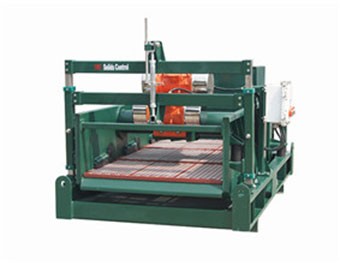 Linear Motion Shale Shaker In Drilling Rig
 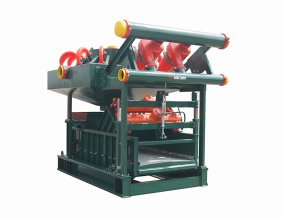 Oilfield Mud Cleaner
 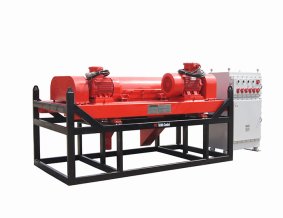 Drilling Fluid Decanter Centrifuge
 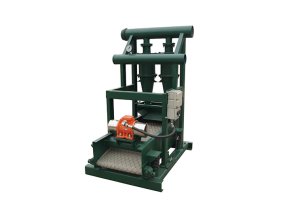 Drilling Mud Desander
 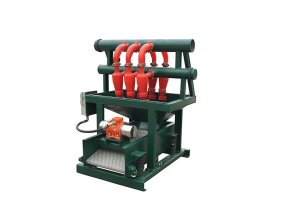 Hydrocyclone Desilter
 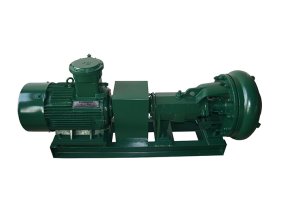 Centrifugal Pump/Centrifugal Mud Pump
 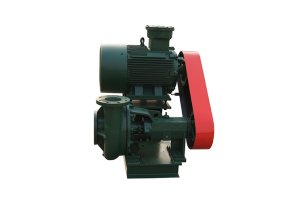 Shear Pump
 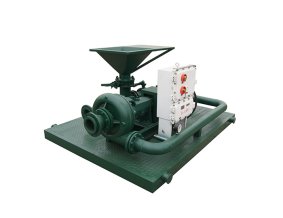 Jet Mud Mixer
 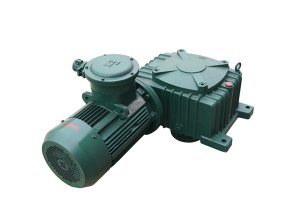 Horizontal Mud Agitator
 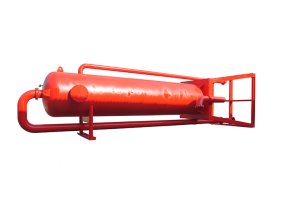 Constant Pressure Drilling Fluid Mud Gas Separator
 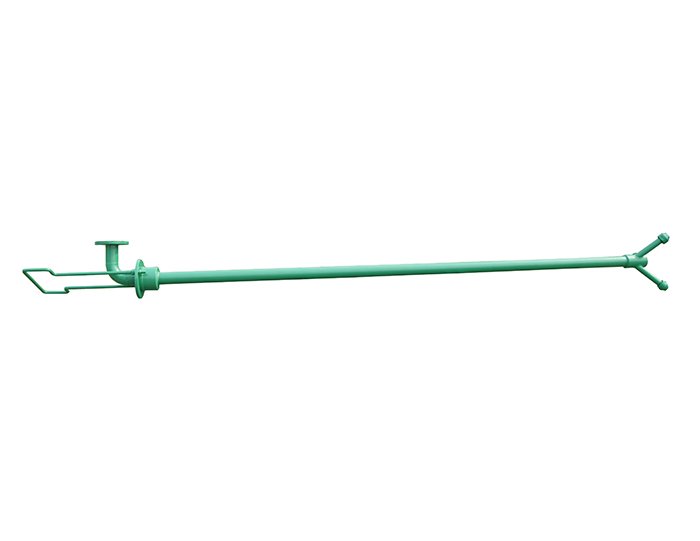 Mud Gun
  Mud Tank
 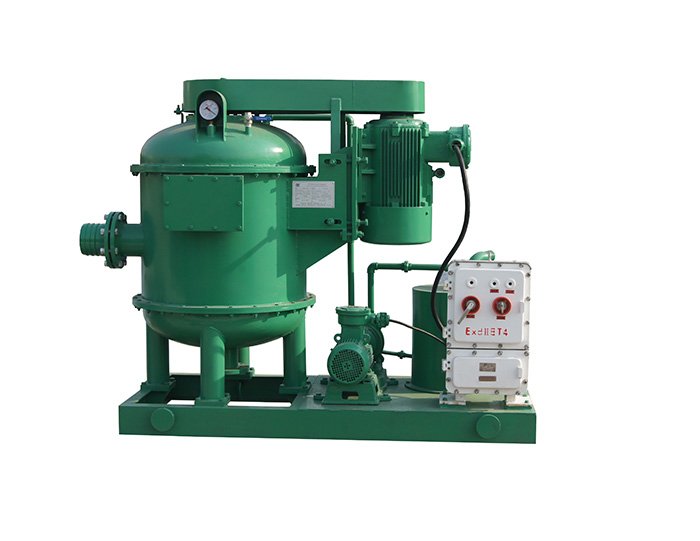 Solids Control System Vacuum Degasser
 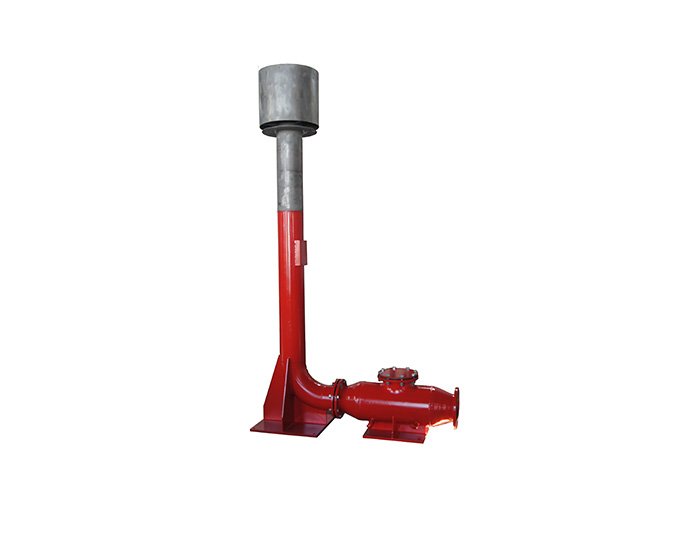 Flare Ignition Device
 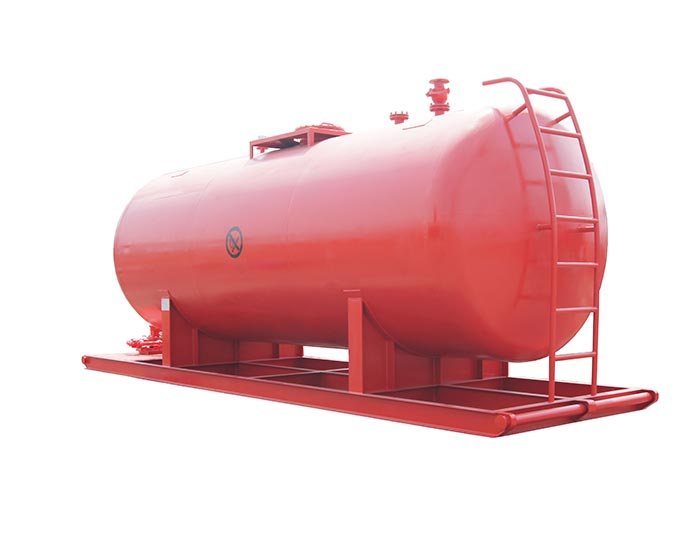 Diesel Tank
 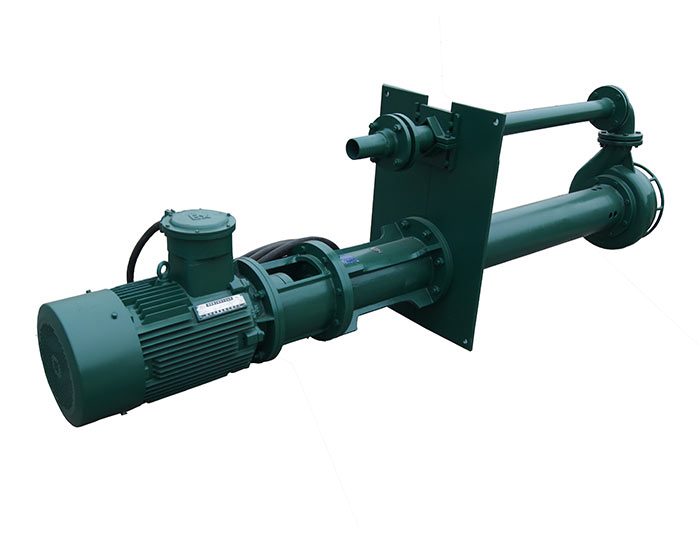 Submersible Slurry Pump