In the world of industrial drilling, the "cut-point" is the invisible line that separates a successful operation from a logistical nightmare. It represents the specific particle size at which a solids control system can no longer effectively remove contaminants from the drilling fluid. While shale shakers handle the heavy lifting of large cuttings, the true finesse of the process—stripping out fine sand and silt—is governed by the centrifugal physics of the hydrocyclone. At the heart of this high-velocity vortex are the mud cleaner cones. These precision-engineered components are not just plastic funnels; they are the primary architects of fluid clarity. Choosing high-quality cones is a strategic decision that dictates the rheology of the mud, the lifespan of the drill bit, and the overall efficiency of the mud cleaner system.
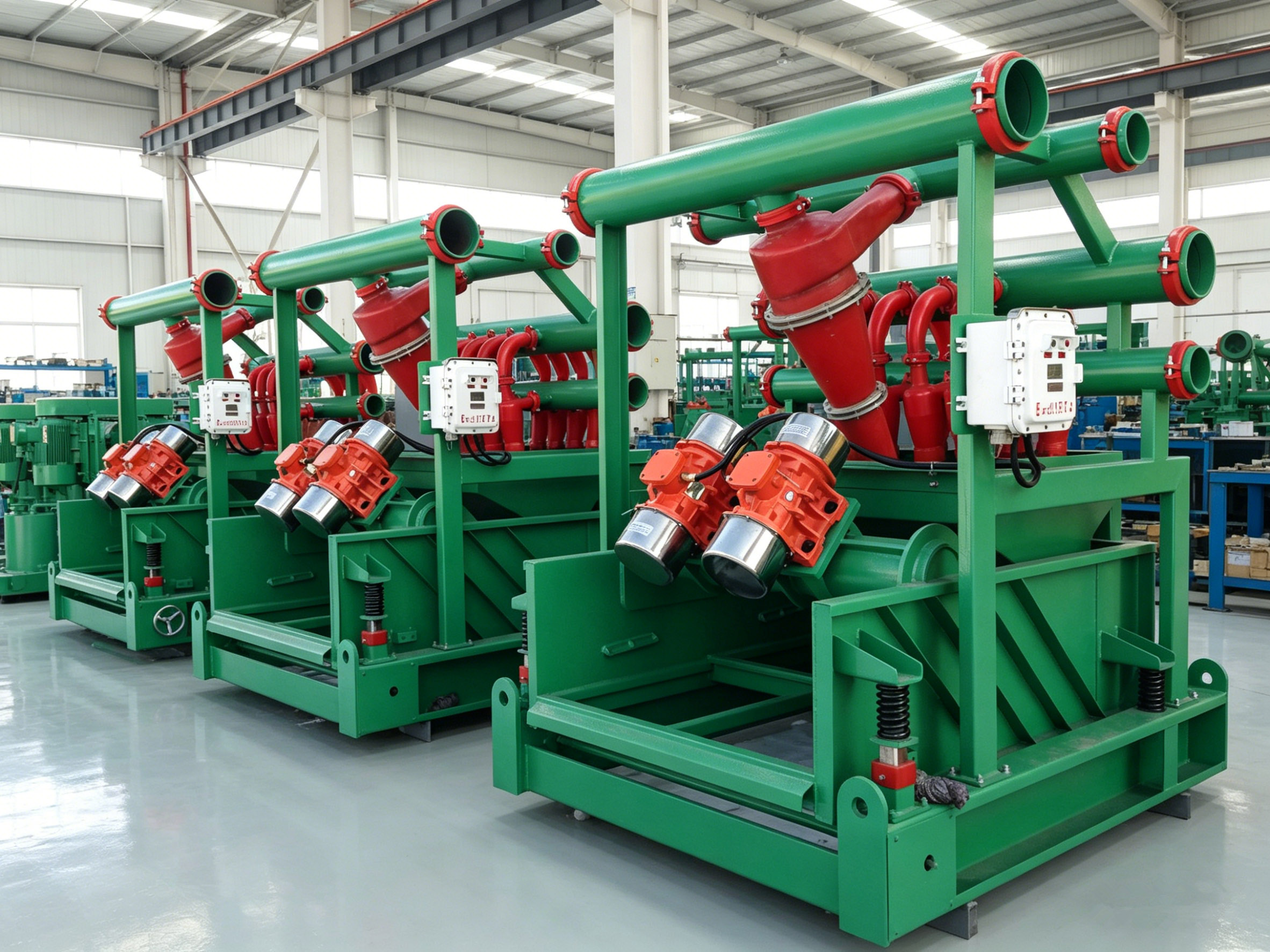
The Physics of Centrifugal Force within Mud Cleaner Cones
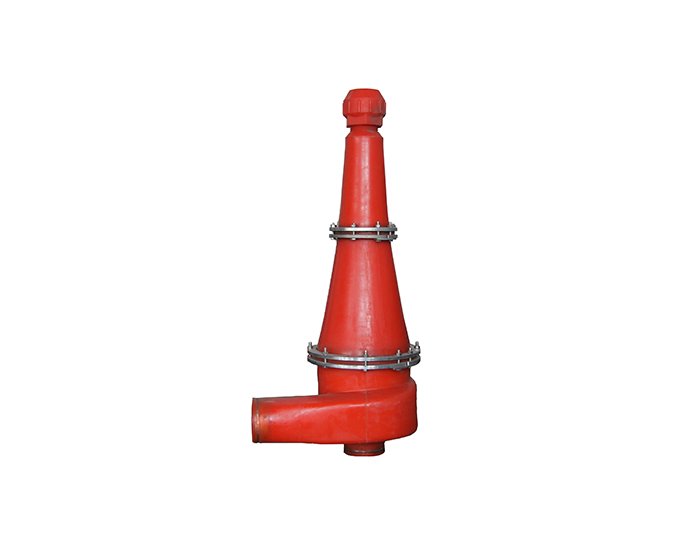
To understand why quality matters, one must first appreciate the violent environment inside a hydrocyclone. When drilling fluid is pumped into the manifold at high pressure, it enters the cone tangentially, creating a powerful downward spiral. The interior geometry of mud cleaner cones is designed to accelerate this fluid, generating G-forces that can exceed several hundred times the force of gravity. In this environment, heavier solids are flung against the walls and spiral toward the bottom apex, while the cleaned liquid remains in the center and exits through the top.
A high-quality cone must maintain a perfectly smooth interior surface to ensure a laminar flow. Any imperfection, such as a ridge or a pit caused by poor manufacturing or inferior mud cleaner parts, creates turbulence. This turbulence disrupts the vortex, causing fine solids to "short-circuit" and stay in the liquid phase instead of being discharged at the bottom. When the interior of the mud cleaner machine suffers from such inefficiencies, the separation cut-point shifts, allowing abrasive silt to return to the wellbore where it can erode expensive downhole tools and measurement-while-drilling (MWD) sensors.
Material Selection: The Secret to Durable Mud Cleaner Parts
The abrasive nature of sand and silt means that mud cleaner cones are essentially sacrificial components. However, the rate at which they wear out is entirely dependent on the quality of the materials used. Premium mud cleaner parts are typically manufactured from high-grade polyurethane or specialized ceramic-lined polymers. Polyurethane is favored for its unique combination of hardness and elasticity, which allows it to "bounce back" from the impact of sharp particles rather than being chipped away.
Inferior mud cleaner cones often use recycled plastics or low-density polymers that quickly develop "rifling"—internal grooves cut by the sand. Once rifling occurs, the cone's ability to separate solids at a specific micron level is compromised. For a drilling mud cleaner to maintain a consistent cut-point of 15 to 44 microns, the apex of the cone must remain sharp and the internal diameter must stay true to its original specifications. Using sub-par mud cleaner parts might save money in the short term, but the resulting "dirty mud" leads to a "thick" fluid that requires more chemical thinning and constant dilution, which is an exponentially more expensive problem to solve.
Precision Engineering in the Mud Cleaner System Manifold
A mud cleaner system is only as strong as its weakest cone. In a standard setup, multiple desilter or desander cones are mounted on a single header. Quality control during the manufacturing of these cones ensures that every unit has the same internal volume and pressure drop characteristics. If a single cone in the mud cleaner machine has a slightly different apex diameter or vortex finder length, it will draw more or less fluid than its neighbors. This imbalance leads to "plugging" or "roping"—a condition where the solids discharge looks like a solid rope rather than a fine spray.
Roping is a sign that the mud cleaner system has exceeded its capacity or that the cones are failing to create a proper air core. High-quality mud cleaner cones are engineered with precise wall thicknesses and reinforced flanges to withstand the constant vibration of the shaker deck below. By ensuring that each cone performs identically, the operator can trust that the entire drilling mud cleaner is stripping out the maximum amount of drilled solids while losing the minimum amount of expensive base fluid.
The Impact of Cone Quality on Mud Cleaner Machine Efficiency
The primary goal of a mud cleaner machine is to achieve "selective separation," especially in weighted mud systems containing barite. Barite is essential for controlling formation pressure, but it is also a solid particle. A high-performance mud cleaner system must be calibrated to remove drilled solids while allowing the smaller, denser barite to pass through the overflow and back into the mud tanks.
This level of precision is impossible with worn or low-quality mud cleaner cones. If the cone's internal geometry is warped, it cannot distinguish between a large piece of drilled silt and a cluster of barite. The result is "barite loss," where the weighting agent is mistakenly discharged onto the shaker screens and thrown away. For a high-pressure, high-temperature (HPHT) well, the cost of replacing lost barite can run into the thousands of dollars per day. Thus, the mud cleaner machine is only as "smart" as the cones it houses. Investing in premium mud cleaner parts is essentially an insurance policy for the mud’s chemical and weight stability.
Maintenance and the Lifespan of the Drilling Mud Cleaner
Even the best drilling mud cleaner requires a rigorous maintenance schedule to ensure it stays at peak performance. Because the cones are the primary wear point, they must be inspected daily for leaks or signs of "spray-out" at the connections. High-quality mud cleaner cones are designed with "wear-indicators" or modular sections that allow the operator to replace only the bottom apex—the highest wear area—rather than the entire cone body.
This modularity is a hallmark of a well-designed mud cleaner system. It allows for a "quick-change" capability on the rig floor, reducing non-productive time (NPT). When the rig encounters a new geological formation that produces finer or coarser solids, the derrickman can quickly swap out the apex sizes of the mud cleaner cones to move the cut-point and optimize separation. This flexibility is what allows a mud cleaner machine to remain effective across different drilling phases, from the wide-diameter top-hole to the narrow-diameter production zone.

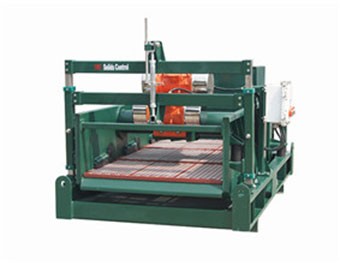 Linear Motion Shale Shaker In Drilling Rig
 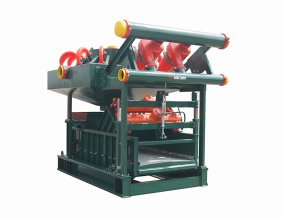 Oilfield Mud Cleaner
 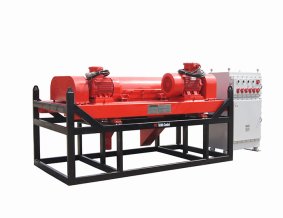 Drilling Fluid Decanter Centrifuge
 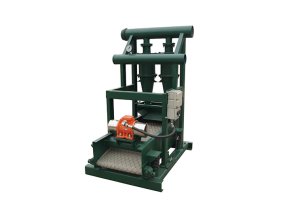 Drilling Mud Desander
 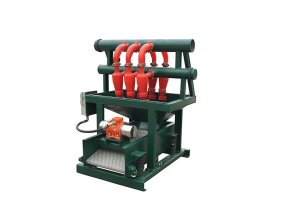 Hydrocyclone Desilter
 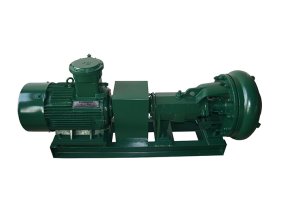 Centrifugal Pump/Centrifugal Mud Pump
 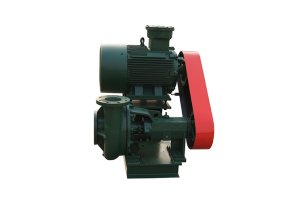 Shear Pump
 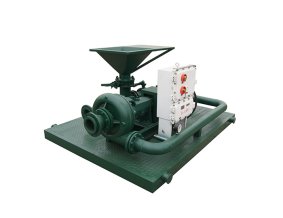 Jet Mud Mixer
 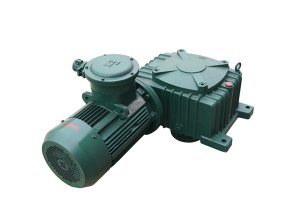 Horizontal Mud Agitator
 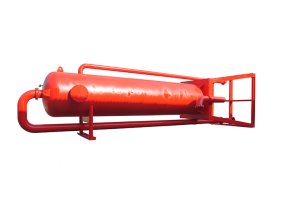 Constant Pressure Drilling Fluid Mud Gas Separator
 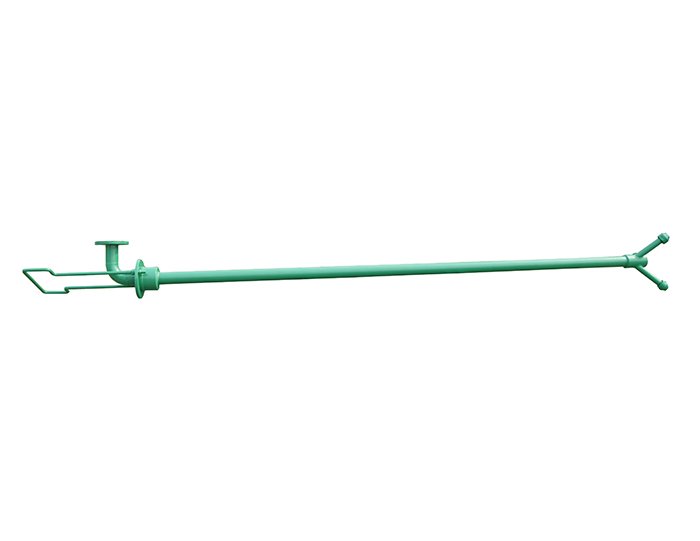 Mud Gun
  Mud Tank
 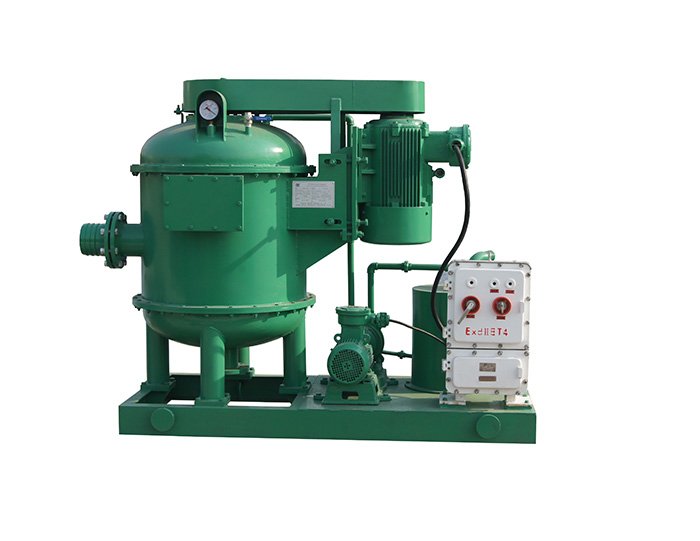 Solids Control System Vacuum Degasser
 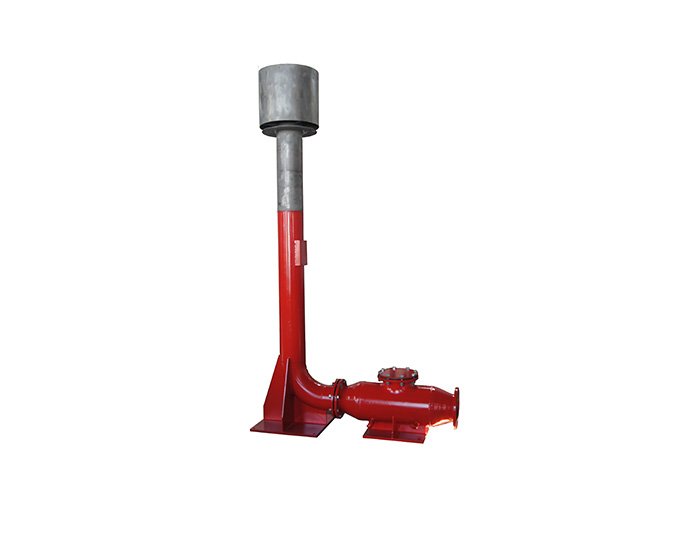 Flare Ignition Device
 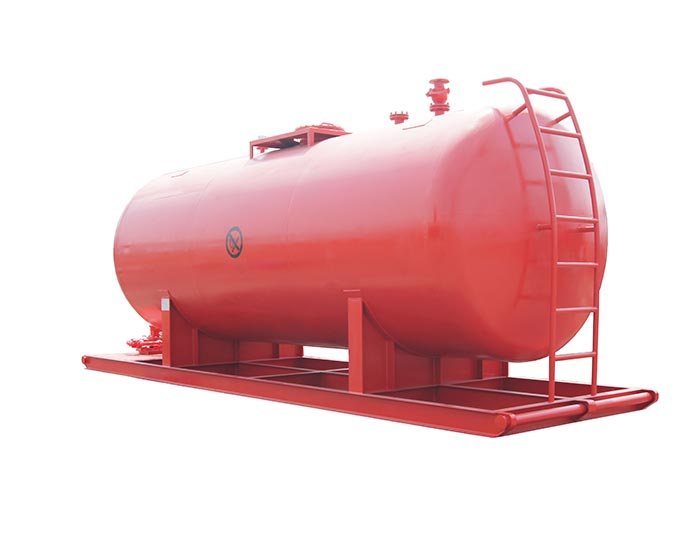 Diesel Tank
 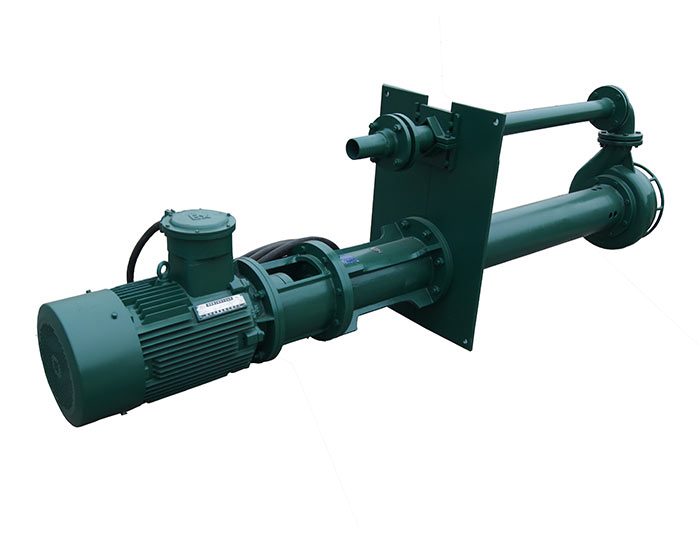 Submersible Slurry Pump