In the high-stakes environment of a drilling operation, the integrity of the drilling fluid is a primary determinant of success. As the drill bit penetrates deeper into the earth, it generates a continuous stream of rock cuttings and fine particles that must be removed to prevent equipment wear and maintain wellbore stability. While shale shakers and desanders handle the coarser materials, the responsibility for removing the most microscopic and destructive particles falls upon the desilters. These precision instruments represent the tertiary stage of a comprehensive solids control system, ensuring that the fluid returned to the borehole is as clean and efficient as possible.
For a specialized manufacturer like Tangshan Dachuan Machinery Co., Ltd., the development of high-performance desilters products is an engineering response to the evolving challenges of the petroleum and trenchless industries. By utilizing advanced centrifugal physics, these units strip away the fine silts that would otherwise compromise the rheological properties of the mud. Without an effective desilter, a drilling rig risks increased non-productive time, excessive chemical costs, and accelerated mechanical failure.
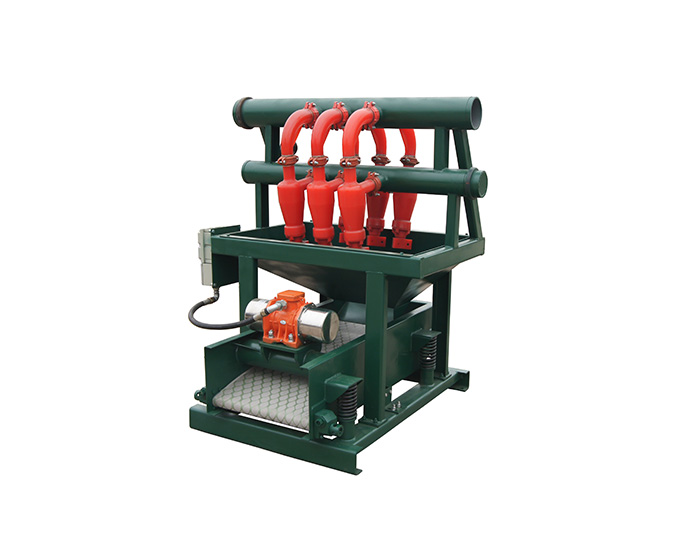
The Engineering Principles of the Hydrocyclone Desilter
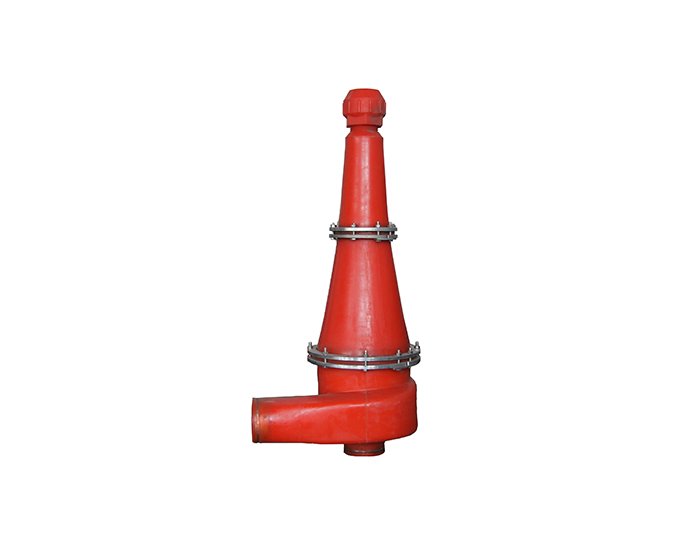
The operational heart of these units is the hydrocyclone desilter technology. Unlike mechanical screens that rely on physical barriers, a hydrocyclone utilizes centrifugal force to classify solids based on their mass and density. The drilling fluid is pumped into the conical chamber at a high velocity, entering tangentially to create a powerful internal vortex. As the fluid spins, the heavier silt particles are flung toward the outer walls of the cone by centrifugal energy, while the lighter, cleaned fluid is forced toward the center.
The interior geometry of the hydrocyclone desilter is meticulously engineered to create two distinct flow patterns: an outer downward spiral for the solids and an inner upward spiral for the cleaned liquid. The solids are eventually discharged through a small opening at the bottom, known as the apex, while the cleaned fluid exits through the top via a vortex finder. This process allows for the removal of particles that are far too small to be seen by the naked eye but large enough to cause significant friction and erosion within the high-pressure mud pumps.
Integration and Performance of a Desilter in Drilling Rig Operations
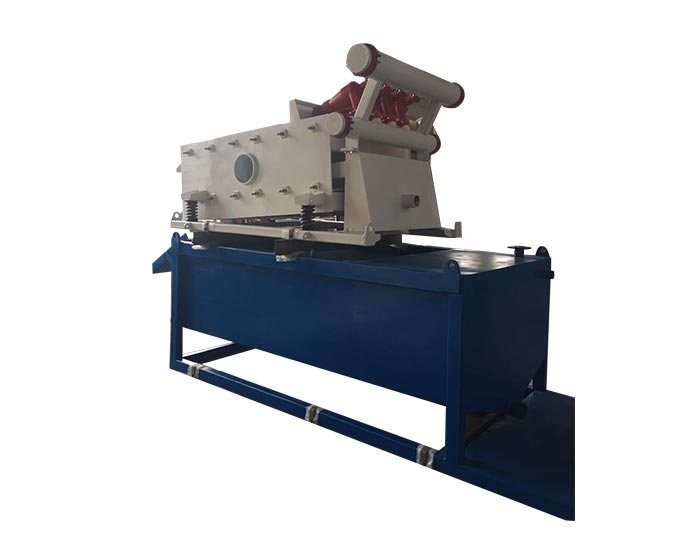
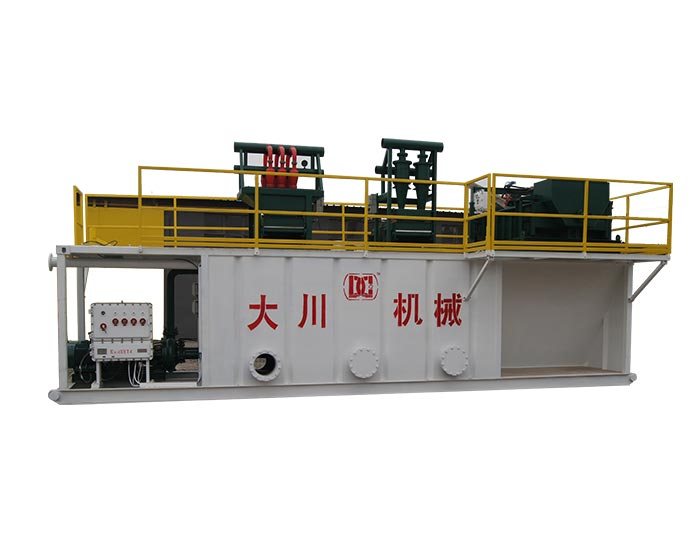
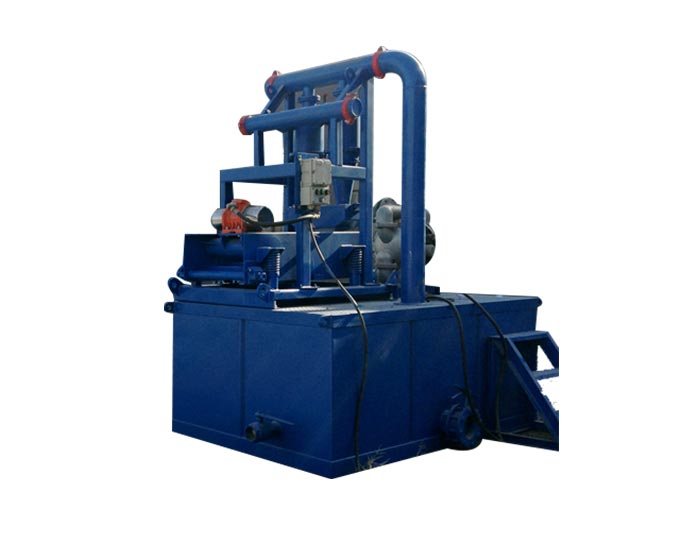
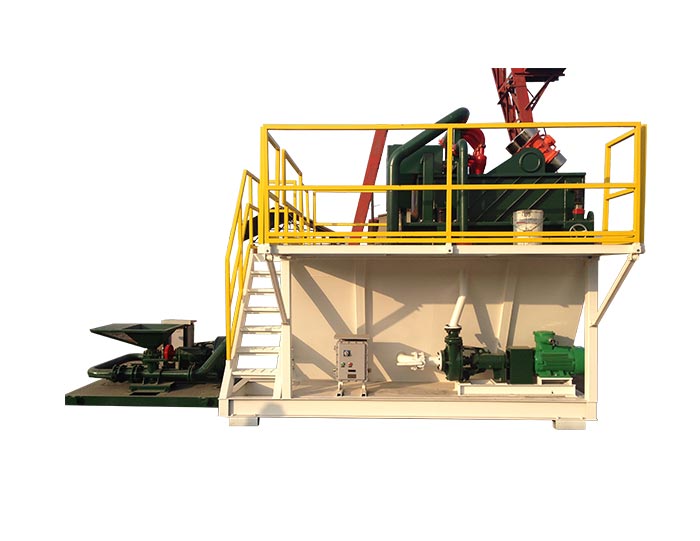
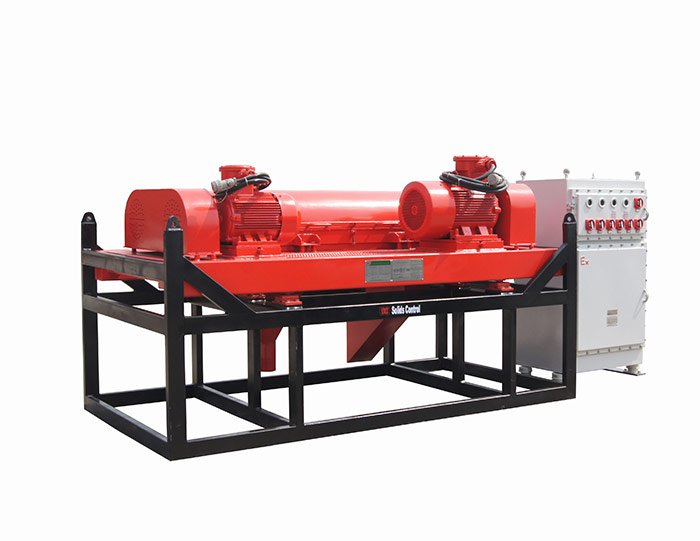
The placement of a desilter in drilling rig circulation loops is a matter of strategic fluid management. Typically positioned after the desander and before the centrifuge, the desilter acts as a fine-tuning mechanism. In many modern configurations, the desilter cones are mounted over a high-frequency vibrating screen, creating what is known as a mud cleaner. This setup allows the unit to recover the liquid phase from the silt-laden underflow, returning valuable base fluids and expensive weighting agents to the active system while discarding only the dry solid waste.
Maintaining the correct intake pressure is vital for the performance of the desilter. If the pressure supplied by the centrifugal pump is inadequate, the centrifugal force within the cones will be too weak to achieve proper separation. Conversely, excessive pressure can lead to accelerated wear on the internal surfaces of the cones. The senior engineers at Tangshan Dachuan Machinery focus on the hydraulic balance of the manifold to ensure that each cone in the cluster receives a uniform flow. This level of precision is essential for matching the requirements of customers who operate in diverse geological environments, from soft clays to abrasive sandstones.
Advancements in Desilters Products and Material Science
The durability of desilters is constantly challenged by the abrasive nature of the silt they are designed to remove. To combat this, modern desilters products have moved away from traditional cast iron and toward high-grade, wear-resistant polyurethane. Polyurethane offers a unique combination of flexibility and hardness, allowing the internal walls of the cones to resist the "sandblasting" effect of high-velocity particles. Furthermore, polyurethane cones are often designed with a modular structure, allowing for the quick replacement of individual components rather than the entire manifold.
In addition to material improvements, the design of the manifolds themselves has become more sophisticated. Current desilters products feature streamlined headers that minimize turbulence and internal friction, leading to a more efficient vortex and better separation results. These advancements are the result of close collaboration between development persons and professional institutes, ensuring that the equipment can handle the high precision required for international export. By focusing on "making the advanced technology" and "ensuring the good quality," manufacturers can provide a system that remains operational even under the most grueling field conditions.
The Economic and Environmental Impact of the Desilter
Beyond mechanical protection, the use of a desilter provides significant economic benefits to the drilling program. When fine silts are allowed to build up in the drilling mud, they increase the fluid's plastic viscosity. This "thick" mud requires more horsepower to pump, leading to higher fuel consumption and increased stress on the rig's engines. By using a desilter in drilling rig setups to keep the solids content low, operators can maintain a "thinner" mud that facilitates a higher rate of penetration.
From an environmental perspective, the desilter is an essential component of a "zero-discharge" strategy. By producing a drier waste product and maximizing fluid recovery, the unit reduces the total volume of waste that must be hauled away from the site. This is particularly important in trenchless mud recovery and horizontal directional drilling projects in urban areas, where waste disposal costs are high and environmental regulations are strict. The ability to recycle the water phase and reuse bentonite makes the desilter a cornerstone of sustainable modern infrastructure development.

 Linear Motion Shale Shaker In Drilling Rig
  Oilfield Mud Cleaner
 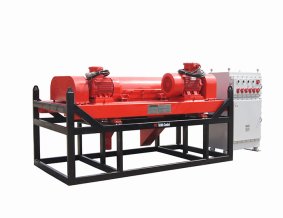 Drilling Fluid Decanter Centrifuge
 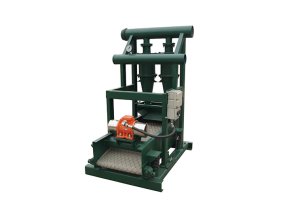 Drilling Mud Desander
 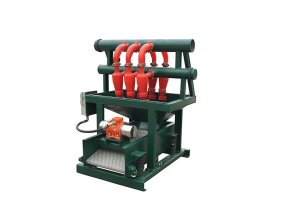 Hydrocyclone Desilter
 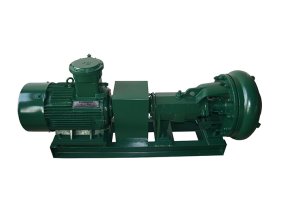 Centrifugal Pump/Centrifugal Mud Pump
 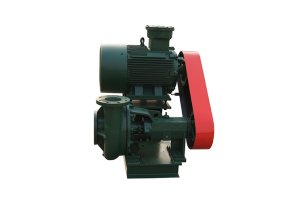 Shear Pump
 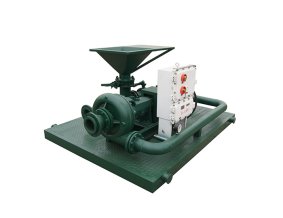 Jet Mud Mixer
 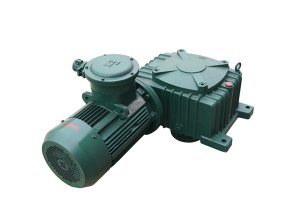 Horizontal Mud Agitator
 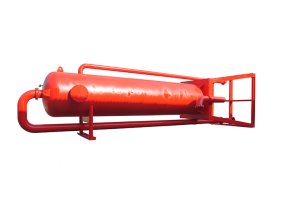 Constant Pressure Drilling Fluid Mud Gas Separator
  Mud Gun
  Mud Tank
  Solids Control System Vacuum Degasser
  Flare Ignition Device
 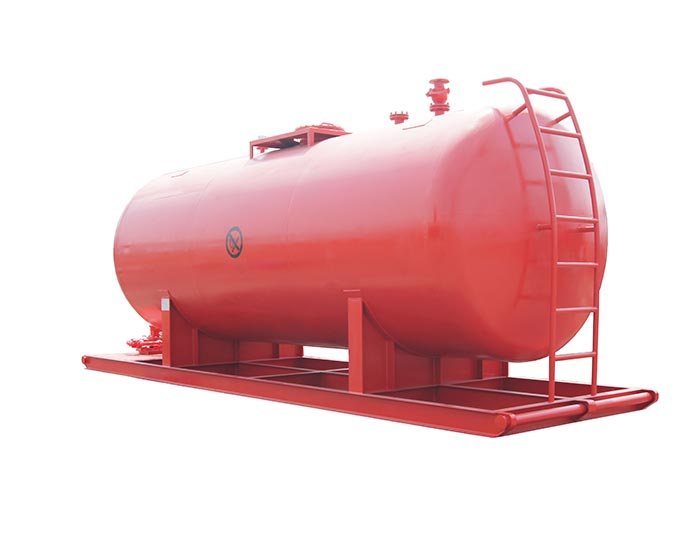 Diesel Tank
 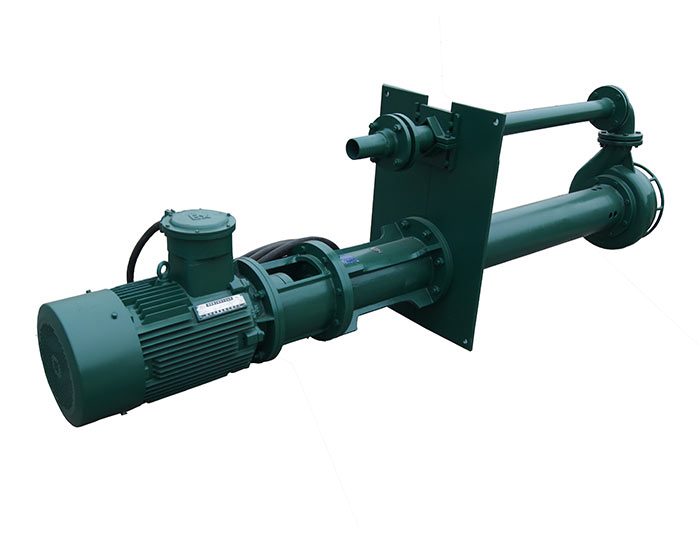 Submersible Slurry Pump