In the sophisticated world of drilling fluid management, the ability to remove ultra-fine solids is the deciding factor between a high-performing wellbore and a mechanical failure. As the third stage in a classic solids control sequence, the hydrocyclone desilter serves as a precision instrument designed to strip out microscopic particles that have bypassed shale shakers and desanders. For Tangshan Dachuan Machinery Co., Ltd., the development of this technology is rooted in the "aim to supply the most advanced equipment" to the petroleum and trenchless industries, ensuring that the "lifeblood" of the rig remains chemically stable and physically non-abrasive.
To understand why this technology is so vital, one must look at the impact of silt. Fine particles, typically ranging from 15 to 74 microns, can significantly increase the plastic viscosity of drilling mud. This thickening effect forces mud pumps to work harder, increases the risk of lost circulation, and accelerates the wear on drill bit cutters. The hydrocyclone provides a mechanical solution to this microscopic problem, utilizing the physics of centrifugal force to achieve what gravity alone cannot.
The Internal Dynamics of Desilter Hydrocyclones
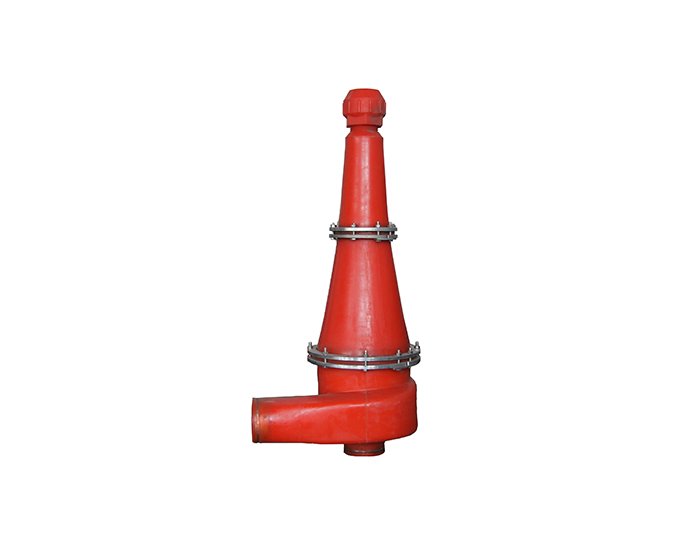
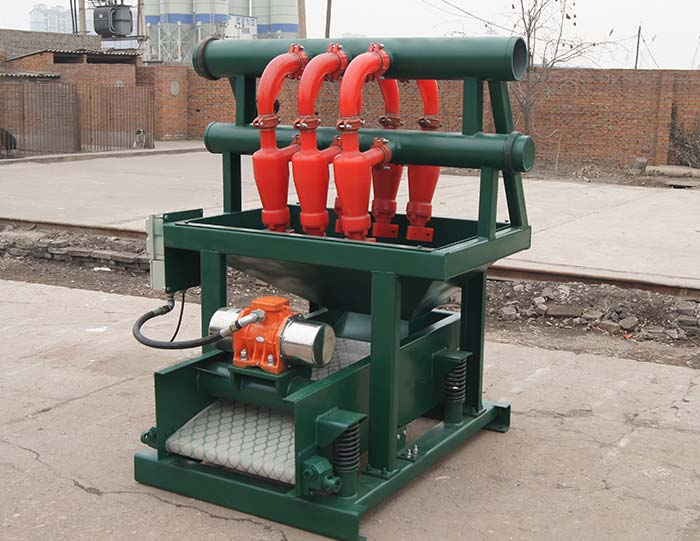
The operational magic of the desilter hydrocyclones lies in their internal geometry and the conversion of pressure into velocity. Unlike a static filter, there are no moving parts inside a hydrocyclone. Instead, the drilling mud is injected tangentially into the top cylindrical section of the cone at high pressure. This tangential entry forces the fluid into a rapid downward spiral, creating a powerful centrifugal field within the cone.
As the fluid moves deeper into the narrowing conical section, the law of conservation of angular momentum causes the velocity of the fluid to increase. This intensification of force flings the heavier solid particles toward the outer walls of the desilter cones. These solids continue their downward path along the wall and are eventually discharged through a small opening at the bottom, known as the apex. Meanwhile, a secondary, upward-moving vortex forms in the center of the cone. This inner spiral carries the cleaned, lighter fluid through the vortex finder at the top and back into the active mud system. This dual-vortex architecture is what allows for the continuous, high-volume classification of fluids without the need for manual filtering.
Optimizing Separation Efficiency with Specialized Desilter Cones
The efficiency of a hydrocyclone desilter is primarily determined by the diameter of the cones used in the manifold. In the hierarchy of solids control, size matters: the smaller the diameter of the cone, the higher the centrifugal force it can generate, and therefore, the finer the particles it can remove. Typically, desilter units utilize multiple four-inch cones arranged in a circular or linear manifold.
By employing a cluster of smaller desilter cones rather than one large one, the system can handle significant flow rates while maintaining the high G-force necessary to remove silt-sized particles. Tangshan Dachuan Machinery’s engineering team, which includes 15 senior engineers and 5 development persons, focuses on the manifold design to ensure that the "head" or pressure is distributed equally across all cones. If the pressure is uneven, some cones will "rope" (discharging too much liquid), while others may plug, compromising the entire fluid system. Balancing this hydraulic load is a core part of the "high precision" that the company guarantees for its exported equipment.
Selecting the Right Hydrocyclone Desilter Material for Longevity
Because the internal surfaces of these units are subjected to a constant bombardment of high-velocity abrasive particles, the hydrocyclone desilter material is a critical consideration for any operator. In the early days of oilfield technology, cones were often made of cast iron or lined with rubber. However, these materials were prone to rapid erosion and internal scaling, which disrupted the smooth flow of the vortex and reduced separation efficiency.
Modern high-performance hydrocyclone desilter products have transitioned to utilizing 100% high-grade polyurethane. Polyurethane is the ideal hydrocyclone desilter material because it offers a unique combination of structural rigidity and elastic resilience. It can withstand the abrasive "sandblasting" effect of the silt for much longer than metal alternatives. Furthermore, the smooth, non-porous surface of polyurethane prevents the buildup of "mud cake" inside the cone, ensuring that the vortex remains stable over long periods of operation. For Tangshan Dachuan Machinery, using these premium materials is a reflection of their tenet: "ensuring the good quality and offering the best service."
The Strategic Integration of Hydrocyclone Desilter Products
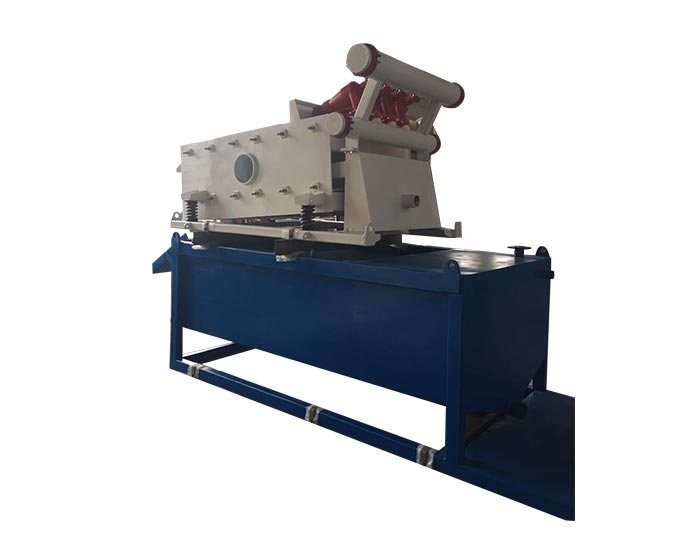
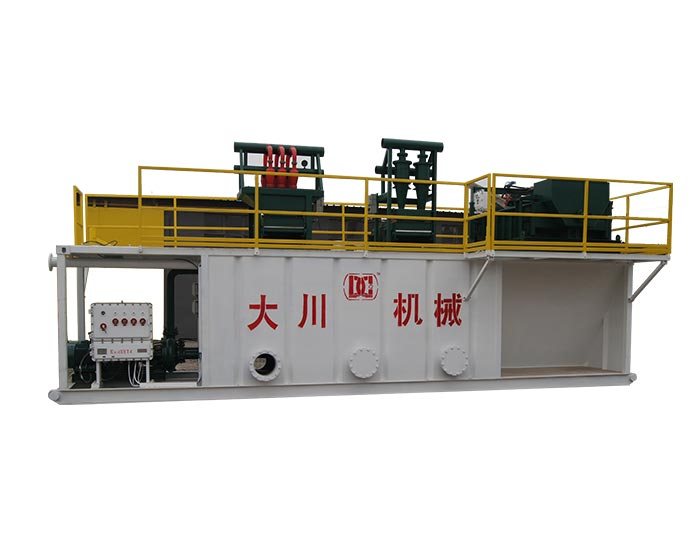
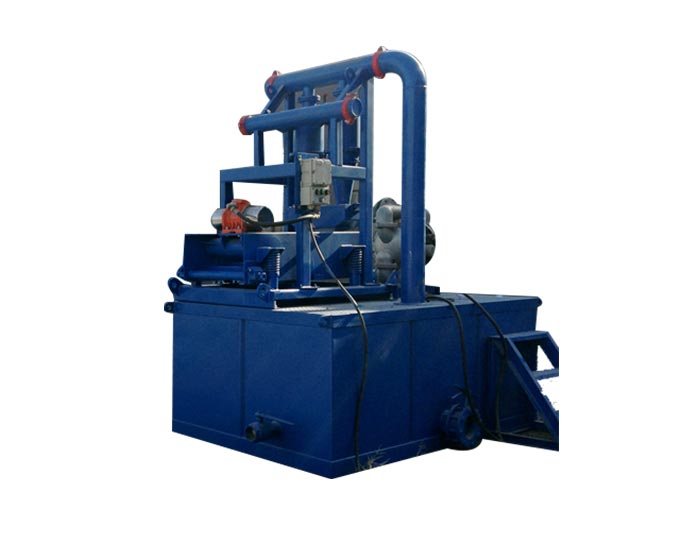
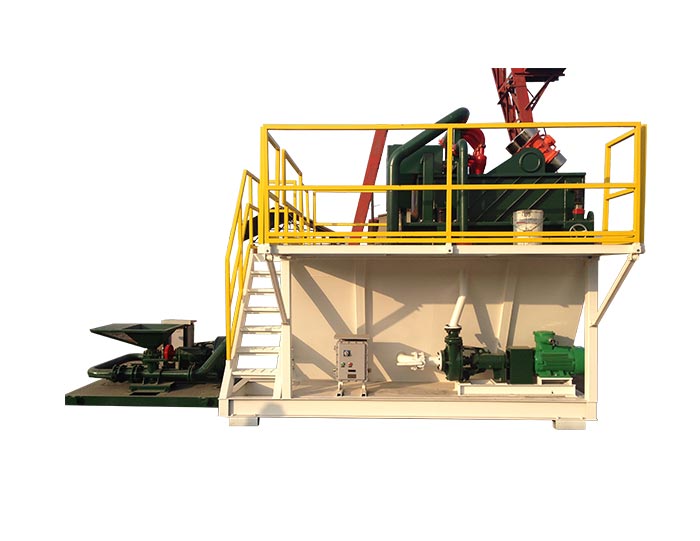
A standalone hydrocyclone is rarely used in modern drilling; instead, hydrocyclone desilter products are usually integrated into a larger "Mud Cleaner" assembly. In this configuration, the cones are mounted over a high-frequency vibrating screen. This integration is vital for "weighted" mud systems where barite is used to control well pressure. A standard hydrocyclone cannot distinguish between harmful silt and beneficial barite because their sizes often overlap.
By discharging the cone's underflow onto a fine-mesh shaker screen, the system can recover the liquid phase and the barite, returning them to the mud tank, while the unwanted silts are vibrated off the end of the screen as dry waste. This level of technology service ensures the efficiency in the production of the customers, reducing the volume of waste and significantly lowering the cost of chemical additives. Whether it is for a deep petroleum well or a trenchless mud recovery system, the ability to fine-tune the separation through adjustable apex nozzles and screen mesh sizes is a hallmark of a sophisticated hydrocyclone desilter setup.

 Linear Motion Shale Shaker In Drilling Rig
  Oilfield Mud Cleaner
 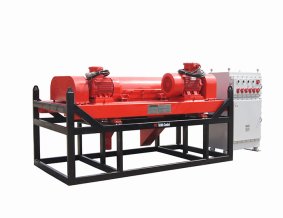 Drilling Fluid Decanter Centrifuge
 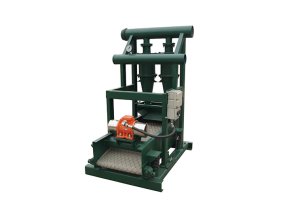 Drilling Mud Desander
 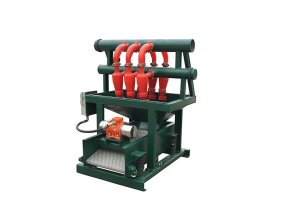 Hydrocyclone Desilter
 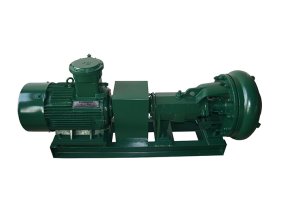 Centrifugal Pump/Centrifugal Mud Pump
 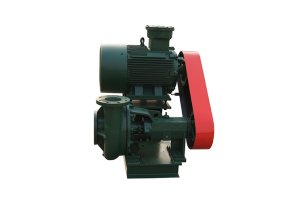 Shear Pump
 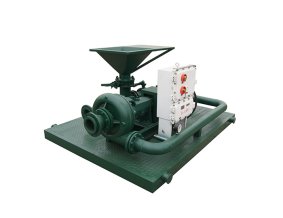 Jet Mud Mixer
 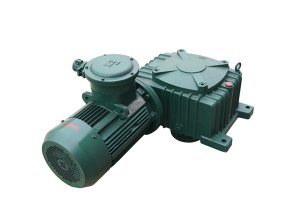 Horizontal Mud Agitator
 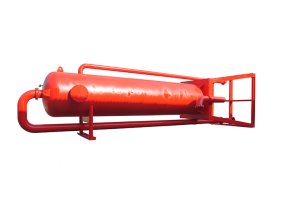 Constant Pressure Drilling Fluid Mud Gas Separator
  Mud Gun
  Mud Tank
  Solids Control System Vacuum Degasser
  Flare Ignition Device
 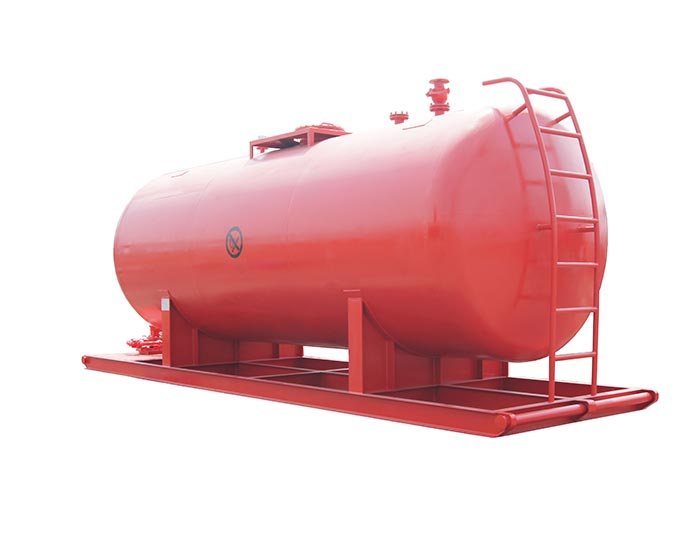 Diesel Tank
 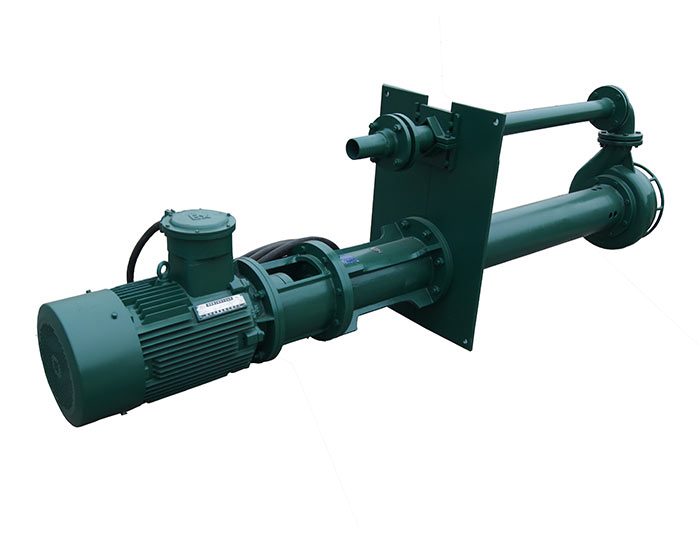 Submersible Slurry Pump