In the high-stakes arena of global energy extraction, the "closed-loop" circulation of drilling fluids has shifted from a best practice to an absolute necessity. At the heart of this sustainable and cost-effective strategy lies the mud cleaner system, a specialized piece of equipment that represents the pinnacle of multi-stage mechanical separation. By integrating the functionality of desanders, desilters, and high-frequency shakers into a singular footprint, these systems provide the final line of defense against microscopic solids that threaten wellbore stability and equipment longevity.
Companies like Tangshan Dachuan Machinery Co., Ltd. have dedicated their engineering focus to perfecting the mud cleaner, recognizing that the purity of drilling fluid directly correlates to the rate of penetration (ROP) and the reduction of non-productive time (NPT). As drilling depths reach new extremes, the demand for a robust drilling mud cleaner that can handle high flow rates while maintaining microscopic precision has led to a new era of fluid conditioning technology.
The Integrated Engineering of Modern Mud Cleaner Systems
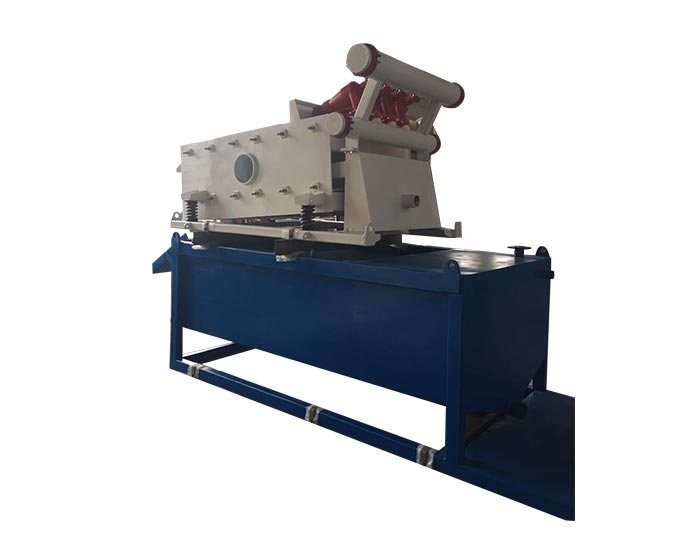
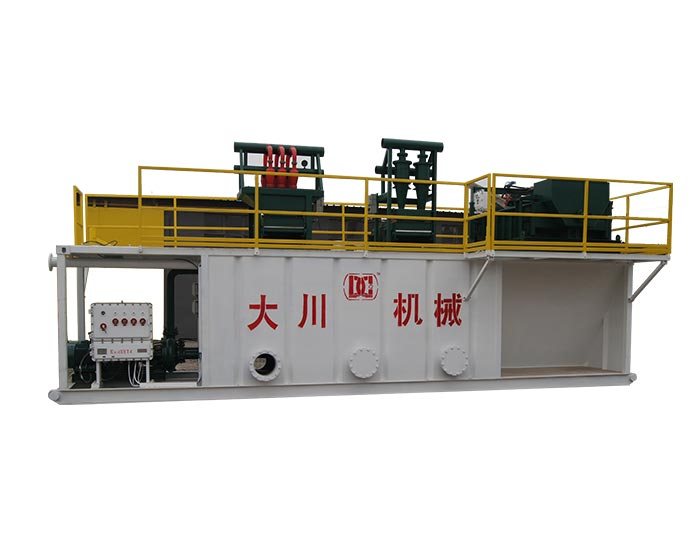
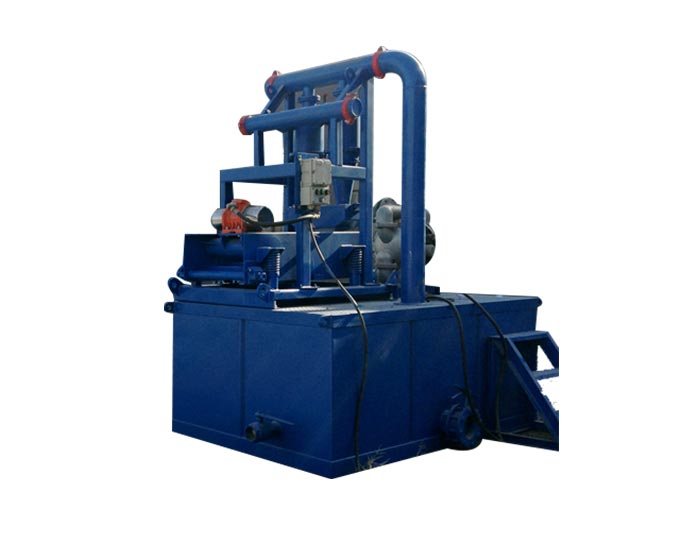
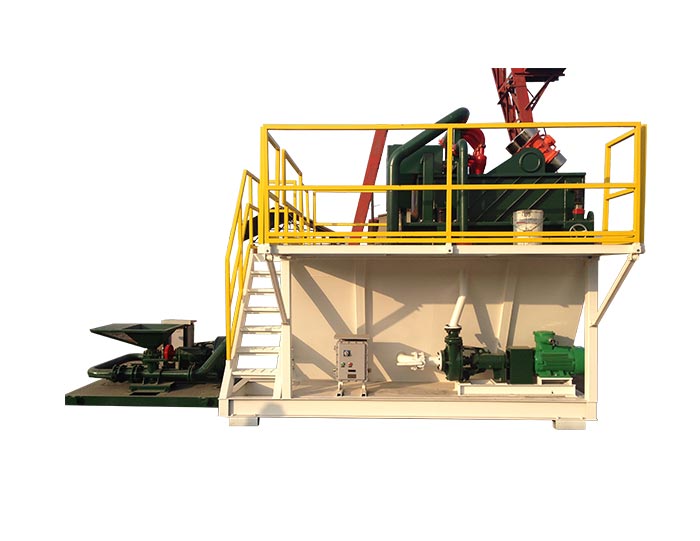
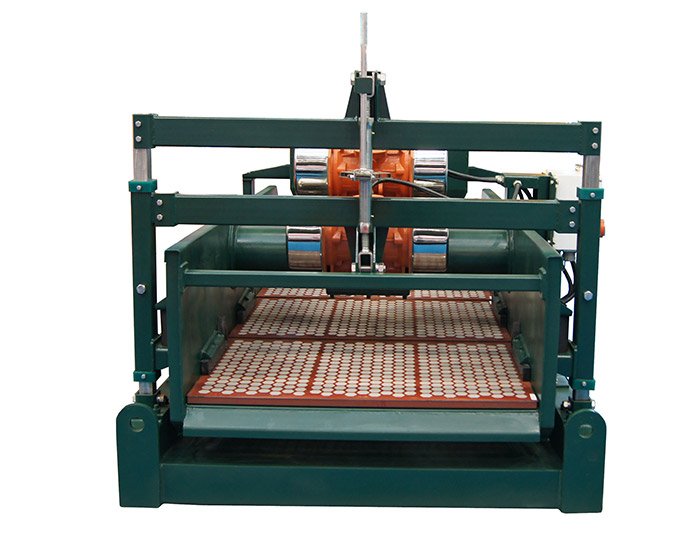
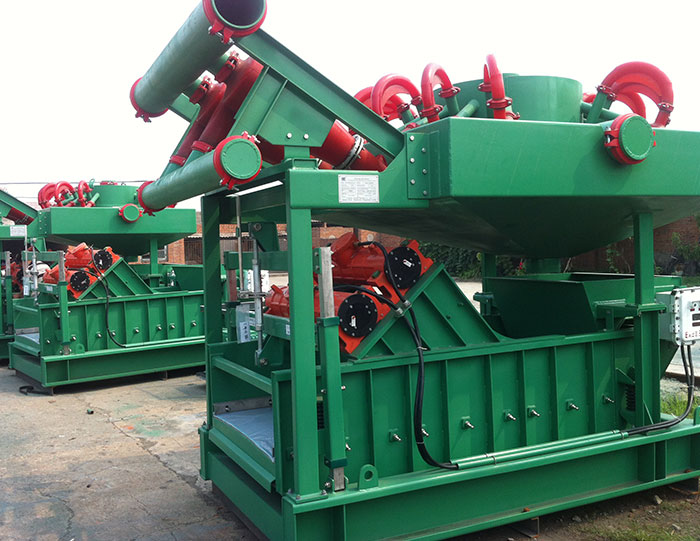
The primary advantage of contemporary mud cleaner systems is their ability to perform high-precision classification in a compact space. Historically, rigs had to manage independent desander and desilter units, which often led to excessive fluid loss and complicated piping layouts. The modern mud cleaner system solves this by mounting a cluster of polyurethane hydrocyclones directly above a linear motion shale shaker. This design allows the fluid to be processed by centrifugal force first, with the resulting "underflow" slurry being instantly filtered by a fine-mesh screen to recover expensive liquid phases.
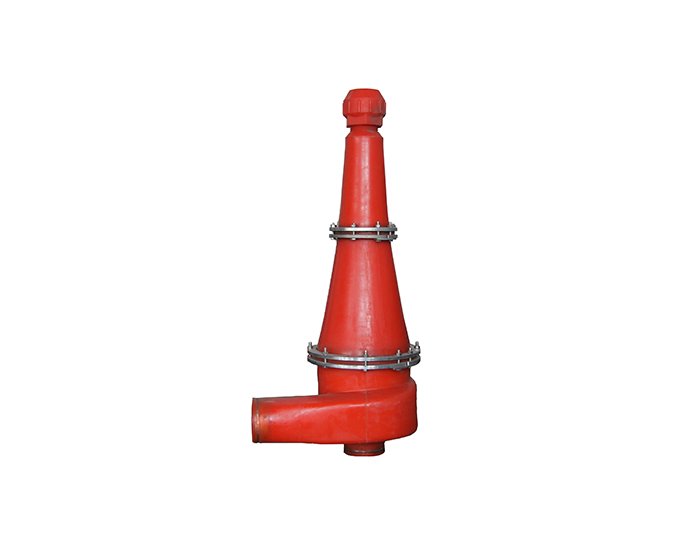
What distinguishes a premium mud cleaner is the quality of its hydrocyclones. Tangshan Dachuan Machinery utilizes advanced wear-resistant polyurethane for their cones, which are designed to withstand the abrasive force of sand and silt moving at high velocities. The internal geometry of these cones creates a powerful vortex that classifies particles by mass. Heavier solids are forced to the apex for discharge, while the lighter, cleaned fluid is moved upward through the vortex finder and back into the active mud system. This synergistic approach ensures that the "active" mud volume remains clean, consistent, and ready for the demands of the borehole.
Maximizing Fluid Recovery with a Drilling Mud Cleaner
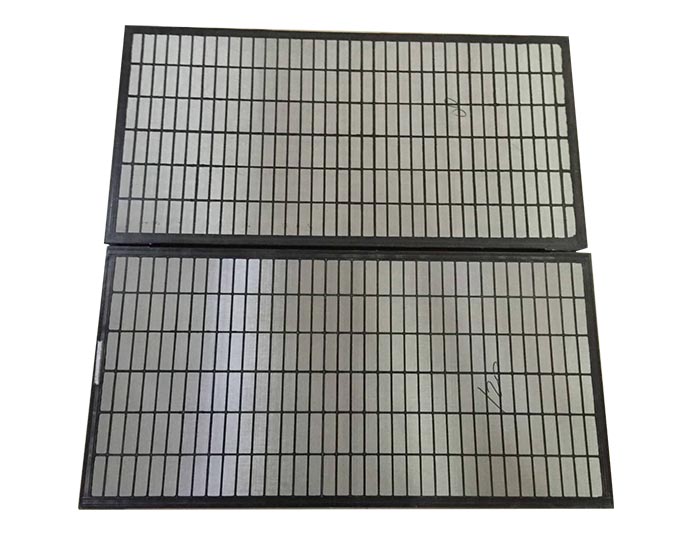
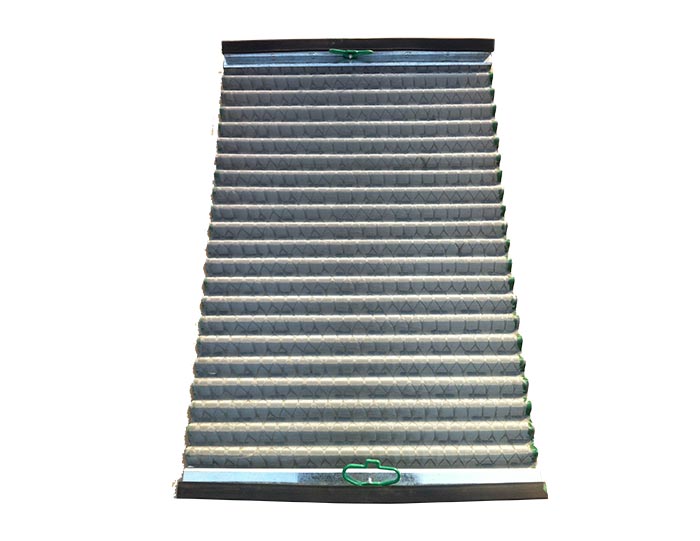
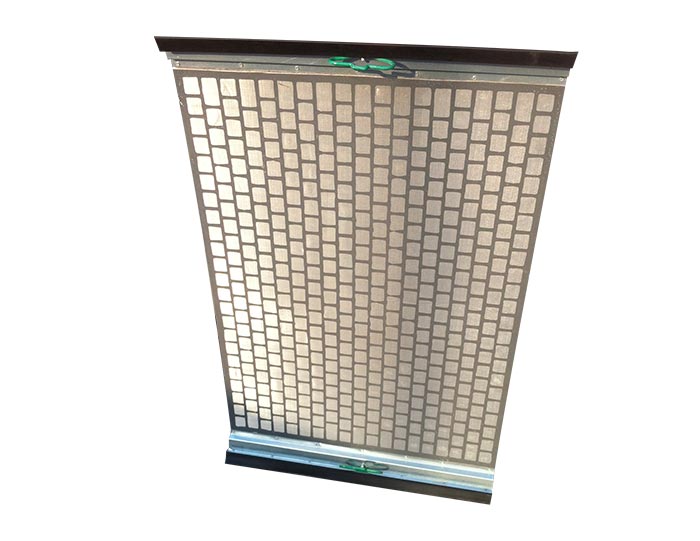
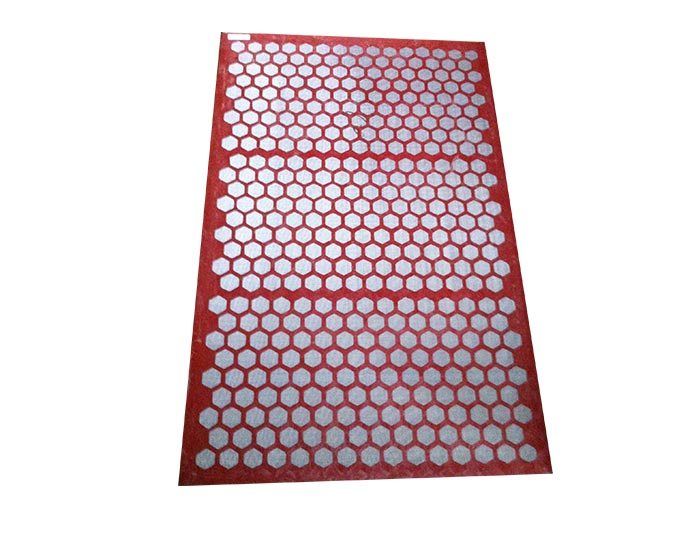
For many operators, the most compelling reason to invest in a high-quality drilling mud cleaner is the recovery of weighting agents such as barite. In weighted mud systems, a standard hydrocyclone would discard barite along with the unwanted silts because they share similar particle sizes. However, the integrated shaker at the base of the mud cleaner system is fitted with screens specifically sized to allow the barite and the liquid phase to pass through into the mud tank while the larger, unwanted "drilled solids" are vibrated off as dry waste.
This selective separation is critical for the economic health of a drilling project. By reusing barite and base fluids, a mud cleaner system can save thousands of dollars in chemical costs every single day. Furthermore, the environmental benefits are equally significant. By producing a "drier" waste product, the total volume of material requiring hazardous waste disposal is drastically reduced. This makes the mud cleaner an indispensable tool for operations in environmentally sensitive regions or offshore platforms where deck space and waste logistics are tightly controlled.
Versatility and Innovation in Mud Cleaner Products
The diversity of geological formations encountered in modern drilling means that a "one-size-fits-all" approach is rarely successful. This is why the market for mud cleaner products has expanded to include customizable configurations. Depending on the mud weight and the expected solids loading, a system can be fitted with varying numbers of 10-inch desander cones or 4-inch desilter cones. For instance, a high-capacity mud cleaner system designed for large-diameter top-hole sections might prioritize volume, while a system designed for a narrow-diameter production zone would focus on ultra-fine silt removal.
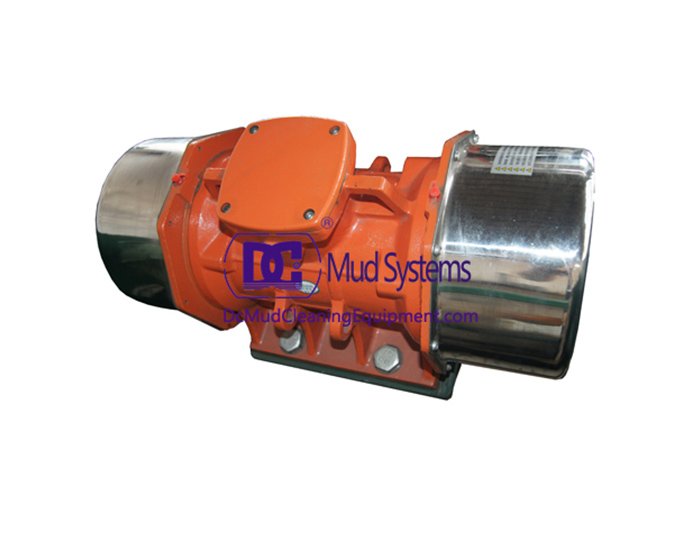
Tangshan Dachuan Machinery’s approach to mud cleaner products involves a commitment to high-precision manufacturing. By utilizing 15 senior engineers and 15 senior artisans, the company ensures that every unit is balanced for "High-G" vibration. This intense mechanical energy is what prevents the shaker screens from "blinding"—a condition where wet solids clog the mesh. By keeping the screens clear, the drilling mud cleaner maintains a high throughput even when dealing with "sticky" clay formations or high-viscosity polymer muds.
Operational Maintenance and the Lifecycle of a Mud Cleaner System
The longevity of a mud cleaner system is a testament to the materials and the management philosophy behind its construction. Because these machines are subjected to constant vibration and abrasive fluids, the frame must be built from high-strength structural steel and treated with multi-layer anti-corrosion coatings. Regular maintenance of the hydrocyclone nozzles and the tensioning of the shaker screens are essential tasks that ensure the system remains at peak performance.
The "considerate service" tenet of Tangshan Dachuan Machinery is particularly relevant during the commissioning and maintenance phases. Providing technology consulting and having enough after-sales personnel ensures that rig crews understand how to optimize the "G-force" and the "screen mesh" selection for different drilling phases. If a mud cleaner is operated at the wrong pressure, its separation efficiency drops, which can lead to a buildup of fine solids in the mud tanks. This buildup increases the plastic viscosity of the mud, causing higher pump pressures and increasing the risk of "stuck pipe" incidents. Proper support and training are therefore as important as the hardware itself.
The Role of Mud Cleaner Technology in Global Infrastructure
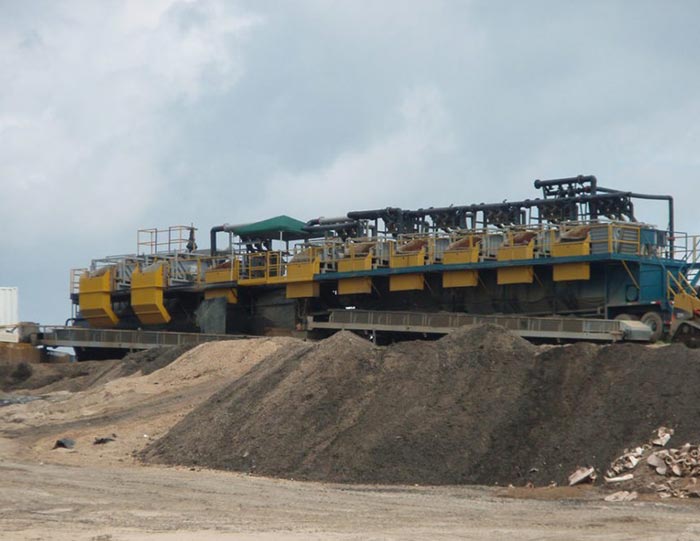
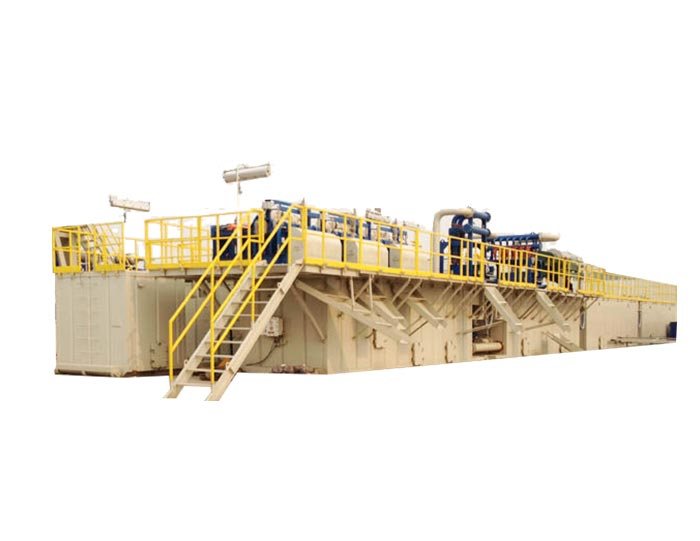
Beyond the traditional oilfield, mud cleaner systems are finding a second home in the trenchless technology sector. Horizontal Directional Drilling (HDD) for pipeline and utility crossings requires massive volumes of slurry to be processed in urban environments. In these scenarios, a mud cleaner system is the core of the mud recovery plant, allowing for the rapid recycling of water and bentonite.
The "Rapid, Honest, and Consideration Service" provided by manufacturers helps civil engineering firms adapt mud cleaner products to these non-traditional roles. In an urban HDD site, noise reduction and spill prevention are as important as solids separation. Modern designs have evolved to include silenced vibratory motors and fully enclosed drainage troughs, ensuring that the drilling mud cleaner can operate in a city center without violating local ordinances. This versatility proves that the core physics of centrifugal separation is universal, whether the target is a deep oil reservoir or a municipal fiber-optic tunnel.

 Linear Motion Shale Shaker In Drilling Rig
  Oilfield Mud Cleaner
 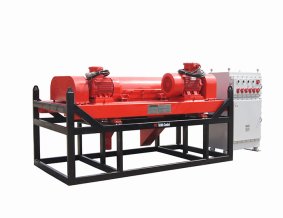 Drilling Fluid Decanter Centrifuge
 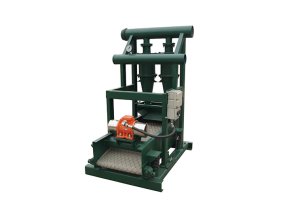 Drilling Mud Desander
 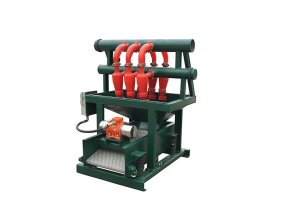 Hydrocyclone Desilter
 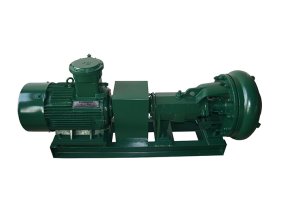 Centrifugal Pump/Centrifugal Mud Pump
 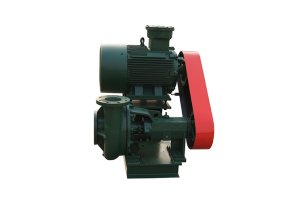 Shear Pump
 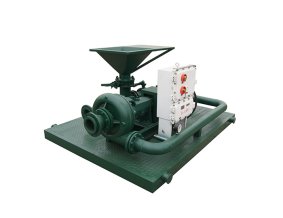 Jet Mud Mixer
 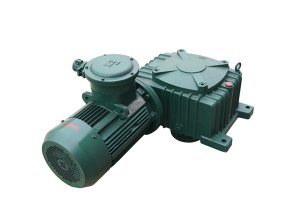 Horizontal Mud Agitator
 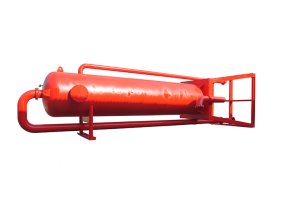 Constant Pressure Drilling Fluid Mud Gas Separator
 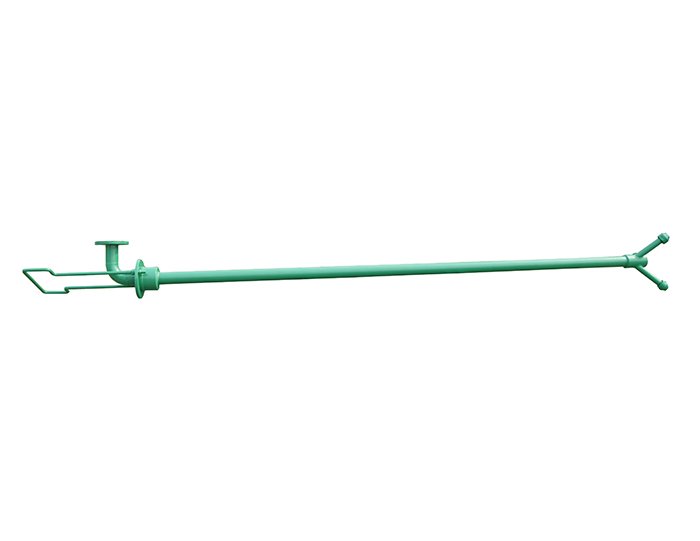 Mud Gun
  Mud Tank
 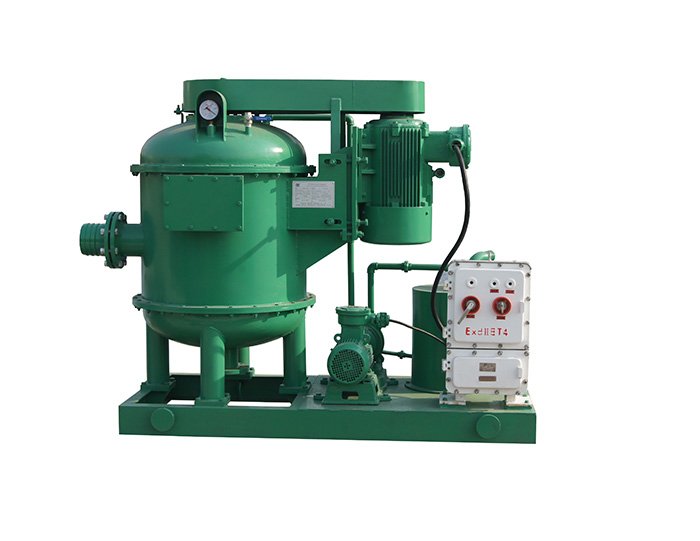 Solids Control System Vacuum Degasser
 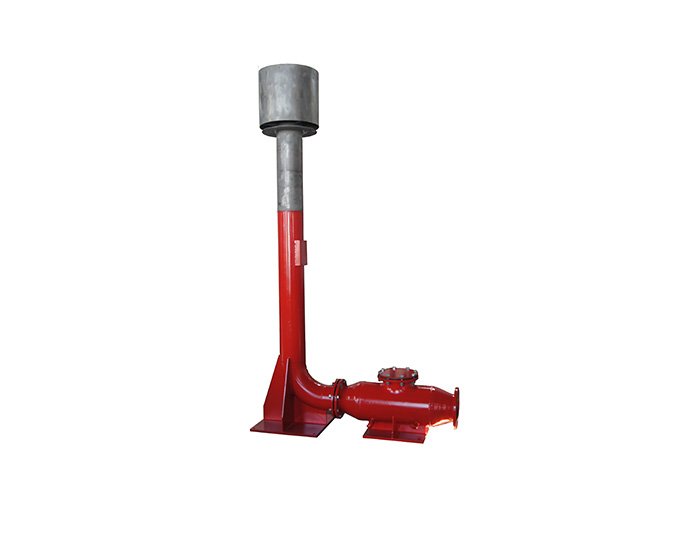 Flare Ignition Device
 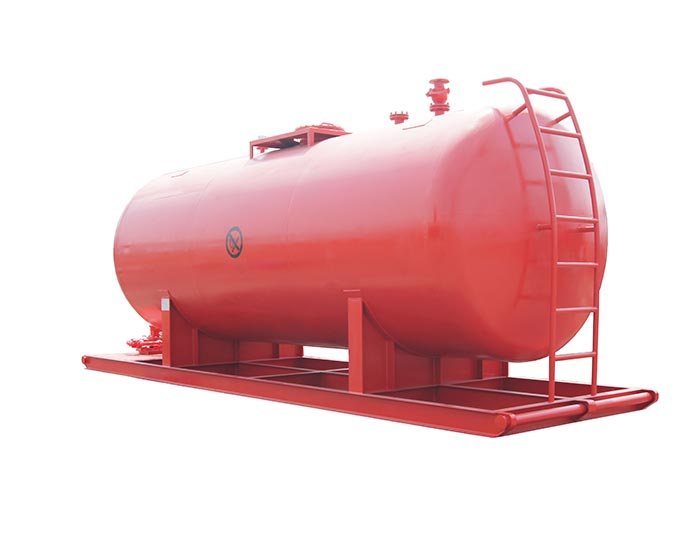 Diesel Tank
 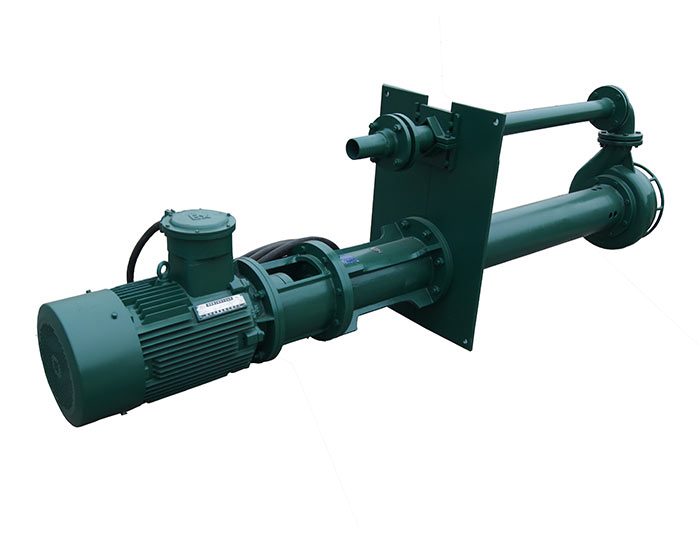 Submersible Slurry Pump