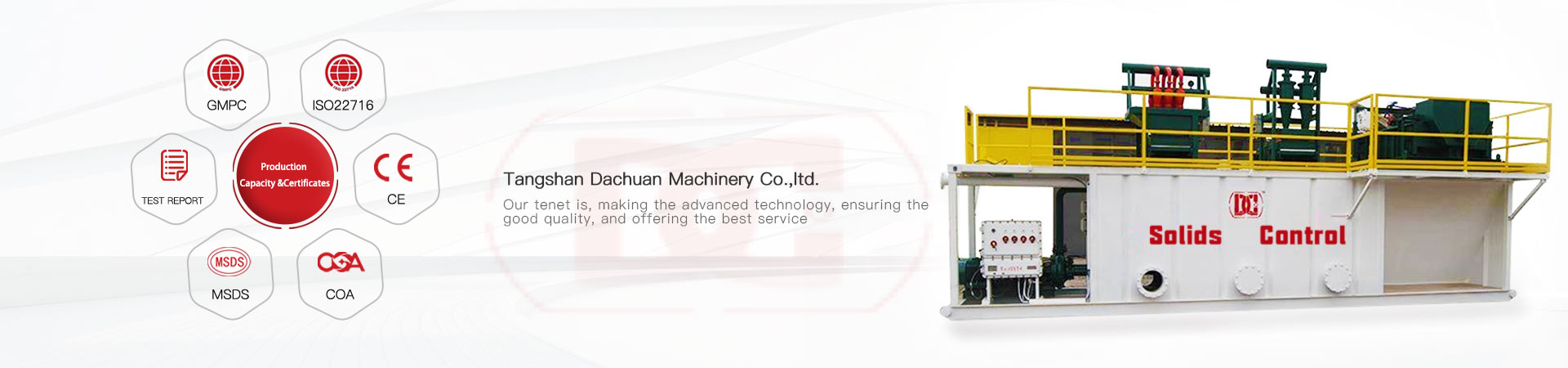
In the demanding landscape of global energy extraction, the efficiency of a drilling rig is often measured by the reliability of its surface circulation system. At the heart of this system lies the mud tank oil and gas professionals rely on to manage drilling fluids. These massive steel containers are far more than mere storage vessels; they are sophisticated processing hubs designed to maintain the chemical and physical integrity of drilling mud, which is the lifeblood of any borehole.
Companies like Tangshan Dachuan Machinery Co., Ltd. have dedicated their engineering prowess to perfecting these systems, ensuring that they meet the rigorous demands of high-pressure, high-temperature environments found in modern oilfields.
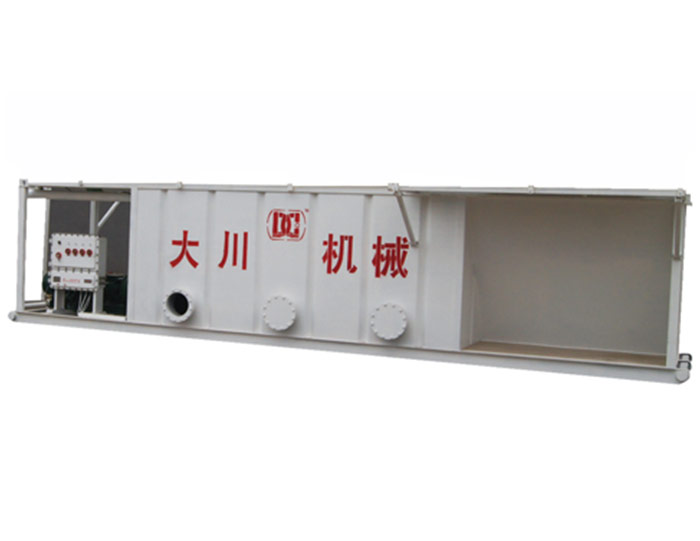
Understanding the Engineering Behind Oilfield Mud Tanks
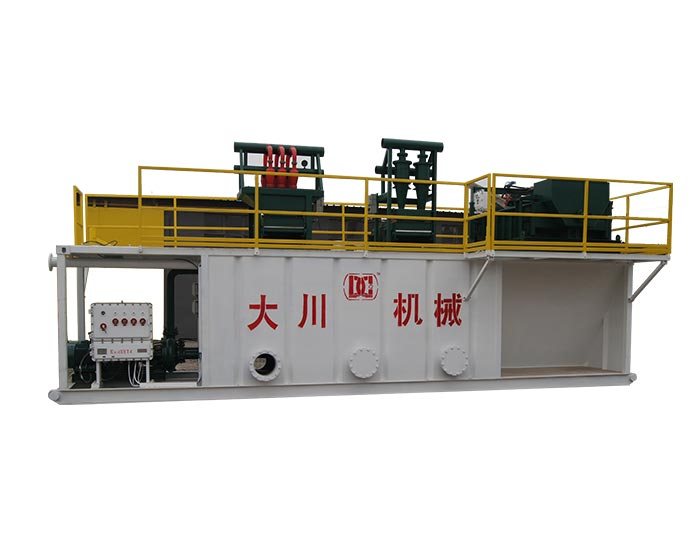
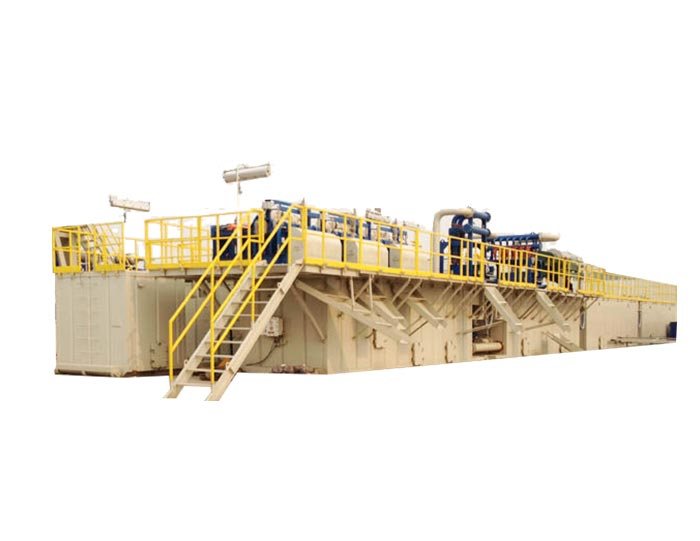
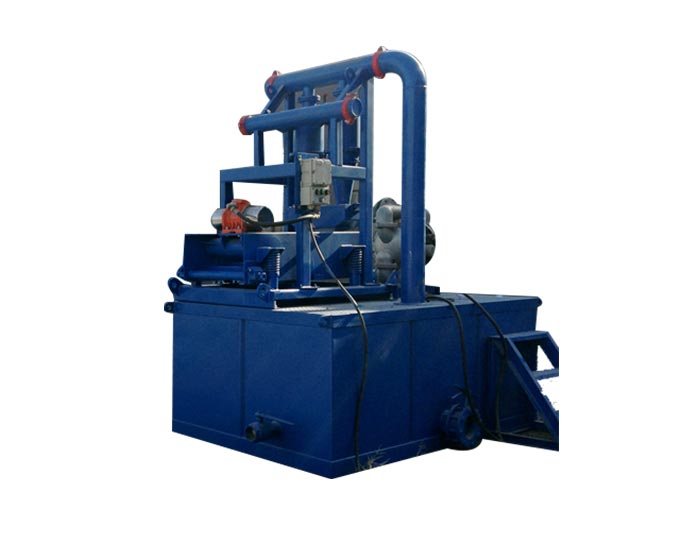
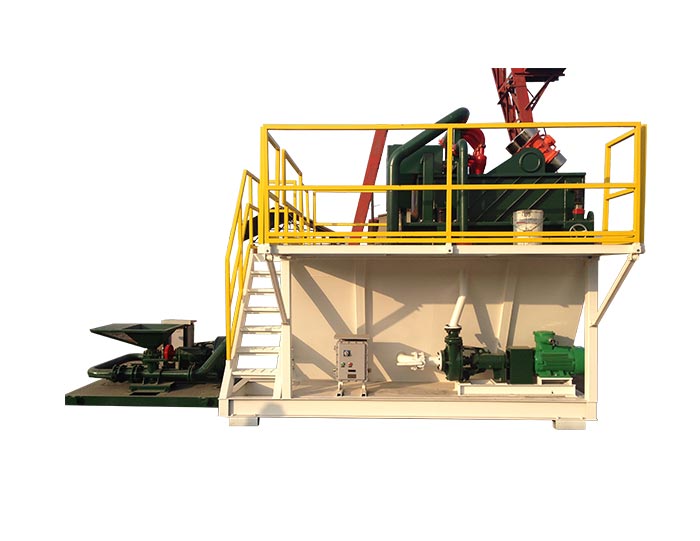
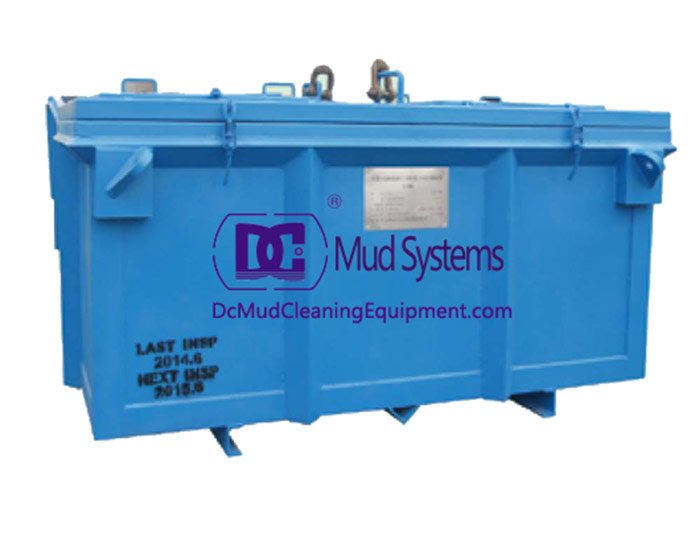
The design of oilfield mud tanks is dictated by the complex physics of fluid dynamics and the harsh realities of the field. A standard mud tank is typically rectangular, constructed from high-strength corrugated steel to provide structural rigidity while managing the immense weight of weighted drilling fluids. However, the true value of a mud tank lies in its internal architecture. Modern tanks are divided into specific compartments—settling, suction, and mixing sections—each serving a distinct purpose in the fluid lifecycle.
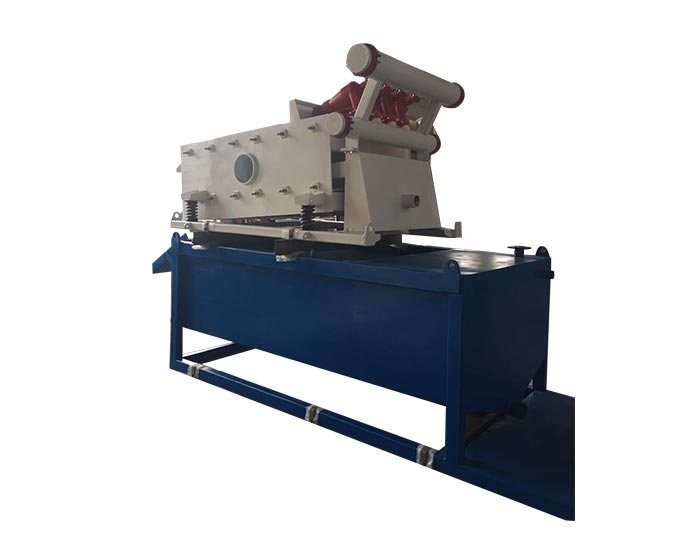
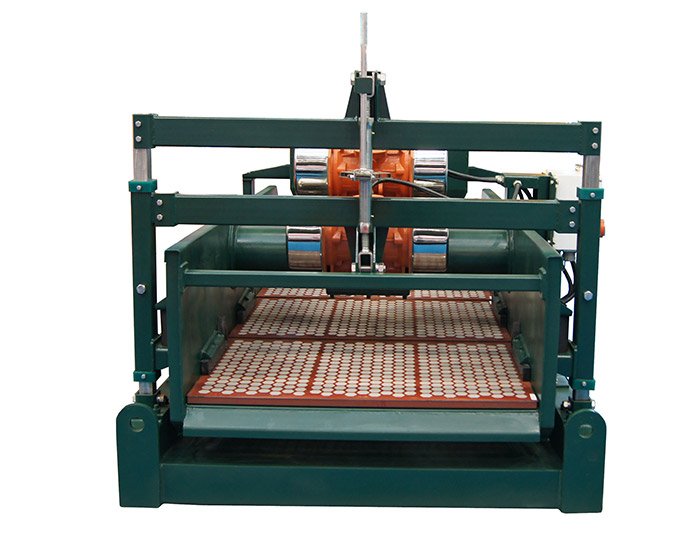
When drilling fluid returns from the wellbore, it carries rock cuttings, gas bubbles, and other contaminants that can jeopardize the drilling process. The first stage of the mud tanks drilling sequence involves receiving this "dirty" mud. Here, the tank acts as a foundation for primary solids control equipment. By integrating shale shakers and vacuum degassers directly onto the tank roof, the system begins the immediate process of purification. Tangshan Dachuan Machinery emphasizes this integration, ensuring that the tank structure can handle the vibration and weight of heavy-duty machinery while maintaining a leak-proof environment.
The Lifecycle of Fluid Within Drilling Mud Tanks
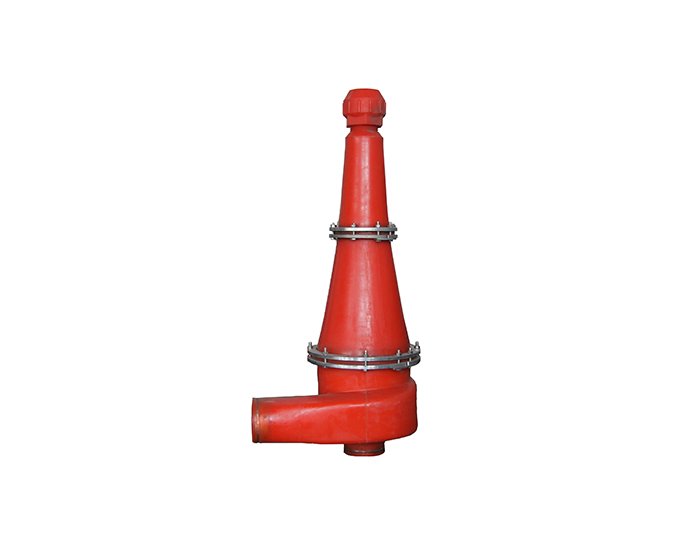
To appreciate the complexity of drilling mud tanks, one must follow the journey of the fluid itself. As the mud moves through the tank compartments, it undergoes a series of treatments. In the settling compartment, gravity helps larger particles drop out of suspension. As the fluid progresses toward the suction tank, it encounters desanders and desilters. These hydrocyclones, often mounted on the tank, remove finer particles that the shale shaker might have missed.
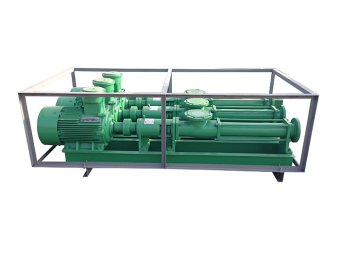
Maintaining the homogeneity of the fluid is critical. Without constant movement, the heavy weighting agents, such as barite, would settle at the bottom of the tank, leading to "slugging" and inconsistent mud density. This is where mud agitators and centrifugal pumps become indispensable. By strategically placing agitators throughout the oilfield mud tank system, operators ensure that the mud remains in a constant state of suspension, ready to be pumped back downhole at a moment's notice. This mechanical consistency is vital for maintaining hydrostatic pressure within the well, preventing blowouts and ensuring the stability of the wellbore walls.
Oilfield Mud Tanks: Technical Integration and System Efficiency
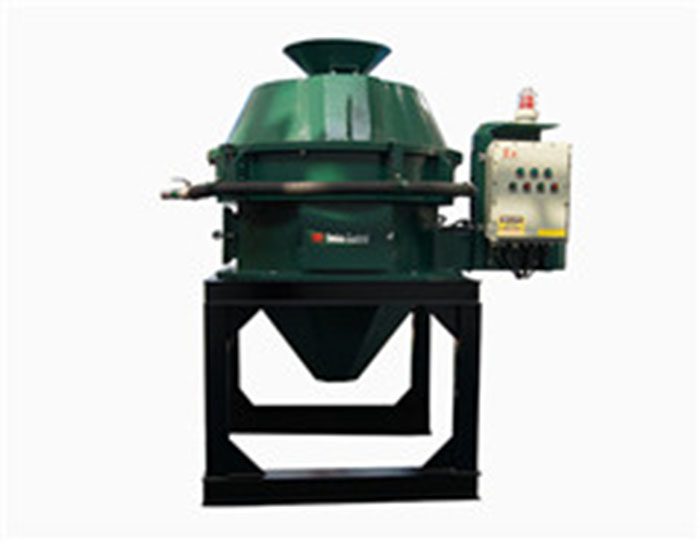
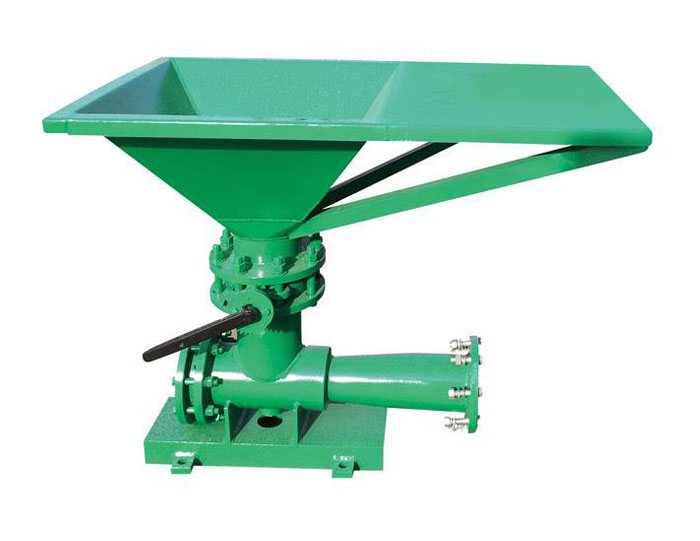
A high-performance mud tank oil and gas setup is never a standalone unit. It is part of a symbiotic relationship with a suite of specialized equipment. For instance, the jet mud mixer is often connected to the mixing tank, allowing for the rapid addition of chemical additives and bentonite to adjust the mud's viscosity and pH levels. Furthermore, in areas with strict environmental regulations, the vertical cutting dryer works in tandem with the mud tanks to recover as much liquid phase as possible from the discarded cuttings, minimizing waste and reducing the overall cost of the drilling fluid.
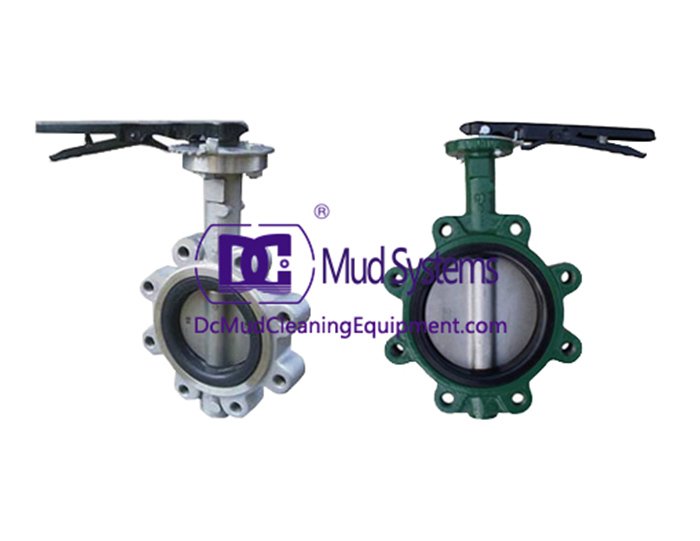
The expertise of a company like Tangshan Dachuan Machinery is evident in how they manage the "plumbing" of these systems. The manifolds, valves, and piping networks connecting multiple oilfield mud tanks must be designed for rapid reconfiguration. In the event of a "kick" or a sudden change in well pressure, the ability to divert fluid quickly to a mud gas separator or a backup storage tank can be the difference between a controlled operation and a catastrophic failure. This level of technical precision is supported by a team of senior engineers and artisans who understand that in the oilfield, there is no room for error.
The Strategic Importance of Mud Tank Customization
Every drilling project presents unique challenges, which means a "one-size-fits-all" approach to drilling mud tanks is rarely effective. Offshore operations require compact, modular designs that can fit within limited deck space, while remote onshore sites might prioritize high-capacity tanks with integrated diesel and water storage to ensure autonomy.
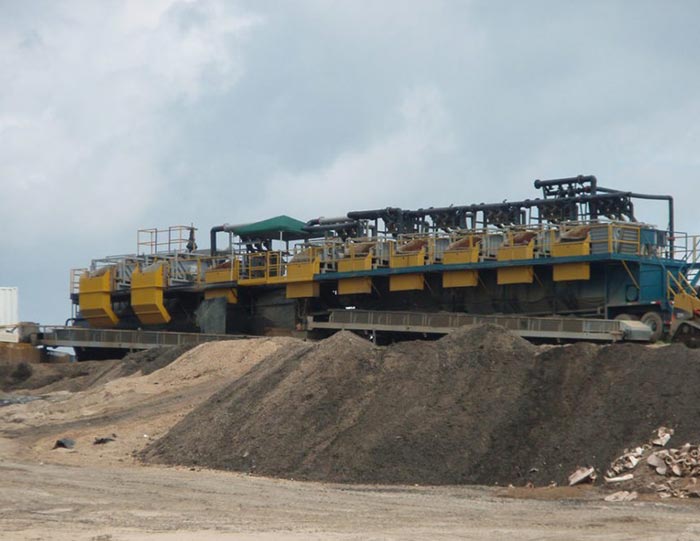
Customization extends to the internal flow patterns of the tank. By utilizing advanced fluid simulation, engineers can design baffles and partitions that prevent "dead spots" where mud might stagnate. This level of detail ensures that every gallon of mud is properly agitated and treated. For the trenchless mud recovery system—a key focus for Tangshan Dachuan Machinery—the requirements are different yet again, focusing on rapid mobility and high-efficiency separation for horizontal directional drilling. In these applications, the oilfield mud tank technology is adapted to handle the specific types of soil and slurry encountered in civil engineering, proving the versatility of the core design.

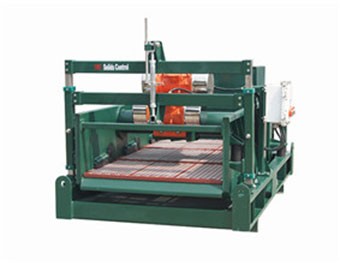 Linear Motion Shale Shaker In Drilling Rig
 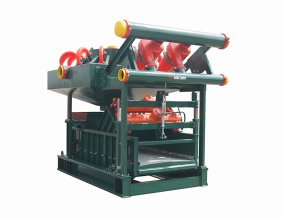 Oilfield Mud Cleaner
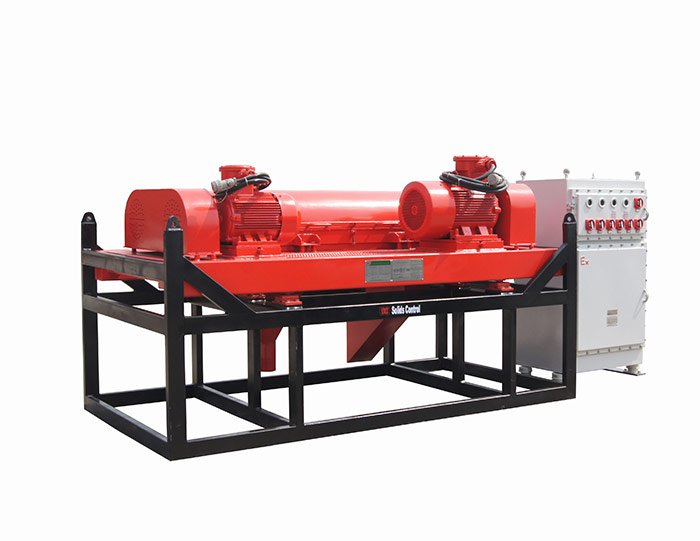
 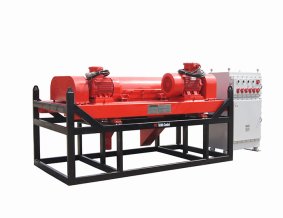 Drilling Fluid Decanter Centrifuge
 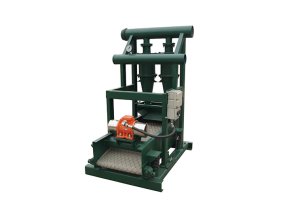 Drilling Mud Desander
 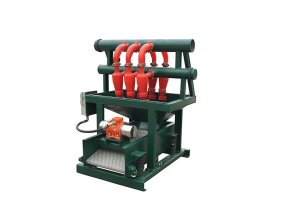 Hydrocyclone Desilter
 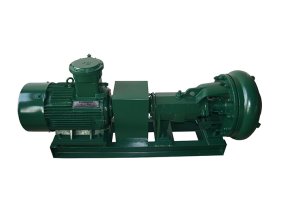 Centrifugal Pump/Centrifugal Mud Pump
 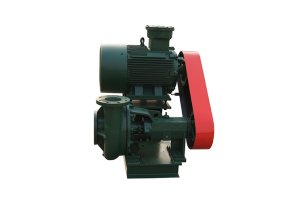 Shear Pump
 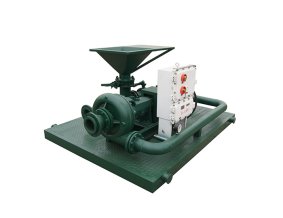 Jet Mud Mixer
 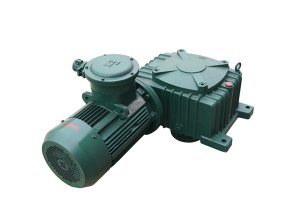 Horizontal Mud Agitator
 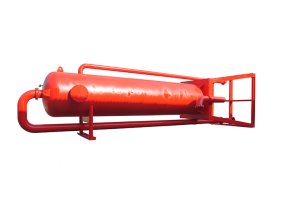 Constant Pressure Drilling Fluid Mud Gas Separator
 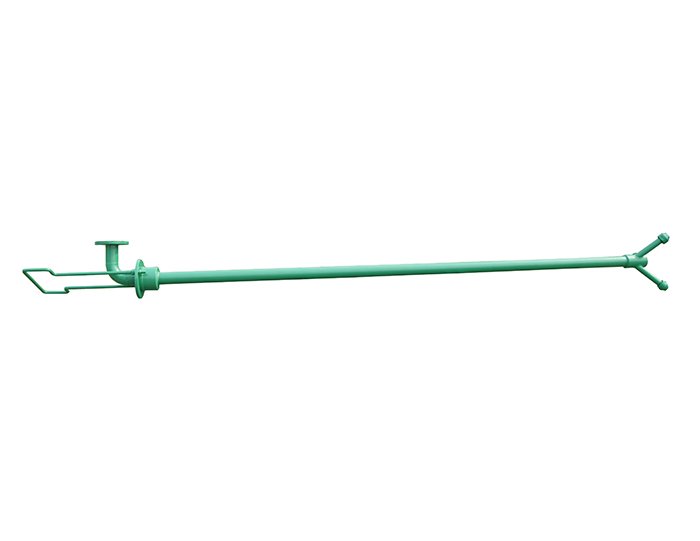 Mud Gun
 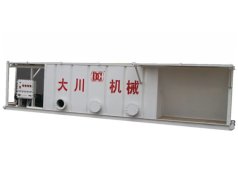 Mud Tank
 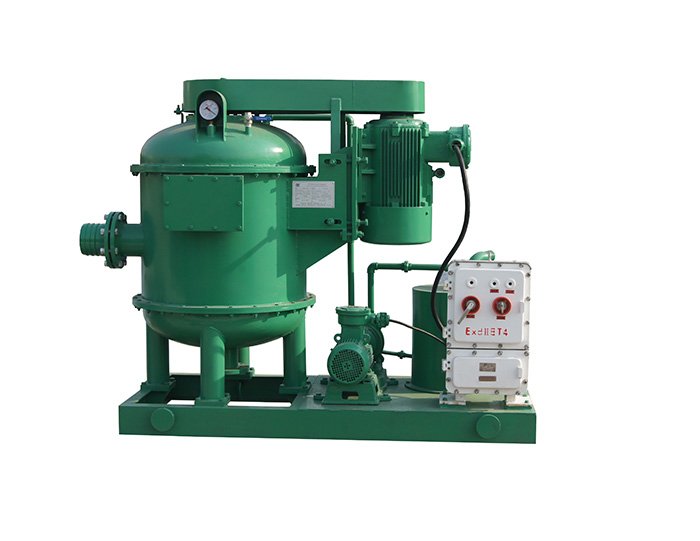 Solids Control System Vacuum Degasser
 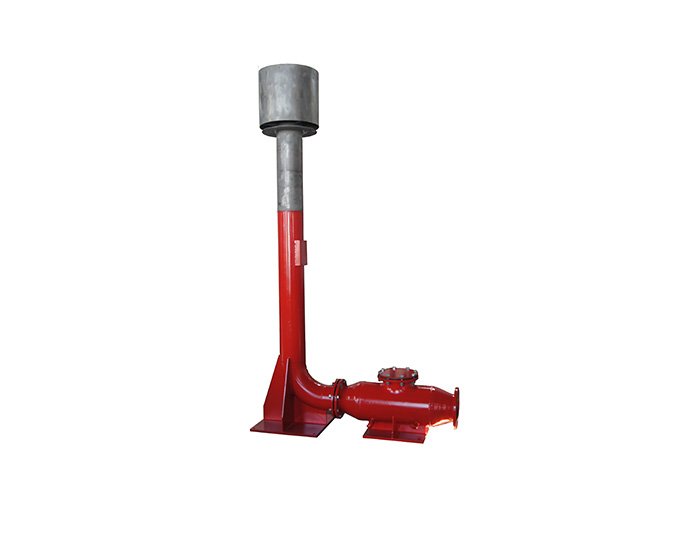 Flare Ignition Device
 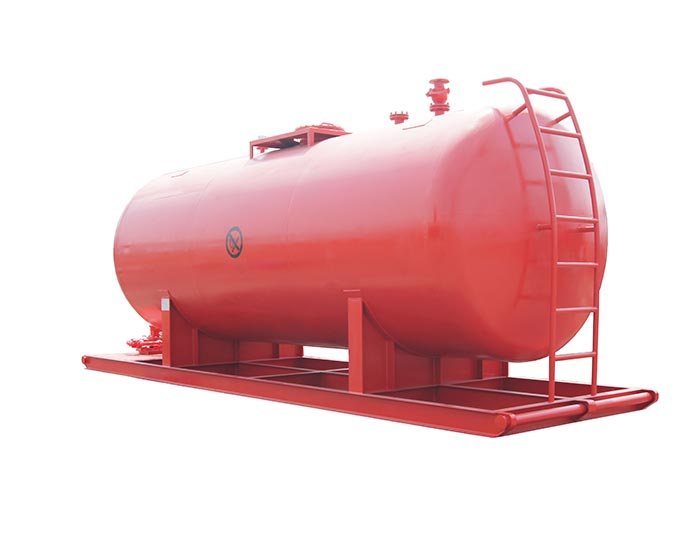 Diesel Tank
 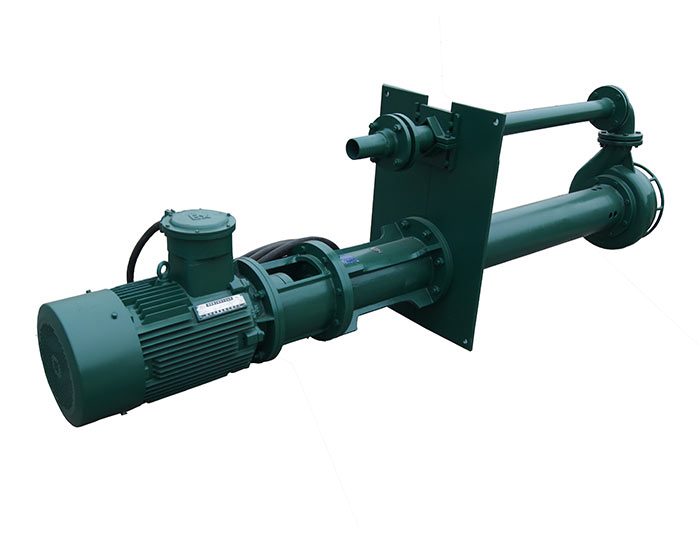 Submersible Slurry Pump