In the high-pressure environment of modern oil and gas exploration, the lifeblood of any drilling operation is the circulation of drilling fluid. As this fluid travels from the surface to the drill bit and back again, it gathers an immense load of rock cuttings, silt, and sand that can jeopardize the mechanical integrity of the entire rig. To combat this, the industry utilizes a sophisticated, multi-staged solids control process. At the heart of this filtration hierarchy is the strategic synergy between various hydrocyclone configurations. By integrating a mud cleaner desilter and desander into a unified platform, operators can achieve a level of fluid purity that standard shale shakers simply cannot provide. This combination represents the pinnacle of secondary and tertiary separation, ensuring that the expensive base fluids and chemicals are preserved while abrasive contaminants are systematically removed.
The Mechanical Architecture of a Unified Mud Cleaner System
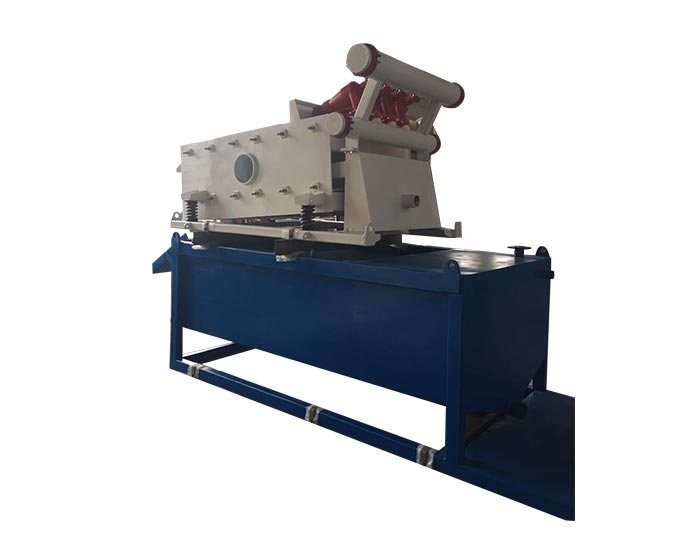
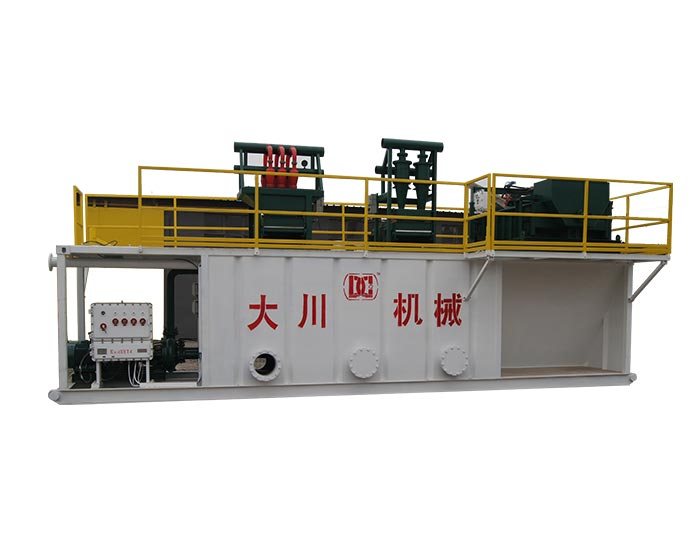
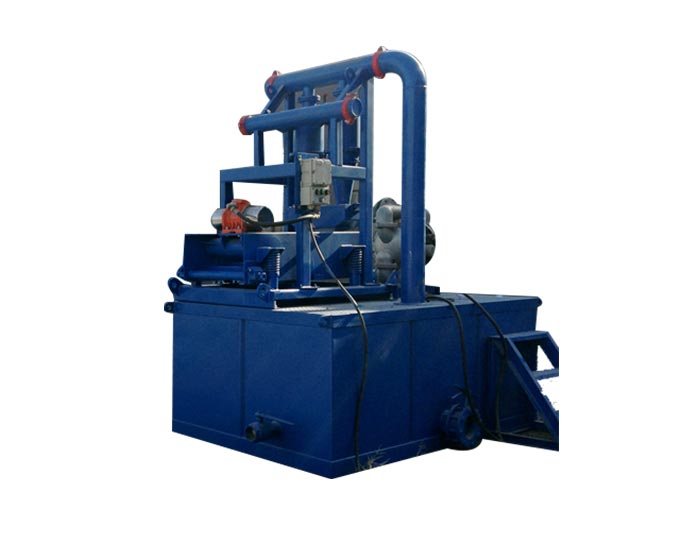
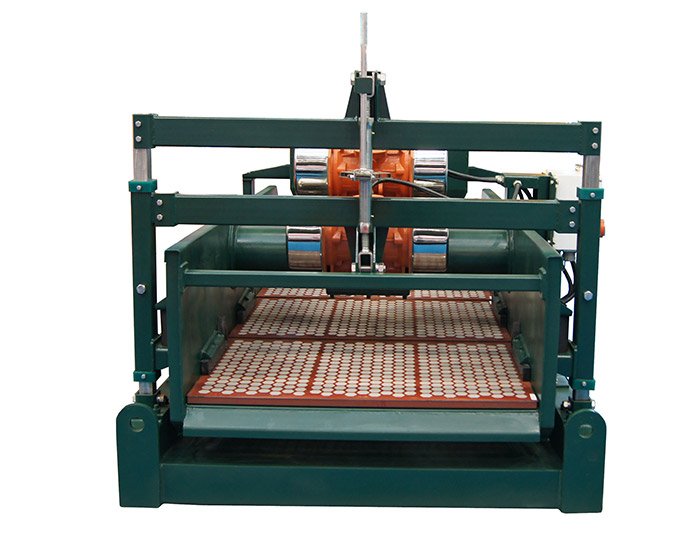
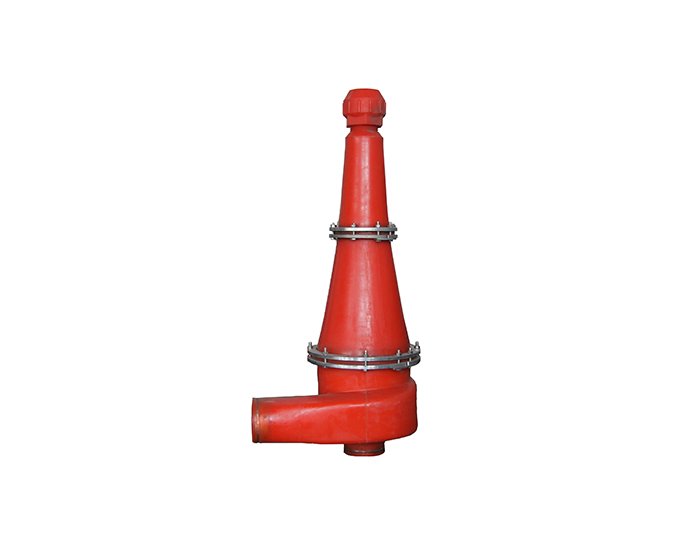
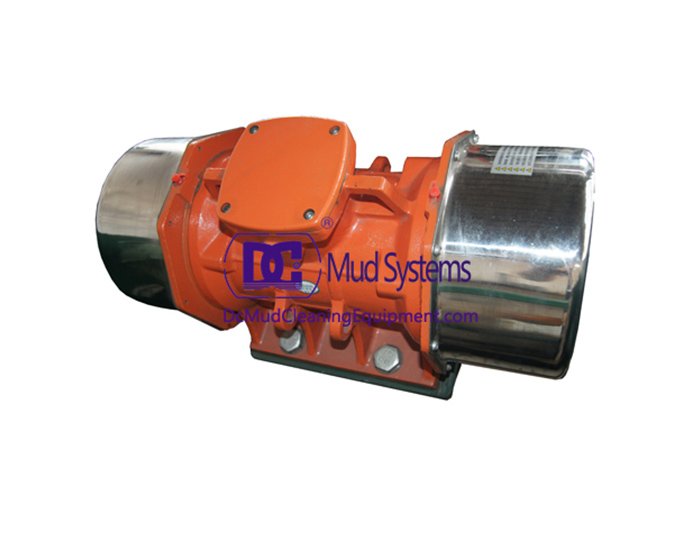
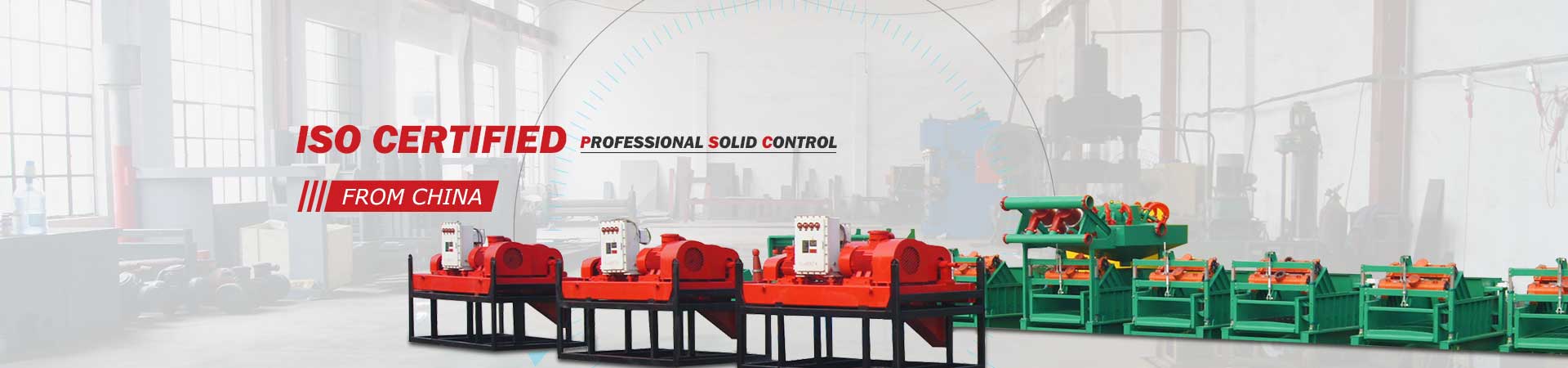
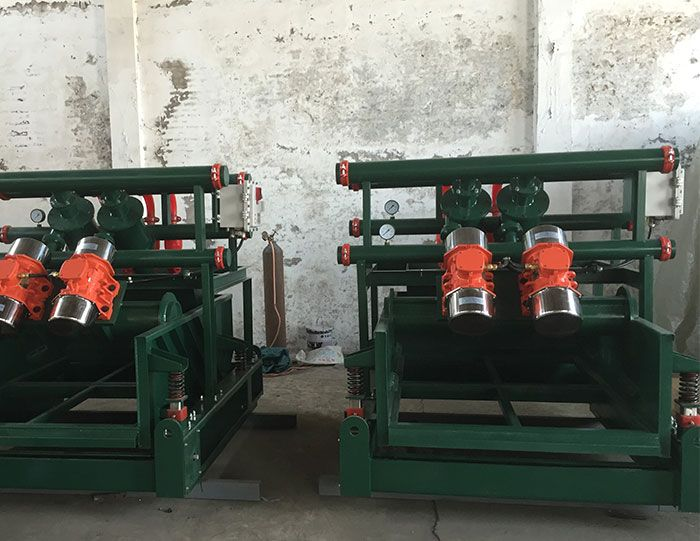
A comprehensive mud cleaner system is far more than a single piece of machinery; it is a meticulously engineered hybrid of centrifugal separation and mechanical vibration. The architecture typically consists of a high-G force vibrating shaker base upon which two distinct banks of hydrocyclone cones are mounted. The first bank, the desander, utilizes larger diameter cones (usually 10 to 12 inches) to strip out sand-sized particles ranging from 47 to 74 microns. Immediately following this, the mud cleaner desilter bank, featuring smaller 4-inch cones, targets the finer silt particles down to the 15-micron range.
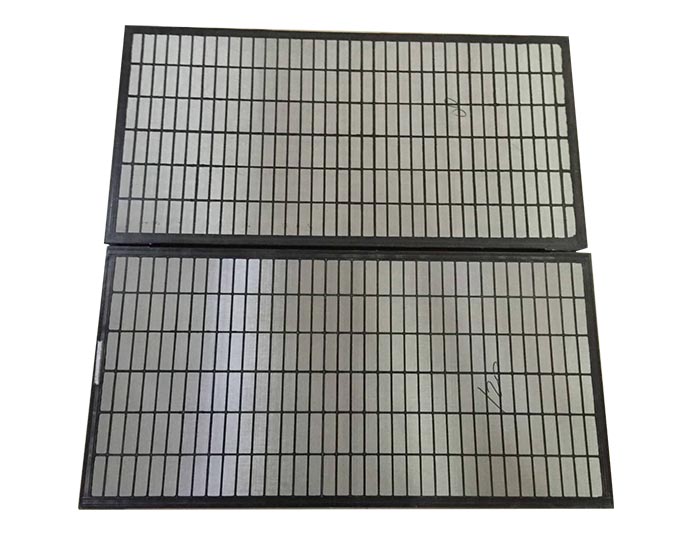
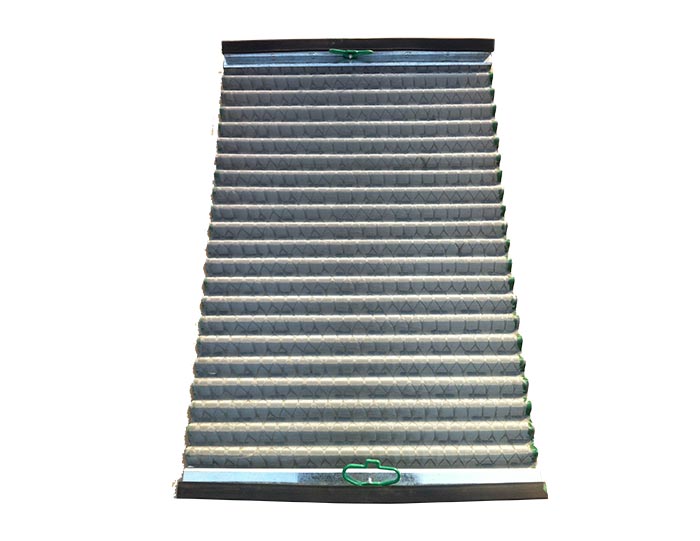
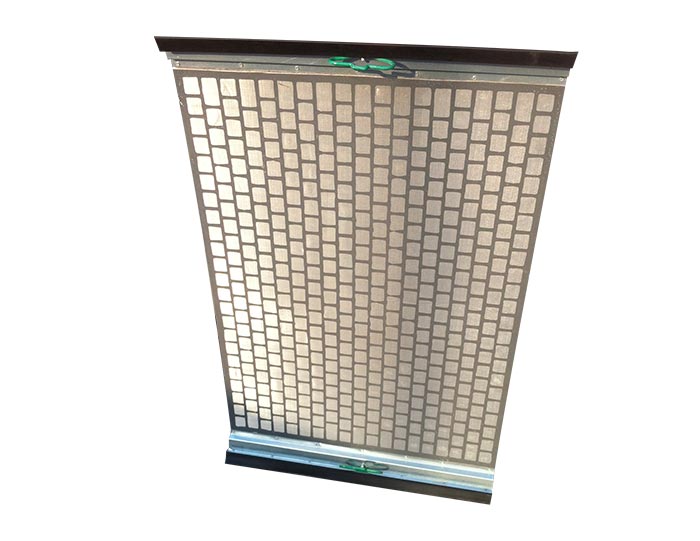
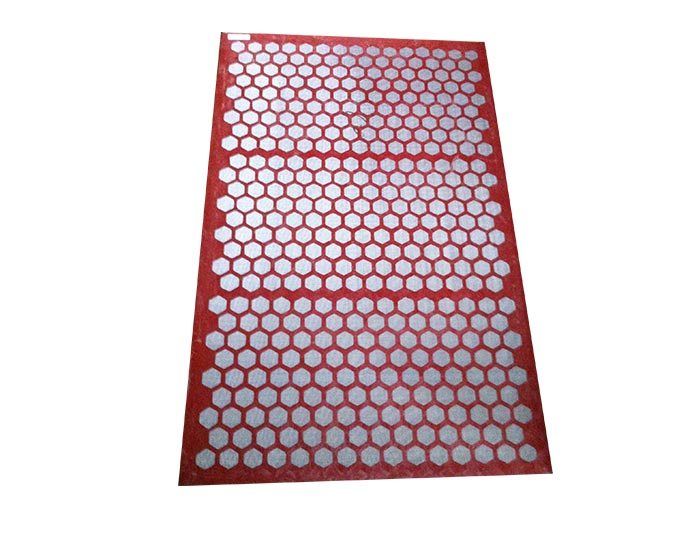
This tiered approach within a single mud cleaner machine allows for a "coarse-to-fine" filtration logic that prevents the smaller, more delicate desilter cones from being overwhelmed by large solids. As the mud is pumped into the headers at high pressure, the tangential entry creates a powerful vortex. Centrifugal force flings the heavier solids to the cone walls, where they spiral down toward the apex. The genius of the mud cleaner system lies in what happens next: instead of discarding the liquid that escapes with these solids, the "underflow" drops onto an ultra-fine mesh screen. This final screening step recovers the valuable liquid phase, returning it to the active mud tanks while discharging a relatively dry cake of waste material.
Optimizing Fluid Rheology with the Mud Cleaner Machine
Maintaining the chemical and physical stability of drilling mud is a constant battle for the fluids engineer. If fine silt and sand are allowed to accumulate, the mud’s plastic viscosity and yield point increase, leading to higher pump pressures and a greater risk of formation damage. A high-performance mud cleaner machine serves as the primary defense against this rheological degradation. By removing the specific solids that cause internal friction within the fluid, the equipment ensures that the mud remains "thin" enough to be pumped efficiently but "thick" enough to carry new cuttings to the surface.
The integration of the mud cleaner desilter is particularly vital when drilling through reactive clay or fine-grained sandstone. These formations produce micro-solids that can quickly turn a clean fluid into an abrasive slurry. In an oilfield mud cleaner configuration, the ability to switch between desanding and desilting modes—or to run them simultaneously—gives the driller the flexibility to adapt to changing downhole conditions in real-time. This adaptability prevents the "solids build-up" that often leads to stuck pipe incidents or the premature wear of expensive downhole motors and measurement-while-drilling (MWD) tools.
The Economic Impact of High-Efficiency Mud Cleaner Products
In the current economic landscape of 2026, the cost of drilling fluids—especially synthetic-based muds (SBM) or oil-based muds (OBM)—has become a significant portion of the total well cost. Therefore, the use of premium mud cleaner products is no longer an option but a financial necessity. Every gallon of base oil or polymer-treated water that is recovered by the shaker deck beneath the hydrocyclones represents a direct saving for the operator. Without the liquid recovery provided by a mud cleaner system, the volume of fluid lost to the waste pit could reach thousands of barrels over the life of a project.
Furthermore, the oilfield mud cleaner acts as a safeguard for the most expensive components of the drilling rig. Mud pumps, which operate at extreme pressures, are highly susceptible to the scouring action of silt and sand. If a mud cleaner machine is bypassed or fails to perform, these micro-abrasives act like liquid sandpaper, eroding pump liners, valves, and pistons. By ensuring the fluid is stripped of these abrasives before it reaches the pumps, the mud cleaner desilter configuration significantly extends the mean time between failures (MTBF) for the rig's primary mechanical assets, drastically reducing non-productive time (NPT).
Strategic Sourcing and the Role of the Oilfield Mud Cleaner
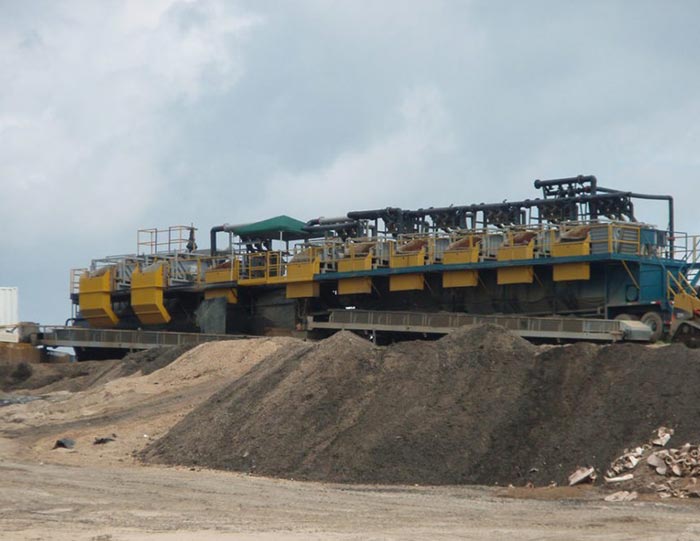
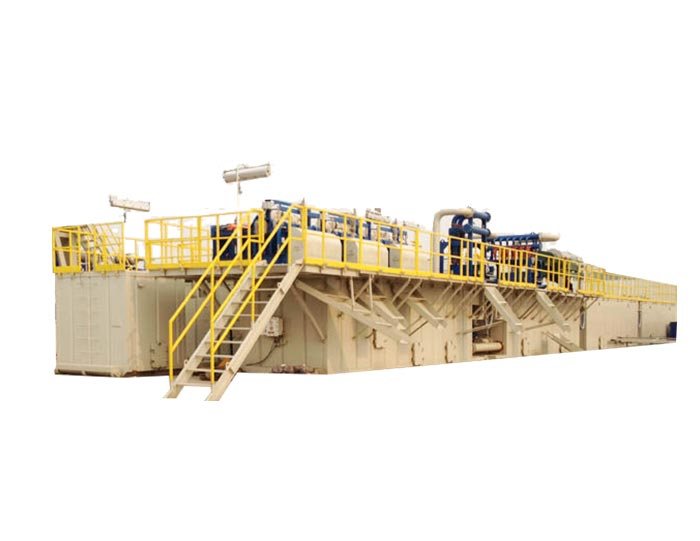
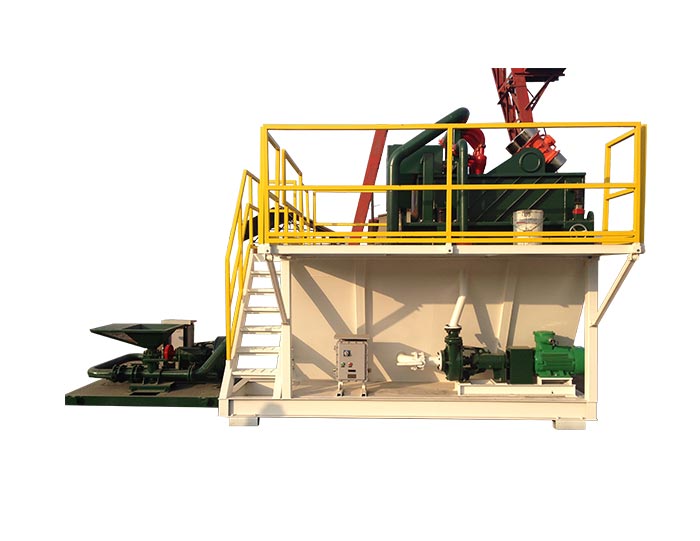
Selecting the right mud cleaner products requires a deep understanding of the specific geological challenges of a region. For instance, in offshore deepwater projects where space is at a premium, the demand for a compact, high-throughput mud cleaner system is paramount. In contrast, for large-scale land-based shale plays, the focus might shift toward the rugged durability and ease of maintenance of the mud cleaner machine. Leading manufacturers now offer customized manifolds that allow for the easy addition or removal of cones, ensuring the equipment can grow with the needs of the project.
The role of the oilfield mud cleaner also extends into environmental compliance. As regulations regarding the disposal of drill cuttings become stricter, the ability of mud cleaner products to produce drier, more concentrated waste is a major advantage. By reducing the overall volume of waste and maximizing the recycling of the liquid phase, the mud cleaner system helps operators meet their Environmental, Social, and Governance (ESG) targets. This reduction in waste volume also translates to fewer truck trips or supply boat movements, further lowering the carbon footprint and logistical complexity of the drilling operation.

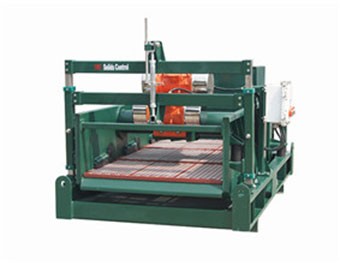 Linear Motion Shale Shaker In Drilling Rig
 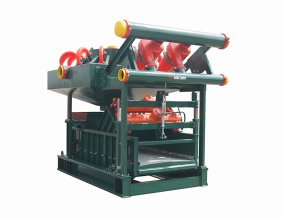 Oilfield Mud Cleaner
 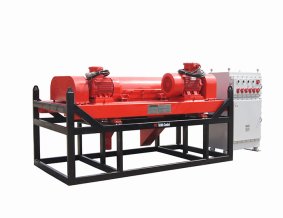 Drilling Fluid Decanter Centrifuge
 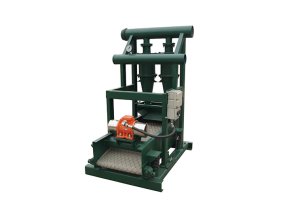 Drilling Mud Desander
 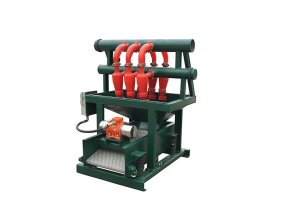 Hydrocyclone Desilter
 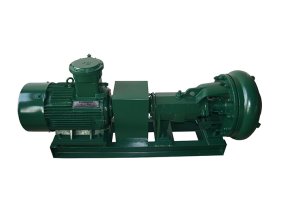 Centrifugal Pump/Centrifugal Mud Pump
 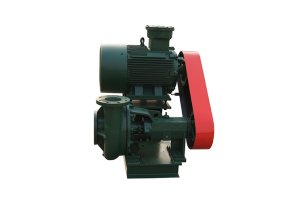 Shear Pump
 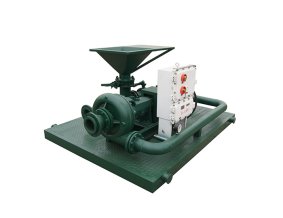 Jet Mud Mixer
 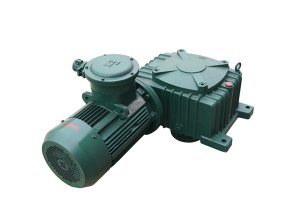 Horizontal Mud Agitator
 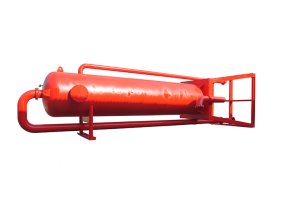 Constant Pressure Drilling Fluid Mud Gas Separator
 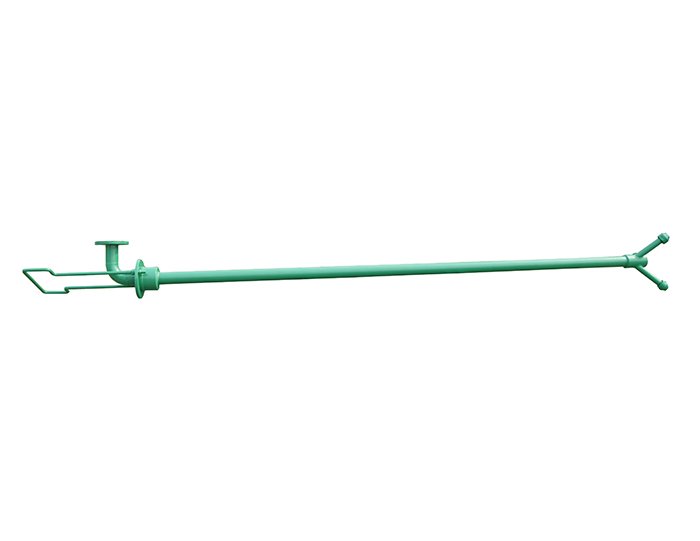 Mud Gun
  Mud Tank
 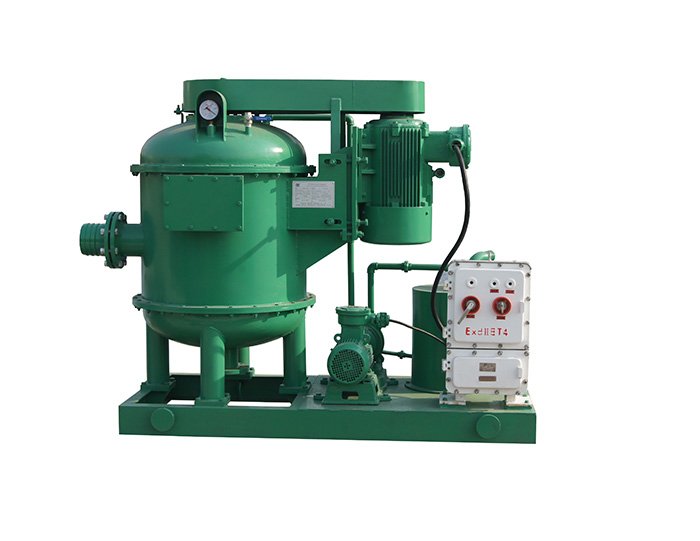 Solids Control System Vacuum Degasser
 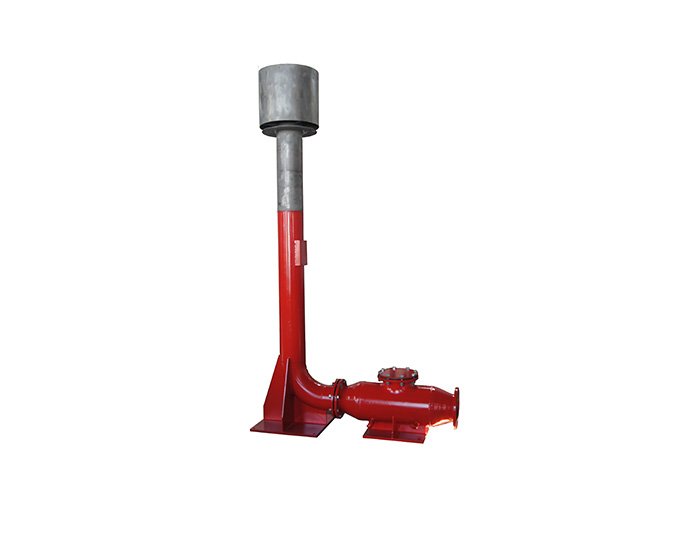 Flare Ignition Device
 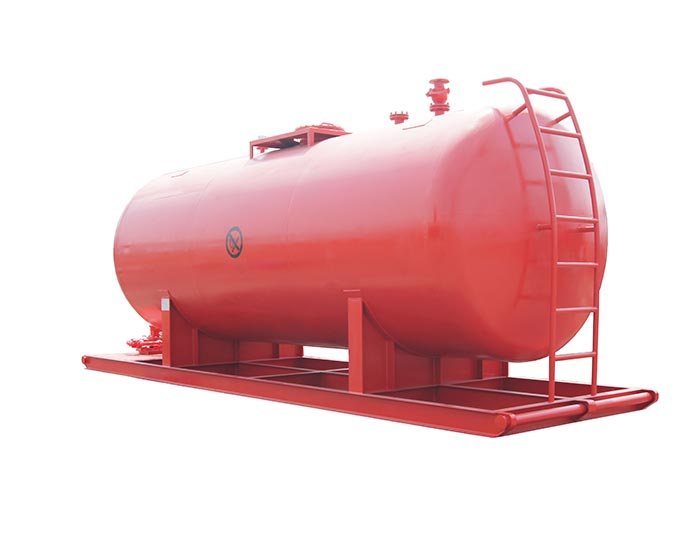 Diesel Tank
 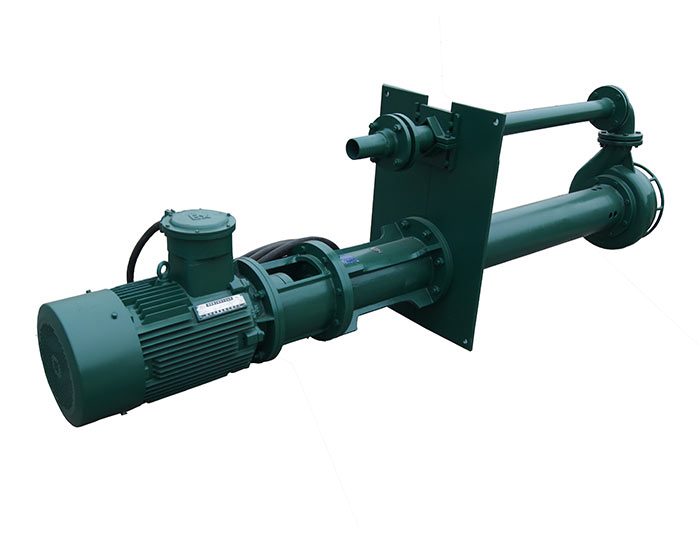 Submersible Slurry Pump