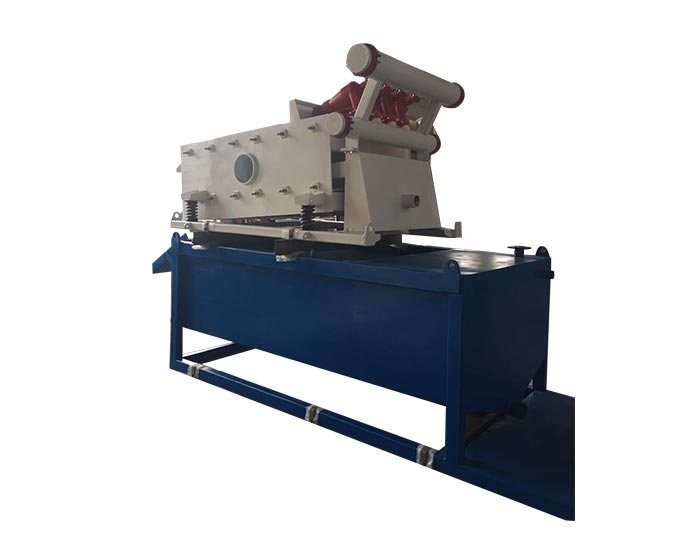
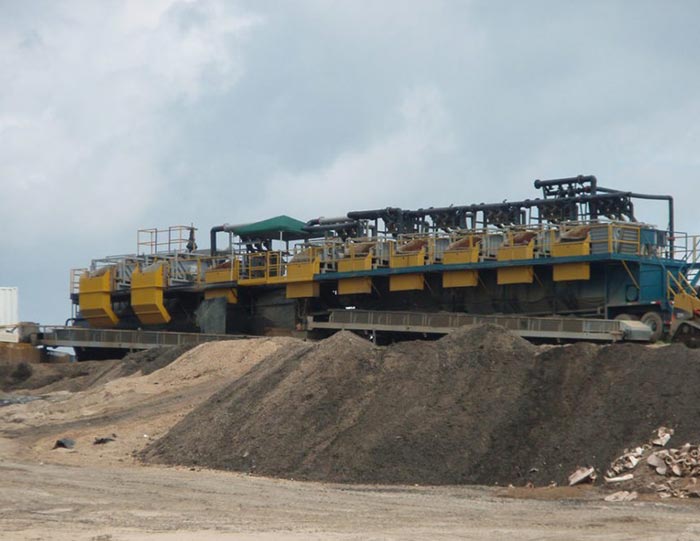
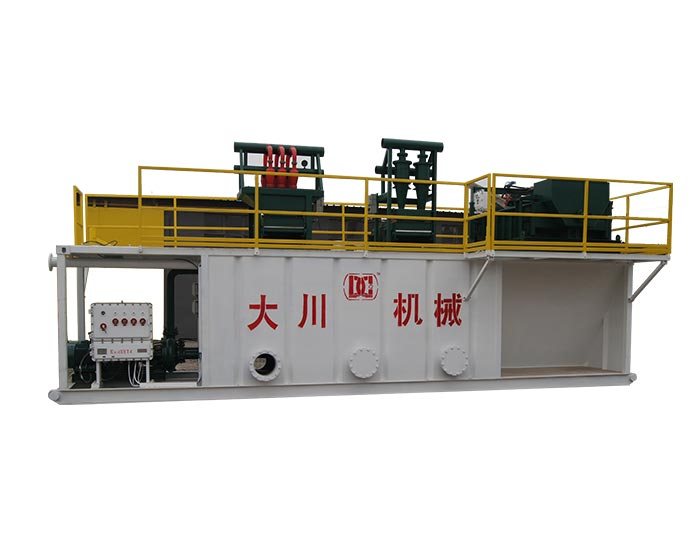
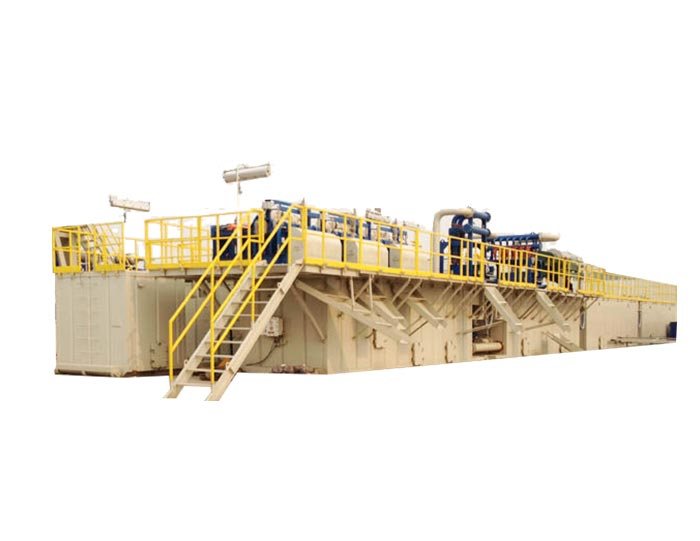
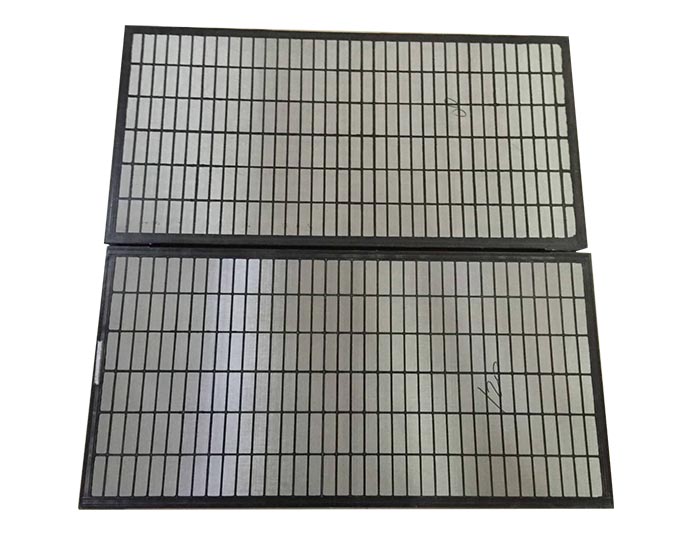
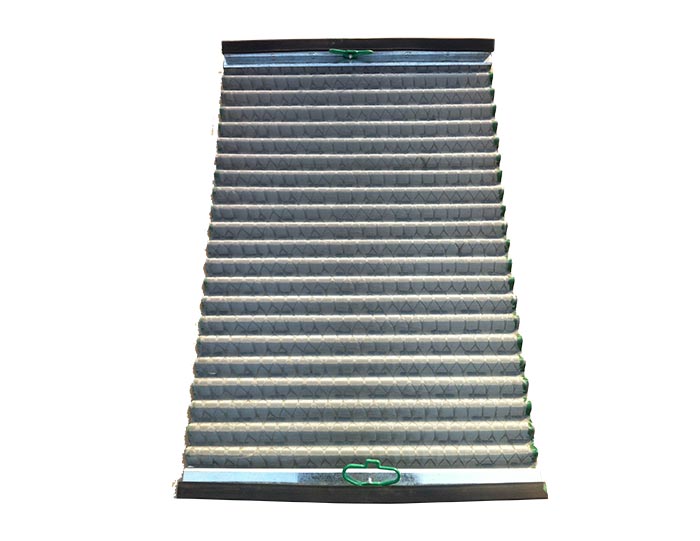
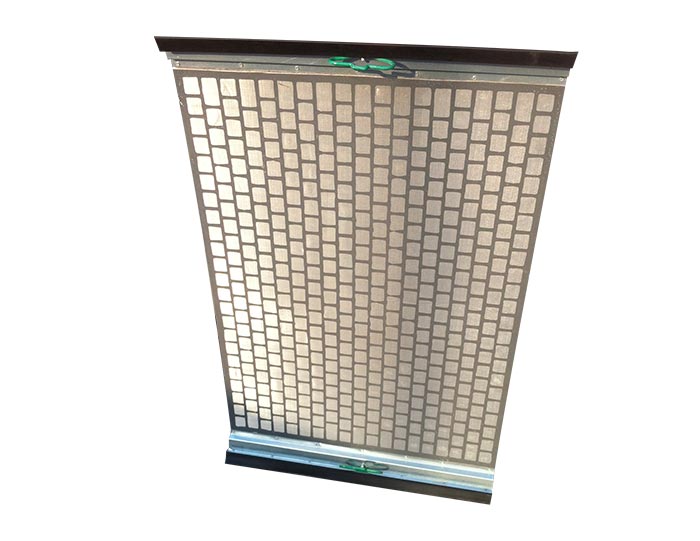
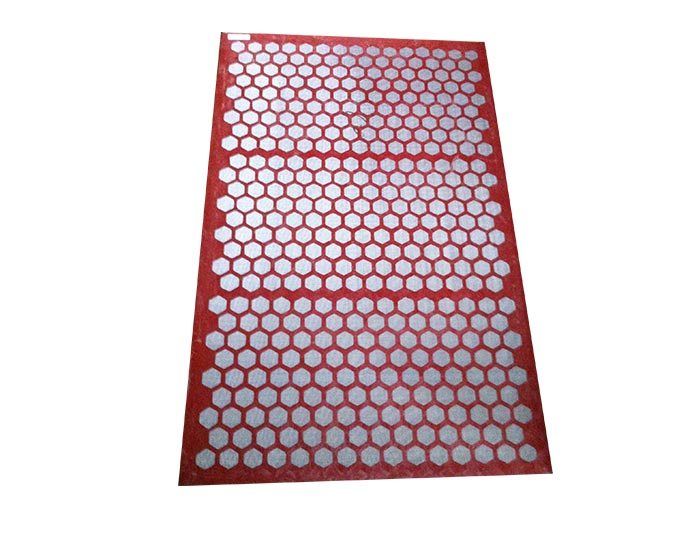
As global energy exploration ventures into deeper and more complex geological formations, the demands placed on surface equipment have escalated significantly. Deep well drilling presents a unique set of challenges, including high-viscosity fluids, immense cuttings volumes, and the presence of fine, abrasive solids that can compromise wellbore integrity. In these high-stakes environments, the standard shale shaker often reaches its physical limits, leading to excessive fluid loss and equipment wear. This has paved the way for the industry’s shift toward the high g shale shaker. By subjecting the drilling fluid to extreme acceleration, these machines provide the mechanical energy necessary to overcome the surface tension of heavy muds, ensuring that the primary stage of solids control is both efficient and reliable.
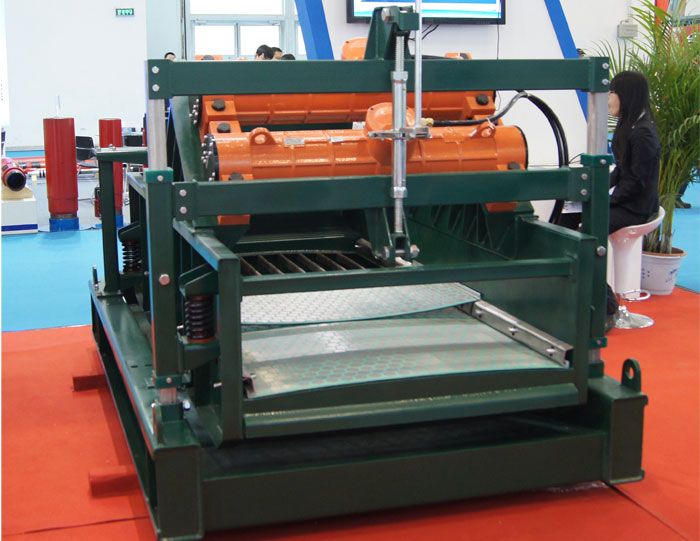
The Physics of Separation: Understanding G Force Shale Shaker Mechanics
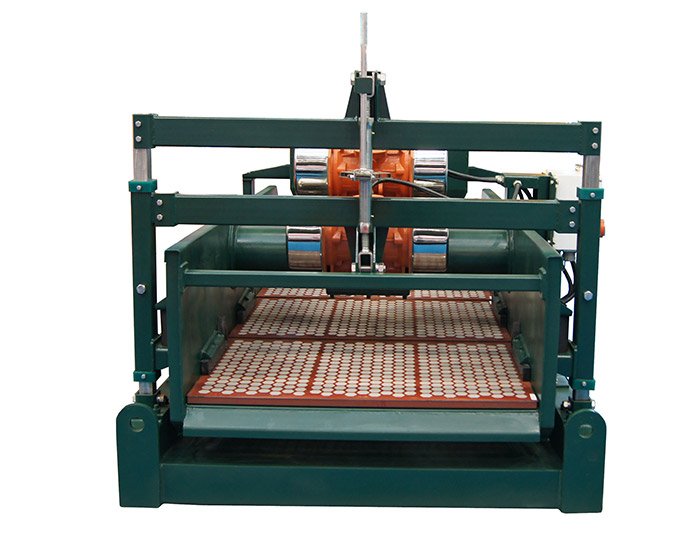
The effectiveness of any drilling shale shaker is determined by its ability to convey solids across a mesh surface while simultaneously allowing the liquid phase to pass through. In deep well scenarios, the mud is often weighted with high concentrations of barite or other minerals, creating a dense, "tacky" fluid that clings to the cuttings. A standard vibration profile is frequently insufficient to break this bond. This is where the g force shale shaker becomes a technical necessity. By generating acceleration levels typically exceeding 7.0G or even 8.0G, the machine imparts enough energy to "shatter" the surface tension of the fluid.
The linear motion and high acceleration work in tandem to create a "micro-shattering" effect at the screen interface. As the mud hits the screen, the high G-force forces the liquid phase to separate from the solid particles almost instantaneously. This rapid separation is what allows a high g shale shaker to maintain a dry discharge even when processing the most difficult, high-viscosity muds. For the driller, this means that the expensive synthetic or oil-based fluids remain in the active system rather than being hauled away as waste on the surface of the cuttings.
Operational Advantages During Shale Shaker Drilling in Deep Zones
When engaged in shale shaker drilling at depths exceeding 5,000 meters, the "time-of-flight" for cuttings returning to the surface increases, often leading to particle degradation. By the time the solids reach the surface, they are often smaller and more difficult to remove. A high-performance shale shaker must be able to handle these "fines" without blinding the screens. The extreme vibration of a high-G unit keeps the screen openings clear by preventing the near-size particles from becoming wedged in the mesh.
Furthermore, deep well operations often require high flow rates to ensure effective hole cleaning. A single, high-capacity drilling shale shaker with elevated G-force can often do the work of two standard units. This consolidation of power is vital for maintaining a clean mud system without cluttering the rig floor with redundant machinery. The ability to process more mud per square foot of screen area is a primary driver for engineering teams when they specify equipment for offshore or high-pressure, high-temperature (HPHT) projects.
Sourcing Quality from a Professional Shale Shaker Factory
The manufacturing of a high g shale shaker requires a level of precision that far exceeds that of general industrial hardware. Because the basket is subjected to such intense, repetitive stress, every weld and structural joint must be perfect. A specialized shale shaker factory utilizes advanced finite element analysis to ensure that the vibrational energy is directed toward the mud and not absorbed by the machine’s frame. If the frame absorbs too much energy, it will eventually crack, leading to catastrophic failure in the middle of a critical drilling phase.
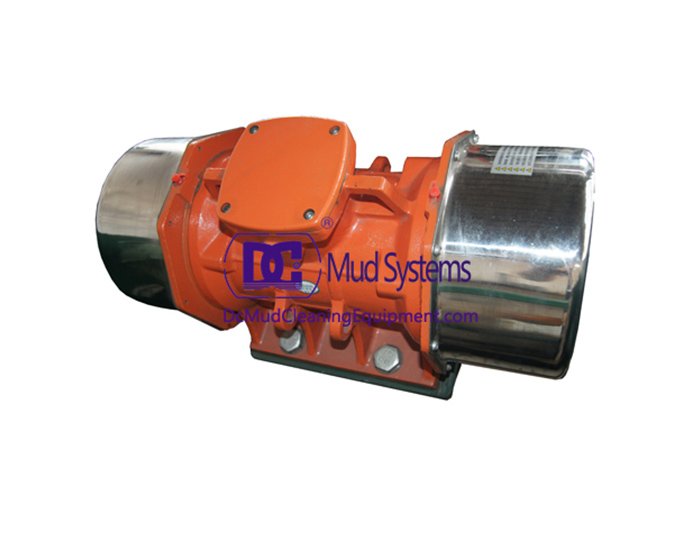
When choosing a shale shaker factory, global buyers prioritize metallurgy and motor synchronization. The vibrator motors must be perfectly balanced to maintain a consistent linear path. Any deviation from this path creates "parasitic" vibrations that reduce the effective G-force and shorten the life of the screens. For B2B partners, the reliability of the factory's quality control process is the ultimate insurance policy against downtime. A well-built machine from a reputable factory can operate for years in the harshest oilfield environments, providing a consistent return on investment that cheaper, lower-quality alternatives cannot match.
The Strategic Value of Wholesale Shale Shaker Procurement
For international distributors and large-scale drilling contractors, the move toward wholesale shale shaker acquisition is driven by the need for standardization across a fleet. When a company operates multiple deep-well rigs, having a uniform set of high-G equipment simplifies maintenance, training, and spare parts management. Sourcing through wholesale shale shaker channels allows for a closer relationship with the manufacturer, often leading to customized deck configurations or specialized coatings that are tailored to the specific geological challenges of a region.
Standardizing on high-G technology also improves the "predictability" of the mud system. When the performance of the primary shale shaker is consistent across all rigs, the mud engineers can more accurately predict the chemical consumption and waste volumes of a project. This level of operational clarity is highly valued by modern energy companies that are under pressure to reduce costs and improve their environmental performance. By purchasing in volume, contractors ensure that every rig in their fleet is equipped with the best possible defense against solids contamination.

 Linear Motion Shale Shaker In Drilling Rig
  Oilfield Mud Cleaner
 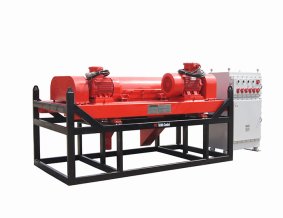 Drilling Fluid Decanter Centrifuge
 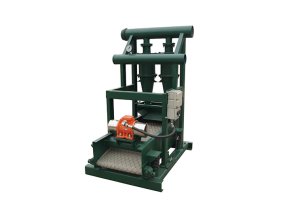 Drilling Mud Desander
 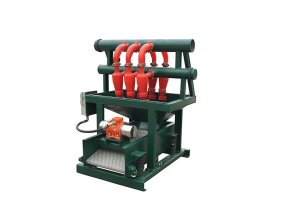 Hydrocyclone Desilter
 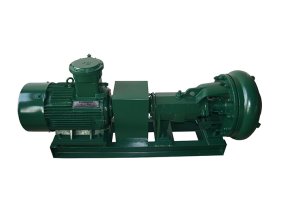 Centrifugal Pump/Centrifugal Mud Pump
 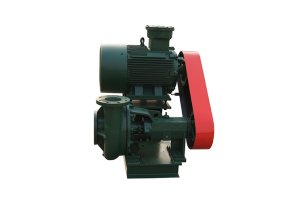 Shear Pump
 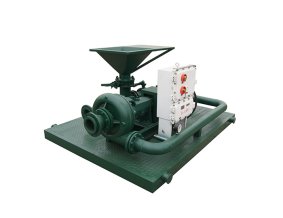 Jet Mud Mixer
 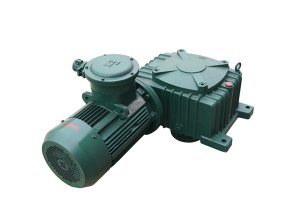 Horizontal Mud Agitator
 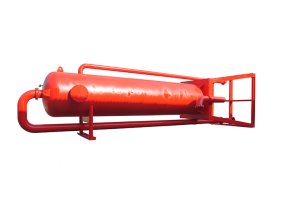 Constant Pressure Drilling Fluid Mud Gas Separator
 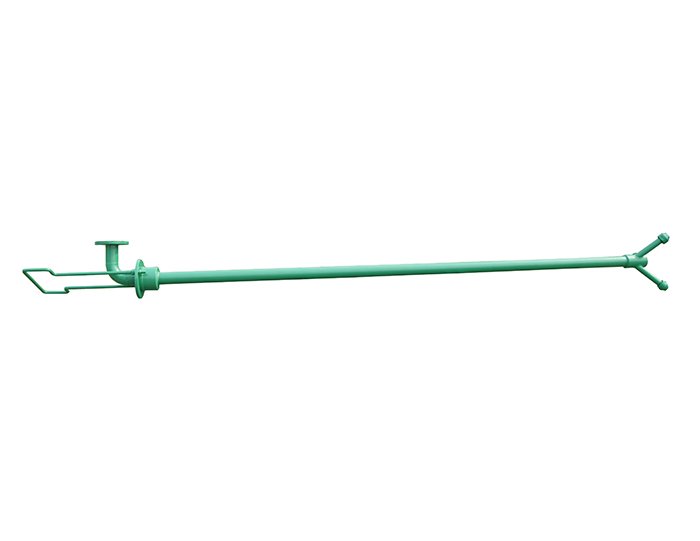 Mud Gun
  Mud Tank
 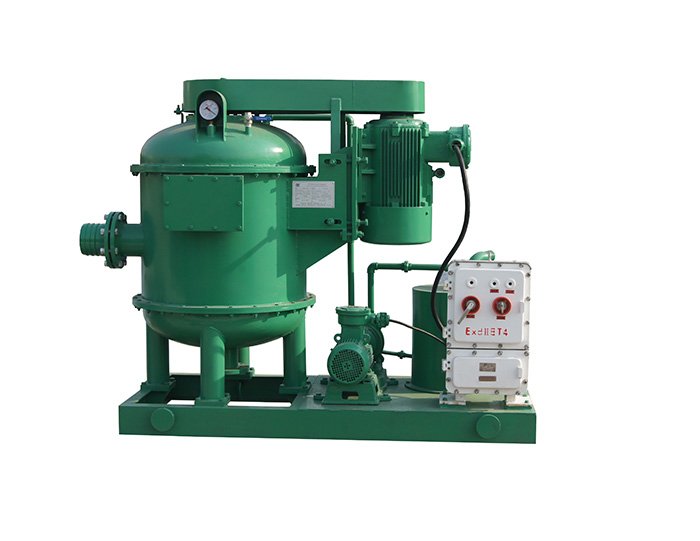 Solids Control System Vacuum Degasser
 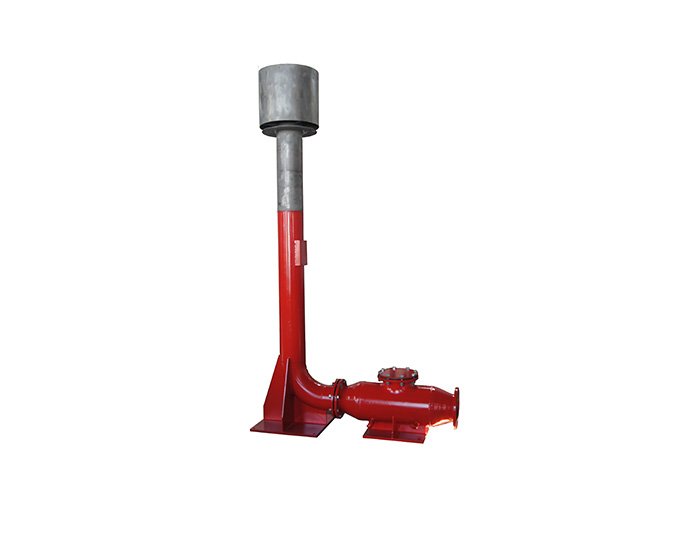 Flare Ignition Device
 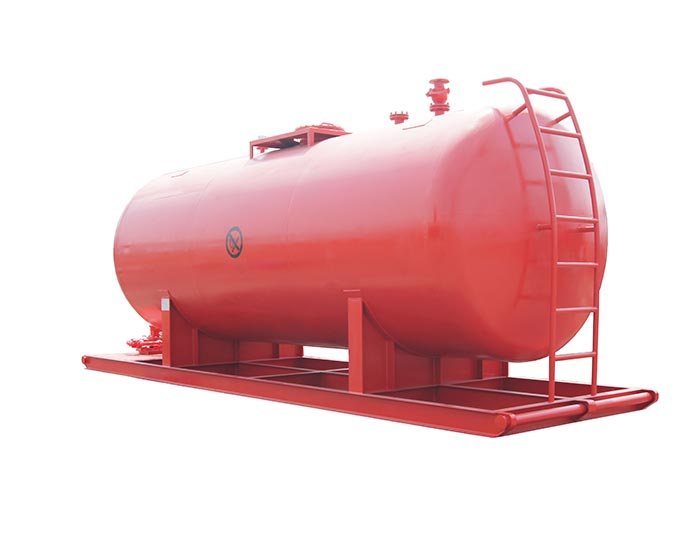 Diesel Tank
 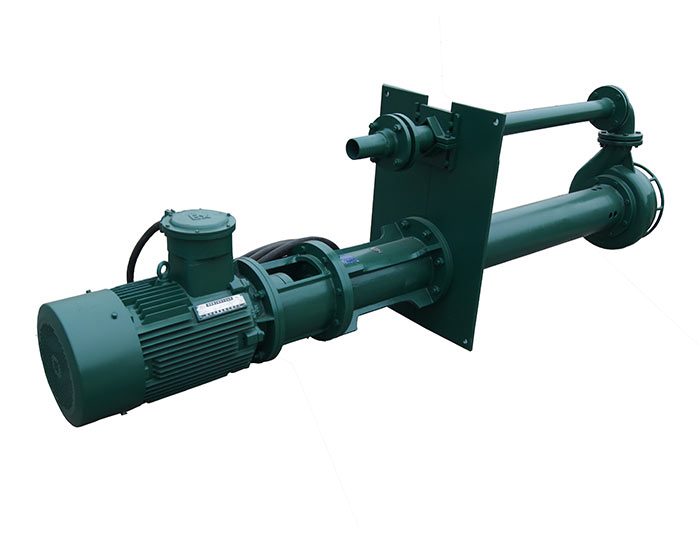 Submersible Slurry Pump