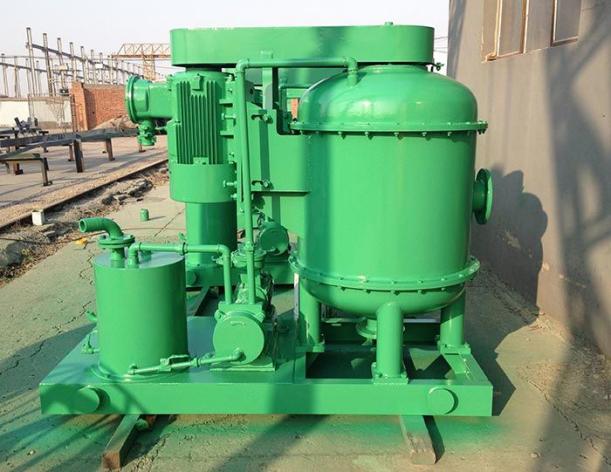
In the demanding world of oilfield solids control, the efficiency of a vacuum degasifier is often judged by its ability to handle massive volumes of gas-cut mud without interruption. However, seasoned field engineers know that the true reliability of the system does not reside in the size of the tank, but in the integrity of the smallest, most critical components. Among these, the vacuum pump mechanical seal stands as the ultimate guardian of performance. This specialized sealing component is the barrier between operational success and costly environmental or mechanical failure. To understand why this seal is so vital, one must look past the heavy steel of the vacuum degasser and into the fluid dynamics and pressure differentials that define the degassing process.
The Critical Interface Within the Mud Vacuum Pump
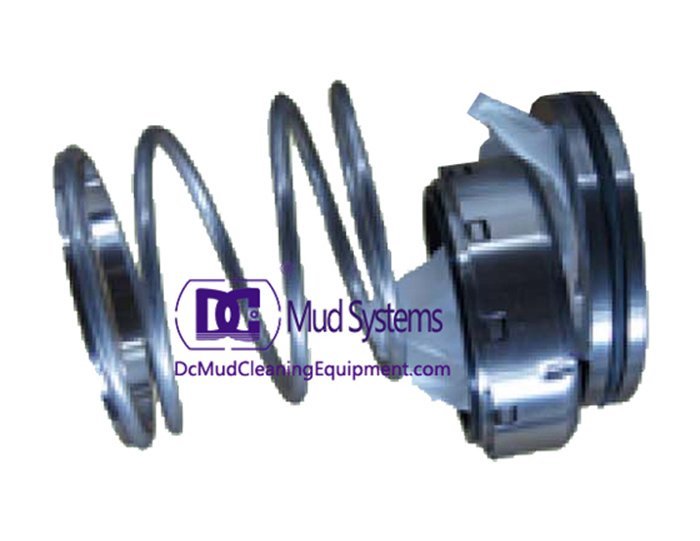
At the core of every high-performance vacuum degassing system is a powerful pump responsible for creating the negative pressure environment required to liberate entrained gases. The mud vacuum pump operates under conditions that would quickly destroy standard industrial pumps. It must move air and vapor while often being exposed to the abrasive, chemically aggressive nature of drilling fluids. The vacuum pump mechanical seal is located at the point where the rotating shaft enters the pump housing. Its primary mission is to prevent the "leak-in" of atmospheric air, which would destroy the vacuum, and the "leak-out" of hazardous vapors or fluids.
Unlike traditional packing that relies on friction and controlled leakage, a modern mechanical seal uses two flat faces—one stationary and one rotating—to create a near-perfect barrier. In the context of a mud vacuum pump, this seal must be resilient enough to withstand the vibration of the rig and the thermal expansion of the pump components. If the seal fails, the entire vacuum degasifier loses its ability to lower the boiling point of the gas bubbles, rendering the restoration of mud density impossible.
Enhancing the Longevity of Vacuum Degassing Systems
The overall lifespan of vacuum degassing systems is inextricably linked to the health of their internal seals. When a seal remains intact, the internal environment of the pump is protected from contamination. However, the drilling environment is notorious for fine solids and abrasive particulates that can migrate into the seal faces. This is why high-quality vacuum degasser units often incorporate sophisticated seal-flush systems or double mechanical seals. These designs provide a clean buffer fluid that cools the seal faces and flushes away any silt or sand that could cause "scoring" or premature wear.
From a maintenance perspective, the vacuum pump mechanical seal is often the leading indicator of system health. A slight drop in vacuum pressure or a faint mist at the pump shaft is often the first sign that the seal is reaching the end of its service life. By prioritizing the quality of the seal material—using silicon carbide or tungsten carbide faces—operators can extend the interval between overhauls, ensuring that the vacuum degassing systems remain online during critical drilling phases where gas influx is most likely.
How Seal Integrity Impacts Vacuum Degasifier Efficiency
Efficiency in gas removal is entirely dependent on the stability of the vacuum. Even a microscopic breach in the vacuum pump mechanical seal can introduce enough ambient air to fluctuate the internal pressure of the vacuum degasifier. When the vacuum level is inconsistent, the expansion of gas bubbles in the mud becomes unpredictable. Instead of a smooth, continuous release of methane or H2S, the system may experience "slugging," where the mud moves in uneven bursts.
Furthermore, a compromised seal forces the mud vacuum pump to work harder to maintain the set point, leading to increased power consumption and thermal stress. In many B2B procurement scenarios, the "Total Cost of Ownership" is heavily influenced by these subtle efficiency losses. A vacuum degasser equipped with a premium mechanical seal ensures that every kilowatt of energy used by the motor is translated directly into mud restoration rather than fighting against atmospheric leaks.
Overcoming Abrasive Challenges in the Vacuum Degasser
The nature of the fluid being processed is perhaps the greatest enemy of the vacuum pump mechanical seal. Drilling mud is a complex "soup" of weighting agents like barite, polymers, and drilled solids. During the degassing process, the vacuum degasifier must handle the vapors of this mixture, which can be corrosive. If the mechanical seal is not specifically rated for these chemicals, the elastomers (the O-rings and gaskets within the seal) can swell or degrade, leading to a sudden loss of containment.
Innovative vacuum degasser manufacturers have responded to this by designing "cartridge" style seals. These allow for rapid replacement without dismantling the entire pump assembly. This design philosophy recognizes that while the mud vacuum pump is a robust piece of industrial machinery, it requires the precision of a high-tech seal to function. The synergy between the heavy-duty pump and the precision-engineered seal is what allows a modern vacuum degassing system to operate 24/7 in the world’s most unforgiving oilfields.
Vacuum Degasser: The Future of Sealing Technology in Solids Control
As we look toward the evolution of the vacuum degasser in 2026, the trend is moving toward "smart" sealing solutions. Sensors are now being integrated into the mud vacuum pump housing to monitor the temperature and vibration of the vacuum pump mechanical seal in real-time. This predictive maintenance approach allows rig crews to schedule a seal change during planned downtime, rather than reacting to a catastrophic failure during a gas-cut mud emergency.
In conclusion, while the vacuum degasifier may be the visible hero of the mud tank, the vacuum pump mechanical seal is the silent partner that makes its performance possible. It is the bridge between the mechanical power of the mud vacuum pump and the delicate physics of the vacuum degassing system. For buyers and engineers, focusing on the quality, material, and design of the seal is the most effective way to ensure the safety of the rig and the purity of the drilling fluid.

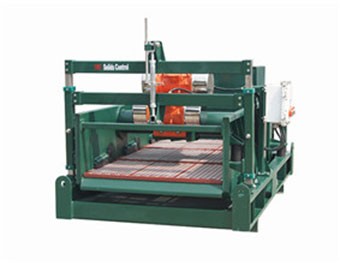 Linear Motion Shale Shaker In Drilling Rig
 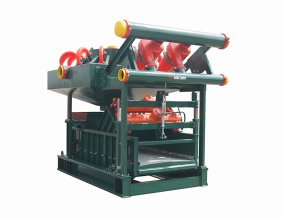 Oilfield Mud Cleaner
 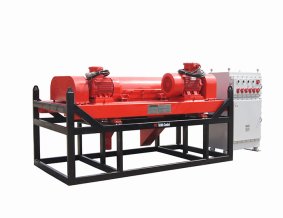 Drilling Fluid Decanter Centrifuge
 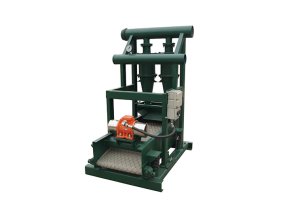 Drilling Mud Desander
 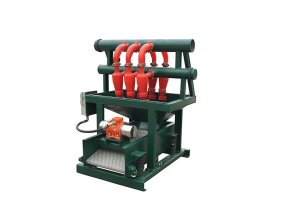 Hydrocyclone Desilter
 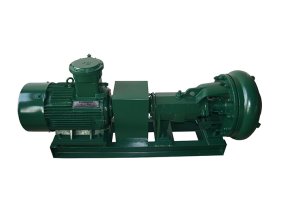 Centrifugal Pump/Centrifugal Mud Pump
 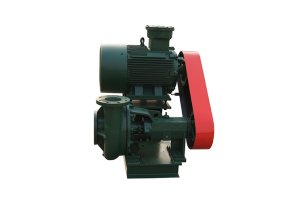 Shear Pump
 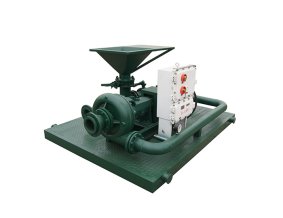 Jet Mud Mixer
 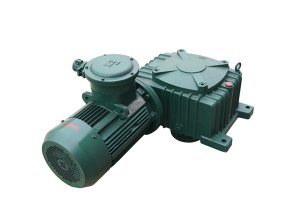 Horizontal Mud Agitator
 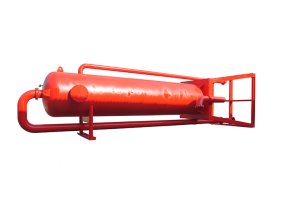 Constant Pressure Drilling Fluid Mud Gas Separator
 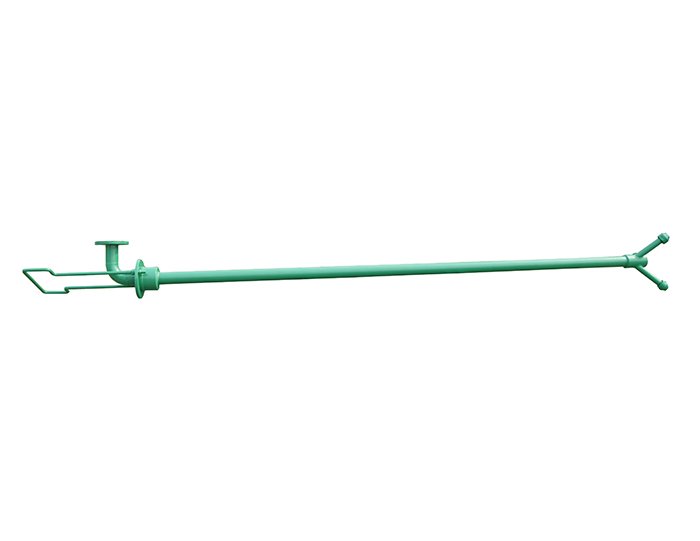 Mud Gun
  Mud Tank
 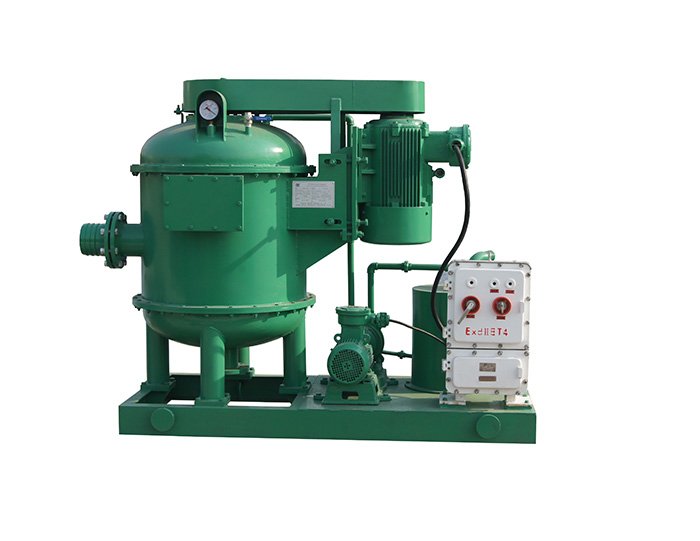 Solids Control System Vacuum Degasser
  Flare Ignition Device
  Diesel Tank
  Submersible Slurry Pump