In the high-stakes environment of modern oilfield operations, the integrity of drilling fluids represents the frontline of safety and efficiency. Among the various challenges faced by drilling engineers, "gas-cut mud" remains one of the most persistent and hazardous. When formation gas infiltrates the drilling fluid, it drastically reduces the mud’s density, potentially leading to catastrophic well-control issues. This is where the strategic implementation of a vacuum degasser becomes indispensable. Far more than just a peripheral component, this equipment serves as the primary defense mechanism in a comprehensive solids control system, ensuring that the circulatory system of the rig remains stable under immense pressure.
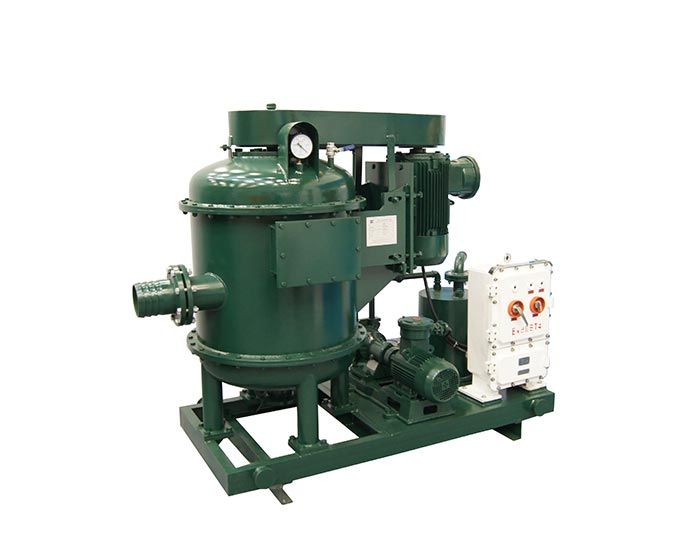
Understanding the Physics of a Vacuum Degassing System
To appreciate how a vacuum degassing system restores the properties of drilling fluid, one must first understand the behavior of gas bubbles trapped within high-viscosity mud. In a standard atmospheric environment, these bubbles are often too small or the mud is too thick for them to break the surface tension and escape naturally. If left untreated, this gas-cut mud enters the mud pumps, causing cavitation and a significant drop in hydrostatic pressure.
A sophisticated vacuum degassing system operates on the principle of pressure reduction. By creating a controlled vacuum environment within a specialized vessel, the system forces the entrained gas bubbles to expand rapidly according to Boyle's Law. As these bubbles grow, their buoyancy increases, allowing them to overcome the internal friction of the mud and rise to the surface. The restoration process is not merely about removing air; it is about reclaiming the precise chemical and physical balance of the fluid so it can be safely recirculated into the wellbore.
The Mechanical Advantage of a Modern Mud Vacuum Unit
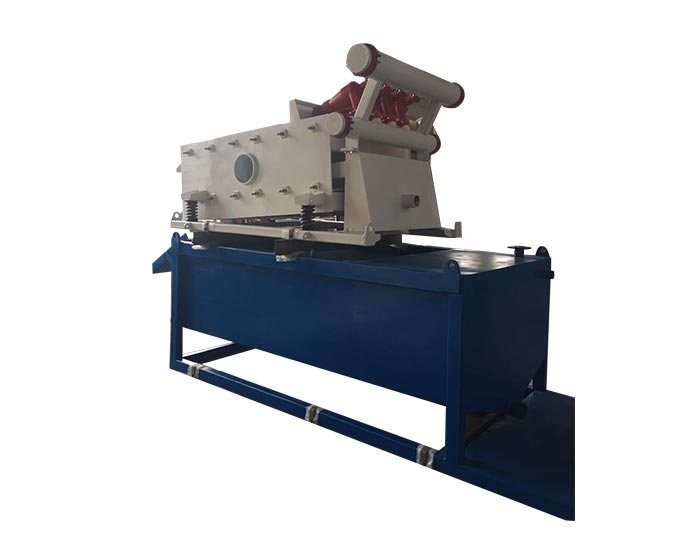
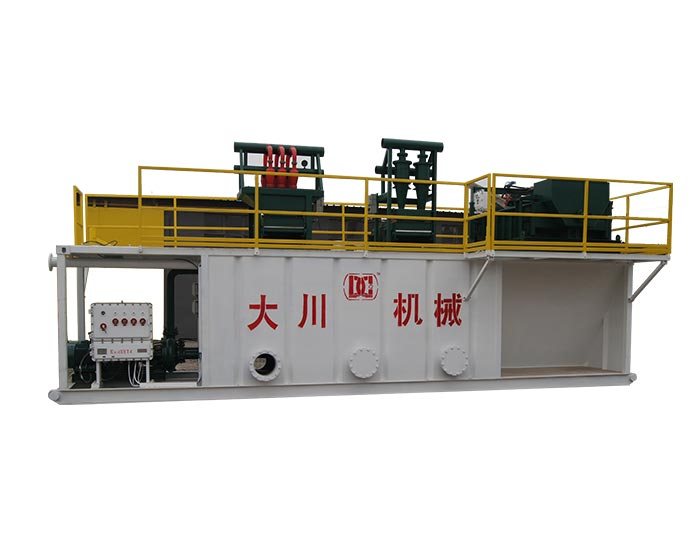
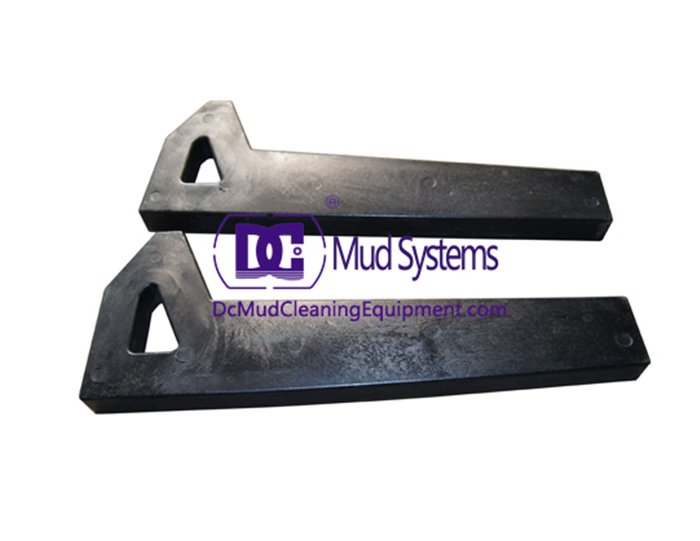
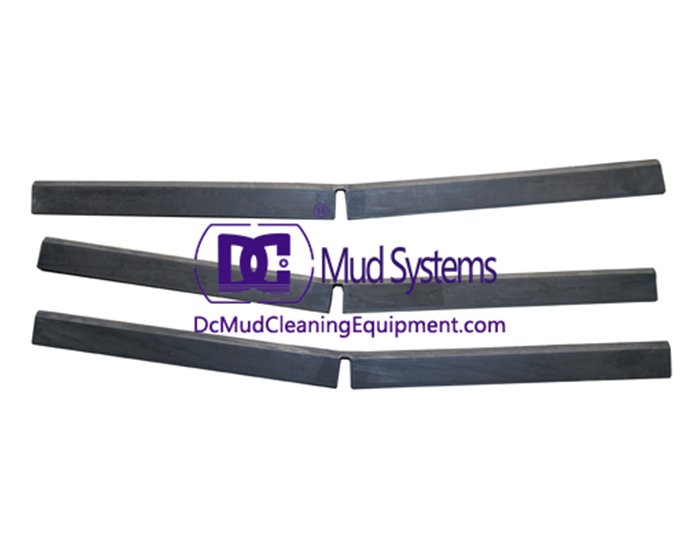
In the field, the efficiency of this restoration process depends heavily on the internal design of the mud vacuum unit. Leading engineers recognize that simply applying a vacuum is insufficient. The mud must be distributed in thin, turbulent films to maximize the surface area exposed to the low-pressure environment. Most high-tier units utilize a series of internal leaf plates or centrifugal spray mechanisms.
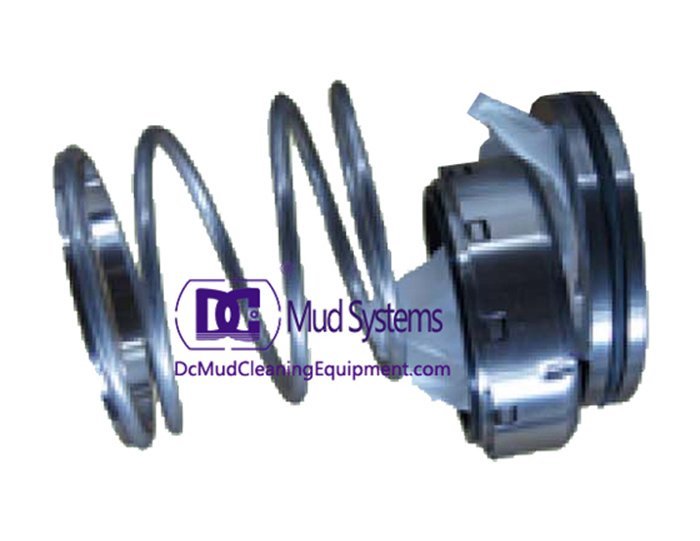
When the gas-cut mud enters the mud vacuum unit, it is flung against these internal structures. This mechanical agitation, combined with the vacuum, shatters the surface tension of the fluid. The gas is then extracted by a vacuum pump—often protected by a high-quality mechanical seal—while the "clean" or "restored" mud is discharged back into the active mud tanks. This continuous cycle ensures that the density of the fluid remains within the strict parameters required by the drilling program, preventing the "fluffing" of mud that often precedes a kick.
Why Degasser Vacuum Performance Dictates Drilling Safety
The precision of the degasser vacuum level is a critical variable that many operators overlook. If the vacuum is too weak, the small, micro-bubbles (which are often the most dangerous in deep-well scenarios) remain trapped. Conversely, an improperly calibrated system can lead to excessive evaporation of the liquid phase of the mud. Achieving the "sweet spot" in degasser vacuum performance requires a deep understanding of the specific gravity of the mud and the type of gas being encountered, whether it be methane, carbon dioxide, or hydrogen sulfide.
By maintaining a consistent and powerful vacuum, the equipment ensures that the mud’s rheological properties—such as yield point and plastic viscosity—are not compromised by gas aeration. This restoration is vital because gas-cut mud is highly compressible. In deep-water drilling or high-pressure, high-temperature (HPHT) wells, compressibility is a liability that can lead to inaccurate pressure readings and compromised wellbore stability.
Navigating the Expertise of Vacuum Degasser Manufacturers
Choosing the right equipment provider is a strategic decision that impacts the long-term ROI of a drilling project. Global vacuum degasser manufacturers have transitioned from offering generic tanks to providing highly engineered, automated solutions. These manufacturers focus on the durability of the internal linings and the reliability of the vacuum pumps, knowing that downtime in the solids control circuit can cost thousands of dollars per hour.
When evaluating vacuum degasser manufacturers, it is essential to look beyond the exterior steel. The true value lies in the engineering of the internal baffles and the efficiency of the gas-water separator. A well-designed unit from a reputable manufacturer will offer a footprint that integrates seamlessly into existing solids control footprints while providing the high throughput necessary for fast-paced drilling schedules. The goal of these manufacturers is to provide a "set-and-forget" reliability that allows rig crews to focus on drilling rather than constant equipment maintenance.
Vacuum Degasse: Sustaining Fluid Integrity Through Continuous Degassing
The restoration of gas-cut mud is not a one-time event but a continuous necessity. As the drill bit penetrates different formations, the volume and type of gas influx can change without warning. A robust vacuum degasser provides the flexibility needed to handle these fluctuations. By acting as a constant "polisher" for the drilling fluid, the system ensures that the mud reaching the suction tank is always at its optimal weight.
In conclusion, the role of the vacuum degasser in gas-cut mud restoration is multifaceted. It is a mechanical solution to a physical problem, a safety barrier against well-control incidents, and a cost-saving tool that preserves the life of downstream mud pumps and expensive drilling additives. For any international trade partner or drilling contractor, investing in high-performance degassing technology is an investment in the stability and success of the entire drilling operation. As we look toward the future of the industry in 2026 and beyond, the integration of smarter, more efficient degassing units will continue to be the hallmark of a world-class drilling rig.

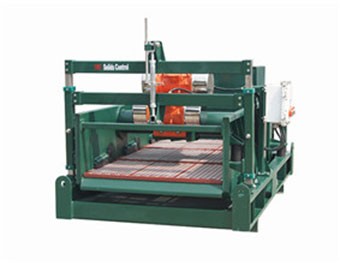 Linear Motion Shale Shaker In Drilling Rig
 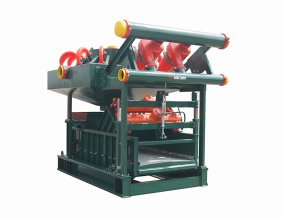 Oilfield Mud Cleaner
 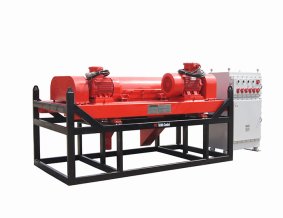 Drilling Fluid Decanter Centrifuge
 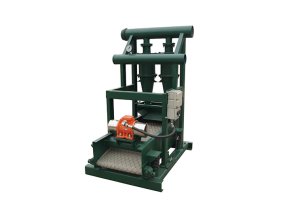 Drilling Mud Desander
 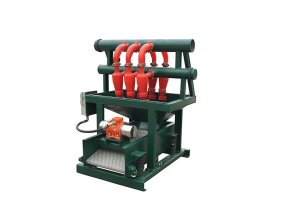 Hydrocyclone Desilter
 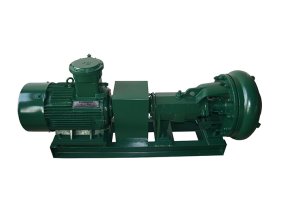 Centrifugal Pump/Centrifugal Mud Pump
 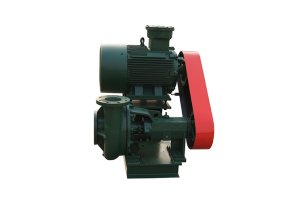 Shear Pump
 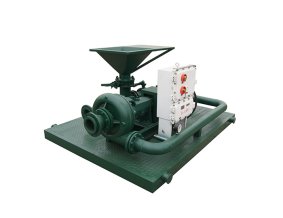 Jet Mud Mixer
 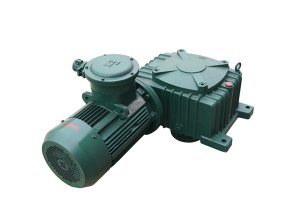 Horizontal Mud Agitator
 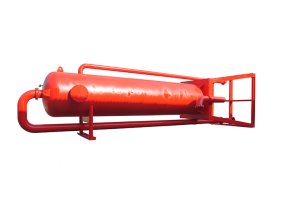 Constant Pressure Drilling Fluid Mud Gas Separator
 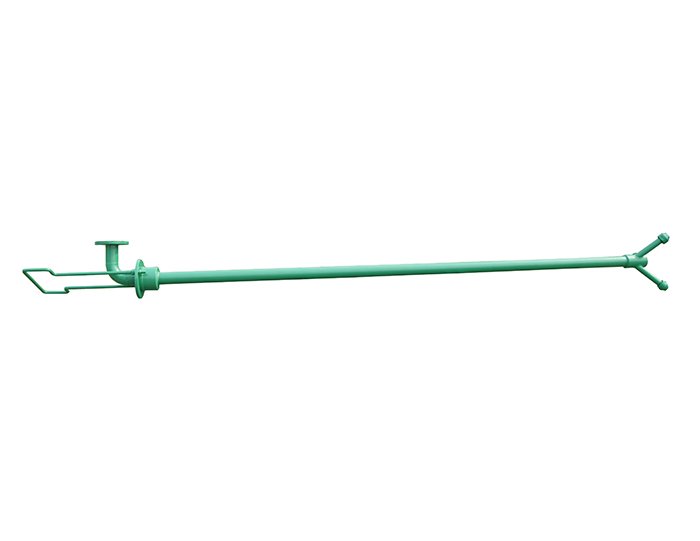 Mud Gun
  Mud Tank
 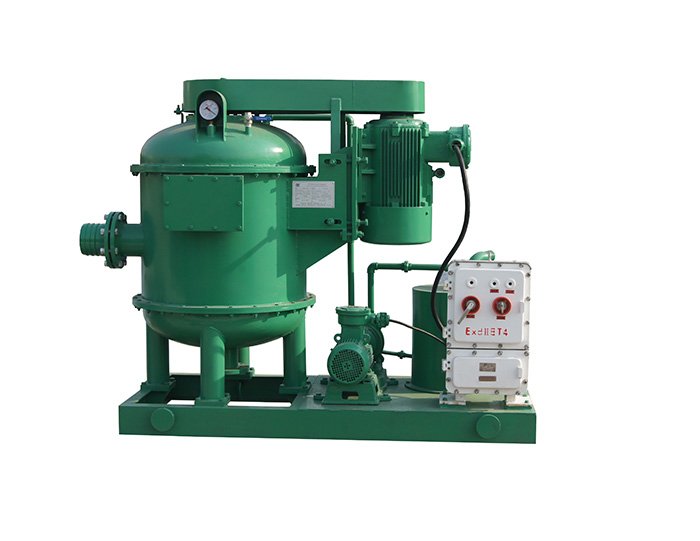 Solids Control System Vacuum Degasser
 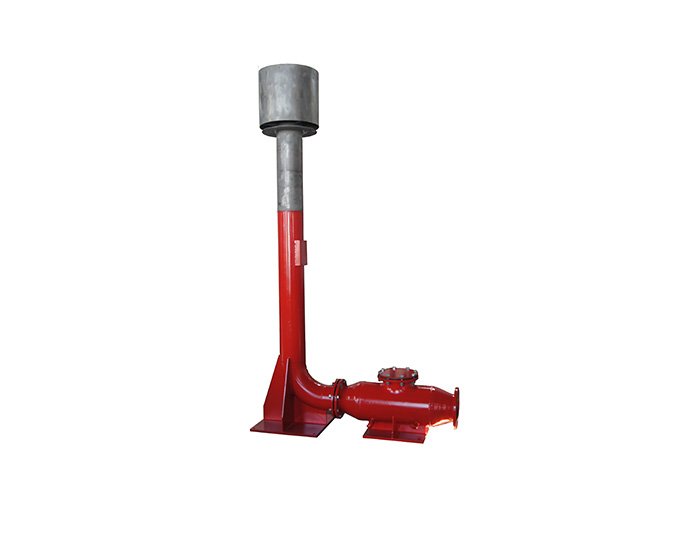 Flare Ignition Device
 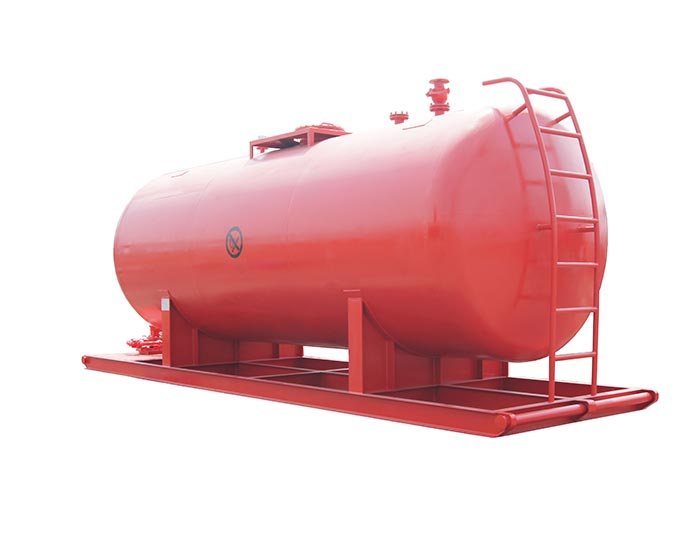 Diesel Tank
 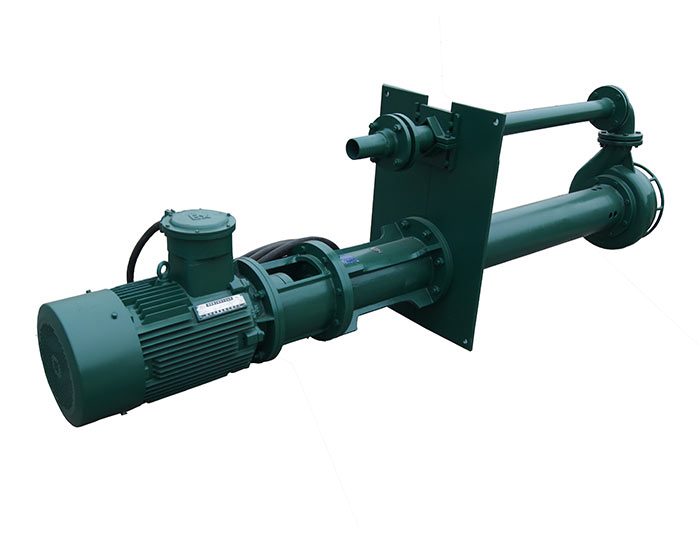 Submersible Slurry Pump