The efficiency of a primary solids control circuit is often limited by a physical paradox: the need for high-volume throughput versus the requirement for fine-particle separation. In traditional single-deck configurations, operators are frequently forced to choose between a coarse screen that handles high flow rates and a fine screen that provides superior mud quality but risks fluid overflow. To resolve this conflict, the industry has turned toward the double deck shale shaker. This innovation represents a leap forward in shale shaker design, allowing for simultaneous multi-stage filtration within a single footprint. By utilizing two independent layers of screening surfaces, this technology ensures that the drilling fluid is "pre-screened" before reaching the final filtration stage, dramatically extending the life of the screens and the purity of the mud.
The Architectural Breakthrough of the Double Deck Shale Shaker
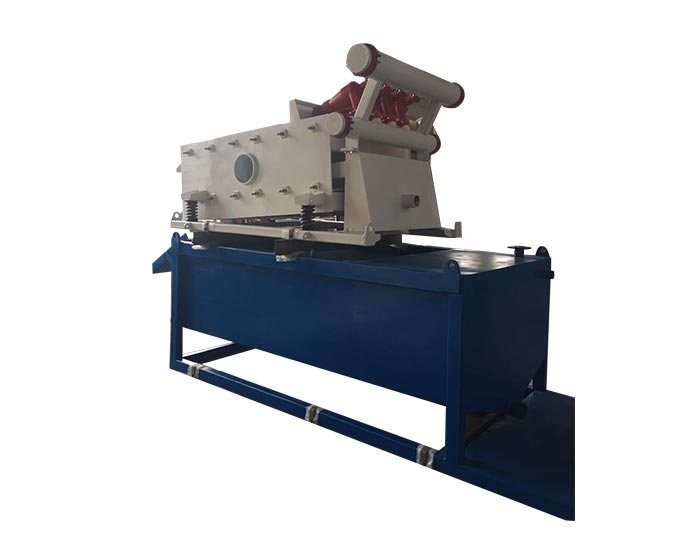
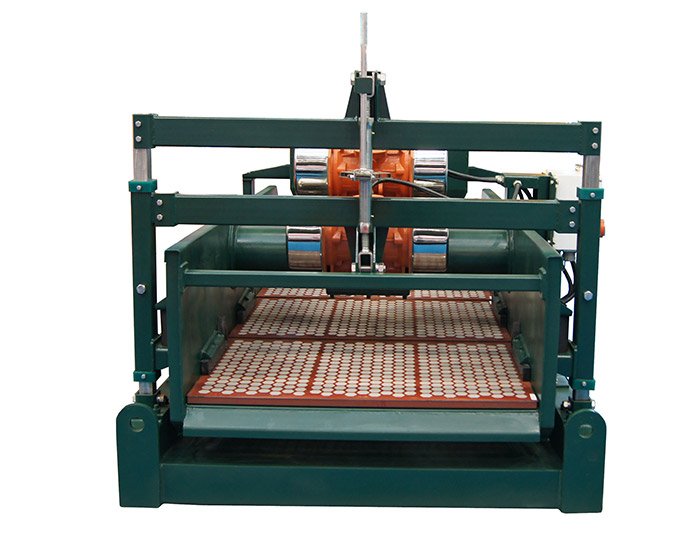
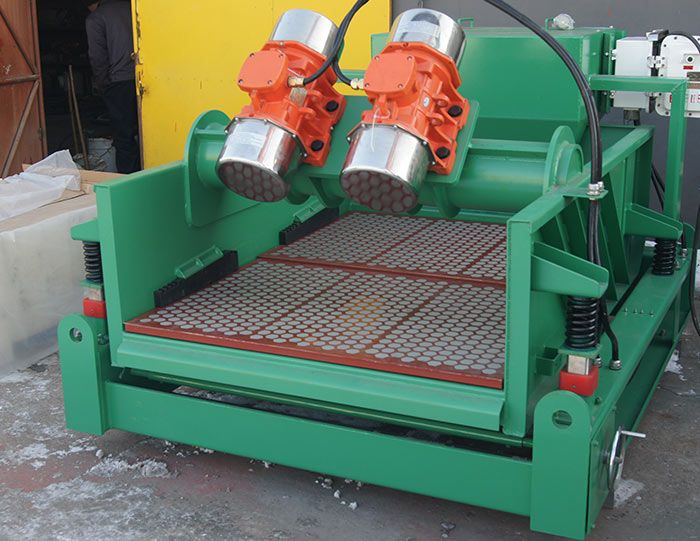
The core philosophy behind the double deck shale shaker is the distribution of solids across two distinct vertical levels. Unlike a standard unit, the double-deck design features a top "scalping" deck and a bottom "fine" deck. When the mud returns from the wellbore, it first encounters the upper screen. This layer is typically fitted with a coarser mesh designed to remove the bulk of large cuttings and heavy debris. Because the top deck handles the heaviest load, it prevents the finer bottom screens from being overwhelmed or damaged by large, abrasive rocks.
This dual-layer approach is a masterpiece of modern shale shaker design. By separating the "scalping" and "polishing" functions into two stages, the machine achieves a level of separation efficiency that a single-deck unit cannot replicate. The fluid that reaches the bottom deck is already partially cleaned, allowing the finer mesh to work on the ultra-fine particles without the risk of "blinding" or surface pooling. For any shale shaker supplier, offering a double-deck solution is the key to satisfying clients who operate in high-volume, fast-drilling environments where mud integrity is paramount.
Material Integrity: The Role of Drilling Fluid Shale Shaker Material
The performance of a multi-stage filtration system is only as good as the materials that house it. Because a double deck shale shaker carries a heavier load and operates under complex vibrational harmonics, the drilling fluid shale shaker material must be of the highest grade. Most premium units are constructed from high-strength carbon steel or specialized stainless alloys that have been treated to resist the corrosive effects of salt-based or oil-based muds.
The durability of the drilling fluid shale shaker material is particularly important for the basket and the tensioning rails. Since the vibration must be transmitted evenly to both the upper and lower decks, any structural weakness or "soft spot" in the metal would lead to uneven G-force distribution. This would result in poor separation on one deck and premature screen failure on the other. Leading manufacturers utilize heat-treatment processes to relieve internal stresses in the steel after welding, ensuring that the shaker can withstand years of continuous, high-intensity vibration without cracking.
Optimization Through Advanced Screen Shale Shaker Technology
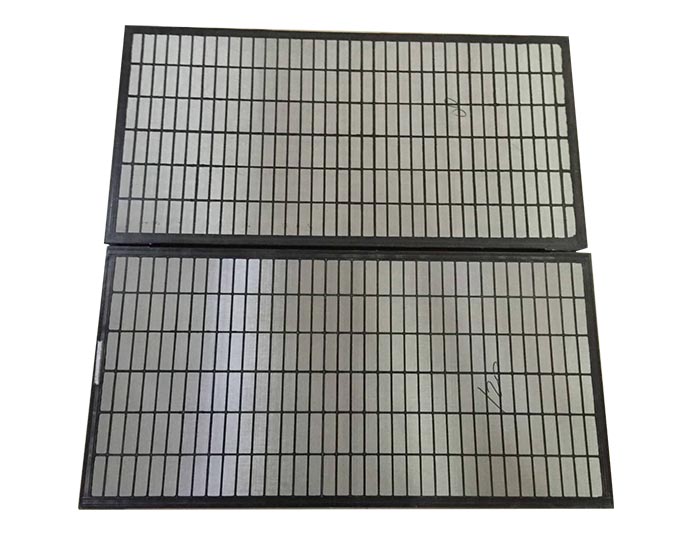
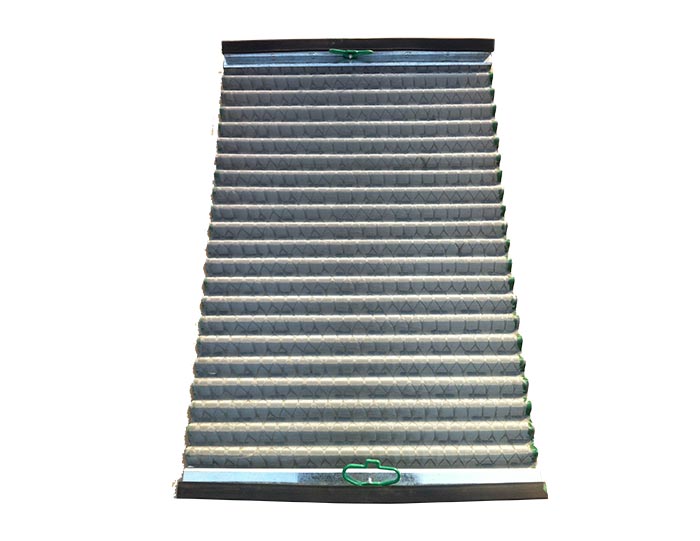
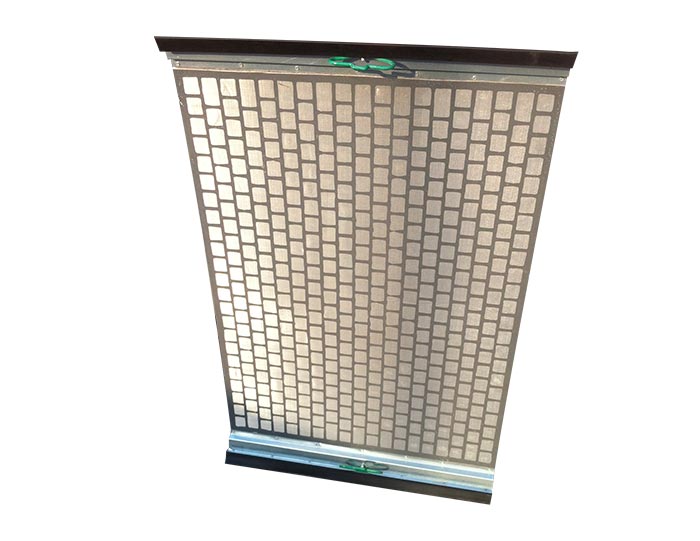
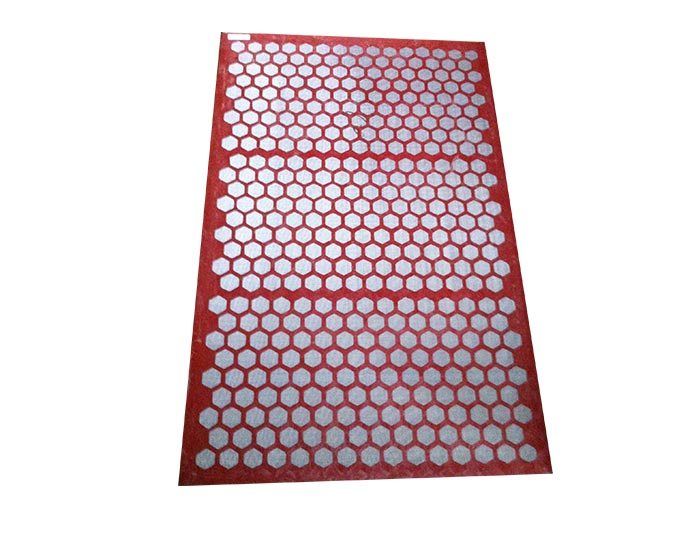
The true "engine" of the filtration process is the screen shale shaker surface. In a double-deck configuration, the synergy between the two screen layers is what dictates the system's ROI. The top deck acts as a protective shield, while the bottom deck acts as the precision filter. To maximize this synergy, modern shale shaker products now feature "composite" screen frames that are lighter and more rigid than traditional metal frames.
These innovations in screen shale shaker technology allow for higher G-force transmission to the mud, which is essential for "dewatering" the cuttings. Furthermore, the use of pyramid or corrugated screen shapes on the bottom deck increases the effective surface area by up to 40% without increasing the machine's physical footprint. This allows the double deck shale shaker to process much higher flow rates of high-viscosity mud, making it an indispensable tool for deep-well drilling and offshore projects where equipment space and fluid costs are critical variables.
Strategic Sourcing and the Role of a Global Shale Shaker Supplier
For B2B procurement managers, selecting a double deck shale shaker involves evaluating the supplier’s ability to provide long-term technical support and specialized parts. A reputable shale shaker supplier understands that a double-deck unit is a precision instrument. It requires a more nuanced approach to motor synchronization and deck angle adjustment than a standard shaker.
When sourcing shale shaker products, buyers should look for suppliers who offer modular designs. This allows the rig crew to easily switch between "series" and "parallel" flow configurations. In series mode, the mud goes from top to bottom for maximum filtration; in parallel mode, both decks can sometimes be used to handle massive volumes of top-hole mud. This versatility is a major selling point for international contractors who move their rigs between different geological regions. A supplier that can provide this level of engineering flexibility becomes a strategic partner in the operator’s success.
Shale Shaker: Why Multi-Stage Filtration is the Future
As the drilling industry moves toward more environmentally sensitive and technologically demanding projects in 2026, the reliance on advanced shale shaker products will only grow. The double deck shale shaker is a testament to how industrial design can evolve to meet these challenges. By combining robust drilling fluid shale shaker material with innovative multi-stage filtration logic, these machines provide a level of mud clarity that protects the entire drilling infrastructure.
From the initial "scalping" on the top deck to the high-precision separation on the bottom, the double-deck system represents the pinnacle of primary solids control. It reduces the load on downstream centrifuges, lowers the cost of chemical additives, and ensures that the discharge from the rig site is as clean and dry as possible. For any rig looking to optimize its fluid economy, the transition to a high-performance double-deck system is not just an upgrade—it is a strategic necessity for the modern age of exploration.

 Linear Motion Shale Shaker In Drilling Rig
 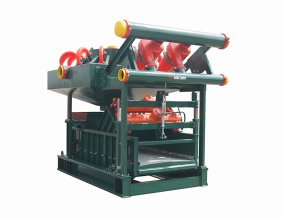 Oilfield Mud Cleaner
 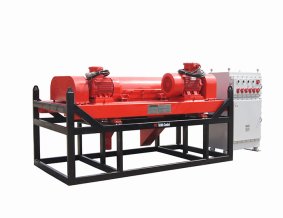 Drilling Fluid Decanter Centrifuge
 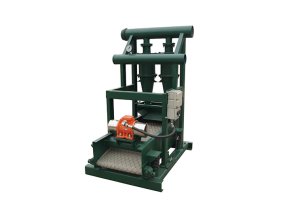 Drilling Mud Desander
 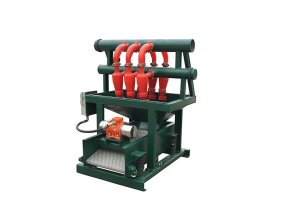 Hydrocyclone Desilter
 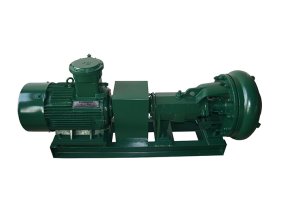 Centrifugal Pump/Centrifugal Mud Pump
 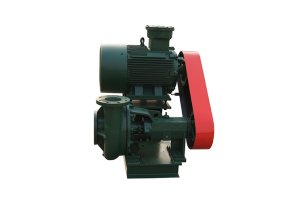 Shear Pump
 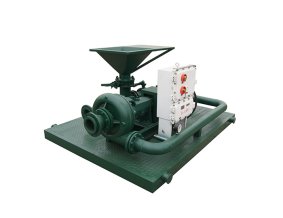 Jet Mud Mixer
 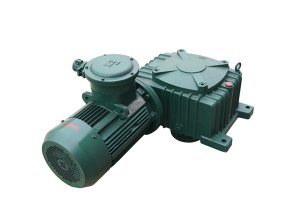 Horizontal Mud Agitator
 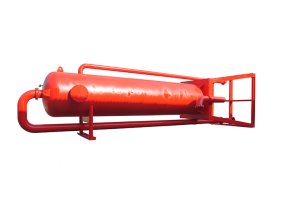 Constant Pressure Drilling Fluid Mud Gas Separator
 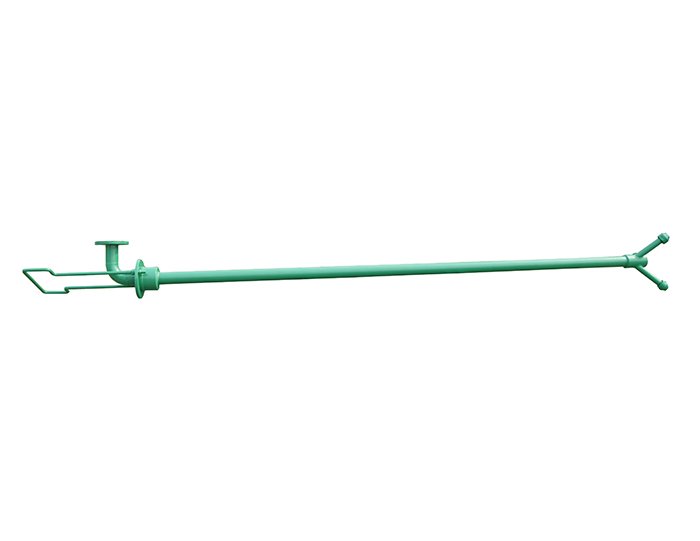 Mud Gun
  Mud Tank
 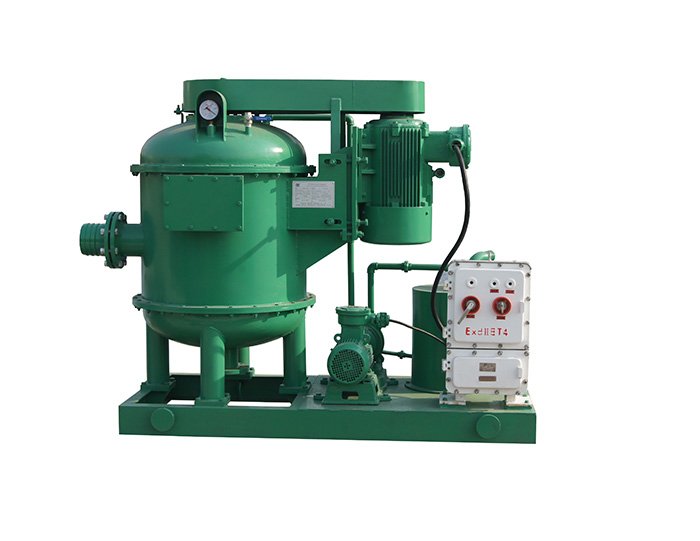 Solids Control System Vacuum Degasser
  Flare Ignition Device
  Diesel Tank
  Submersible Slurry Pump