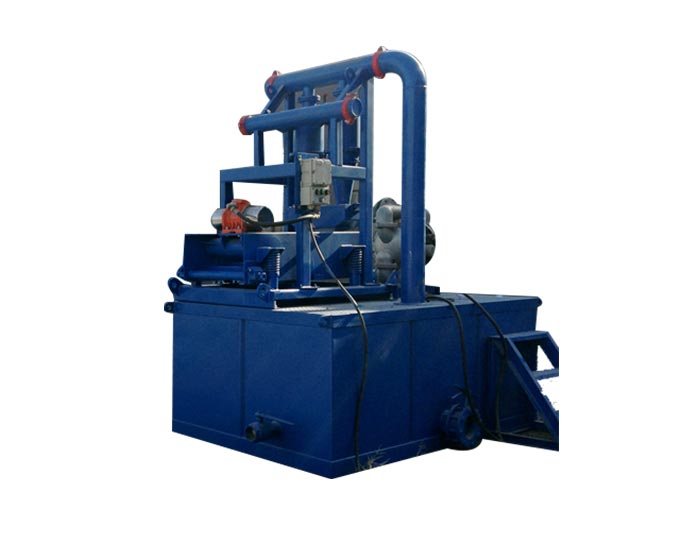
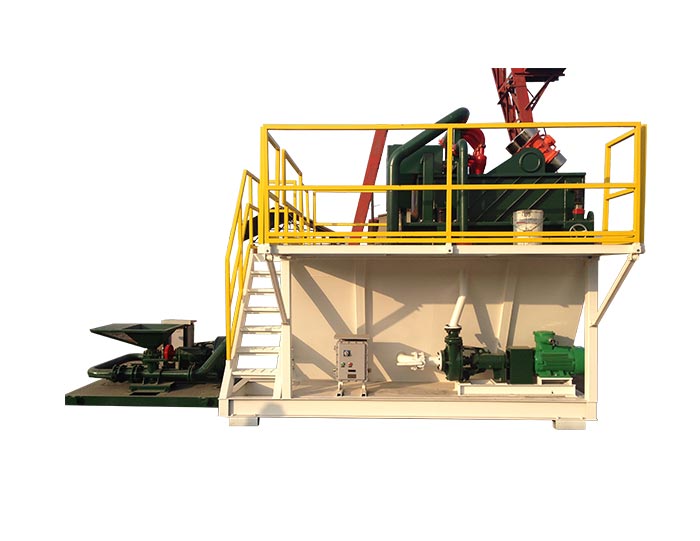
In the relentless environment of a modern drilling operation, the lifespan of surface equipment is dictated by a rigorous philosophy of preventative maintenance. While the heavy-duty chassis of a mud cleaner machine is built to withstand years of structural stress, the internal components that facilitate the actual separation of solids are subjected to extreme hydraulic abrasion and chemical attack. For rig managers and procurement officers, the challenge of long-term maintenance is not just about keeping the machine running, but about ensuring that the "cut-point" of the separation remains as sharp as the day the equipment left the mud cleaner factory.
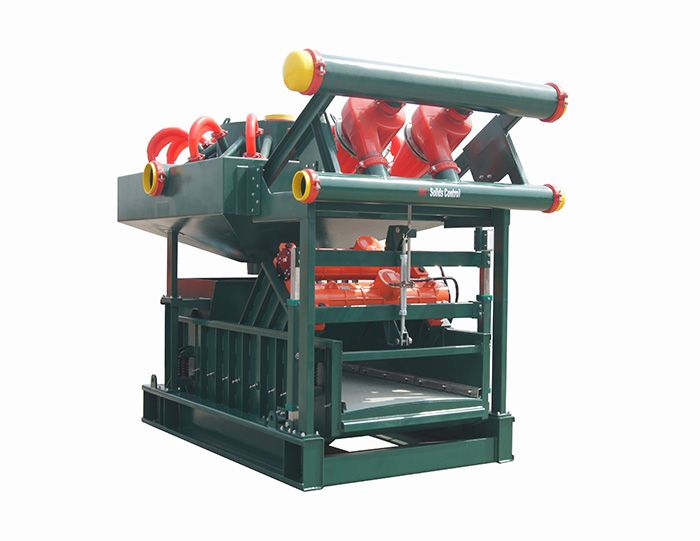
The Hydraulic Heart: Maintaining High-Performance Mud Cleaner Cones
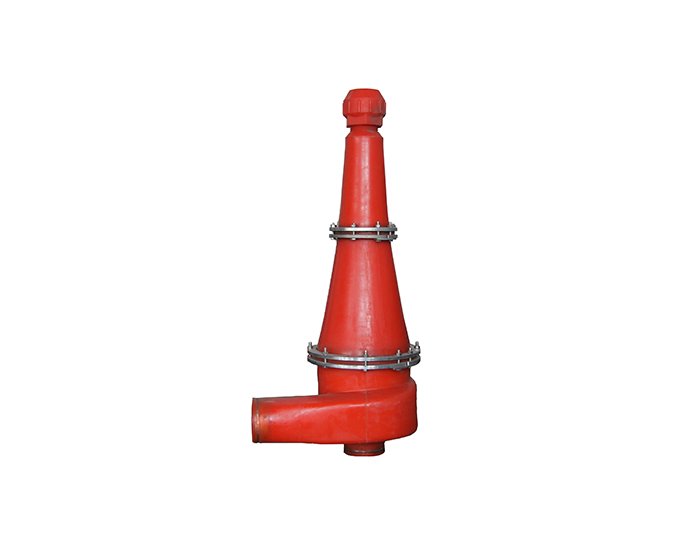
The most vital area of concern for any drilling mud cleaner is the manifold of hydrocyclone units. These mud cleaner cones, typically constructed from high-grade polyurethane or specialized ceramics, are the primary sites where centrifugal force strips fine silts from the mud. Because the fluid enters these cones at high velocity, the internal walls are constantly "scrubbed" by abrasive sand particles. Over months of continuous operation, this friction can erode the smooth internal geometry of the cone, leading to turbulence that disrupts the vortex.
To maintain a bulk mud cleaner at peak efficiency, the operator must regularly inspect the "apex" or the bottom discharge nozzle of these cones. The apex is the most frequently replaced of all mud cleaner parts because it bears the brunt of the solids discharge. If the apex becomes enlarged or "egged out," the cone will lose its ability to create a proper vacuum, leading to "roping"—a state where the machine discharges massive amounts of expensive drilling fluid along with the waste. A proactive maintenance schedule involves having a variety of apex sizes on hand to adjust to different mud weights and solids concentrations, ensuring that the mud cleaner machine always achieves maximum fluid recovery.
Structural Integrity: The Role of Shaker Basket Components
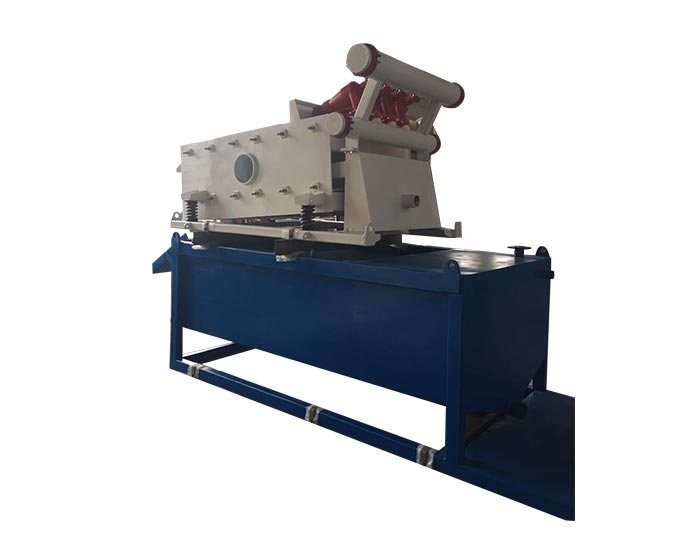
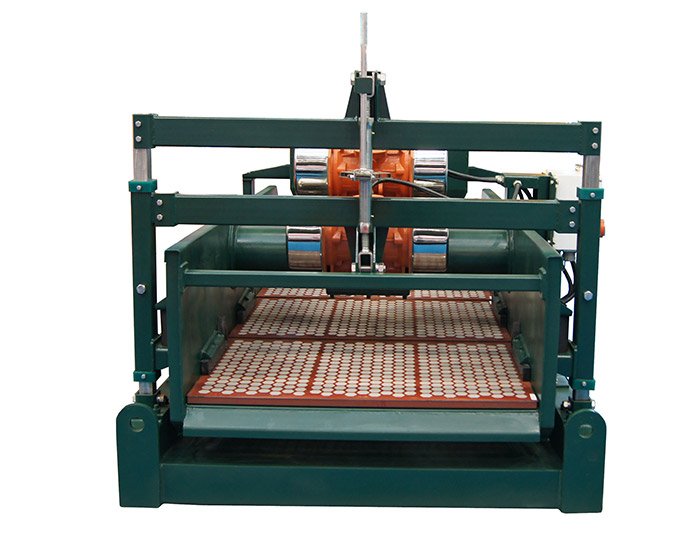
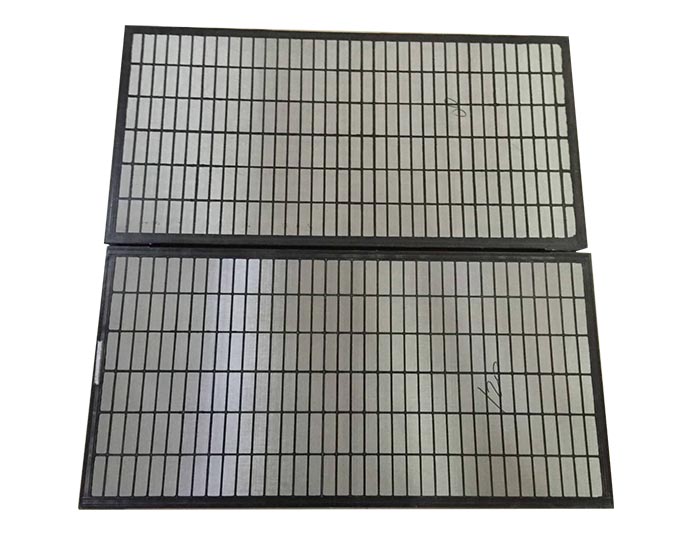
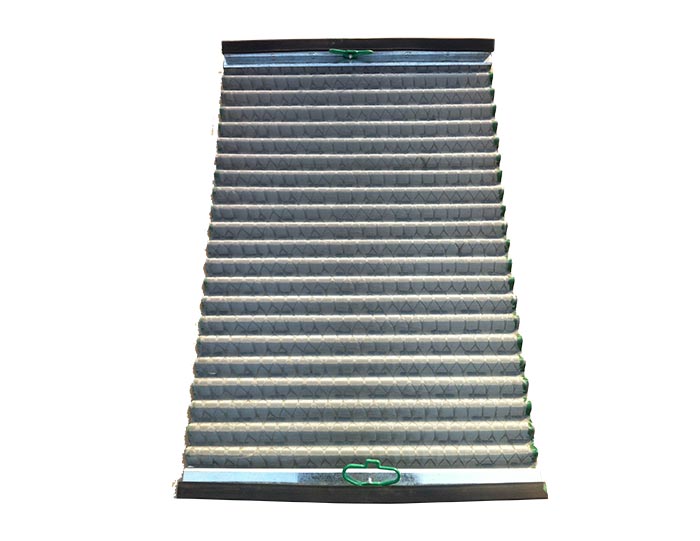
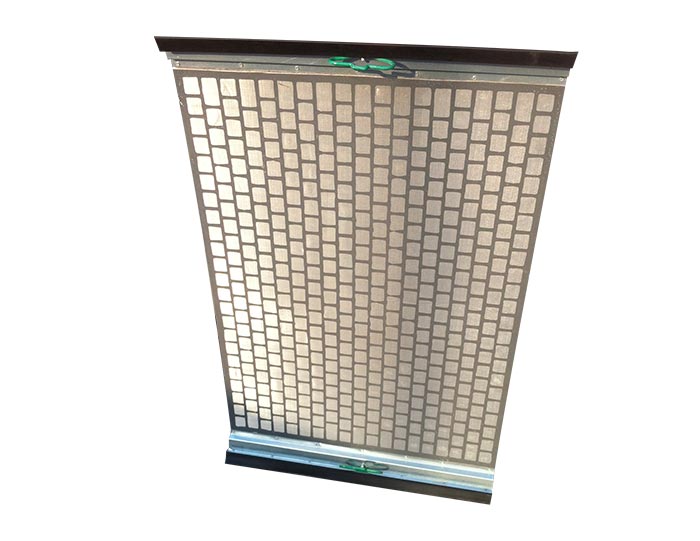
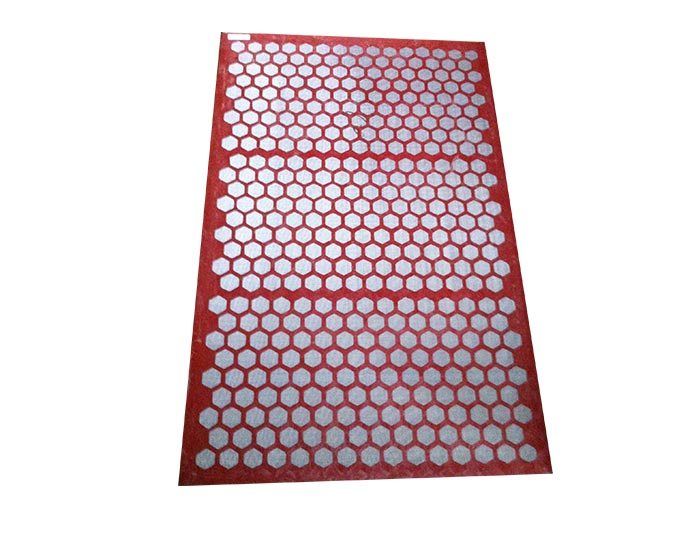
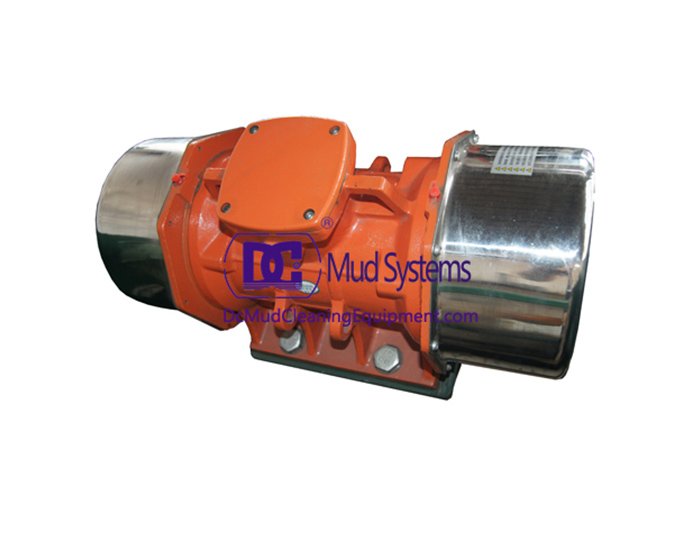
While the cones handle the centrifugal separation, the vibrating shaker deck beneath them performs the essential task of "dewatering" the discharge. This section of the drilling mud cleaner is subjected to constant G-forces, often exceeding 7.0G of acceleration. The most critical mud cleaner parts in this assembly are the tensioning bolts, the rubber channel protectors, and the vibration isolation springs. If these components are neglected, the vibrational energy is no longer directed solely into the mud; instead, it begins to dissipate into the frame of the mud cleaner machine, causing metal fatigue and eventual cracking.
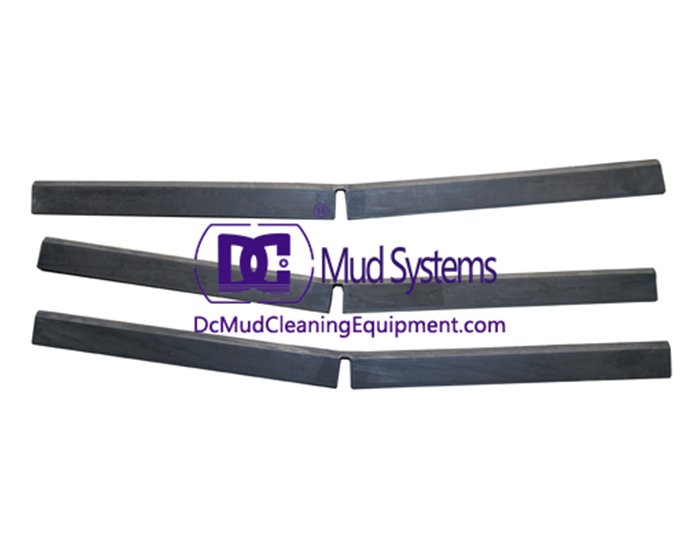
The rubber "channel rubbers" or "bed protectors" are often overlooked but are essential for preventing metal-to-metal contact between the screen and the basket. If these protectors wear thin, the screen will "whip" against the steel frame, leading to premature screen failure and a significant drop in separation efficiency. A reputable mud cleaner factory will always recommend replacing these rubbers every time a major screen change occurs. By maintaining the "soft" components of the shaker basket, the operator protects the "hard" structural assets of the rig, ensuring that the bulk mud cleaner remains a stable and quiet component of the mud pits.
Sealing and Manifold Integrity in a Bulk Mud Cleaner
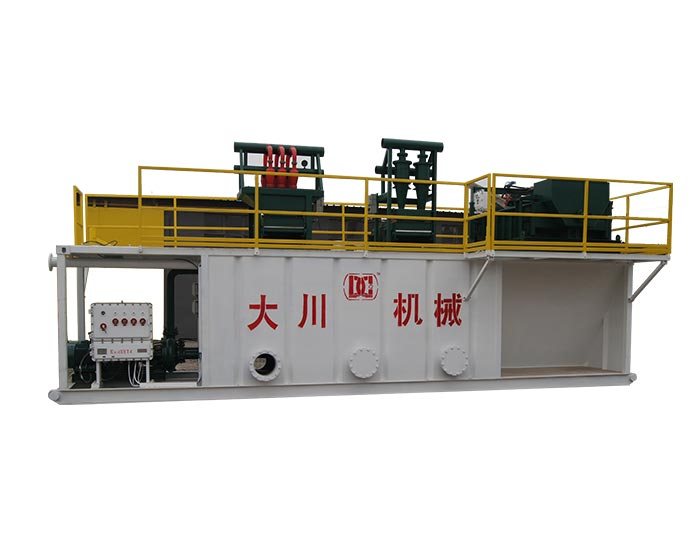
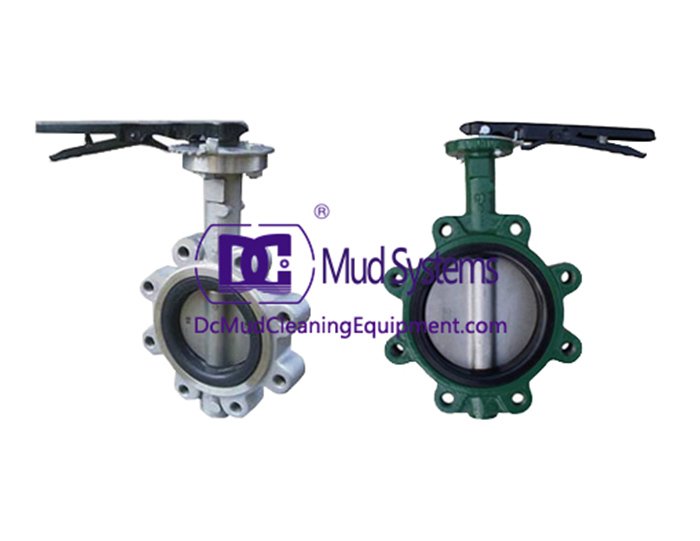
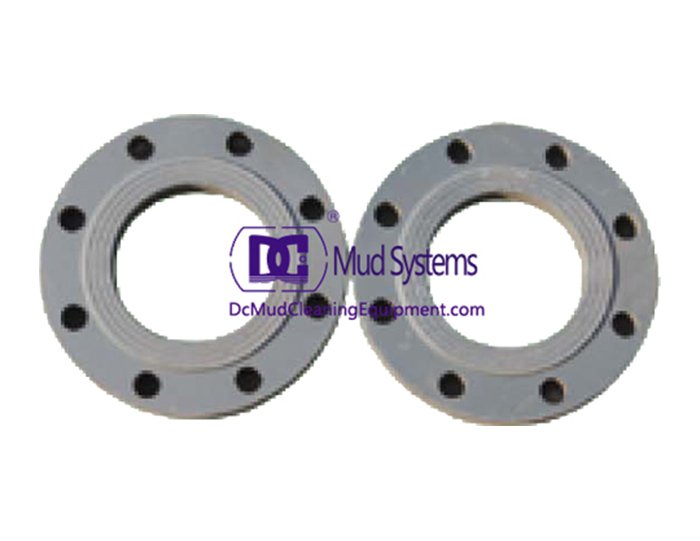
A bulk mud cleaner is a complex network of high-pressure piping and distribution manifolds. The integrity of the seals and gaskets within this manifold is what prevents hazardous leaks and ensures that the pressure remains consistent across all mud cleaner cones. In a multi-cone system, even a small leak in a victaulic coupling or a flange gasket can lead to a pressure drop that compromises the separation efficiency of the entire unit.
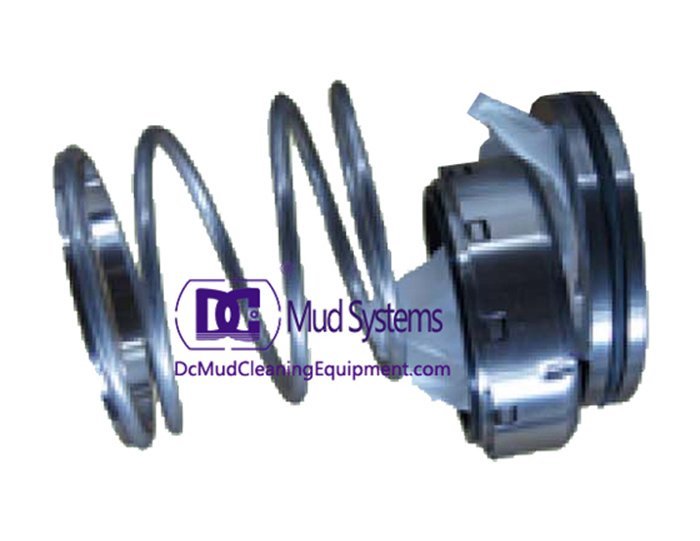
Because drilling fluids often contain corrosive salts or oil-based additives, the "O-rings" and gaskets within the mud cleaner machine must be made from compatible elastomers like Viton or Nitrile. During long-term rig maintenance, these seals should be replaced at regular intervals, regardless of whether a leak is visible. For a drilling mud cleaner operating in high-temperature environments, the degradation of these seals is accelerated. Keeping a comprehensive kit of authentic mud cleaner parts—specifically tailored to the chemical profile of the mud being used—is a hallmark of a professional drilling contractor who prioritizes uptime and environmental safety.
Why Sourcing from an Authentic Mud Cleaner Factory Matters
In the global B2B market, there is often a temptation to purchase "generic" replacement mud cleaner parts to save on immediate costs. However, for a high-precision mud cleaner machine, these savings are often illusory. Generic mud cleaner cones, for example, may not have the exact internal taper required to match the manifold’s flow characteristics, leading to an unbalanced system.
An authentic mud cleaner factory uses precision molds and CNC machining to ensure that every part is a perfect "mirror" of the original design. This compatibility is vital for the "harmonic balance" of the machine. When the parts are perfectly matched, the drilling mud cleaner operates with less noise, less heat, and significantly higher separation efficiency. For long-term rig maintenance, the goal is to reduce "non-productive time" (NPT), and nothing causes more NPT than a replacement part that doesn't fit or fails prematurely. By choosing to invest in original components, rig owners are essentially buying a guarantee of performance and safety for their multi-million dollar drilling projects.

 Linear Motion Shale Shaker In Drilling Rig
  Oilfield Mud Cleaner
 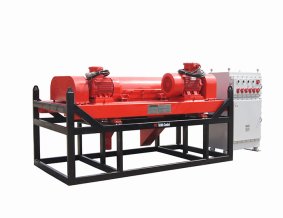 Drilling Fluid Decanter Centrifuge
 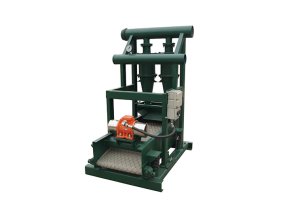 Drilling Mud Desander
 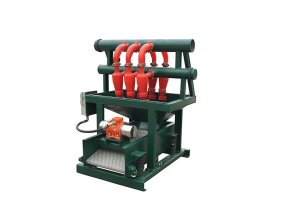 Hydrocyclone Desilter
 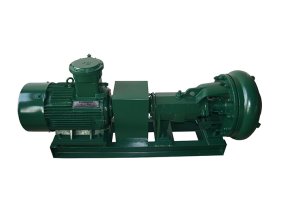 Centrifugal Pump/Centrifugal Mud Pump
 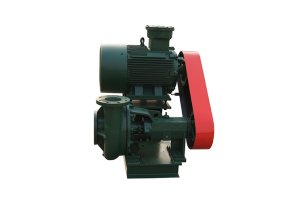 Shear Pump
 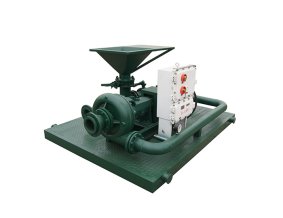 Jet Mud Mixer
 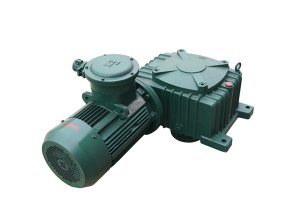 Horizontal Mud Agitator
 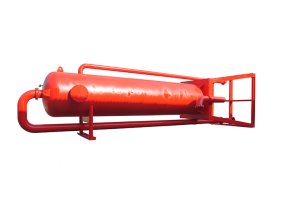 Constant Pressure Drilling Fluid Mud Gas Separator
 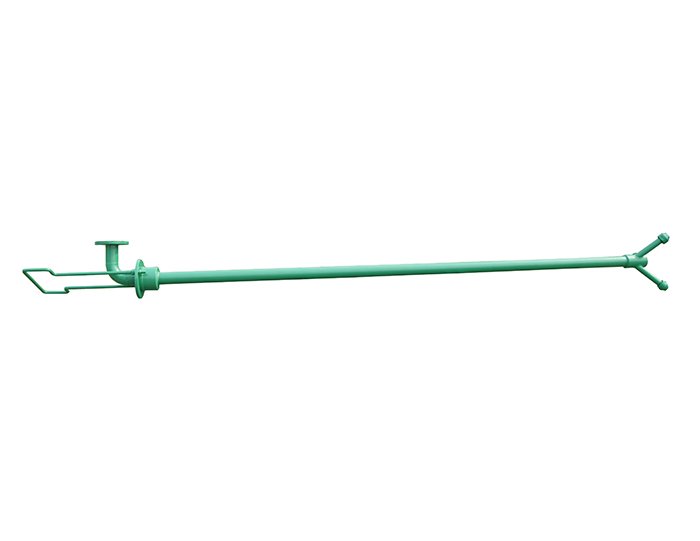 Mud Gun
  Mud Tank
 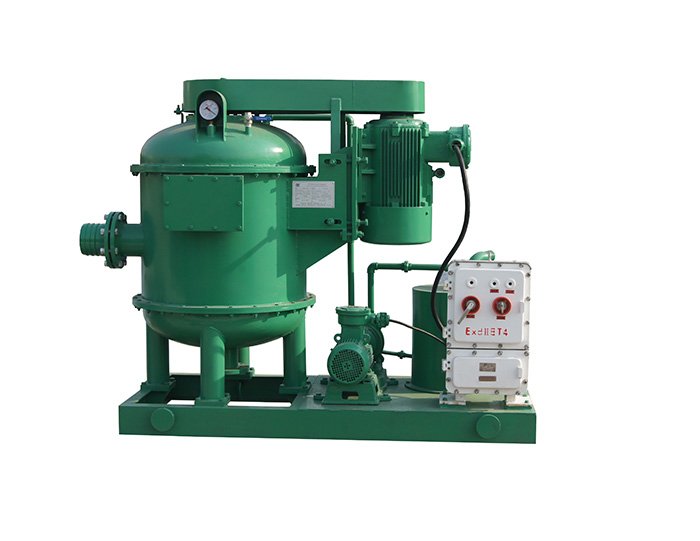 Solids Control System Vacuum Degasser
 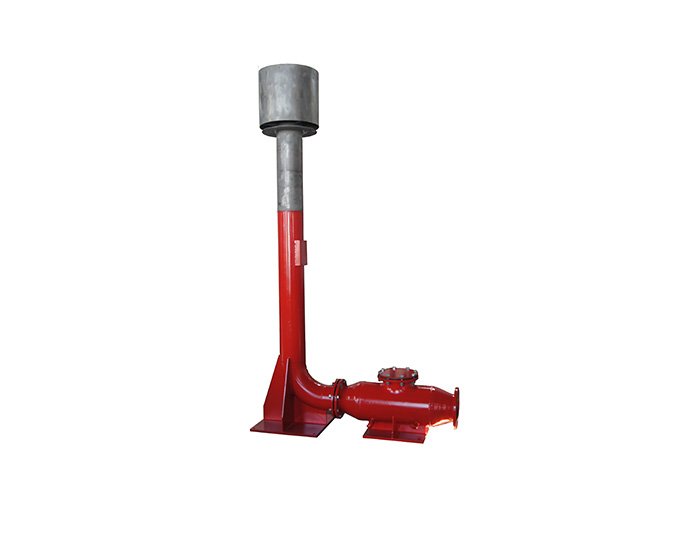 Flare Ignition Device
 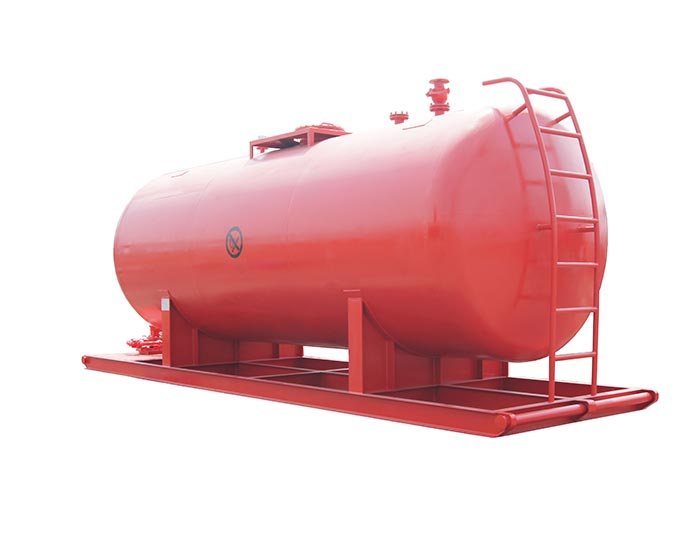 Diesel Tank
 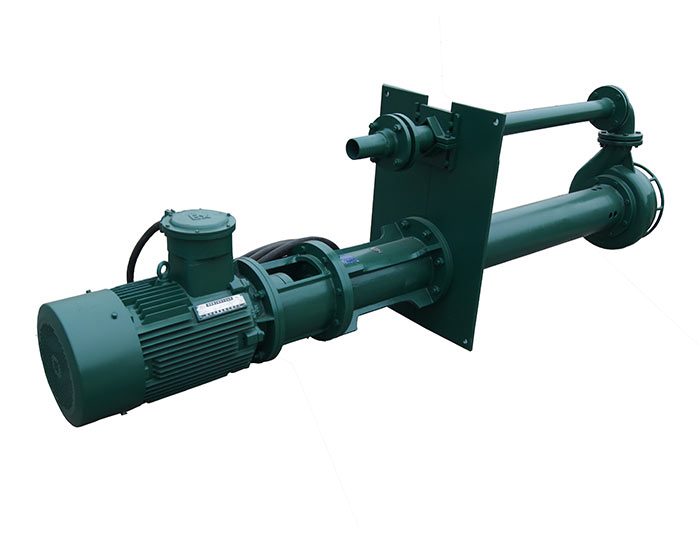 Submersible Slurry Pump