In the high-stakes environment of industrial drilling, the purity of the circulating fluid is the primary determinant of mechanical longevity and downhole safety. As wells reach deeper into the earth, the accumulation of fine silts and colloidal solids becomes a relentless challenge that primary shale shakers cannot fully address. This gap in the solids control circuit is filled by the mud cleaner machine, a sophisticated hybrid of centrifugal force and high-frequency vibration. To truly understand why global operators prioritize this equipment, one must look beyond the exterior steel frame and into the specialized design philosophy that allows a mud cleaner system to reclaim expensive fluids while discarding the microscopic contaminants that threaten the drilling program.
The Architectural Philosophy of the Mud Cleaner Machine
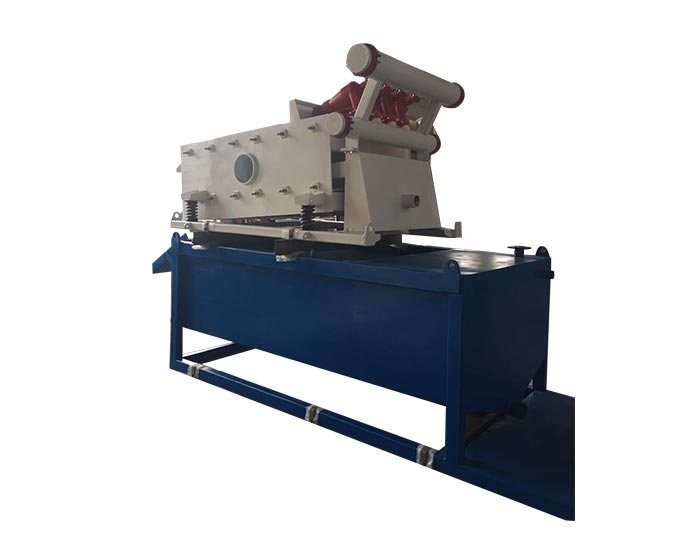
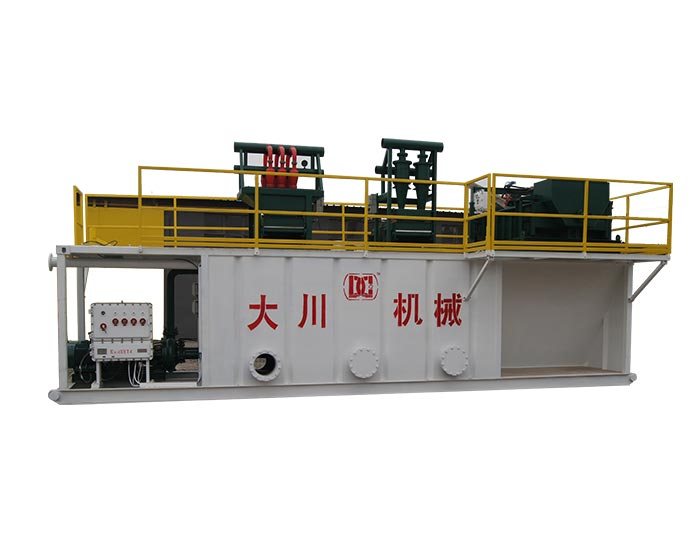
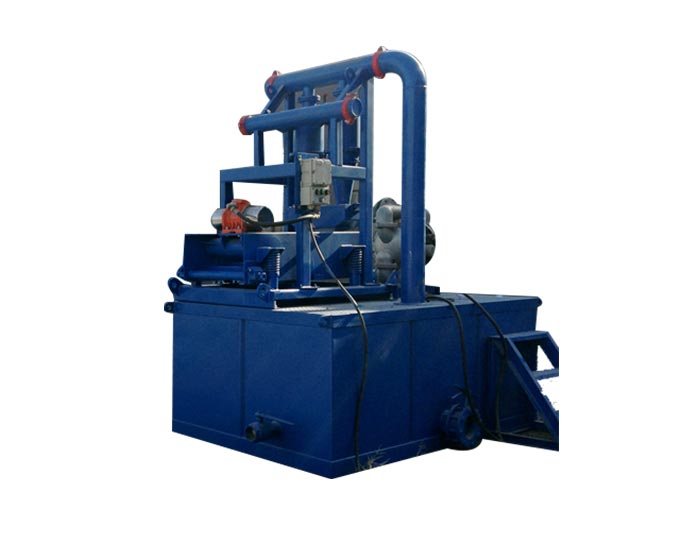
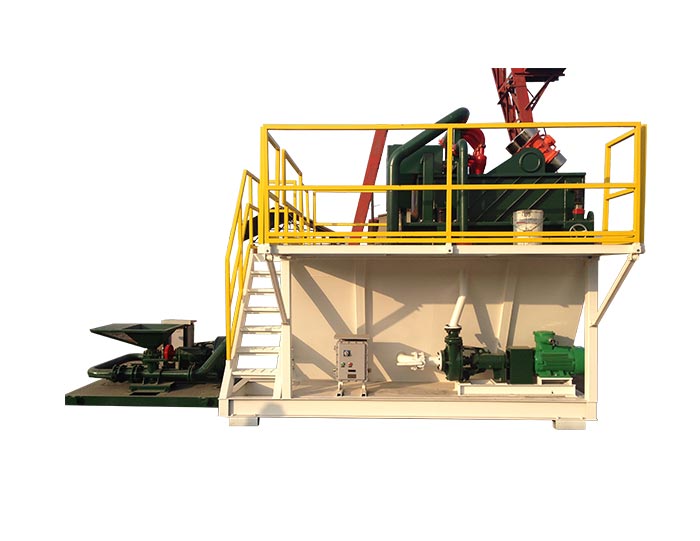
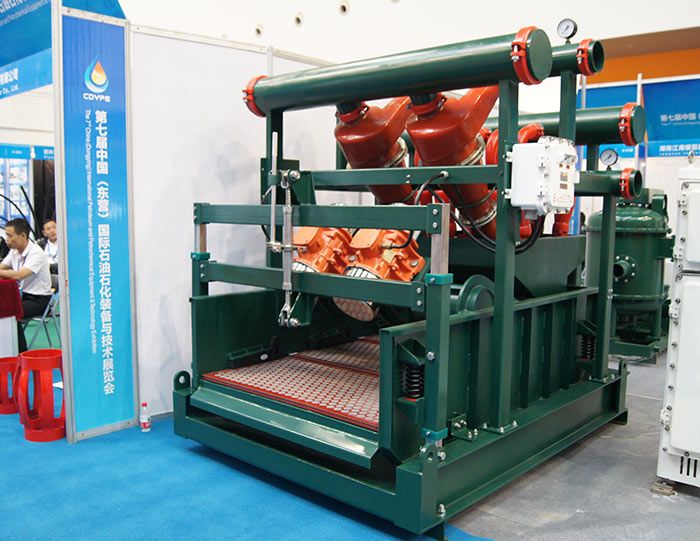
The engineering of a high-performance mud cleaner machine is a study in hydraulic efficiency. Unlike standalone hydrocyclones, which often discharge a significant amount of usable liquid along with the separated solids, the integrated cleaner design is built for maximum recovery. The machine consists of a manifold of desander and desilter cones mounted directly above a fine-mesh vibrating screen. This vertical integration is not merely a space-saving measure; it is a functional necessity for mud cleaner drilling operations where every liter of synthetic or oil-based mud represents a significant financial investment.
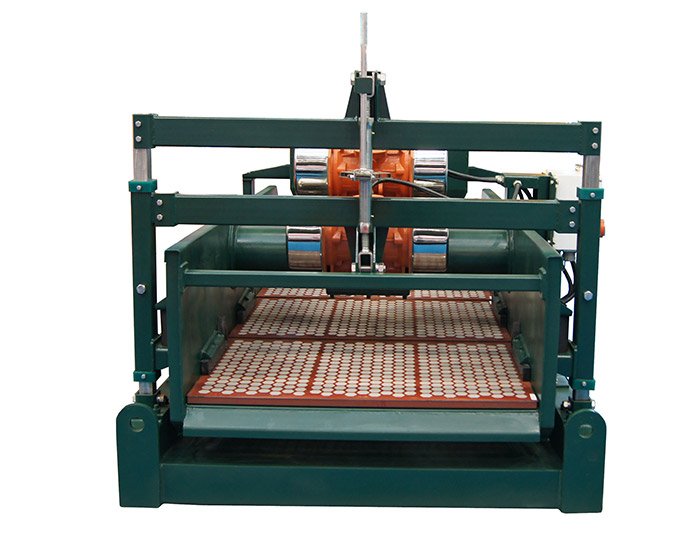
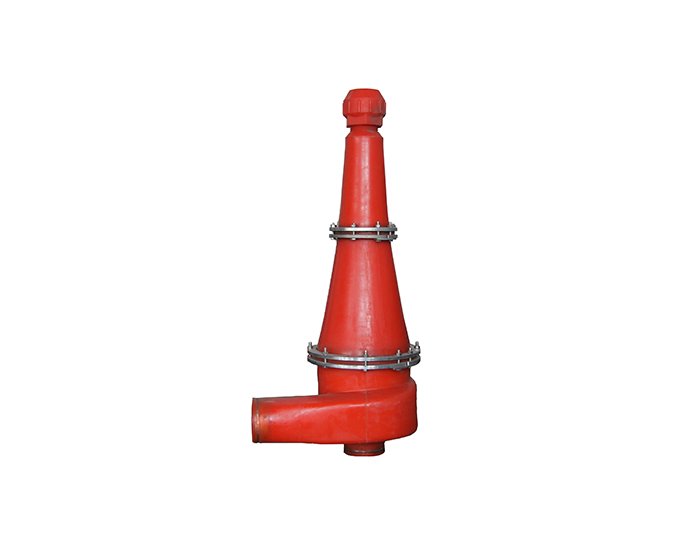
When the fluid is pumped into the manifold at high velocity, it creates a powerful vortex within the polyurethane cones. The centrifugal force generated within the cone is what drives the heavier solid particles toward the outer walls and downward through the apex. However, the true "magic" of the mud cleaner machine happens at the discharge point. Instead of being lost to the waste pit, this solids-heavy underflow drops onto the vibrating screen. The vibration "shakes" the liquid film loose from the sand and silt, allowing the clean, expensive chemicals to fall back into the active mud cleaner system while only the dry, concentrated solids are moved to the discharge end.
The Synergy of the Integrated Mud Cleaner System
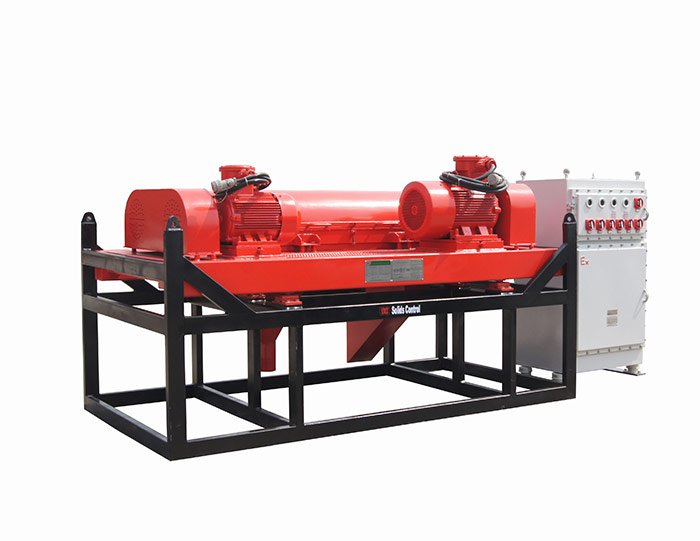
For the mud engineer, the mud cleaner system acts as the definitive "polishing" stage. It bridges the gap between the coarse separation of the shakers and the ultra-fine separation of the decanter centrifuge. A well-designed system ensures that the "cut-point"—the specific size of particles removed—is sharp and consistent. This consistency is achieved through the precise management of manifold pressure and flow distribution. Leading mud cleaner manufacturers design their manifolds to ensure that every individual cone receives the same volume and pressure of mud.
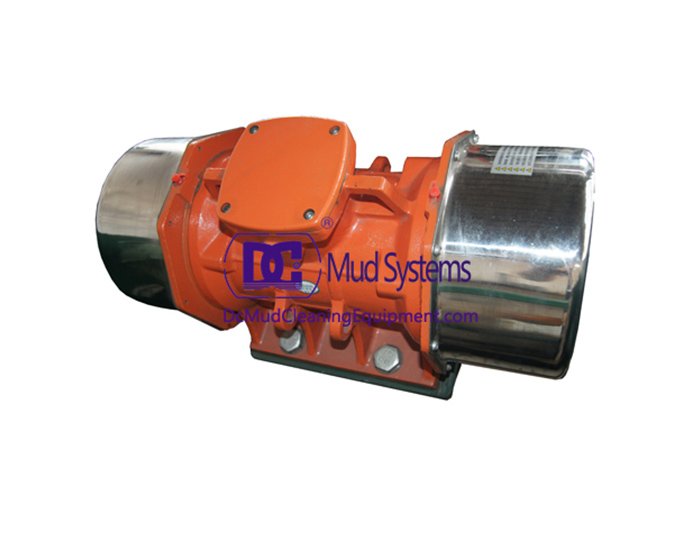
Without this internal balance, the mud cleaner system would suffer from uneven wear and poor separation. If one cone is overloaded, it will "rope," losing massive amounts of fluid; if another is under-pressured, it will fail to remove any solids at all. This is why B2B buyers who choose to buy mud cleaner hardware must focus on the quality of the manifold piping and the synchronization of the vibration motors. A synchronized system ensures that the G-force is distributed evenly across the screen surface, preventing "dead zones" where mud could pool and lead to screen blinding.
Innovations in Mud Cleaner Products for Global Drilling
As we move into 2026, the market for mud cleaner products has evolved to meet stricter environmental regulations and the rise of "Zero Discharge" rig requirements. Modern products now feature high-grade polyurethane cones that are not only more resistant to abrasion but also feature "quick-change" apex inserts. This allows the rig crew to adjust the orifice size in minutes, tailoring the separation to the specific solids content of the formation currently being drilled.
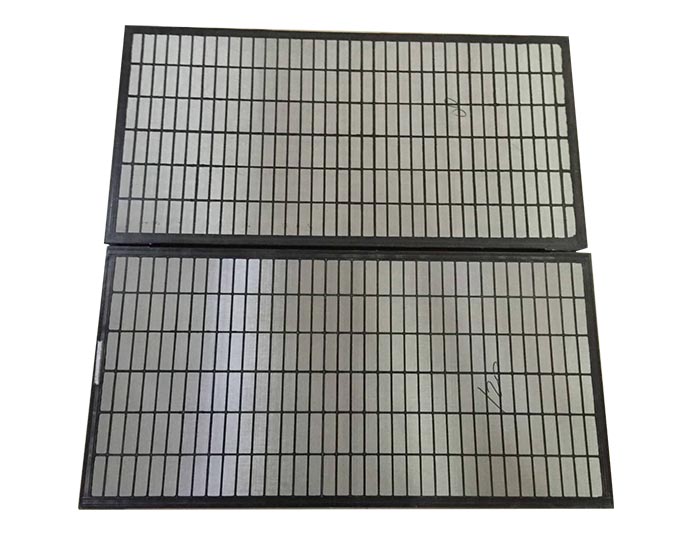
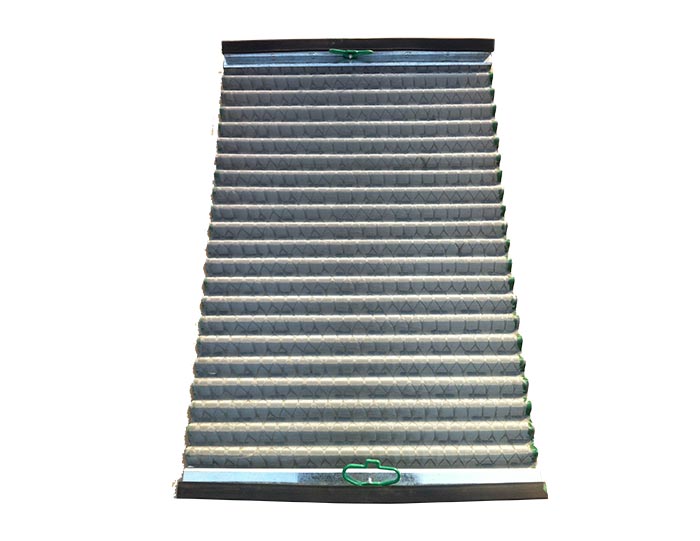
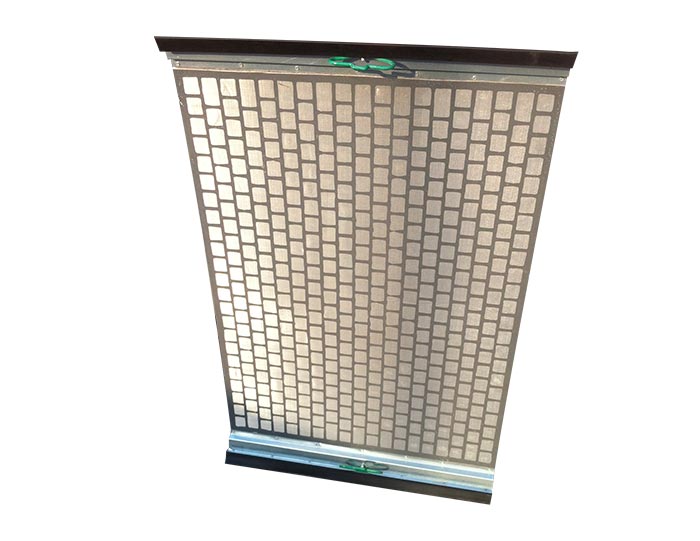
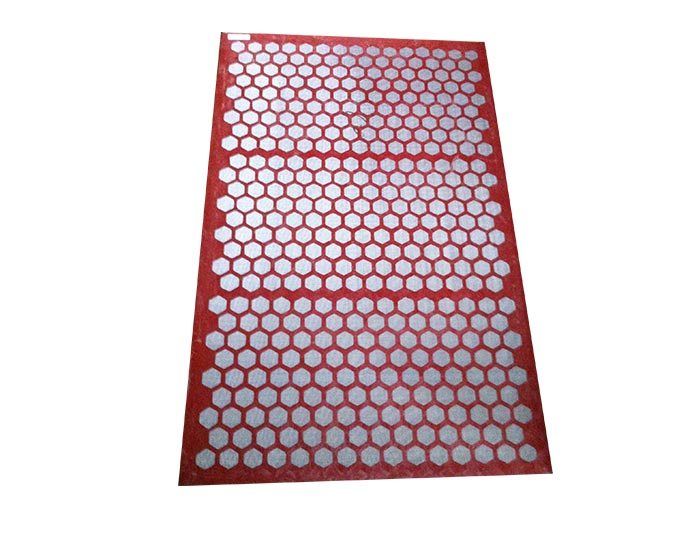
Furthermore, the latest mud cleaner products have moved toward composite screen frames and stainless steel shaker baskets. These materials are chosen for their resistance to the corrosive additives found in modern drilling fluids. For a company involved in mud cleaner drilling, these material innovations translate directly into lower maintenance costs and higher equipment uptime. When an operator decides to buy mud cleaner technology today, they are investing in a machine that is engineered to survive the most chemically aggressive environments on the planet.
The Strategic Impact of Mud Cleaner Drilling on ROP
The "Rate of Penetration" (ROP) is the heartbeat of a drilling project. Clean mud—achieved through a high-efficiency mud cleaner machine—is essential for maintaining a high ROP. When the mud is free of fine silts, the bit remains better lubricated, and the nozzles are less likely to erode or plug. Moreover, clean mud has a lower "Plastic Viscosity" (PV), which means the surface pumps require less energy to circulate the fluid down to the bit and back.
In the context of mud cleaner drilling, the equipment acts as a protector of the entire hydraulic circuit. By stripping out the abrasive particles that the primary shakers miss, the mud cleaner system prevents the premature wear of mud pump liners, valves, and downhole telemetry tools. For many contractors, the decision to buy mud cleaner equipment is justified by the savings in "non-productive time" (NPT) that would otherwise be spent on fishing for broken tools or repairing surface pumps. The cleaner the mud, the smoother the operation, and the lower the cost per foot drilled.
Selecting Excellence from Top Mud Cleaner Manufacturers
In a global marketplace, the distinction between various mud cleaner manufacturers often lies in their quality control processes and after-sales support. A leading mud cleaner factory utilizes advanced Finite Element Analysis (FEA) to ensure the shaker basket can withstand continuous 7G or 8G acceleration without structural failure. The metallurgy of the tensioning system and the reliability of the explosion-proof vibrator motors are the signatures of a manufacturer that understands the oilfield.
Furthermore, the best mud cleaner manufacturers offer a consultative approach to procurement. They don't just sell a machine; they help the client configure the number of desander and desilter cones based on the anticipated flow rates and mud weights of their specific drilling program. This customization is vital because a "one-size-fits-all" approach rarely works in the complex geology of modern exploration. When an operator is ready to buy mud cleaner hardware, they should look for a partner that provides a comprehensive suite of mud cleaner products, including long-term technical support and a consistent supply of authentic replacement parts.

 Linear Motion Shale Shaker In Drilling Rig
  Oilfield Mud Cleaner
 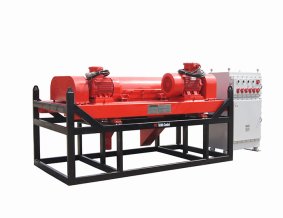 Drilling Fluid Decanter Centrifuge
 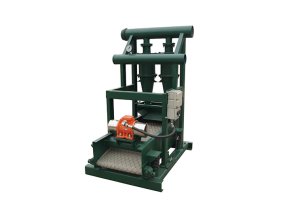 Drilling Mud Desander
 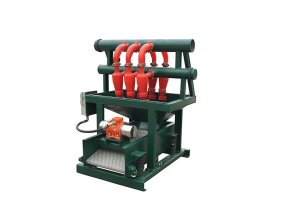 Hydrocyclone Desilter
 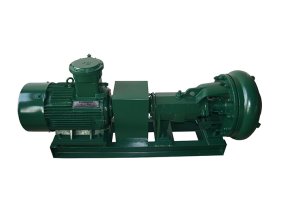 Centrifugal Pump/Centrifugal Mud Pump
 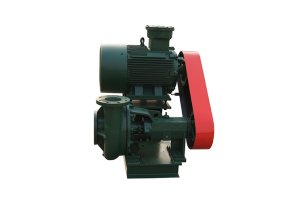 Shear Pump
 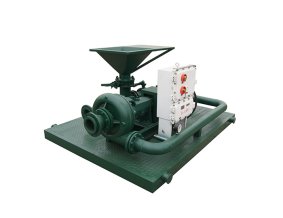 Jet Mud Mixer
 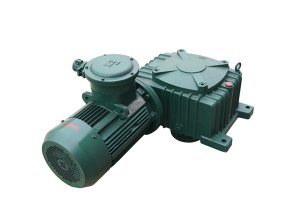 Horizontal Mud Agitator
 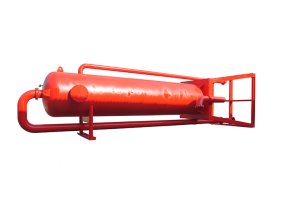 Constant Pressure Drilling Fluid Mud Gas Separator
 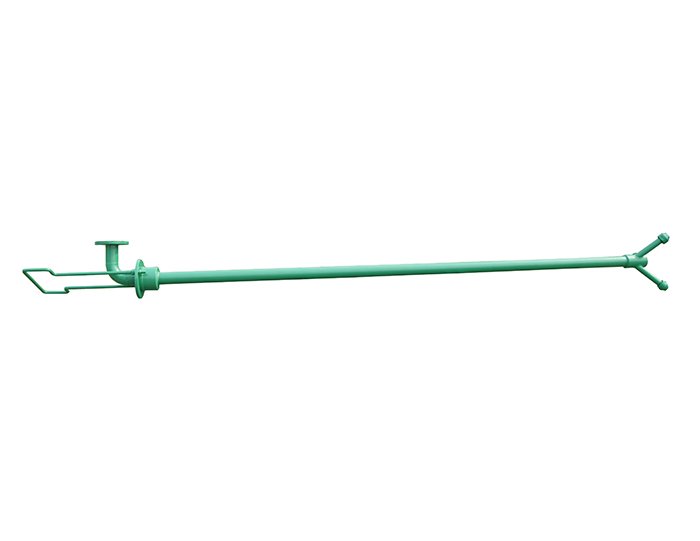 Mud Gun
  Mud Tank
 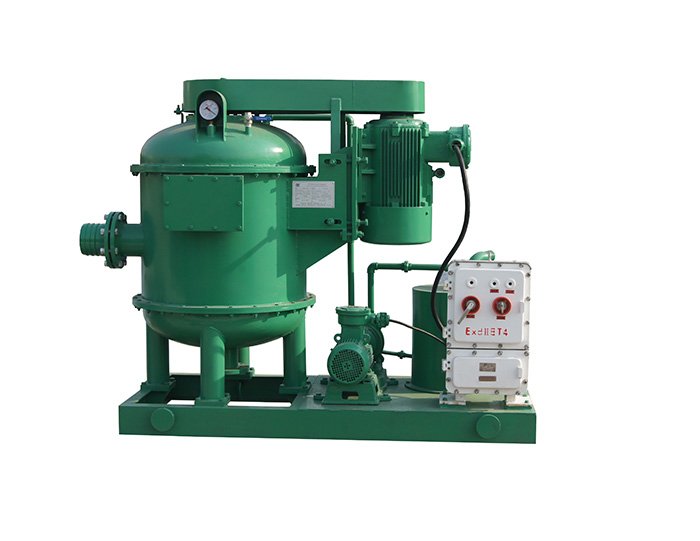 Solids Control System Vacuum Degasser
 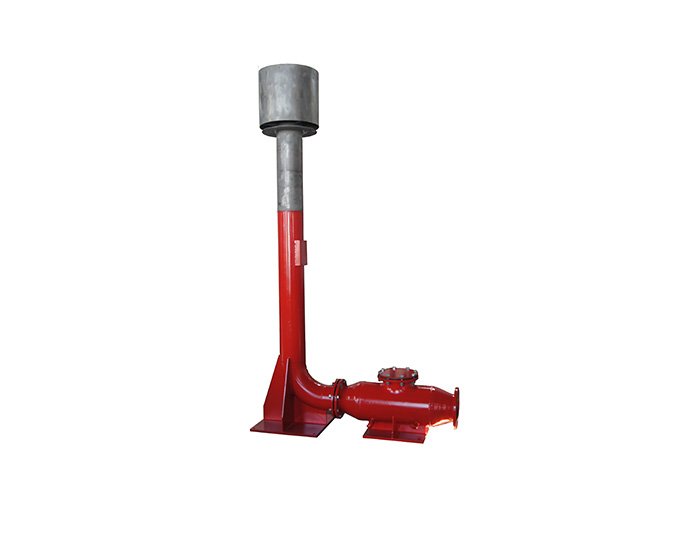 Flare Ignition Device
 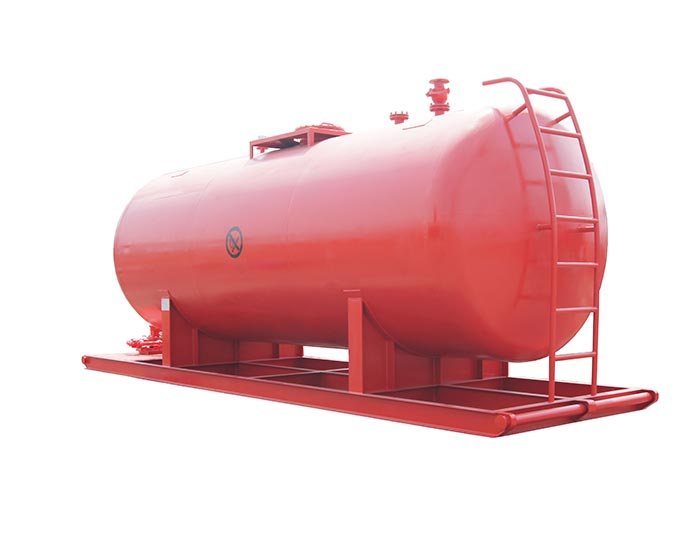 Diesel Tank
 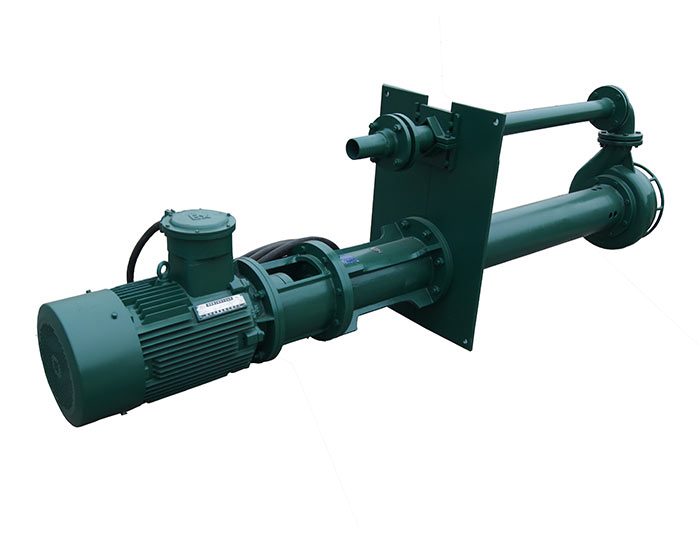 Submersible Slurry Pump