In the contemporary era of energy extraction, the definition of a successful drilling project has expanded beyond mere geological reach and speed. Today, environmental stewardship stands at the core of industrial viability. As global regulations tighten and the social license to operate becomes more contingent on "clean" site practices, the role of specialized hardware in mitigating ecological footprints has come into sharp focus. Among the most critical tools in this green revolution is the vacuum degasser. While traditionally valued for its safety benefits, its contribution to sustainable vacuum degasser drilling is profound. By efficiently managing the volatile gases and fluids at the surface, this equipment ensures that the environmental impact of a rig site remains as minimal as possible.
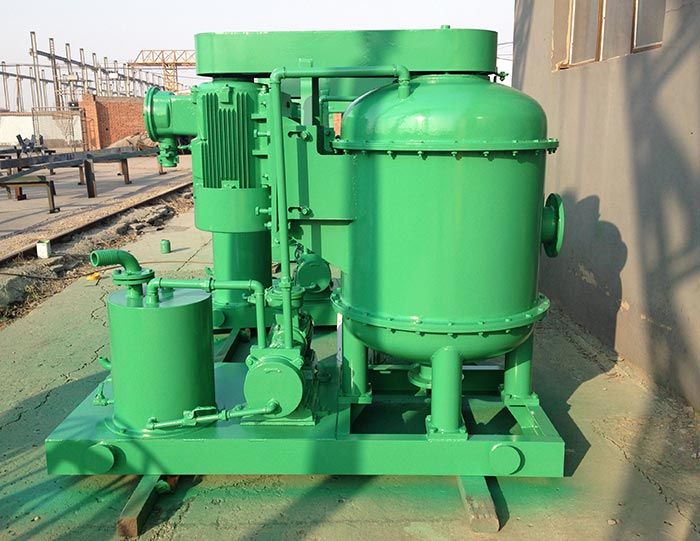
The Ecological Necessity of a Solids Control System
A modern solids control system is essentially a sophisticated recycling plant designed to minimize waste and maximize the reuse of expensive drilling fluids. Within this system, the vacuum degasifier acts as the primary defense against atmospheric pollution. When drilling mud returns to the surface saturated with formation gases—some of which may be toxic or possess high greenhouse warming potential—it cannot simply be left to sit in open pits. Allowing these gases to vent uncontrollably into the atmosphere is not only a safety hazard but a significant environmental violation.
By integrating a high-performance vacuum degasifier into the circuit, operators can capture these entrained gases in a closed loop. Instead of allowing methane or other hydrocarbons to "boil" off the surface of the mud tanks, the vacuum environment forces a controlled separation. This allows for the safe routing of gases to a flare stack or a vapor recovery unit. In this capacity, the vacuum degasifier transforms a potential source of air pollution into a manageable waste stream, proving that effective vacuum degasser drilling is synonymous with responsible environmental management.
Preserving Fluid Chemistry through Vacuum Degassing Systems
The environmental benefits of vacuum degassing systems extend deep into the chemistry of the mud itself. Drilling fluids are complex mixtures of water or oil bases, weighted with minerals and stabilized with polymers. When gas-cut mud is left untreated, the oxidation and chemical degradation of these additives accelerate. This leads to a "spent" fluid that must be disposed of frequently, creating a massive volume of industrial waste.
When a rig employs advanced vacuum degassing systems, the fluid is continuously restored to its optimal state. By removing the air and gas that facilitate oxidation, the system extends the life of the drilling mud significantly. This "fluid life extension" means fewer trucks are needed to transport new chemicals to the site and, more importantly, fewer trucks are needed to haul away waste mud for disposal. For any operator looking to buy vacuum degasser technology, the reduction in waste-handling costs and the associated carbon footprint represents a major strategic advantage in 2026’s eco-conscious market.
How Vacuum Degasser Drilling Minimizes Site Odor and Toxicity
One of the most immediate environmental challenges at a drilling site is the management of odor and localized air quality, particularly when drilling through sour gas formations. Hydrogen sulfide (H2S) is not only deadly but is a severe environmental pollutant that can affect local wildlife and surrounding communities. The vacuum degasser serves as a critical containment barrier in these scenarios.
Through the precise application of negative pressure, the vacuum degasifier ensures that hazardous vapors are stripped from the mud before it reaches the open-air sections of the solids control system. This containment is vital for maintaining a site that is compliant with modern health and safety standards. Furthermore, by stripping out these acidic gases, the equipment prevents the acidification of the drilling fluid, which in turn reduces the risk of corrosive leaks and spills that could contaminate the local soil or groundwater.
The Role of Vacuum Degasser Manufacturers in Sustainable Engineering
The shift toward greener drilling has placed a new level of responsibility on vacuum degasser manufacturers. It is no longer enough to build a machine that simply works; the goal is now to build machines that operate with maximum energy efficiency and minimum material waste. Leading vacuum degasser manufacturers are now utilizing high-efficiency motors and self-cleaning internal geometries that reduce the water required for equipment wash-downs.
Furthermore, the materials used in the construction of a modern vacuum degasifier are selected for their longevity in harsh environments. By reducing the frequency of equipment replacement, these manufacturers are lowering the "embedded carbon" of the drilling operation. When a procurement team decides to buy vacuum degasser units from a manufacturer that prioritizes sustainable engineering, they are making a choice that echoes through the entire lifecycle of the project—from reduced energy consumption on-site to the ultimate recyclability of the hardware.
Why Investors and Regulators Encourage the Move to Buy Vacuum Degasser Technology
As the financial world moves toward ESG (Environmental, Social, and Governance) reporting, the transparency of site operations has become paramount. Investors are increasingly looking for rigs that utilize a comprehensive solids control system to mitigate risk. A rig that does not have an efficient vacuum degasifier is seen as a high-risk asset due to the potential for environmental fines and gas-related accidents.
Consequently, the decision to buy vacuum degasser hardware is often driven as much by the legal and financial departments as it is by the engineering team. It is a proactive measure that demonstrates a commitment to the "Zero Discharge" philosophy that is becoming the standard for international drilling contracts. By investing in the best vacuum degassing systems available, companies are essentially future-proofing their operations against the next wave of environmental legislation, ensuring they can continue to operate in sensitive or highly regulated regions.
Conclusion: Engineering a Cleaner Future
The impact of vacuum degasser drilling on site sustainability is undeniable. It is the bridge between the high-energy demands of modern extraction and the essential need for environmental protection. Through the meticulous removal of entrained gases, the preservation of mud chemistry, and the containment of hazardous vapors, the vacuum degasifier stands as a testament to how industrial innovation can solve ecological challenges. For the global supplier and the local operator alike, these systems are more than just mechanical necessities—they are the tools that will define the sustainable oilfield of 2026 and beyond.

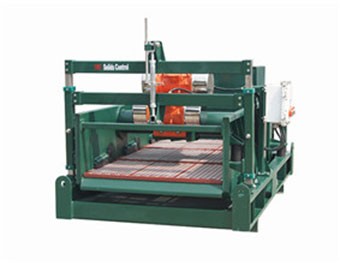 Linear Motion Shale Shaker In Drilling Rig
 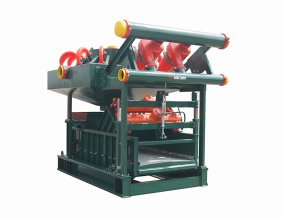 Oilfield Mud Cleaner
 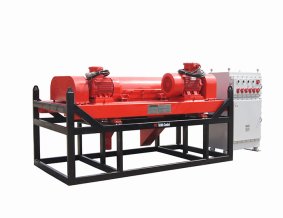 Drilling Fluid Decanter Centrifuge
 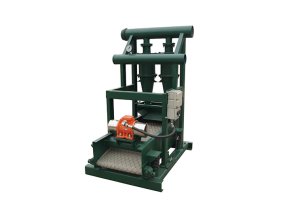 Drilling Mud Desander
 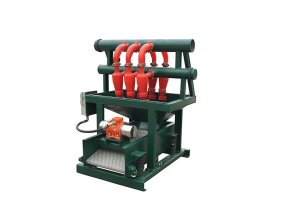 Hydrocyclone Desilter
 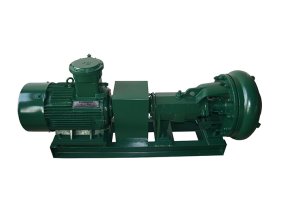 Centrifugal Pump/Centrifugal Mud Pump
 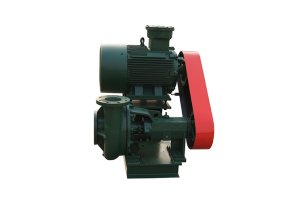 Shear Pump
 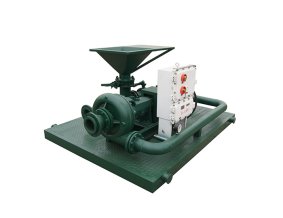 Jet Mud Mixer
 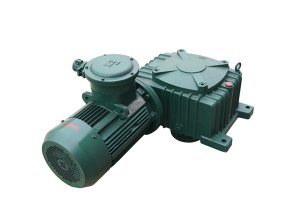 Horizontal Mud Agitator
 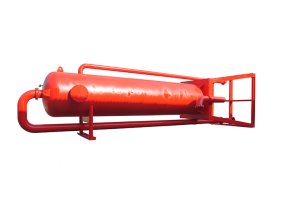 Constant Pressure Drilling Fluid Mud Gas Separator
 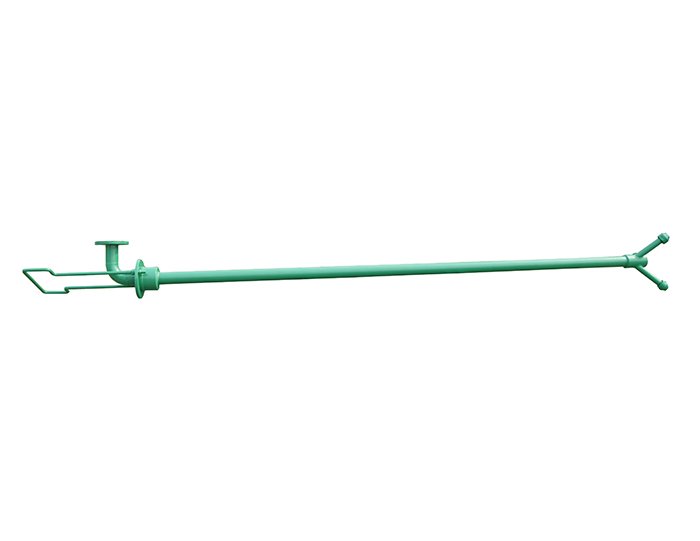 Mud Gun
 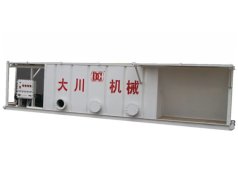 Mud Tank
 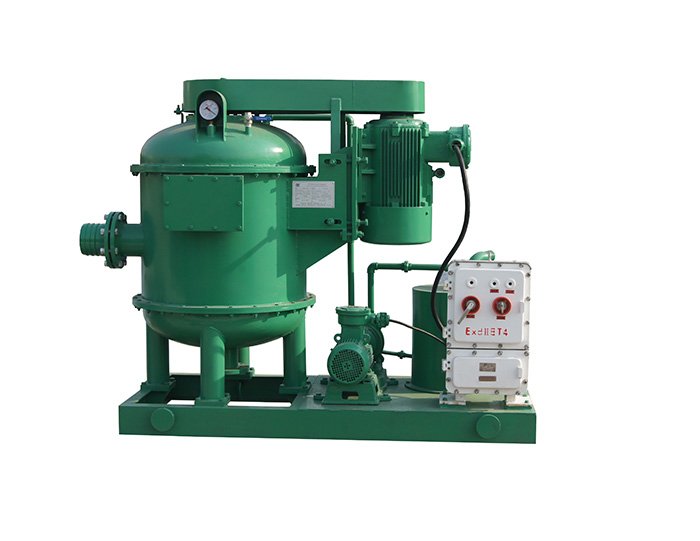 Solids Control System Vacuum Degasser
 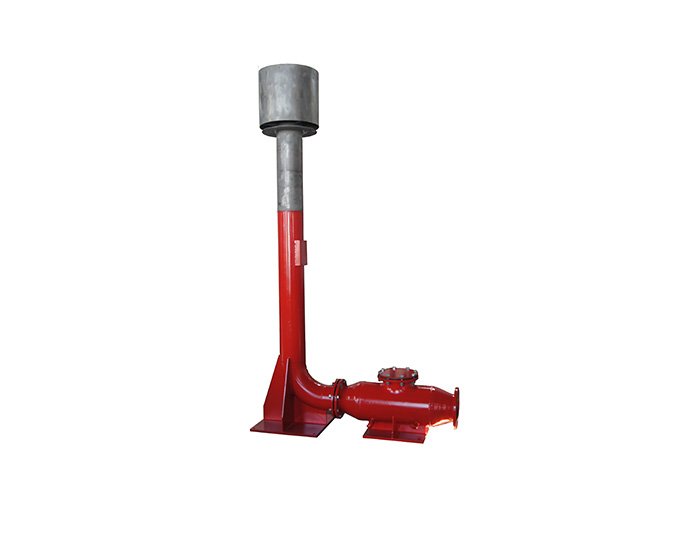 Flare Ignition Device
 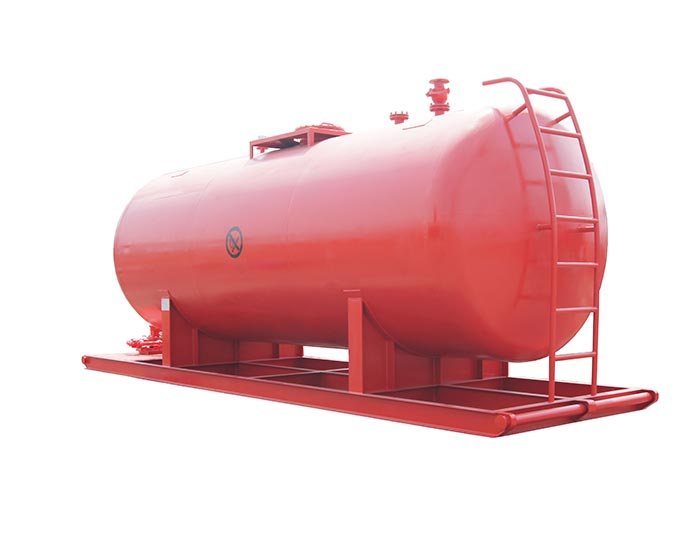 Diesel Tank
 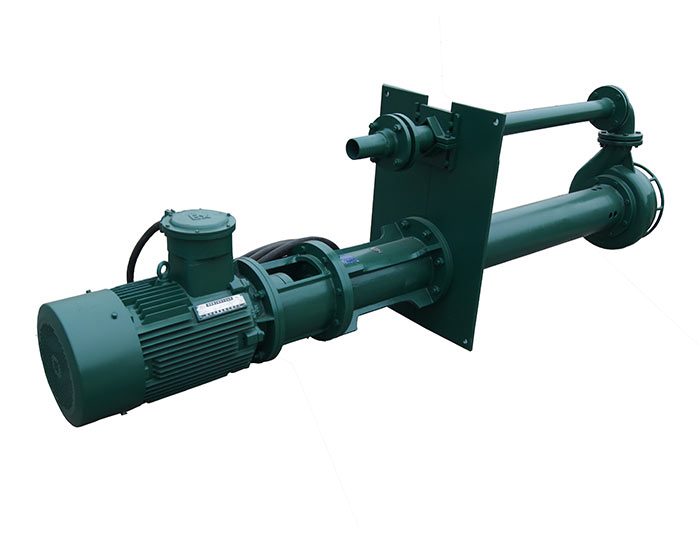 Submersible Slurry Pump