In the hierarchy of oilfield equipment, the drilling fluid shale shaker stands as the primary gateway between the wellbore and the mud tanks. Its performance dictates the cleanliness of the entire fluid system, yet its operation is often misunderstood as a simple vibration process. In reality, the shale shaker working principle is a sophisticated application of harmonic motion and fluid mechanics designed to solve a critical problem: how to separate large volumes of solid cuttings from high-viscosity, expensive drilling mud in real-time. To master the efficiency of a solids control system, one must look deep into the structural anatomy and the physical forces that allow these machines to operate under the most grueling conditions.
The Foundation of the Shale Shaker Working Principle
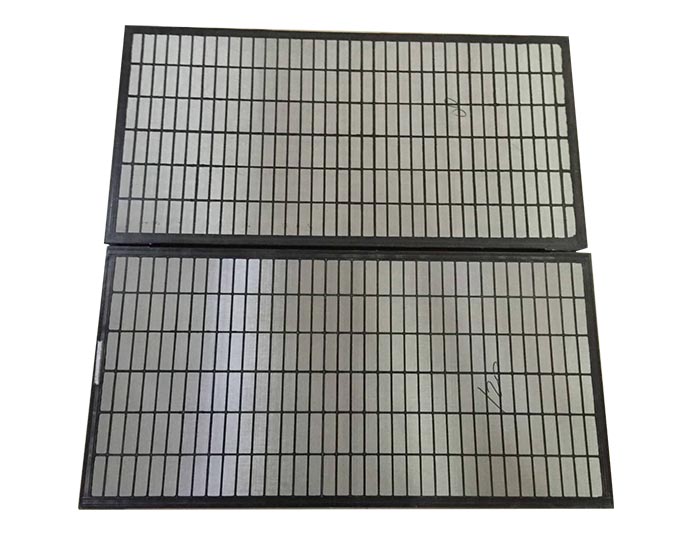
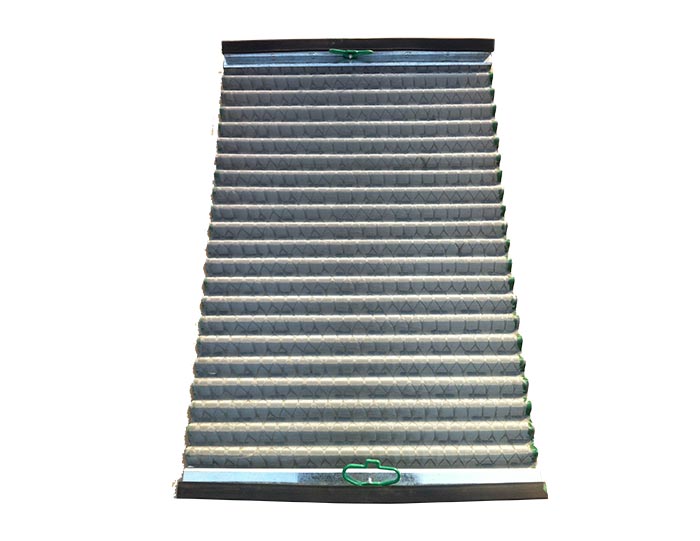
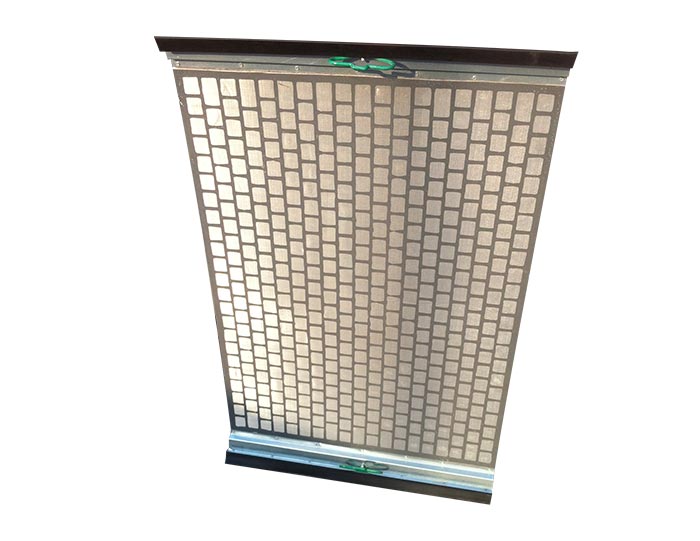
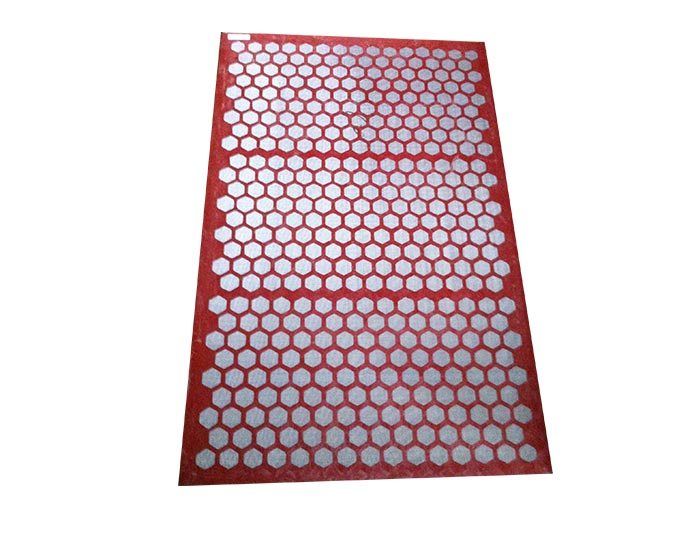
At its most fundamental level, the shale shaker working principle relies on the transmission of high-frequency vibrational energy to a tensioned mesh surface. When the "gas-cut" or "solids-laden" mud returns from the wellbore, it is directed into a feeder box—often called a possum belly—which slows the fluid’s velocity and distributes it evenly across the screen surface. As the mud contacts the vibrating screens, the fluid is subjected to G-forces that overcome its surface tension.
The liquid phase of the mud, including the water or oil base and dissolved chemicals, passes through the microscopic openings of the screen mesh. Simultaneously, the solid particles that are larger than the mesh openings are "suspended" above the surface. The linear or elliptical motion of the shaker basket then conveys these solids toward the discharge end of the machine. This dual action of filtration and conveyance is what allows a bulk shale shaker to handle massive flow rates while maintaining a "dry" discharge of cuttings. Without this continuous energy transfer, the screens would instantly "blind," causing the mud to spill over and resulting in catastrophic fluid loss.
Integrating the Critical Shale Shaker Components
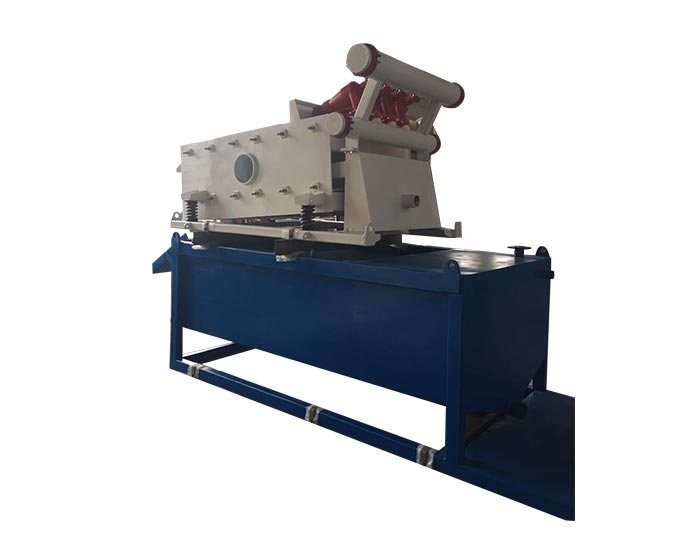
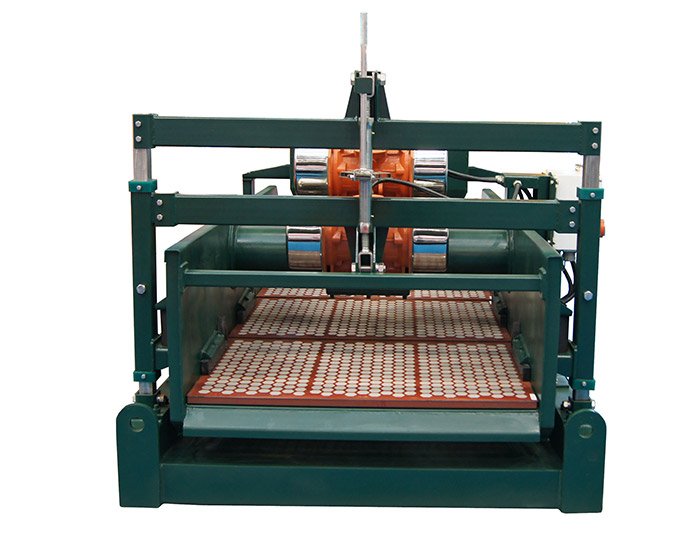
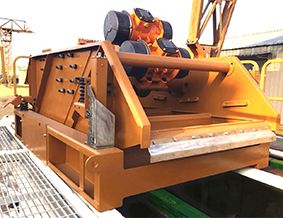
The reliability of the separation process is entirely dependent on the harmony of the shale shaker components. The most vital of these is the shaker basket, a reinforced steel structure that houses the screens. This basket must be rigid enough to transmit vibrational energy without absorbing it, yet flexible enough to be suspended on high-tension springs that isolate the vibration from the rest of the rig.
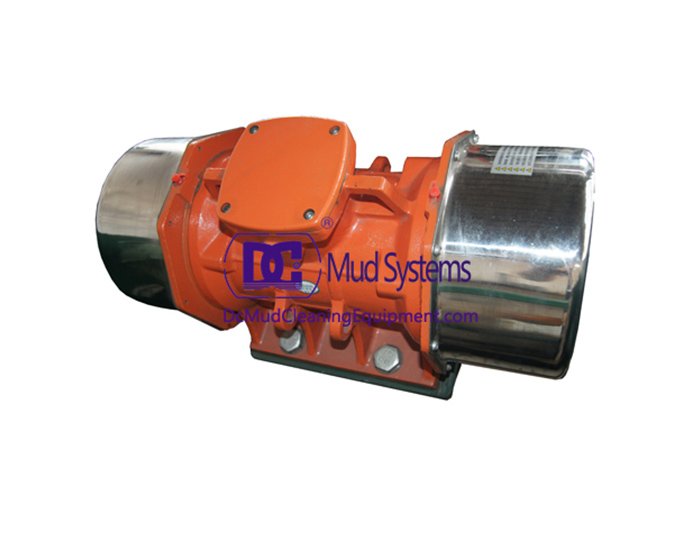
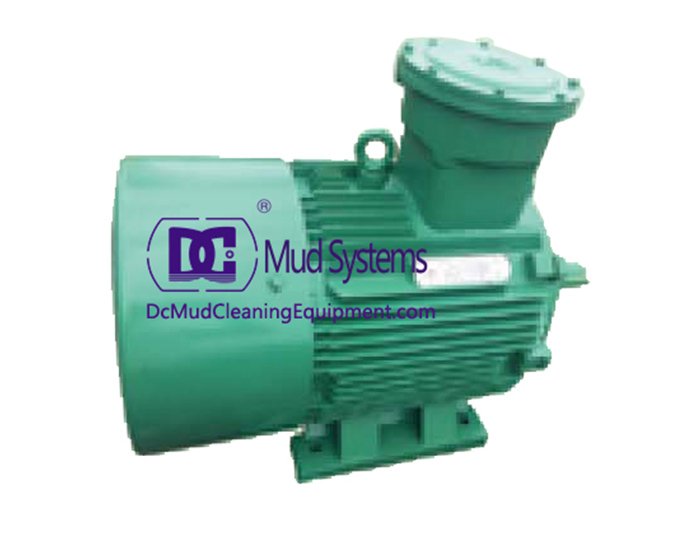
Beneath the basket lies the vibrator motor assembly. In a high-performance drilling fluid shale shaker, two motors are often synchronized to create linear motion. These motors are the heart of the machine, utilizing eccentric weights to generate the necessary centrifugal force. Another critical component is the screen tensioning system. Whether using wedge blocks or bolt-on tensioning, the objective remains the same: to keep the screen surface as tight as a drum skin. If the screens are loose, they will "whip," leading to premature failure and poor separation efficiency. Every reputable shale shaker manufacturer invests heavily in the metallurgy and precision of these components to ensure they can withstand the corrosive and abrasive environment of the mud pits.
Mastering Professional Shale Shaker Operation
Achieving optimal results goes beyond just turning the machine on; it requires a deep understanding of shale shaker operation variables. One of the most important aspects of operation is the "pool depth" or "fluid endpoint." Operators must adjust the angle of the shaker basket to ensure that the mud covers approximately three-quarters of the screen surface. If the pool is too short, the screen surface is underutilized; if it is too long, mud will be lost over the discharge end.
Effective shale shaker operation also involves the constant monitoring of mud rheology. As the drilling bit moves through different geological formations, the viscosity and solids content of the mud change. A professional operator will adjust the vibration intensity or change the screen mesh size in response to these changes. By fine-tuning the deck angle and the G-force, the operator ensures that the bulk shale shaker is always operating at its "peak separation point," which maximizes the life of downstream equipment like centrifuges and desilters. This level of operational expertise is what separates a standard rig from a high-efficiency drilling operation.
Engineering Challenges for the Shale Shaker Manufacturer
For a shale shaker manufacturer, the challenge lies in balancing power with durability. The forces required to degas and dewater heavy mud are immense, often reaching 7G or 8G of acceleration. To build a machine that can sustain these forces 24 hours a day requires advanced structural analysis and vibration modeling. Modern manufacturers are increasingly using finite element analysis (FEA) to identify stress points in the basket design before the first piece of steel is even cut.
Furthermore, a leading shale shaker manufacturer must consider the "human element" of the design. This includes creating easy-to-use screen replacement systems and ensuring that the motors are accessible for maintenance. In the B2B industrial market, the "Total Cost of Ownership" is a primary selling point. A machine that is easy to service and rarely breaks down is far more valuable than a cheaper unit that requires constant intervention. This focus on the "user experience" in an industrial context is what differentiates top-tier global brands from local competitors.
Managing High Volume with the Bulk Shale Shaker
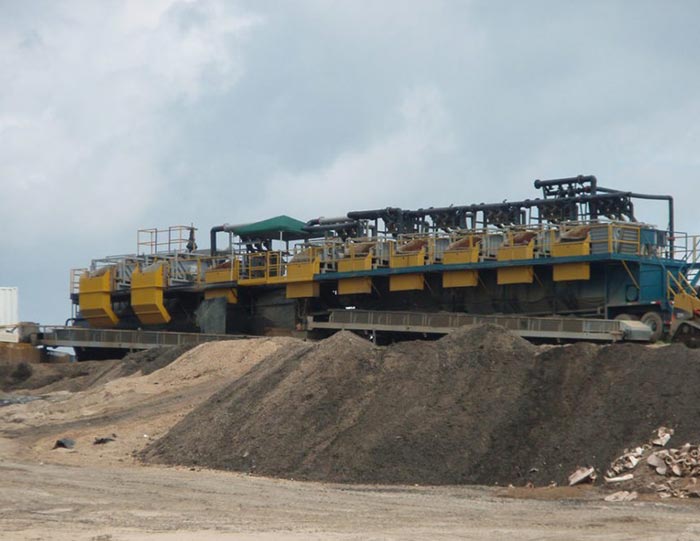
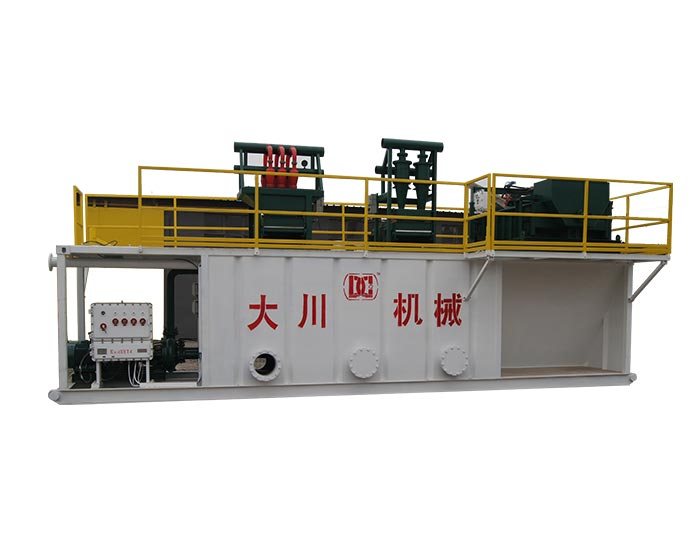
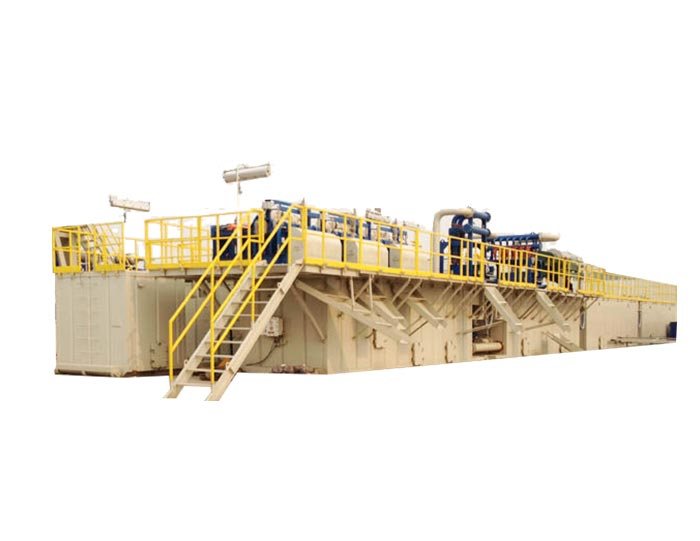
In large-scale drilling projects, such as offshore platforms or extensive shale gas plays, the sheer volume of mud returned to the surface can be overwhelming. This necessitates the use of a bulk shale shaker—a high-capacity unit or a series of connected shakers designed to distribute the load. The working principle for a bulk system involves a manifold that splits the mud flow precisely across multiple shaker decks.
The advantage of a bulk shale shaker setup is the ability to use finer screens than would be possible on a single unit. By spreading the volume across a larger total surface area, the fluid velocity across each individual screen is reduced, allowing for more precise filtration. This is essential for maintaining the "low solids" mud systems required for high-speed drilling. For the procurement officer or rig manager, choosing a bulk system is about future-proofing the rig against the most demanding drilling schedules and the most complex geological influxes.

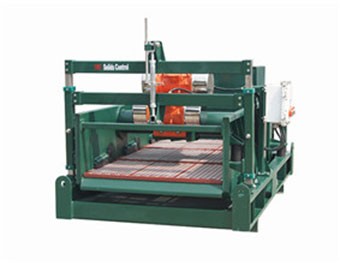 Linear Motion Shale Shaker In Drilling Rig
 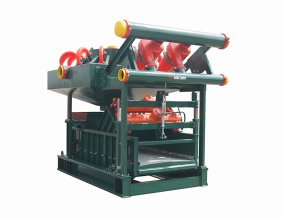 Oilfield Mud Cleaner
 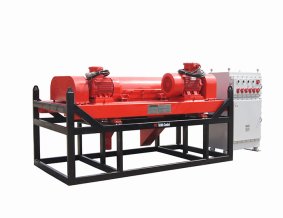 Drilling Fluid Decanter Centrifuge
 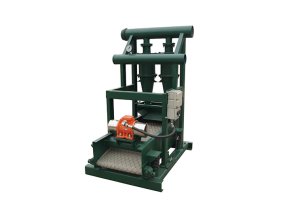 Drilling Mud Desander
 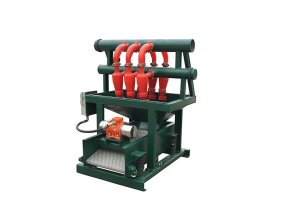 Hydrocyclone Desilter
 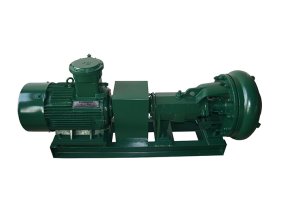 Centrifugal Pump/Centrifugal Mud Pump
 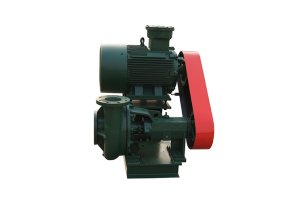 Shear Pump
 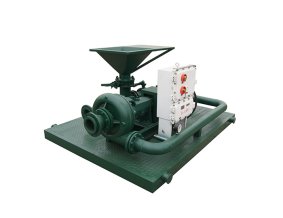 Jet Mud Mixer
 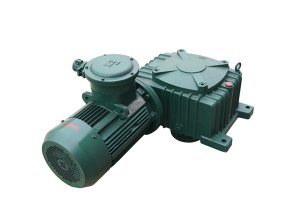 Horizontal Mud Agitator
 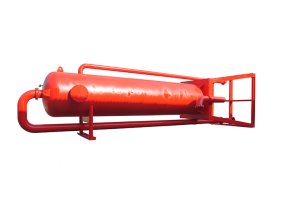 Constant Pressure Drilling Fluid Mud Gas Separator
 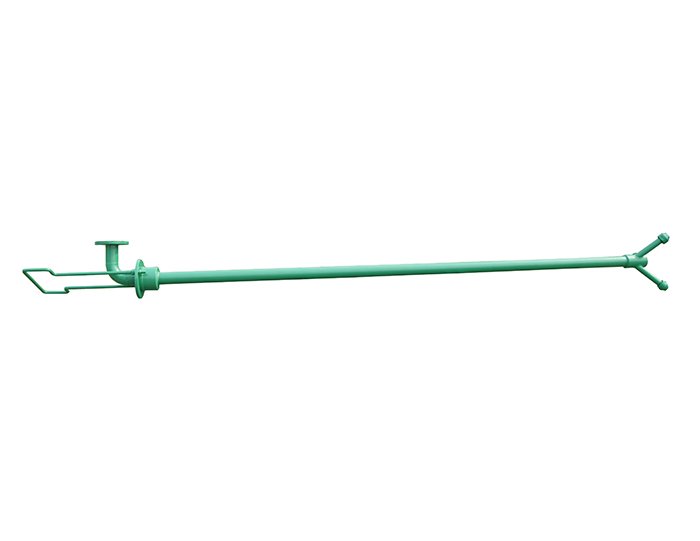 Mud Gun
  Mud Tank
 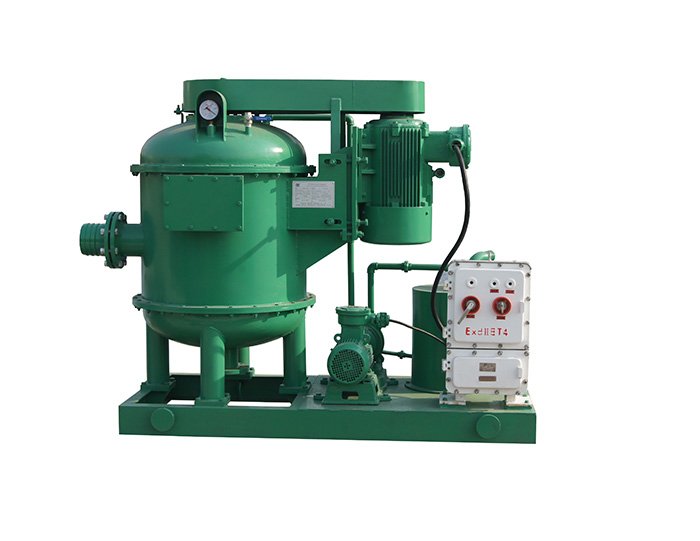 Solids Control System Vacuum Degasser
 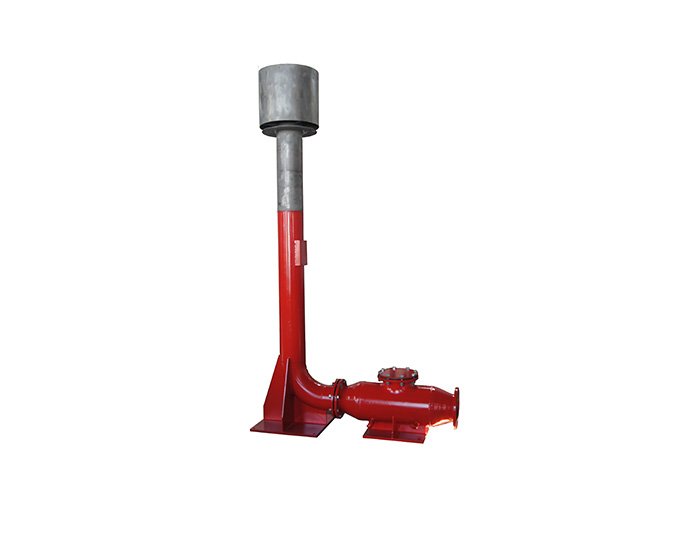 Flare Ignition Device
  Diesel Tank
  Submersible Slurry Pump