In the intricate dance of oil and gas exploration, the drilling fluid serves as more than just a medium for carrying cuttings to the surface. It is a hydraulic tool, a cooling agent, and a protective barrier for some of the most expensive technology on a rig site: the downhole assembly. However, when this fluid becomes contaminated with entrained gases, its physical properties are compromised, transforming a protective medium into a destructive force. This is why the strategic implementation of a vacuum degasser is not merely a solids control requirement but a vital investment in the longevity of downhole equipment. By restoring the fluid's integrity at the surface, we directly influence the survival of the bit, the motors, and the telemetry systems thousands of feet below the surface.
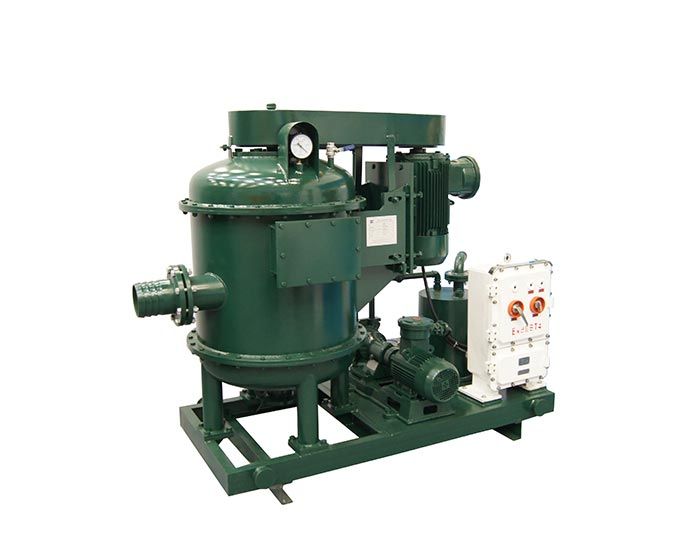
Preventing Cavitation Damage Through Advanced Vacuum Degassing Systems
One of the most insidious threats to downhole motors and MWD (Measurement While Drilling) tools is cavitation. When gas-cut mud is pumped back into the wellbore, the entrained gas bubbles are subjected to extreme pressure changes. As the mud passes through the narrow nozzles of a drill bit or the internal stages of a mud motor, these bubbles can collapse with immense force. This phenomenon, known as cavitation, creates localized shockwaves that can pit and erode the hardest metals over time.
By utilizing high-performance vacuum degassing systems, operators can ensure that the fluid entering the high-pressure pumps—and subsequently the drill string—is entirely liquid-phase. A robust vacuum degasser removes these micro-bubbles that might otherwise escape traditional atmospheric tanks. Without the protection of these systems, the expensive bearings and rotors in downhole motors are subjected to "sandblasting" effects caused by the collapsing gas pockets, leading to premature tool failure and the high cost of unplanned "tripping" to replace equipment.
Vacuum Degassing Systems: The Role of a Stable Hydrostatic Head in Wellbore Integrity
Beyond the mechanical wear on the tools themselves, the plays a critical role in maintaining the hydrostatic pressure required to protect the wellbore and the downhole assembly from formation influx. When gas reduces the density of the mud—a condition often called "fluffing"—the column of fluid in the wellbore becomes lighter. This loss of weight can allow formation fluids or gases to enter the wellbore unexpectedly, leading to "kicks" that can damage the drill string or trap the downhole assembly in the hole.
Integrating vacuum degassing systems allows the driller to maintain a precise "Equivalent Circulating Density" (ECD). When the mud is dense and gas-free, the pressure exerted on the formation is consistent, preventing the cave-ins or sloughing that often lead to stuck pipe incidents. For the downhole equipment, a stable wellbore means less vibration and a lower risk of being buried under shifting sands. In this context, the vacuum degasser acts as a silent guardian of the well's structural health, ensuring that the expensive telemetry tools can transmit data through a clear, dense, and predictable medium.
Protecting the Surface Infrastructure with a Reliable Mud Vacuum Pump
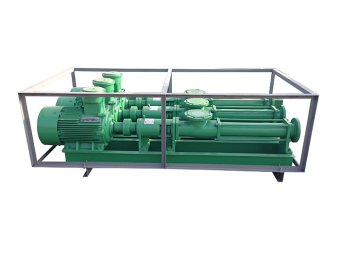
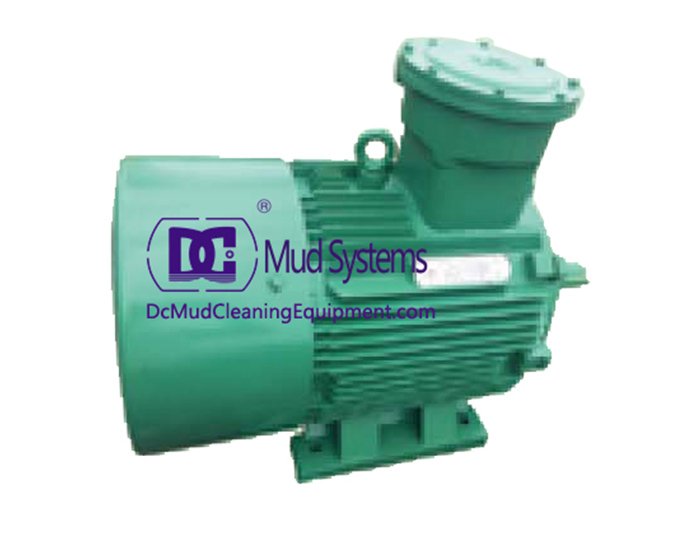
While the focus is often on the bottom of the hole, the protection of downhole equipment begins with the reliability of the surface machinery that delivers the fluid. The mud vacuum pump is the engine that drives the degassing process. If this pump fails to maintain a consistent vacuum, gas-cut mud will inevitably find its way back into the hole. High-quality mud vacuum pump designs are engineered to handle the continuous duty cycles required in 24/7 drilling operations.
When the mud vacuum pump operates at peak efficiency, it ensures that the surface mud tanks remain calm and predictable. This allows the main triplex mud pumps to operate without the risk of "hammering," a condition caused by air pockets entering the pump cylinders. By protecting the surface pumps from gas-induced vibration, we simultaneously protect the downhole tools from the pressure pulses and hydraulic shocks that would otherwise be transmitted down the drill string. The synergy between a powerful vacuum degasser and a reliable pump creates a "smooth" hydraulic circuit that is essential for the delicate electronics found in modern directional drilling tools.
The Critical Importance of the Vacuum Pump Mechanical Seal
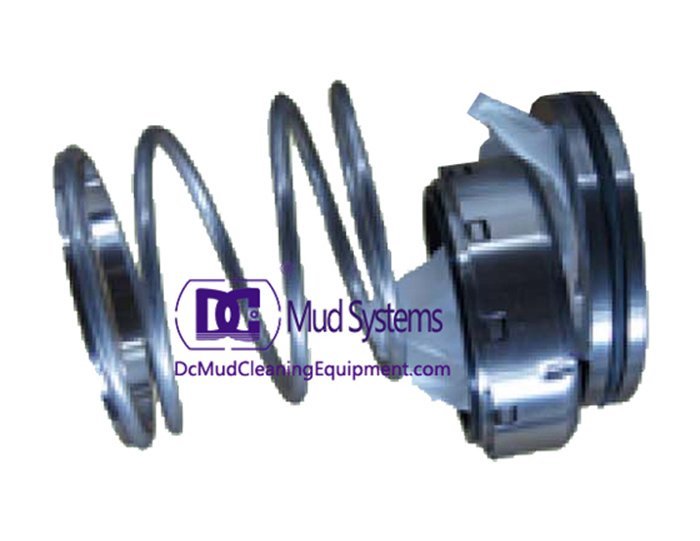
The Achilles' heel of any fluid restoration system is often found in the sealing technology. Within the mud vacuum pump, the vacuum pump mechanical seal is the component that makes high-vacuum environments possible. If this seal is compromised by the abrasive nature of the drilling fluid or the heat of continuous operation, the vacuum will leak, and the degassing efficiency will plummet. For the downhole equipment, a failing seal at the surface is a direct threat.
A compromised vacuum pump mechanical seal allows oxygen to enter the mud system, which can accelerate the corrosion of the drill pipe and downhole tools. Oxygen-rich mud is highly corrosive, especially at the elevated temperatures found at the bottom of deep wells. Modern vacuum degassing systems utilize specialized seals made from tungsten carbide or silicon carbide to withstand these harsh conditions. By ensuring that the vacuum pump mechanical seal remains intact, operators are effectively preventing the "chemical attack" on their downhole assets, extending the life of every joint of pipe and every sensor in the hole.
Vacuum Degasser: A Holistic Approach to Equipment Protection
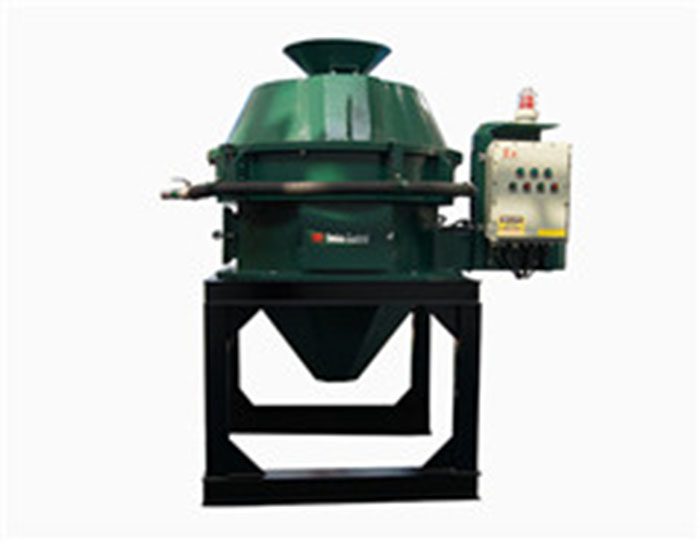
The relationship between surface degassing and downhole survival is absolute. Every component of the vacuum degasser—from the heavy-duty vessel to the precision vacuum pump mechanical seal—contributes to a drilling environment where equipment can perform at its theoretical limit. By investing in superior vacuum degassing systems, drilling contractors are not just complying with safety regulations; they are actively defending their most valuable downhole assets from mechanical erosion, chemical corrosion, and signal interference. In the competitive landscape of 2026, the vacuum degasser remains the most cost-effective insurance policy available for the modern drilling rig.

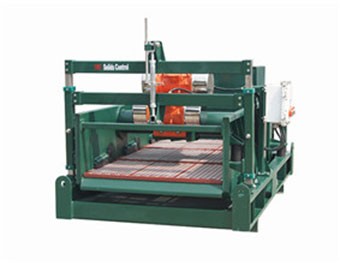 Linear Motion Shale Shaker In Drilling Rig
 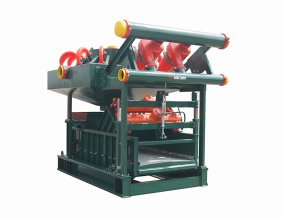 Oilfield Mud Cleaner
 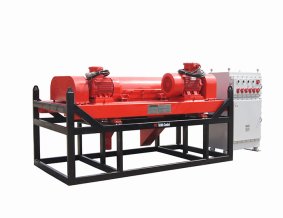 Drilling Fluid Decanter Centrifuge
 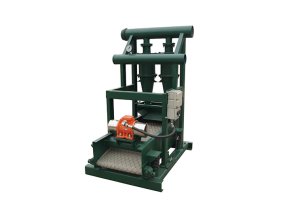 Drilling Mud Desander
 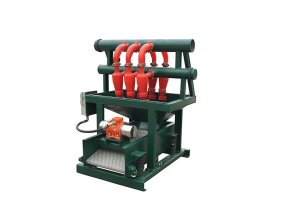 Hydrocyclone Desilter
 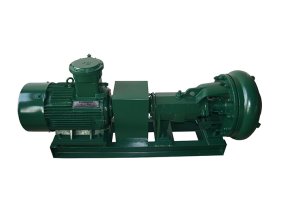 Centrifugal Pump/Centrifugal Mud Pump
 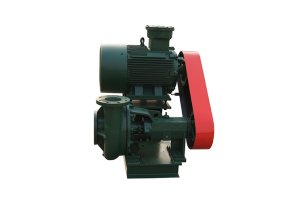 Shear Pump
 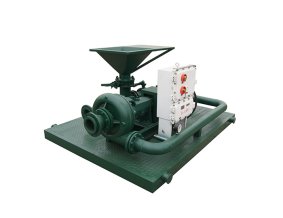 Jet Mud Mixer
 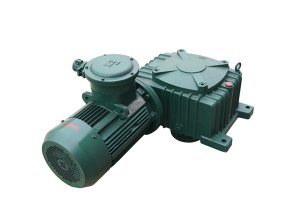 Horizontal Mud Agitator
 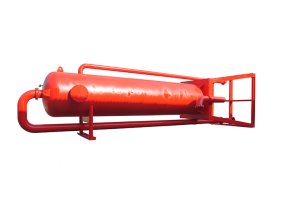 Constant Pressure Drilling Fluid Mud Gas Separator
 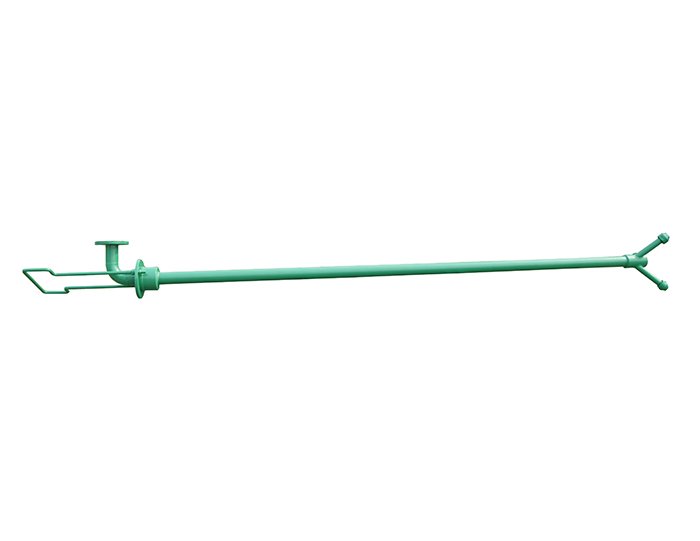 Mud Gun
  Mud Tank
 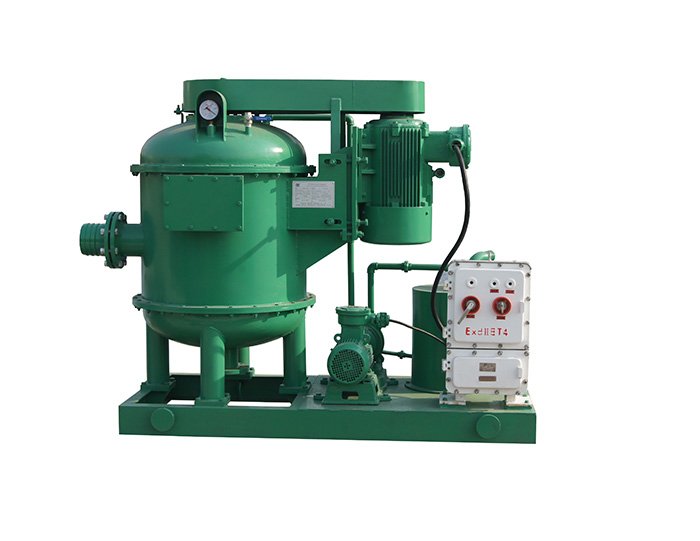 Solids Control System Vacuum Degasser
 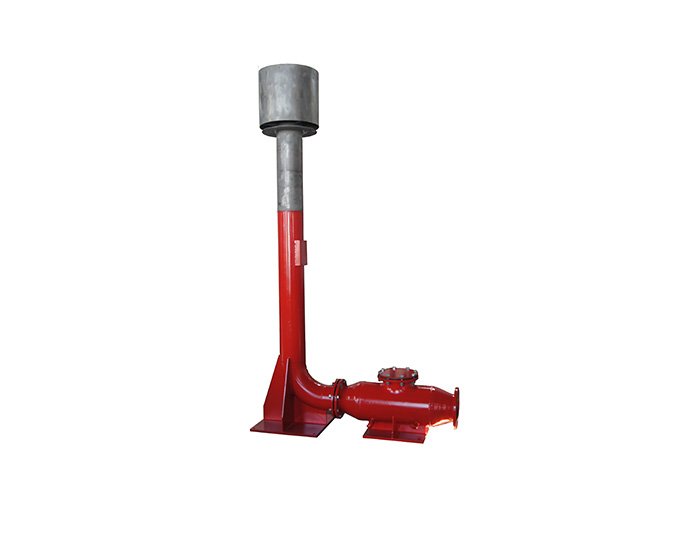 Flare Ignition Device
 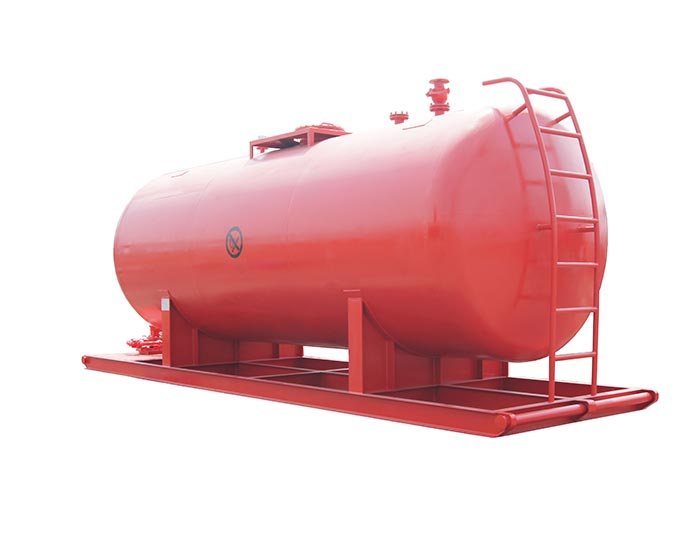 Diesel Tank
 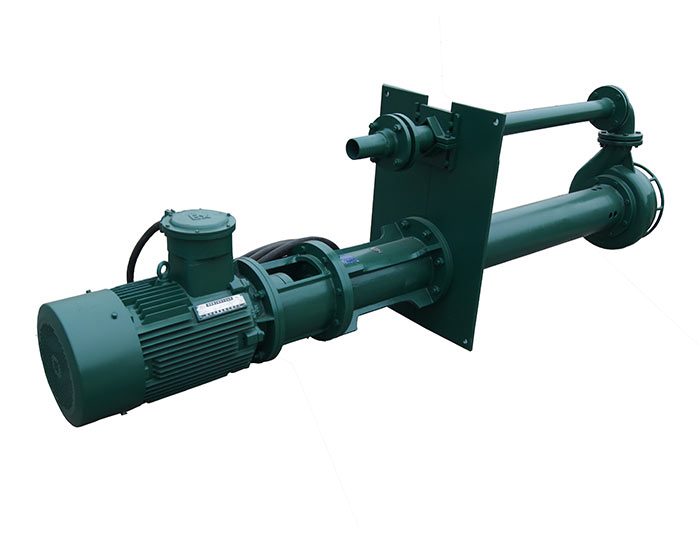 Submersible Slurry Pump