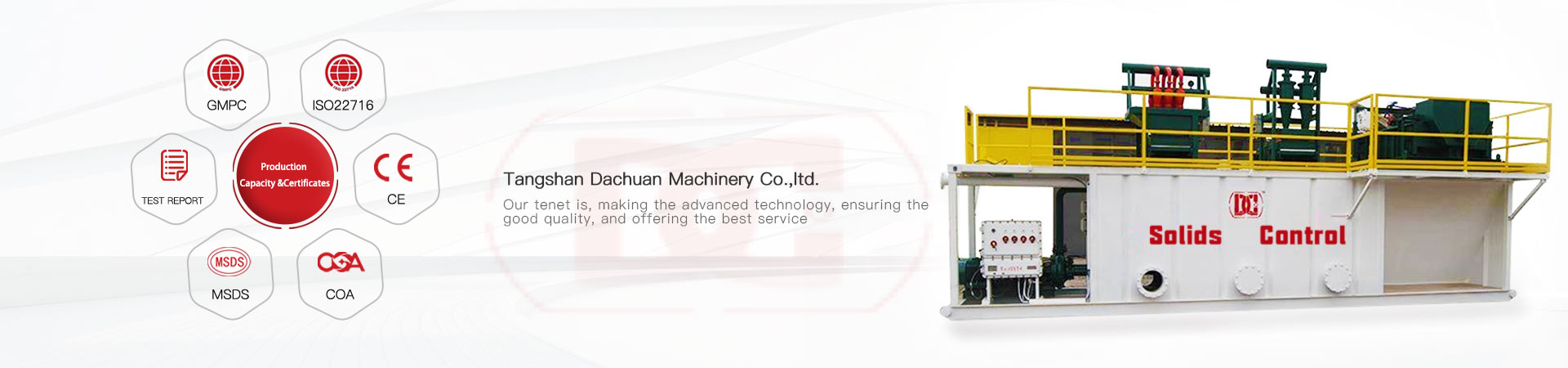
In the high-pressure environment of modern oil and gas exploration, the drilling fluid—often referred to as the "blood" of the well—represents one of the most significant line items in an operational budget. Whether utilizing water-based, oil-based, or complex synthetic systems, the cost of the base fluid and its chemical additives is immense. Therefore, the ability to recover and reuse this fluid is not just an environmental goal; it is a financial imperative. At the center of this recovery strategy is the oilfield mud cleaner. This specialized machine serves as the secondary and tertiary defense against solids contamination, ensuring that the microscopic silts and sands that escape primary shakers are removed before they can degrade the fluid’s rheology or damage downhole equipment.
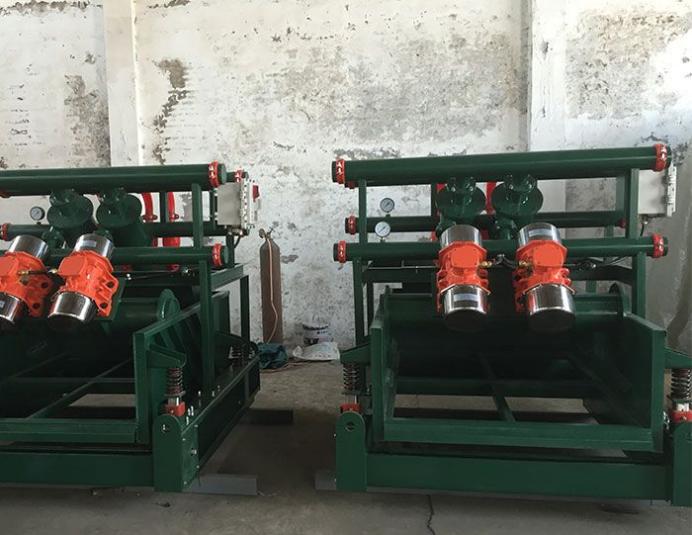
The Role of an Oilfield Mud Cleaner in Secondary Separation
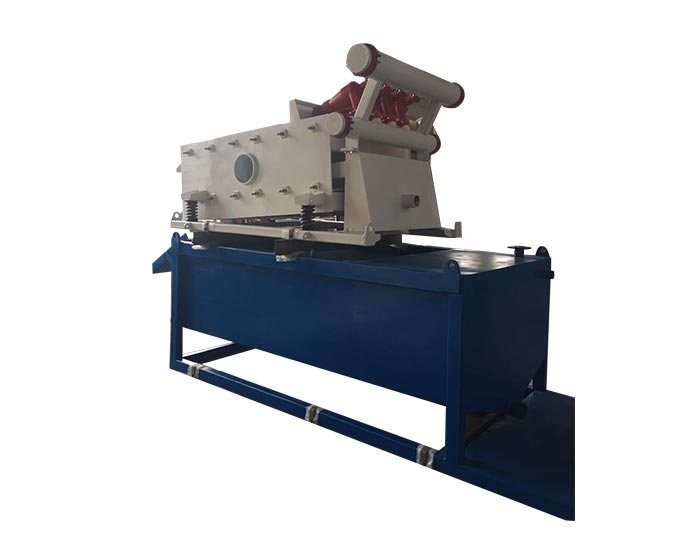
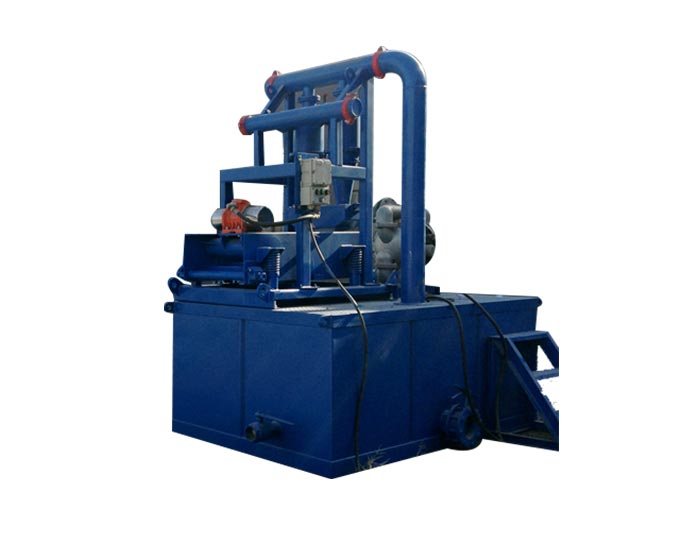
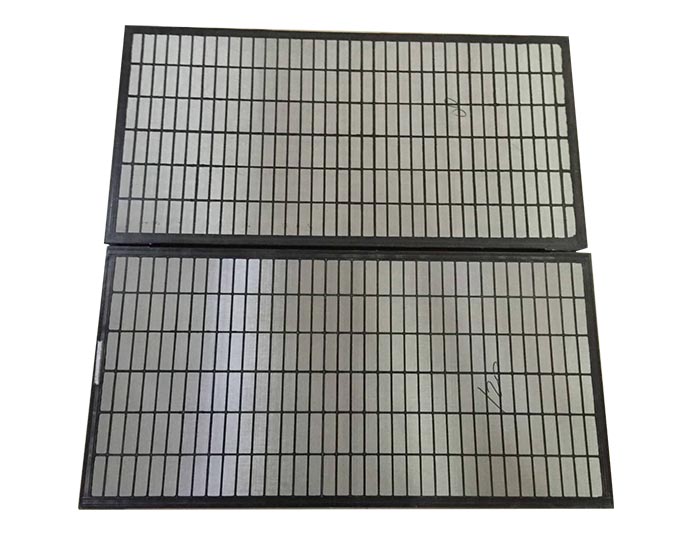
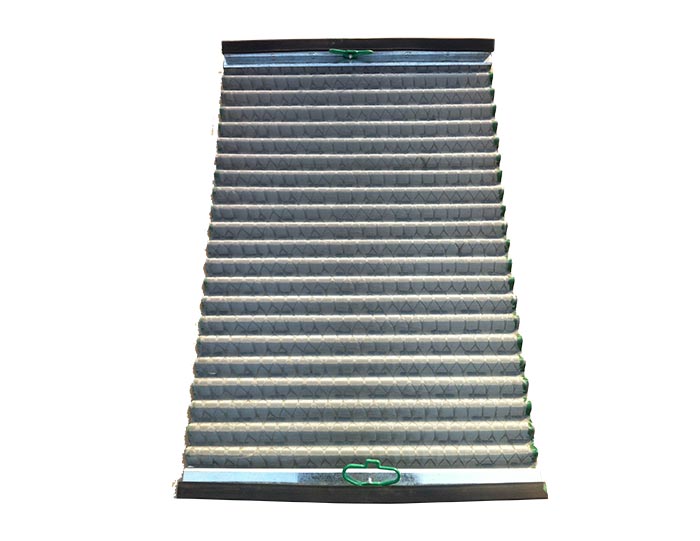
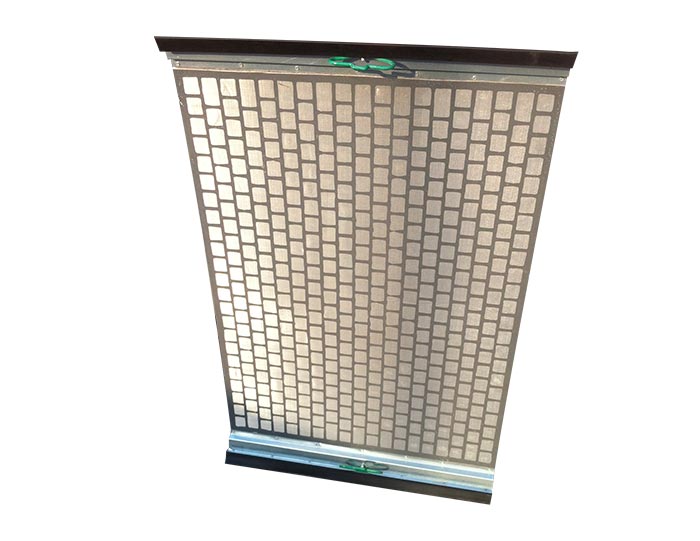
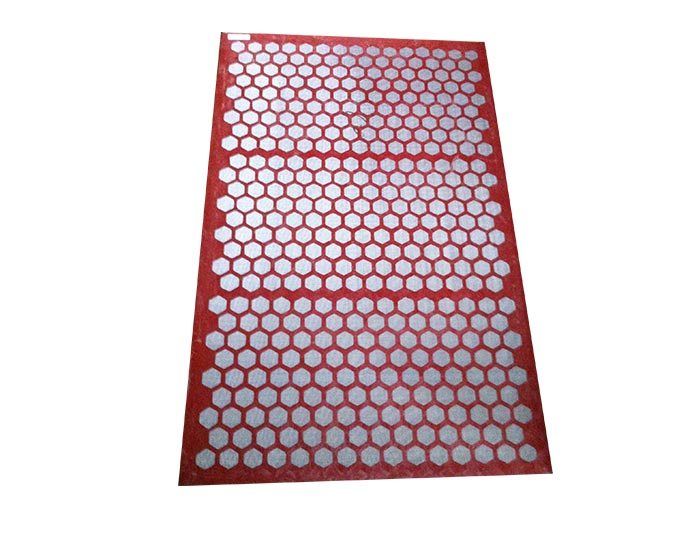
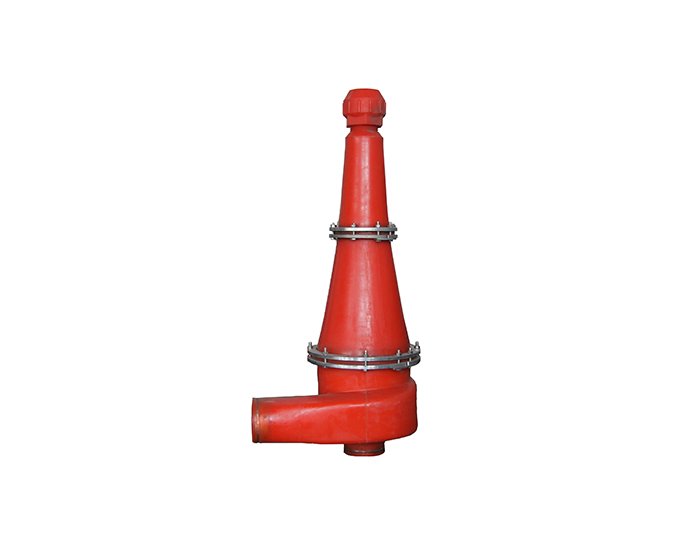
Primary solids control typically involves shale shakers that remove large cuttings, but they often leave behind particles in the 20 to 74-micron range. If these "fines" are allowed to recirculate, they increase the mud's plastic viscosity and yield point, making the fluid "thick" and difficult to pump. An oilfield mud cleaner addresses this by utilizing a manifold of hydrocyclone cones mounted over a high-frequency vibrating screen.
The process begins when the mud is pumped into the desander and desilter cones. Centrifugal force flings the solids toward the walls, while the cleaned liquid moves upward through the vortex finder. However, the "underflow" from these cones still contains a significant percentage of usable drilling fluid. A superior mud cleaner machine allows this underflow to drop onto a fine-mesh vibrating screen. The vibration "shakes" the liquid film off the solid particles, allowing the clean mud to fall back into the active tank while the concentrated solids are discarded. This dual-action recovery is what makes a professional drilling mud cleaner an indispensable asset for any rig aiming for high efficiency.
Engineering Precision: Insights from a Mud Cleaner Manufacturer
Achieving a high recovery rate is not a matter of chance; it is a result of the internal geometries and material science applied by a dedicated mud cleaner manufacturer. The internal surfaces of the hydrocyclone cones must be perfectly smooth to maintain a stable vortex. Any erosion or buildup inside the cone disrupts the centrifugal separation, leading to "mud carryover"—a state where the liquid phase is accidentally discharged with the solids.
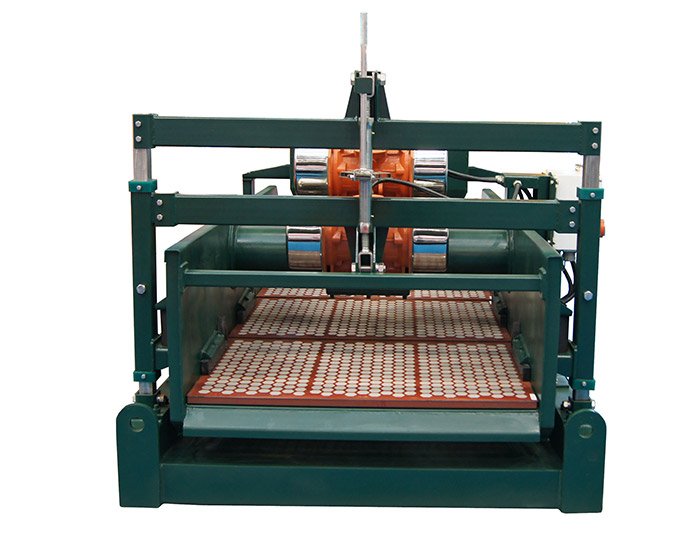
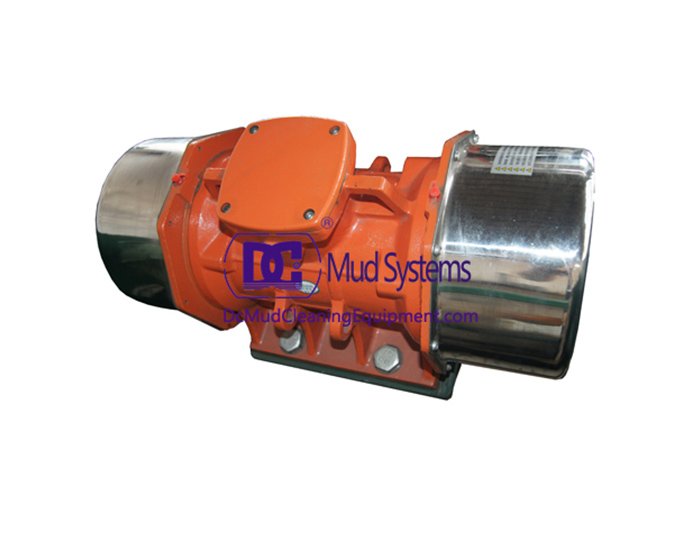
Leading mud cleaner manufacturer companies focus on the chemistry of the polyurethane used in the cones to ensure they can withstand the abrasive force of the mud for thousands of hours. Furthermore, the synchronization of the vibration motors on the shaker deck is critical. If the G-force is too low, the mud will not separate from the solids on the screen; if it is too high, the screen life is shortened. For an operator looking at a mud cleaner for sale, the engineering pedigree of the manufacturer is the ultimate insurance policy against fluid loss. A well-built machine ensures that every drop of synthetic oil or polymer is reclaimed, directly impacting the well’s "Total Cost of Ownership."
Maximizing ROI with Advanced Mud Cleaner Products
The market is currently seeing a surge in specialized mud cleaner products designed for "Zero Discharge" operations. These systems are engineered to handle the ultra-fine solids found in deep-well exploration and horizontal shale plays. In these environments, the "cut-point" of the separation must be incredibly sharp. If the drilling mud cleaner allows too many solids to pass into the active tanks, the mud will eventually become "unpumpable," requiring the operator to "dilute and displace"—a process that wastes thousands of gallons of expensive fluid.
By investing in high-end mud cleaner products, contractors can maintain a much lower "Solids Content" in their active mud system. This translates to higher ROP (Rate of Penetration), as cleaner mud provides better lubrication for the bit and more efficient hydraulic energy at the nozzles. When evaluating a mud cleaner for sale, procurement officers must look beyond the initial price tag and consider the "Fluid Recovery Index" of the equipment. A machine that recovers an extra 2% of the liquid phase can pay for itself within a single 30-day drilling program.
Operational Resilience of Mud Cleaner Systems on Site
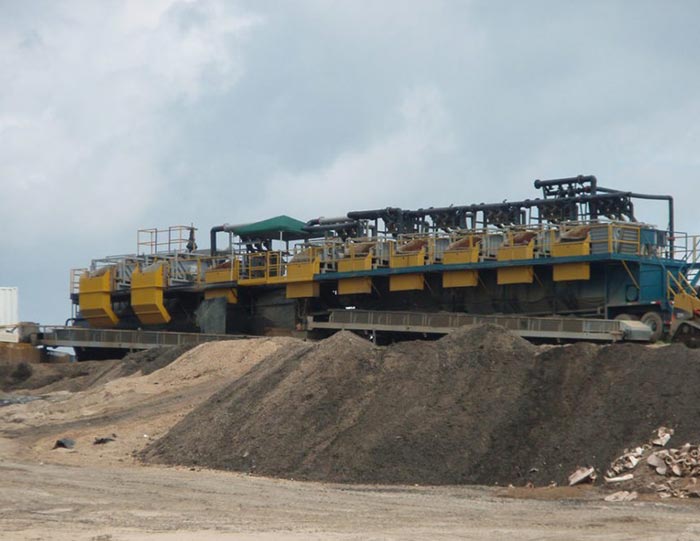
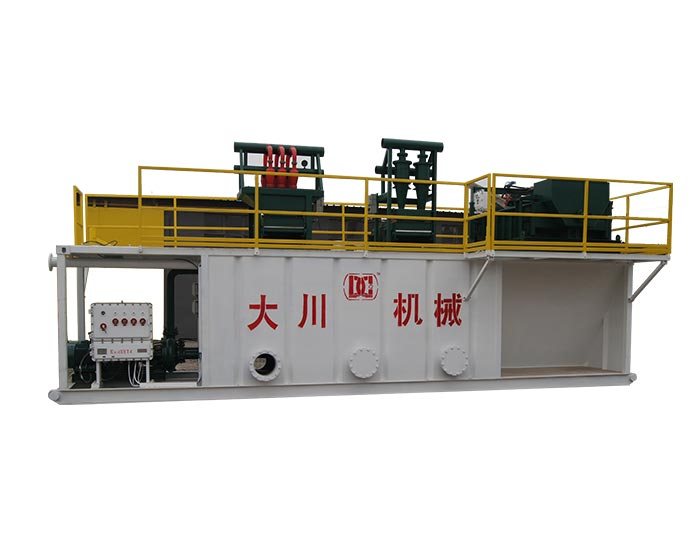
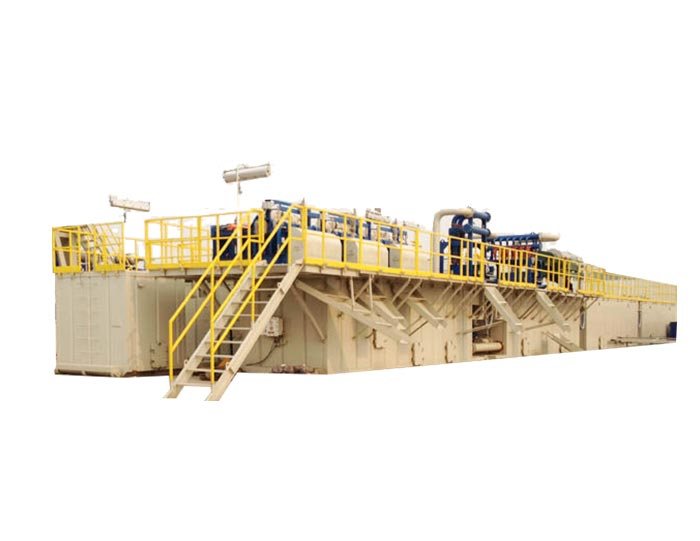
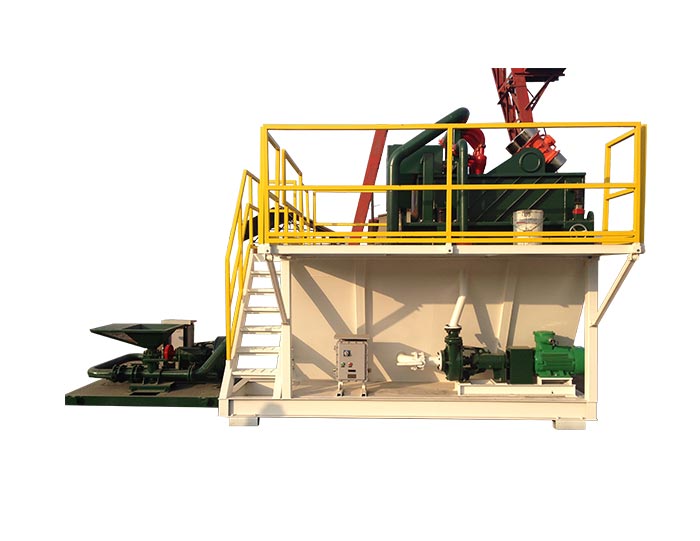
The true test of mud cleaner systems occurs during the "fast-hole" sections of a well, where the volume of returning cuttings can overwhelm a standard rig setup. An optimized mud cleaner machine provides the surge capacity needed to handle these influxes without bypass. The integration of desander and desilter stages into a single skid-mounted unit allows for a more compact footprint and a more streamlined flow-line.
In modern mud cleaner systems, the deck angle of the shaker is often adjustable in real-time. This allows the rig crew to "tune" the machine to the specific mud weight being used. If the mud is heavy, a steeper deck angle ensures that the fluid does not pool and overflow. This operational flexibility is a hallmark of a professional drilling mud cleaner. It ensures that even under the most grueling conditions, the fluid recovery rates remain consistent, protecting the environment and the operator's budget simultaneously.
Why Global Suppliers Prioritize a High-Performance Drilling Mud Cleaner
For international distributors and equipment suppliers, the drilling mud cleaner is often the most requested piece of specialized solids control hardware. This is because the industry is moving away from "open-loop" systems toward "closed-loop" systems where nothing is wasted. A mud cleaner manufacturer that can provide a unit with high-G motors and high-capacity hydrocyclones has a distinct advantage in the global B2B market.
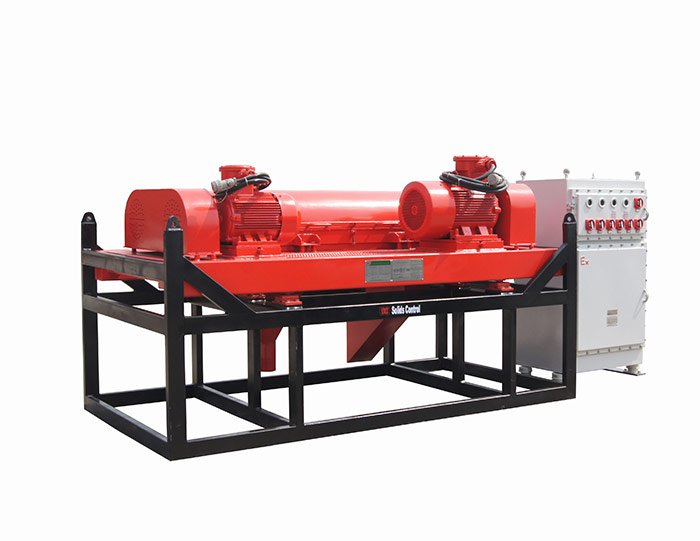
When a rig owner decides to buy mud cleaner technology, they are looking for a system that integrates seamlessly with their existing shale shakers and centrifuges. The connectivity of the mud cleaner systems—how they handle the overflow and underflow—dictates the overall "hydraulic efficiency" of the rig. Suppliers who offer comprehensive mud cleaner products, including replacement cones and specialized screens, provide the long-term support that global contractors require for multi-year drilling contracts.
Conclusion: The Strategic Value of the Mud Cleaner Machine
The impact of an oilfield mud cleaner on fluid recovery rates is a direct function of its engineering quality and operational calibration. It is the machine that turns a "waste stream" into a "recovery stream." By stripping the fine silts and sands from the mud while reclaiming the liquid phase, the drilling mud cleaner preserves the chemical integrity of the fluid and protects the longevity of the entire drilling infrastructure.
As we look toward 2026, the reliance on high-performance mud cleaner products will only increase as environmental regulations tighten and the cost of drilling additives rises. For the professional buyer, the choice is clear: partnering with a reputable mud cleaner manufacturer and investing in a superior mud cleaner machine is the most effective way to ensure a profitable and sustainable drilling operation. The recovery of every liter of fluid at the surface is a testament to the power of precision engineering in the modern oilfield.

 Linear Motion Shale Shaker In Drilling Rig
  Oilfield Mud Cleaner
 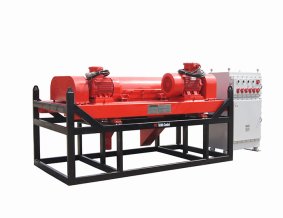 Drilling Fluid Decanter Centrifuge
 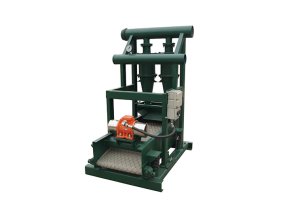 Drilling Mud Desander
 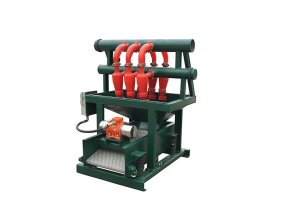 Hydrocyclone Desilter
 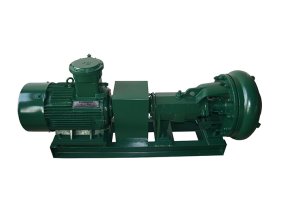 Centrifugal Pump/Centrifugal Mud Pump
 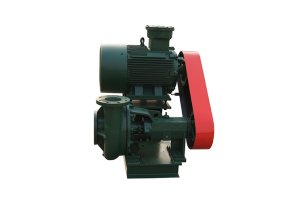 Shear Pump
 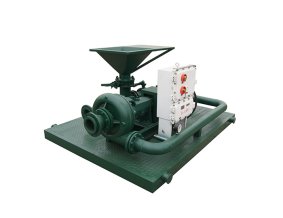 Jet Mud Mixer
 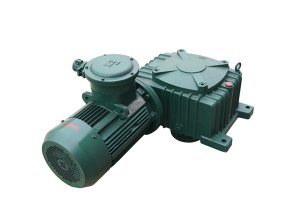 Horizontal Mud Agitator
 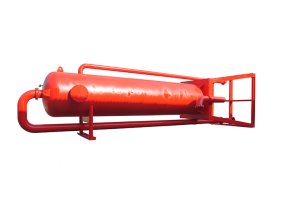 Constant Pressure Drilling Fluid Mud Gas Separator
 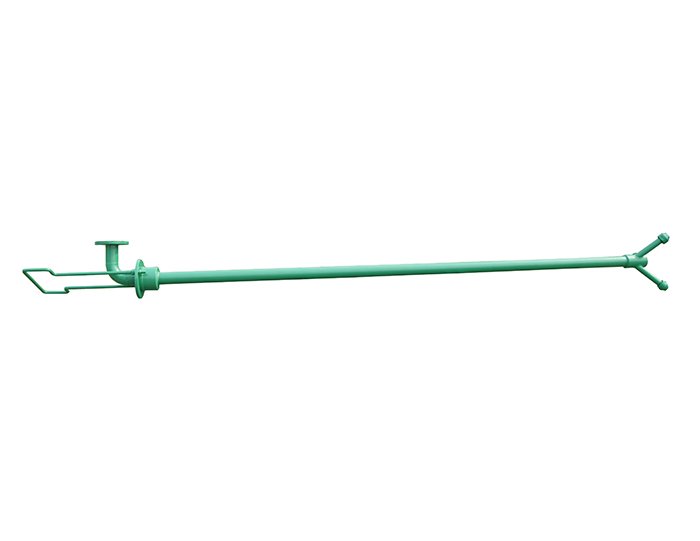 Mud Gun
  Mud Tank
 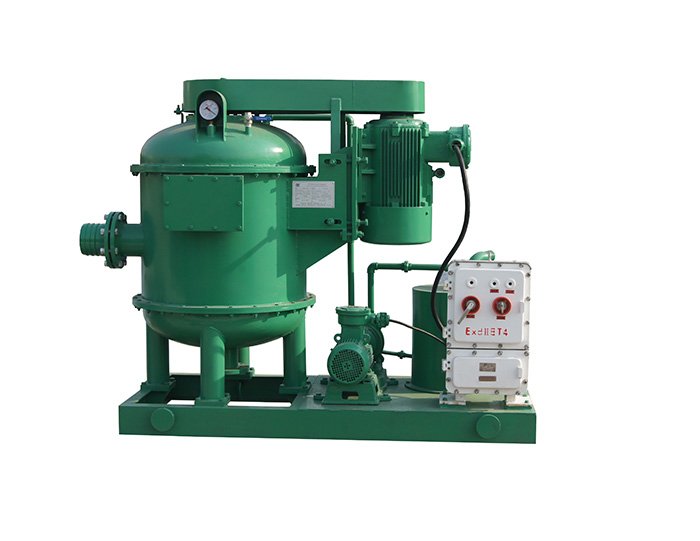 Solids Control System Vacuum Degasser
 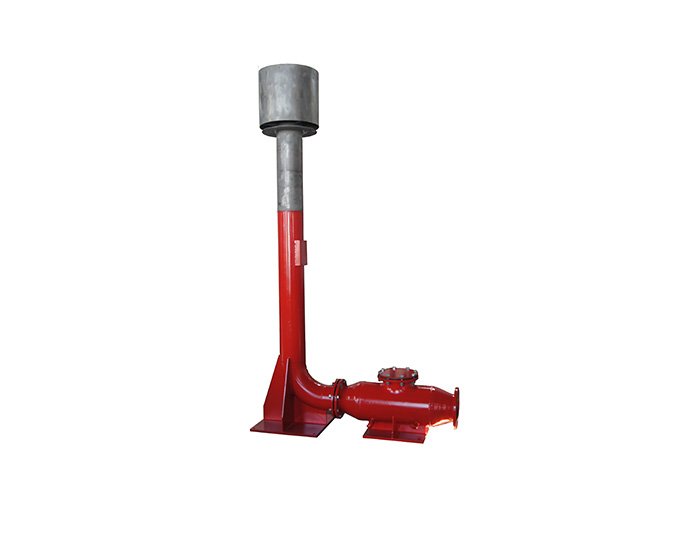 Flare Ignition Device
 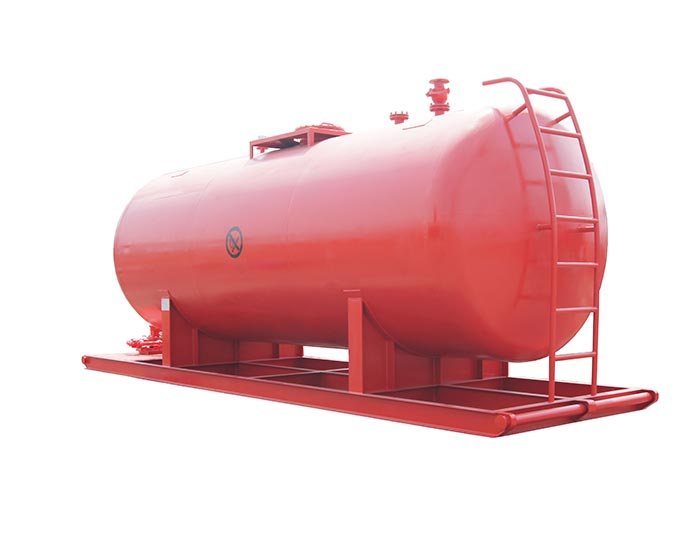 Diesel Tank
 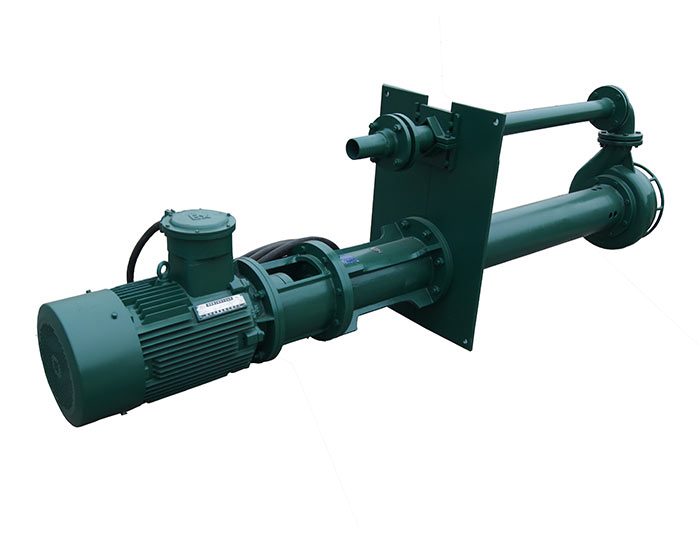 Submersible Slurry Pump