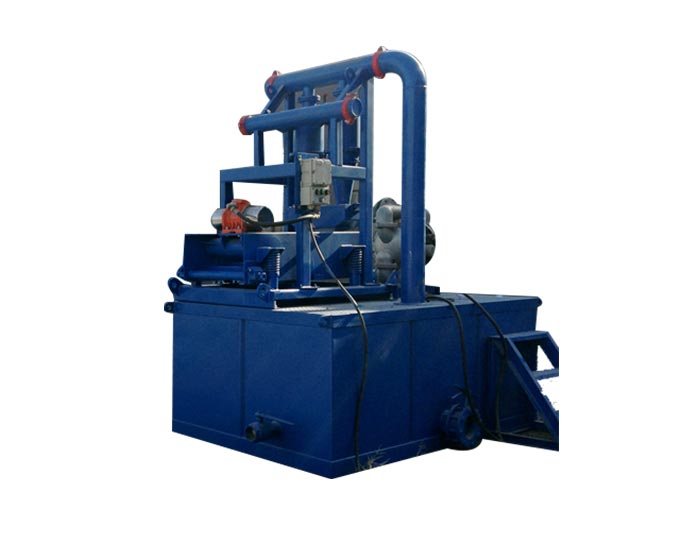
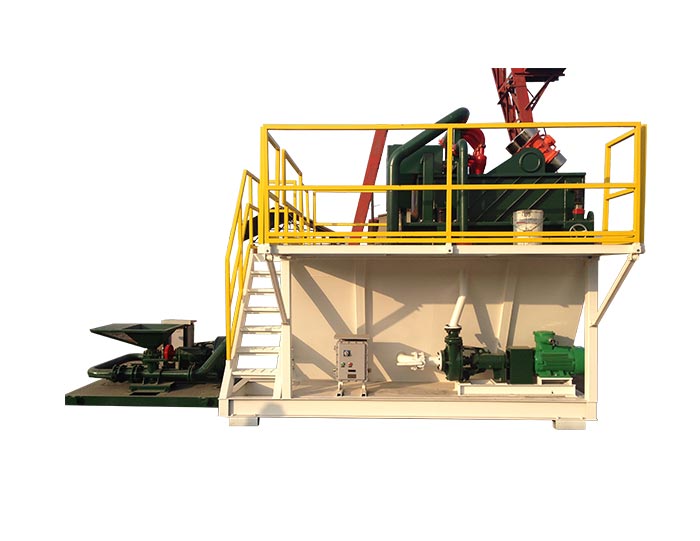
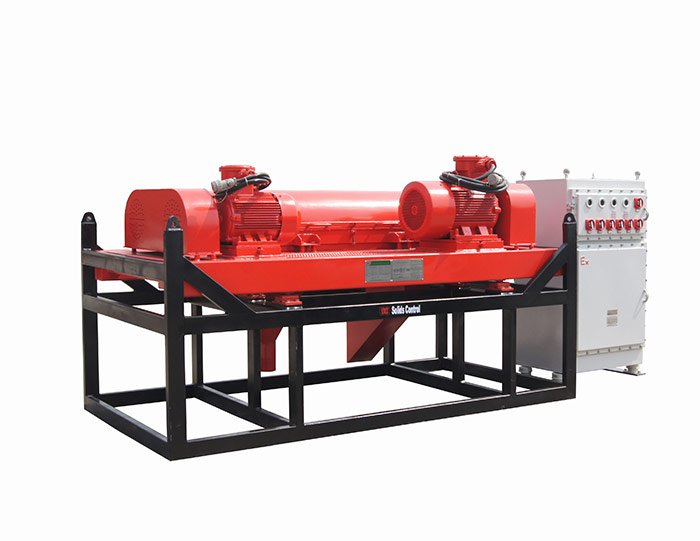
In the modern energy sector, the demand for efficiency has shifted from a mere preference to a survival mandate. As drilling environments become increasingly hostile—characterized by high-pressure formations and the need for ultra-deep penetration—the equipment responsible for fluid integrity must evolve. This evolution is led by a select group of mud cleaner manufacturers who have moved beyond the assembly of basic hardware to the engineering of high-precision separation ecosystems. For a global procurement officer or a rig manager looking to buy mud cleaner technology, the focus has transitioned from the initial acquisition cost to the long-term reliability and the engineering pedigree of the mud cleaner factory.
The Visionary Philosophy of Modern Mud Cleaner Manufacturers
The hallmark of a leading manufacturer is not found in the volume of steel they process, but in the scientific rigor they apply to fluid dynamics. Today’s top mud cleaner manufacturers view the drilling mud cleaner as a dynamic interface between the geological realities of the wellbore and the hydraulic requirements of the surface pumps. This philosophy requires a deep investment in Research and Development (R&D) to solve the "fine solids" problem—the accumulation of microscopic silts that traditional shakers cannot capture.
By utilizing Computational Fluid Dynamics (CFD), a visionary mud cleaner factory can simulate the behavior of various mud weights inside a hydrocyclone before a single prototype is built. This ensures that the mud cleaner machine provides a sharp, consistent cut-point across a wide range of flow rates. When an operator searches for a mud cleaner for sale, they are no longer just looking for a tank with cones; they are looking for a piece of "smart" hardware that represents the pinnacle of current separation science.
Excellence in the Mud Cleaner Factory: Beyond Assembly
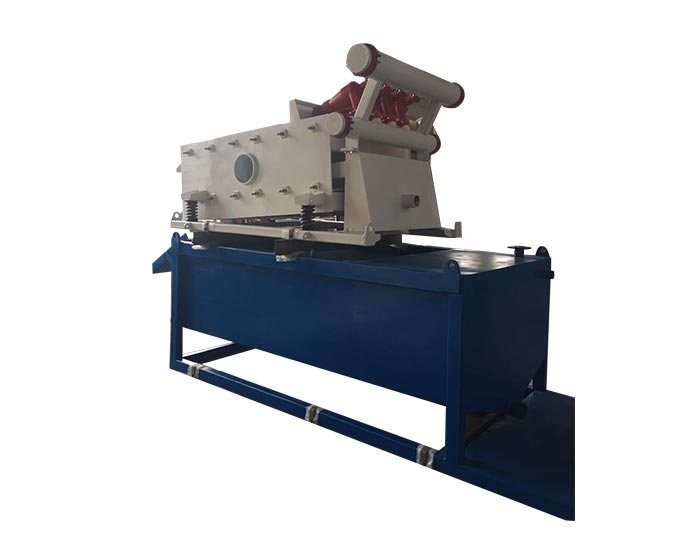
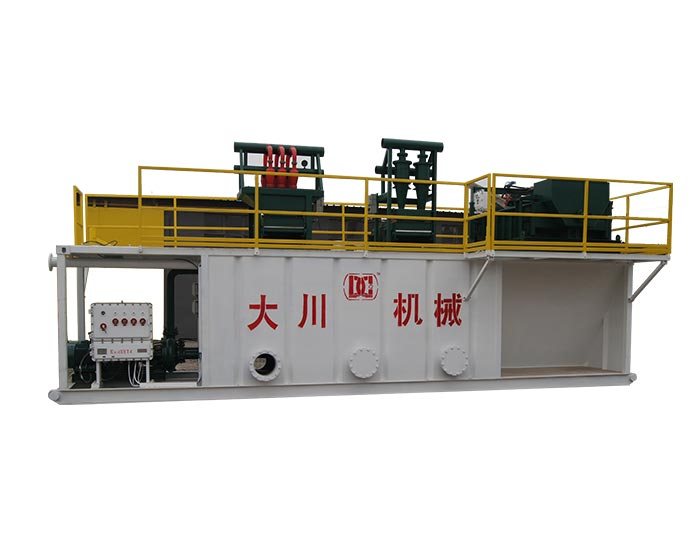
A high-performance mud cleaner machine is a symphony of metallurgy, polyurethane chemistry, and vibrational harmonics. Achieving this level of quality requires a mud cleaner factory that operates under the strictest international standards, such as ISO and API Q1. The manufacturing process begins with the selection of high-grade, corrosion-resistant steel for the manifold and the shaker basket. In an environment where synthetic and oil-based muds are the norm, the steel must be treated to resist chemical attack and abrasive erosion.
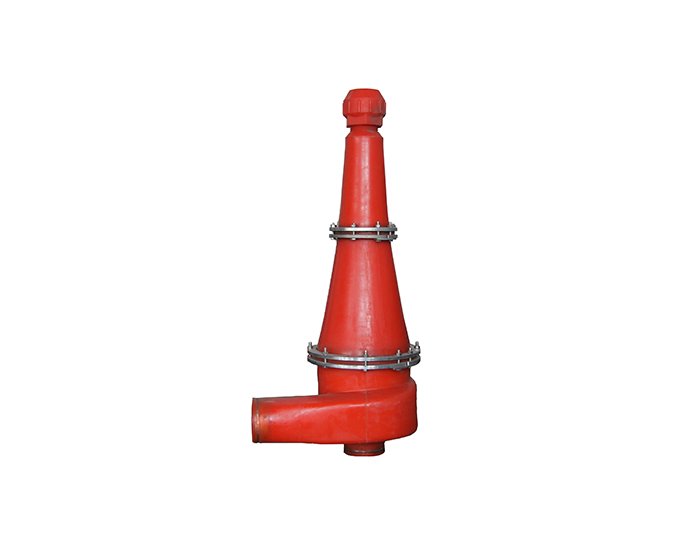
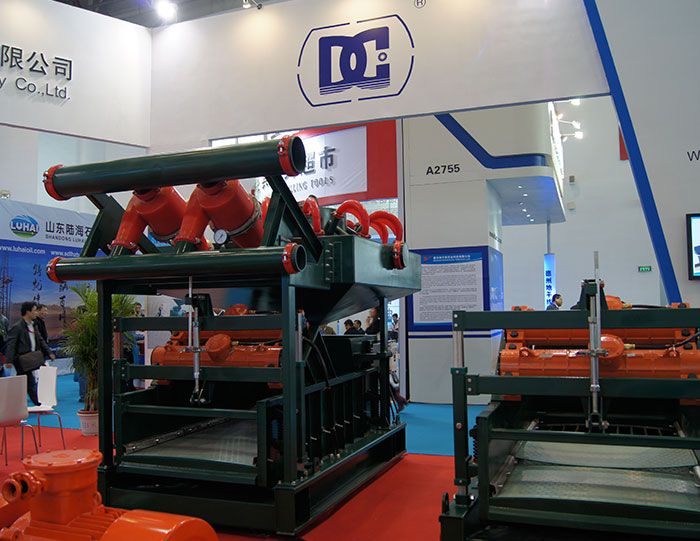
Furthermore, the integration of the hydrocyclone cones into the mud cleaner machine requires a level of precision that only a specialized mud cleaner factory can provide. The alignment of the headers and the distribution of the mud flow must be perfectly symmetrical. If the flow is uneven, certain cones will be overloaded while others remain underutilized, leading to premature wear and inconsistent mud quality. This attention to detail is what defines the mud cleaner products of a global leader—every weld, every seal, and every bolt is a testament to an engineering culture that refuses to compromise on quality.
Innovations in Mud Cleaner Products for Sustainable Drilling
As the industry faces increasing pressure to meet ESG (Environmental, Social, and Governance) targets, mud cleaner manufacturers are responding with innovations that prioritize waste reduction. The latest mud cleaner products are designed with "Zero Discharge" goals in mind. By refining the drilling mud cleaner process, these machines ensure that the solids discharged from the rig are as dry as possible, significantly reducing the volume of waste hauled to disposal sites.
Modern mud cleaner products also feature advanced composite materials for the shaker screens and the cone apexes. These materials are lighter than traditional metals, allowing for higher G-force transmission with lower energy consumption. When a contractor decides to buy mud cleaner equipment today, they are investing in a system that lowers their carbon footprint while simultaneously protecting their bottom line through reduced chemical and water consumption.
Evaluating a Mud Cleaner for Sale in a Global Market
For the B2B buyer, navigating the global marketplace to find a mud cleaner for sale requires a discerning eye for "Total Cost of Ownership." A lower-priced unit from an unverified source often carries hidden costs in the form of frequent downtime, expensive replacement parts, and poor fluid recovery. In contrast, the mud cleaner products offered by established manufacturers are backed by a global service network and a consistent supply of authentic parts.
When reviewing a mud cleaner for sale, it is essential to look at the "scalability" of the design. Can the mud cleaner machine be upgraded with more cones if the drilling program expands? Is the footprint compatible with existing rig mud tanks? Leading mud cleaner manufacturers design their units with these logistical realities in mind, providing modular solutions that can adapt to the changing needs of the oilfield. This adaptability is what makes a specific drilling mud cleaner a valuable asset for a fleet that moves between diverse geological regions.
Why Global Contractors Choose to Buy Mud Cleaner Technology from Specialists
The decision to buy mud cleaner hardware is a strategic one that affects the safety of the entire rig. Gas-cut mud or high-solids mud can lead to "kicks" or "stuck pipe" incidents that cost millions of dollars. By choosing to buy mud cleaner systems from a manufacturer with a proven oilfield pedigree, contractors are buying peace of mind. These specialists understand the nuance of the "secondary" and "tertiary" separation phases, ensuring that the drilling mud cleaner acts as a reliable bridge between the shakers and the centrifuges.
Furthermore, a specialized manufacturer provides the technical expertise needed to optimize the machine for specific formations. Whether drilling through fast-paced shale or abrasive sandstone, the manufacturer can recommend the precise cone configuration and screen mesh to achieve maximum fluid recovery. This level of consultative partnership is what differentiates a simple equipment vendor from a true mud cleaner factory partner.

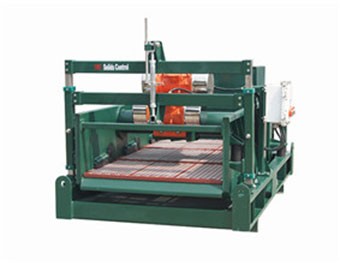 Linear Motion Shale Shaker In Drilling Rig
 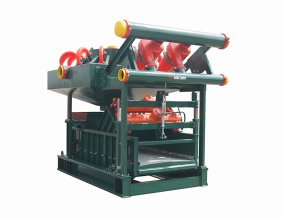 Oilfield Mud Cleaner
 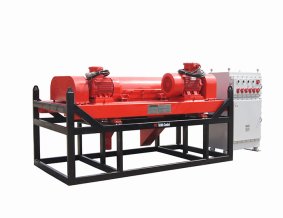 Drilling Fluid Decanter Centrifuge
 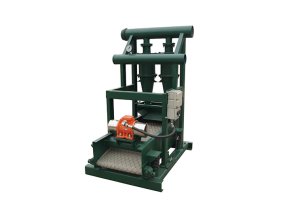 Drilling Mud Desander
 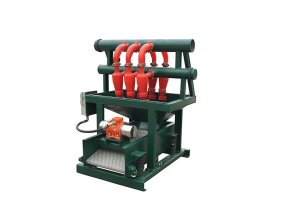 Hydrocyclone Desilter
 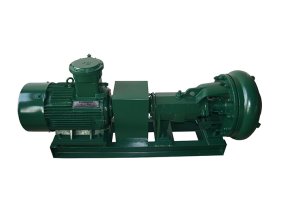 Centrifugal Pump/Centrifugal Mud Pump
 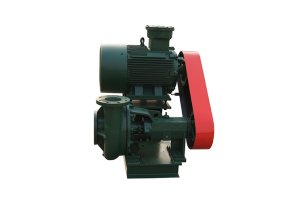 Shear Pump
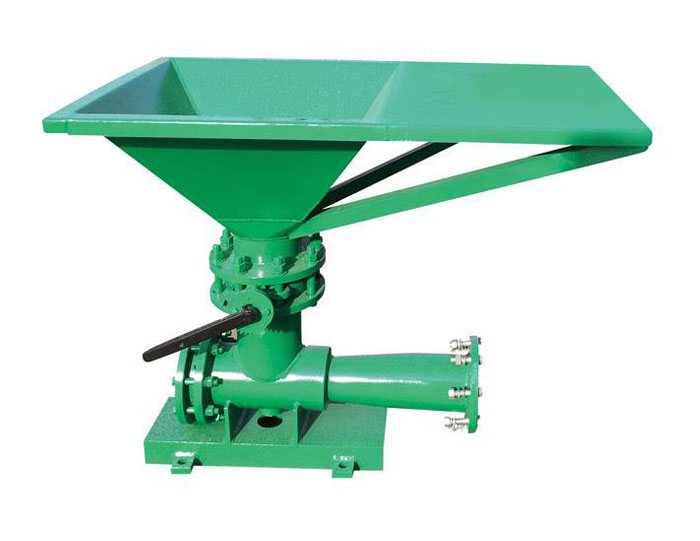
 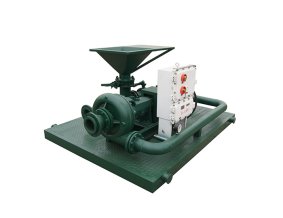 Jet Mud Mixer
 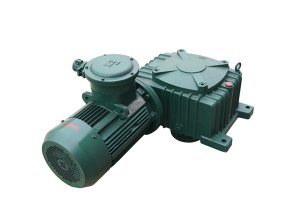 Horizontal Mud Agitator
 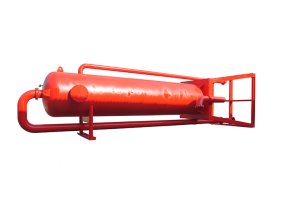 Constant Pressure Drilling Fluid Mud Gas Separator
 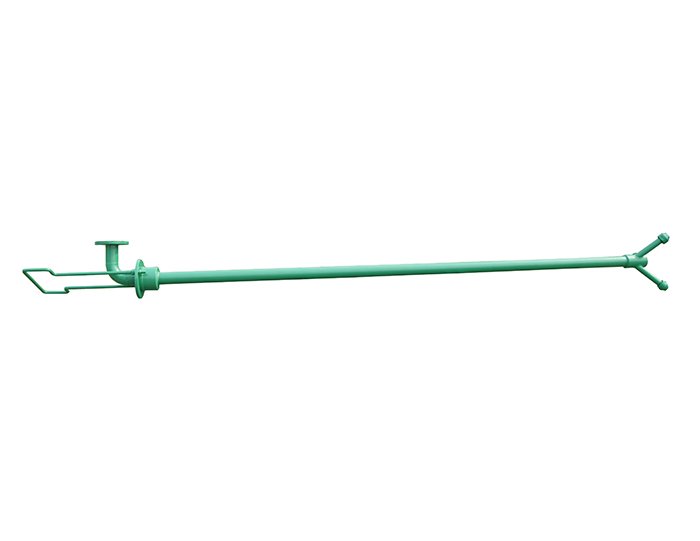 Mud Gun
  Mud Tank
 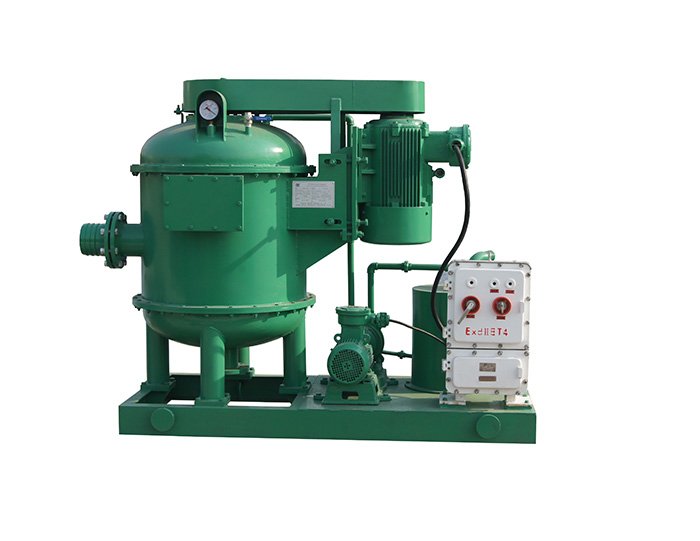 Solids Control System Vacuum Degasser
 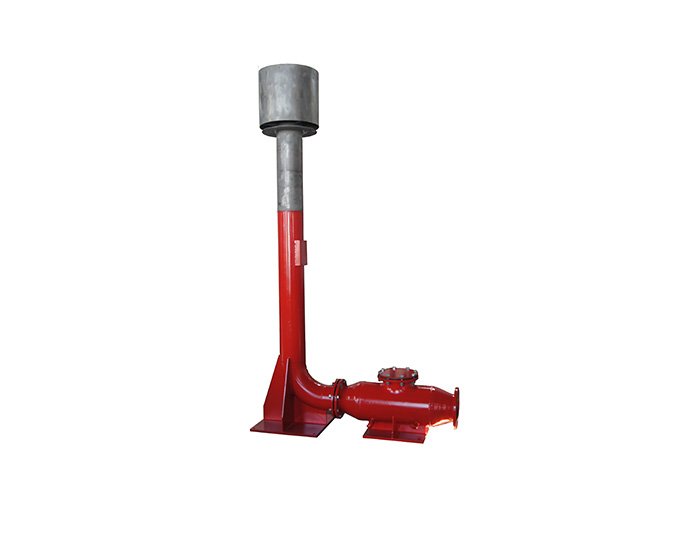 Flare Ignition Device
 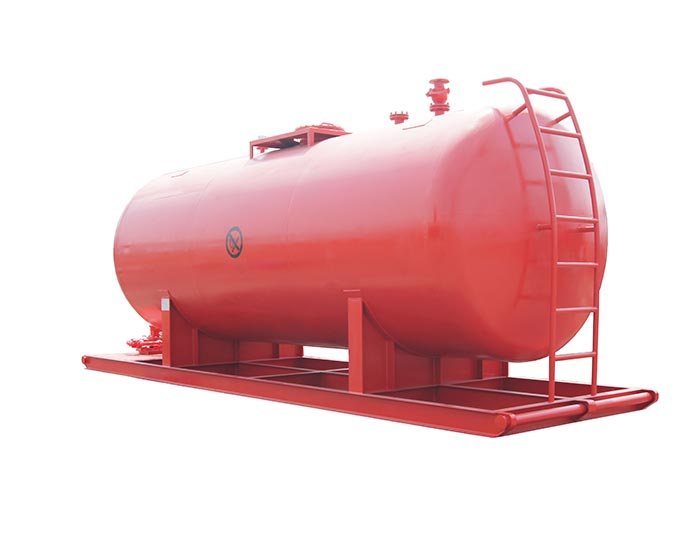 Diesel Tank
 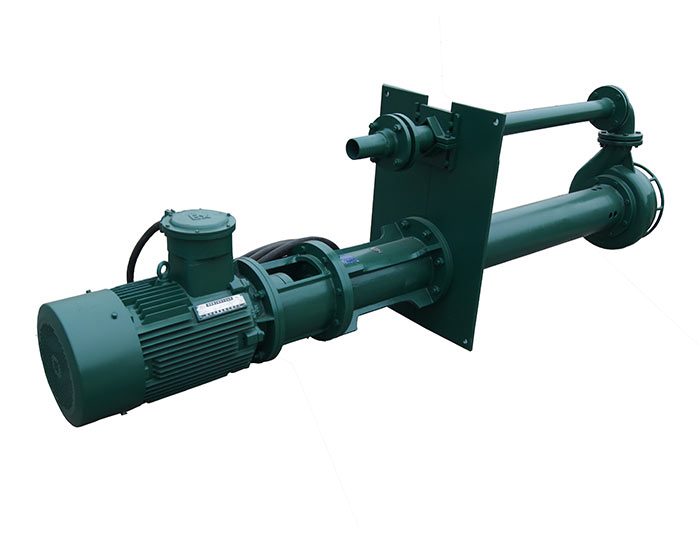 Submersible Slurry Pump