In the complex world of oilfield fluid management, the capacity to process drilling mud is often the bottleneck that dictates the overall speed of a project. As drilling rigs push into more aggressive formations, the volume of returns frequently exceeds the capabilities of a single separation unit. This has led to the widespread adoption of multi-unit configurations, primarily the dual shale shakers and the three connected shale shakers. While both setups aim to enhance the efficiency of shale shakers and drilling fluid systems, they represent different philosophies in rig design and operational scalability. For a shale shaker company looking to provide the best solutions to their clients, understanding the nuances of these configurations is essential for optimizing the mud circulation loop.
The Versatility and Footprint of Dual Shale Shakers
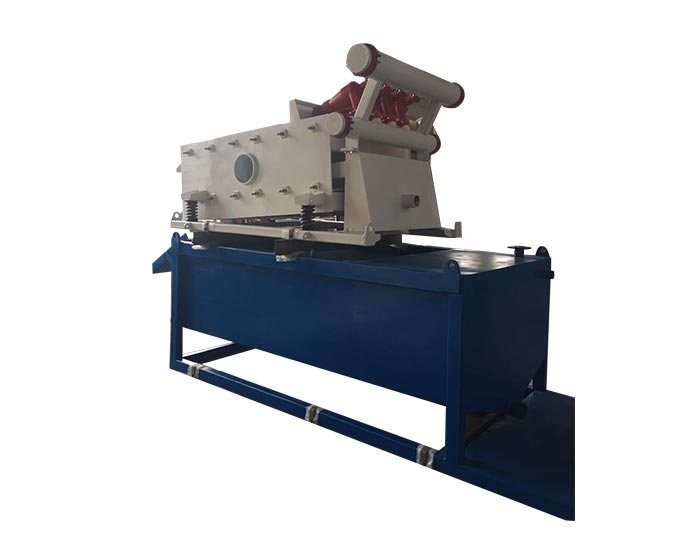
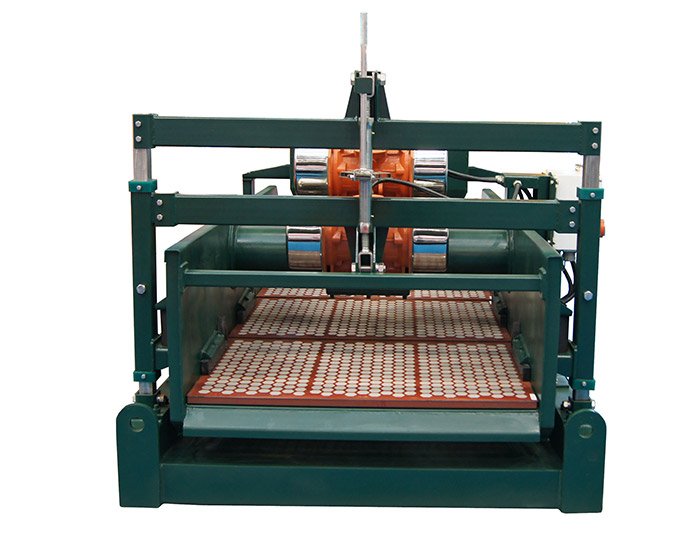
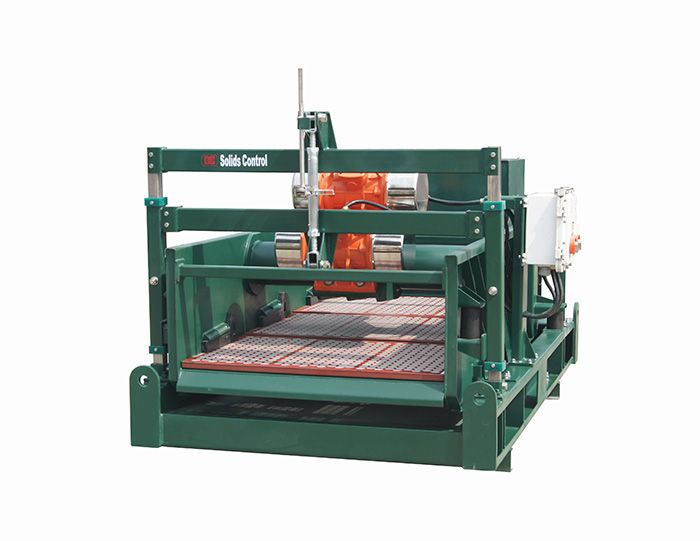
The dual shale shakers configuration is perhaps the most common upgrade for medium-to-heavy duty land rigs and mobile offshore units. This setup involves two independent shaker units mounted on a single skid or directly onto the shale shaker tank. The primary advantage of this arrangement is redundancy and flexibility. In many drilling scenarios, a shale shaker company will recommend a dual setup because it allows for "staggered" maintenance. If one unit requires a screen change or motor inspection, the mud flow can be diverted to the second unit without halting the entire drilling operation.
Furthermore, dual shale shakers offer an excellent balance between processing power and spatial economy. On rigs where deck space is at a premium, a dual configuration provides double the filtration area of a single unit while maintaining a manageable footprint. This makes it the preferred choice for a shale shaker supplier in China providing equipment for international contractors who operate in diverse and often cramped environments. The dual setup is particularly effective in sections where the flow rate is high but the cuttings volume is moderate, allowing each shaker to operate at a comfortable G-force without being overwhelmed.
Scaling for High-Intensity Projects with Three Connected Shale Shakers
When the drilling program involves large-diameter holes or high-speed intervals in gas-rich shales, the fluid volume can spike beyond the capacity of even the best dual systems. This is where three connected shale shakers become a technical necessity. Unlike independent units, a "connected" or "triplex" system is often designed with a unified distribution manifold. This manifold ensures that the mud returning from the wellbore is split with mathematical precision across all three shaker decks.
The move to three connected shale shakers is a move toward "low-head" processing. By spreading the mud across a much larger total surface area, the depth of the fluid pool on each individual screen is significantly reduced. This allows the shale shakers and drilling fluid systems to utilize finer mesh screens than would be possible in a dual setup. Because the fluid is spread thinner, the G-force can act more effectively on the solid particles, leading to much drier cuttings and a cleaner mud return. For high-stakes offshore projects or deep-well land rigs, the triple configuration is the gold standard for primary solids control.
Integrating Multi-Unit Systems into the Shale Shaker Tank
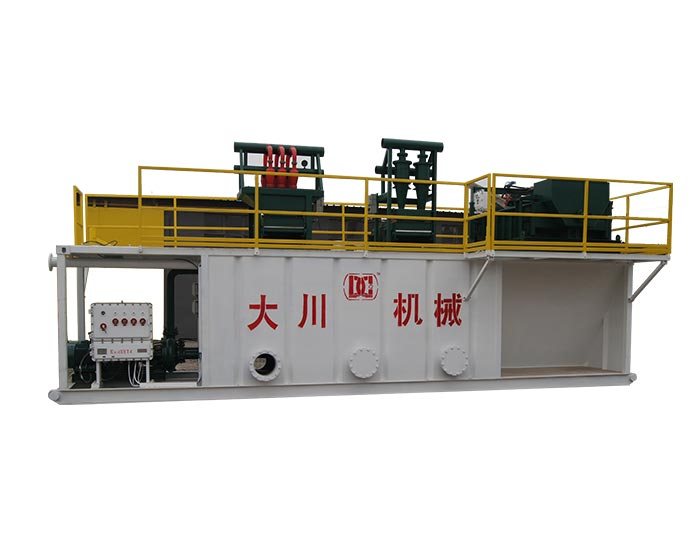
The success of any multi-shaker configuration is heavily dependent on the design of the shale shaker tank. This tank serves as the foundation for the entire solids control process. When a shale shaker supplier in China designs a tank for dual shale shakers, they must ensure that the internal baffles and sand traps are aligned with the discharge points of both machines. If the tank design is poor, solids can settle in "dead zones" beneath the shakers, eventually leading to tank cleaning downtime.
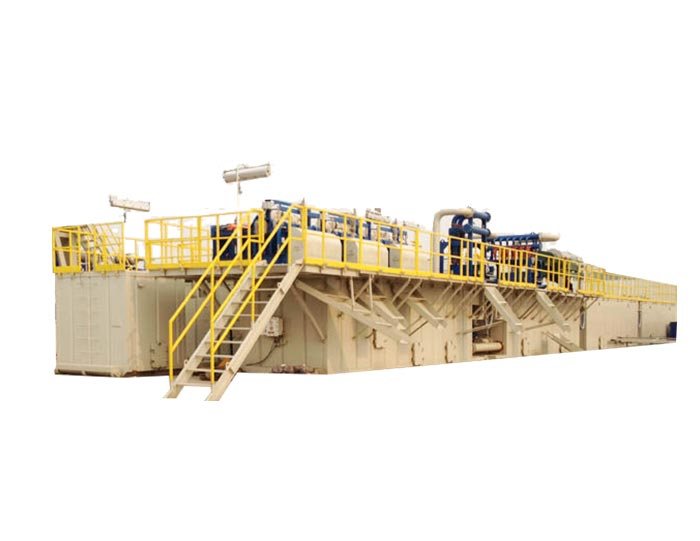
For three connected shale shakers, the tank integration becomes even more critical. The tank must be structurally reinforced to handle the combined vibrational energy of three high-G motors. Additionally, the piping for the bypass and the flow-line must be significantly larger to accommodate the bulk volume. A professional shale shaker company will often design these tanks with integrated walkways and centralized control panels, allowing a single operator to manage the entire triple-shaker array from a safe distance. This level of integration is what transforms a collection of machines into a high-efficiency fluid restoration plant.
Sourcing Strategies: Finding a Reliable Shale Shaker Supplier in China
For global procurement officers, the decision between a dual or triple setup often comes down to the reliability and technical support of the shale shaker supplier in China. Because these multi-unit systems involve complex synchronization—especially in the case of the triple configuration—the quality of the vibrator motors and the electrical control systems is paramount. A supplier that can provide a "plug-and-play" skid-mounted solution is highly valued in the B2B market.
A reputable shale shaker company will not only provide the hardware but also the engineering expertise to help the client choose between dual shale shakers and three connected shale shakers. This includes calculating the "Max Flow Rate" (MFR) for specific mud weights and predicting the screen consumption rates. In the competitive landscape of 2026, the best suppliers are those who act as consultants, ensuring that the equipment provided is perfectly matched to the hydraulic requirements of the client's drilling fleet.

 Linear Motion Shale Shaker In Drilling Rig
 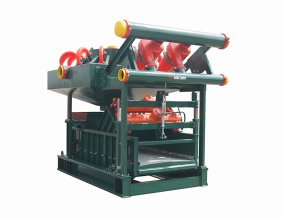 Oilfield Mud Cleaner
 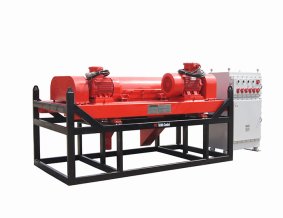 Drilling Fluid Decanter Centrifuge
 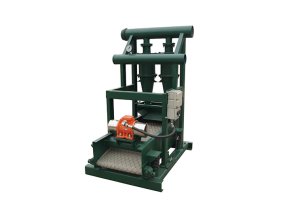 Drilling Mud Desander
 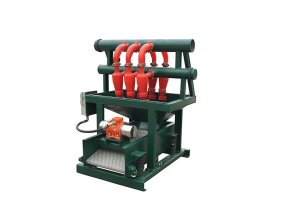 Hydrocyclone Desilter
 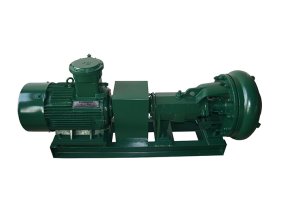 Centrifugal Pump/Centrifugal Mud Pump
 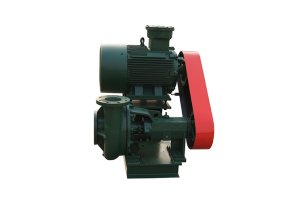 Shear Pump
 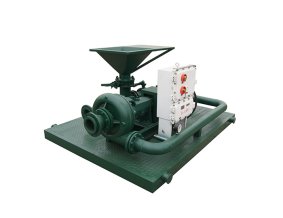 Jet Mud Mixer
 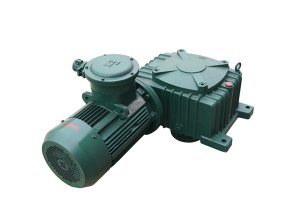 Horizontal Mud Agitator
 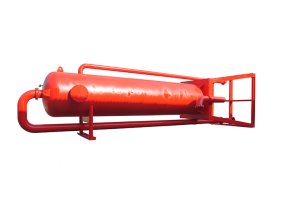 Constant Pressure Drilling Fluid Mud Gas Separator
 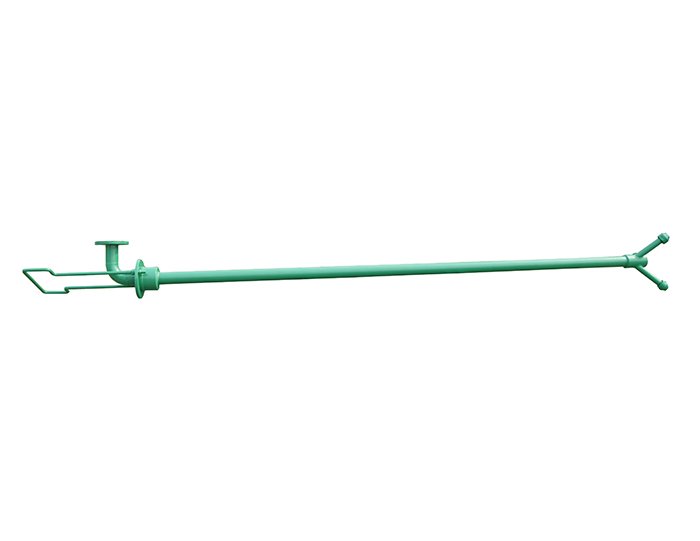 Mud Gun
  Mud Tank
 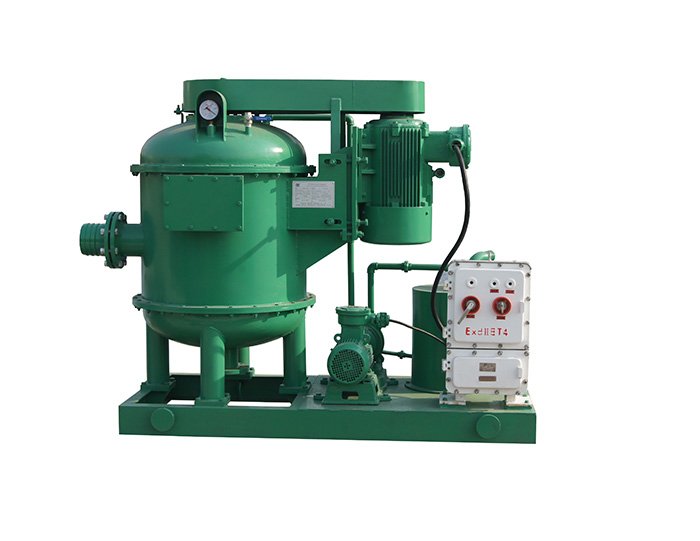 Solids Control System Vacuum Degasser
 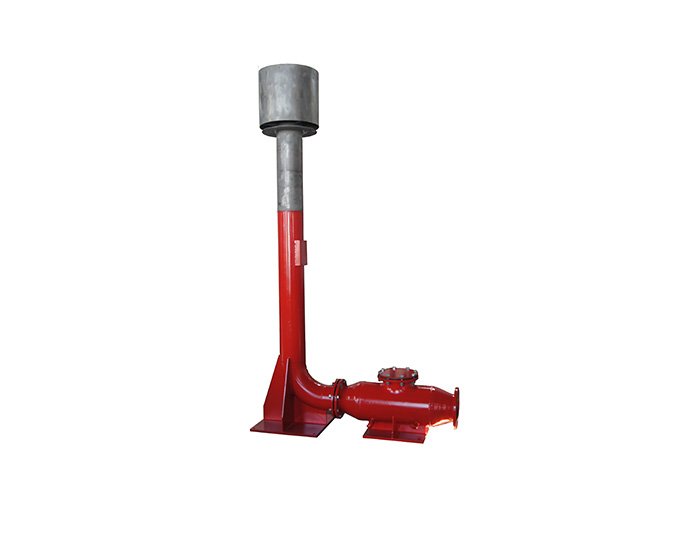 Flare Ignition Device
 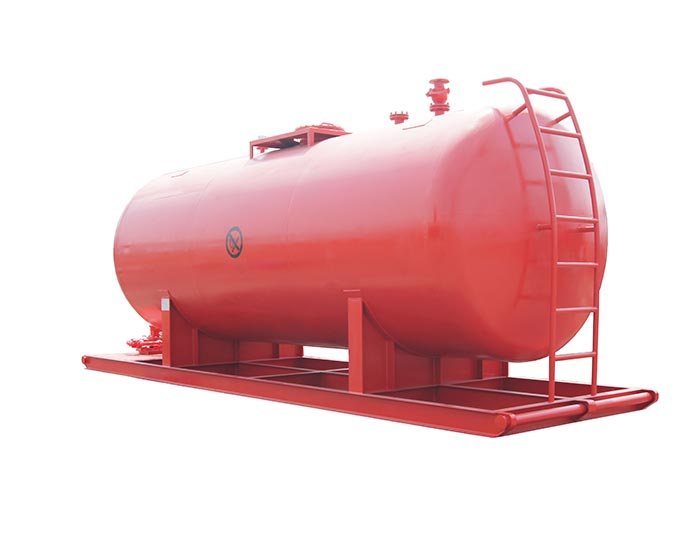 Diesel Tank
 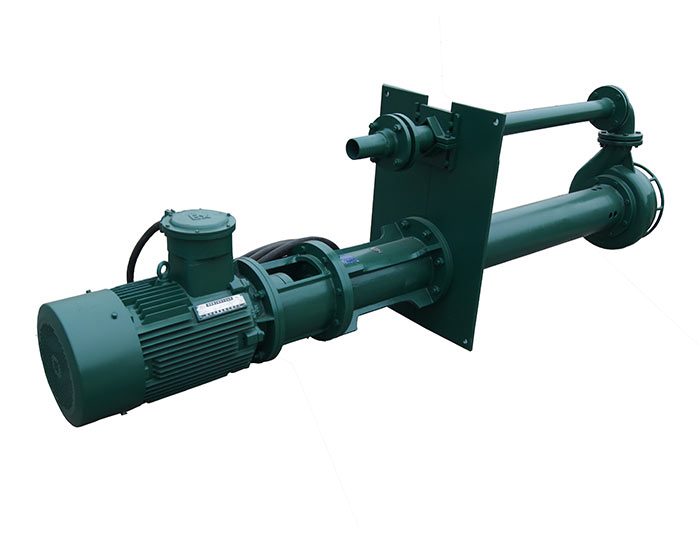 Submersible Slurry Pump