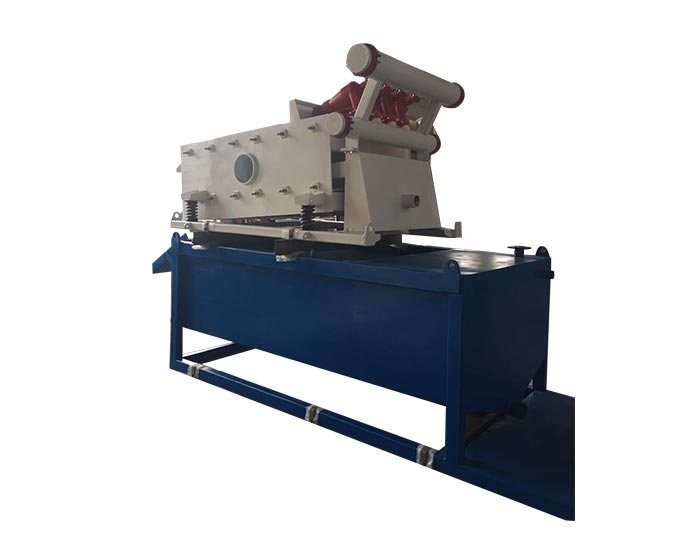
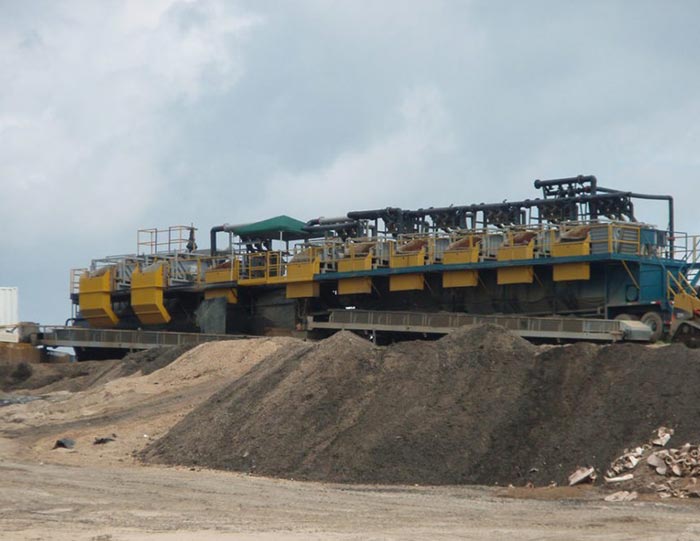
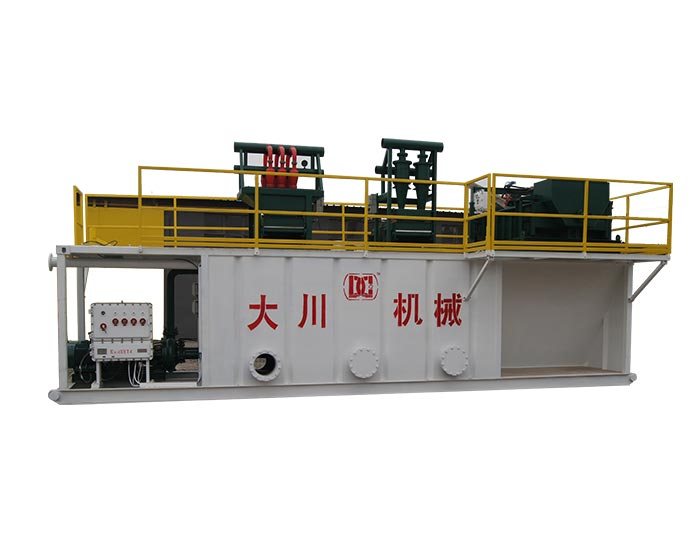
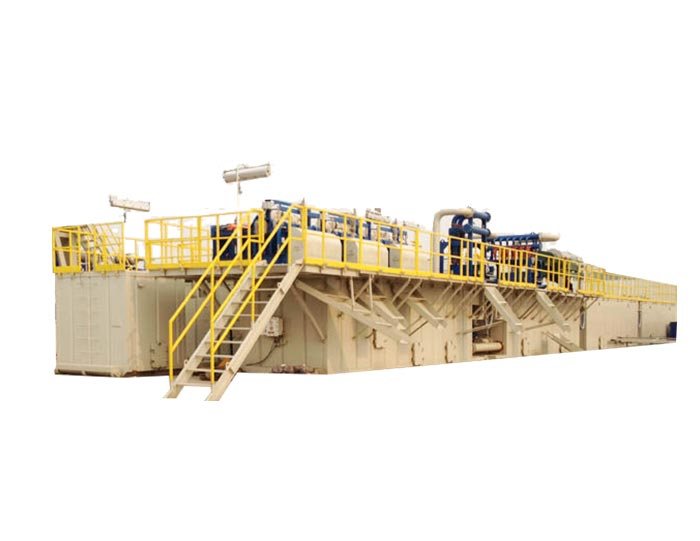
In the modern landscape of oil and gas exploration, the efficiency of a drilling operation is no longer measured solely by the depth of the bit, but by the sophistication of the fluid management strategy. As wells become deeper and formations more complex, the role of the solids control system vacuum degasser has evolved from an optional accessory to a non-negotiable pillar of rig safety and fluid economy. The fluid circulating through the wellbore is the lifeblood of the project, and any.
contamination by entrained gases can lead to a cascade of mechanical and financial failures.
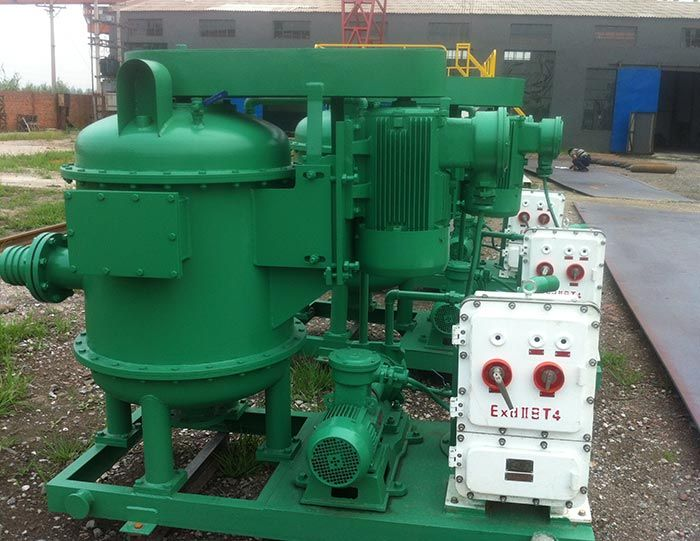
The Strategic Integration of a Solids Control System Vacuum Degasser
The primary function of a solids control system vacuum degasser is to address a problem that invisible to the naked eye but devastating to the bottom line: gas-cut mud. When drilling through high-pressure zones, various gases—ranging from simple methane to hazardous hydrogen sulfide—become trapped within the drilling fluid. These gases do not always migrate to the surface as large, manageable bubbles; instead, they often remain entrained as micro-bubbles that lower the overall density of the mud.
Integrating a premium vacuum degasser into the solids control sequence immediately after the shakers ensures that these gases are removed before the fluid reaches the desanders or desilters. This placement is strategic. If gas-cut mud is allowed to proceed further into the system, it causes "gas-lock" in centrifugal pumps and hydrocyclones, rendering the entire solids removal process ineffective. By investing in a high-performance unit, operators ensure that every subsequent stage of the mud vacuum system operates at peak hydraulic efficiency, preserving the expensive weighting agents and chemicals that keep the well stable.
Beyond Basic Functionality: The Engineering of a Vacuum Tank Degasser
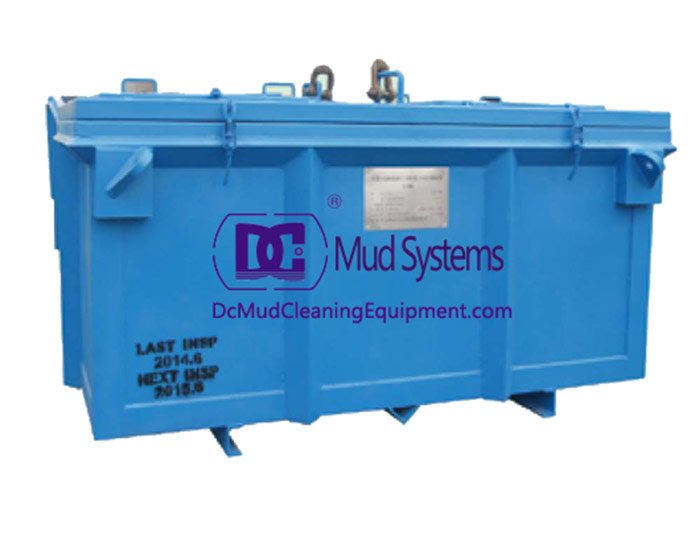
While the market is flooded with basic equipment, the distinction of a high-performance vacuum tank degasser lies in its internal architecture. A standard tank might simply apply suction, but a professional-grade unit is engineered to maximize "thin-film" exposure. The goal is to spread the mud across a massive internal surface area, allowing the vacuum to work on a molecular level. In a high-end vacuum tank degasser, the internal baffles or corrugated plates are designed to create turbulence, which actively breaks the surface tension of high-viscosity muds that would otherwise hold onto gas bubbles with tenacious grip.
This level of engineering is what separates a generic vessel from a true vacuum degasser solution. For B2B buyers looking to buy vacuum degasser units that will last for decades, the focus must be on the material science of these internal components. Corrosion resistance is paramount, especially when dealing with sour gas or high-salinity fluids. A tank that fails due to internal erosion is more than just a repair cost; it is a safety liability that can halt an entire drilling program.
Operational Resilience During Vacuum Degasser Drilling
The true test of a mud vacuum system occurs during "kick" conditions or when drilling through fast-paced, gas-rich shale plays. During these periods, the volume of gas influx can fluctuate wildly. A low-tier unit might become overwhelmed, leading to "mud carryover" where drilling fluid is accidentally sucked into the vacuum lines, or worse, gas-cut mud is returned to the suction tanks. High-performance vacuum degasser drilling operations rely on automated level controls and high-capacity gas-water separators to prevent these issues.
A robust vacuum degasser acts as a buffer for the entire rig. It provides the driller with the confidence that the hydrostatic head—the pressure exerted by the column of mud—remains constant. When the mud weight is stable, the risk of a blowout is significantly mitigated. This operational resilience is the invisible ROI of quality equipment. It isn't just about removing gas; it is about providing a consistent, predictable environment for the most dangerous and expensive parts of the drilling process.
Navigating the Global Market for Vacuum Degasser Wholesale
For procurement managers and international distributors, the decision to engage in vacuum degasser wholesale requires a move toward long-term partnerships rather than transactional purchases. The global supply chain for solids control equipment has become increasingly complex, with many manufacturers prioritizing cost over durability. However, in the B2B industrial sector, the cost of a single hour of downtime far exceeds the initial savings of a cheaper unit.
When exploring vacuum degasser wholesale opportunities, it is vital to evaluate the manufacturer's testing protocols. High-performance units should undergo rigorous vacuum leak tests and pressure vessel certifications (such as ASME or equivalent international standards) before they leave the factory. A supplier that can provide a comprehensive dossier of technical compliance is a supplier that understands the high-stakes nature of the oilfield. Furthermore, wholesale buyers should look for modular designs that allow for easy shipping and rapid assembly on-site, reducing the logistical headaches associated with large-scale industrial hardware.
Why Leading Operators Choose to Buy Vacuum Degasser Units with Proven Pedigree
The decision to buy vacuum degasser technology should be driven by data and technical merit. In an era where ESG (Environmental, Social, and Governance) scores are becoming important, the ability of a vacuum degasser to safely capture and vent hazardous gases is a major advantage. High-performance units are equipped with sophisticated venting systems that ensure gas is moved safely away from the rig floor, protecting the health of the crew and reducing the environmental footprint of the site.
Ultimately, a solids control system vacuum degasser is an insurance policy for your drilling fluid. It preserves the rheology of the mud, protects the longevity of the mud pumps, and serves as a critical safety barrier. Whether you are a rig owner looking to upgrade your fleet or a distributor looking to buy vacuum degasser units for a regional market, the focus must remain on the synergy of high-capacity vacuum power and precision internal engineering. As the industry pushes into more challenging environments, only those equipped with high-performance degassing technology will be able to navigate the complexities of modern drilling with safety and profit intact.

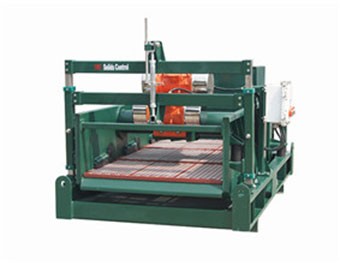 Linear Motion Shale Shaker In Drilling Rig
 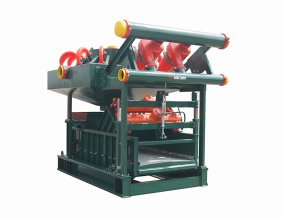 Oilfield Mud Cleaner
 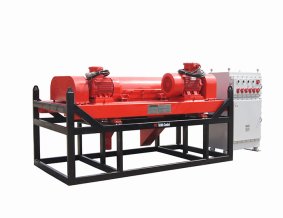 Drilling Fluid Decanter Centrifuge
 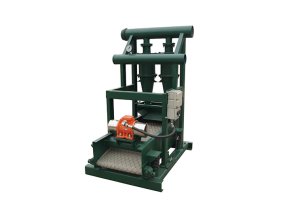 Drilling Mud Desander
 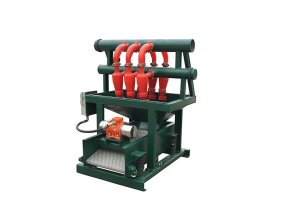 Hydrocyclone Desilter
 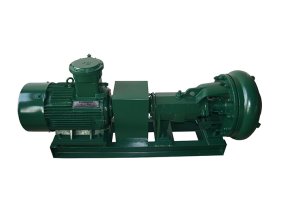 Centrifugal Pump/Centrifugal Mud Pump
 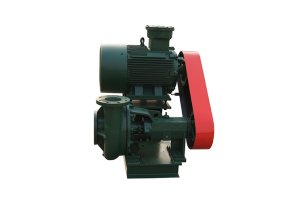 Shear Pump
 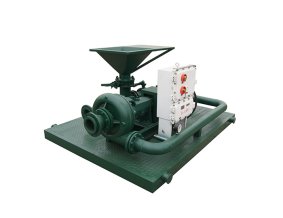 Jet Mud Mixer
 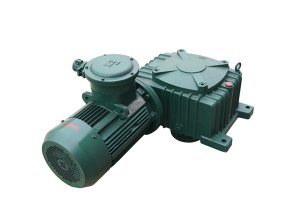 Horizontal Mud Agitator
 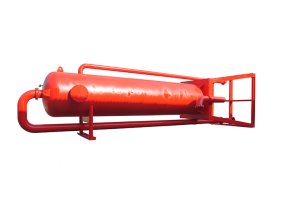 Constant Pressure Drilling Fluid Mud Gas Separator
 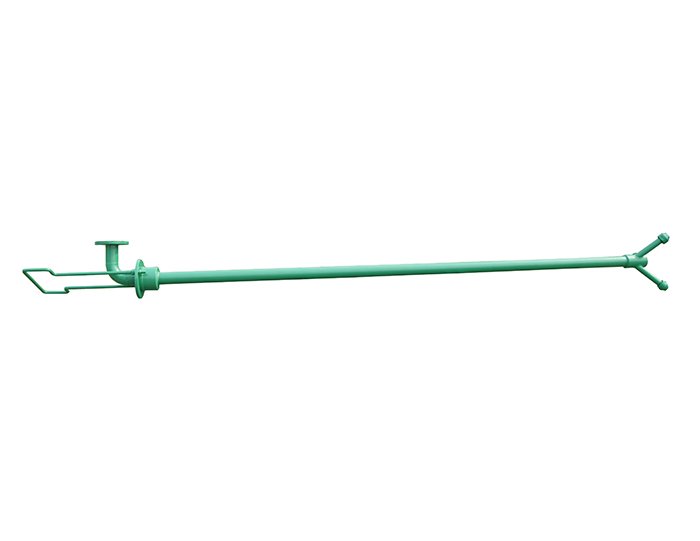 Mud Gun
  Mud Tank
 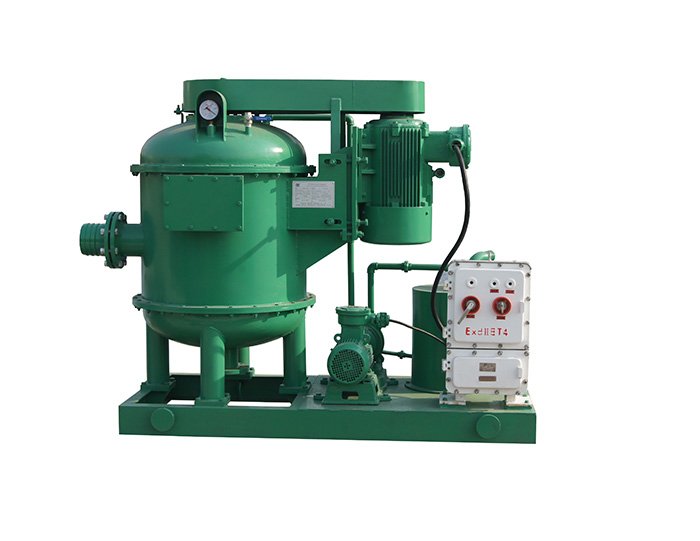 Solids Control System Vacuum Degasser
 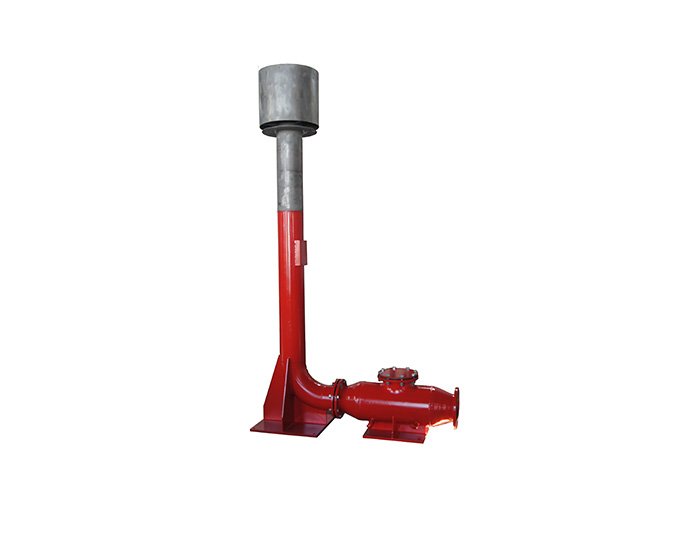 Flare Ignition Device
 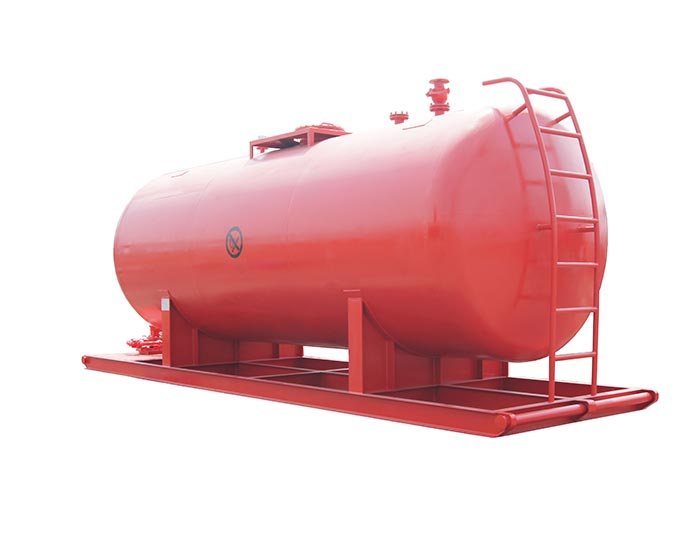 Diesel Tank
 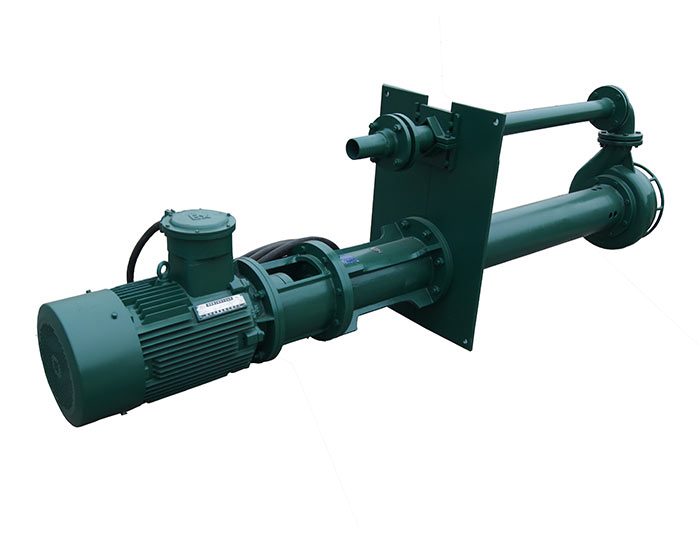 Submersible Slurry Pump