Deep drilling projects continue to push the boundaries of modern oil and gas exploration. As operators target deeper reservoirs and more challenging geological formations, drilling systems must deliver higher efficiency, stronger reliability, and improved fluid management performance. One of the most important technologies supporting these demanding operations is the high g shale shaker system.
Modern drilling operations generate large volumes of drilled solids that must be removed quickly and efficiently from the drilling fluid circulation system. In deep wells, solids loading is often significantly higher than in conventional drilling projects, making advanced solids separation equipment essential for maintaining stable drilling performance.
A high-performance g force shale shaker provides faster solids conveyance, improved fluid recovery, and greater separation efficiency under heavy drilling conditions. Compared with traditional shaker systems, high G-force technology allows operators to process larger drilling fluid volumes while reducing the amount of residual solids remaining in the mud system.
As drilling environments become increasingly complex, advanced shale shaker technology has become a critical component of modern oilfield solids control operations. From onshore exploration wells to offshore deepwater projects, high G shale shaker systems are now widely used to improve drilling fluid management, protect expensive drilling equipment, and reduce operational costs.
How High G Shale Shaker Technology Improves Solids Separation
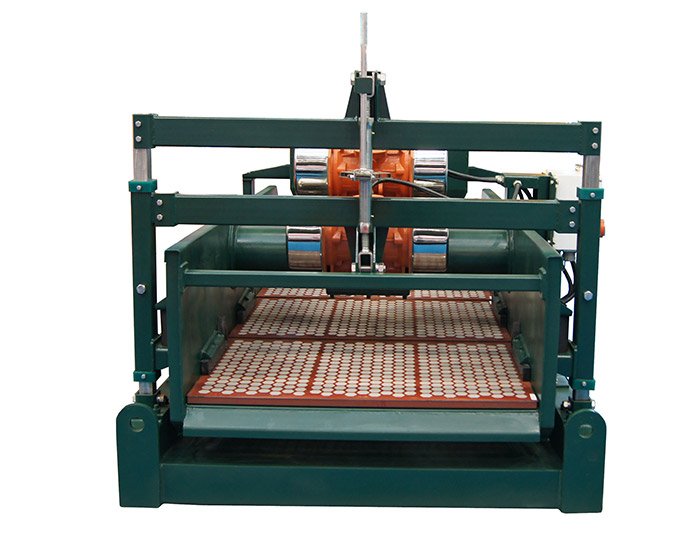
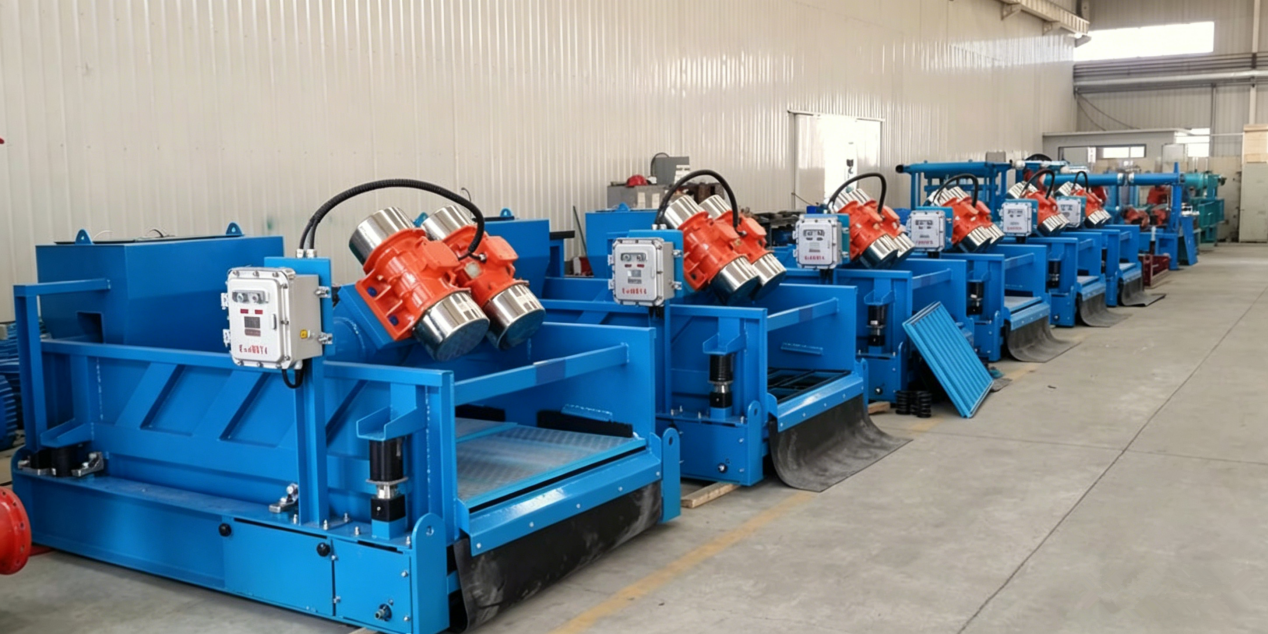
A modern high g shale shaker operates by generating stronger vibration forces across the shaker deck, allowing drilled solids to move more efficiently over the screen surface while maximizing fluid recovery. The term “high G” refers to the increased gravitational force produced by the vibration system, which enhances solids separation performance.
In conventional shaker systems, excessive solids loading can reduce screening efficiency and cause fluid carryover. High G shale shakers solve this problem by increasing solids conveyance speed and improving the movement of cuttings across the shaker screen.
The stronger vibration motion allows the system to process finer screen meshes without significantly reducing fluid throughput. This improves the removal of fine drilled solids that could otherwise remain in the drilling fluid and negatively affect mud performance.
Advanced vibration technology also reduces the risk of screen blockage during heavy drilling operations. Improved solids transport prevents material buildup on the screen surface, maintaining stable processing efficiency throughout continuous drilling activities.
The efficiency of a high g shale shaker is especially important in deep drilling projects where drilling fluids are exposed to high temperatures, increased pressure conditions, and large volumes of abrasive formation cuttings. Under these demanding conditions, maintaining stable drilling fluid quality becomes essential for preventing operational problems and protecting drilling equipment.
Why G Force Shale Shaker Systems Are Critical for Deep Well Drilling
A high-performance g force shale shaker plays a major role in supporting deep drilling efficiency by maintaining cleaner drilling fluids and reducing the negative impact of drilled solids on the circulation system.
As drilling depth increases, the volume of drilled solids generated during operations also rises significantly. Deep wells often require higher drilling fluid circulation rates to maintain proper wellbore cleaning and pressure management. This places enormous stress on the solids control system.
Without effective solids separation, fine particles accumulate rapidly within the drilling fluid. Increased solids concentration can raise mud viscosity, reduce hydraulic efficiency, and increase the likelihood of differential sticking or wellbore instability.
Modern G-force shale shakers are designed to handle these demanding operational conditions by combining high vibration intensity with optimized screen technology. Stronger vibration force improves solids drying performance and reduces fluid loss associated with discarded cuttings.
Improved fluid recovery is particularly valuable in deep drilling projects where synthetic and oil-based drilling fluids are often used. These specialized drilling fluids can be extremely expensive, making efficient fluid recycling a major economic advantage.
In addition, advanced g force shale shaker systems help reduce the workload placed on downstream solids control equipment such as desanders, desilters, and centrifuges. Removing more solids at the primary separation stage improves the overall efficiency of the entire drilling fluid management process.
Oilfield Solids Control Challenges in Deep Drilling Environments
Efficient oilfield solids control becomes increasingly important as drilling projects move into deeper and more technically demanding reservoirs. High-pressure formations, abrasive rock structures, and elevated temperatures all place greater stress on drilling fluid systems.
One of the primary challenges in deep drilling is maintaining drilling fluid stability under continuously changing downhole conditions. Excessive fine solids within the fluid can negatively affect density control, filtration performance, and lubricating properties.
Advanced solids control systems help maintain optimal mud characteristics by continuously removing drilled solids before they accumulate within the circulation system. This contributes to improved drilling efficiency and better wellbore stability.
Environmental performance is another major concern in modern oilfield operations. Deep drilling projects often generate significant quantities of drilling waste that must be managed according to strict environmental regulations. High-efficiency shale shaker systems help reduce waste volume by improving fluid recovery and minimizing fluid loss with discarded cuttings.
Modern oilfield solids control technology also focuses on reducing energy consumption and operational downtime. High-capacity solids separation systems improve overall drilling efficiency while lowering maintenance requirements and reducing equipment wear.
Automation and digital monitoring technologies are becoming increasingly important in deep drilling applications. Intelligent control systems allow operators to optimize equipment performance according to changing drilling conditions while reducing manual supervision requirements.
Why Shale Shaker Oil Rig Systems Need Advanced Vibration Technology
Every modern shale shaker oil rig relies heavily on vibration technology to achieve effective solids separation. The quality and consistency of vibration motion directly affect fluid recovery efficiency, solids conveyance, and overall system reliability.
Traditional shaker systems may struggle to maintain stable separation performance under heavy solids loading conditions. High G vibration systems address this issue by generating stronger acceleration forces that improve solids transport across the screen deck.
Advanced motion control technology also helps reduce structural fatigue and extend equipment lifespan. Balanced vibration systems distribute operational stress more evenly across the shaker structure, reducing the likelihood of mechanical failures during continuous drilling operations.
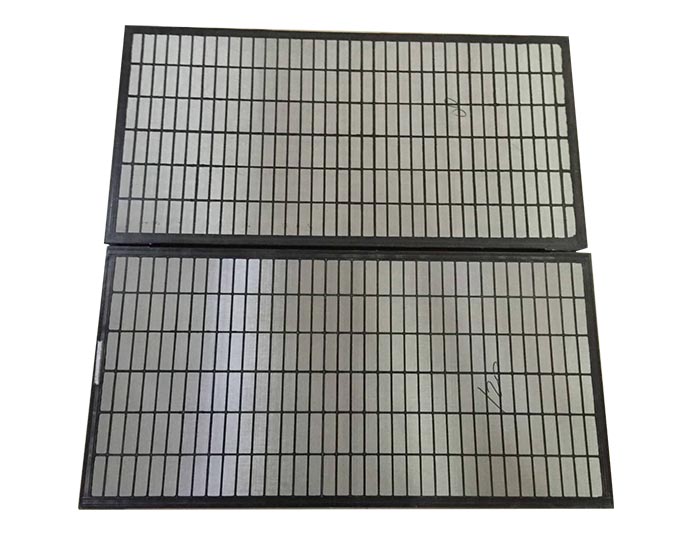
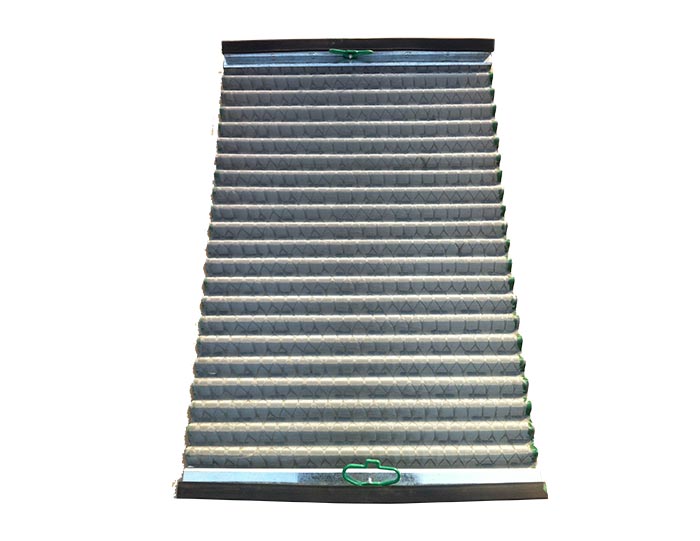
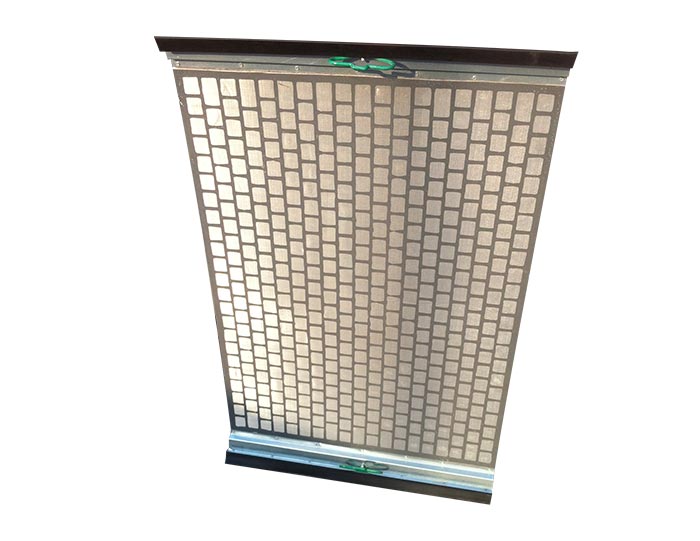
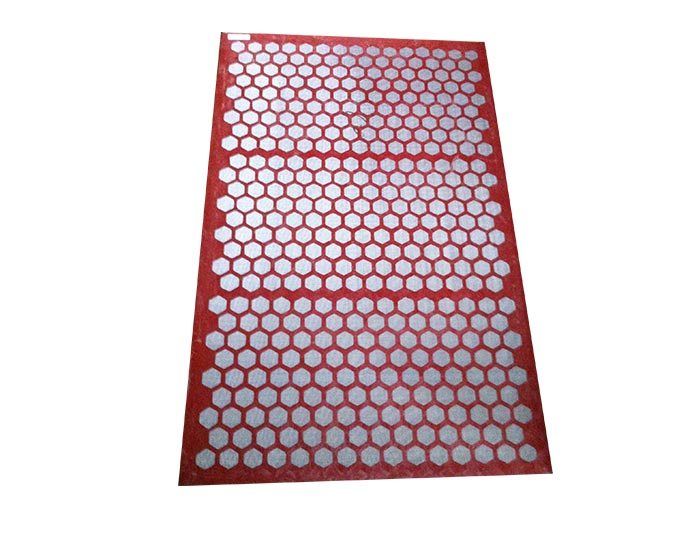
Screen technology is equally important in shale shaker oil rig systems. Modern composite screens and high-strength mesh materials are designed to withstand aggressive vibration forces while maintaining accurate particle separation.
Proper screen selection allows operators to optimize separation efficiency according to drilling conditions and fluid properties. Fine mesh screens improve solids removal accuracy, while larger mesh configurations provide higher fluid processing capacity.
The integration of advanced vibration systems with intelligent monitoring technology allows modern shale shakers to operate more efficiently than ever before. Operators can monitor vibration intensity, screen performance, and fluid throughput in real time, helping maintain stable drilling operations under challenging field conditions.

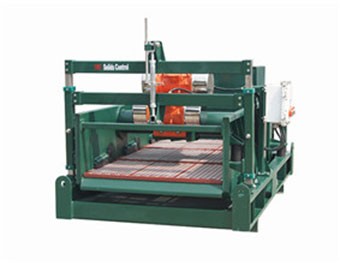 Linear Motion Shale Shaker In Drilling Rig
 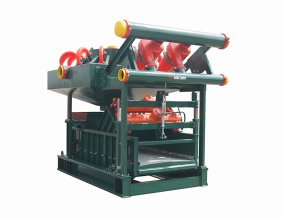 Oilfield Mud Cleaner
 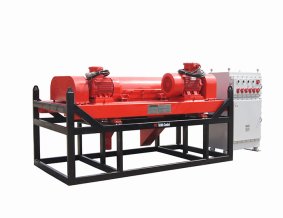 Drilling Fluid Decanter Centrifuge
 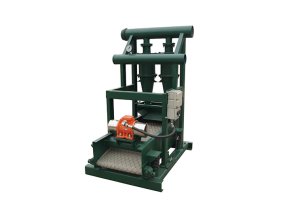 Drilling Mud Desander
 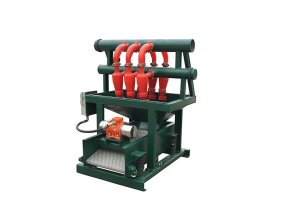 Hydrocyclone Desilter
 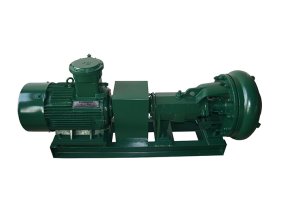 Centrifugal Pump/Centrifugal Mud Pump
 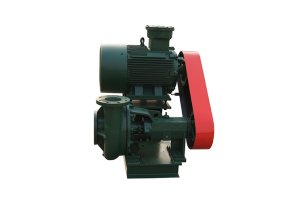 Shear Pump
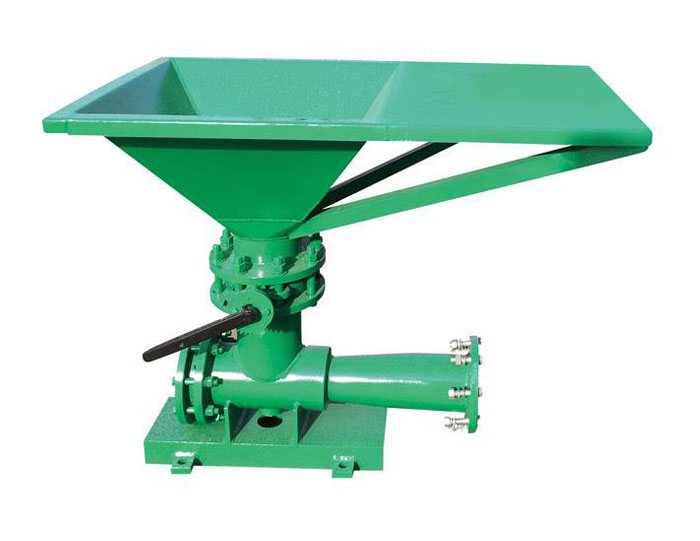
 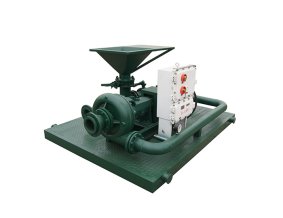 Jet Mud Mixer
 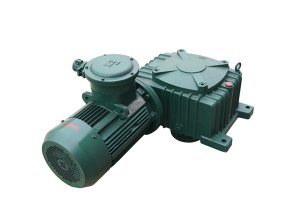 Horizontal Mud Agitator
 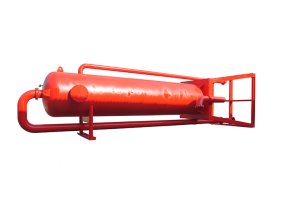 Constant Pressure Drilling Fluid Mud Gas Separator
 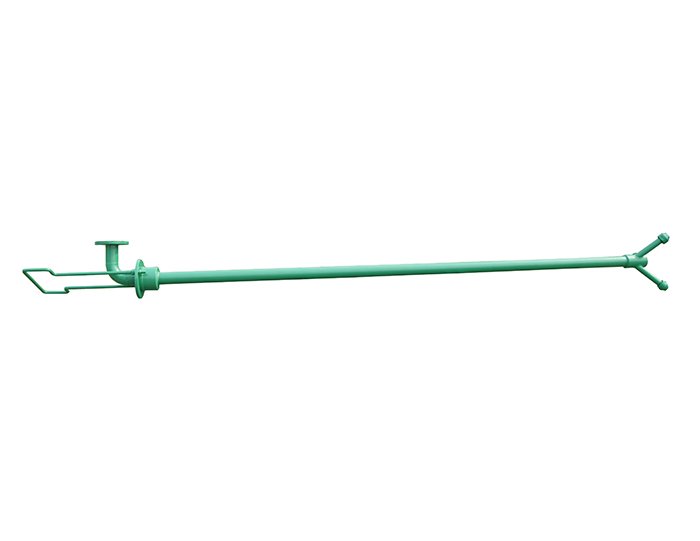 Mud Gun
  Mud Tank
 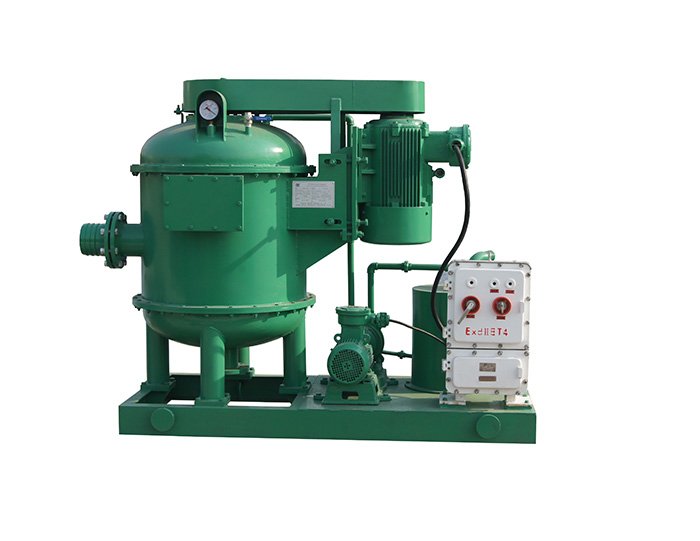 Solids Control System Vacuum Degasser
 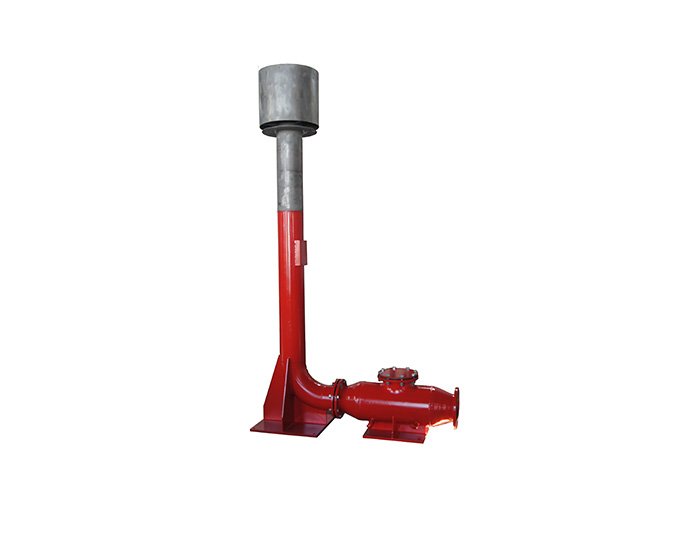 Flare Ignition Device
 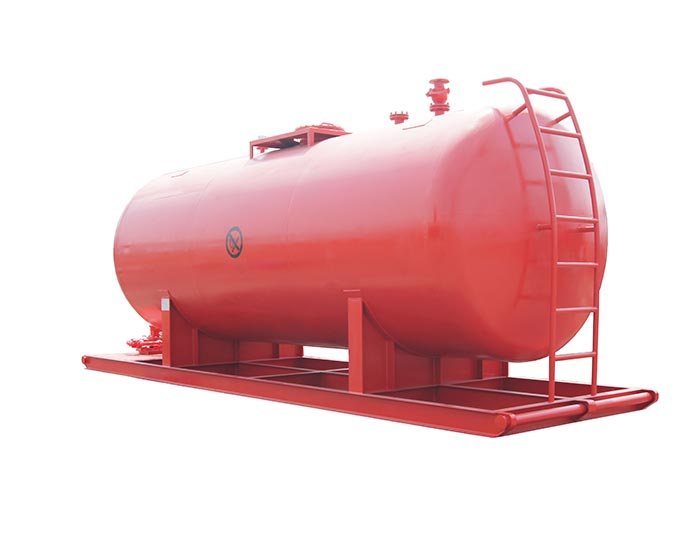 Diesel Tank
 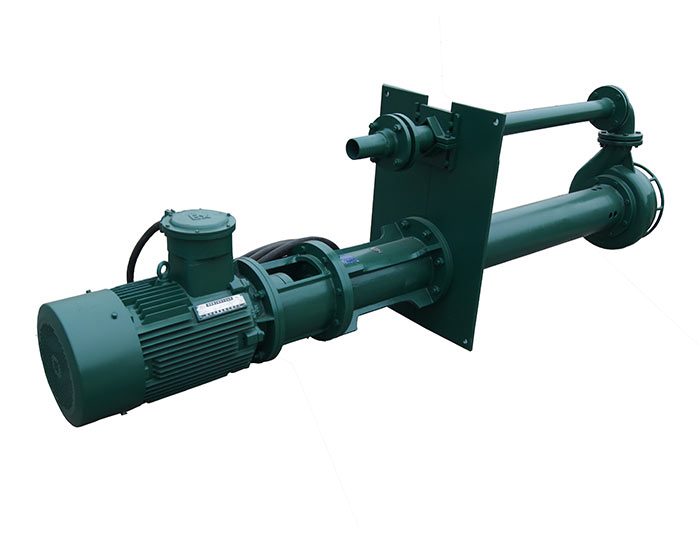 Submersible Slurry Pump