In the complex ecosystem of a modern drilling rig, the ability to maintain fluid integrity is paramount to both safety and efficiency. Among the various components that comprise a comprehensive drilling solids control strategy, the degasser stands as a critical line of defense. To truly grasp the degasser working principle, one must look beyond the surface of the machine and understand the physics of gas-cut mud. When drilling through formations containing high-pressure gas, tiny bubbles become entrained within the drilling fluid. If these bubbles are not removed, they reduce the hydrostatic pressure of the mud column, potentially leading to a well control incident or "kick." The degasser’s primary role is to restore the mud's density by liberating these trapped gases before the fluid is recirculated back down the borehole.
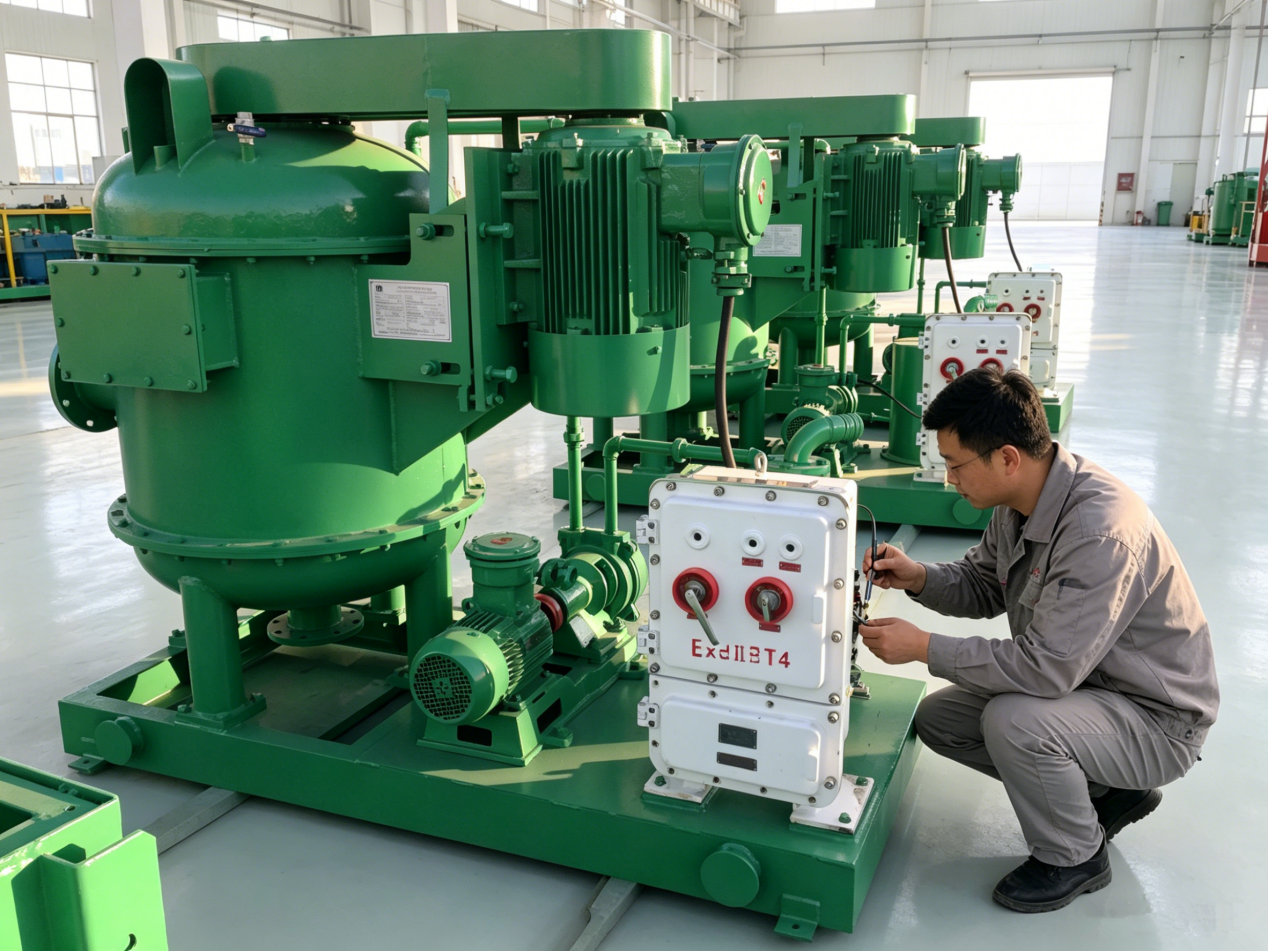
The Role of the Vacuum Degasser Drilling Process in Well Stability
The evolution of the vacuum degasser drilling apparatus has transformed how engineers manage volatile wellbores. Unlike atmospheric degassers which rely solely on surface area and agitation, the vacuum-style unit utilizes a specialized pressure differential to force gas separation. Inside the vessel, a vacuum pump creates a sustained low-pressure environment. According to Henry's Law, the solubility of gas in a liquid is directly proportional to the partial pressure of that gas above the liquid. By significantly dropping the internal pressure of the tank, the degasser causes the entrained gas bubbles to expand rapidly and break away from the viscous mud. This transition is essential for maintaining the precise rheology required to stabilize the wellbore walls and carry cuttings to the surface effectively.
Integrating the Degasser in Drilling Rig Configurations for Peak Performance
Positioning a degasser in drilling rig layouts requires a strategic understanding of the fluid flow path. Typically, the degasser is situated immediately after the shale shakers but before the desanders and desilters. This placement is intentional; the shakers remove large organic and inorganic solids, but they cannot address the gas trapped within the liquid phase. By processing the mud at this stage, the degasser ensures that subsequent centrifugal equipment—like hydrocyclones—operates at maximum efficiency. Air or gas pockets in the mud can cause cavitation in centrifugal pumps and reduce the separation accuracy of desilters, making the degasser an indispensable gatekeeper within the broader solid control system.
Mechanical Agitation and the Physics of Thin-Film Separation
A deeper dive into the degasser working principle reveals the importance of surface area. Most modern units do not simply pull a vacuum on a stagnant pool of mud. Instead, the fluid is introduced into the vacuum chamber and dispersed over a series of internal plates or "leaves." This creates a thin film of mud, maximizing the surface area exposed to the low-pressure environment. As the mud cascades over these internal structures, the distance a gas bubble must travel to reach the surface is minimized. This mechanical agitation, combined with the vacuum-induced expansion of the bubbles, ensures that even the most stubborn micro-bubbles are liberated. The separated gas is then safely vented away from the rig floor, often through a flare line, while the deaerated mud collects at the bottom of the tank for discharge.
Enhancing Efficiency within the Comprehensive Solid Control System
The broader solid control system relies on a synergy between mechanical separation and chemical properties. While the degasser is primarily a mechanical device, its performance is heavily influenced by the viscosity and gel strength of the drilling fluid. In highly viscous "thick" muds, gas bubbles find it harder to migrate to the surface. This is where the vacuum degasser drilling technology proves its worth over older designs. By applying a powerful vacuum, the machine overcomes the fluid's internal resistance, pulling the gas out of the suspension. Without this intervention, the gas-cut mud would continue to circulate, leading to "spongy" pump performance and inaccurate measurements of mud weight, which are the primary indicators used by derrickmen to monitor well health.
Maintenance and Operational Longevity of the Degasser in Drilling Rig Environments
To maintain the efficacy of the degasser in drilling rig operations, rigorous maintenance schedules are non-negotiable. Because the environment involves abrasive solids and potentially corrosive gases, the internal components of the degasser—such as the vacuum pump, the internal coating of the vessel, and the float valves—are subject to significant wear. Within the framework of drilling solids control, a malfunctioning degasser is often the first domino to fall in a series of equipment failures. If the vacuum seal is compromised, gas remains in the mud, leading to increased wear on mud pump liners and valves. Therefore, operators must ensure that the suction lines remain clear of debris and that the vacuum levels are monitored constantly to match the specific gas-cut conditions of the formation being drilled.
The Fluid Dynamics Behind Modern Drilling Solids Control
Refining the degasser working principle also involves understanding the centrifugal forces often used to discharge the processed fluid. Some degasser designs incorporate an internal impeller that helps both in creating the thin-film distribution and in pumping the mud out of the vacuum chamber. This dual-action approach ensures that there is no bottleneck in the fluid processing line. In high-speed drilling environments where the rate of penetration is fast, the volume of gas-cut mud can be substantial. The ability of the solid control system to handle these surges without overflowing or losing prime is a testament to the engineering behind modern vacuum units.

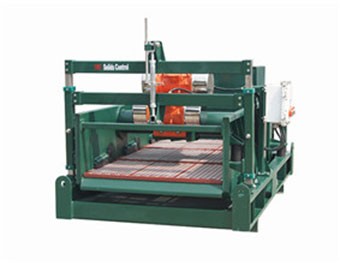 Linear Motion Shale Shaker In Drilling Rig
 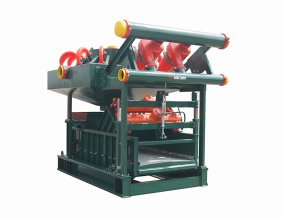 Oilfield Mud Cleaner
 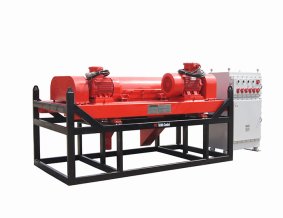 Drilling Fluid Decanter Centrifuge
 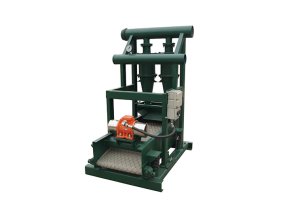 Drilling Mud Desander
 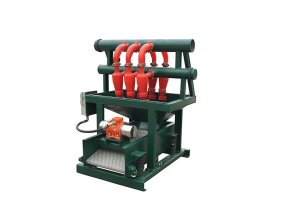 Hydrocyclone Desilter
 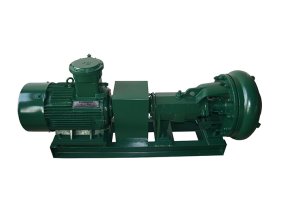 Centrifugal Pump/Centrifugal Mud Pump
 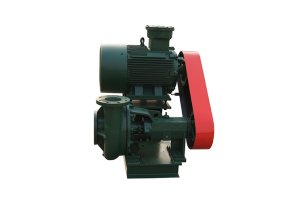 Shear Pump
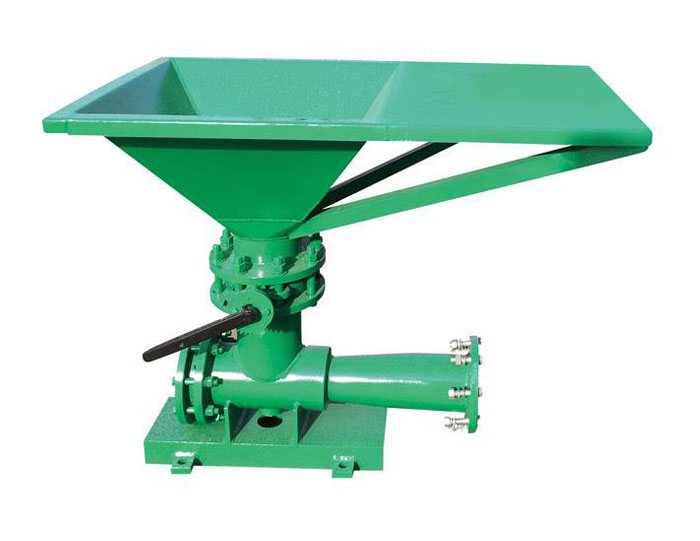
 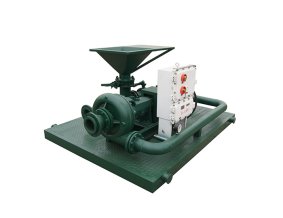 Jet Mud Mixer
 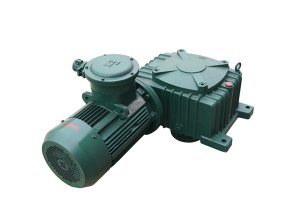 Horizontal Mud Agitator
 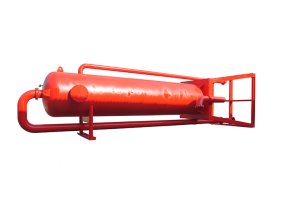 Constant Pressure Drilling Fluid Mud Gas Separator
 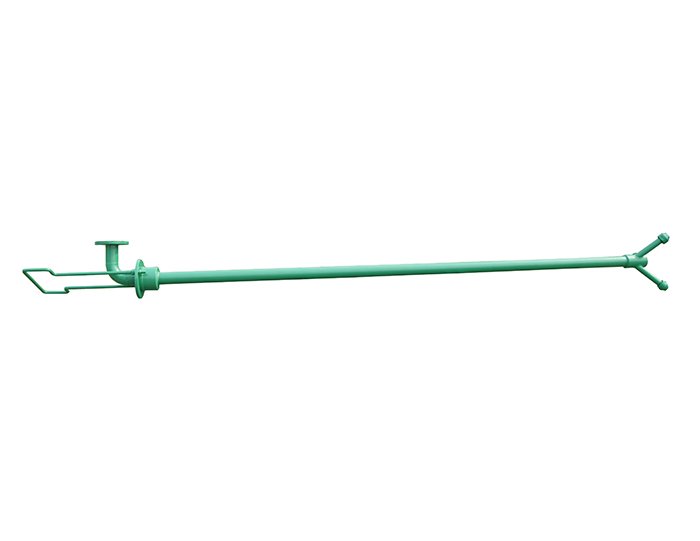 Mud Gun
  Mud Tank
 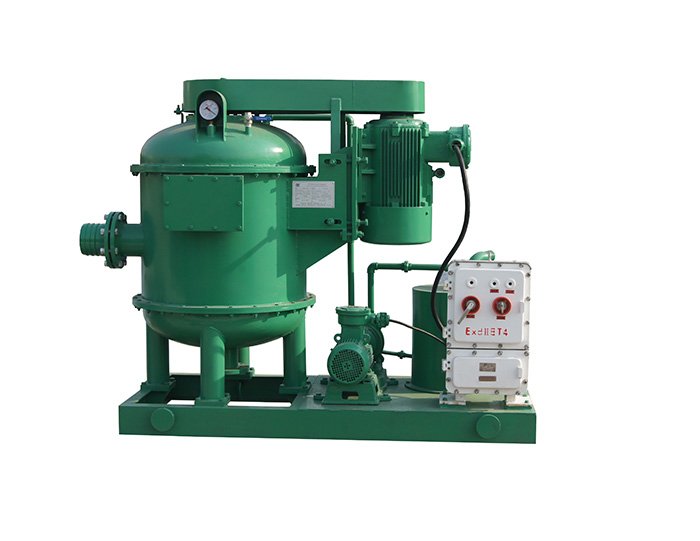 Solids Control System Vacuum Degasser
 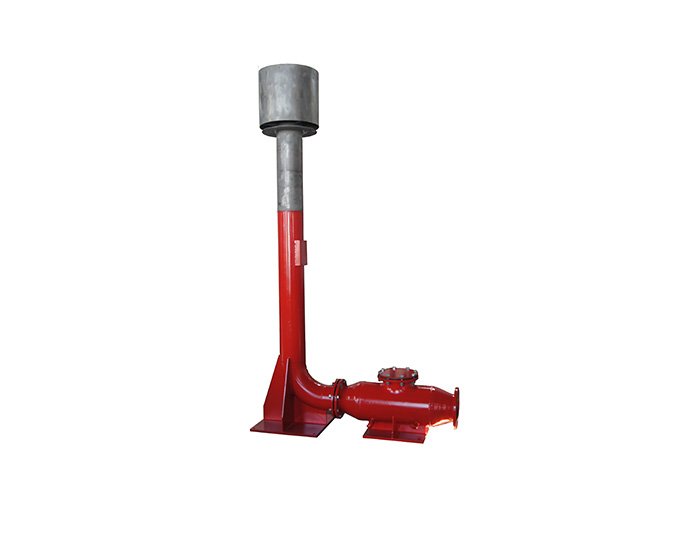 Flare Ignition Device
 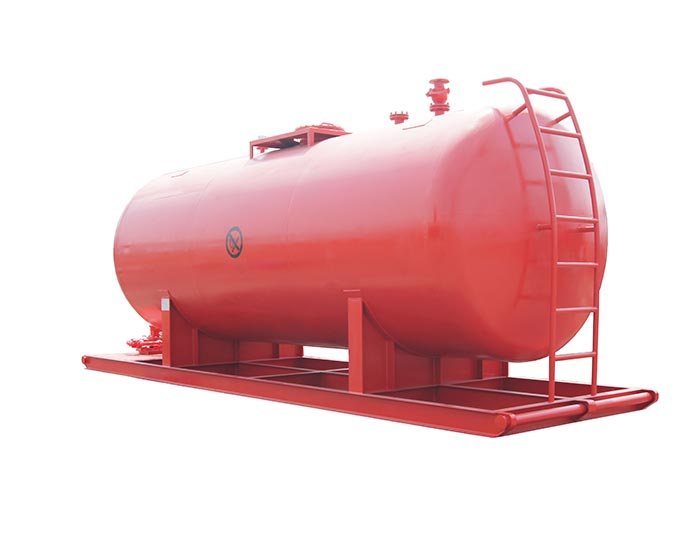 Diesel Tank
 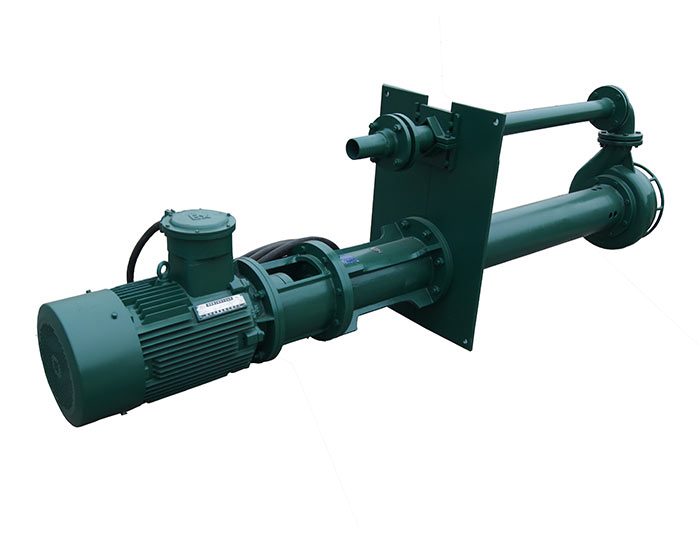 Submersible Slurry Pump